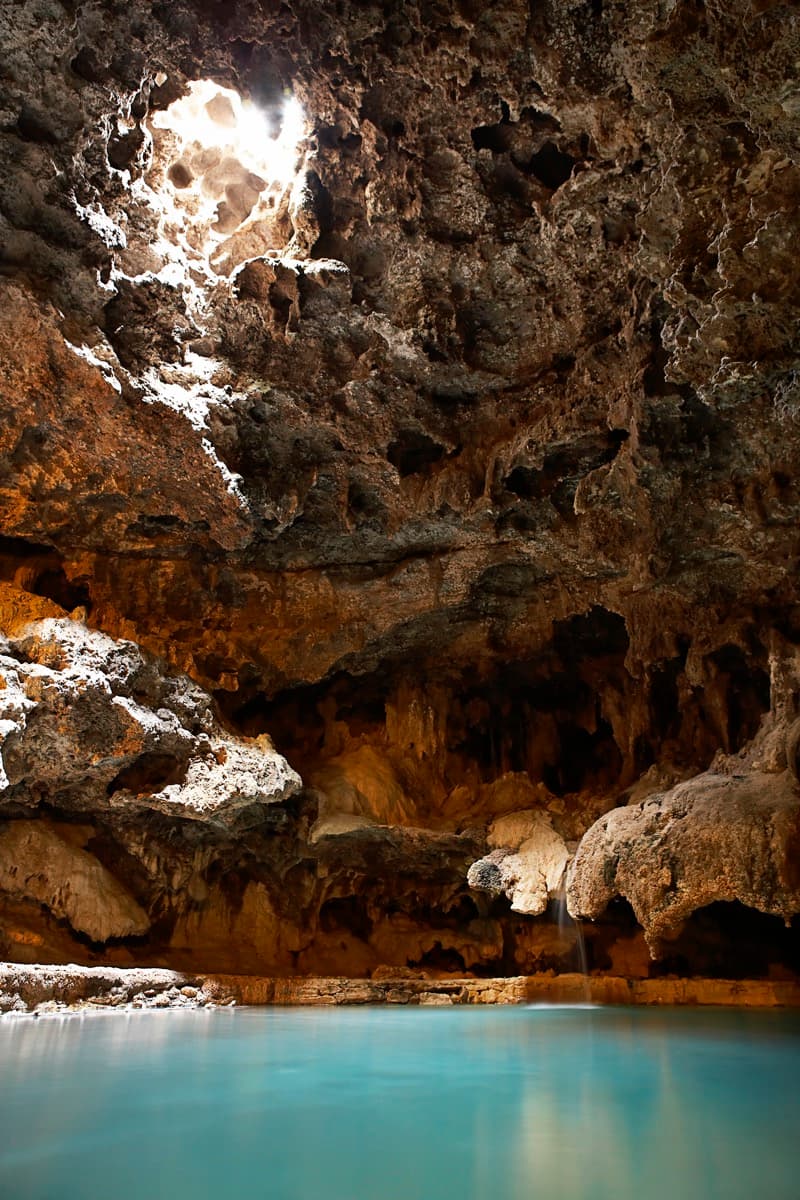
Cave and Basin: The Hot Spring That Made a Country Conserve
89 min · 4.4 km · easy
Banff is a national-park town, not a normal city, and that changes how you plan a trip. You need a Parks Canada pass simply to be there, the town is walkable but the wider park needs a car or the local bus, the marquee lakes sit a drive away and are increasingly car-free, and this is genuine bear-and-elk country with real rules. This guide answers the practical questions travelers actually search, answer first, then the detail.
How many days do you need in Banff?
Short answer: three to four days for most people.
- 2 days covers the Banff town site plus one marquee lake if you move efficiently.
- 3 days covers the town, Lake Louise and Moraine Lake, and either Lake Minnewanka or the Banff Gondola, without rushing.
- 4 to 5 days adds bigger hikes, a run up the Icefields Parkway toward Jasper, and unhurried time in town.
The reason under-scheduling is the classic mistake: the famous glacial lakes, Lake Louise and Moraine Lake, sit roughly 45 minutes to an hour up the highway from the town of Banff, and getting to each one, especially now that some are shuttle-only, takes longer than the map suggests. If you only have one day, follow our focused one day in Banff route through the walkable town site.
Getting to Banff and getting around
Hear a stop from this walk
Buffalo Nations Luxton Museum
Getting there. Almost everyone flies into Calgary International Airport (YYC) and travels about 130 km west, roughly 90 minutes by car. Without a car, shuttle buses run from the airport to Banff for around 60 to 70 CAD.
Getting around town. You do not need a car in Banff town itself: it is small and walkable, and the self-guided Banff walking tours are all on foot. For the wider park, Roam Transit runs local buses to the Banff Gondola, Lake Minnewanka, Johnston Canyon, Canmore, and Lake Louise, and it is the cheapest way to reach most attractions.
A car for the park, with caveats. A rental car gives you the most flexibility for the wider park, but several marquee spots are now car-free. Moraine Lake Road is closed to private vehicles year-round; you reach Moraine Lake by reserved Parks Canada shuttle from the Lake Louise Park and Ride, by Roam Transit, or with a commercial operator. Lake Louise parking fills before dawn in summer, so the Park and Ride plus shuttle is the sane choice there too. Book shuttle reservations well ahead.
The park pass
Banff is a national park, so a Parks Canada pass is required for everyone in the park, the town of Banff included.
- Daily admission: about 12.25 CAD per adult for the Rocky Mountain parks; youth 17 and under are free.
- Discovery Pass (annual): 83.50 CAD adult, 167.50 CAD family or group. It pays off after roughly seven daily-admission days and covers Parks Canada sites nationwide for a year.
- 2026 exception: under the Canada Strong Pass, admission to Banff National Park is free for all visitors from June 19 to September 7, 2026. No park pass is needed to enter during that window.
Buy passes online in advance or at the park gates. Display it in your vehicle where required.
Best time to visit Banff
There is no single best time, only trade-offs:
- Summer (July to August). Peak season: warm, long days, every trail, gondola, and cruise open. Also the biggest crowds and highest prices.
- Winter (December to March). Skiing at three resorts, ice walks, frozen waterfalls, and a quiet, cold, snow-globe town. Some seasonal attractions close.
- Larch season (late September to early October). The alpine larch trees turn brilliant gold, roughly the last two weeks of September into the first week of October, and the summer crowds thin. A favourite window, especially around Lake Louise and Moraine Lake.
- Shoulder (June, late September). The best balance of decent conditions and fewer people.
Is Banff safe? Wildlife comes first
Banff is very safe for visitors, including solo and female travelers. The real risks here are weather and wildlife, not crime. This is genuine bear and elk country, and Parks Canada rules exist for good reasons:
- Keep your distance. At least 100 metres (about 10 bus lengths) from bears, wolves, and cougars; at least 30 metres from elk, deer, bighorn sheep, and moose.
- Never feed or approach wildlife, and do not stop your car in the road to crowd an animal.
- Carry bear spray on hikes, kept on your belt or pack strap where you can reach it in seconds, not buried in your bag. Know how to use it.
- Make noise and travel in groups on trails so you do not surprise a bear; surprise is what triggers most encounters.
- Elk are dangerous in season. They can be aggressive during spring calving (May to June) and the fall rut (September); give them extra space in town and on paths.
Beyond wildlife, mountain weather changes fast, so carry layers, water, and check trail conditions.
Banff on a budget
Banff is pricier than a city break, but the best of it is cheap or free once you have your park pass:
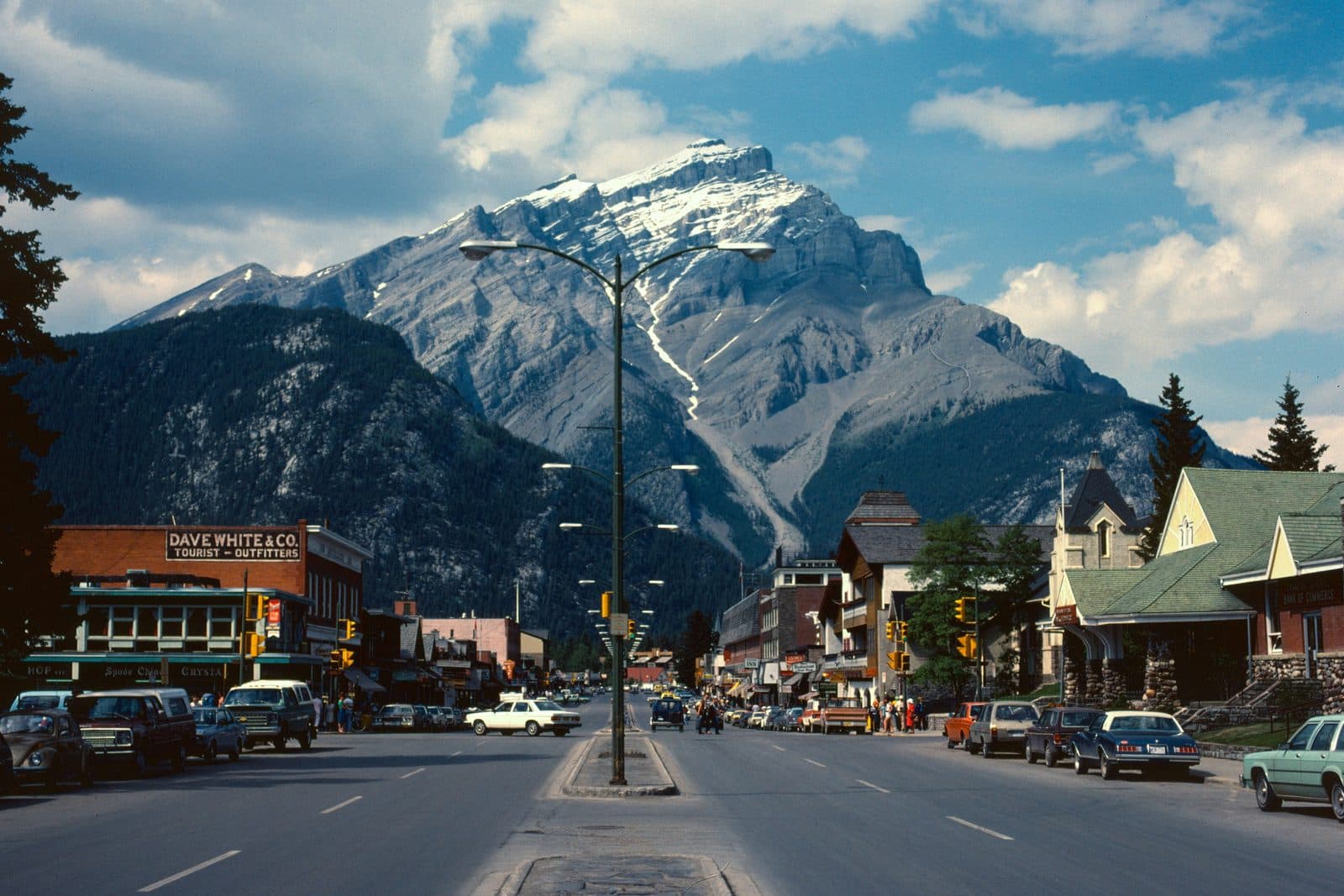
- Free to walk: Banff Avenue, Bow Falls, Surprise Corner, the Cave and Basin grounds, and a huge network of trails.
- Skip the rental car: Roam Transit reaches town, the gondola base, Lake Minnewanka, and Lake Louise for a few dollars a ride.
- Choose your splurge: pick one paid marquee experience (the gondola or a lake cruise) rather than stacking them all.
- Skip the guide fee: Roamer self-guided audio tours are free to start, so you get expert narration without booking a private guide, a start time, or a tip. See what to eat in Banff for eating well without a fine-dining bill.
Start planning your walk
Ready to route your days? Read our one day in Banff itinerary, browse the best self-guided walking tours in Banff, or see all Banff tours. Every tour is free to start: the introduction and first stop play in full, and every later stop plays a short preview before an optional purchase. Tours can also be downloaded in advance for offline listening where signal is thin.
Frequently asked questions
- How many days do you need in Banff?
- Three to four days is the sweet spot. Two days lets you see the Banff town site plus one of the marquee lakes if you move efficiently. Three days covers the town, Lake Louise and Moraine Lake, and either Lake Minnewanka or the Banff Gondola without rushing. Four or five days adds bigger hikes, the Icefields Parkway toward Jasper, and slower time in the town itself. Because the famous lakes sit 45 minutes to an hour up the highway from town, day-tripping to each one eats more time than the map suggests.
- How do you get to Banff, and how do you get around?
- Most visitors fly into Calgary International Airport (YYC) and travel about 130 km west, roughly 90 minutes by car, or by shuttle bus for around 60 to 70 CAD. In and around town you do not need a car: Banff town is walkable, and Roam Transit runs buses to the Banff Gondola, Lake Minnewanka, Johnston Canyon, Canmore, and Lake Louise. A car is genuinely useful for the wider park, though several marquee spots are now car-free.
- Do you need a park pass for Banff?
- Normally yes. Banff is a national park, and a Parks Canada pass is required for everyone in the park, including the town itself. Daily adult admission is about 12.25 CAD, youth 17 and under are free, and the annual Discovery Pass is 83.50 CAD for an adult or 167.50 CAD for a family or group, which pays off after about seven days of park visits. Important 2026 exception: under the Canada Strong Pass, admission to Banff National Park is free for all visitors from June 19 to September 7, 2026.
- What is the best time of year to visit Banff?
- It depends on what you want. July and August are peak: warm, long days, every trail and gondola open, and the biggest crowds. Winter (December to March) is for skiing, ice walks, and frozen waterfalls, quieter and cold. The special window is larch season, roughly the last two weeks of September into early October, when the alpine larch trees turn gold and the summer crowds thin. Late September and early June are the best balance of good conditions and fewer people.
- Is Banff safe, and what about the bears?
- Banff is very safe for visitors, including solo and female travelers, with the main risks being weather and wildlife rather than crime. This is real bear and elk country. Parks Canada rules: keep at least 100 metres from bears, wolves, and cougars, and at least 30 metres from elk, deer, bighorn sheep, and moose. Never feed or approach wildlife. On hikes, carry bear spray on your belt or pack strap (not buried in your bag), make noise, and travel in groups. Elk can be aggressive in spring calving (May to June) and fall rutting (September) seasons.
- Can you see Banff on a budget?
- Yes, though it is pricier than a city break. The best experiences are free or cheap: walking Banff Avenue, Bow Falls, Surprise Corner, the Cave and Basin grounds, and endless trails cost nothing beyond your park pass. Roam Transit is inexpensive and replaces a rental car for town and many attractions. Save on paid extras like the gondola and cruises by choosing one, and self-guided audio tours on Roamer are free to start, so you get expert narration without hiring a guide.
Ready to experience it?
Cave and Basin: The Hot Spring That Made a Country Conserve
89 min · 4.4 km · easy
More from Banff
Explore more at your own pace.
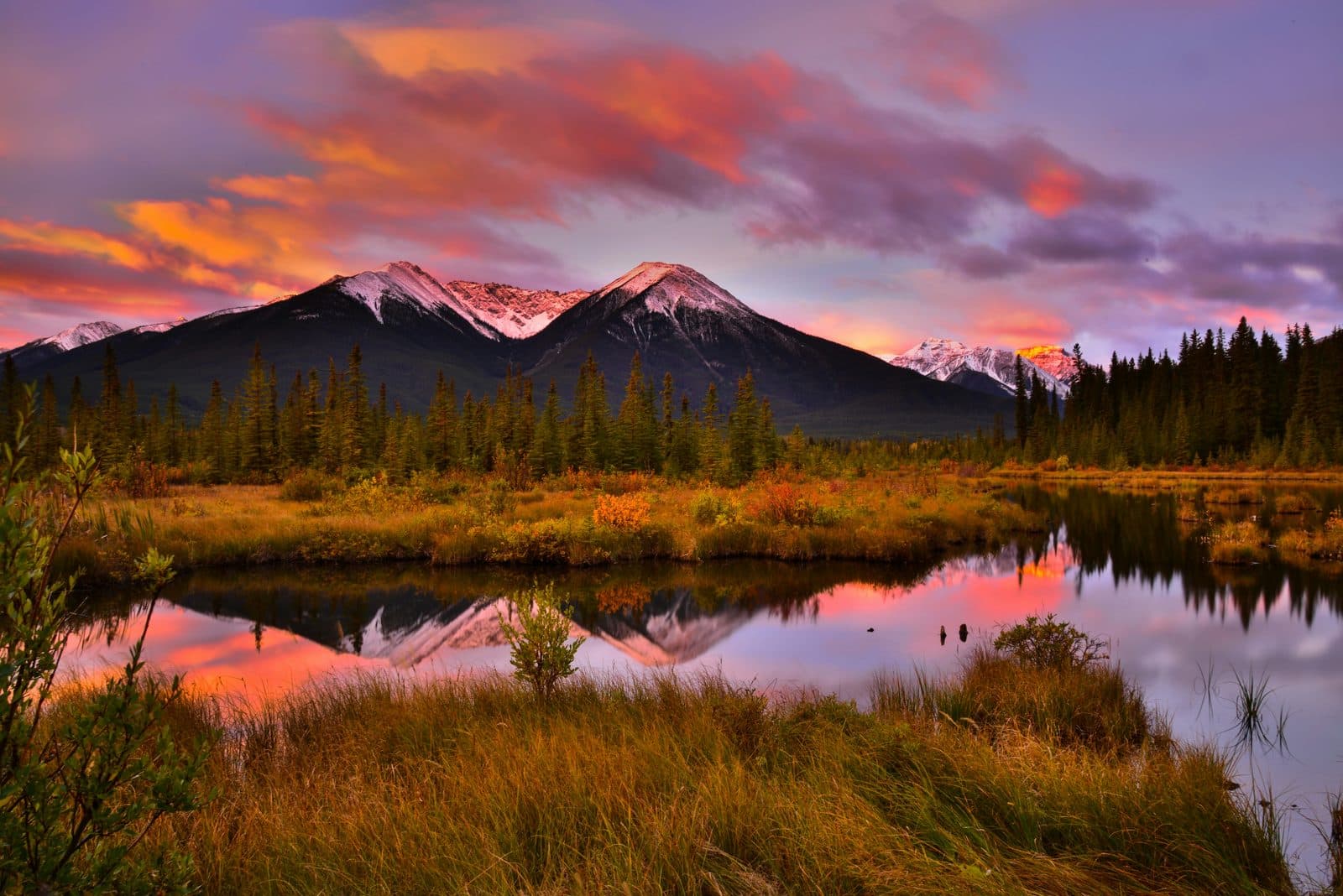
How a River Valley Became a Park: The Bow, the Ice, and the Warm Water
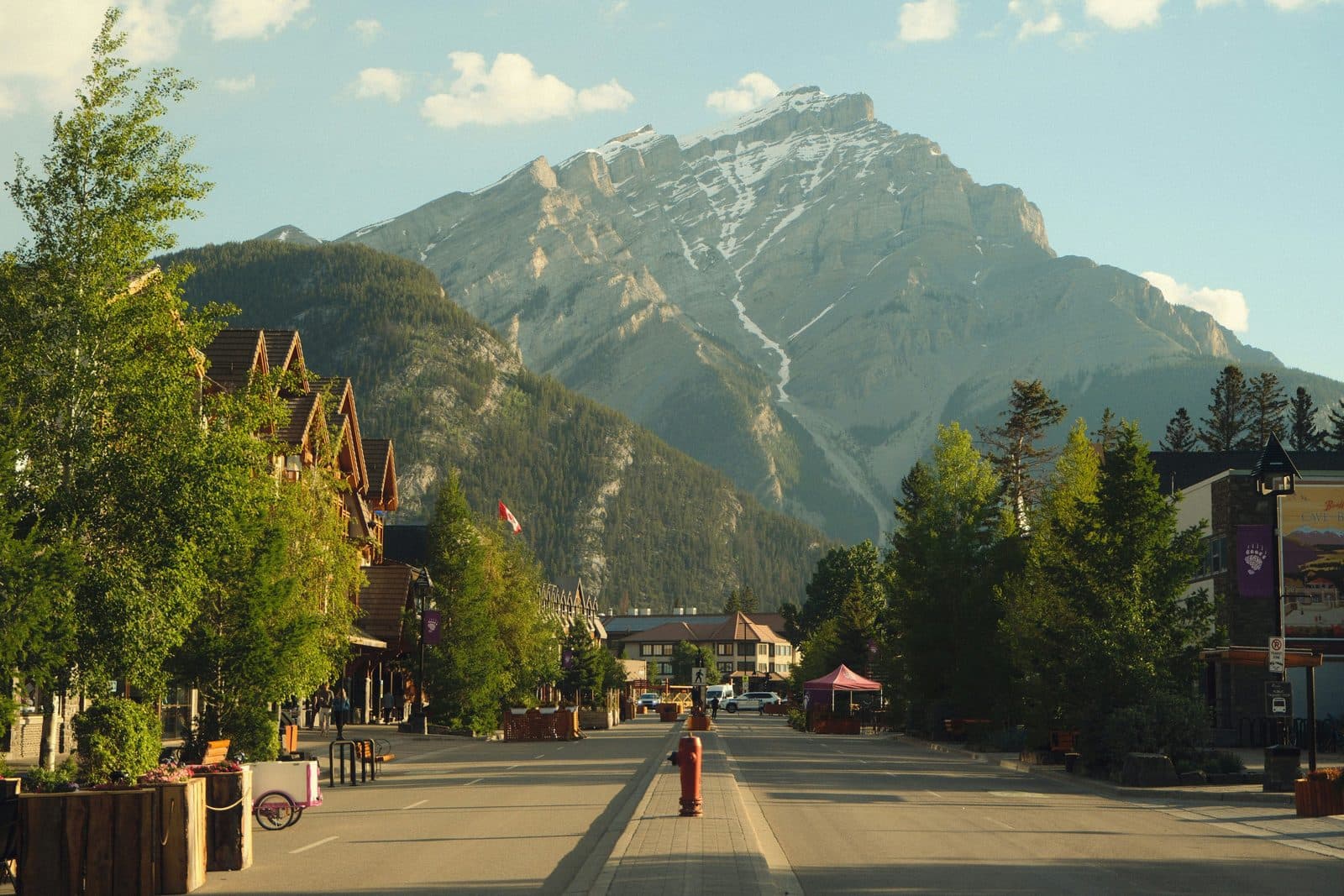
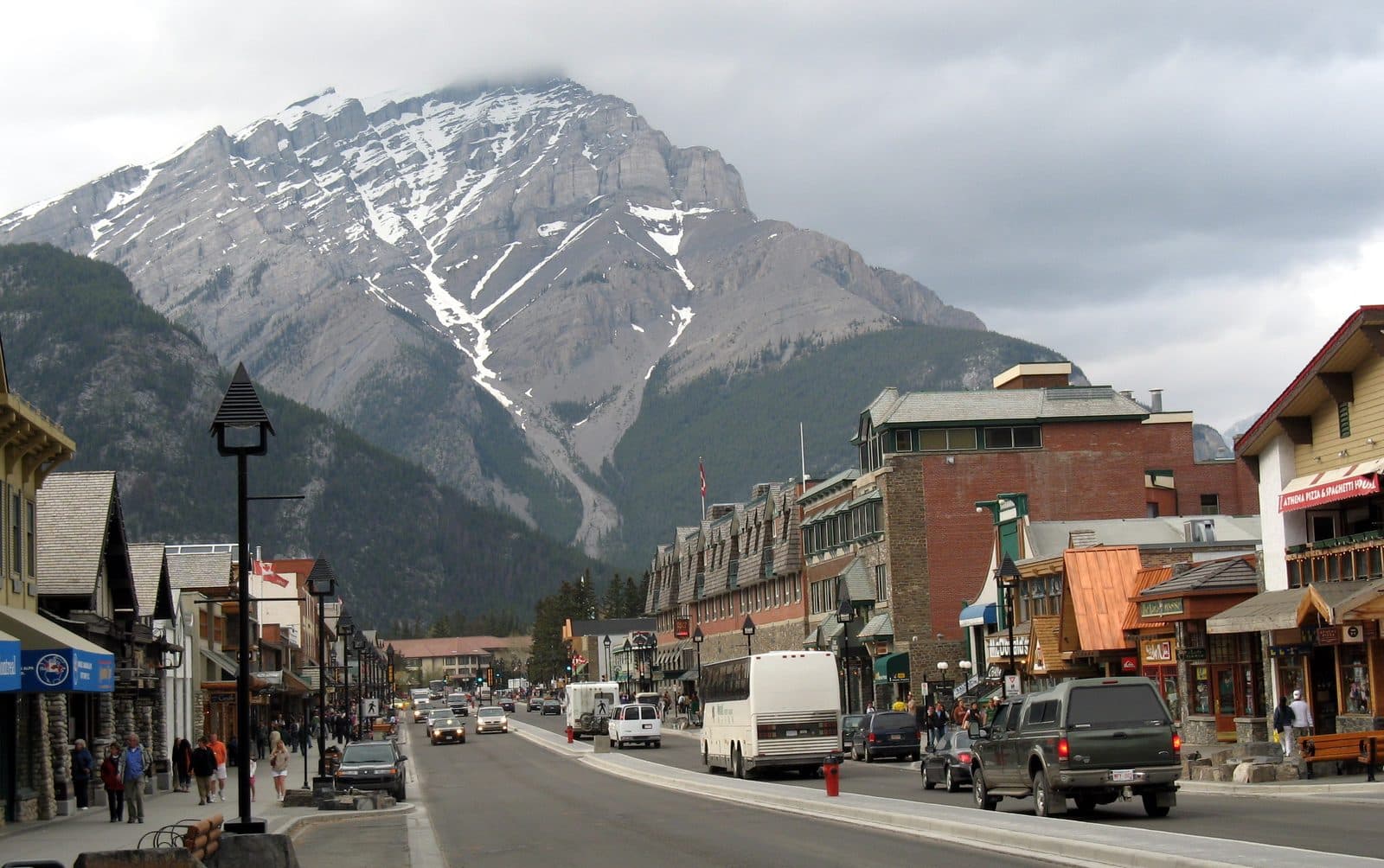
A National Park's Shopping Street: Walking the Town That Can't Grow
The Castle Built to Sell the Wilderness: Reading the Banff Springs Hotel
The Property Fight That Became a Country's Conservation Movement
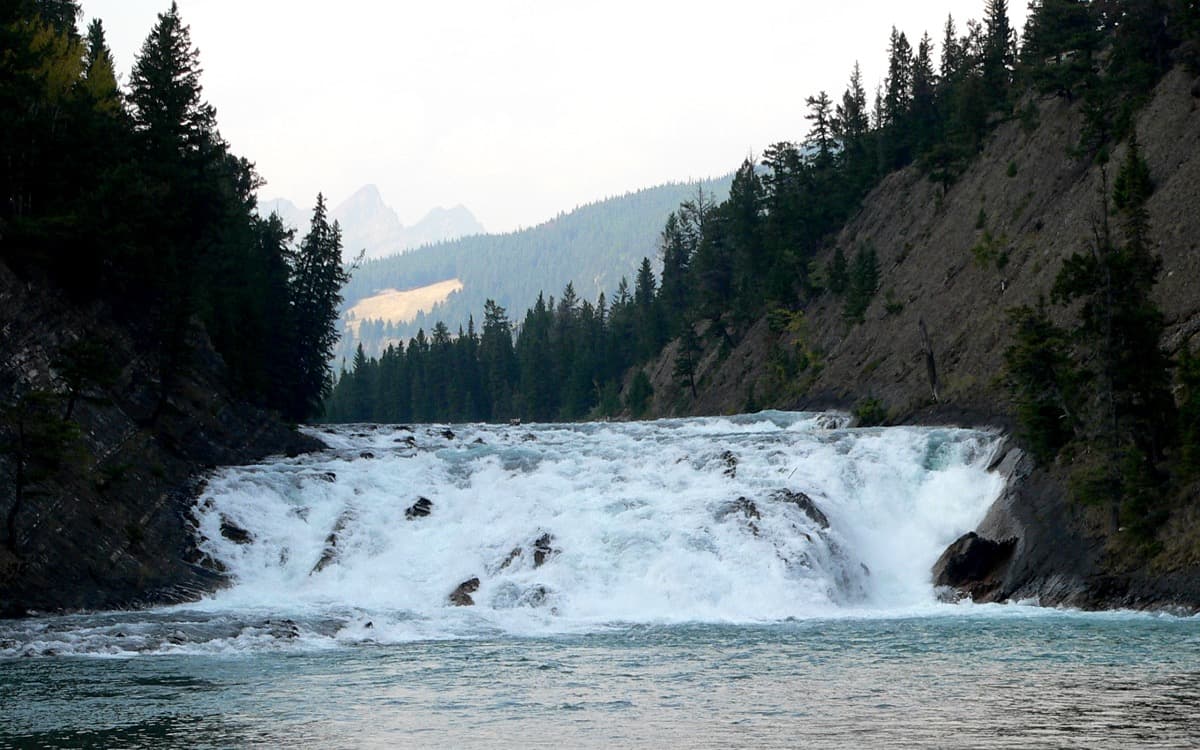
Bow Falls: The Small Waterfall That Sells a Castle