Cave and Basin: The Hot Spring That Made a Country Conserve
89 min · 4.4 km · easy
It is easy to treat the Bow River as backdrop in Banff, the pretty water you cross on the way to the shops. That gets it exactly backward. The Bow is not scenery beside the town. It is the reason there is a town, a railway, and a park at all. The river made Banff twice: once by carving the valley the railway needed, and once by warming a marsh that shelters life found nowhere else on Earth.
The valley the ice and river cut
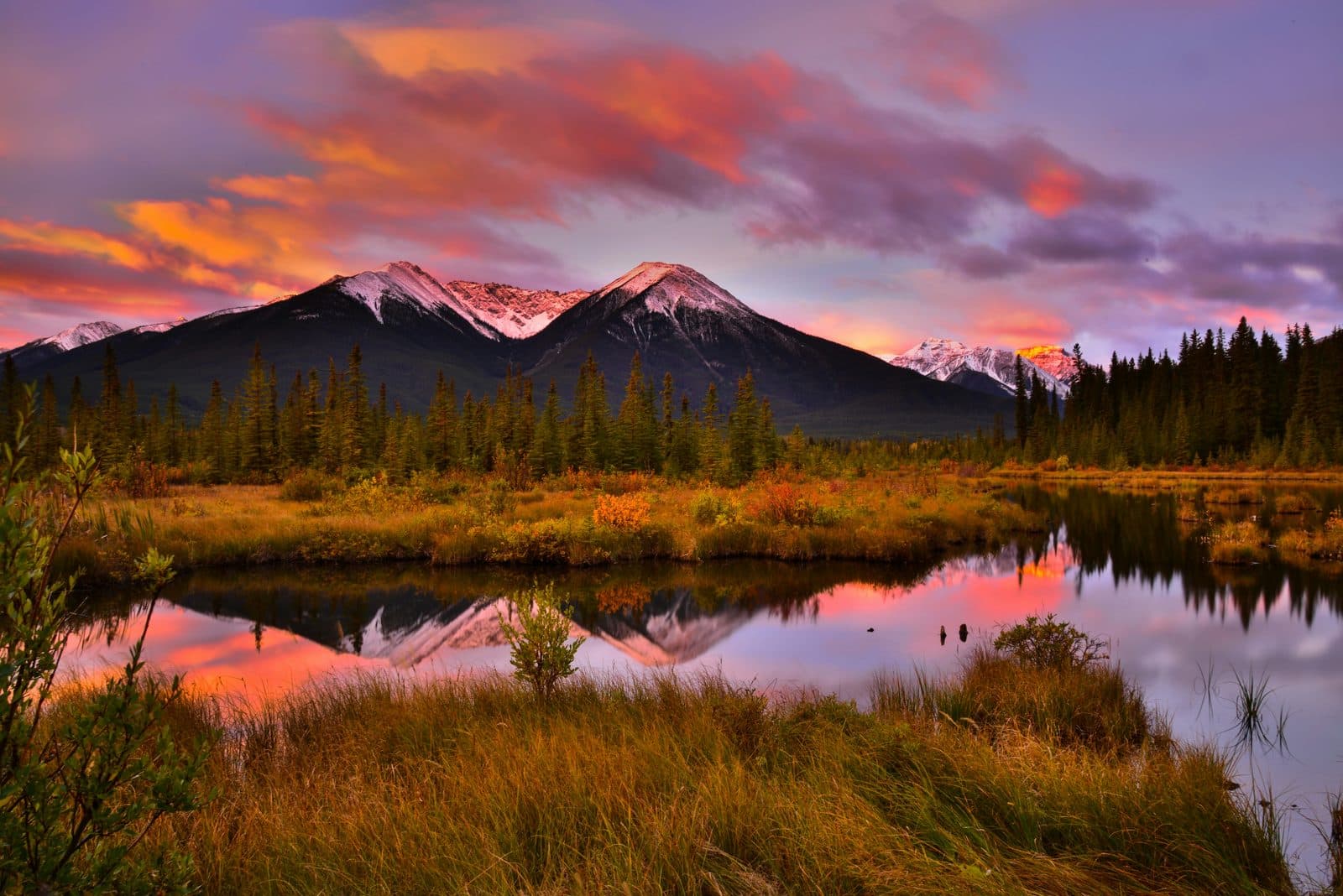
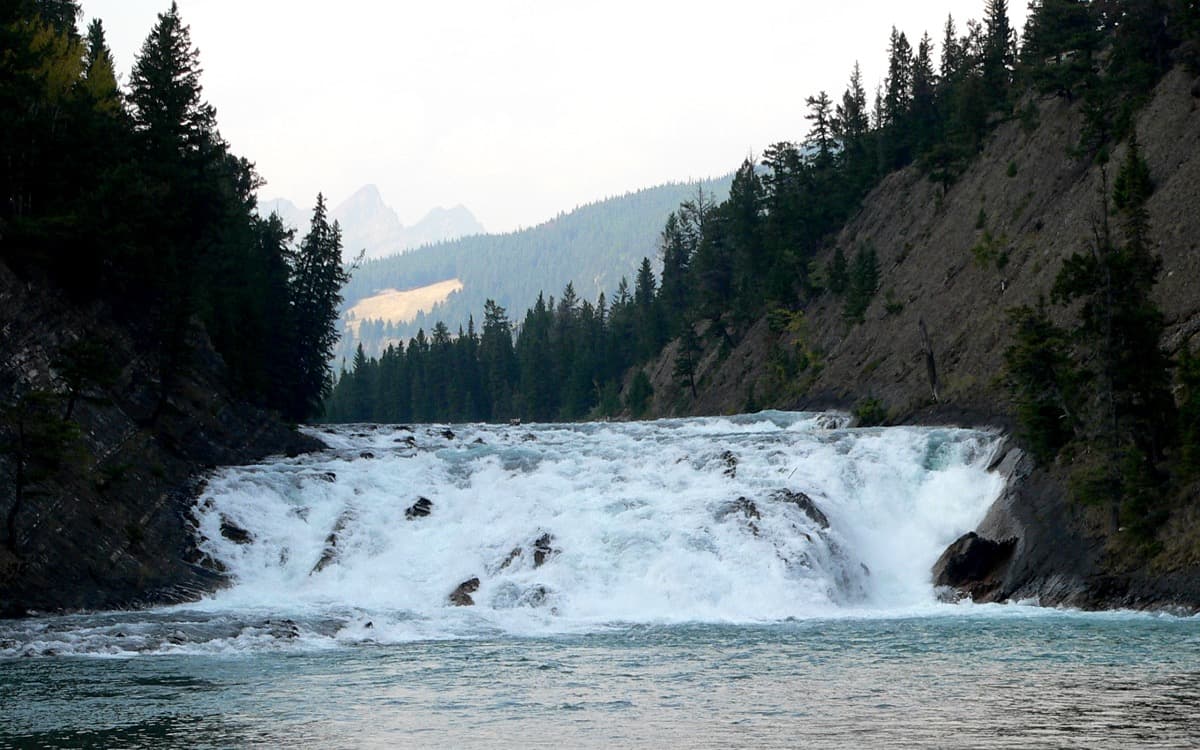
The Bow River begins in ice. Its headwaters are at the Bow Glacier, an outflow of the Wapta Icefield near Bow Lake, high in the mountains northwest of the town. From there the river runs down a broad valley toward Banff, gathers the Spray River just below Bow Falls, and carries on east across the foothills and prairies. Over long time, glaciers and the river together cut the Bow Valley into a wide, relatively gentle corridor through otherwise unforgiving mountains.
That corridor is why everything is here. When the Canadian Pacific Railway pushed its transcontinental line through the Rockies, it followed the grade the Bow Valley offered. The town, the hotels, and the park boundaries all trace back to the route the river made walkable. The Banff Springs walk reads the castle at Bow Falls as an advertisement, and it is, but the advertisement could only be built where it is because the river had already opened the door.
The warm water that made a park
Hear a stop from this walk
Buffalo Nations Luxton Museum
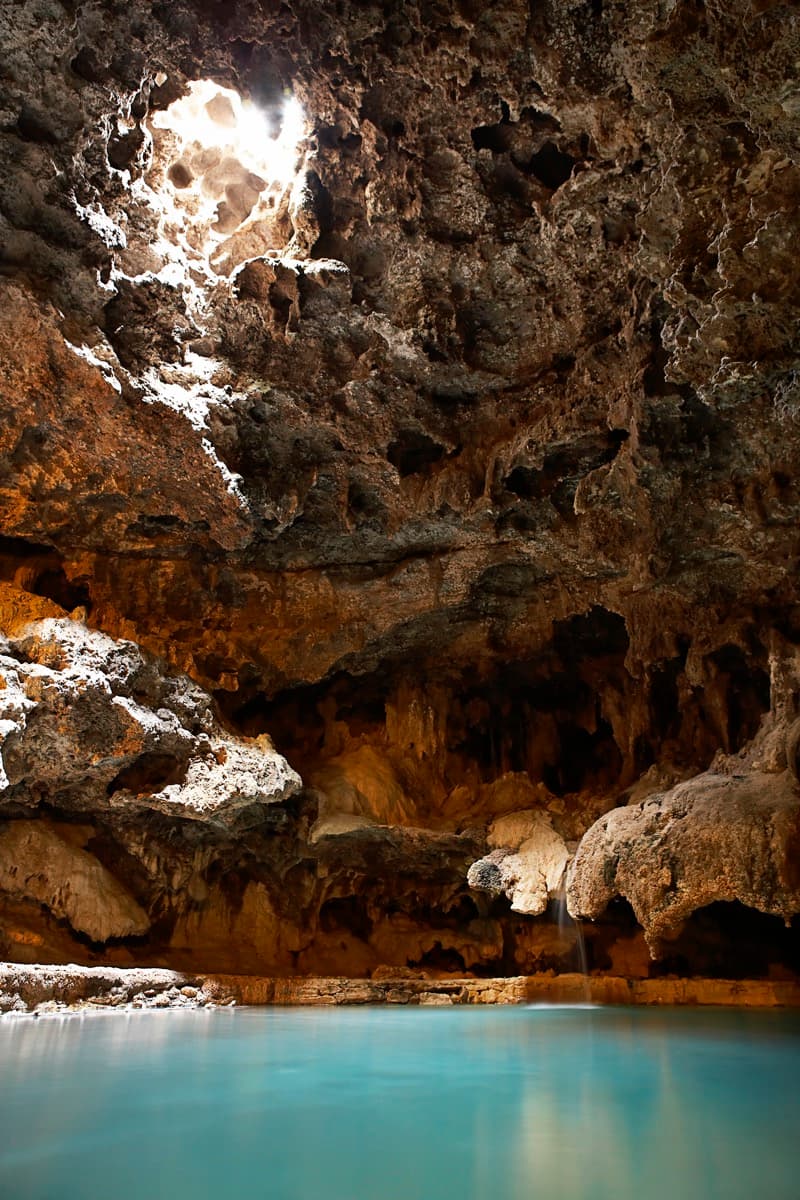
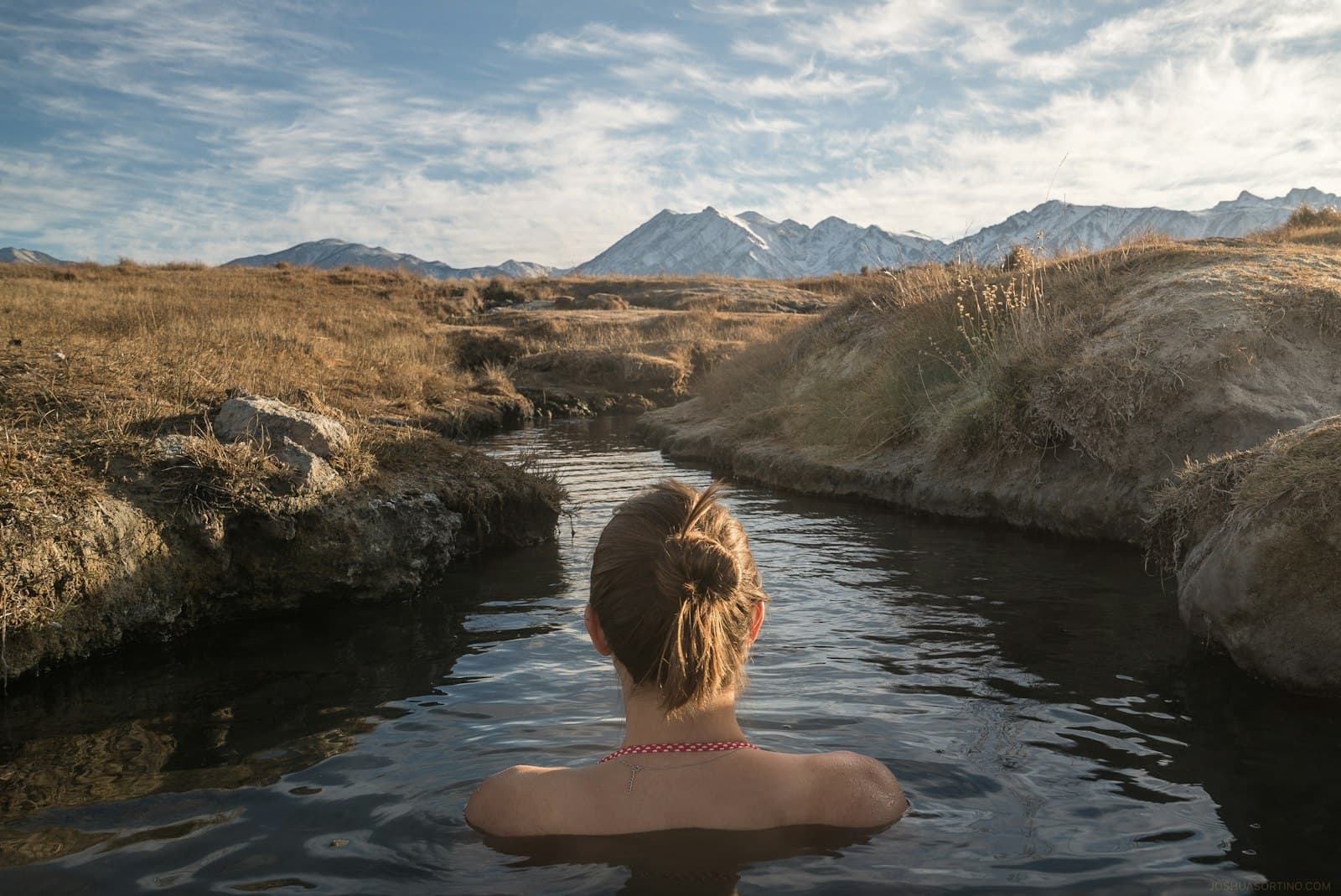
The Bow's second gift is stranger. Along the valley's lower slopes, thermal springs surface at the Cave and Basin, releasing warm, mineral-heavy, sulphurous water. That water flows down into the marsh below, and its warmth changes everything. Parts of the wetland never fully freeze, even through a Rocky Mountain winter, creating a pocket of warmth in a cold landscape.
It was those springs, not the scenery in the abstract, that produced the park. Three railway workers found them in 1883, tried to claim them, and the government reserved the land instead, creating the Banff Hot Springs Reserve in 1885 and, by the Rocky Mountains Park Act of 1887, Canada's first national park. The whole founding sequence is laid out in the town-inside-a-park thesis. The point for a nature reading is that the park was born from a hydrological accident: hot water surfacing where a railway happened to be building.
The creature the warm water keeps alive
The warm marsh is not just unusual, it is irreplaceable. The Cave and Basin thermal springs are the only home on Earth of the Banff Springs snail, Physella johnsoni. Its entire global population lives in a handful of springs at this one site, a living space smaller than a corner of a hockey rink. It was listed as threatened in 1997, uplisted to endangered by 2000, and is protected under both the Species at Risk Act and the National Parks Act. Two lost subpopulations were reintroduced in 2002 and 2003 and now sustain themselves.
Think about what that means. A river valley carved a route. Warm springs in that valley forced a park. And the same warm water shelters a snail found nowhere else in the world, a species so localized that the entire park's conservation credibility partly rests on keeping a few warm pools clean. That is why you cannot touch the water on the Cave and Basin walk. The Cave and Basin jewel tells the snail's story stop by stop.
Reading the river as cause, not view
Walk the Bow River path and hold both gifts at once. The valley under your feet is the reason the railway came this way. The warm marsh beside it is the reason the park exists and the reason a unique species survives. The town leased onto the valley floor, the castle above the falls, the capped main street: all of it is downstream, in every sense, of what the river did.
Banff is often sold as a place where nature is the backdrop to a resort. Stand by the Bow and the order reverses. The river is the cause. The town is the consequence. And the water you are told not to touch is holding up the whole idea that a landscape can be protected in common. Start with the Cave and Basin walk, where the river's two gifts, the valley and the warm marsh, are closest together.
Frequently asked questions
- Where does the Bow River start?
- The Bow River rises at the Bow Glacier, an outflow of the Wapta Icefield near Bow Lake in Banff National Park. From there it runs down through the mountains past the town of Banff, is joined by the Spray River just below Bow Falls, and continues east across the Alberta foothills and prairies, eventually helping to form the South Saskatchewan River.
- Why is there a marsh that doesn't freeze near the Cave and Basin?
- The thermal springs at the Cave and Basin release warm, mineral-rich water that flows down into the surrounding wetland. That warm outflow keeps parts of the marsh from fully freezing in winter, creating an unusual habitat. It is why the site supports species and plant life you would not expect at that latitude and elevation.
- What is the Banff Springs snail and why does it matter?
- The Banff Springs snail, Physella johnsoni, is an endangered species that lives only in the thermal springs at the Cave and Basin and nowhere else on Earth. Its entire global range is a handful of springs at one site. It is protected under the Species at Risk Act and the National Parks Act, which is why visitors cannot touch the water.
- How did the Bow Valley shape Banff National Park?
- The Bow River carved the broad, walkable valley that the Canadian Pacific Railway followed through the Rockies, which is why the railway, the town, and the park all sit where they do. The same river system also fed the warm marsh around the hot springs whose disputed ownership forced the creation of the park in 1885. The valley made the route and the springs made the park.
Ready to experience it?
Cave and Basin: The Hot Spring That Made a Country Conserve
89 min · 4.4 km · easy
More from Banff
Explore more at your own pace.
The Town That Lives Inside a Park: How Banff Was Reserved Before It Was Founded
A National Park's Shopping Street: Walking the Town That Can't Grow
The Castle Built to Sell the Wilderness: Reading the Banff Springs Hotel
The Property Fight That Became a Country's Conservation Movement
Bow Falls: The Small Waterfall That Sells a Castle