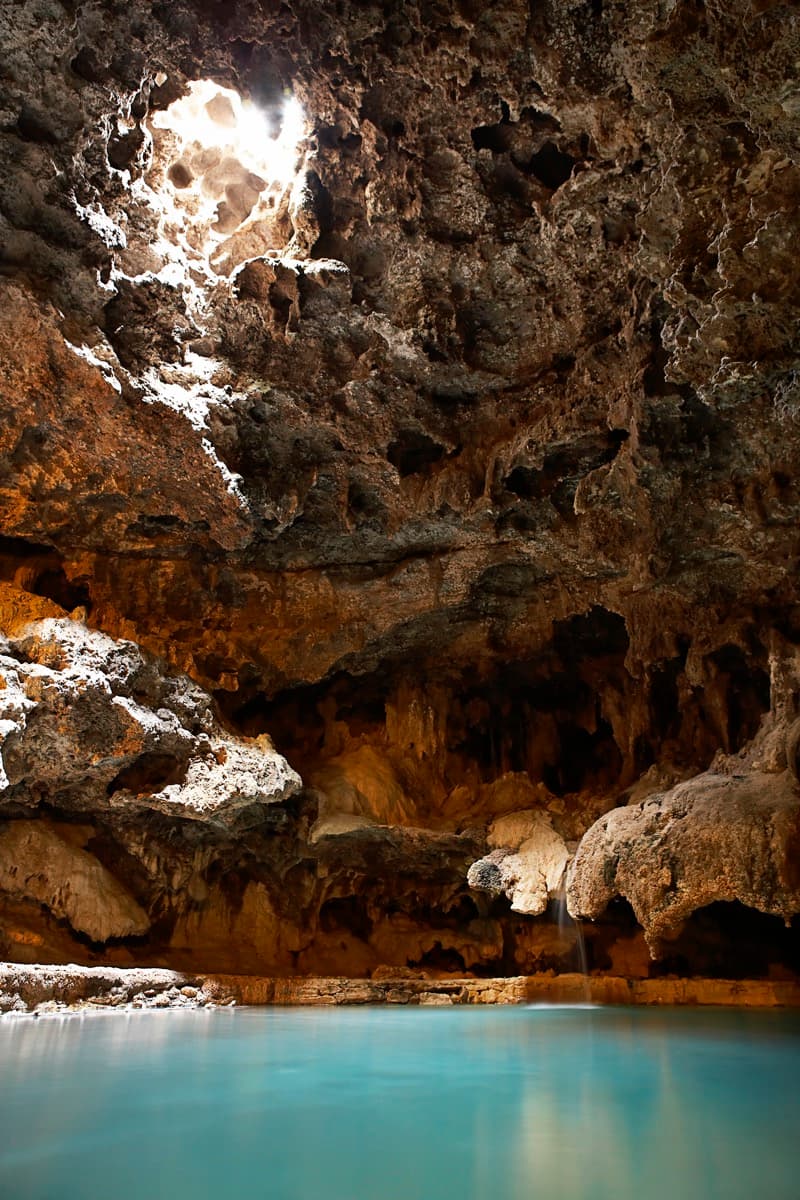
The Cave and Basin walk opens at a hole in the ground. That is the honest beginning of Canada's national parks, and the tour keeps you close to it rather than dressing it up. Before you take the route, it helps to have the sequence clear, because the audio moves fast through a story that took decades and left two very different kinds of residue: a legal reserve, and an endangered snail that still lives in the water you will look at.
The hole and the claim
In 1883, three Canadian Pacific Railway workers, Frank McCabe and the brothers Tom and William McCardell, found thermal springs on Sulphur Mountain. They dropped a tree into the vent hole and climbed down into the sulphur-smelling cave, the space you enter at the first stop. They knew what they had. Hot water in a hard country is money, and they moved to claim it.
The government refused the claim. The dispute over who owned the springs, resolved by an Order in Council that put ownership with the Crown, produced the 26-square-kilometre Banff Hot Springs Reserve in 1885. The McCardells and McCabe were offered a settlement and had to abandon their business dreams. The reserve became the Rocky Mountains Park in 1887 and, later, Banff National Park. So the first two stops of this walk, the cave and then the basin and the claim, are not scenic warm-up. They are the crime scene of the founding. The broader founding argument is laid out in the town-inside-a-park thesis, which this walk illustrates on the ground.
Why the conservation came later
Hear a stop from this walk
Buffalo Nations Luxton Museum
It is tempting to read the reserve as an early act of environmentalism. It was not. It was a way to keep a lucrative asset public and to give the railway a reason to sell tickets west. The conservation ethic, the idea that the place should be protected for its own sake and not only for its revenue, grew afterward, and this tour is careful about that order. What you are walking is the site where a country backed into conservation and then had to grow into it.
The stops along the Bow River path and the Marsh Loop make the point in landscape rather than in dates. The warm water from the springs runs down into the marsh, creating a wetland warm enough that it never fully freezes. That single quirk is why the site matters biologically as much as historically.
The snail that lives nowhere else
The endangered Banff Springs snail, Physella johnsoni, lives in these thermal waters and nowhere else on Earth. Its entire global range is a handful of springs at this one site, a total living space no larger than a corner of a hockey rink. It was designated threatened in 1997, uplisted to endangered by 2000, and is protected under both the Species at Risk Act and the National Parks Act. Two lost subpopulations were reintroduced in 2002 and 2003 and now sustain themselves.
Keep the snail in mind when you reach the marsh. It is the reason you cannot touch the water, and it is the clearest illustration of what the founding never intended. A reserve created to settle a property fight now shelters a creature found nowhere else, which is conservation the founders did not plan and the modern park cannot afford to lose.
The other residents
The walk does not end at the springs. Its later stops, the Banff Park Museum of 1903 and the Buffalo Nations Luxton Museum, widen the frame. The Park Museum is a specimen of how the early park saw nature, as things to collect and display. The Luxton Museum carries the Indigenous story the founding left out, because the Stoney Nakoda and their neighbours knew these springs long before 1883 and were excluded from the park in the decades after it was made. If you want the architecture-as-argument reading of the townsite that grew up alongside all this, it continues in the Banff Avenue companion.
How to walk it
This is an easy, low-elevation route of about 4.4 kilometres. Take it slowly at the first two stops, because everything downstream depends on understanding the hole and the claim. Do not rush the marsh, and do not reach for the water. Start the Cave and Basin walk at the springs themselves, where a country's whole idea of protected land began as an argument over a hot bath.
Ready to experience it?
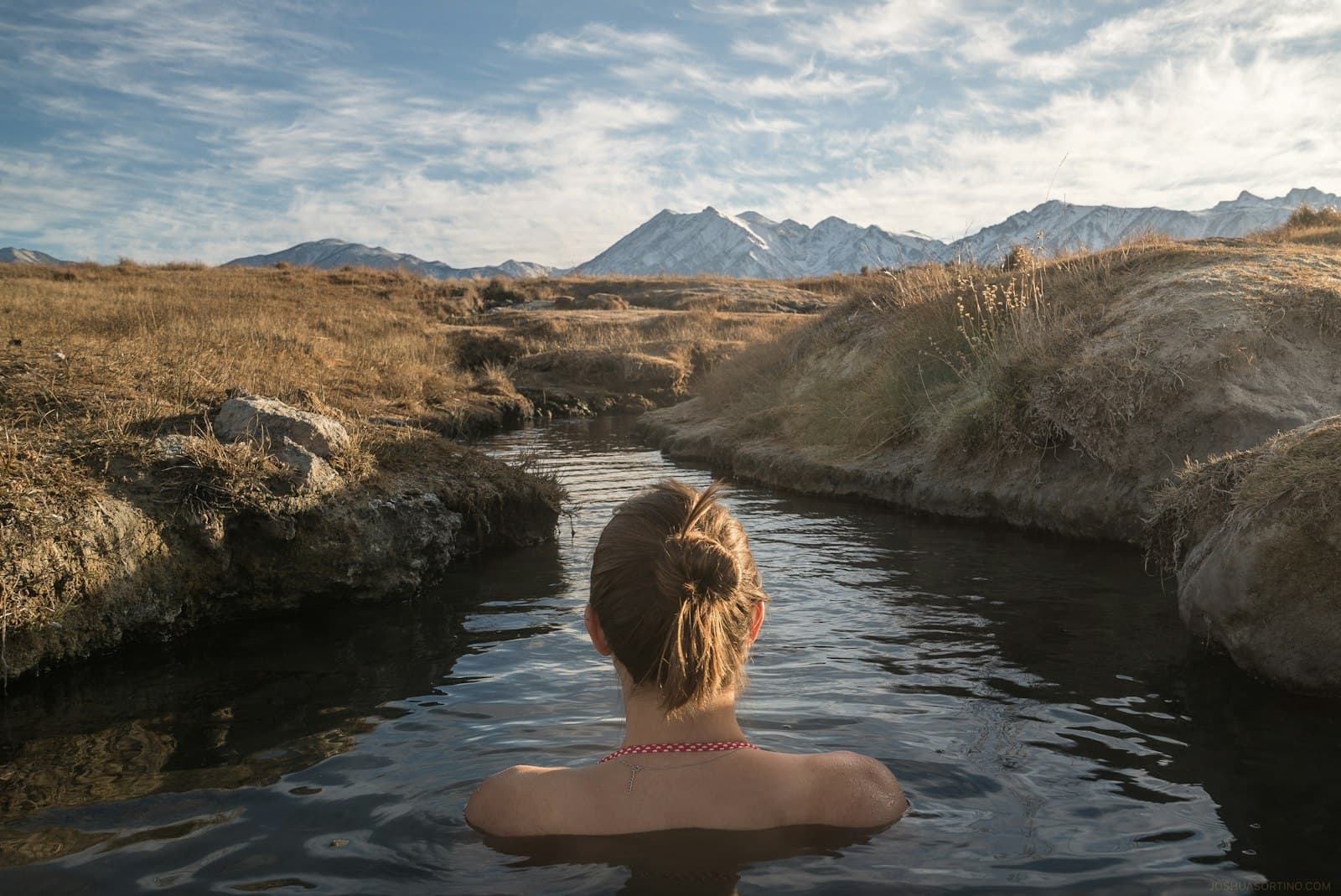
Cave and Basin: The Hot Spring That Made a Country Conserve
89 min · 4.4 km · easy
More from Banff
Explore more at your own pace.
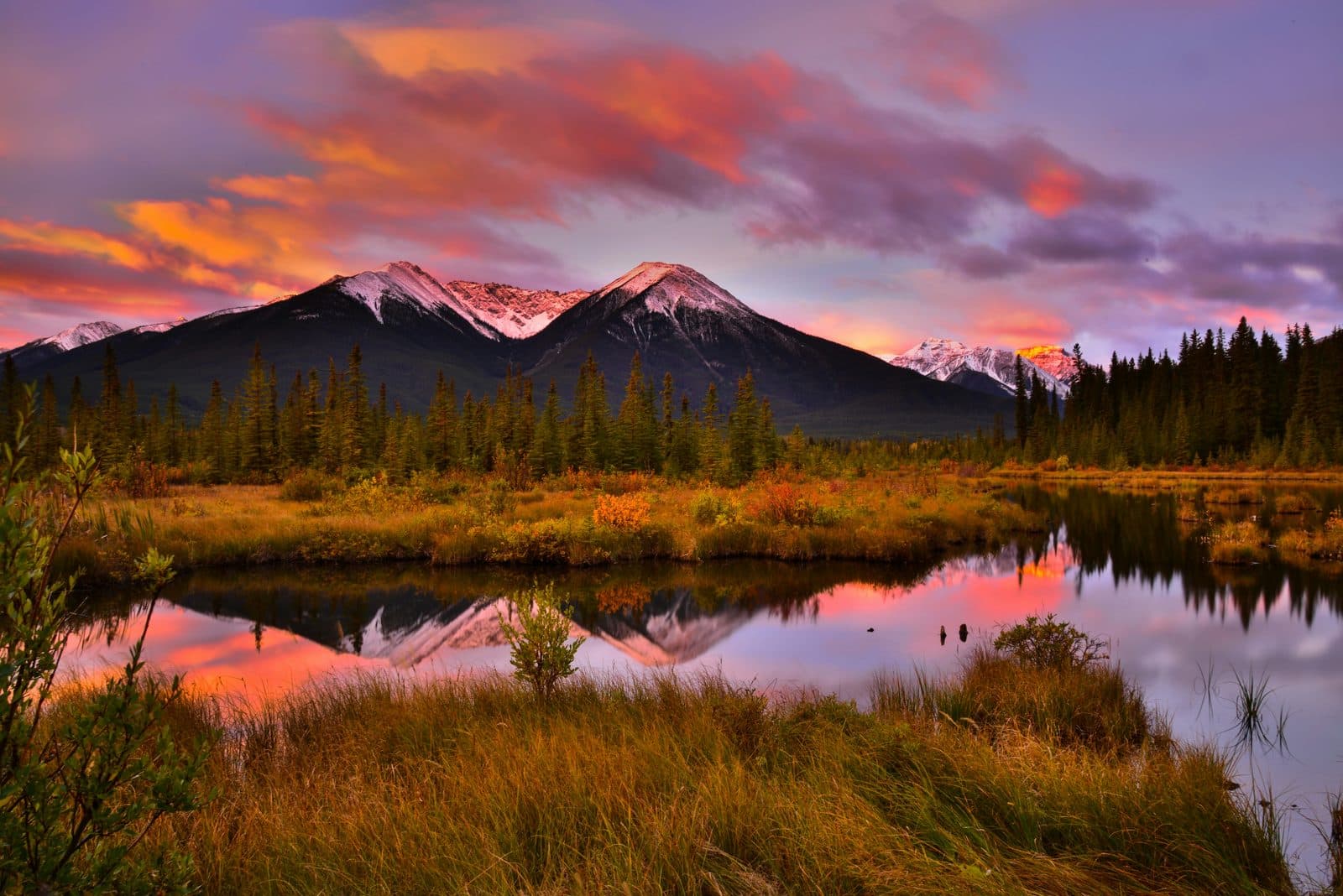
How a River Valley Became a Park: The Bow, the Ice, and the Warm Water
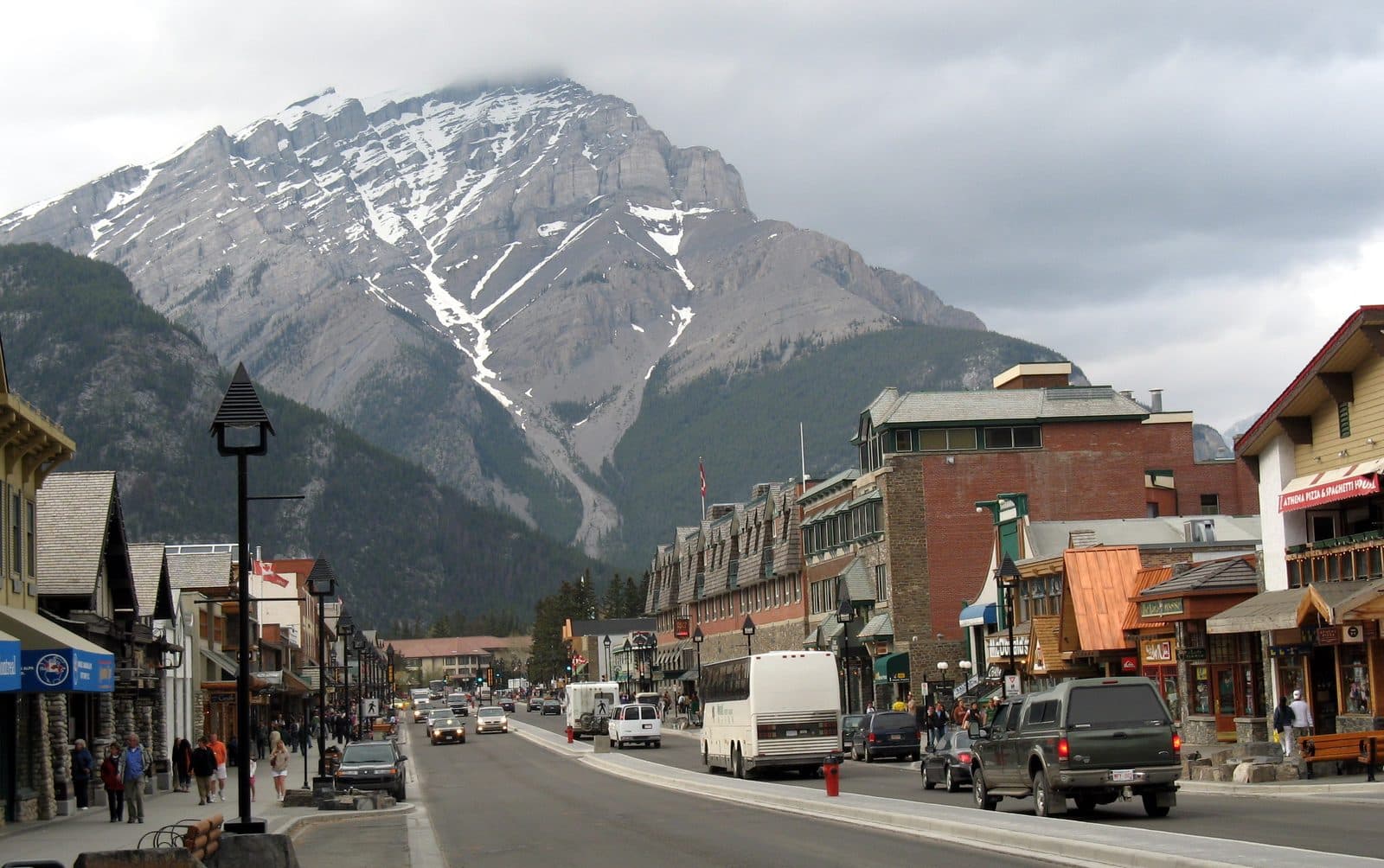
The Town That Lives Inside a Park: How Banff Was Reserved Before It Was Founded
A National Park's Shopping Street: Walking the Town That Can't Grow
The Castle Built to Sell the Wilderness: Reading the Banff Springs Hotel
Bow Falls: The Small Waterfall That Sells a Castle