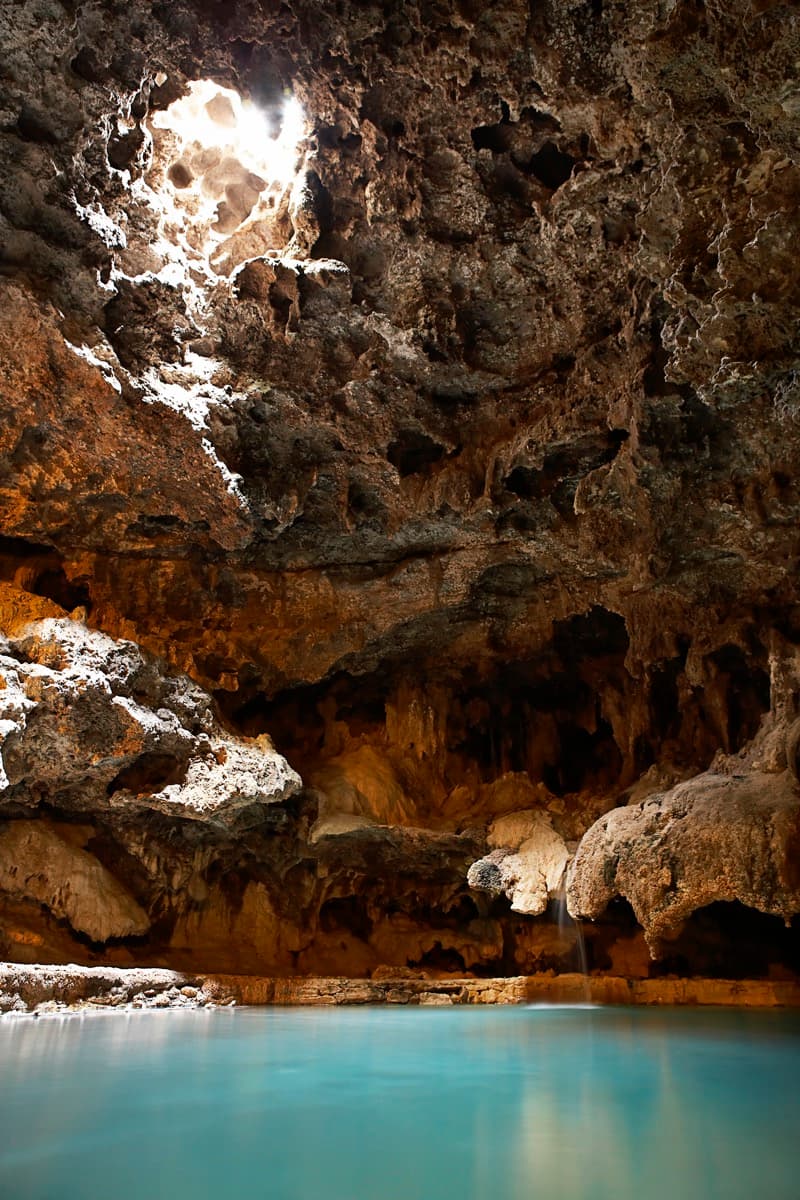
The Banff Springs walk asks you to look at a castle and see an advertisement. That is the harder, truer reading, and the tour commits to it from the first viewpoint. The Fairmont Banff Springs is beautiful, and it was engineered to be. It exists because a railway needed reasons for people to buy tickets west, and it remains the most successful piece of destination marketing in Canadian history. Before you walk it, it helps to know how the machine was designed.
The strategy in one sentence
The Canadian Pacific Railway president William Cornelius Van Horne put it plainly: since we cannot export the scenery, we will import the tourists. The CPR had a transcontinental line and a country most people had no reason to cross. Van Horne's answer was a chain of grand mountain hotels that turned the journey into the destination. He personally chose this site above the Bow Valley for the flagship.
The hotel opened in 1888, a five-storey wooden building designed by the American architect Bruce Price to hold about 280 guests, dressed in Scottish baronial style with echoes of the châteaux of the Loire. The style was not native to the Rockies. It was imported, precisely because it read as old-world grandeur to the wealthy travellers the railway wanted to attract. The town itself carried the same Scottish costuming: Banff took its name from Banffshire, the birthplace of the CPR's first president George Stephen, part of a deliberate pattern of Scottish station names along the line.
The stone is younger than it looks
Hear a stop from this walk
Fairmont Banff Springs: The Stone Up Close
Here is the fact that most rewards the walk. The castle you photograph is not the 1888 original. That wooden building burned in 1926. The present hotel is a rebuild: a centre tower dating to 1914 by Walter Painter, flanked by a North Wing of 1927 and a South Wing of 1928 designed by the CPR engineer John Orrock, who kept the general style of Price's original. So the baronial castle sells an antiquity it does not have. When the tour brings you up close to the stone, it is asking you to notice that the ancient-looking pile is a twentieth-century advertisement wearing a much older costume. That gap between what the building claims and what it is turns out to be the whole point.
The waterfall that sells the castle
The walk does not stay at the hotel. It sends you to Bow Falls and to the viewpoints that frame the whole scene, and this is where the marketing logic becomes landscape. Bow Falls is not a towering cataract. It drops only about nine metres, a wide, muscular rush of the Bow River rather than a great height. Its job in the composition is not to be the tallest waterfall you will ever see. Its job is to be the wild, photogenic foreground that makes the castle behind it look like it belongs to the mountains it was built to sell.
The Bow River that feeds the falls begins far up the valley at the Bow Glacier, an outflow of the Wapta Icefield near Bow Lake. Just below the falls, in the town, the Spray River joins it. The walk uses the confluence and the Surprise Corner viewpoint the way the railway used the whole valley: as a set of framed, sellable pictures. Surprise Corner exists because the view of the castle from there is engineered to astonish, an early postcard vantage that still does its work.
Reading the pitch on the ground
Once you accept the thesis, the route reorganizes itself. Surprise Corner is the postcard the railway wanted you to take home. Bow Falls is the wilderness foreground. The stone up close is the manufactured antiquity. The grand entrance is the threshold where the railway handed the traveller a curated frontier. Nothing here is an accident of the mountains. It is a designed sequence, and the walk lets you catch it being designed.
This is the third of Banff's three founding stories, and it rhymes with the other two. The Cave and Basin walk shows the hot spring the railway needed a reason to sell. The Banff Avenue companion shows the capped, leased town that grew up to serve the trade. All three trace back to a single sequence, the park reserved before the town was founded, told in full in the town-inside-a-park thesis.
How to walk it
This is the longest of the three Banff routes at about 4.9 kilometres, with a little more up and down as you move between the river, the viewpoints, and the hotel. Start at the viewpoint, not the lobby, so you meet the advertisement before you step inside it. Begin the Banff Springs walk at Surprise Corner and watch a castle turn back into a sales pitch.
Ready to experience it?
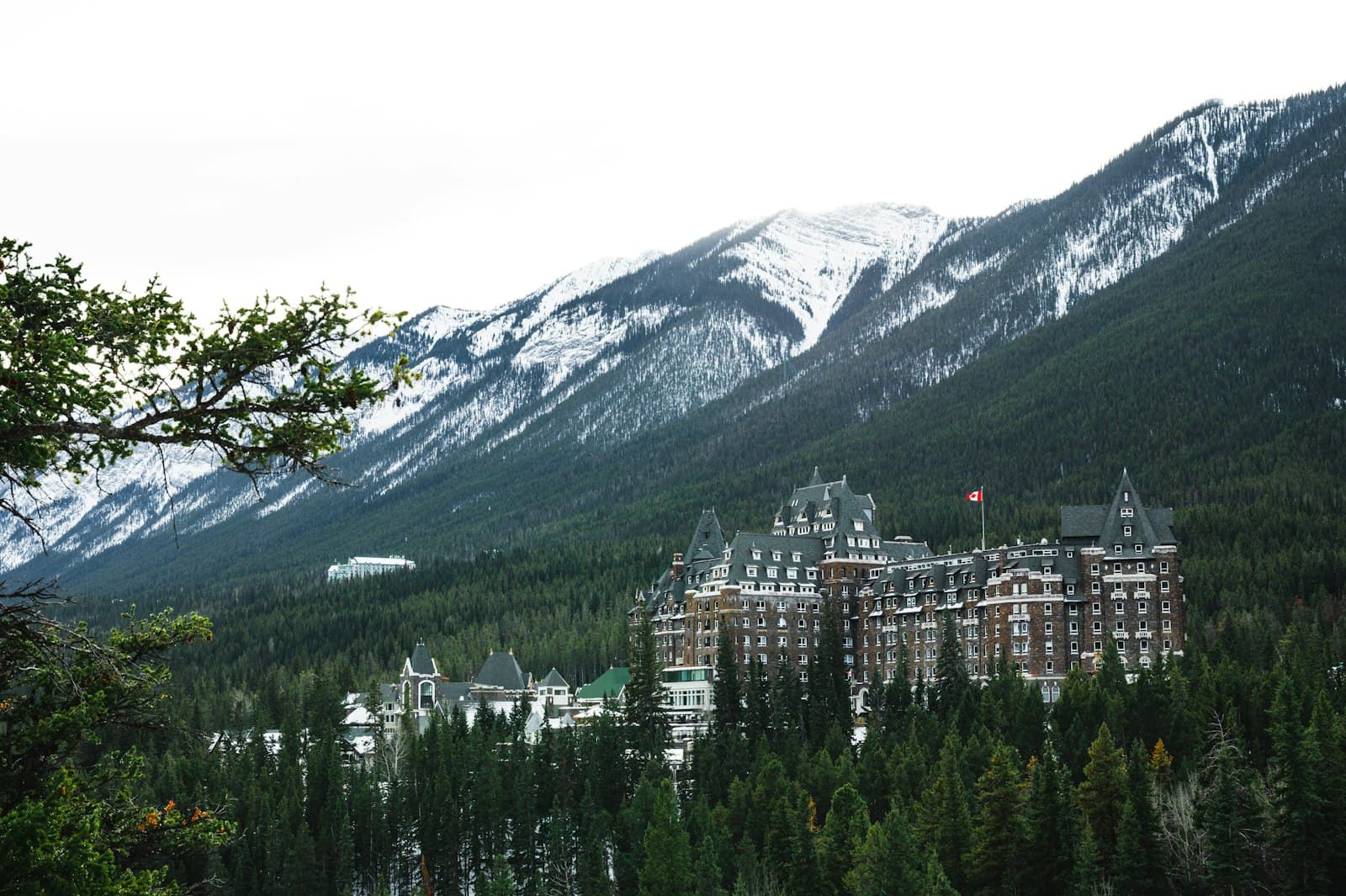
The Castle Built to Sell the Wilderness
88 min · 4.9 km · easy
More from Banff
Explore more at your own pace.
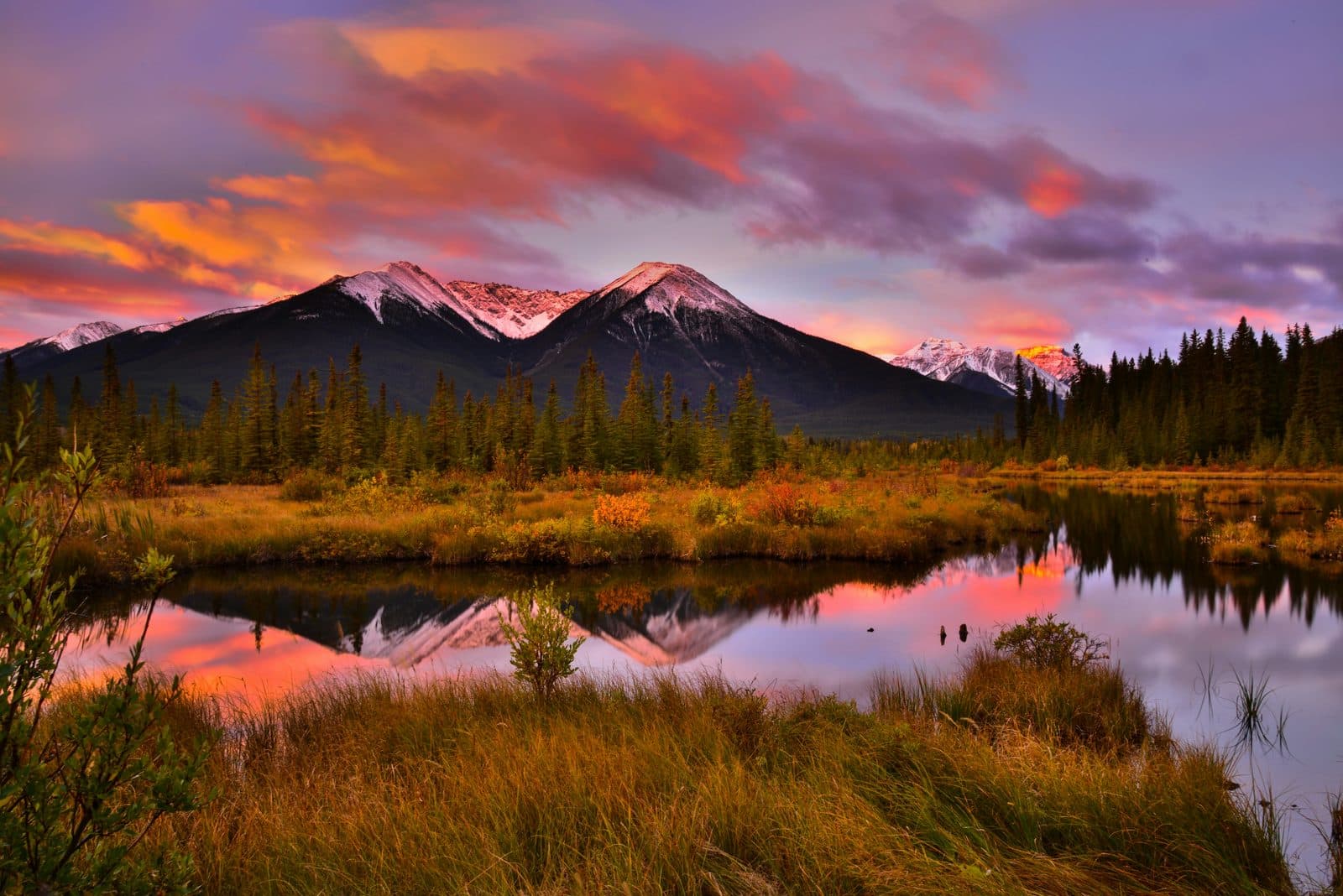
How a River Valley Became a Park: The Bow, the Ice, and the Warm Water
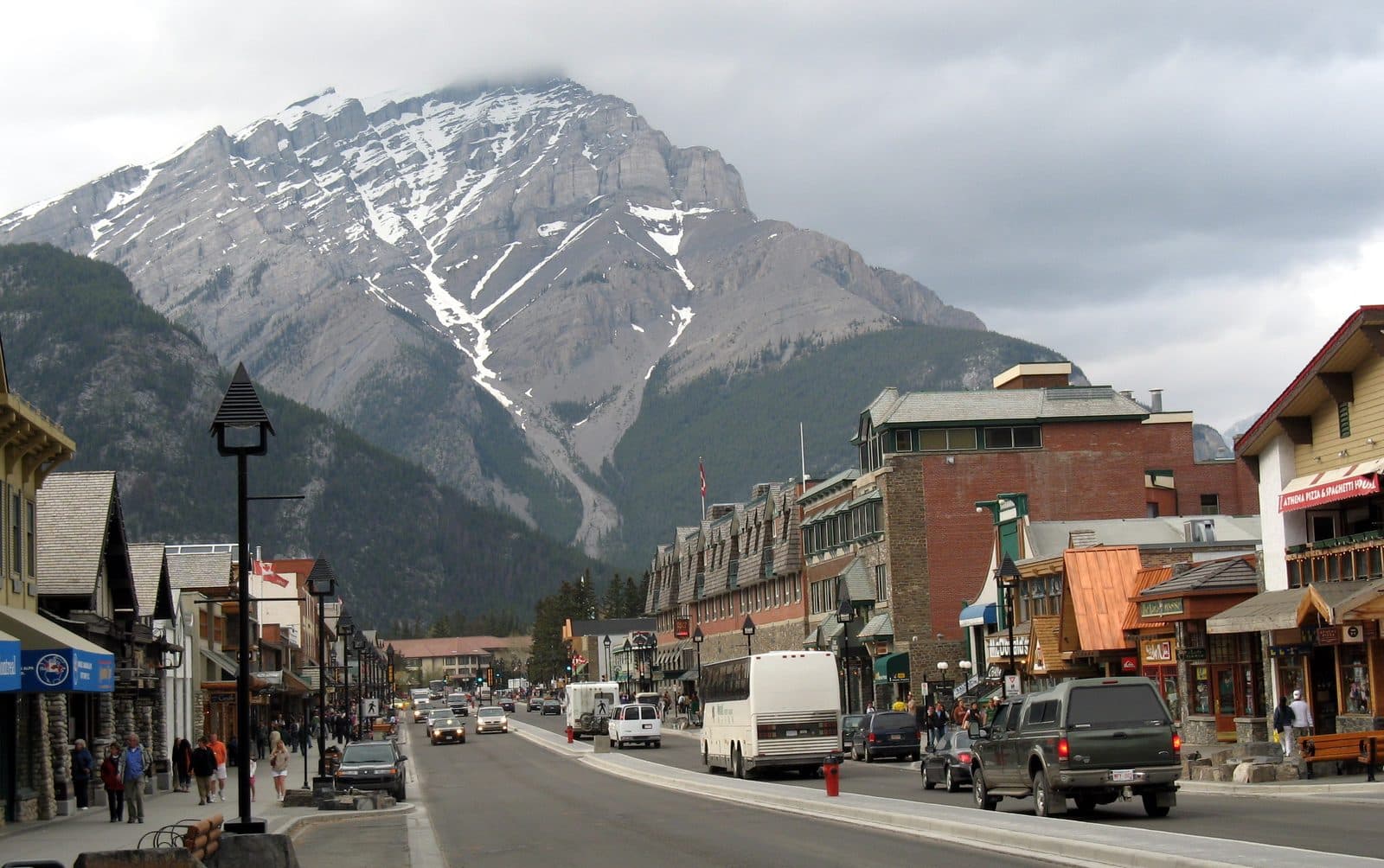
The Town That Lives Inside a Park: How Banff Was Reserved Before It Was Founded
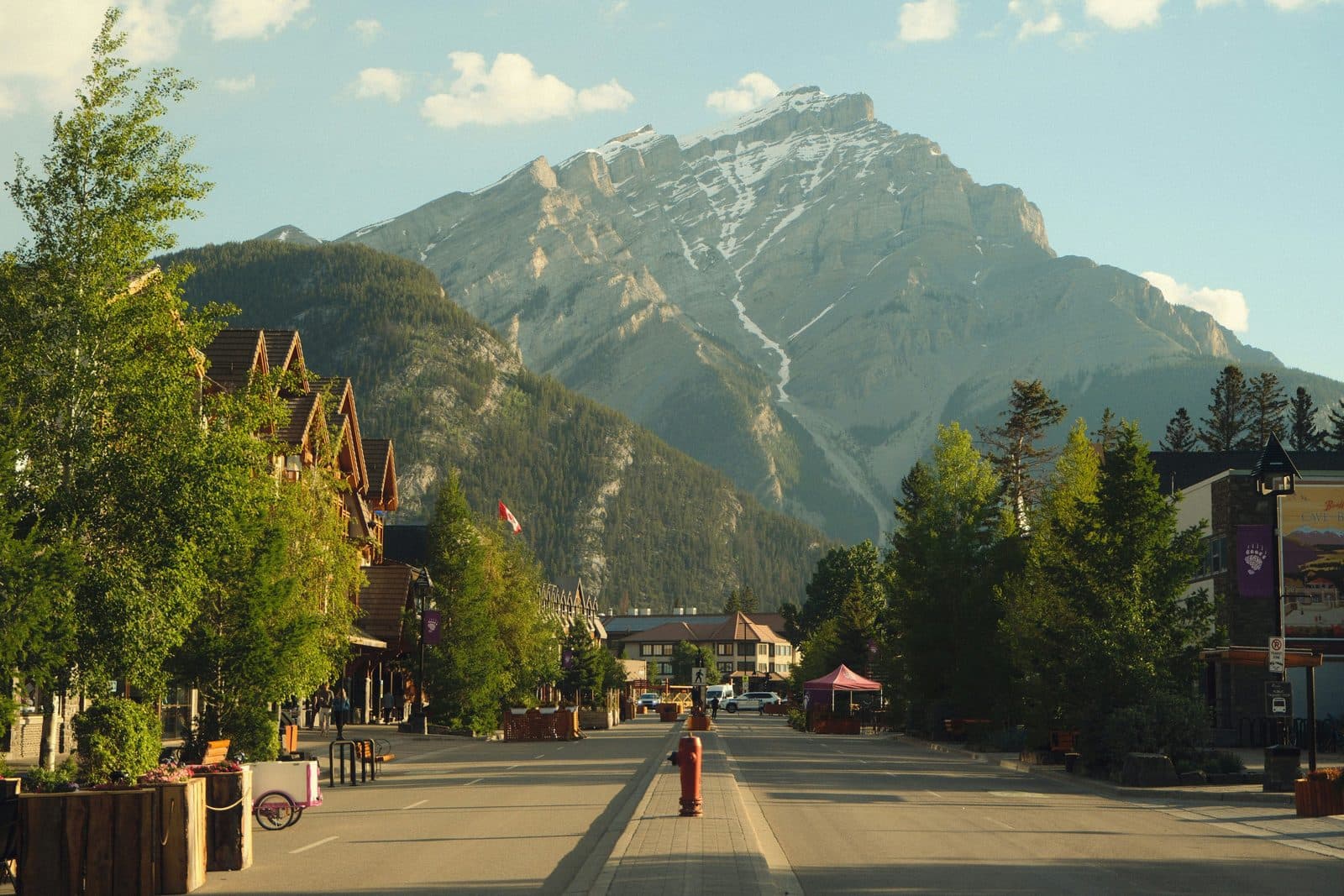
A National Park's Shopping Street: Walking the Town That Can't Grow
The Property Fight That Became a Country's Conservation Movement
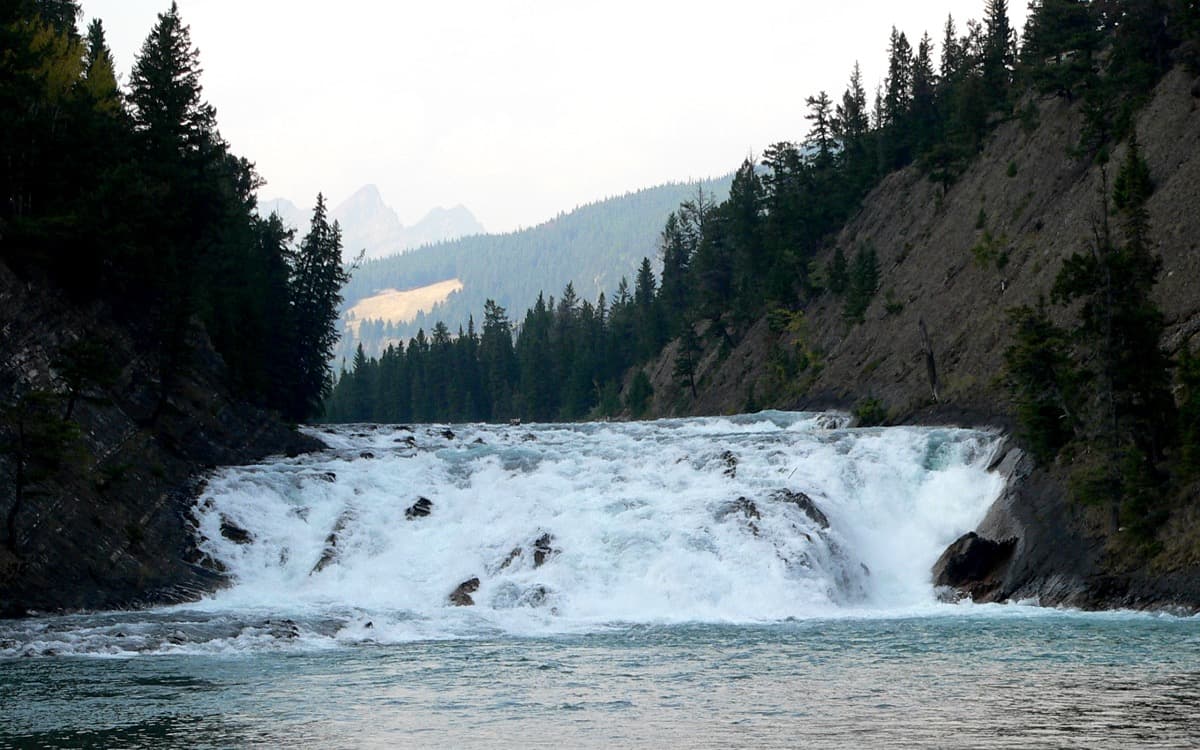
Bow Falls: The Small Waterfall That Sells a Castle