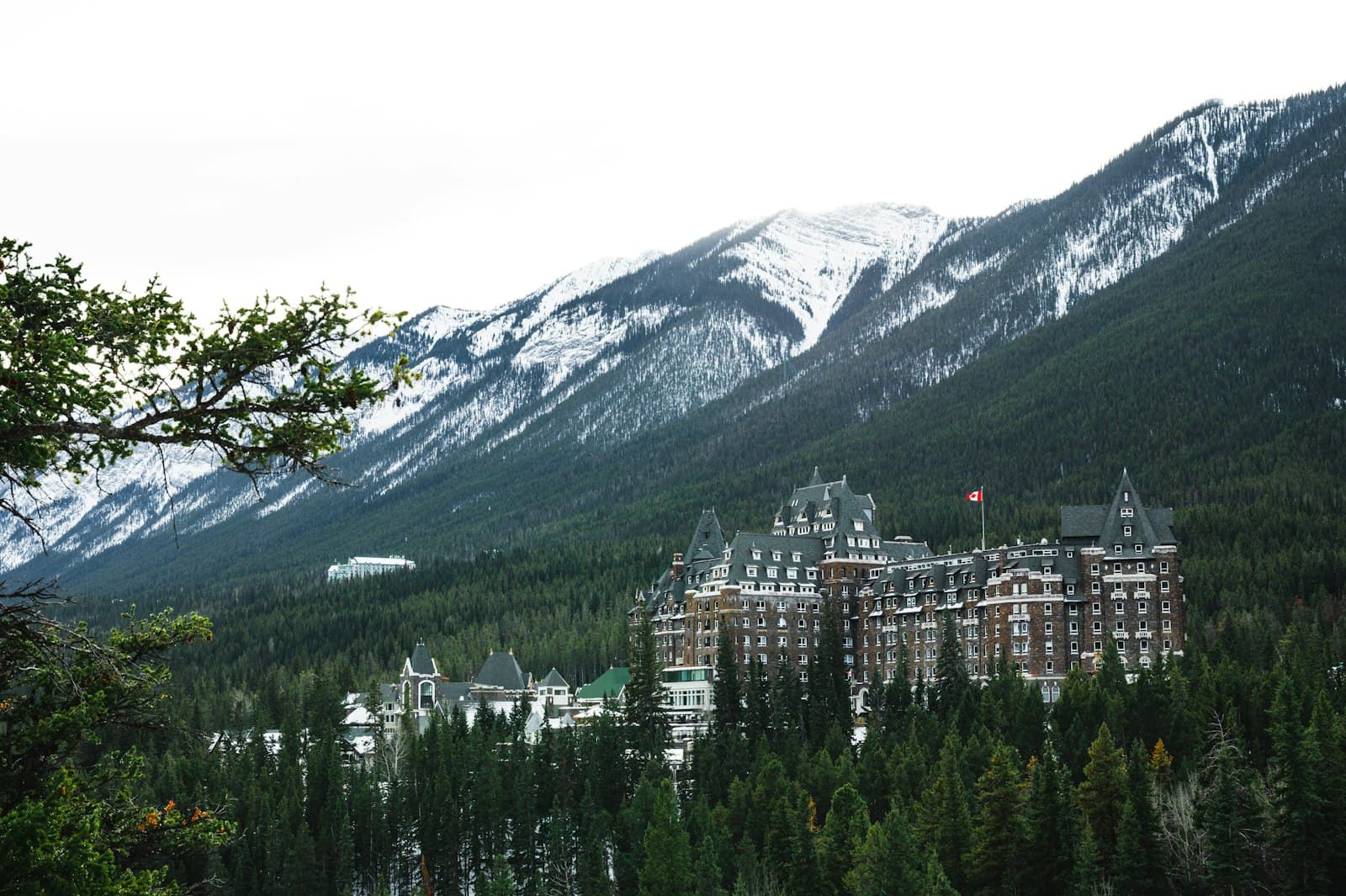
The Canadian Pacific Railway did not find tourists in the Rockies. It manufactured them. This walk takes apart the Banff Springs Hotel as what it truly is: a machine built to sell mountain wilderness as a luxury product. From the engineered postcard at Surprise Corner to the wild little waterfall that sells the castle, from stone that is far younger than it pretends to be to the door where the railway handed you the frontier, this is the story of the most successful advertisement in Canadian history.
Start · Surprise Corner Viewpoint
DirectionsStops
- 1

Surprise Corner Viewpoint
The engineered postcard. The most photographed view in the Canadian Rockies is a composition, not a coincidence, and it is where the railway's whole business plan begins.
- 2
Bow Falls
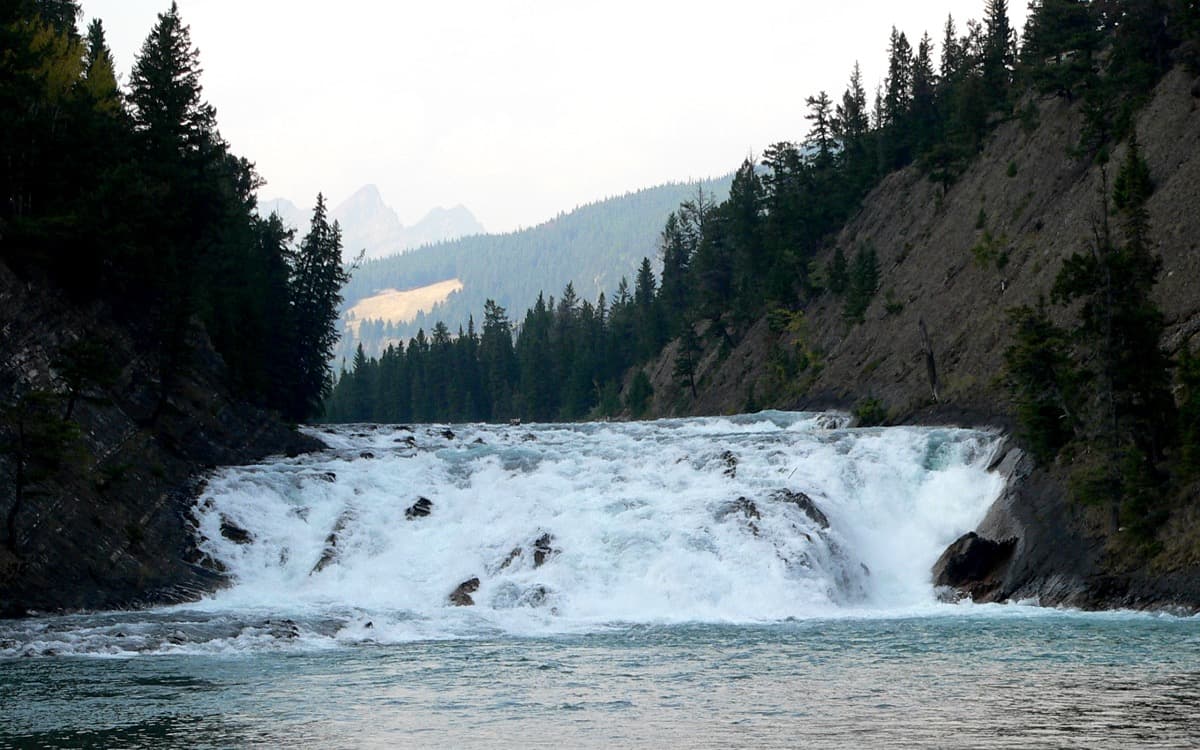
The wild foreground of every hotel photograph, and it is barely taller than a house. Nine metres of water doing the job of a wilderness, borrowed by a railway and then by Hollywood.
- 3
Bow & Spray Confluence
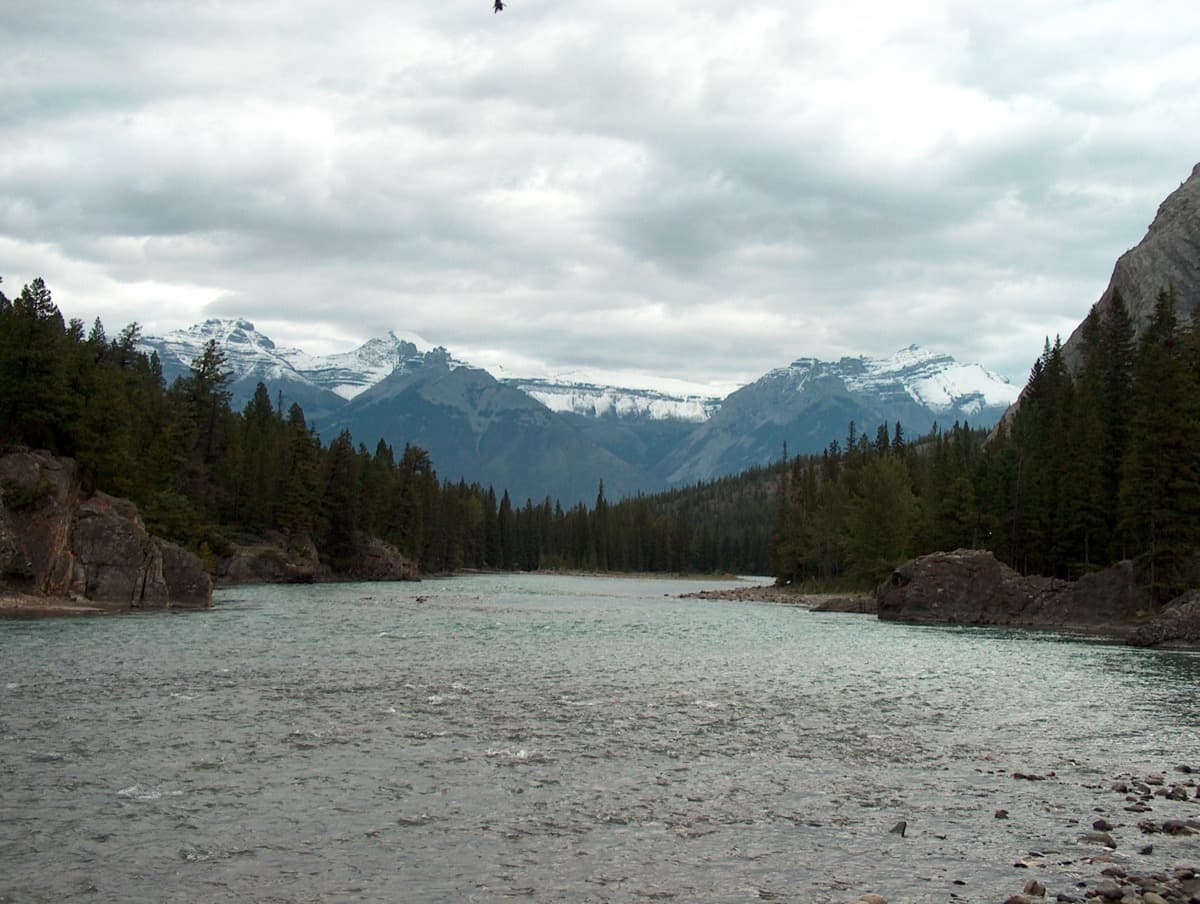
Two mountain rivers meet directly below the château. The hotel was sited above the drama on purpose, so guests could watch wilderness perform from a stone balcony.
- 4
Fairmont Banff Springs: The Stone Up Close
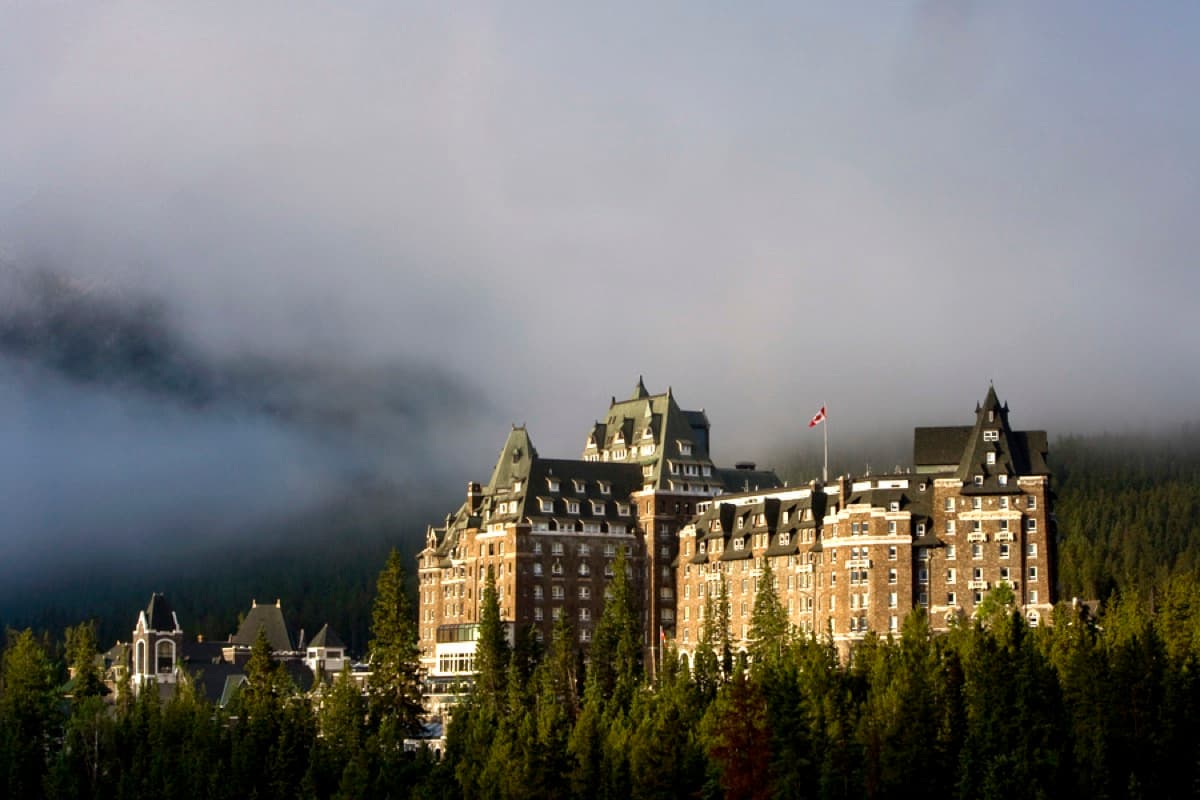
The reveal the whole tour walks toward. The castle that reads as medieval is 1920s engineering in a costume, and it was made to look old on purpose.
- 5
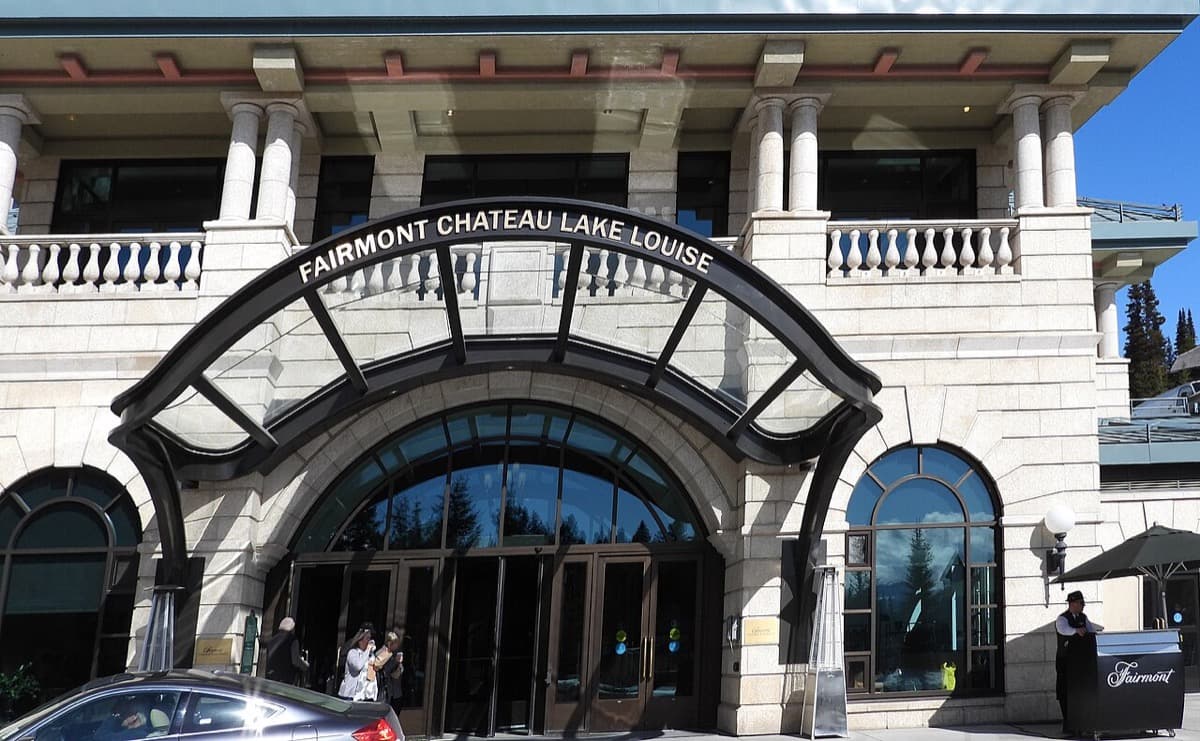
The Grand Entrance
The arrival machine. Guests came by CPR train to a CPR station to CPR carriages to CPR doors, a closed loop where you never left the company's hands.
- 6
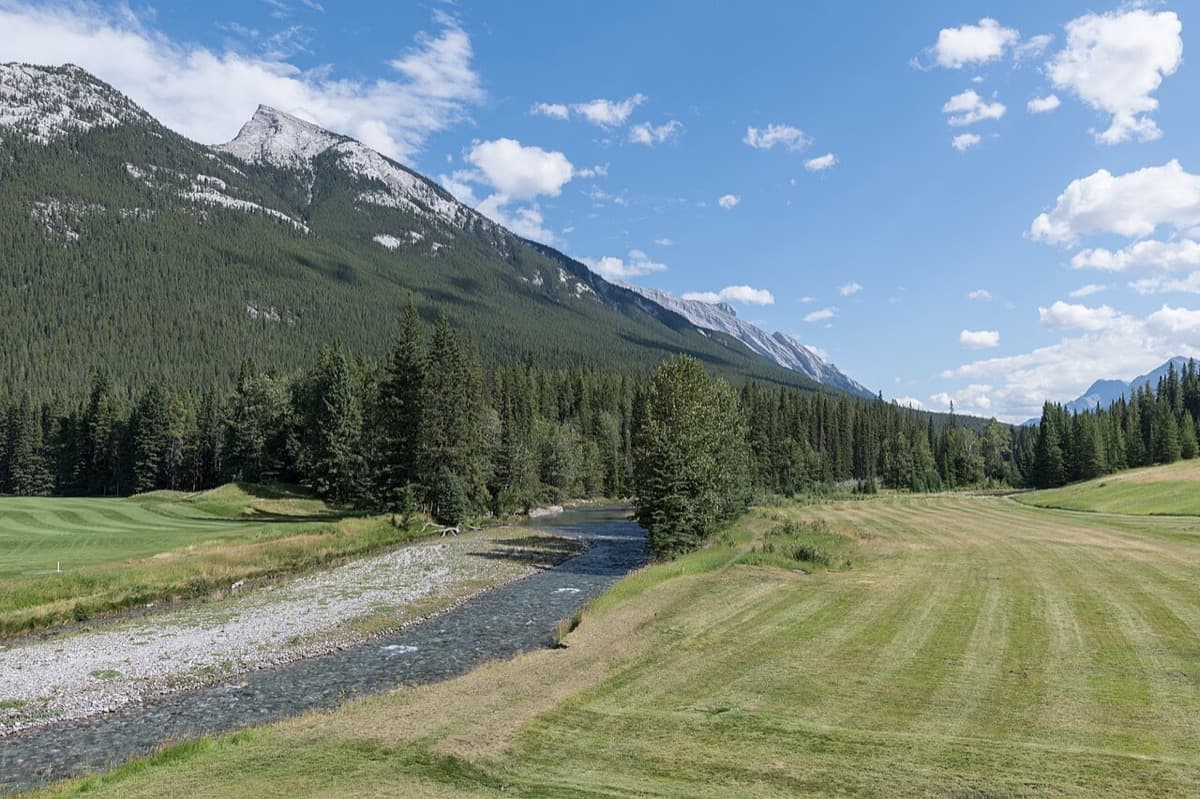
Spray River Trailhead
Where the pavement ends and the product begins: real wilderness with an off-switch, ten minutes out and a hot bath ten minutes back. The whole valley was a single invention.
Details
Best Time to Visit
June through September, mid-morning to early afternoon. The Surprise Corner viewpoint faces roughly southwest across the valley, so late-morning and midday light lands full on the castle's face and brightens the falls below, which is when the postcard shot works best. Autumn adds gold to the valley floor and thins the crowds. In winter the walk is genuinely beautiful but icy, and the Spray River trail and some viewpoint railings can be snow-covered, so save the full loop for the warmer months unless you are equipped for ice.
Pro Tips
- •Start at Surprise Corner even if you are staying at the hotel. The tour is built around the reveal from across the valley, and the whole argument lands harder if you see the engineered postcard before you touch the real stone.
- •Bring the camera you actually care about. Stops one, two, and three are three of the most photographed compositions in the Rockies, and they were literally arranged for a lens.
- •The route drops from the viewpoint down to river level and back up to the hotel, so wear real walking shoes. It is short, under five kilometres, but not flat.
- •At the hotel you are welcome to walk the public grounds and terraces. Dress tidily and you can step inside the lobby to see the interior of the machine up close.
- •Do the Spray River trailhead stop last, and if you have time keep walking a few minutes past it. The contrast between the manicured grounds and the real trail is the whole point of the tour, and you feel it in your feet.
Safety & Precautions
- •This is bear country. Black bears and grizzlies both use the Bow Valley. Make noise on the quieter Spray River trail, carry bear spray if you plan to walk far, and never approach or feed any wildlife, including elk, which are large and dangerous especially in spring and autumn.
- •The viewpoints and riverbanks near Bow Falls have unfenced drops and slick, spray-wet rock. Keep back from the edge, keep children close, and do not climb on the rocks at the lip of the falls.
- •Mountain weather changes fast, and the valley sits at roughly 1,400 metres of elevation. Carry a layer and water even on a warm morning.
- •In winter and shoulder season the descent to the falls and the Spray trail can be icy. Use traction devices and take the paved hotel roads if the trails are sheeted.
Travel advisory: Exercise Normal Precautions (Level 1).
Gallery
Related Reading
Go deeper on what you'll see, hear, and walk through.
Overview
Banff Travel Guide: How Many Days, Getting Around, the Park Pass, When to Go (2026)
6 min
Overview
Best Self-Guided Walking Tours in Banff (2026)
4 min
Overview
One Day in Banff: A Walkable National-Park Town Itinerary (2026)
6 min
Thematic
Best History Walking Tours in Banff (2026)
2 min
Thematic
How a River Valley Became a Park: The Bow, the Ice, and the Warm Water
4 min
Thematic
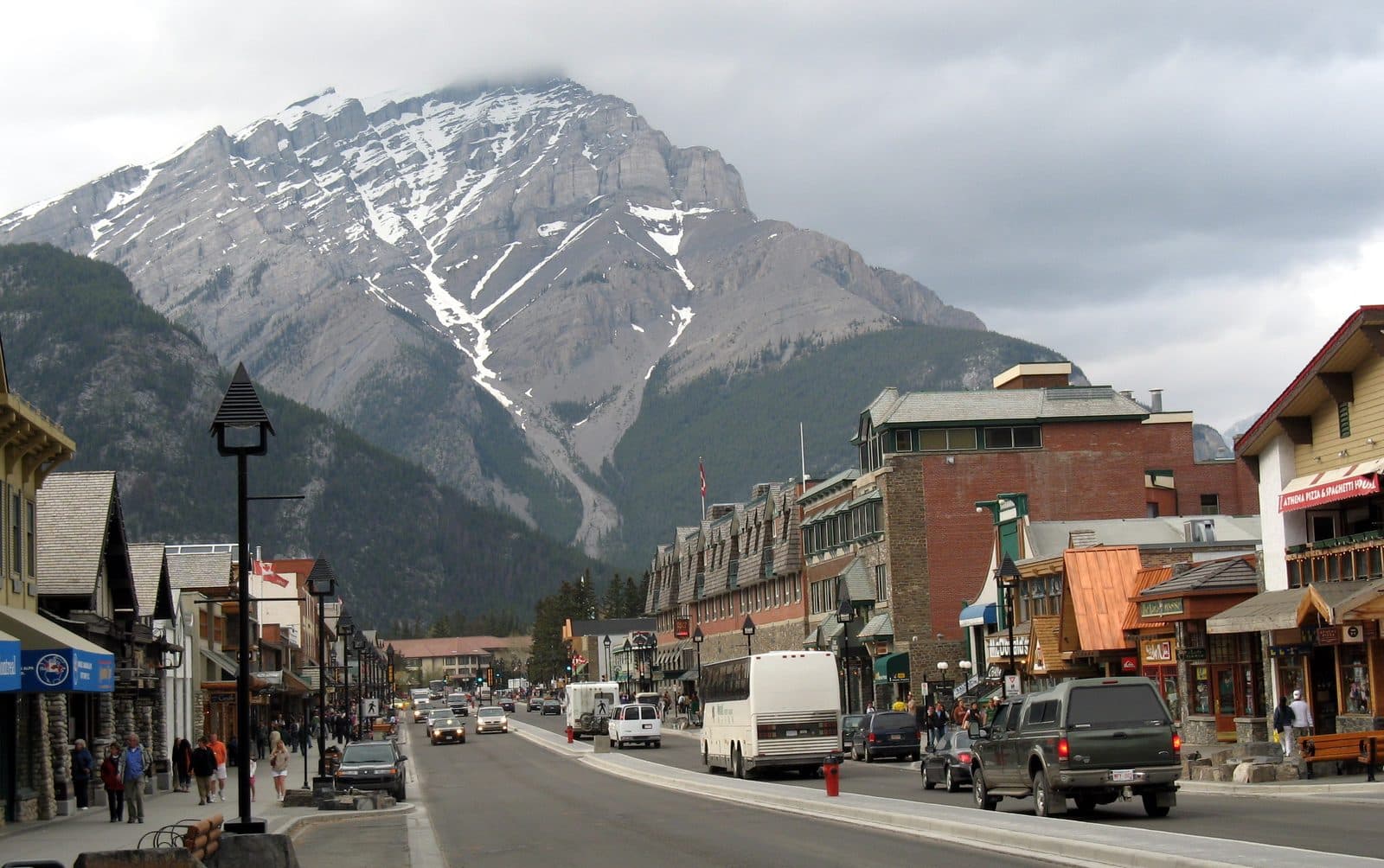
The Town That Lives Inside a Park: How Banff Was Reserved Before It Was Founded
6 min
Thematic
What to Eat in Banff: A Rocky Mountain Food Guide (2026)
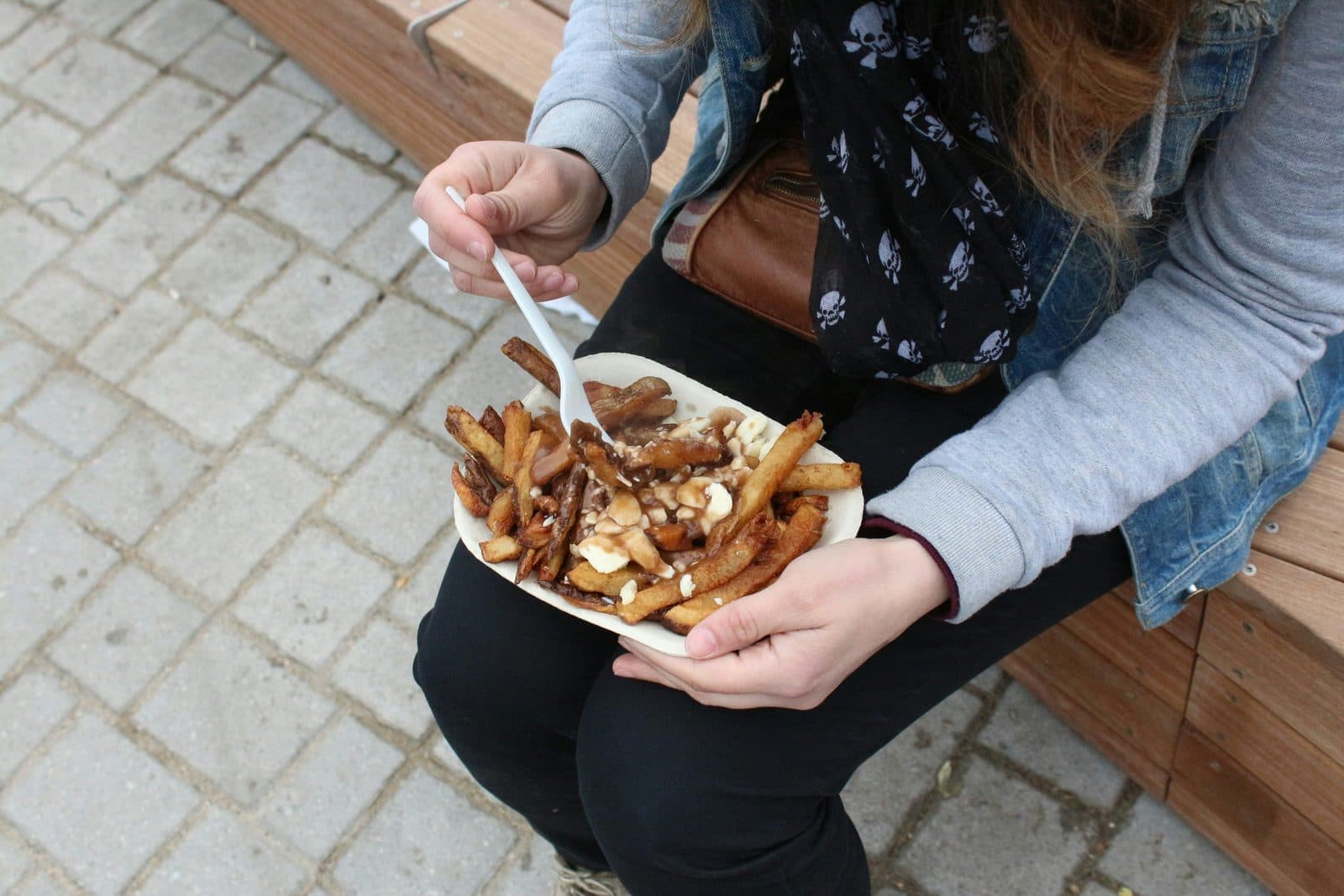
4 min
Companion
The Castle Built to Sell the Wilderness: Reading the Banff Springs Hotel
5 min
Deep dive
Bow Falls: The Small Waterfall That Sells a Castle
4 min
Read the walk
The full story of The Castle Built to Sell the Wilderness, in words. Prefer to listen? Play it narrated, from home or on location.
Introduction
You are looking at the most successful advertisement in Canadian history, and it has seven hundred and fifty-seven rooms. From across the valley, the Banff Springs Hotel looks like it grew out of the mountain, a Scottish castle a glacier forgot to carry off. That is exactly what you are meant to think. None of it is old. None of it is accidental. The rivers, the falls, the castle, even the forest in between: a railway company arranged all of it to sell you a feeling we now call Banff.
The man behind it ran the Canadian Pacific Railway, and he is remembered for a single line. Since we cannot export the scenery, he is supposed to have said, we will have to import the tourists. You are the tourist. This is the machine.
Over six stops and about four and a half kilometres, roughly eighty-eight minutes of walking, we take it apart. We visit where the postcard is made, the wild little waterfall that sells the hotel, and the spot where two rivers were staged beneath a stone balcony. We put our hands on walls far younger than they pretend to be. The point is not that Banff is fake. Banff is magnificent. The point is that the magnificence was arranged for you, and that is the more interesting story. When you reach the terrace above the valley, begin with stop one, and keep your camera ready.
1. Surprise Corner Viewpoint
Stand at the railing and look across the valley. This corner, where Buffalo Street bends into Tunnel Mountain Road, is not a natural wonder. It is a camera position. Generations of visitors have stopped at exactly this spot, raised exactly this camera, and taken exactly the same photograph: the castle on its wooded shelf, the Bow River curling beneath it, the falls flashing white in the foreground. It is the most photographed view in the Canadian Rockies, and it is a composition. Someone chose where the hotel would sit so that this shot would exist. From here the building reads as ancient. It reads as European. It reads as something a medieval lord might have raised over a Highland loch. Hold that impression, because we are going to break it later at the wall. For now, notice how completely it works on you. The man who ordered all of this was named William Cornelius Van Horne, and in the 1880s he was the driving executive of the Canadian Pacific Railway, its general manager and then its vice president. He had a problem. His railway crossed a thousand miles of mountains that had cost a fortune to build and carried almost no one. He could not ship the scenery east to paying customers. So he decided to ship the customers west to the scenery. He is remembered for putting it plainly. Since we cannot export the scenery, he is supposed to have said, we will have to import the tourists. That is the whole business plan, and you are standing inside its results. The falls, the castle, the river, the frame you are looking through: all of it was assembled to turn a view into a ticket. This is the establishing shot. Now let us walk down toward the water and meet the wild thing at the bottom of the picture.
2. Bow Falls
Here is the wild heart of every Banff Springs photograph, and it is barely taller than a house. Bow Falls drops about nine metres, roughly thirty feet, across a wide limestone ledge in the Bow River. By the standards of these mountains that is nothing. There are roadside cascades in this park that would swallow it whole. And yet this modest little drop is the foreground of the castle's entire image, the churning white water that makes the hotel above look like it presides over a wilderness. Stand close, feel the spray, and notice what your eye does. It reads power. It reads danger. It reads untamed. The falls are doing exactly the job the composition needs, and they are doing it at nine metres. This is set dressing that happens to be real. The falls sell the hotel, and the hotel sells the falls, and neither would be famous without the other. Hollywood understood the value early. In 1953 a film crew came here to shoot scenes for River of No Return, with Marilyn Monroe and Robert Mitchum riding the current through this very stretch of water. The picture put Bow Falls on cinema screens around the world, and the studio was doing exactly what the railway had done decades before: borrowing this water to sell a story of the wild frontier. Think about the layers stacked here. A real river, framed as spectacle by a railway, then borrowed again by a film studio, then photographed by you. Every one of those layers is selling the same feeling, and the water just keeps falling, indifferent to all of it. Look back up at the hotel from down here. See how the falls sit precisely in the frame beneath it. That alignment is the point. Now let us follow the water a little further, to the place where a second river slips in beneath the castle.
3. Bow & Spray Confluence
Just below the falls, look for the place where a second river joins the first. The Bow, which you have been following, meets the Spray, a river that rises deep in the southern reaches of this park and runs north to arrive right here, at the foot of the hotel's hill. Two valleys…
Full narration for this stop unlocks with the tour.
4. Fairmont Banff Springs: The Stone Up Close
Put your hand on the wall. Feel the limestone, cool and solid, exactly the kind of stone that says a castle has stood here for centuries. Now here is the reveal the whole tour has been walking toward. This wall is not from 1888. The hotel that opened in 1888, the one Van Horne…
Full narration for this stop unlocks with the tour.
5. The Grand Entrance
Stand near the front entrance, under the covered drive where cars now pull up, and picture how a guest actually arrived a century ago. They did not stumble on this place. They were delivered to it, along a chain in which every single link was owned by the same company. It began…
Full narration for this stop unlocks with the tour.
6. Spray River Trailhead
Here the pavement ends and a real trail begins, running south along the Spray River into genuine backcountry. Walk a few minutes up it and the manicured world of the hotel falls away. The sounds change. The river runs cold and fast beside you. This, finally, is the product. Not…
Full narration for this stop unlocks with the tour.