Four centuries of a neighborhood and the gap it left are still there to read, if you know where to look. East of Amsterdam's old center, on islands made from the water, a Jewish quarter lived for more than three hundred years before the Second World War. The walk through it, and through the Plantage district beside it, works in three movements: the life of the place, the years from 1941 to 1943 told at the buildings where they happened, and what the city itself did to the quarter after the war. It ends at a memorial standing on a strip of ground a road scheme left empty, on a street that had been almost entirely Jewish.
The made ground
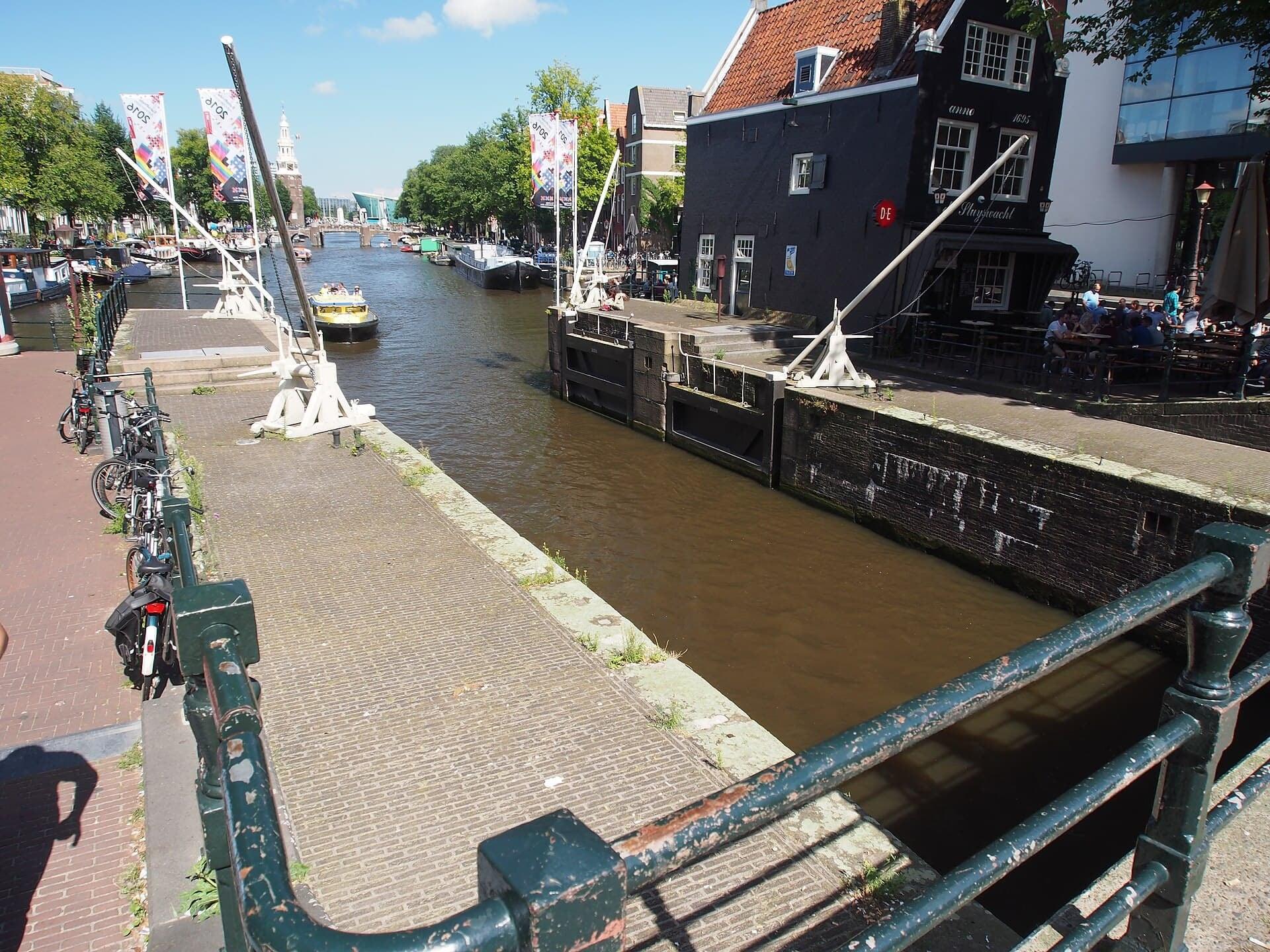
Start with the ground, because it is not natural. Uilenburg, where the walk begins, was built from 1591 to 1593 and first given to shipwrights. It proved too narrow for proper shipbuilding, the yards moved east, and what stayed was the cheapest housing in the city. From the end of the seventeenth century Ashkenazi Jews settled here. Vlooienburg, the island under today's Waterlooplein, was laid out from 1590, and from about 1600 Portuguese Jews, the Sefardim, settled there in numbers. The philosopher Baruch Spinoza grew up on that island, and a bronze of him stands by the water.
Look for scale on Uilenburg. The long brick building behind its forecourt, with round-arched windows and a taller center, was a steam diamond works founded in 1879 by three Boas brothers, and the heritage register counts fourteen windows in the polishing wing on each side of the center. Diamonds were largely a Jewish trade, outside the guilds. Notice too that the street is wider than the ones it replaced. The city had begun clearing slum blocks here before the war, and in 1910 it declared 368 of the island's 861 dwellings unfit to live in.
Two synagogues, one mason
Hear a stop from this walk
Holocaust Names Memorial
The architectural heart of the walk is a pair of buildings raised one after the other by the same man. The Ashkenazi community consecrated its Great Synagogue on 25 March 1671, with Elias Bouman as master mason, and kept building beside it until four synagogues stood joined together. Look at how plain the walls are: brick, tall round-arched windows, little else. Today the four buildings are the Jewish Museum.
Within weeks Bouman began work for the Portuguese community across the square. The Portuguese Synagogue, inaugurated in 1675, is a great rectangular hall under a hipped roof, its walls divided by flat pilasters, with a sandstone cornice and balustrade. It stands on about three thousand wooden piles, and the low ring of houses around it, with an entrance gate, is part of the design. Its keepers call it the biggest synagogue in the world when it was built. It still has no electric light, and hundreds of candles light it. It came through the war almost undamaged and still holds services.
The war, building by building
The middle of the walk is the hardest, and it is told only where something can still be seen. At the Jewish Resistance Monument, a black column of 1988 on the corner of the Zwanenburgwal and the Amstel, the text remembers the Jewish citizens who fought back. On Jonas Daniël Meijerplein stands Mari Andriessen's bronze Dockworker, unveiled in 1952, for the February Strike of 1941, when Amsterdam walked off the job in protest after the first raids on Jewish men in this quarter.
In Wertheimpark, Jan Wolkers's monument Nooit Meer Auschwitz is a ring of broken mirrors set in the ground. You look down, not across, and see the sky cracked in it. At Plantage Kerklaan, the corner building held the population registry that resisters set on fire in March 1943. Across from the National Holocaust Museum stands the Hollandsche Schouwburg, the theater where Jews ordered to report for deportation were assembled from the summer of 1942, and from the crèche opposite some six hundred children were saved in 1943. At Nieuwe Keizersgracht 58, a double house with carved atlantes holding up its balcony, the Jewish Council had its head office, and on the quay wall below, residents completed the Shadow Quay in 2013, with the names of more than two hundred neighbors murdered because they were Jewish.
What the city did after
The third movement is the one people miss, because it looks like ordinary city. Opposite the Rembrandt House, on Jodenbreestraat, your side of the street was demolished in the 1960s for a planned traffic artery, until residents and heritage campaigners stopped it at the lock. The Waterlooplein's empty houses were stripped for firewood in the last war winter, and in 1949 the city decided to clear the area. The Weesperstraat, almost entirely Jewish before the war, was demolished and laid out as a busy road, with a green strip left unbuilt between two canals.
That strip is where the walk ends, at Daniel Libeskind's Holocaust Names Memorial, unveiled in 2021. Its plan is four Hebrew letters that together spell "In memory of". Brick walls carry the names of the 102,000 Dutch Jews, and 220 Sinti and Roma, who were murdered and never had a grave. Above them, four forms of polished steel seem to float. The gap the road left became the place that holds the names.
Walking it
The walk is twelve stops over about 2.8 kilometers and takes about 85 minutes, with one short flight of steps. Every stop works from the street or path, and the ticketed museums along the way are separate. Several stops are memorials and people live in these streets, so it is a walk for a lowered voice and your own pace: no group, no schedule, and you can pause at a name for as long as you need or skip a stop entirely. Watch the red cycle lanes and the tram tracks, which are the real danger here.
The memorial is stop 12 of Jewish Quarter and Plantage: Four Centuries of a Neighborhood, which begins at Uilenburg and is free to start. See all routes on the Amsterdam page.
Sources
- Holocaust Names Memorial: Daniel Libeskind's design for the Weesperstraat site, unveiled 19 September 2021, the four Hebrew letters spelling "In memory of", and the 102,000 names of people who received no grave.
- Jewish Cultural Quarter, Portuguese Synagogue: the biggest synagogue in the world when it was built, and its light from hundreds of candles instead of electric light.
- Roamer's audited tour transcript for the Jewish Quarter and Plantage walk and its fact dossier (research/netherlands/tours/amsterdam-jewish-quarter-v2), which draw on the Dutch national heritage register, Joods Monument, the Dutch Resistance Museum and the City of Amsterdam: the island dates, the Boas works, the synagogue dates, the February Strike, the registry attack, the Hollandsche Schouwburg, the Jewish Council and the postwar clearances.
Ready to experience it?
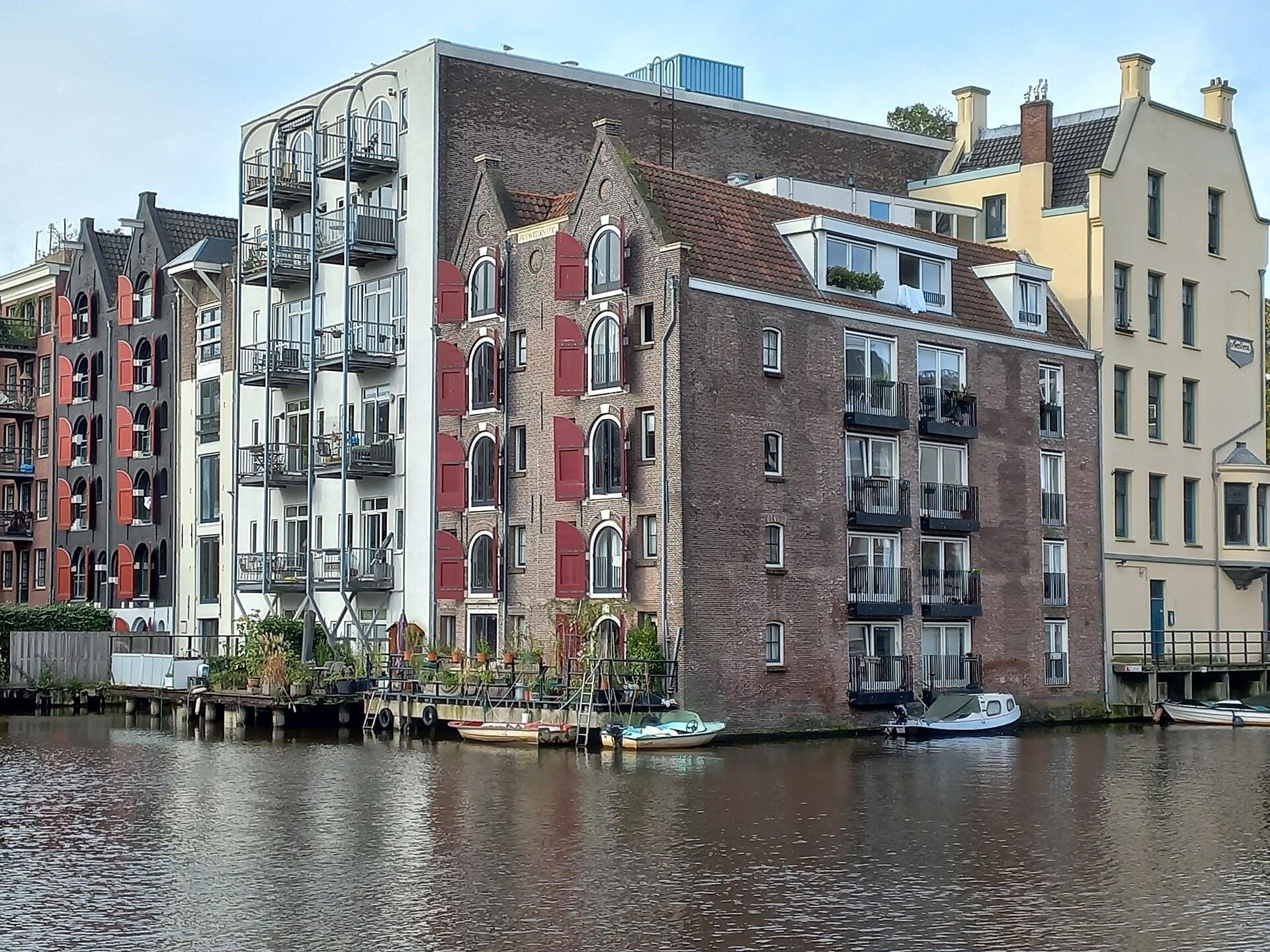
Jewish Quarter and Plantage: Four Centuries of a Neighborhood
85 min · 2.8 km · easy
More from Amsterdam
Explore more at your own pace.
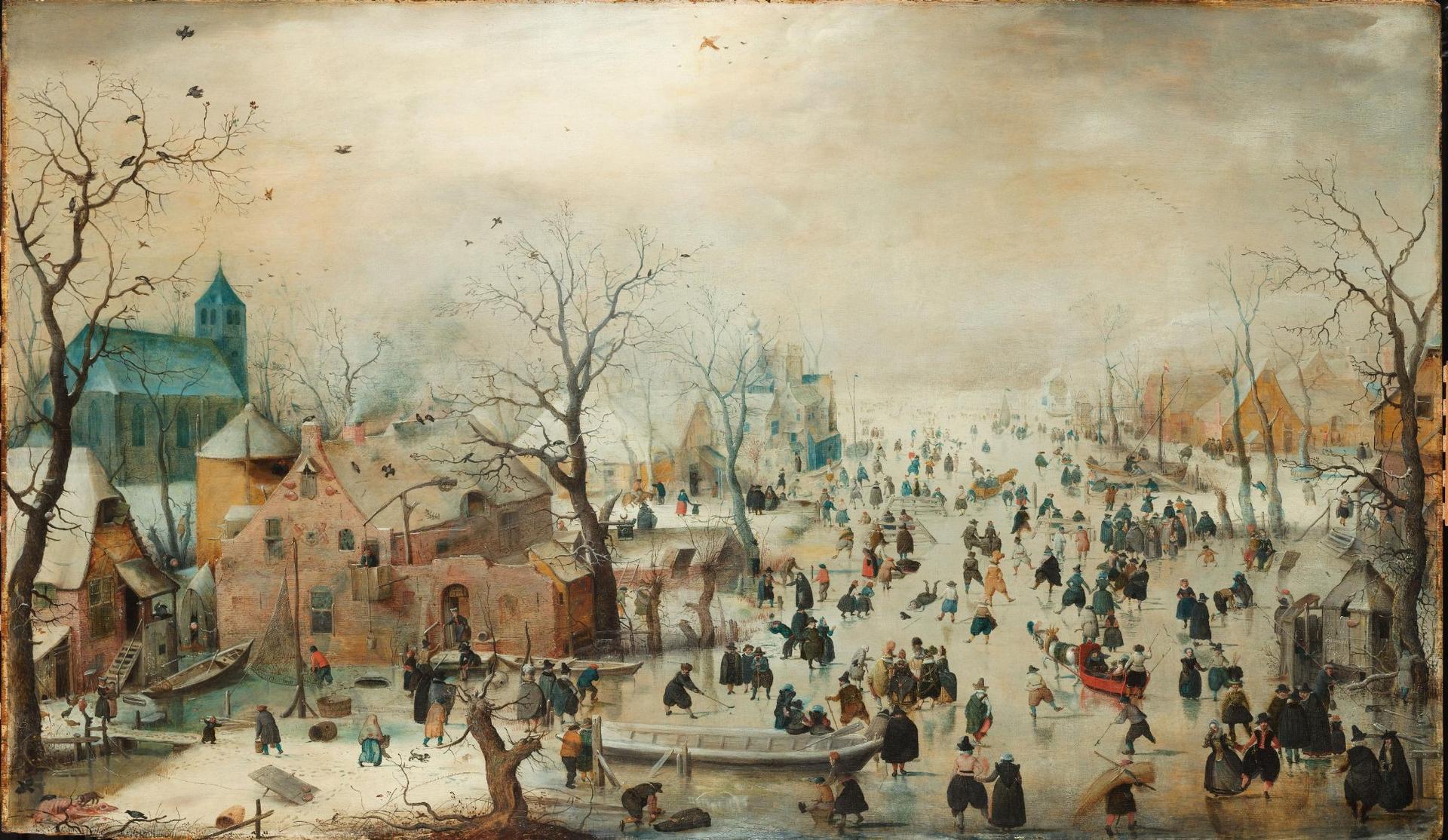
Avercamp's Winter Landscape with Skaters: Hunting the Small Stories
Best History Walking Tours in Amsterdam (2026)
Petronella Oortman's Doll's House: The Miniature Canal House in the Rijksmuseum
Rembrandt's Self-Portrait of 1628: A Young Man and the Back of a Brush
The Night Watch: Why It Is Called That, and What Was Cut Off