From the diamond works of Uilenburg past the Rembrandt House, the Waterlooplein, the great synagogues, the Dockworker, the Hollandsche Schouwburg and the Jewish Council's house to the Holocaust Names Memorial.
Start · Uilenburg: Shipyards, Then Diamonds
DirectionsStops
- 1
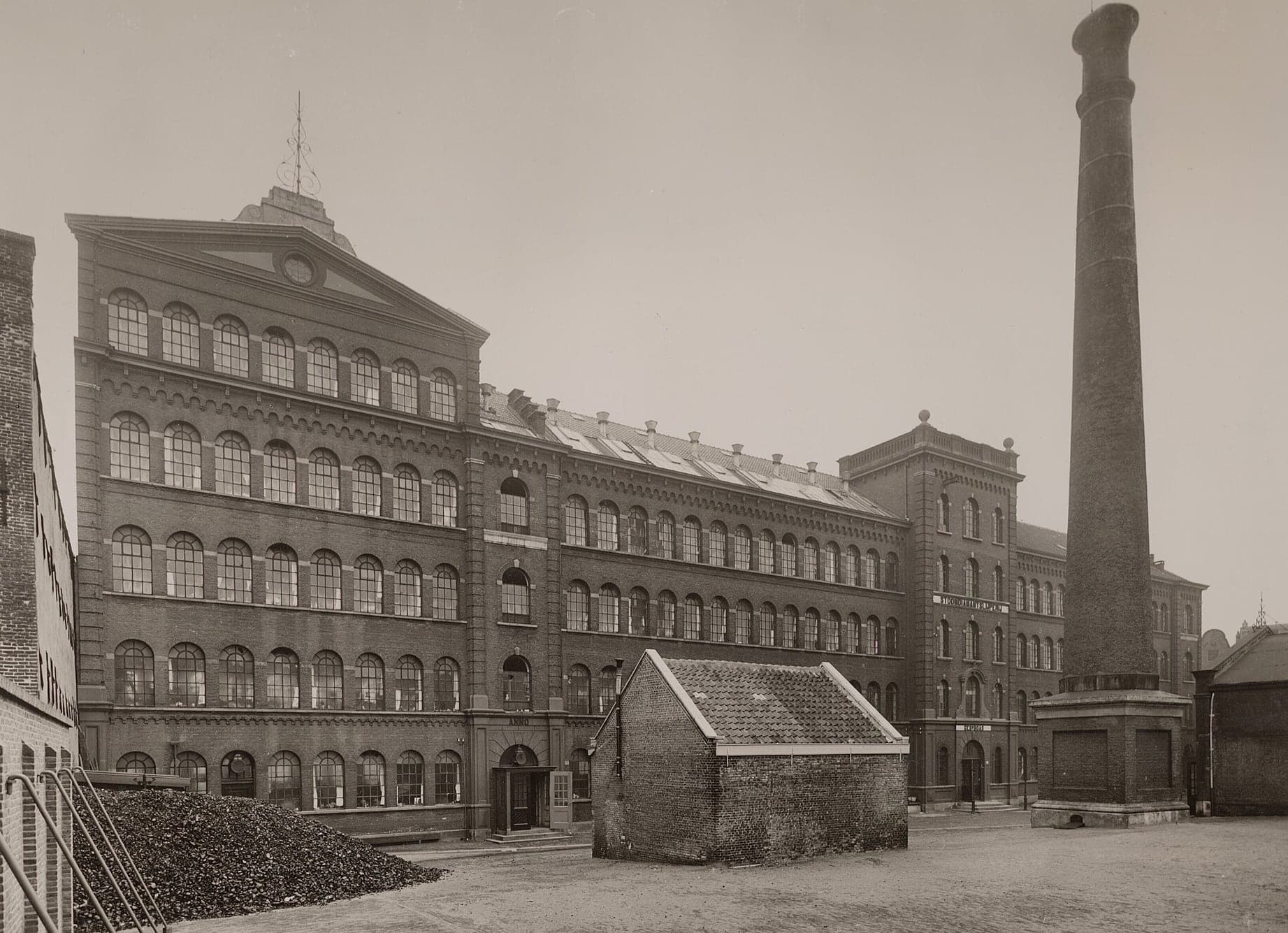
Uilenburg: Shipyards, Then Diamonds
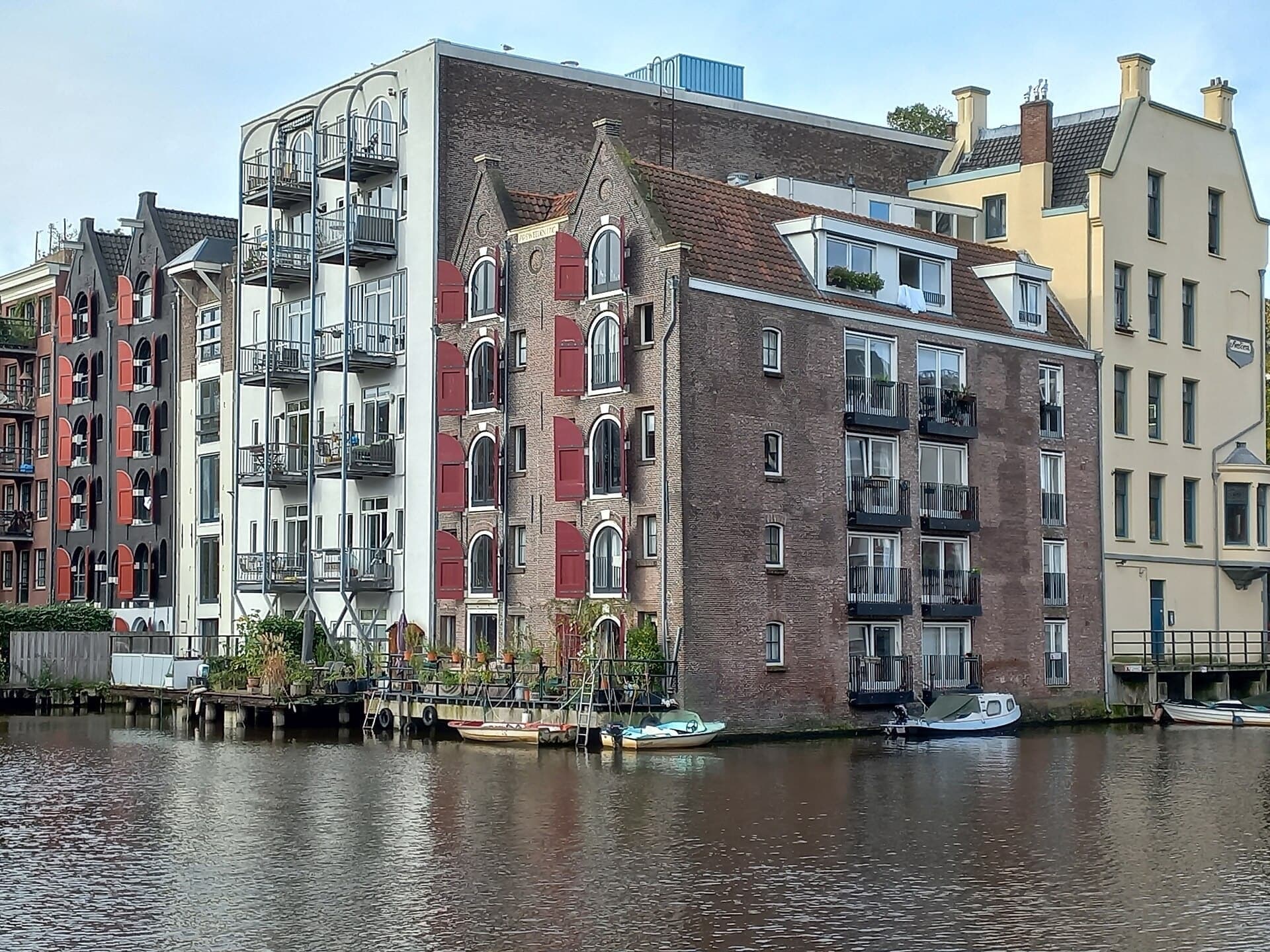
A shipwrights' island became a diamond quarter, around a steam works.
- 2
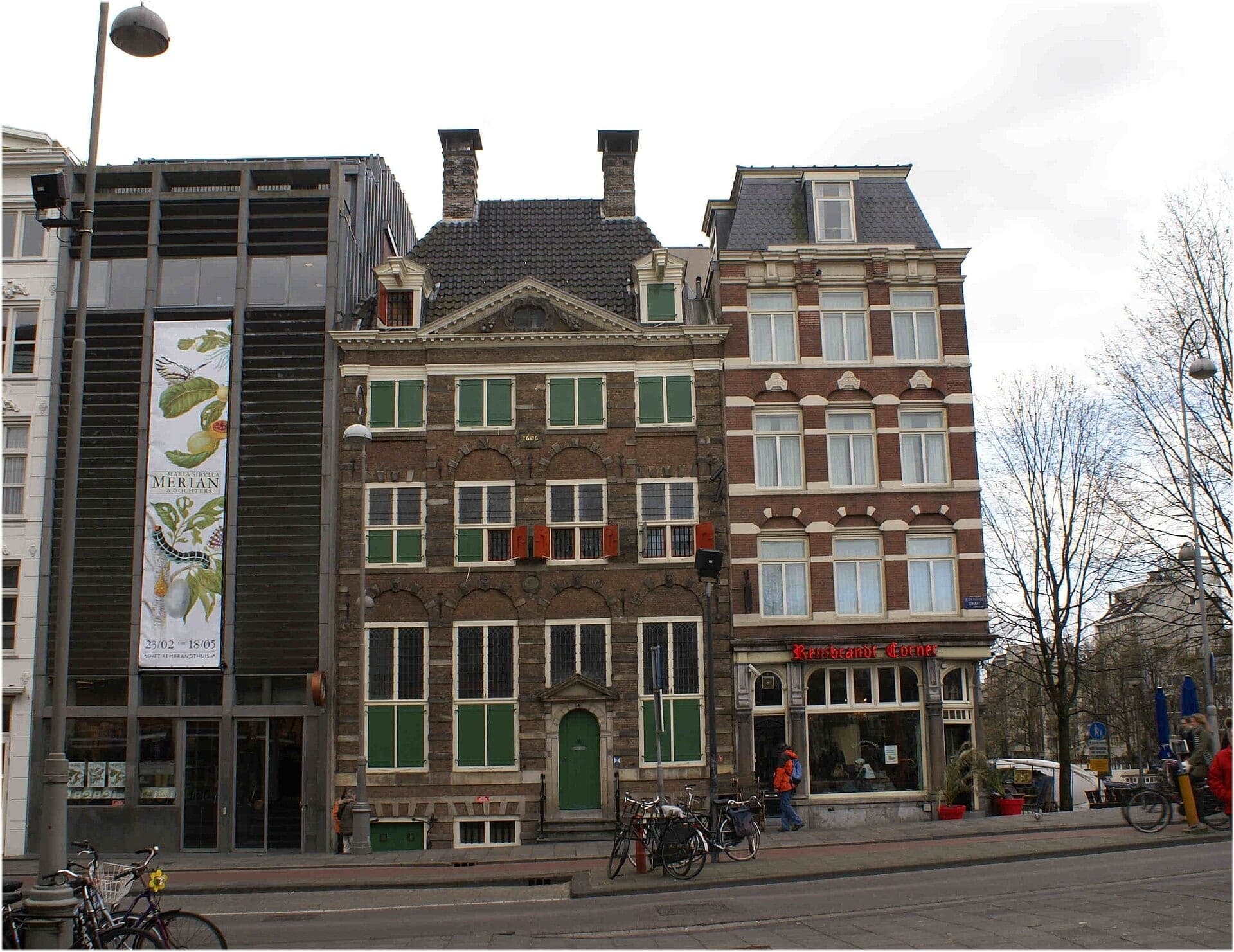
Rembrandt House: Nineteen Years on This Street
Rembrandt lived here 19 years, on a street a road plan nearly erased.
- 3
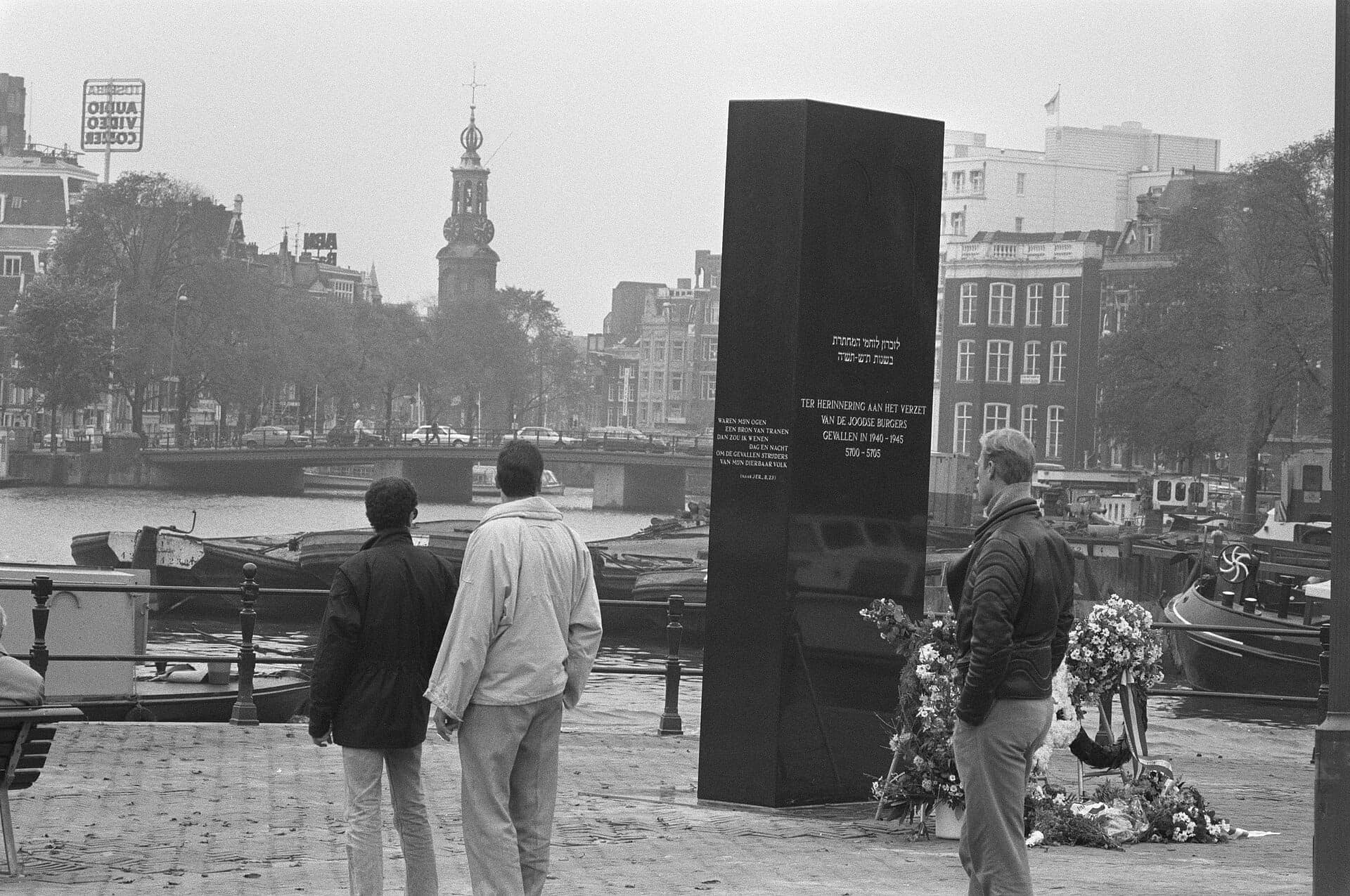
Jewish Resistance Monument
A black column honors Jewish resistance fighters, by the Amstel.
- 4
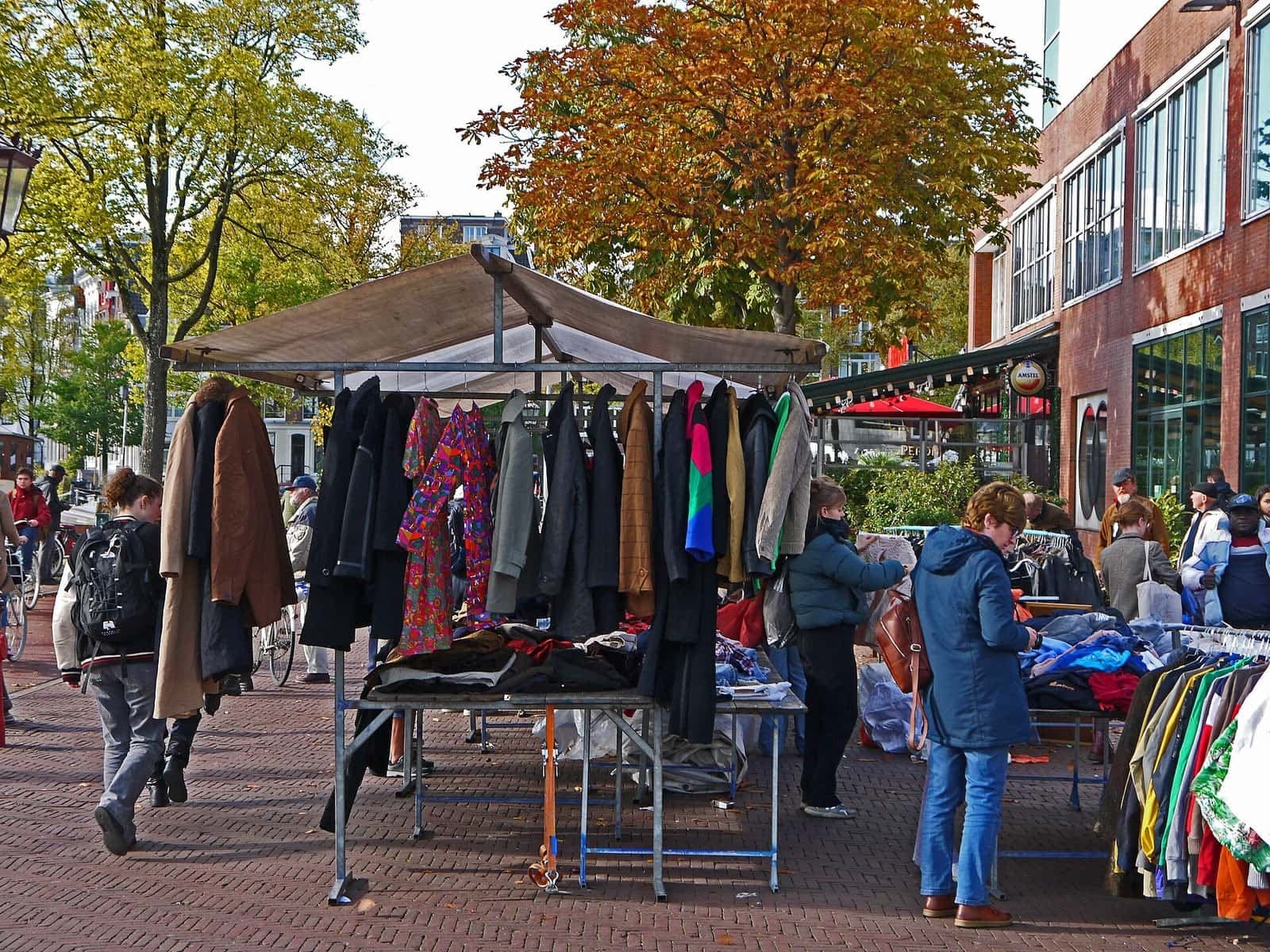
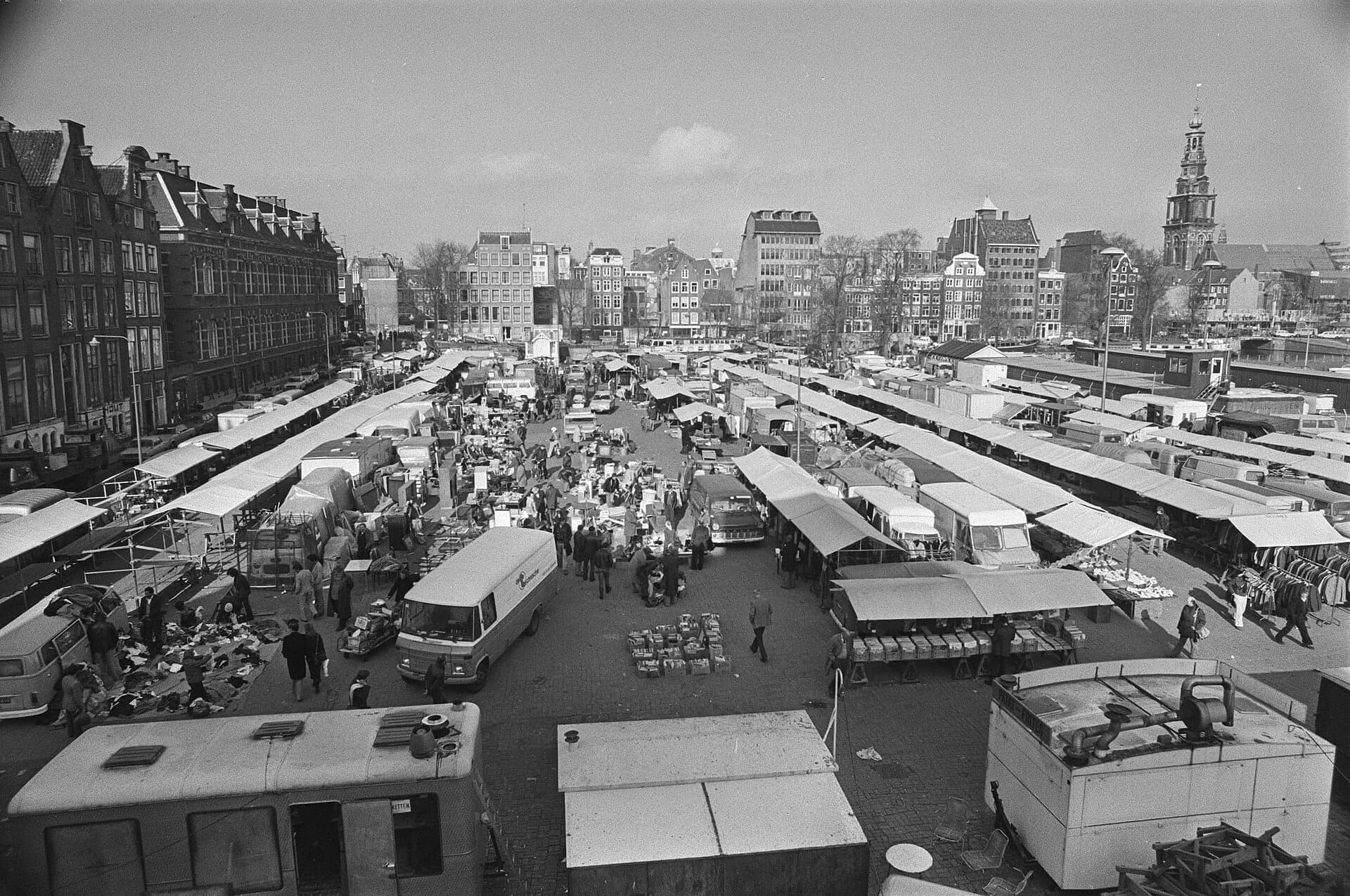
Waterlooplein: The Market That Changed Its Day
The market on old Vlooienburg, the island where Spinoza grew up.
- 5
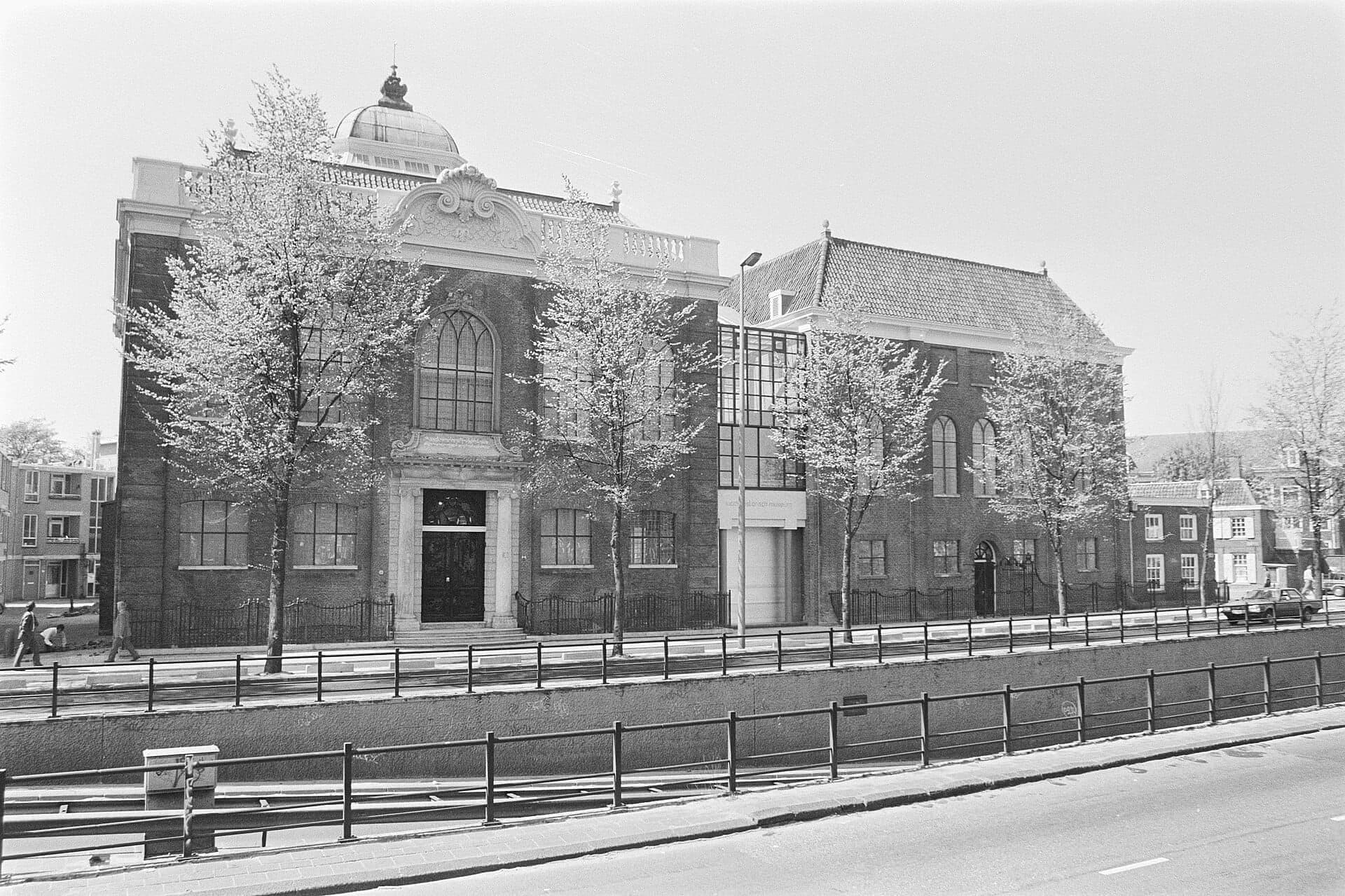
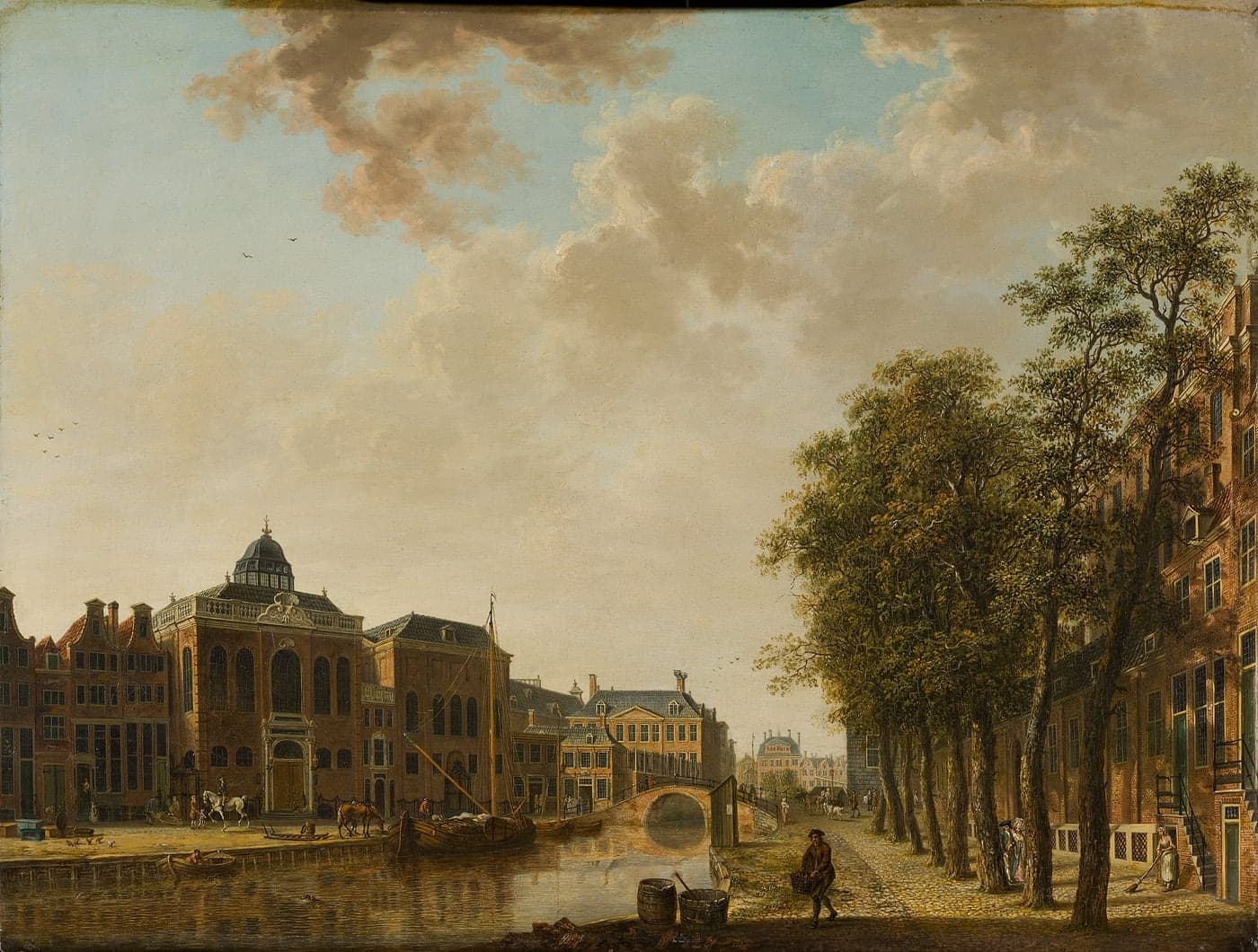
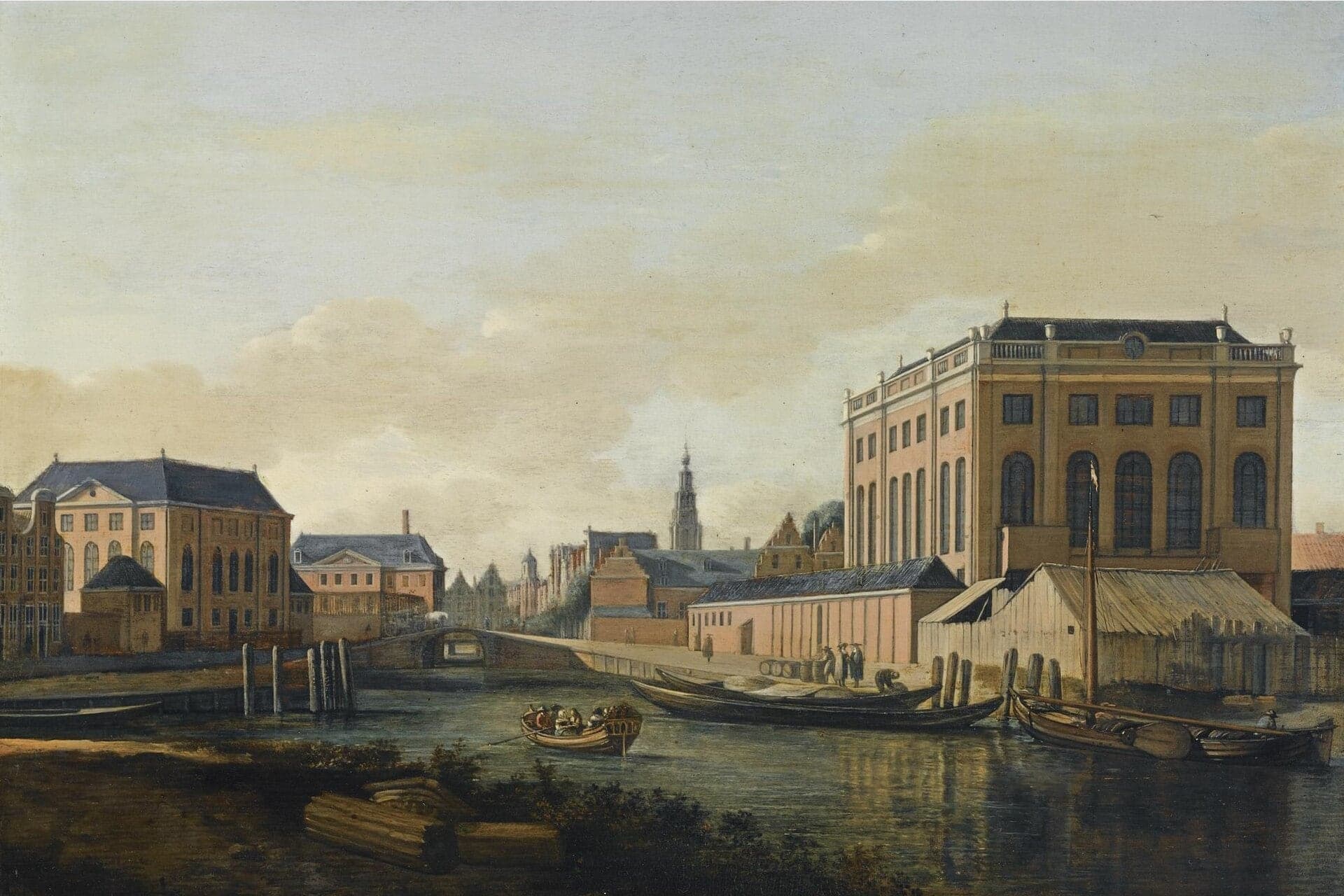
Great Synagogue Complex: Four Synagogues, One Museum
Four Ashkenazi synagogues of 1671 to 1752, now one museum.
- 6
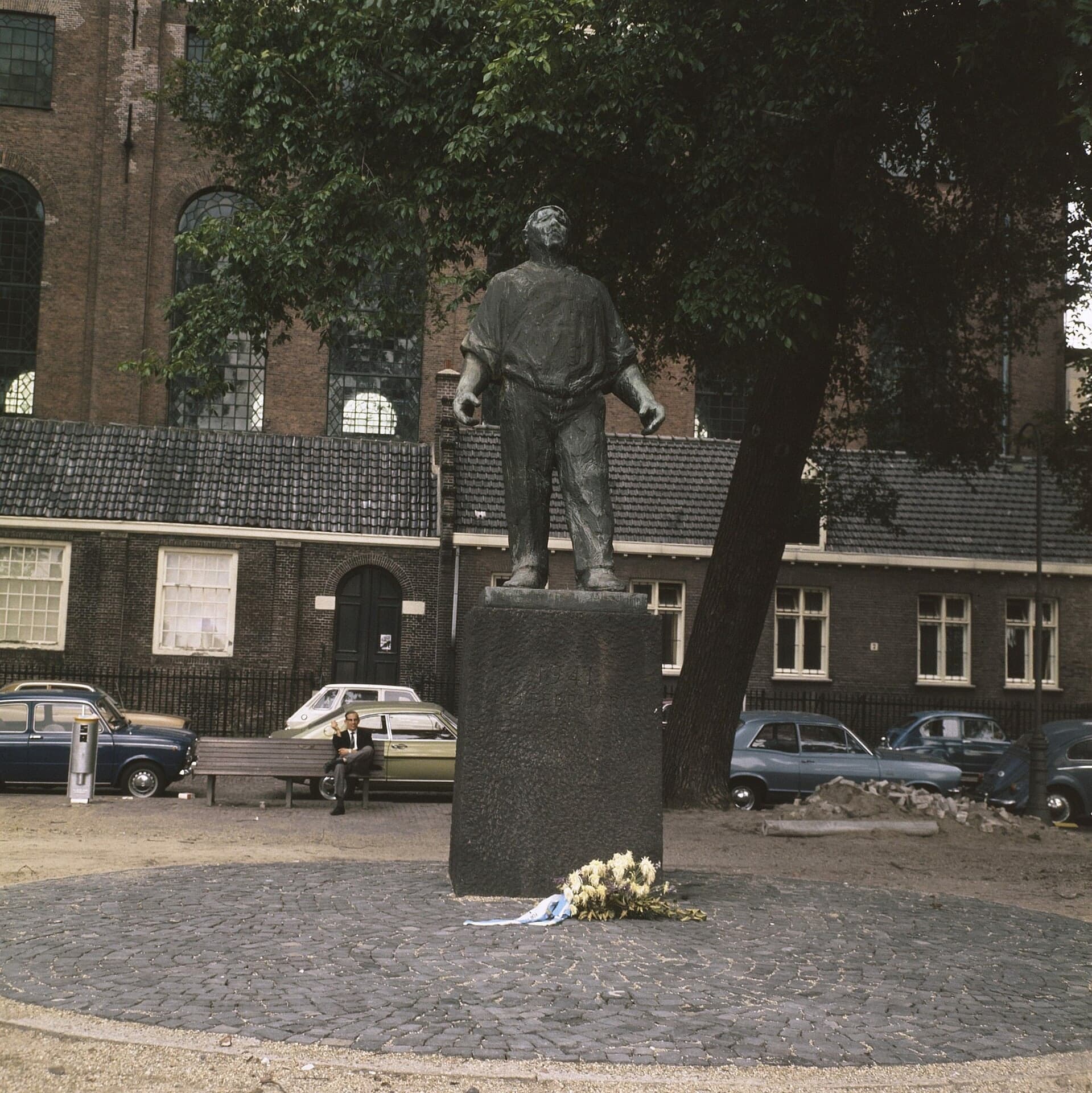
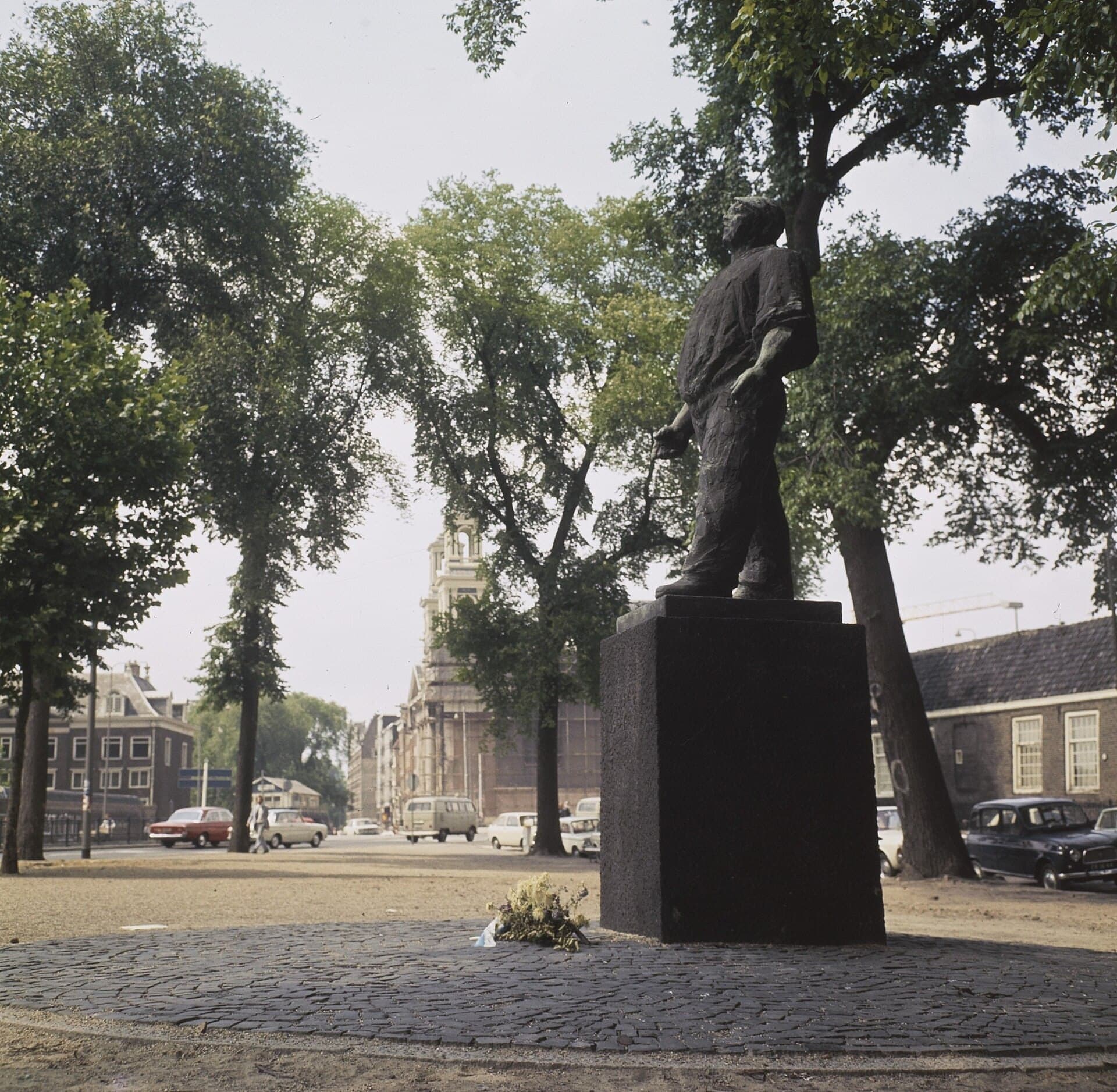
The Dockworker: The February Strike
Mari Andriessen's bronze marks the February Strike of 1941.
- 7
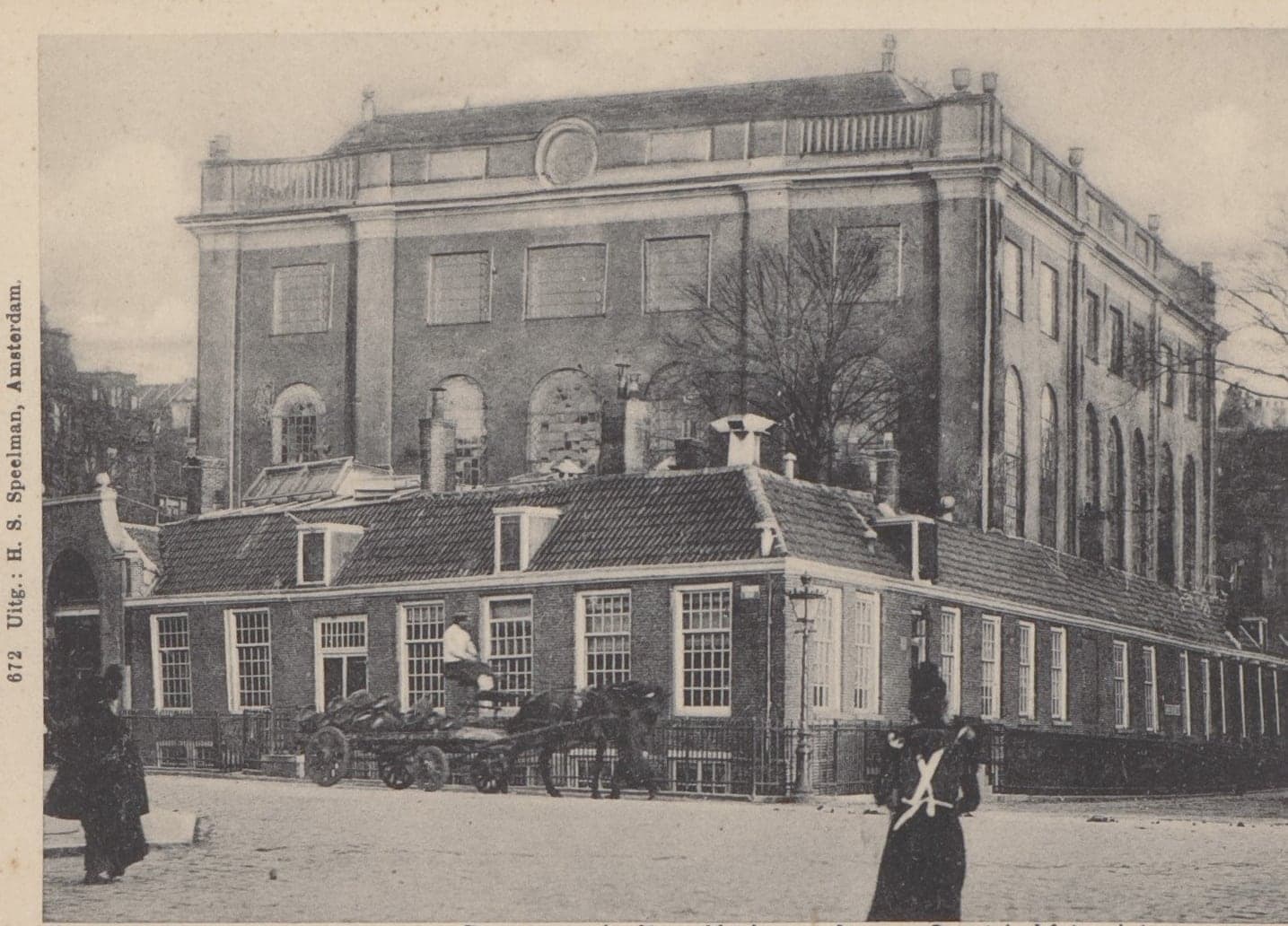
Portuguese Synagogue: Still Lit by Candles
A 1675 hall still lit by candles, behind its low ring of houses.
- 8
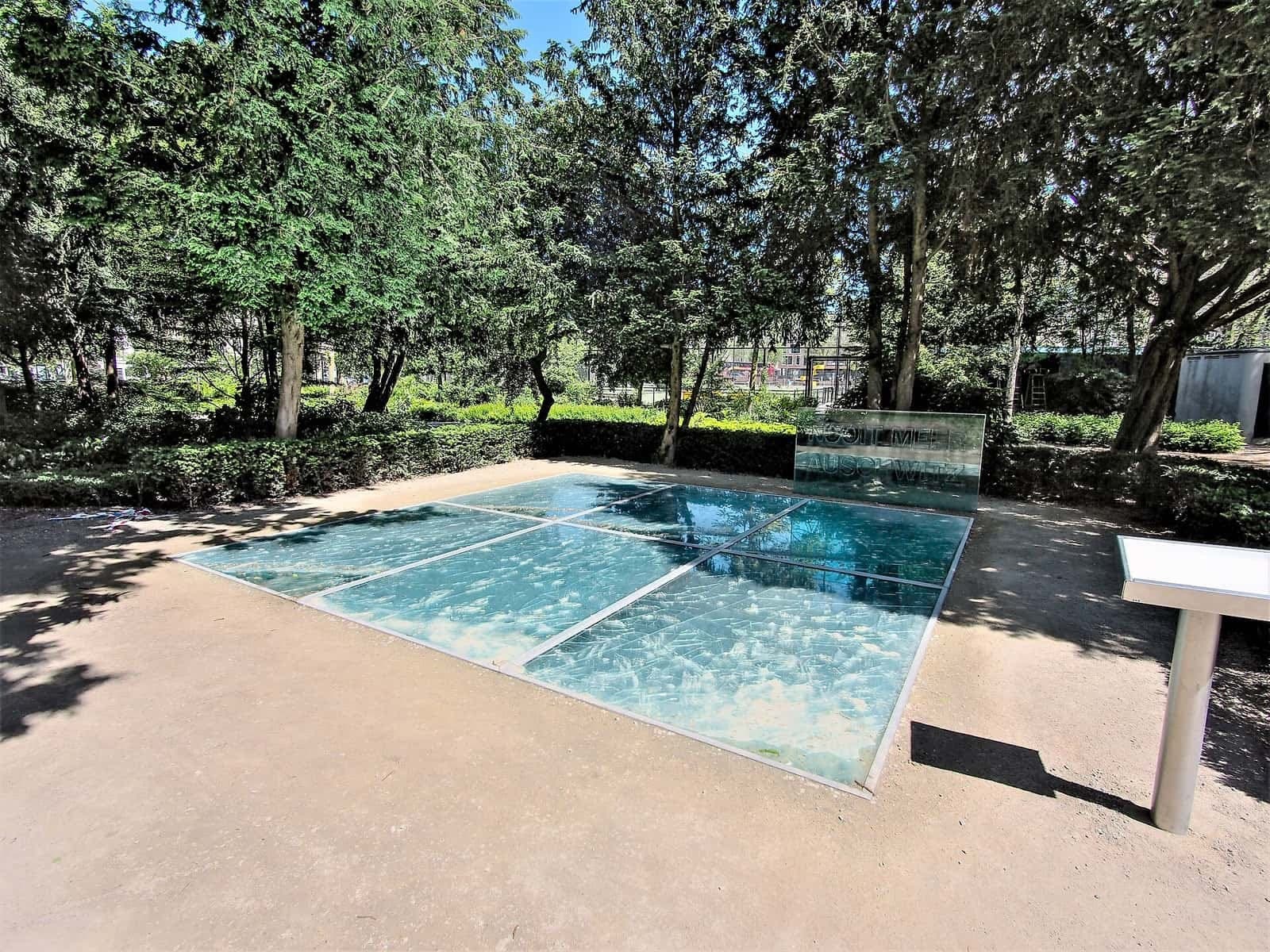
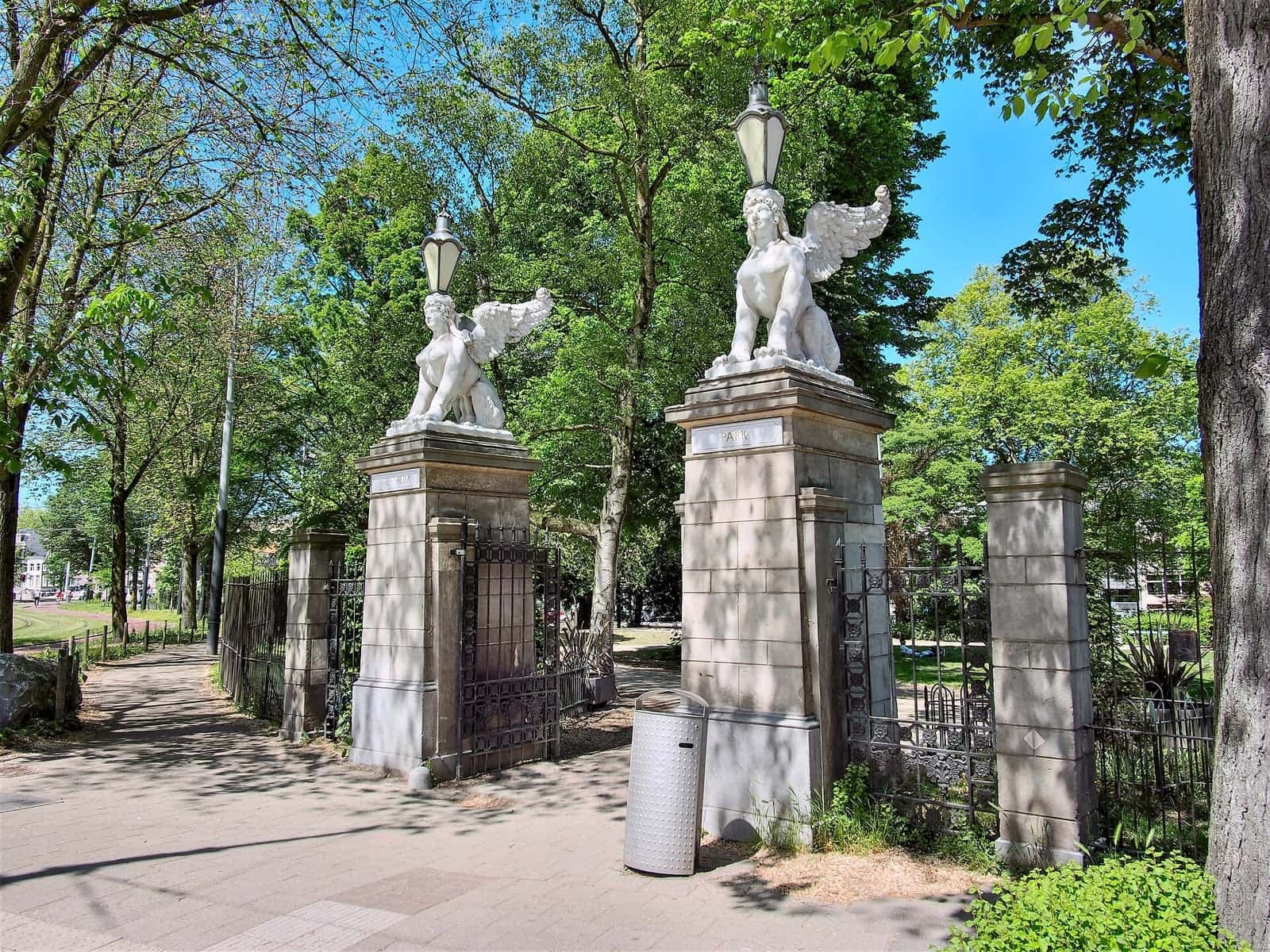
Wertheimpark: Nooit Meer Auschwitz
Broken mirrors over an urn of ashes from Auschwitz, by Jan Wolkers.
- 9
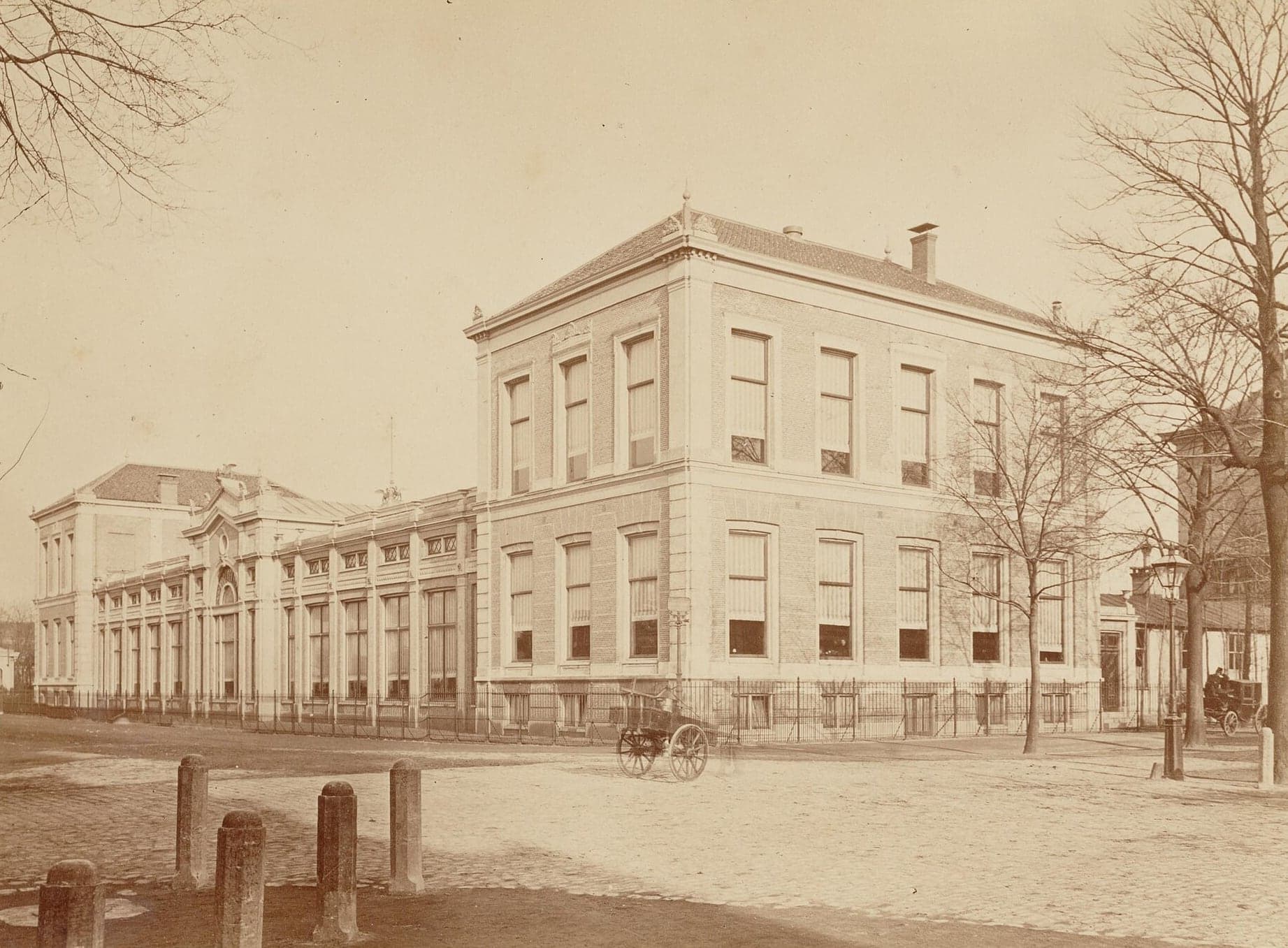
Plantage Kerklaan: Registry and Resistance Museum
The population registry attacked by resisters in March 1943.
- 10
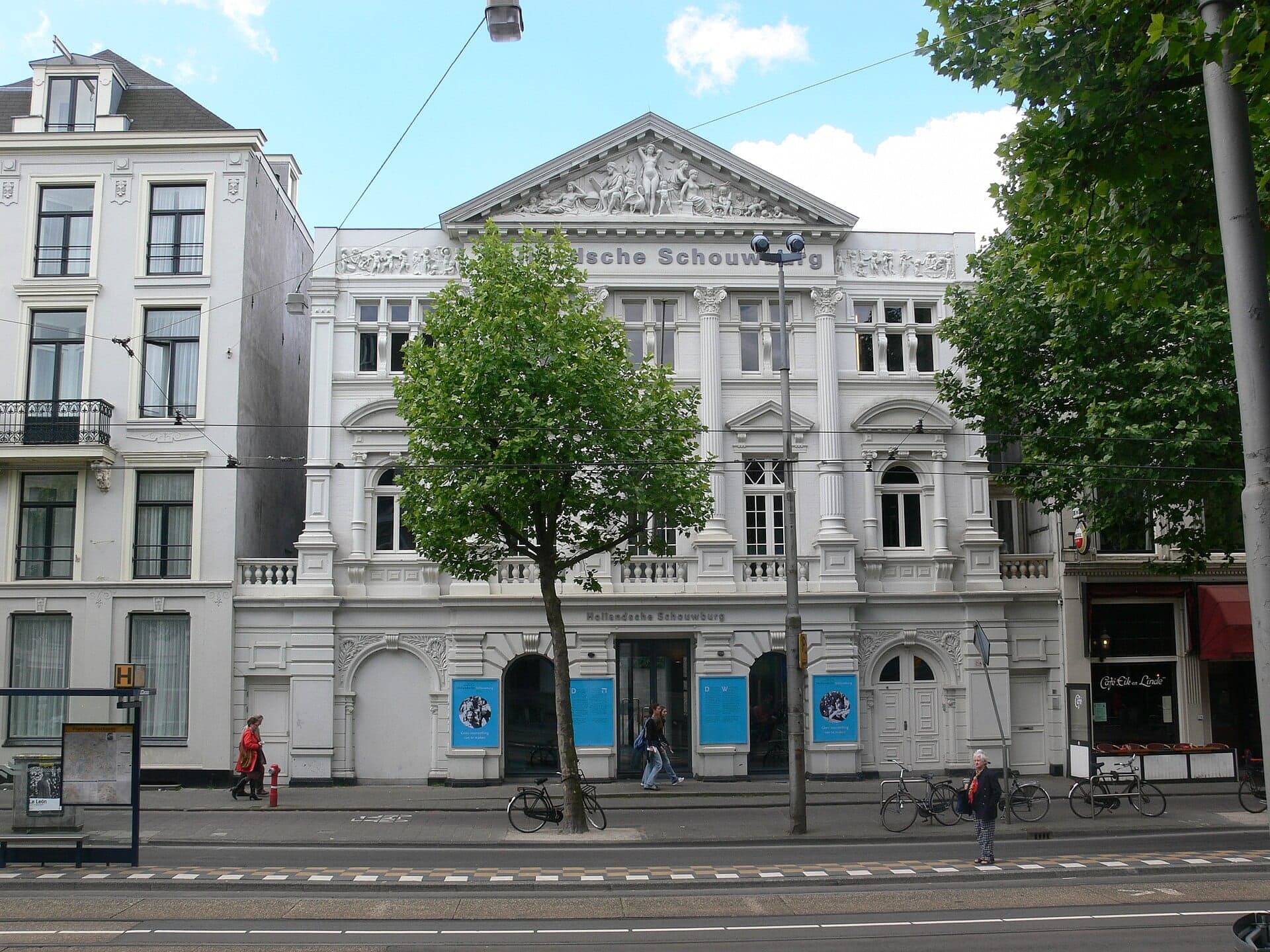
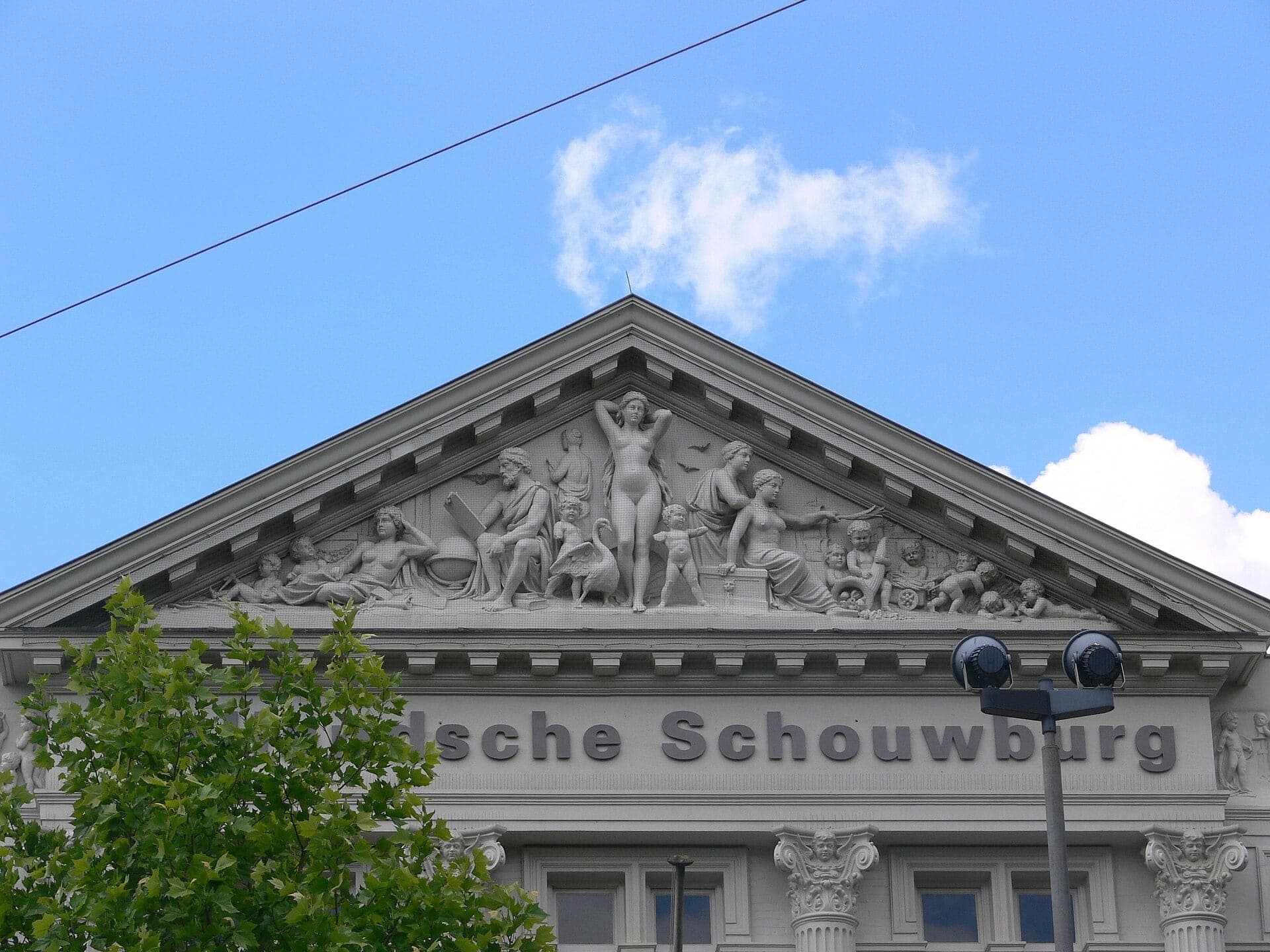
Hollandsche Schouwburg
A theater made the assembly point for deportation, from 1942.
- 11
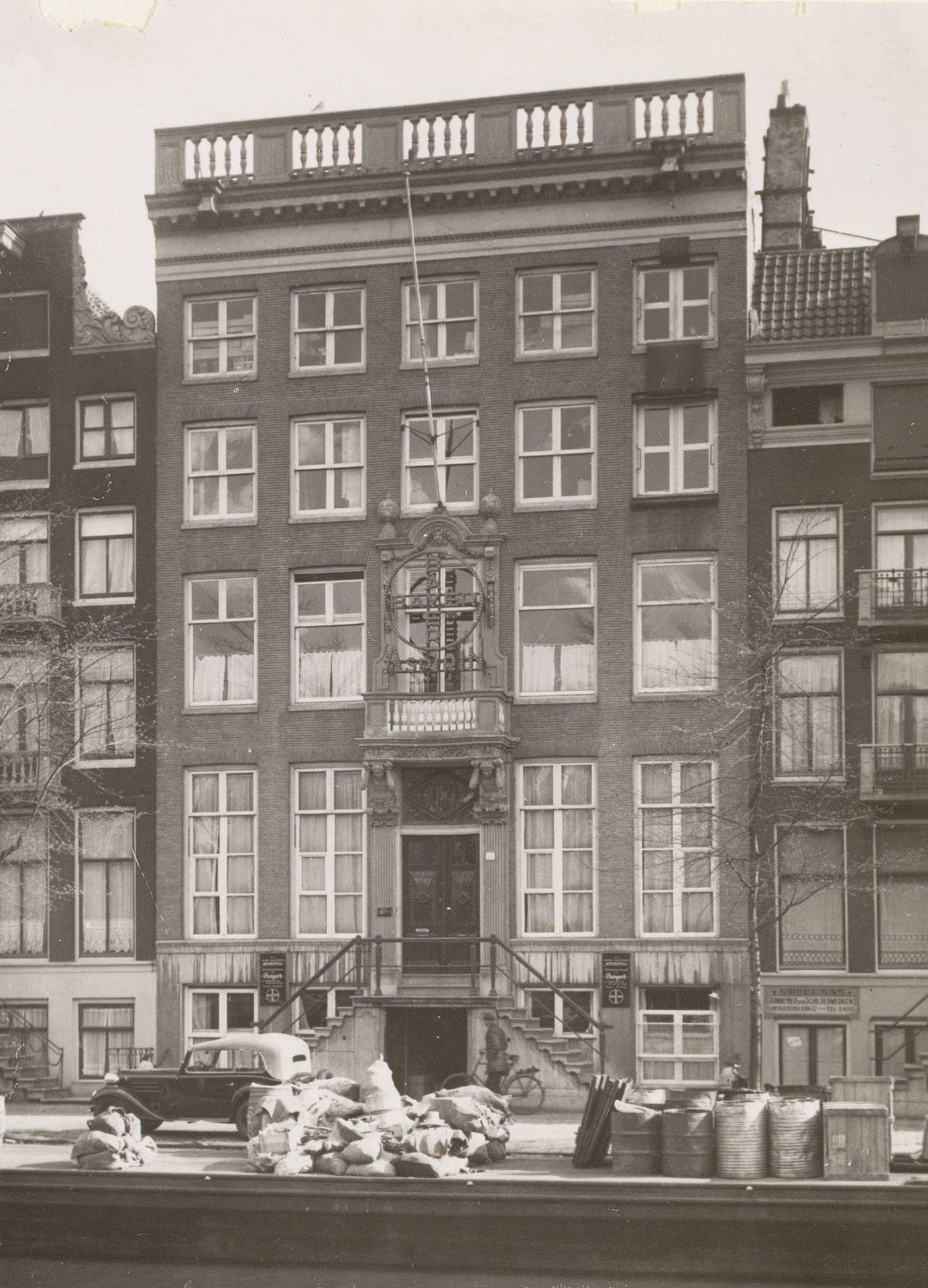
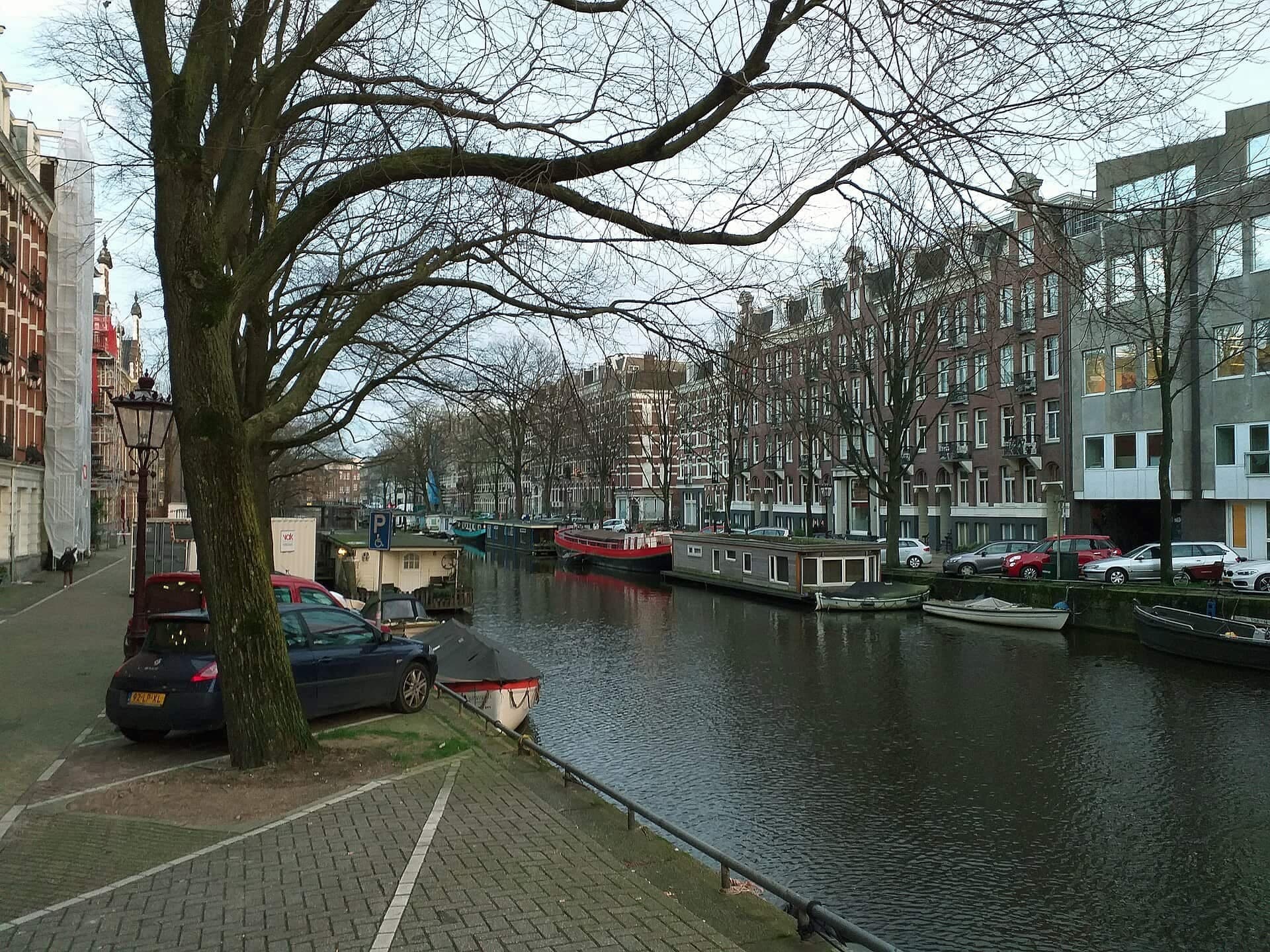
Nieuwe Keizersgracht 58: The Jewish Council
The Jewish Council's head office, across a quiet canal.
- 12
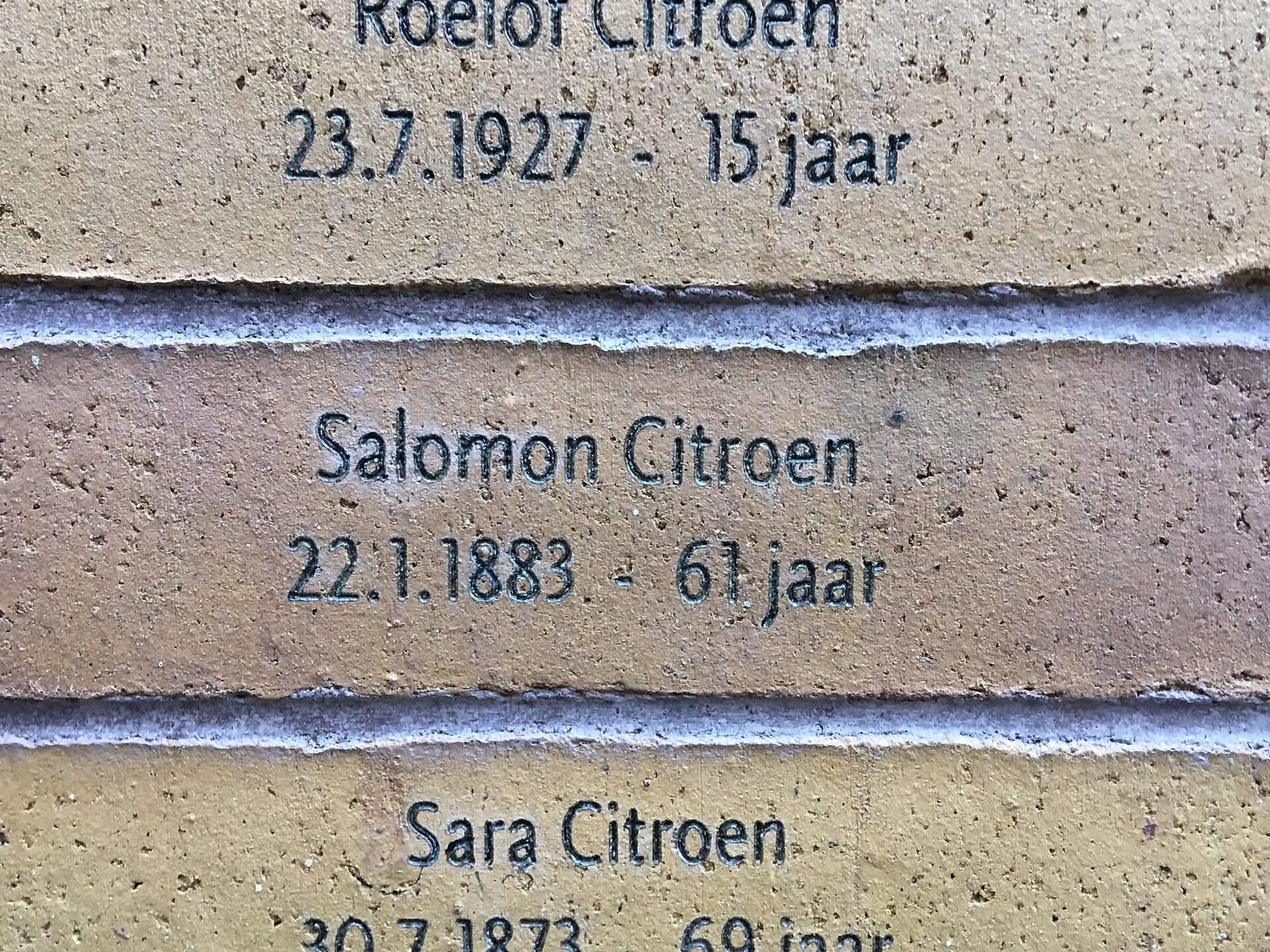
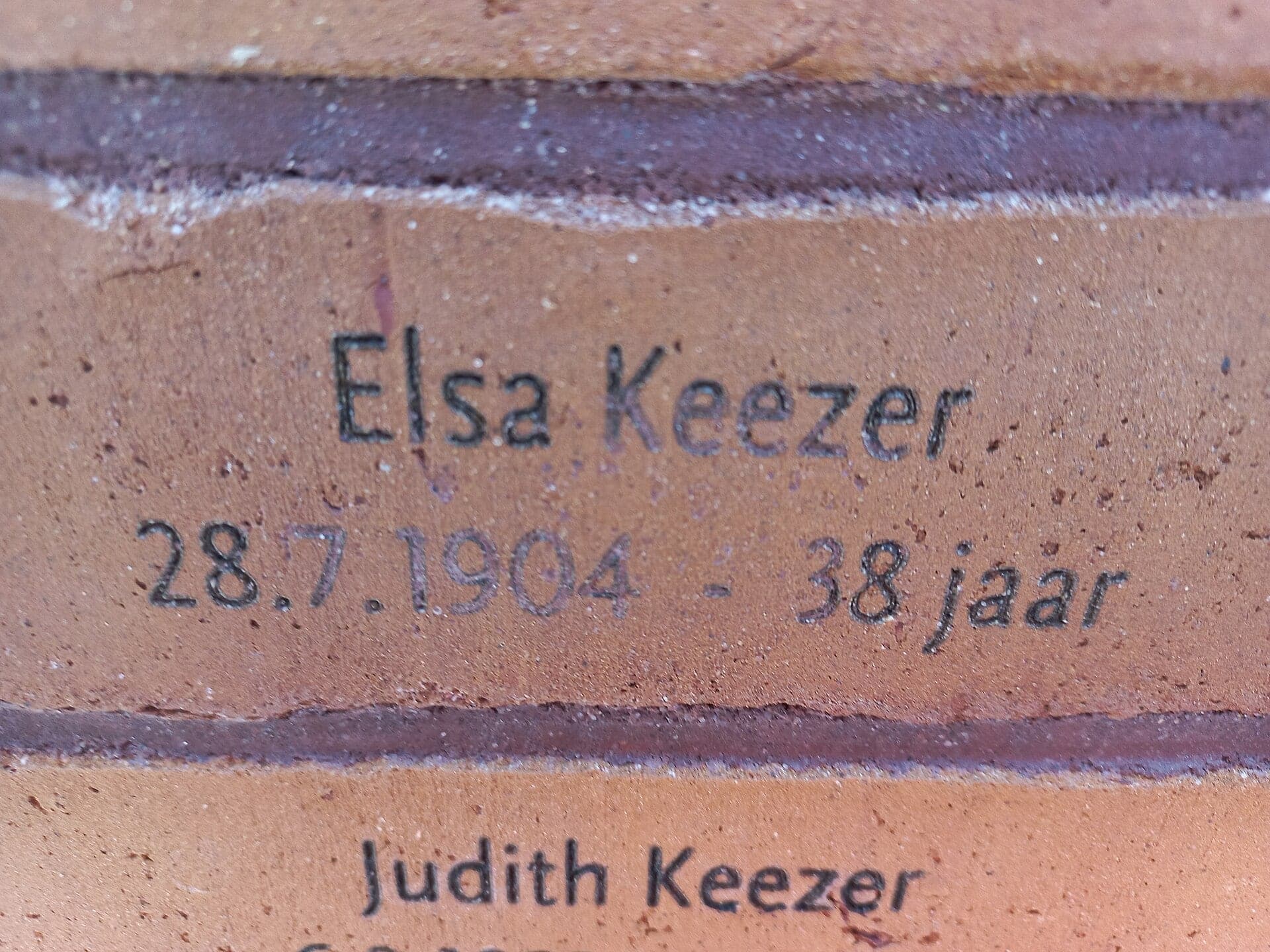
Holocaust Names Memorial
Each brick carries one name, on ground left when a street was cleared.
Details
Best Time to Visit
By day, when the Waterlooplein market is running (Monday to Saturday) and the park and memorial are open. On a Sunday the market square is empty paving, and the stop still works. The Portuguese Synagogue is closed on Saturdays, if you plan to go in. Expect fences and wreaths at the Dockworker around 25 February, and closures in Wertheimpark around the commemoration in late January. Checked 2 November 2026.
Pro Tips
- •Getting to the start: metro 51, 53 or 54 or tram 14 to Waterlooplein, then a short walk to Nieuwe Uilenburgerstraat. Checked 2 November 2026 at jck.nl.
- •Step-free option: the one flight of steps is at the Waterlooplein, between stops 2 and 3. Keeping to the Jodenbreestraat sidewalk avoids it and adds about 130 meters.
- •Holocaust Names Memorial: free, entrances on the Nieuwe Keizersgracht and the Nieuwe Herengracht (both wheelchair accessible), 8am to 8pm from 1 October to 31 March and 8am to 9pm from 1 April to 30 September. QR codes at the memorial help you find a name. Checked 2 November 2026 at holocaustnamenmonument.nl.
- •Jewish Cultural Quarter tickets: a duo ticket for the Jewish Museum and Portuguese Synagogue costs 20 EUR for adults, and one for all four venues 30 EUR, valid one week and 2 EUR more at the desk. Free audio guides are available inside its venues. None of this is included in the walk. Checked 2 November 2026 at jck.nl.
- •Anne Frank did not live in this quarter. The Anne Frank House is on the Prinsengracht, on our Canal Ring and Jordaan walk.
- •Metro at the end: Waterlooplein (51, 53, 54) and tram 14. The Weesperstraat exit has no lift. Checked 2 November 2026 at holocaustnamenmonument.nl.
Safety & Precautions
- •Red cycle lanes and tram tracks are the main danger on this walk. Bikes are fast and quiet. Stand on paving and footpaths, never on red surfaces, and look both ways at every crossing.
- •Marked crossings without lights: over the trams at the east end of the Waterlooplein (after stop 4), over the trams at Mr. Visserplein (after stop 6) and over Plantage Parklaan (after stop 8). Crossings with lights: the main road by Jonas Daniël Meijerplein (after stop 5), Plantage Middenlaan (after stop 10) and the Weesperstraat (before stop 11). No marking is mapped where you cross Jodenbreestraat before stop 2, or at the tram track by Montefiorepark before stop 11: look both ways.
- •Stop 2: stay on the paving by the lock, not at the curb; two cycle tracks run between you and the house.
- •Stop 3: a cycle path runs beside the footpath at the monument, and you cross it to reach the footpath. Look both ways.
- •Stop 9: trams run in the roadway of Plantage Kerklaan. Stay on the footpath.
- •Stop 10: the line on the map runs briefly in the bus lane because the sidewalk is not mapped. Walk on the sidewalk, and keep clear of the museum door.
- •Wertheimpark's official hours are not published, so visit by day. If the gate is shut, you can hear the stop from Plantage Parklaan, though you cannot see the mirrors. The park was closed for the January 2026 commemoration and may close again around that date. Checked 2 November 2026.
- •This is a walk through lived-in streets and memorials: keep your voice low, stay off stoops and out of doorways, and do not sit on or lean against the memorial walls. These are our requests, not posted rules.
- •From stop 3 onward the walk describes raids, deportation and murder in plain words. You may want to judge this for younger children.
Travel advisory: Exercise Increased Caution (Level 2).
Gallery
Read the walk
The full story of Jewish Quarter and Plantage: Four Centuries of a Neighborhood, in words. Prefer to listen? Play it narrated, from home or on location.
Introduction
Amsterdam, the capital of the Netherlands, had a Jewish neighborhood on the islands east of its old center for more than three centuries before the Second World War. This walk goes through what remains of it, and through the Plantage, the district beside it.
It starts with the life of the place: a shipbuilders' island that became a diamond quarter, Rembrandt's street, a market on the island where the philosopher Baruch Spinoza grew up, and two great synagogues raised one after the other by the same mason, Elias Bouman. Then come the years from nineteen forty-one to nineteen forty-three, told at the buildings where they happened. Then what the city itself did to the quarter after the war.
The walk is twelve stops over about two point eight kilometers, one point seven miles, and takes about eighty-five minutes, with one short flight of steps. It begins at Uilenburg and ends at the Holocaust Names Memorial. Every stop works from the street or the path. The Rembrandt House, the Jewish Museum, the Portuguese Synagogue, the Resistance Museum and the National Holocaust Museum are ticketed and separate, and no entry is part of this walk.
People live in these streets, and several stops are memorials, so keep your voice low. Red cycle lanes and tram tracks are the real danger here. Several marked crossings have no lights: look both ways, for bikes as well as trams.
1. Uilenburg: Shipyards, Then Diamonds
Welcome to Uilenburg, where this walk begins. Find a spot on the sidewalk of Nieuwe Uilenburgerstraat, and look for the long brick building set back behind a fence and a forecourt. Its upper floors rise over the lower block in front of it. You can pick out round-arched windows, a taller section at the center, and a roof of blue tiles. This is a working diamond business, and the walk stays on the street.
This ground was made. The island was built from fifteen ninety-one to fifteen ninety-three, and the first plots went to shipwrights. It soon proved too narrow for proper shipbuilding, and by sixteen eighty the yards had moved east. What stayed was housing, the cheapest in the city, and from the end of the seventeenth century Ashkenazi Jews settled here.
Diamonds were largely a Jewish trade, outside the city's guilds. In eighteen seventy-nine three brothers, Israël, Marcus and Hartog Boas, founded a steam works in the building in front of you. The heritage register counts fourteen windows in the polishing wing on each side of the center. A local history of the firm counts three hundred fifty-seven polishers alone. It was one of the largest diamond works of its day. In nineteen eighty-nine the name of today's user, Gassan Diamonds, replaced the old name on the frieze.
Now look at the street itself. It is wider than the streets it replaced. In nineteen ten, three hundred sixty-eight of the eight hundred sixty-one dwellings here were declared unfit to live in. By December nineteen twenty-two the block between the two old streets was gone. So the city had already begun rebuilding this neighborhood before the war, and the work was not finished when the war came.
Follow the route along this street and over the small bridge. Next is the house Rembrandt moved into in sixteen thirty-nine.
2. Rembrandt House: Nineteen Years on This Street
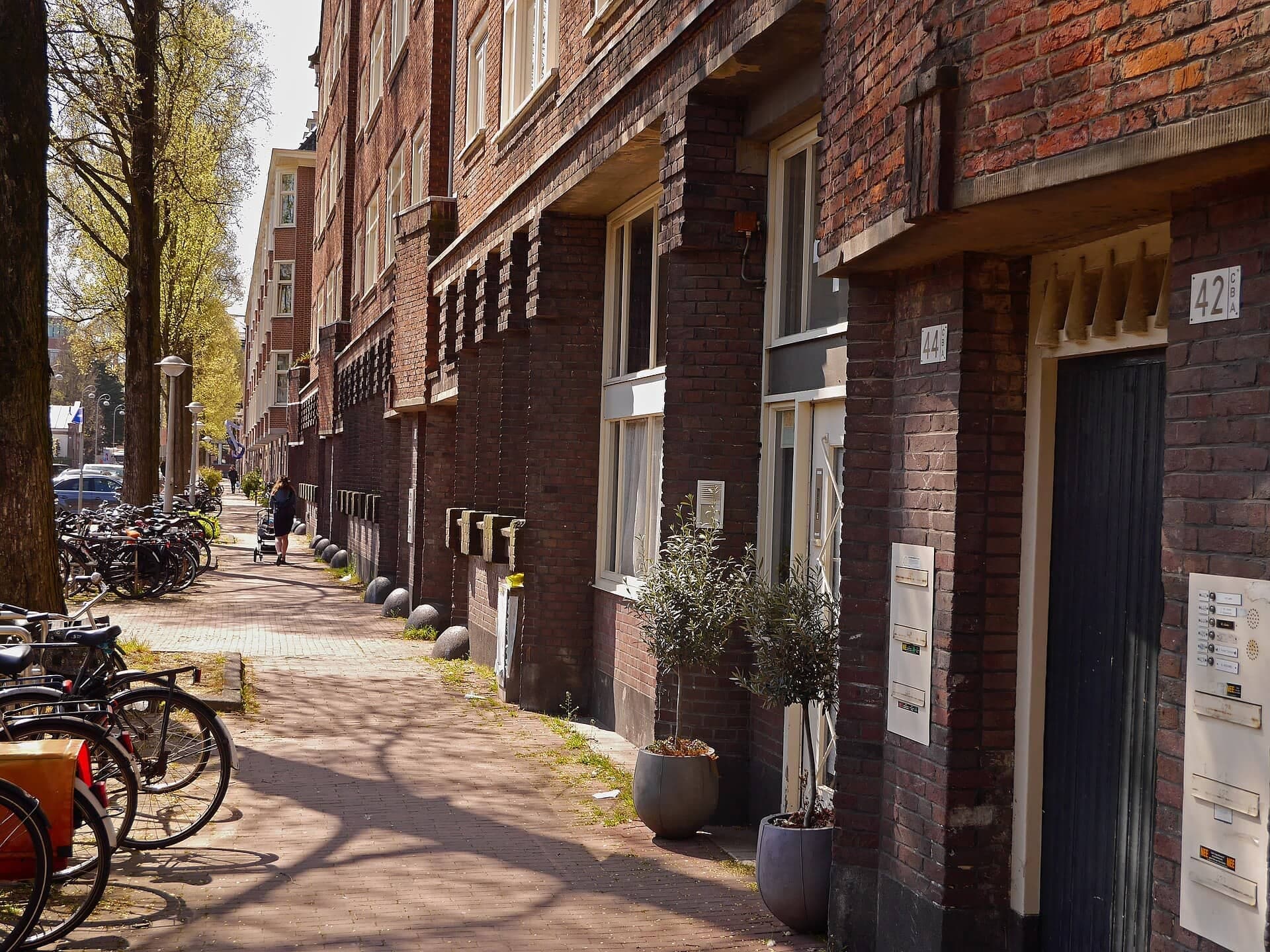
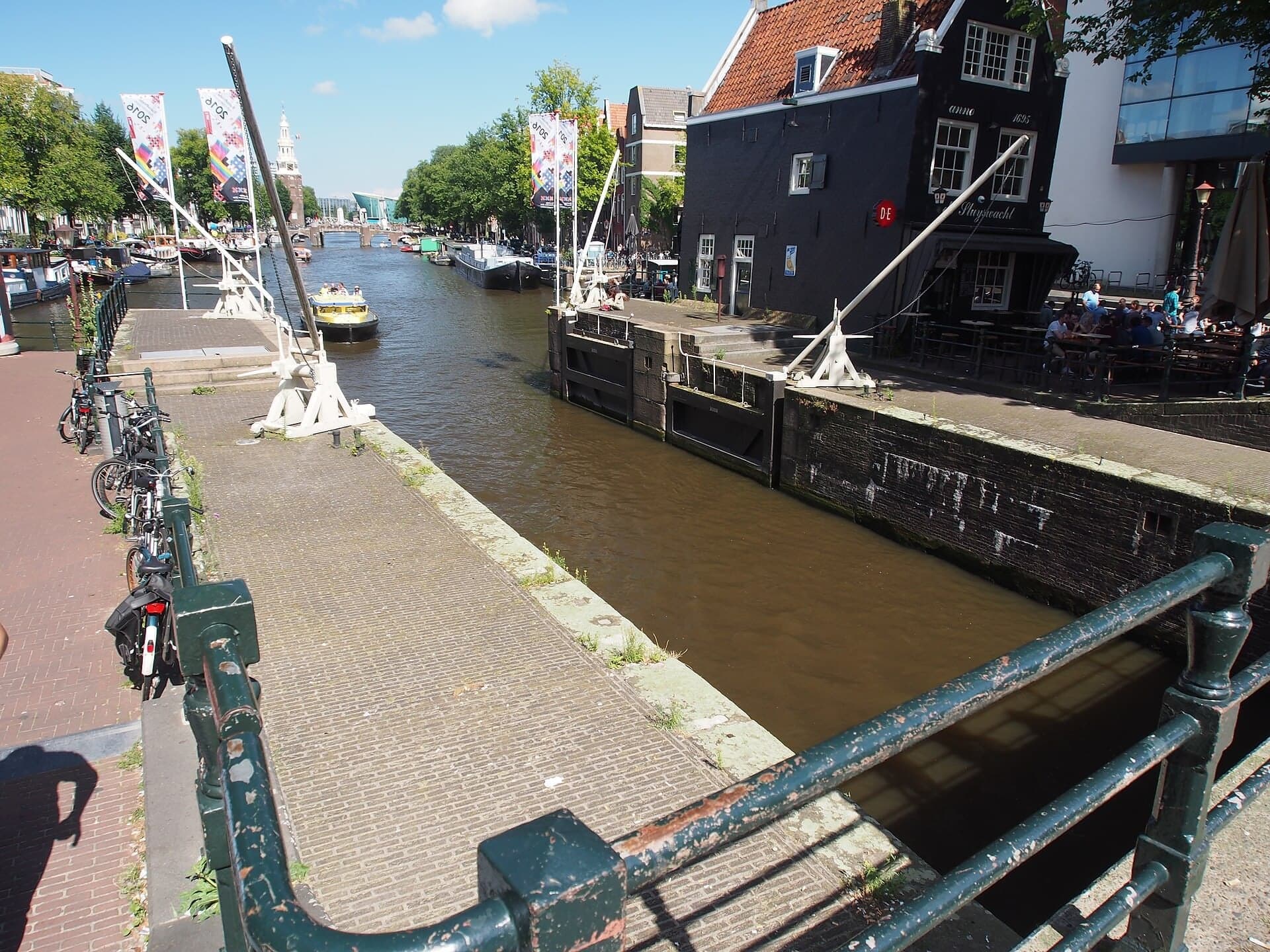
Walk on along Jodenbreestraat to the open paving by the lock, and stop there, on the paving and back from the curb. Across the street stands a house four windows wide, with bands and blocks of sandstone on its front. This is the Rembrandt House. It is a museum, ticketed and separate from this walk, and the details are on this stop's card. Step back toward the lock rail to see the top.
The front dates from sixteen oh six. Look at the very top. The house first ended in a stepped gable. That was replaced by a top story with a pediment, the shape you see now, and the building was restored from nineteen oh eight to nineteen eleven.
Rembrandt moved in in sixteen thirty-nine, aged thirty-three and newly married to Saskia. He had to leave after nineteen years, aged fifty-two. The museum describes the neighborhood around him as artists, merchants and immigrants, rich and poor side by side. That is the street this walk is about. Its name is on the sign: Jodenbreestraat, the Jews' Broad Street, named for its Jewish residents in the seventeenth century. It held a market until eighteen ninety-three, and you will meet that market again shortly.
Now look along your own side of the street. In the nineteen sixties there was a plan to widen Jodenbreestraat into a traffic artery. That side of the street, where you are, was demolished. Residents and heritage campaigners stopped the plan here at the lock, Sint Antoniessluis, and a house called De Pinto House was a key reason. So the old house across from you stands on a street whose other side was cleared for a road.
Follow the route down a short flight of steps and along the water. Along the way, look for a bronze figure in a cloak, Baruch Spinoza. We come back to him at the market.
3. Jewish Resistance Monument
Walk on along the water to the corner where the Zwanenburgwal meets the Amstel, and stop on the footpath, clear of the cycle path. Lower your voice here. Near the corner stands a tall black stone column with gold letters, carved with the stone tablets. The text is in Hebrew and in Dutch.
The front says it stands in memory of the resistance of the Jewish citizens who fell from nineteen forty to nineteen forty-five. The side carries a line after the prophet Jeremiah: were my eyes a fountain of tears, I would weep day and night for the fallen fighters of my dear people.
It was unveiled in nineteen eighty-eight, and it fulfilled the great wish of Bennie Bluhm, who had died two years earlier. During the occupation, Bluhm formed fighting squads from the Olympia boxing school in the Rapenburgerstraat, to defend the neighborhood against the W A, the Dutch Nazi party's militia.
At the unveiling, the Speaker of the Lower House, Dick Dolman, spoke of about a thousand Jewish resistance fighters across the Netherlands, five hundred of whom paid with their lives. The mayor, Ed van Thijn, called it sad that a monument was needed against the prejudice that Jews had not resisted.
Follow the route back along the water. Next is the market.
4. Waterlooplein: The Market That Changed Its Day
Walk on into the open square and stop on the paving, clear of the stalls if there are stalls today. This is the Waterlooplein. From Monday to Saturday it holds a street market, and on a Sunday it is empty paving. The big building beside it is the nineteen eighties city hall and opera house.
This was first an island called Vlooienburg, laid out from fifteen ninety, with plots sold from sixteen oh two and timber yards at the water. From about sixteen hundred, Portuguese Jews, known as Sefardim, settled here in numbers. By sixteen seventy-one the island was fully built, with two hundred twenty houses on it. It got sewers only in eighteen eighty-two.
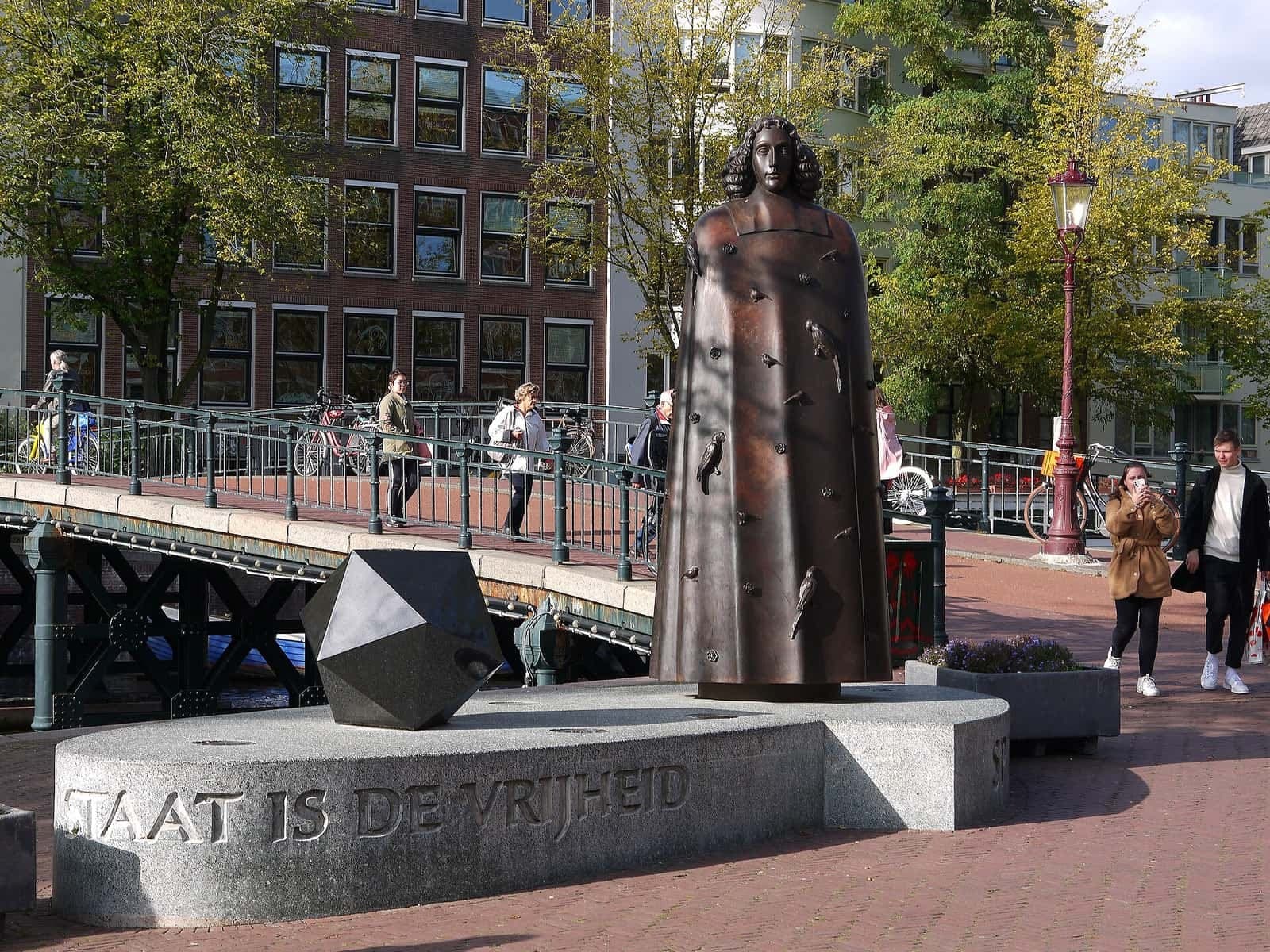
The bronze by the water calls Baruch Spinoza an Amsterdammer, son of Jewish refugees. He grew up on this island, in the Portuguese Jewish community.
The market came later. In eighteen ninety-three the city moved it here from Jodenbreestraat, as a daily market six days a week. The traders complained that the new site was too drafty. At first it closed on Saturday. Now it closes on Sunday.
The Resistance Museum keeps a photograph of a raid on this square, dated February nineteen forty-one.
In the last winter of the war, the empty houses of people who had been taken away were stripped for wood. In nineteen forty-nine the city decided to clear the area, and the city hall and opera house later rose on it. The clearing went on. In March and April nineteen seventy-five, riots broke out around the Nieuwmarkt, not far from here, over the demolition of sound homes for the metro tunnel and over a planned road that would have run on from the Weesperstraat, where this walk ends.
Follow the route to the far end of the square and over the tram tracks at the marked crossing. It has no lights, so watch for bikes and trams.
5. Great Synagogue Complex: Four Synagogues, One Museum
Walk on along the pedestrian street and stop beside the big brick fronts with their tall round-arched windows. You are too close to take them in, so step back to the far side of the street and look up, and keep clear of the museum door. This is the Jewish Museum, ticketed and…
Full narration for this stop unlocks with the tour.
6. The Dockworker: The February Strike
Walk on to the square, Jonas Daniël Meijerplein, and stop on the fine gravel. People live in the low houses around it, so keep your voice down. Across the gravel stands a bronze figure, De Dokwerker, the Dockworker, by the sculptor Mari Andriessen. Queen Juliana unveiled it in…
Full narration for this stop unlocks with the tour.
7. Portuguese Synagogue: Still Lit by Candles
Walk on over the crossing and stop on the wide paving beyond the tram tracks. Now turn and look back across them. Behind a ring of low houses a great rectangular hall stands under a hipped roof, its walls divided by flat pilasters, with a sandstone cornice and a balustrade along…
Full narration for this stop unlocks with the tour.
8. Wertheimpark: Nooit Meer Auschwitz
Walk on into the park and stop on the path, beside the ring of broken mirrors set in the ground. Stay on the path, and keep off the glass. Lower your voice here. This is Wertheimpark. The city's own sign calls it the oldest park in Amsterdam, opened to the public in eighteen…
Full narration for this stop unlocks with the tour.
9. Plantage Kerklaan: Registry and Resistance Museum
Walk on to the zebra crossing on Plantage Kerklaan and stop on the footpath, off the roadway: trams run on this street. Look along the street toward the tram junction. The building on the corner, in brick, two pavilions joined by a lower gallery, is Plantage Kerklaan thirty-six.…
Full narration for this stop unlocks with the tour.
10. Hollandsche Schouwburg
Walk on along the sidewalk and stop outside the National Holocaust Museum, clear of its door and of the red cycle lane. Lower your voice here. Straight across the road, beyond the tram stop, is the front of the Hollandsche Schouwburg. It is a memorial, and entry is free if you…
Full narration for this stop unlocks with the tour.
11. Nieuwe Keizersgracht 58: The Jewish Council
Walk on along the quay of the Nieuwe Keizersgracht and stop on the canal side. People live along here, so keep your voice low. Straight across the water stands a double house, five windows wide. Above its door, a balcony rests on two carved male figures, called atlantes. The…
Full narration for this stop unlocks with the tour.
12. Holocaust Names Memorial
Walk on along the footpath and stop where the brick walls and the steel above them are in view. This is the Holocaust Names Memorial, by the architect Daniel Libeskind, unveiled in twenty twenty-one. Its plan is four Hebrew letters that together spell: In memory of. Corridors…
Full narration for this stop unlocks with the tour.