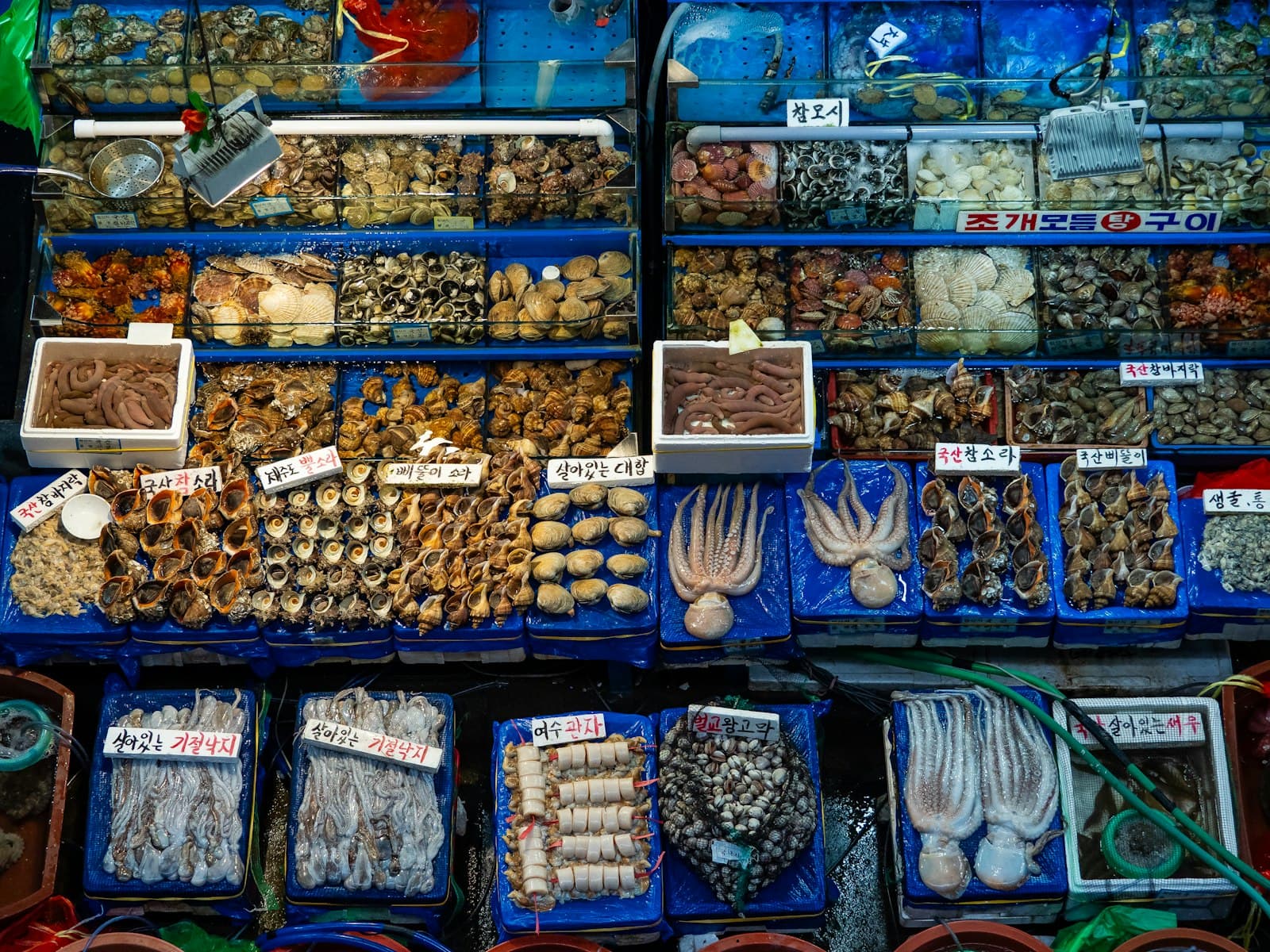
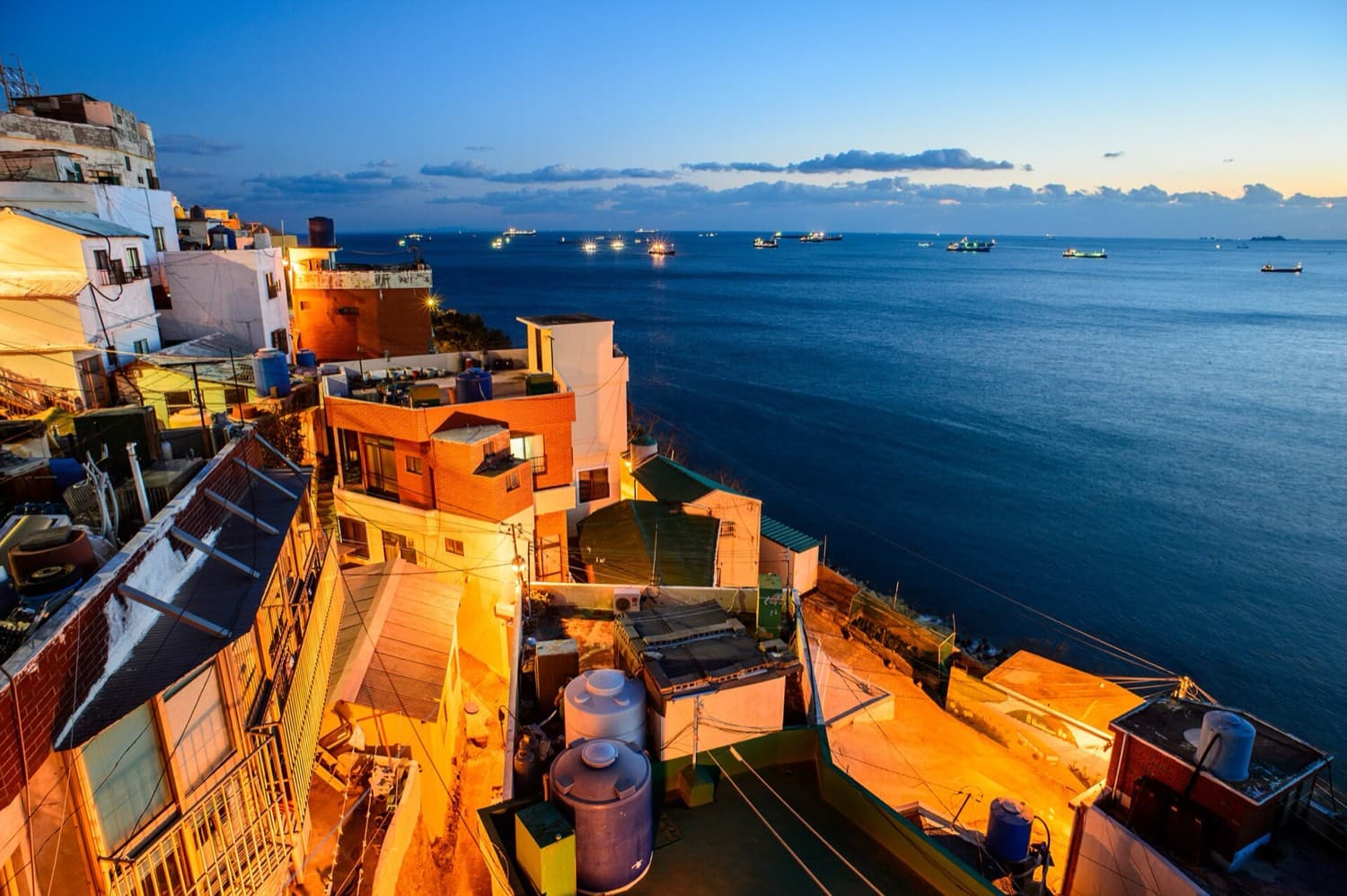
A self-paced walk through the sensory table of a Korean port city, from the largest fish market in South Korea up to a tower above the harbour. Read Busan through fish, markets, canned goods, film, and a view of the sea.
Start · Jagalchi Market: The Sea Laid Out on Ice
DirectionsStops
- 1
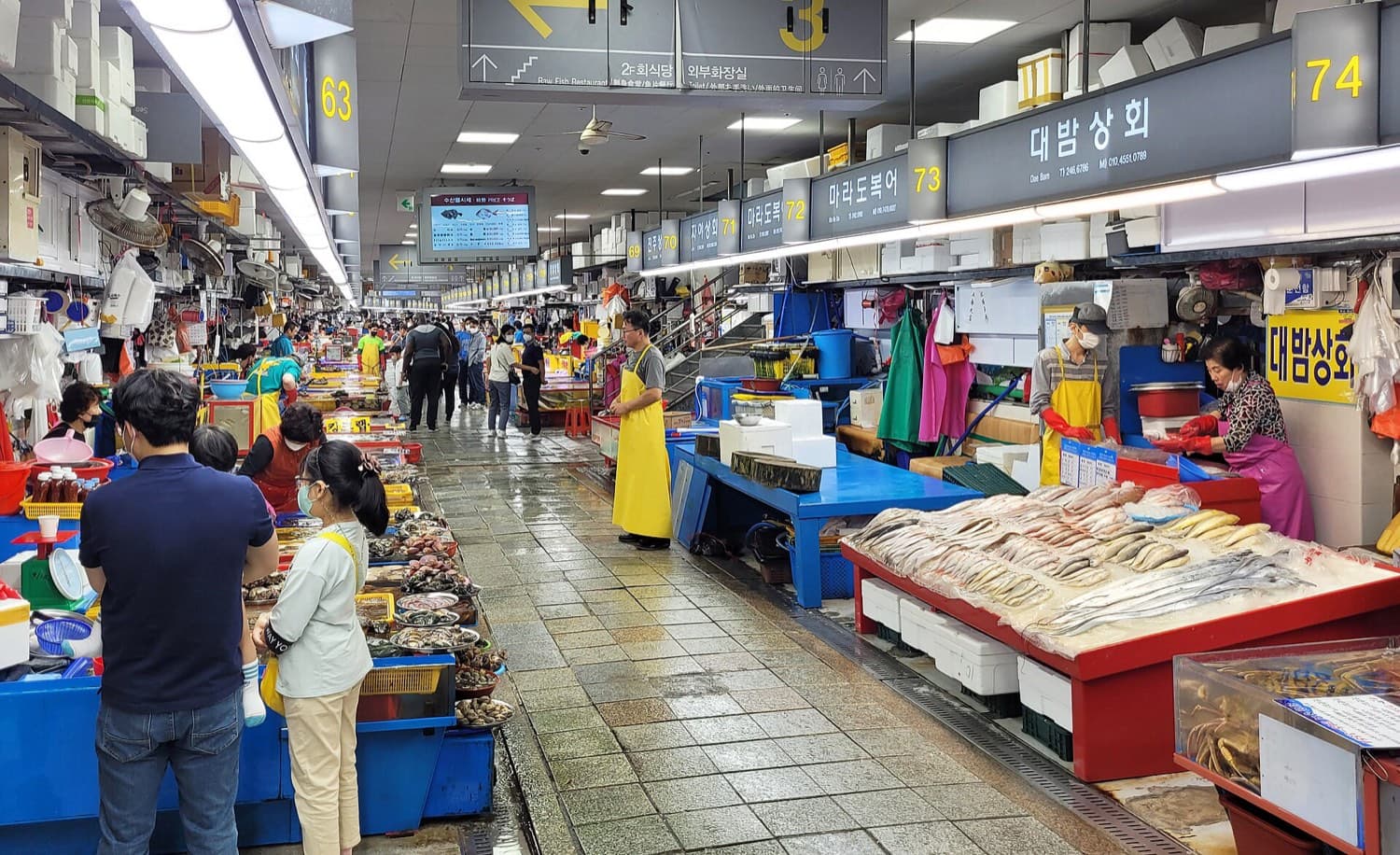
Jagalchi Market: The Sea Laid Out on Ice
The largest fish market in South Korea, spread along the Busan waterfront and worked for generations by the women traders known as the Jagalchi ajumma.
- 2
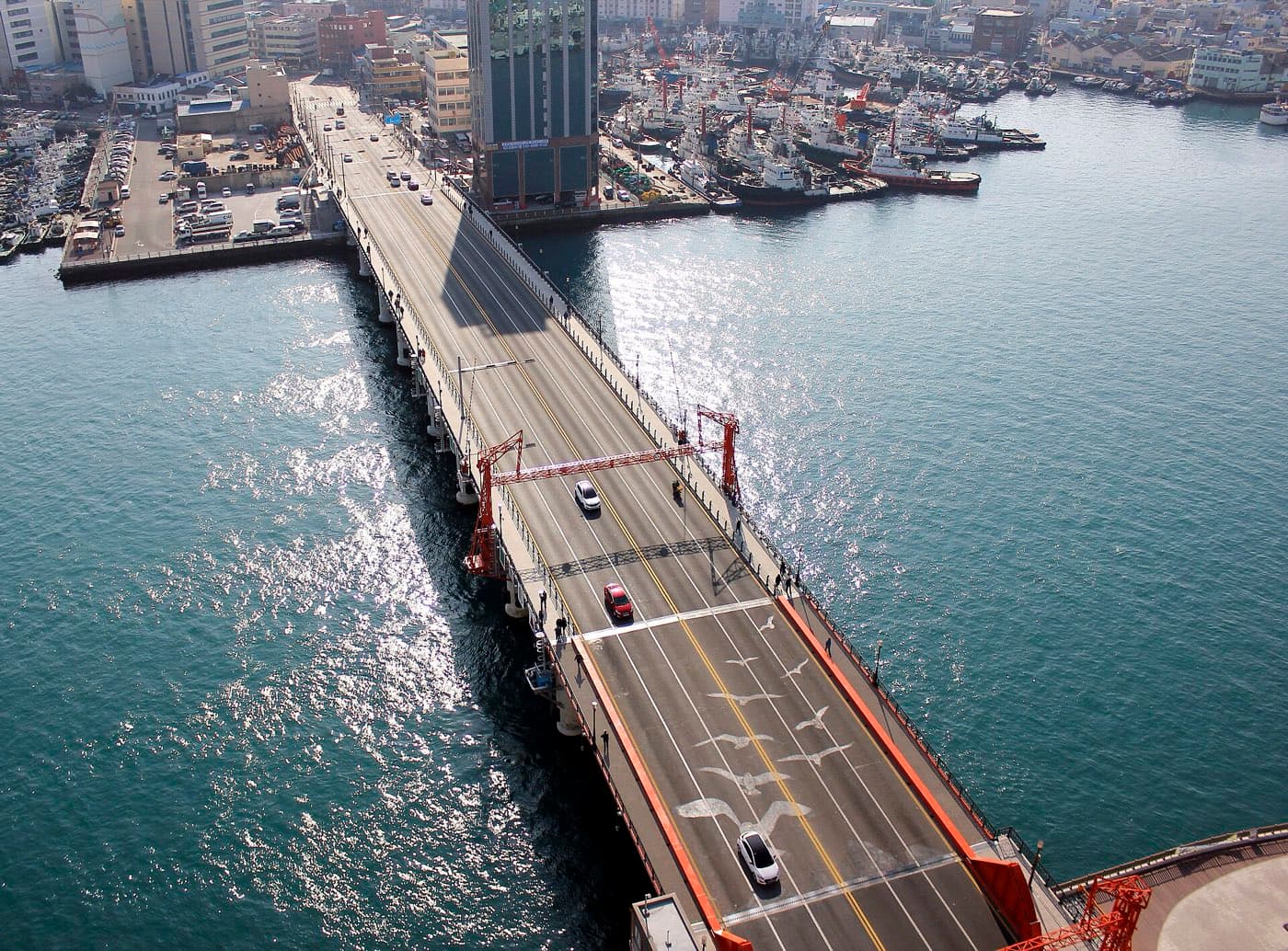
Yeongdo Bridge: The Bridge That Rose, and Waited
Korea's first drawbridge, opened in the nineteen thirties, which became a heartbreaking meeting point for families separated by the Korean War.
- 3
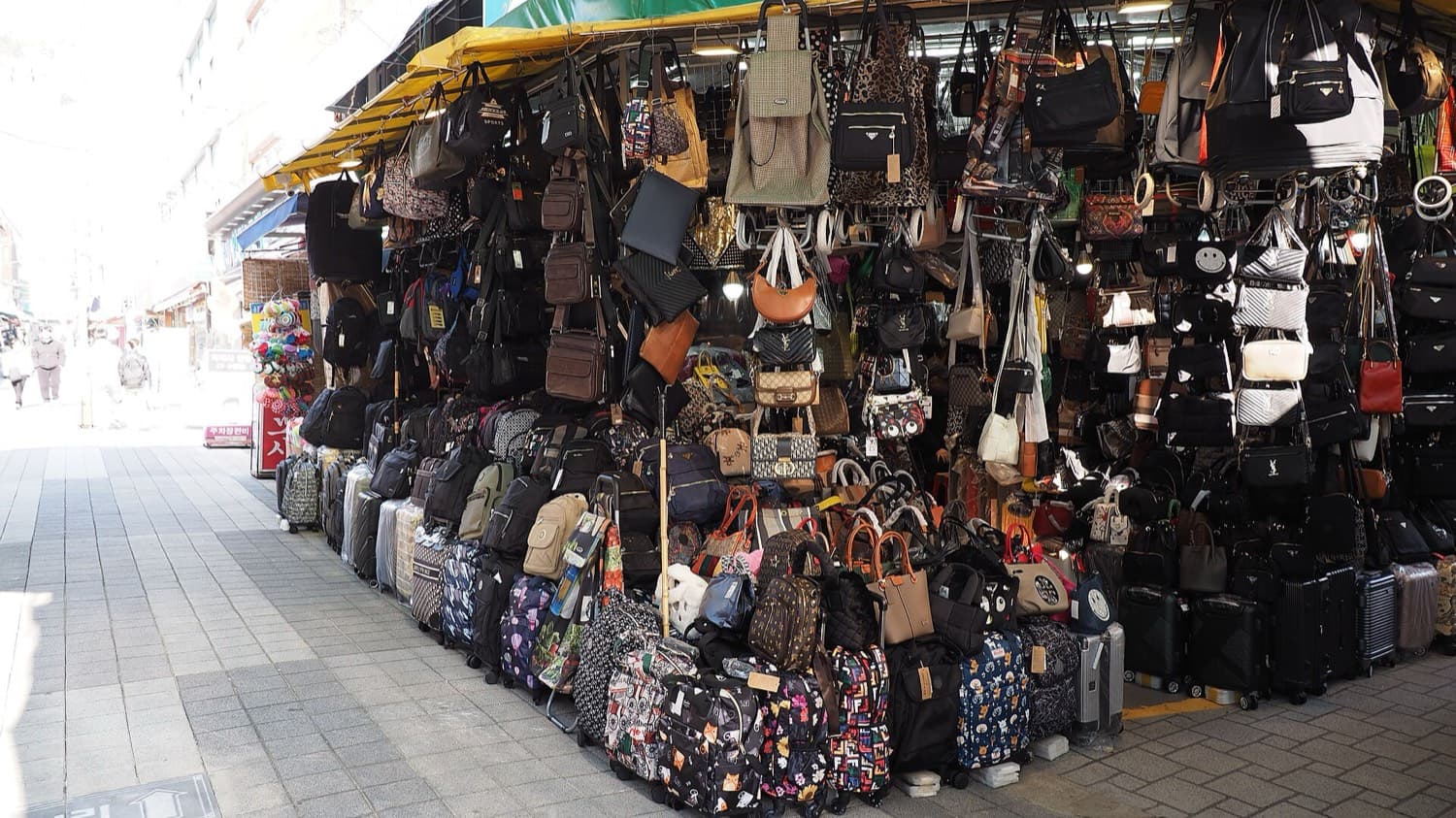
Gukje Market: The Market Refugees Built
A sprawling maze of a market in Nampo-dong whose name means international, grown from the desperate trade of Korean War refugees.
- 4
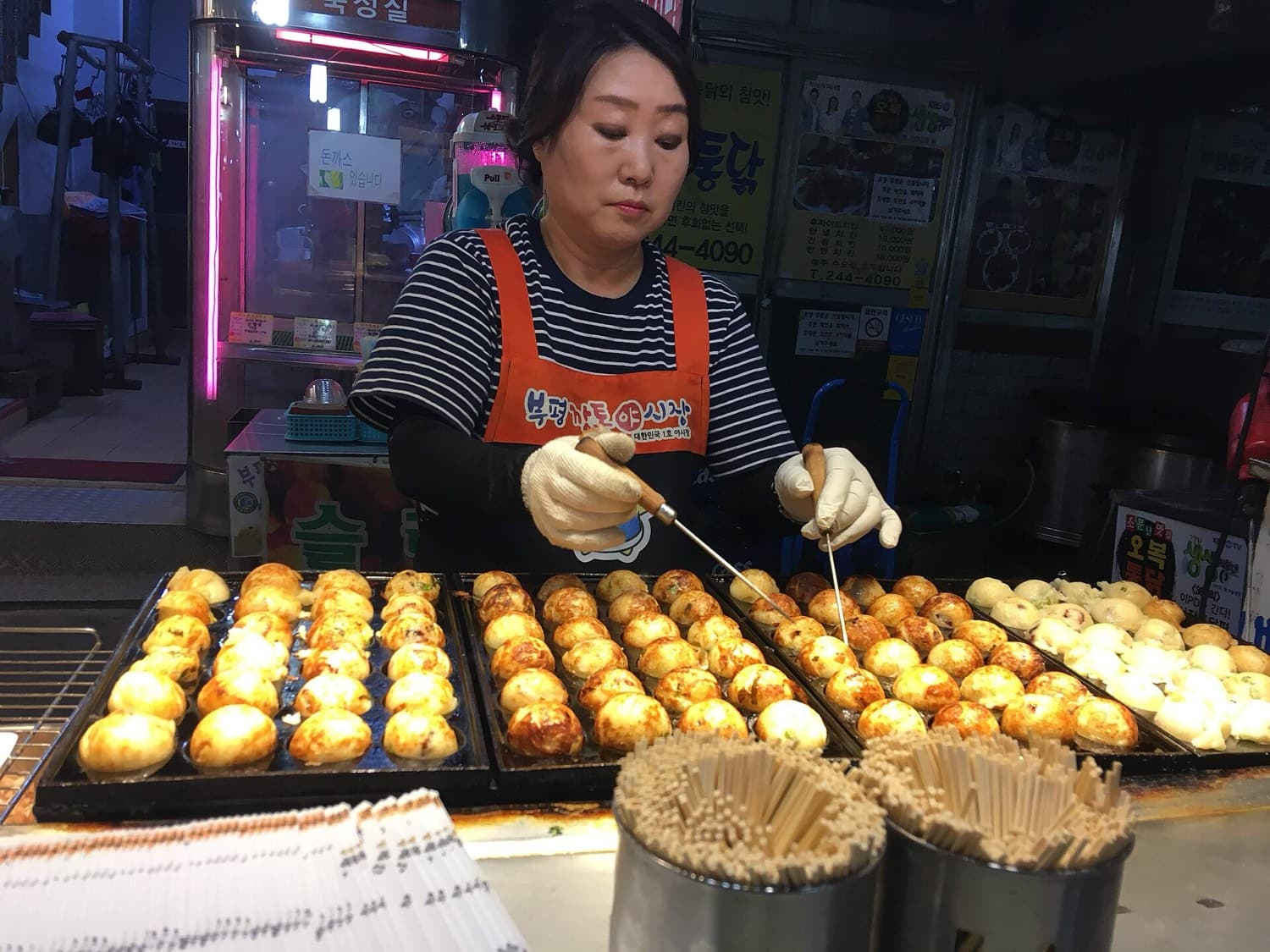
Kkangtong Market: The Can Market
A market nicknamed for the tin cans of surplus goods refugees once sold here, now famous as a night food market of carts and griddles.
- 5
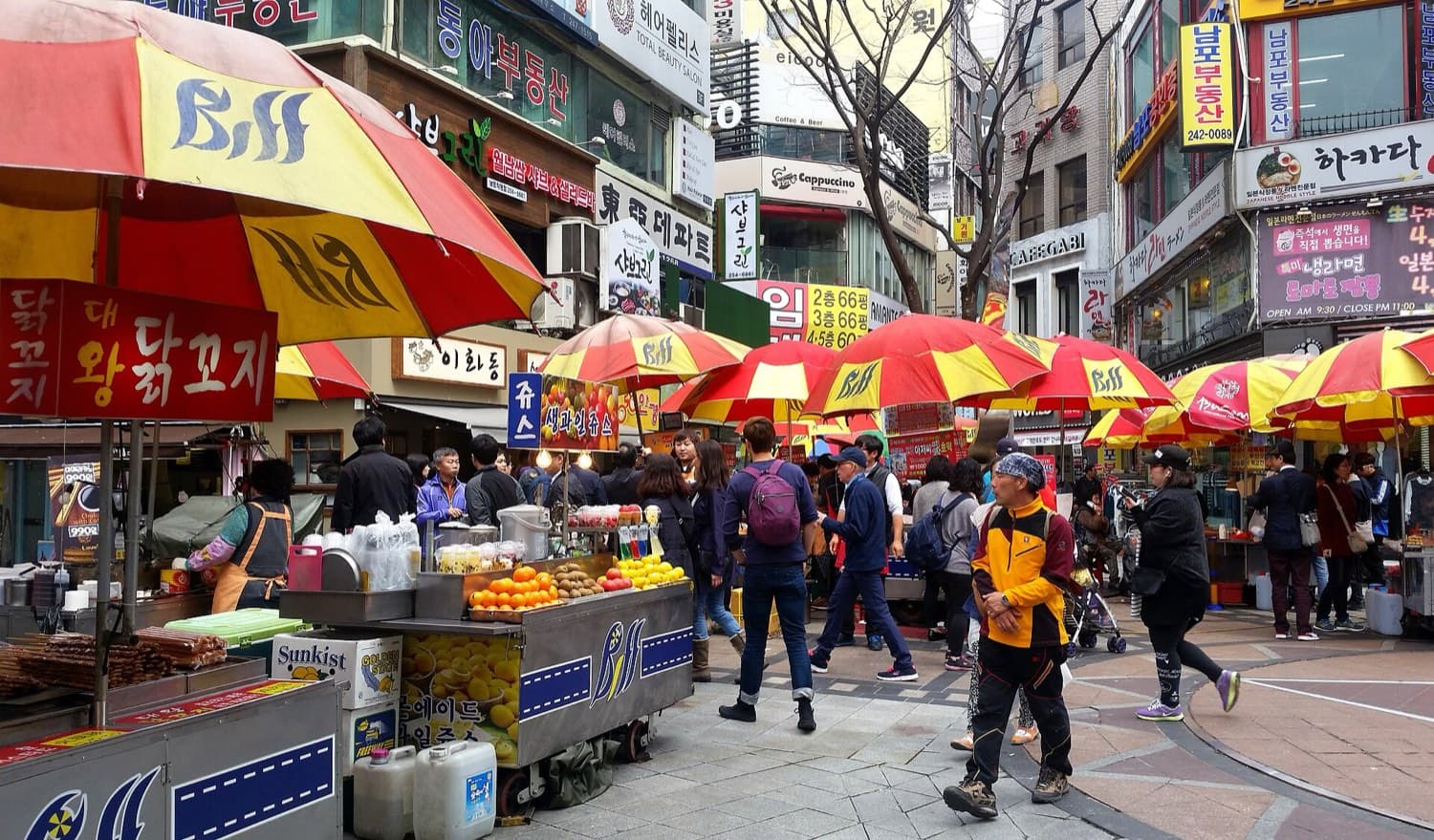
BIFF Square: The Street That Went to the Movies
A historic cinema district in Nampo-dong, named for the Busan International Film Festival, its pavement set with the bronze handprints of film figures.
- 6
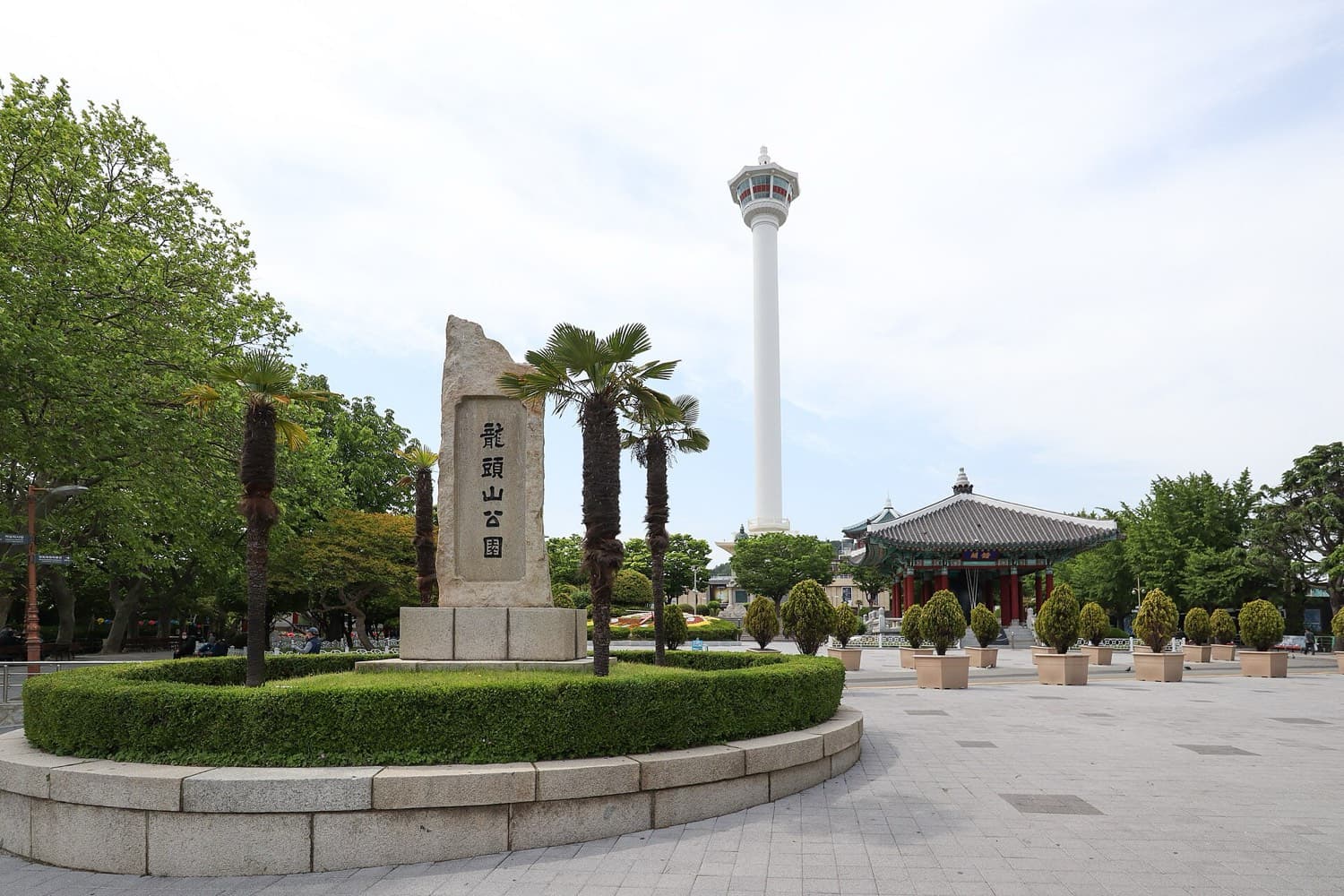
Yongdusan Park and Busan Tower: The Whole Harbour in One Look
A hilltop park named for a dragon's head, crowned by a nineteen-seventies observation tower with the whole port of Busan laid out below.
Details
Best Time to Visit
Late afternoon into early evening is ideal. Start at Jagalchi Market while the fish trade is still busy, walk the markets in daylight, and time your arrival at Kkangtong Market and BIFF Square for after seven thirty in the evening, when the night food market comes alive and the view from Busan Tower turns to city lights. A Saturday lets you catch the free Yeongdo Bridge lifting ceremony in the early afternoon.
Pro Tips
- •Bring a transit card and use the Busan subway to reach Nampo-dong and Jagalchi Station, which put you right at the start of the walk near the fish market.
- •Carry cash in small bills. Market stalls and street-food carts at Jagalchi, Kkangtong Market, and BIFF Square often prefer cash, and it makes grazing cart by cart far easier.
- •For the Yeongdo Bridge lifting, come on a Saturday and arrive a little before two in the afternoon to find a spot on the waterfront; the ceremony runs only about fifteen minutes.
- •Go hungry and eat in small bites across several stops rather than one big meal. This is a walk built around tasting, from dried seafood at Jagalchi to ssiat hotteok at BIFF Square.
- •Save the climb for last. Yongdusan Park is reached by stairs or an escalator, and Busan Tower's deck is the natural finale, especially as the harbour lights come on.
- •Every stop is short and skippable, so move at your own pace. If a market pulls you in, linger; if you are tired, take the escalator up to the park and skip ahead.
Safety & Precautions
- •Watch your footing at Jagalchi Market. The floors near the working quays and fish tubs are wet and slippery, and the aisles stay busy with traders who are there to work, so keep out of their way at the water's edge.
- •The markets, night food carts, and BIFF Square get densely crowded, especially in the evening. Keep your bag closed and in front of you, mind children in the press of the aisles, and move deliberately.
- •Near the working port and along the Yeongdo Bridge waterfront, keep to marked paths and railings and away from the edge and any active loading areas.
- •Busan summers are hot and humid, and the shore and the exposed hilltop of Yongdusan Park offer little shade. Carry water, wear sun protection, and pace the climb to the tower on warm days.
Travel advisory: Exercise Normal Precautions (Level 1).
Gallery
Related Reading
Go deeper on what you'll see, hear, and walk through.
Overview
Best Self-Guided Walking Tours in Busan (2026)
3 min
Overview
Busan Travel Guide: Days, Transport, Weather, Safety, Budget
6 min
Overview
One Day in Busan: A Walkable Morning-to-Evening Itinerary
7 min
Thematic
Best Culture Walking Tours in Busan (2026)
2 min
Thematic
Busan's War-Made City: How a Port Refuge Became a Painted Coast
7 min
Companion
Jagalchi Market: How Busan's Fish Market Explains the Whole Port City
7 min
Deep dive
Yeongdo Bridge: Korea's First Drawbridge and the Railing Where Families Waited
6 min
Read
What to Eat in Busan
7 min
Read the walk
The full story of Jagalchi Market: The Port City's Table, in words. Prefer to listen? Play it narrated, from home or on location.
Introduction
Busan is a port, and its grammar is the sea. Everything about this city, in South Korea, is set by the tide and the harbour: what people eat, how they trade, what the water has carried in and taken away. This is a walk you can take entirely at your own pace, reading the port city through its table. Fish laid out on ice. Market aisles that grew from survival. Canned goods, film handprints in the pavement, and finally a tower with the whole harbour spread out below. There are six stops on this route, and it covers about three and a half kilometres. Give yourself around two hours if you linger, though every stop is short and skippable, so you can move as slowly or as quickly as you like. Part of what makes this walk honest is that the abundance you will see was often born from hardship. During the Korean War, Busan became the temporary capital of the Republic of Korea and filled with refugees, and much of the trade you will pass through began as a way to simply stay alive. The markets are joyful now, and the food is wonderful, and the history underneath is sober and real. This walk holds both. You will notice smells before you notice buildings here, and that is exactly right for a port. So take your time, follow your nose, taste what looks good, and let the sea set the pace. When you arrive at Jagalchi Market, begin with stop one.
1. Jagalchi Market: The Sea Laid Out on Ice
Stand at the edge of Jagalchi Market and let it reach you through your senses first. The smell of salt water and crushed ice. Dried anchovies and sheets of dark sea laver, the seaweed hung and stacked in the dried-goods aisles. The steady, carrying calls of the women behind the tubs. This is the largest fish market in South Korea, a sijang, which simply means market, that runs along the Busan waterfront at the edge of the port. It stretches for roughly three kilometres of stalls and halls, from fresh seafood near the water to dried anchovies, shellfish, and herbal goods further in. What you are hearing, more than anything, are the ajumma. The women traders here are known as the Jagalchi ajumma, and their tradition is not decorative. According to the market's own history, the female-vendor culture traces to the period after the Korean War, when women sold goods on these streets to keep their families going. That is worth sitting with. The abundance in front of you, the tubs and the ice and the sheer variety, grew in part out of that hard beginning. The modern market building overhead was completed only a few years ago, and its curving roofline is popularly said to suggest a seagull, though that is a fond story rather than a stated design. You do not need to buy anything to be part of this. Walking the aisles is free. But if you are hungry, this is a place to point at what looks good and let someone cook it for you. Watch your footing, though. The floors near the working quays are wet, and the aisles are busy with people who are here to trade, not to sightsee. Move at your own pace, and let the sea set it.
2. Yeongdo Bridge: The Bridge That Rose, and Waited
Yeongdo Bridge looks, at first, like a simple thing: a span of road crossing the south port of Busan to Yeongdo island. The word do means island, and this bridge was built to link Yeongdo's shipyards and warehouses to the mainland port. But look at the deck more carefully, because it does something few bridges do. When it opened in the year nineteen thirty-four, it was the first drawbridge with a single moveable section built in Korea, a bascule bridge designed to rise so that tall ships could pass beneath. It was built under Japanese colonial rule, and in its early years the deck lifted several times a day. Then comes the part of the story that asks you to slow down. During the Korean War, when Busan was the temporary capital and swelled with refugees, this bridge became a known place where separated families and friends came to search for one another. According to the city's records, people's desperate hope of finding lost family was written on faded paper and torn cloth and left along the handrails, and the alley beneath the bridge held that same mixture of hope and despair. The lifting stopped in the year nineteen sixty-six as traffic grew, and for forty-seven years the deck stayed still. Then the bridge was restored, and it reopened on the twenty-seventh of November, two thousand thirteen. Today the deck rises again for a short ceremony, around fifteen minutes, on Saturday afternoons, and it is free to watch from the waterfront. It is a genuine pleasure to see the road tilt toward the sky. Just hold, at the same time, the memory of what people once waited for at this railing.
3. Gukje Market: The Market Refugees Built
Gukje Market is a maze, and it helps to know that its name means something plain and telling: international market. Gukje means international, sijang means market, and both halves of that name come from how this place began. It was founded in the year nineteen forty-five, in an…
Full narration for this stop unlocks with the tour.
4. Kkangtong Market: The Can Market
This market carries a nickname that tells its whole origin in one word. Kkangtong means tin can, and this is the can market. The name comes from a sober beginning. After the war, refugees and traders here sold canned and surplus goods, including tinned food that came through…
Full narration for this stop unlocks with the tour.
5. BIFF Square: The Street That Went to the Movies
Here the walk turns. Up to now you have moved through fish and markets and the hard history of survival. BIFF Square is where the port city steps onto the world's screens. This was a historic cinema district in Nampo-dong, a street of old movie theatres, and in the year nineteen…
Full narration for this stop unlocks with the tour.
6. Yongdusan Park and Busan Tower: The Whole Harbour in One Look
The walk ends by climbing. Yongdusan Park sits on a hilltop above the market streets of Nampo-dong, reached from below by stairs or an escalator. Its name means dragon's head mountain: yongdu is dragon's head, and san means mountain. The hill was said to resemble a dragon's head…
Full narration for this stop unlocks with the tour.