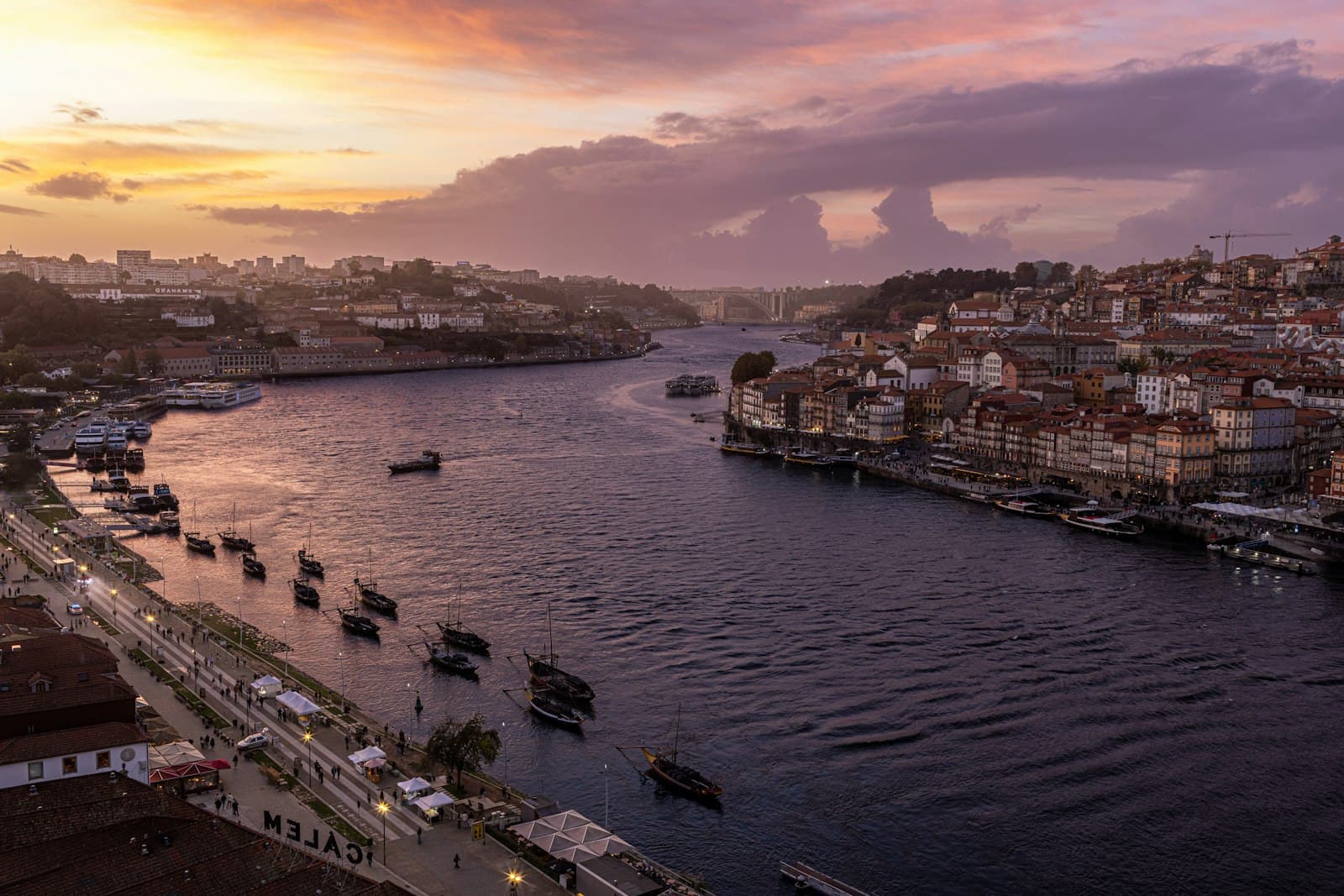
The wine called port is not made in Porto. This walk crosses the river to read how grapes from a valley eighty kilometres upstream, cellars on the far bank, and an eighteenth-century treaty turned a fortified wine into an empire in a bottle.
Start · Ponte Dom Luis the First: The Bridge Between Two Banks
DirectionsStops
- 1
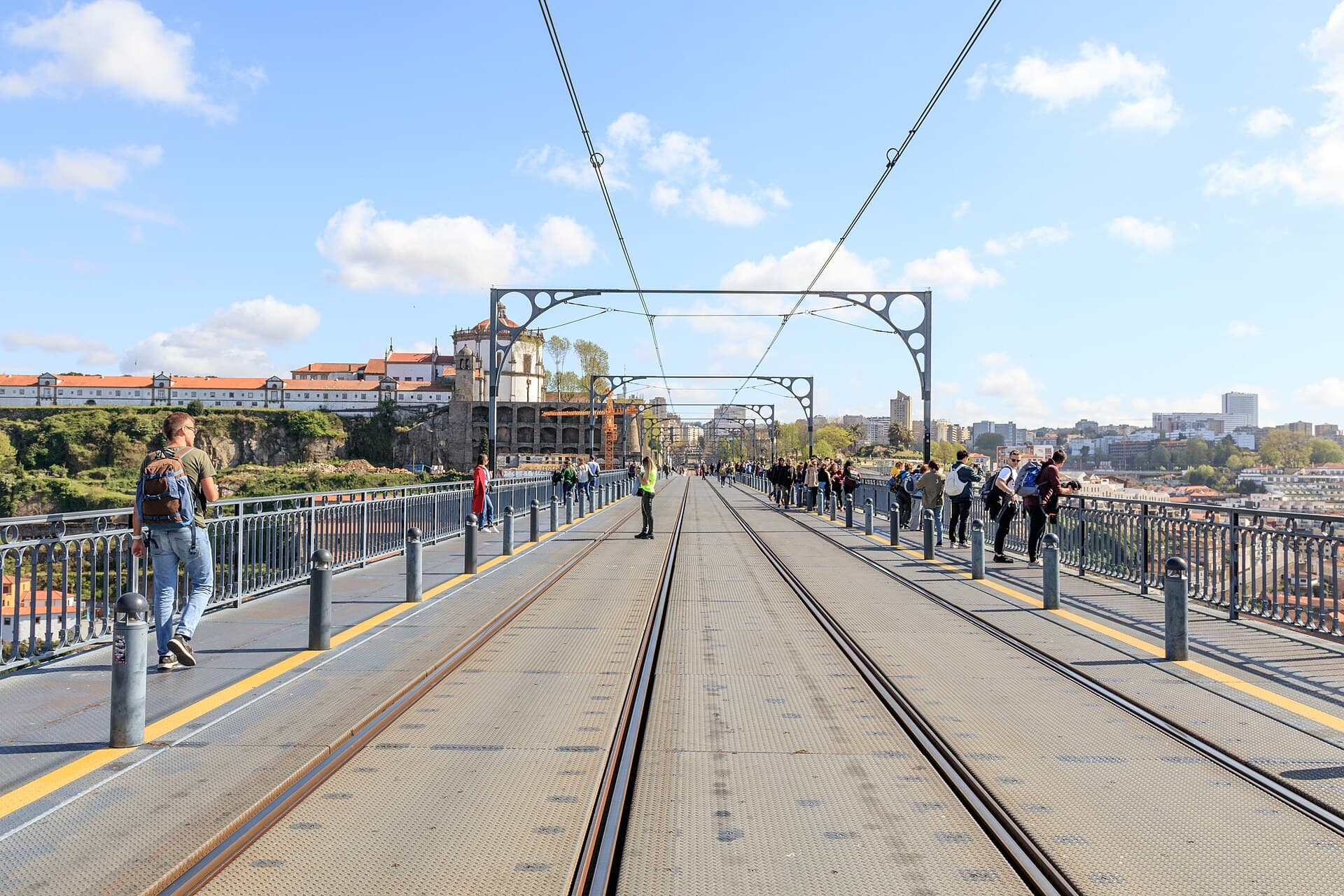
Ponte Dom Luis the First: The Bridge Between Two Banks
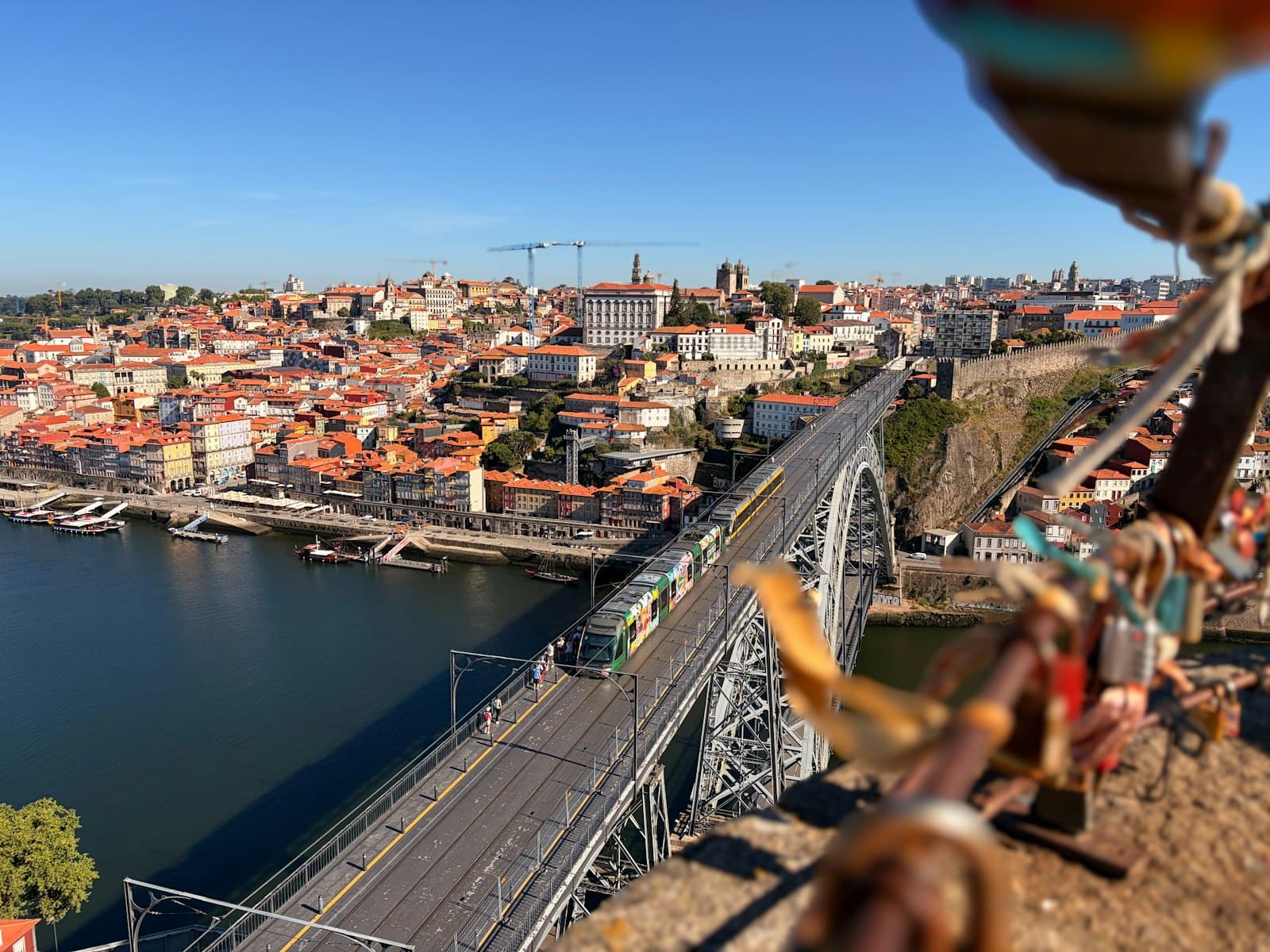
The double-deck iron bridge whose lower level carries you straight from Porto into the lodge district of Gaia.
- 2
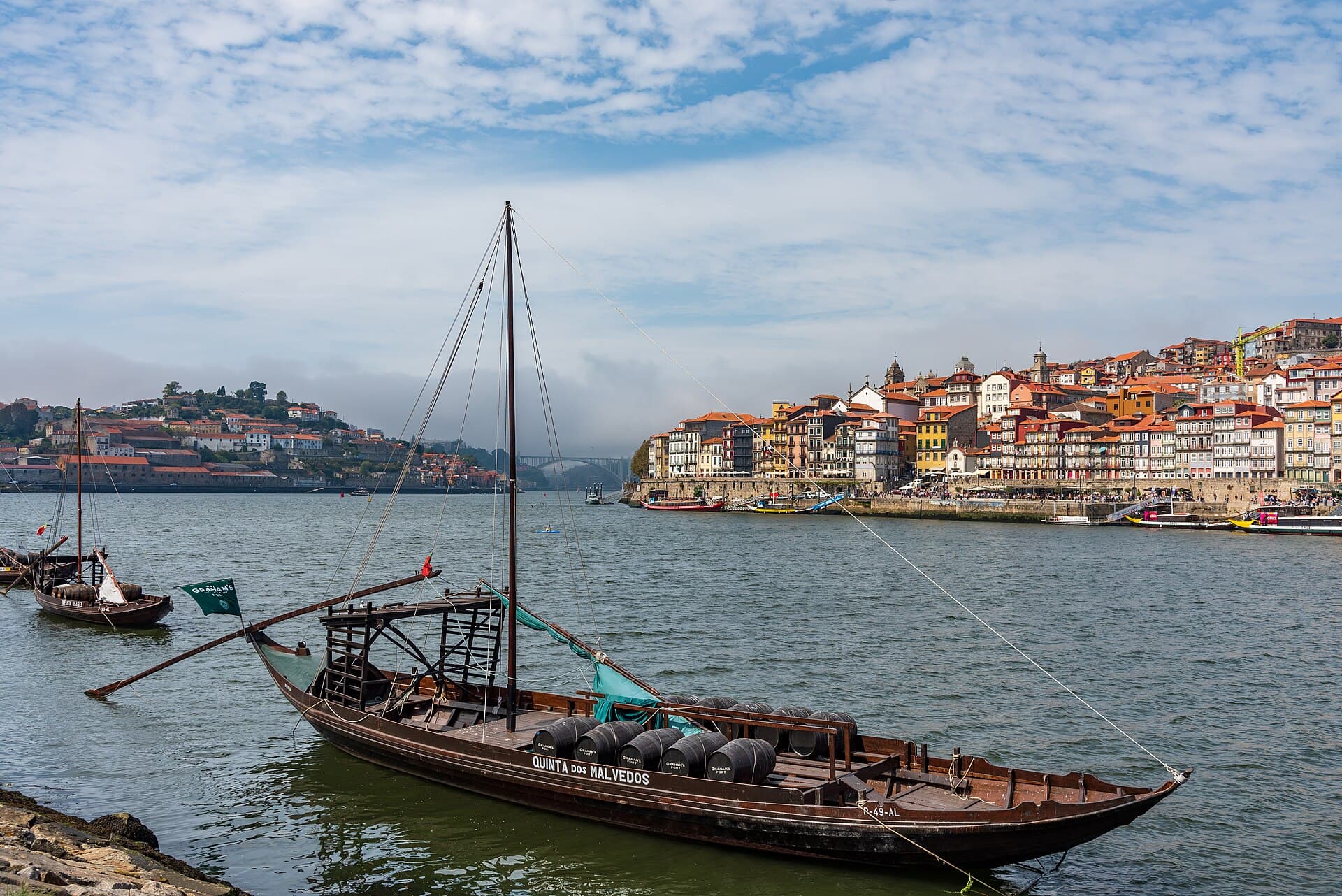
Cais de Gaia: The Rabelo Boats
The Gaia quay where flat-bottomed wooden boats once ferried port barrels down from the valley, now moored as heritage.
- 3
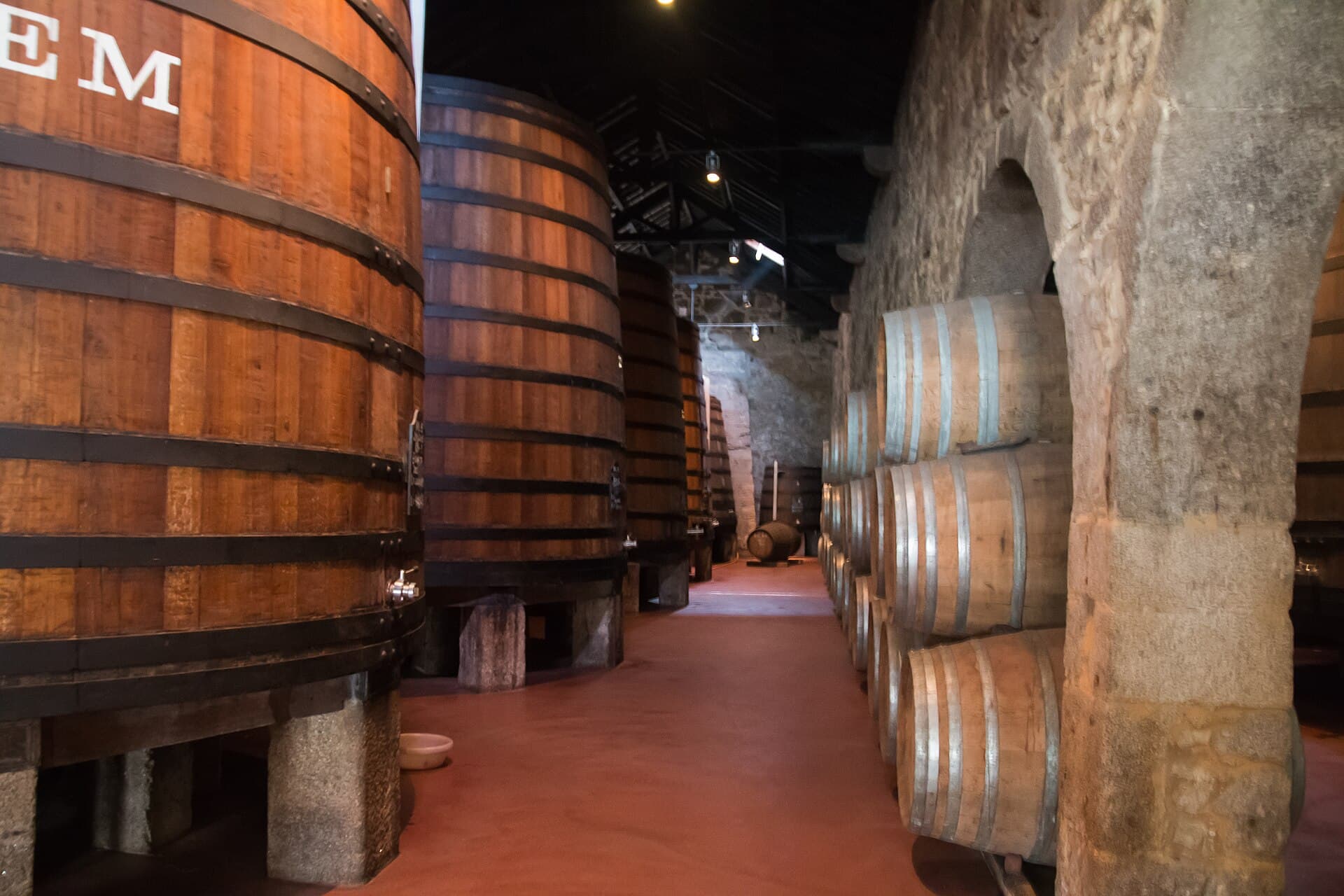
The Lodges of Vila Nova de Gaia
The riverside cellar district on the south bank where port has legally been stored and aged since the eighteenth century.
- 4
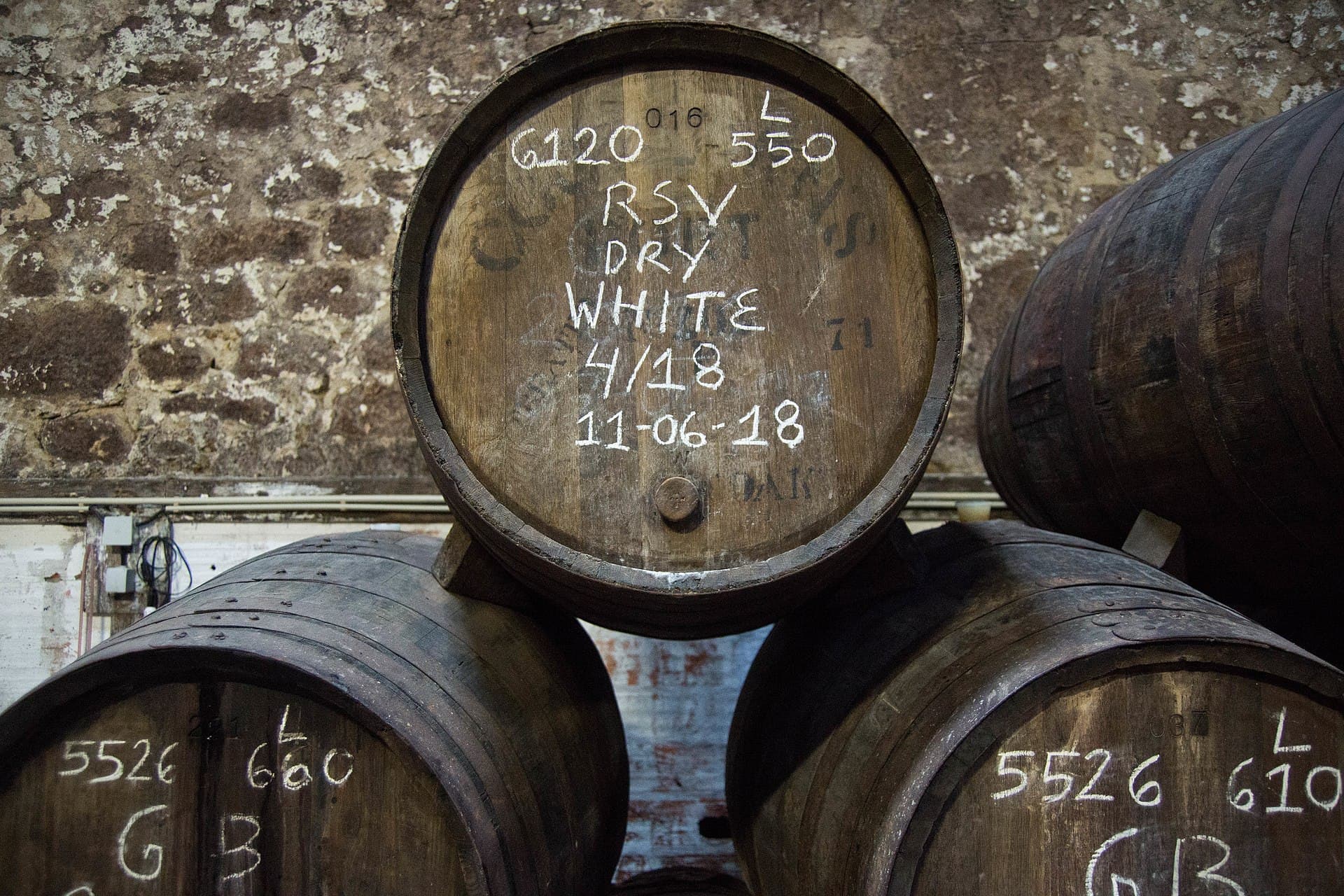
The Methuen Treaty: The Wine England Made
An interpretive stop in the lodge district on the seventeen oh three treaty and the fortified wine engineered for the English market.
- 5
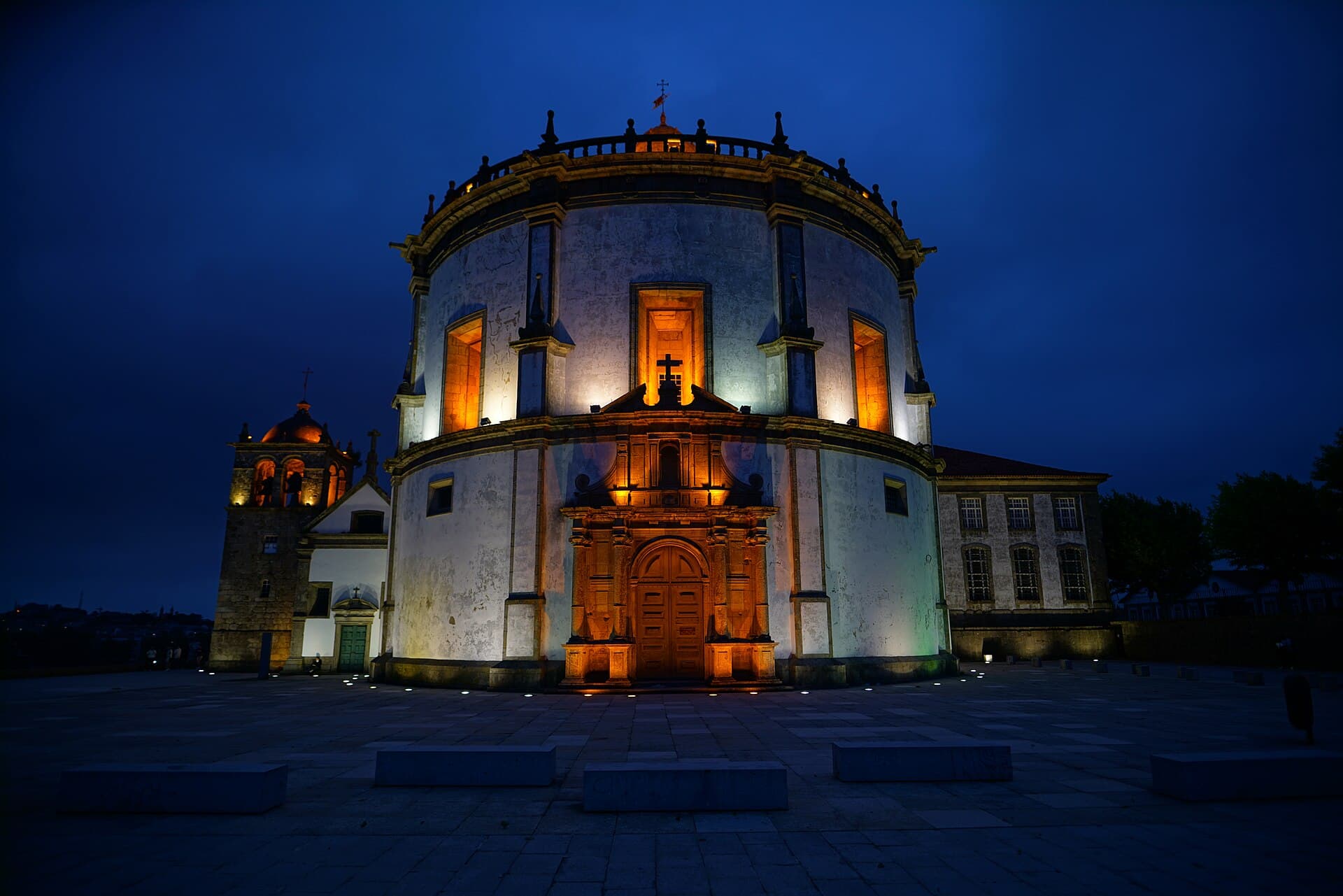
Mosteiro da Serra do Pilar
The clifftop monastery with a rare circular church and cloister, and the best panoramic viewpoint over Porto and the river.
- 6
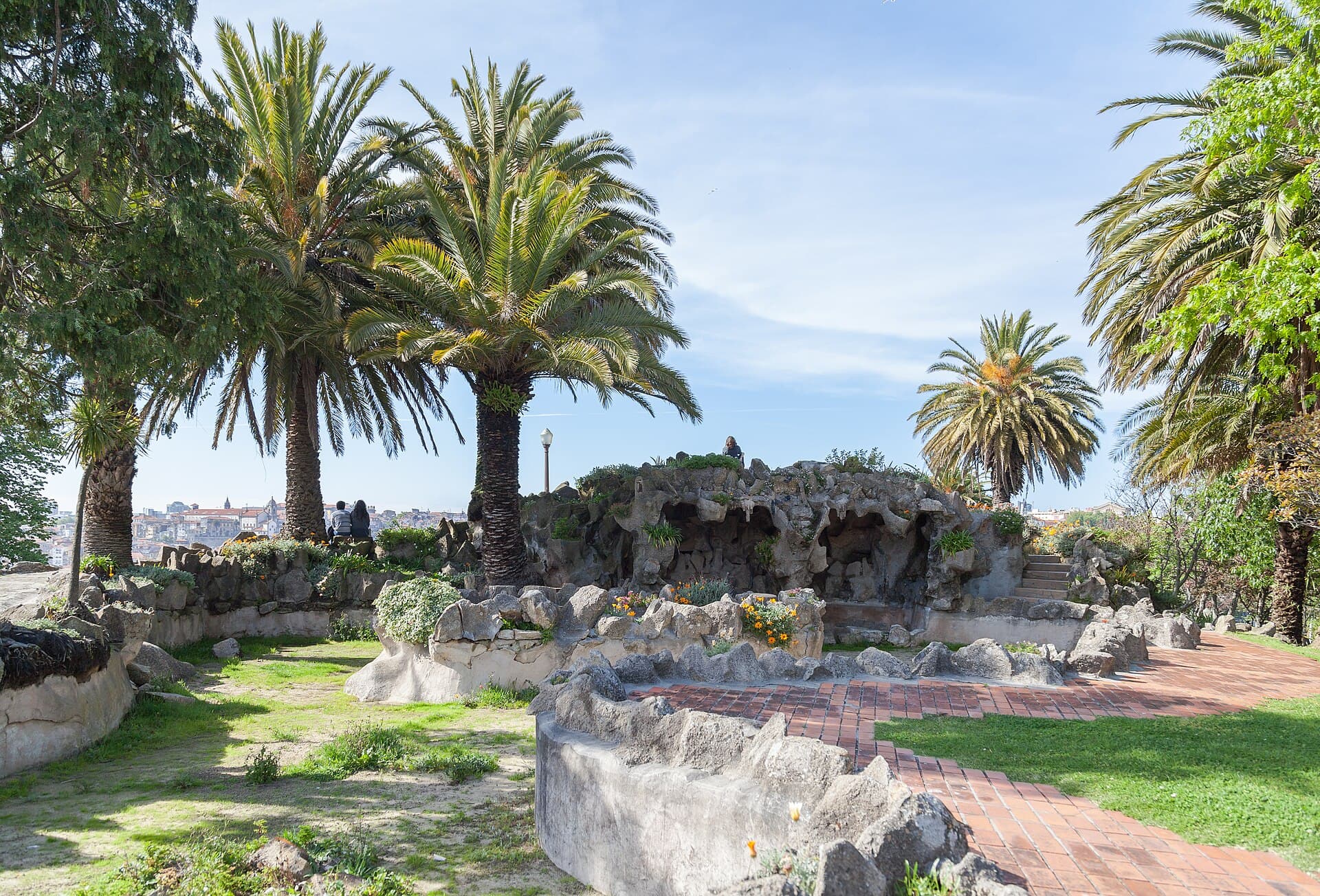
Jardim do Morro
A hillside public garden beside the upper bridge deck, framing the classic view across the river to Porto's historic skyline.
- 7
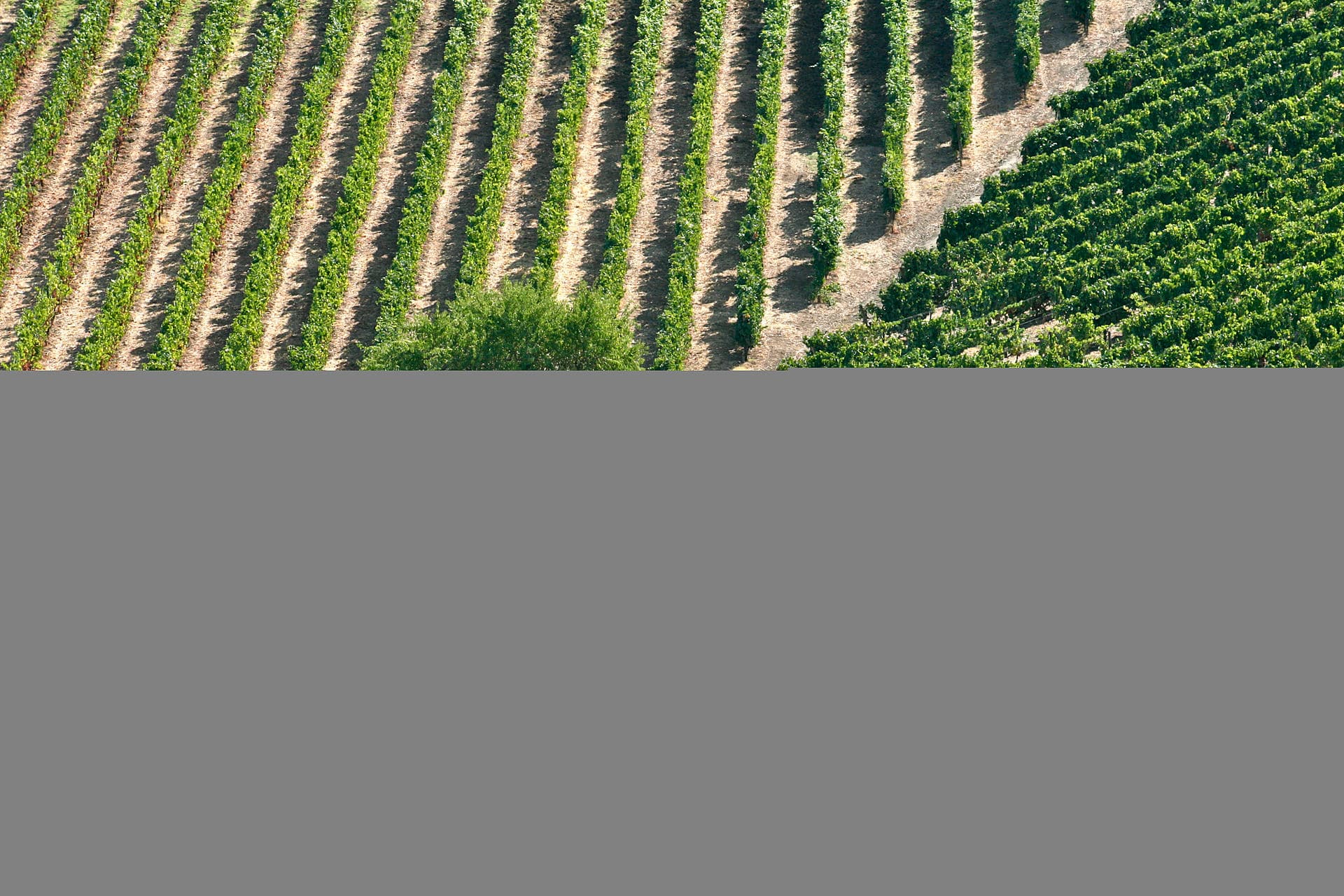
The Douro Demarcated Region: The Source
Read from the Gaia clifftop, the reveal of the upriver valley where the grapes grow and where the world's first demarcated wine region was drawn.
Details
Best Time to Visit
Late afternoon into early evening is ideal. Crossing the bridge and reaching the Serra do Pilar esplanade about an hour before sunset gives you the warmest light on Porto's far-bank skyline and the river, and the lodge district is at its liveliest. Mornings are quieter and cooler if you prefer fewer people on the bridge decks.
Pro Tips
- •Start on the lower deck of the bridge, cross to Gaia, and save the two clifftop viewpoints for the end so you finish on the panorama.
- •Wear proper walking shoes. The climb from the Gaia quay up to Serra do Pilar and Jardim do Morro is steep, and the granite calcada cobblestones are slick, especially after rain.
- •The esplanade viewpoint at Serra do Pilar is free; you only pay if you want to go inside the circular church and cloister, so decide based on how much time you have.
- •Both decks of the bridge are walkable, but the upper deck also carries the Metro, so keep to the pedestrian sides and watch for trains.
- •If the climb back up is too much, the Gaia cable car and the Jardim do Morro Metro station on Line D both connect the riverfront to the upper deck level.
- •This is a self-paced walk with short, skippable stops, so linger at the quay or the garden as long as you like and move on whenever you are ready.
Safety & Precautions
- •The hillsides between the quay and the clifftop are steep, and the calcada cobblestones can be slippery, particularly when wet or worn smooth; take the slopes slowly and use handrails where they exist.
- •Summer sun on the exposed bridge decks and the open Serra do Pilar esplanade can be strong; carry water, wear sun protection, and pace yourself on the climb during the hottest hours.
- •Inside the Mosteiro da Serra do Pilar, dress modestly and keep quiet, as it remains a place of worship and reflection; photography rules may apply, so check signage at the entrance.
- •Ticket queues can form at the monastery interior during peak times, and the bridge decks get crowded at sunset, so allow extra time and stay aware of foot traffic and any road or Metro vehicles on the narrow crossings.
Travel advisory: Exercise Normal Precautions (Level 1).
Gallery
Related Reading
Go deeper on what you'll see, hear, and walk through.
Overview
Best Self-Guided Walking Tours in Porto (2026)
4 min
Overview
One Day in Porto: A Walkable Itinerary From Cathedral to River
7 min
Overview
Porto Travel Guide: How Many Days, Getting Around, Best Time, Safety and Budget
6 min
Thematic
Porto: The Granite City That Faces Its River
7 min
Companion
Why Port Wine Ages Across the River in Gaia, Not in Porto
6 min
Deep dive
Mosteiro da Serra do Pilar: The Round Church That Watches Porto
7 min
Read
What to Eat in Porto: The Dishes, Their Origins, and How to Order
7 min
Read the walk
The full story of Vila Nova de Gaia: The Wine That Named a Country, in words. Prefer to listen? Play it narrated, from home or on location.
Introduction
Here is a paradox worth carrying across a river. The wine we call port takes its name from Porto, yet it is not grown here, and it is not made here. The grapes ripen on terraced slopes in a valley about eighty kilometres upstream. The barrels sleep on the opposite bank, at Vila Nova de Gaia. And the sweet, sea-durable character of the wine was engineered for a foreign market by a foreign treaty. The name is a shipping label, not a birthplace. This tour resolves that puzzle by walking you to the three places the story actually lives. It has seven stops and runs about two hours, roughly one hundred and twenty minutes, over about three and a half kilometres, in the city of Porto, in northern Portugal. You will cross the Douro on a great iron bridge, stand on the Gaia quay where flat-bottomed boats once carried barrels down from the valley, walk the lodge district where the wine ages, and hear how an English treaty from seventeen oh three and a Portuguese royal charter from seventeen fifty-six made the trade. Then you will climb to a clifftop monastery and a hillside garden for a view that holds all three places at once. Each stop stands on its own and is short, so linger where you like and skip what you do not want. Go at your own pace. There is no group to keep up with and no schedule but yours. When you arrive at the lower deck of the Ponte Dom Luis the First, begin with stop one.
1. Ponte Dom Luis the First: The Bridge Between Two Banks
Stand for a moment on the lower deck of this bridge, suspended between two banks, and you are standing inside the paradox. Ponte Dom Luis the First, and Ponte simply means bridge, is a two-hinged double-deck arch of iron, forty-five metres tall, spanning the Douro between Porto on the north bank and Vila Nova de Gaia on the south. It was designed by Theophile Seyrig and built by the Belgian firm Societe de Willebroek. Construction ran from the year eighteen eighty-one to eighteen eighty-six, and it was inaugurated on the thirty-first of October, eighteen eighty-six. You may have heard the name Gustave Eiffel attached to it. That is a common mix-up worth clearing up. Eiffel built the earlier railway bridge nearby, the Maria Pia, and Seyrig was his former associate. This bridge is Seyrig's. Notice the two levels. The upper deck now carries the Metro across the top of the arch. The lower deck, where you are, carries road traffic and people, and it connects at ground level directly to the Gaia waterfront and the port-wine lodges strung along it. That is why we cross here. The wine that made this river famous does not live on the Porto side. It lives on the far bank you are walking toward. Look downstream at the working river beneath you, the granite quays, the pastel houses stacked on the Porto cliff behind you, and ahead, the low tiled roofs of the cellars. The whole geography of port is laid out in one glance from this iron deck. Take your time crossing. The story starts on the other side.
2. Cais de Gaia: The Rabelo Boats
Look at the flat-bottomed wooden boats moored along the Gaia quay, the Cais de Gaia, and Cais means quay. These are rabelo boats, and they are the physical link to the valley upstream. For centuries the rabelo, a shallow-draft craft built specifically for the Douro, carried people and goods along the river. Its main historical purpose was hauling barrels of port wine down from the vineyards of the valley to the cellars here for trade and export. Before the railway arrived, this was the fastest and most efficient way to move that cargo down a river full of rapids and shifting depths. Notice the long timber projecting from the stern. That is the rabo, the great steering oar, and it is where the boat gets its name. A crew would work that timber to keep the loaded barge off the rocks on the way down. These boats no longer carry commercial cargo. From the year nineteen sixty-eight onward, dams and locks built along the Douro raised the water, smoothed the rapids, and ended the rabelo's working life. What you see today are heritage vessels, kept and maintained by the port wine houses as a living memory of the trade. Once a year, on the twenty-fourth of June, Saint John's Day, they race on the river in front of the two banks. So hold this image as you turn toward the cellars behind you. Every barrel aging in these lodges once arrived by a boat like these, poled and steered down from a valley you cannot yet see. The wine came here. It did not begin here.
3. The Lodges of Vila Nova de Gaia
Walk into the district of low buildings and tiled roofs on this south bank and you have reached the heart of the paradox: the place where port wine sleeps. This is Vila Nova de Gaia, on the bank opposite Porto, and the cellars here are known locally as caves or armazens, which simply means warehouses. This is where port is stored and aged, barrel by barrel, in the long dim halls behind these facades. Here is the part that surprises people. There is a legal reason the wine ages on this bank and not across the river in Porto proper. From the year seventeen seventy-seven, following reforms by the Douro Wine Company, Vila Nova de Gaia became the official storage site for all wine and port exporters. In other words, the state made this the place. Porto kept control of the commerce, the buying and the selling, but the wine itself had to be held here. That decision, more than two centuries old, is why the barrels line up on the Gaia side of the Douro to this day. The district holds historic shipper houses, both Portuguese and British, and in the early nineteenth century British merchants were dominant in the commerce. I want to be honest about what I can and cannot tell you. The records do not give a single tidy climatic reason for why aging happens on this bank rather than the other. What they do document is the trade rule from seventeen seventy-seven. So think of these lodges not as a shop to visit but as an institution, a whole district built around a two-hundred-year-old law about where a wine is allowed to rest.
4. The Methuen Treaty: The Wine England Made
There is no monument to this next idea, so stand among the lodges and picture a document instead. On the twenty-seventh of December, seventeen oh three, England and Portugal signed what became known as the Methuen Treaty, negotiated for England by John Methuen. Its terms were…
Full narration for this stop unlocks with the tour.
5. Mosteiro da Serra do Pilar
Climb to the clifftop and you reach the Mosteiro da Serra do Pilar, and Mosteiro means monastery. It holds a rare feature you can look for as you approach: both the church and the cloister are circular, built with matching diameters, a design unique in Portugal and rare across…
Full narration for this stop unlocks with the tour.
6. Jardim do Morro
Just below the monastery, at the Gaia end of the bridge's upper deck, sits the Jardim do Morro, and Jardim means garden. This is a hillside public garden on the slope, and it is one of the loveliest places to simply stop and look. From here the classic view of Porto opens across…
Full narration for this stop unlocks with the tour.
7. The Douro Demarcated Region: The Source
Now look upriver, east, away from the sea, toward where the Douro disappears into the hills. You cannot quite see it from here, but out there, about eighty kilometres upstream, lies the source of everything you have walked past today: the terraced valley where the grapes grow.…
Full narration for this stop unlocks with the tour.