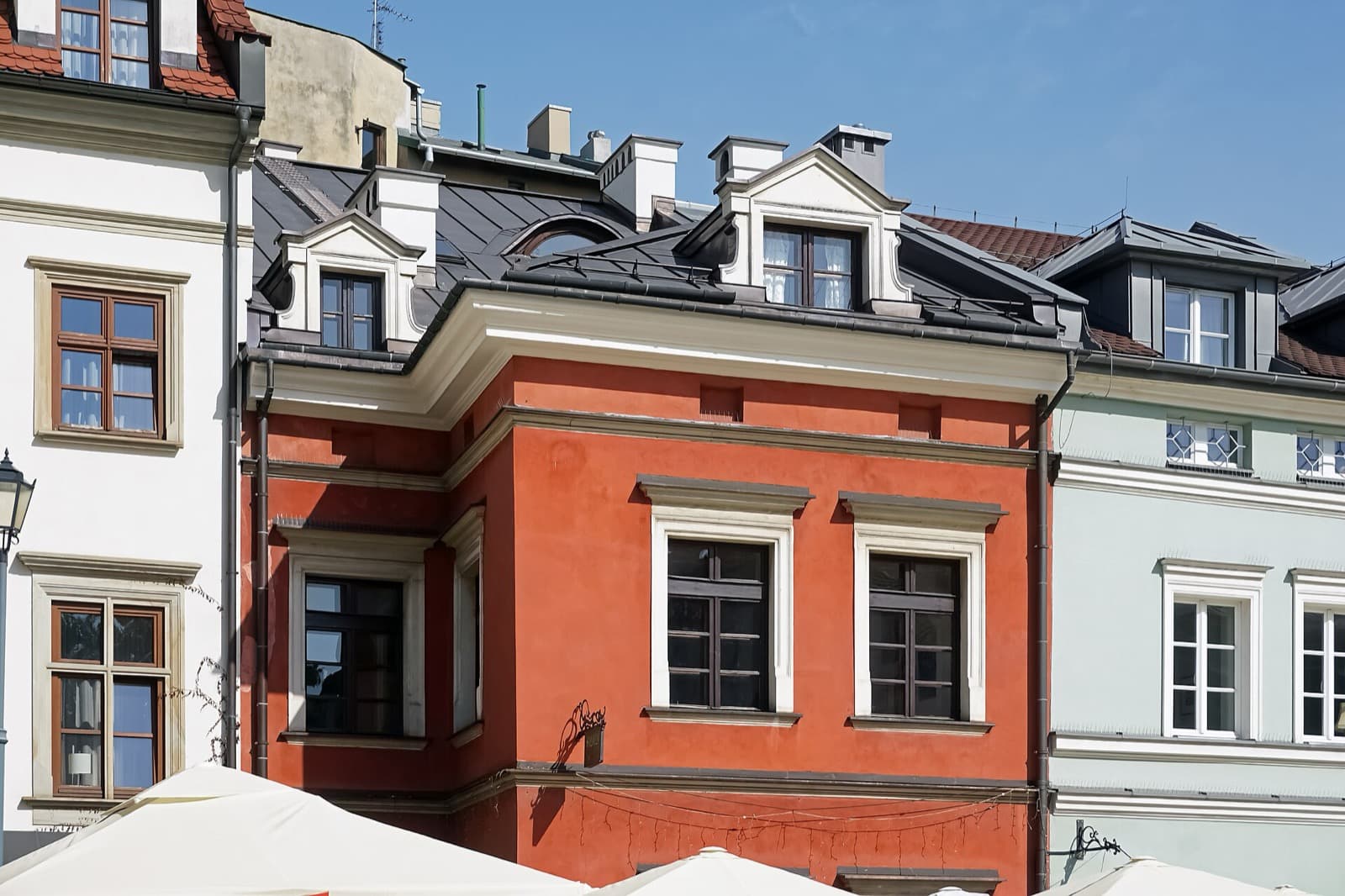
A quiet, self-paced walk through the old Jewish quarter of Krakow, a place of extraordinary loss that also came back to life, where the synagogues and cemetery survived almost intact even as the community that filled them was destroyed.
Start · Szeroka Street: The Wide Heart of Jewish Krakow
DirectionsStops
- 1
Szeroka Street: The Wide Heart of Jewish Krakow
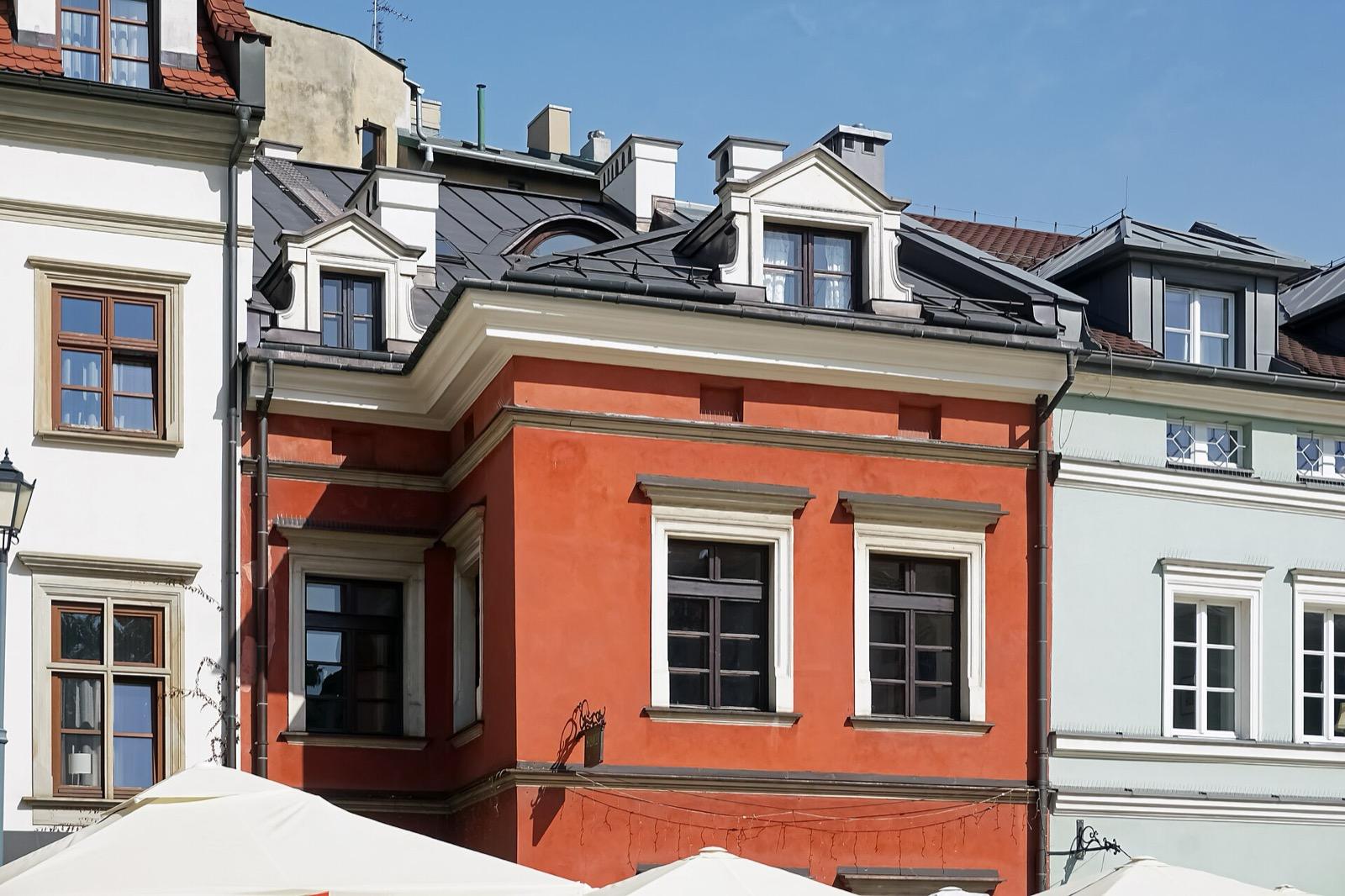
The broad old street at the geographical and historical centre of Jewish Kazimierz, so wide it reads as a long square, ringed by townhouses and surviving synagogues.
- 2
The Old Synagogue: The Oldest in Poland, Keeper of Memory
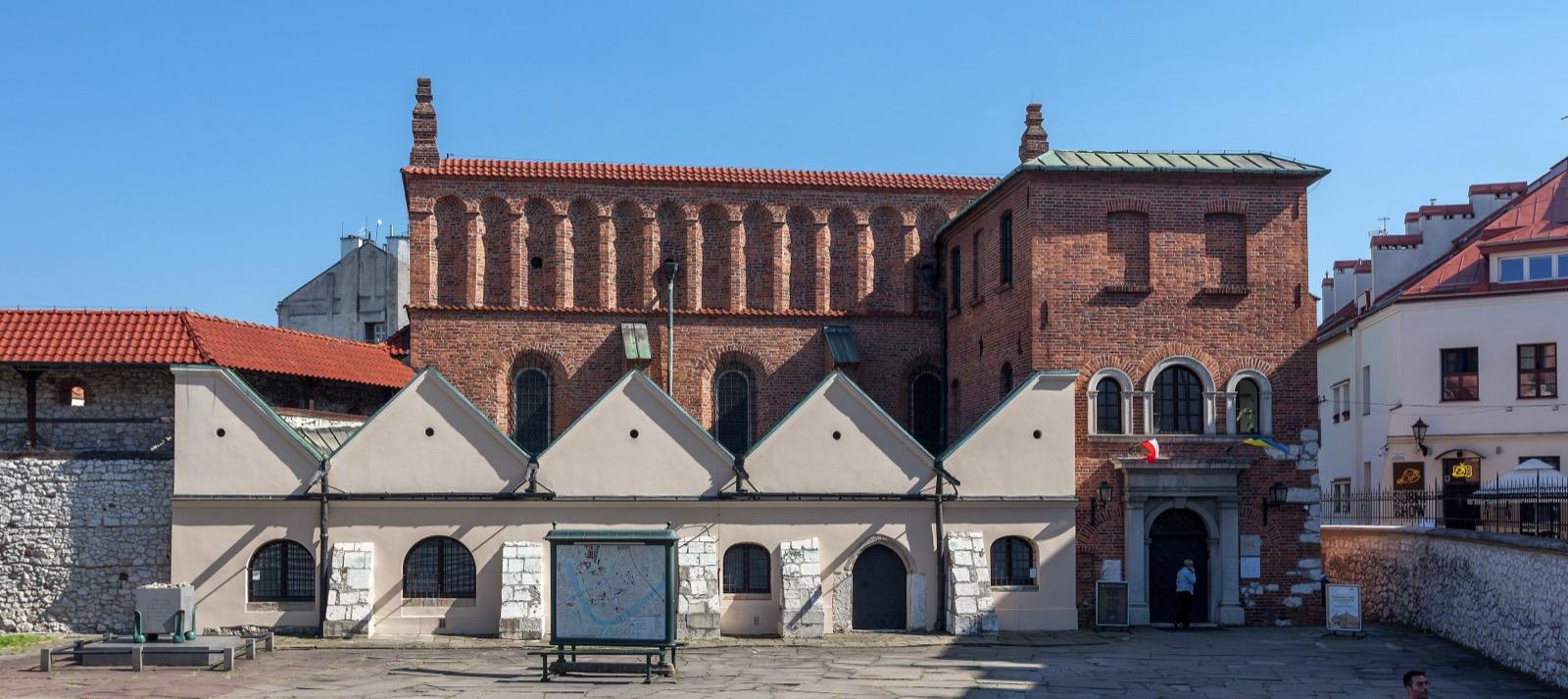
At the southern end of Szeroka Street stands the oldest surviving synagogue building in Poland, ransacked in the war and now a museum keeping the memory of Krakow's Jews.
- 3
The Remuh Synagogue and Cemetery: The Scholar's Grave and the Wall of Broken Headstones
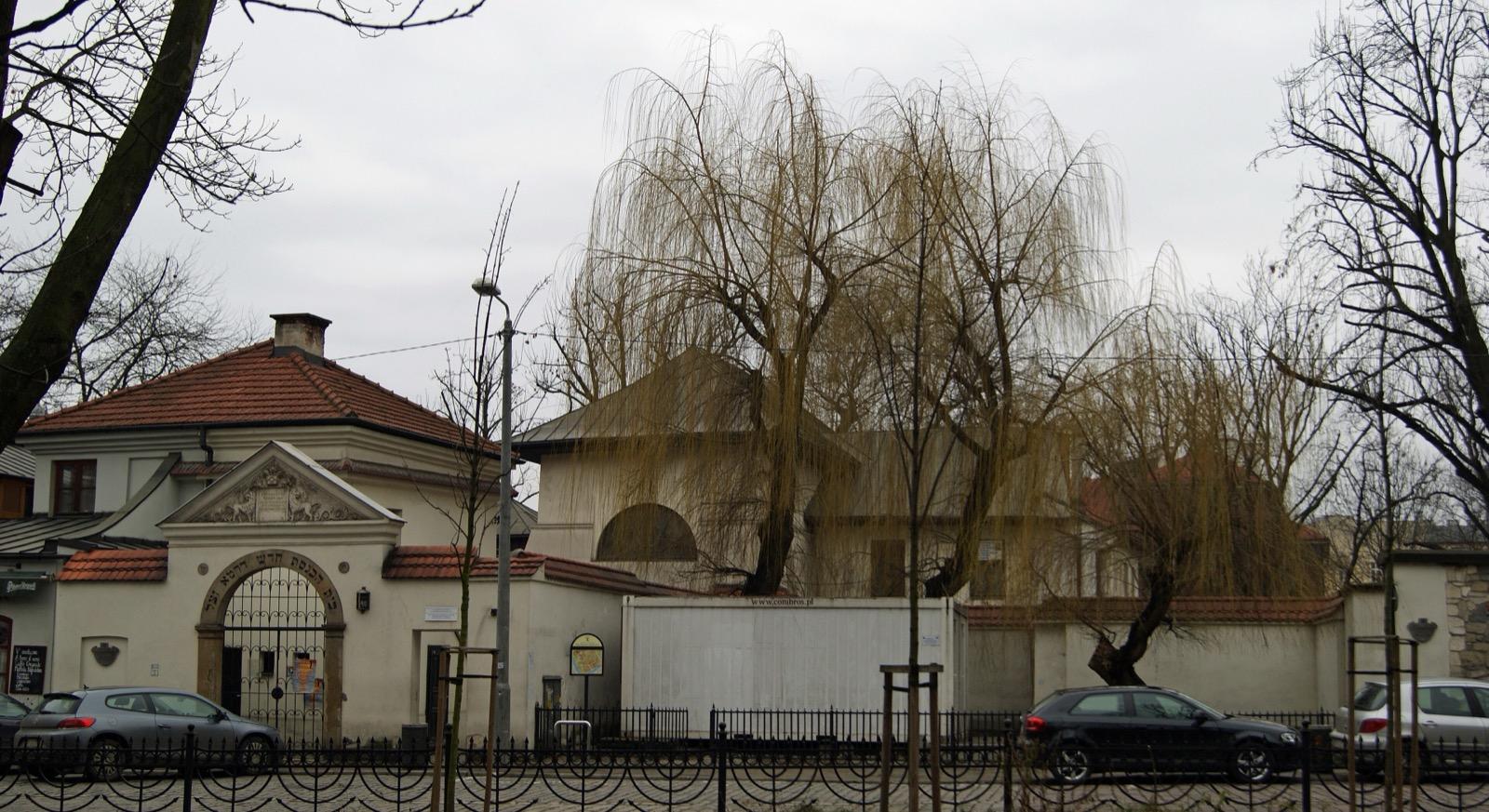
A small still-active synagogue and one of Poland's oldest Jewish cemeteries, holding the grave of the great scholar Moses Isserles and a wall built from broken headstones.
- 4
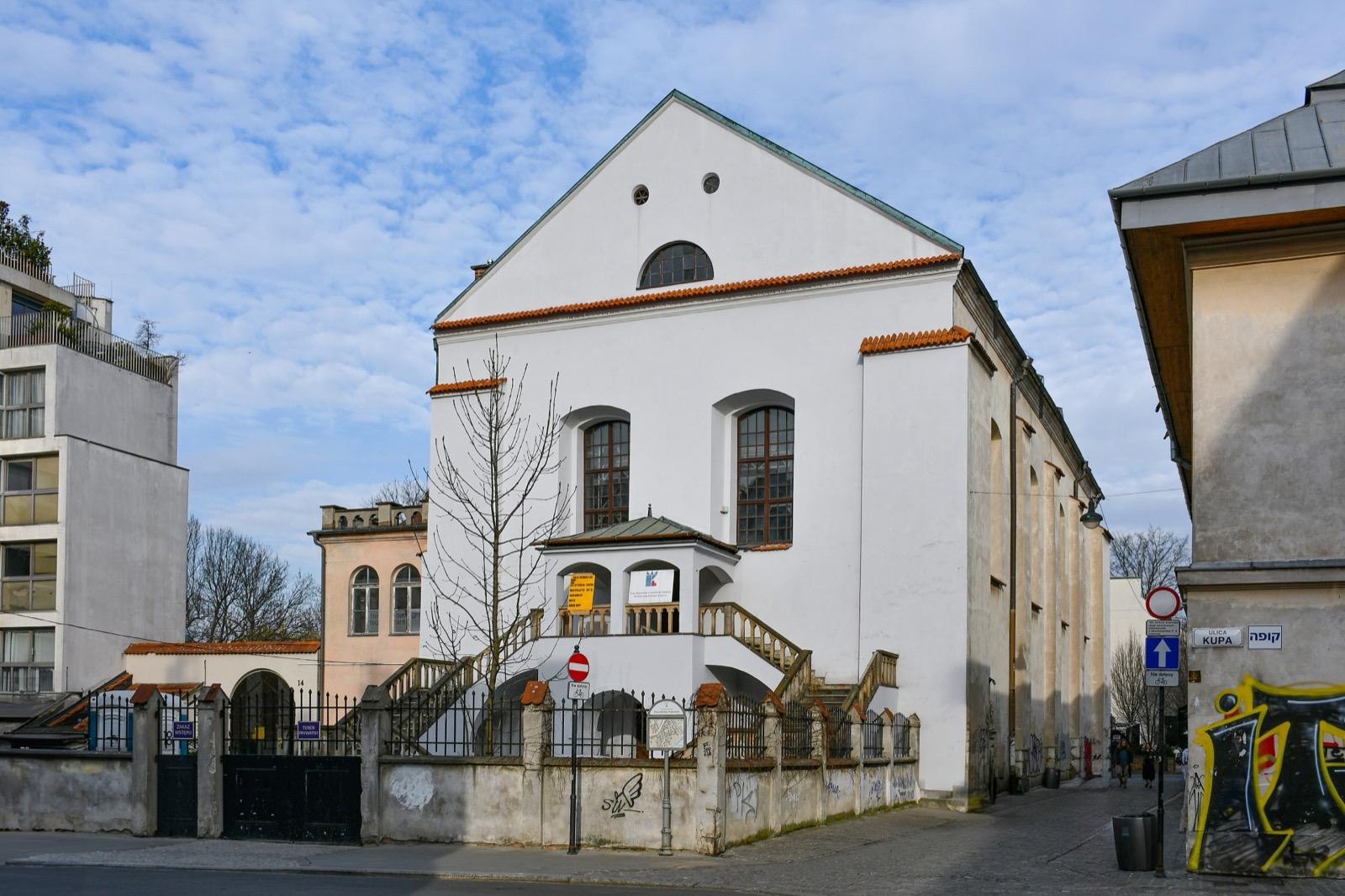
The Isaac Synagogue: The Tall Baroque Hall of the Grandest Synagogue
On Kupa Street rises the largest synagogue in Kazimierz, a tall Baroque hall built by a wealthy seventeenth-century banker, stripped in the war and restored after nineteen eighty-nine.
- 5
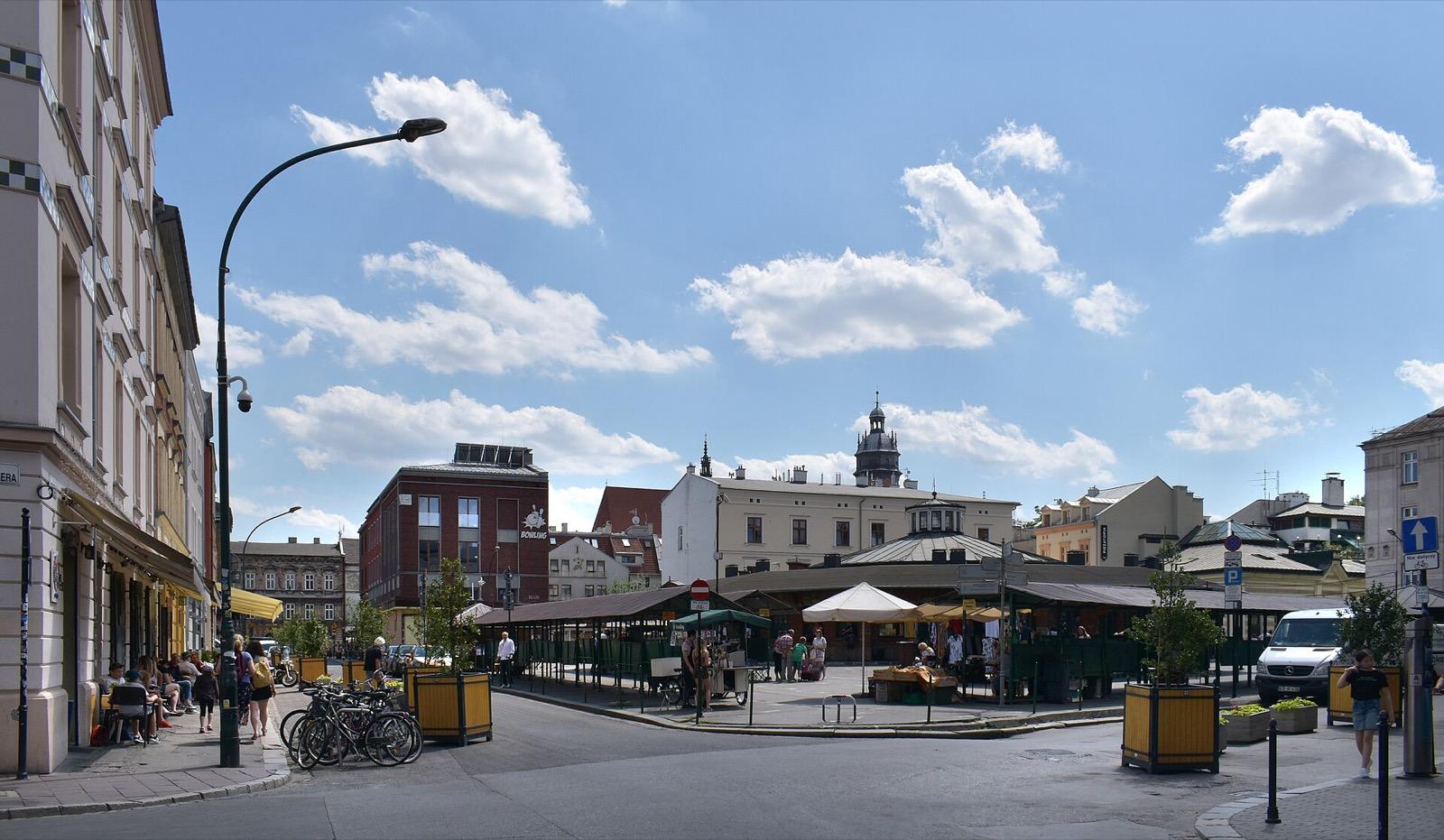
Plac Nowy and the Round Market Hall: Where the Quarter Still Gathers
The small market square at the heart of Kazimierz, centred on a round brick hall from nineteen hundred that was once a Jewish poultry slaughterhouse and is now the buzzing hub of the quarter.
- 6
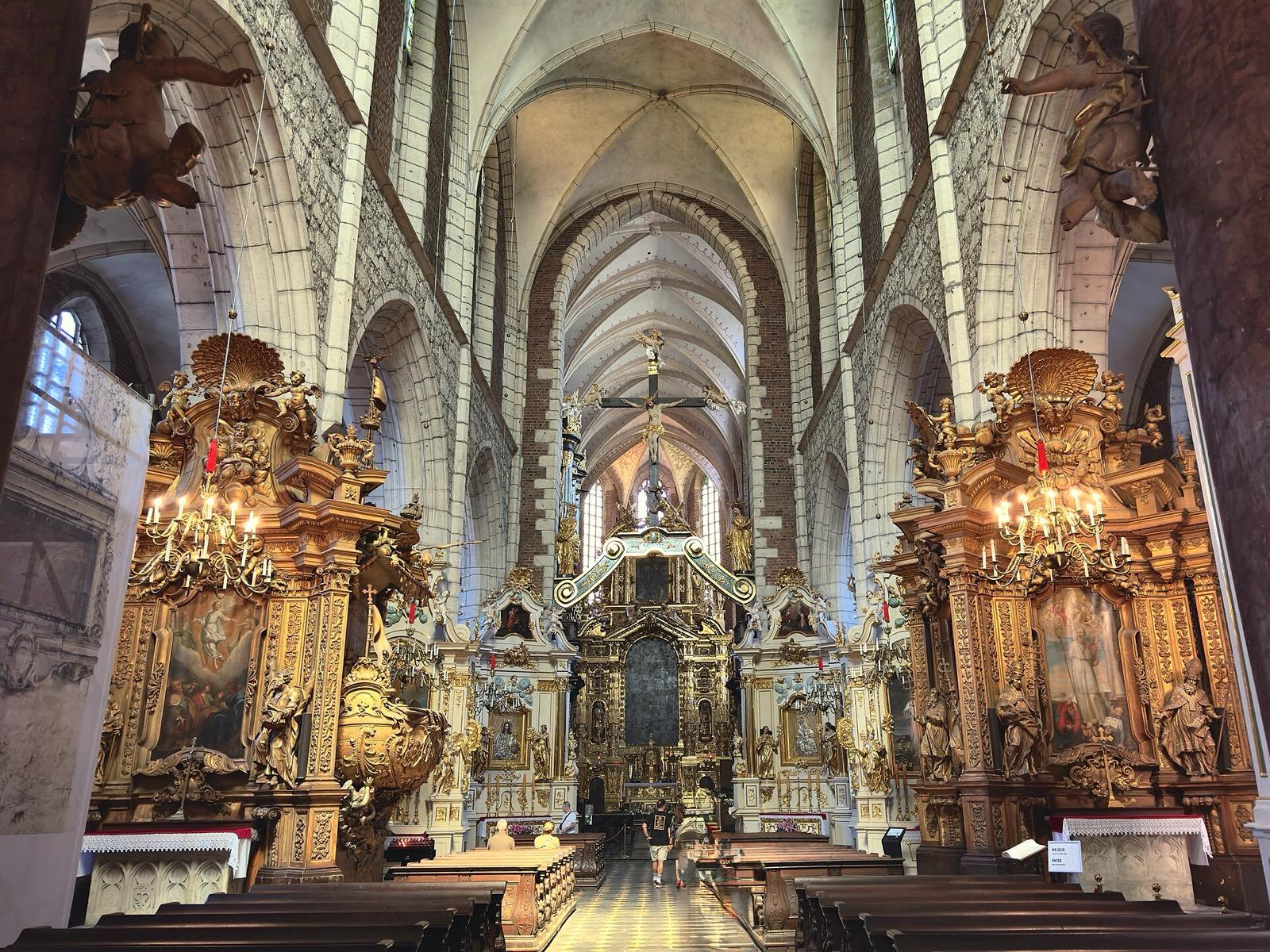
Corpus Christi Basilica: The Tall Gothic Church of the Christian Half
The great brick Gothic church of the Christian side of Kazimierz, founded by Casimir the Great in the same year and charter as the town itself, revealing Kazimierz as one shared Christian-and-Jewish town.
- 7
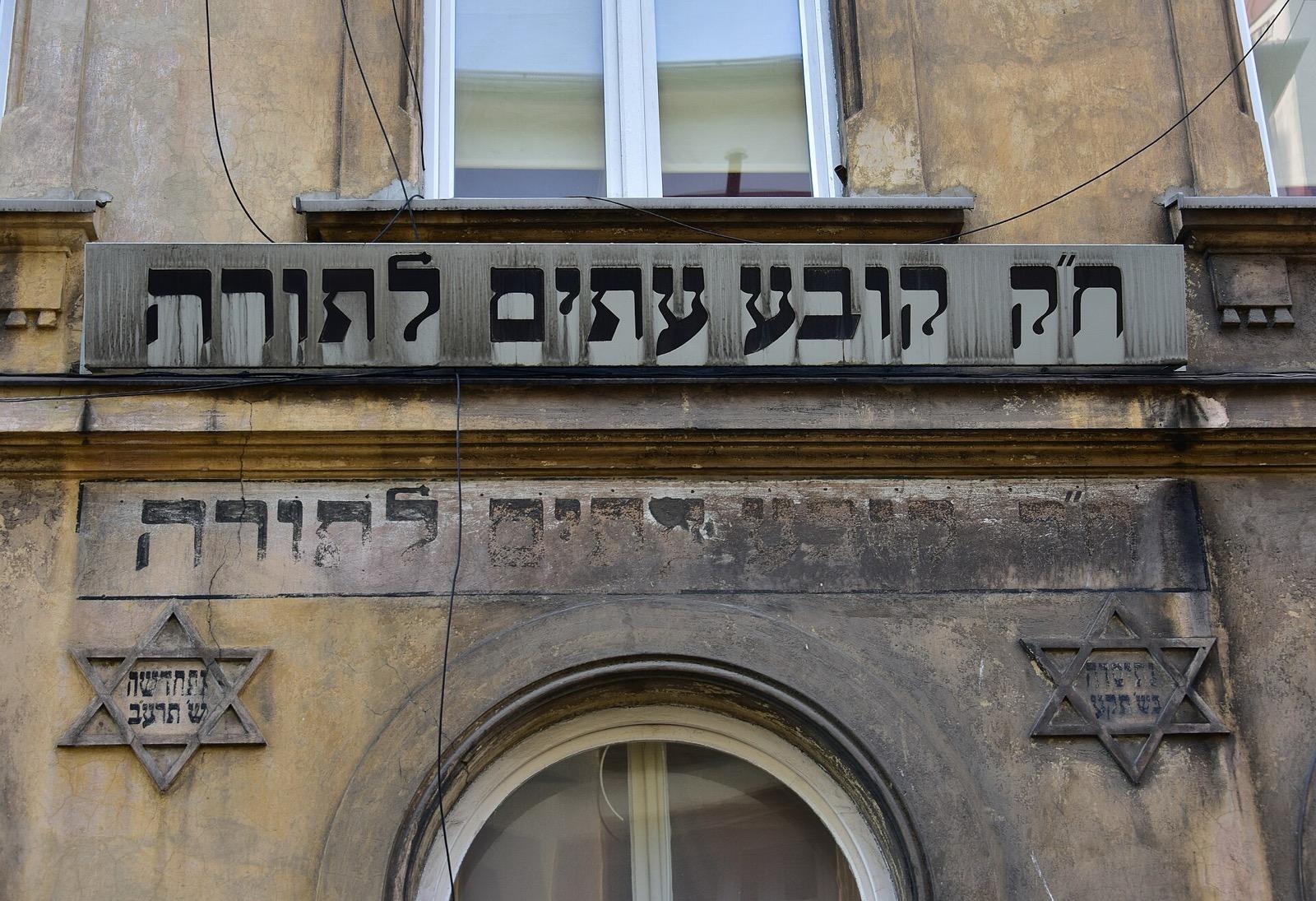
Ulica Jozefa and the Revival: The Lanes Filled Again with Life and Memory
A once-central street of Jewish Kazimierz, now emblematic of the quarter's revival, from which the walk holds the memory of the ghetto and the murdered dead across the Vistula.
Details
Best Time to Visit
Late morning is a fine time to begin, when the synagogues and the Museum of Krakow branch in the Old Synagogue are open and the light falls softly along the wide length of Szeroka Street. The Remuh Cemetery and the active synagogues are quieter and more contemplative earlier in the day, before crowds build. Plac Nowy is at its liveliest in the evenings and on weekends, so if you want to end amid the buzz of the square, time your walk to reach it in the late afternoon. Note that most synagogues in Poland close for the Jewish Sabbath, from Friday evening through Saturday, so plan interiors around that if a specific synagogue matters to you.
Pro Tips
- •This is your walk on your clock: there is no group and no schedule, so linger as long as you like at the scholar's grave or in the wide street, or close the map and move on whenever you wish.
- •The Old Synagogue's exhibition on the history and culture of Krakow's Jews is a museum entry in zloty; the exterior and the street are free, so you can choose how deep to go.
- •Most synagogues close for the Jewish Sabbath from Friday evening through Saturday, so check opening days if a particular synagogue interior matters to you.
- •Carry a little cash in zloty: several synagogues and the Remuh Cemetery charge a small entry fee, and Plac Nowy's food stalls are cash-friendly.
- •The full memory of the war lies across the Vistula in Podgorze, at Oskar Schindler's factory museum and Ghetto Heroes Square with its seventy empty chairs, an easy add-on for another day if you want to follow the story further.
- •Kazimierz rewards slowness, so give yourself room to sit in Plac Nowy or read the Wailing Wall of broken headstones without rushing to the next stop.
Safety & Precautions
- •The Remuh Cemetery is a sacred burial ground and the active synagogues are places of worship: dress respectfully, keep your voice low, cover your head where asked, and never treat these sites as photo backdrops.
- •Kazimierz's lanes and squares are cobbled and can be uneven, so wear sturdy, comfortable footwear and watch your step, especially around Plac Nowy in the evening crowds.
- •The memory of the Holocaust runs through this whole walk, and stops carry real emotional weight; go at your own pace, take breaks, and give yourself space to feel it in your own quiet.
- •Keep valuables discreet in crowded squares and on public transport, carry water in warm weather, and remember that some synagogues and museums charge entry in zloty.
Travel advisory: Exercise Normal Precautions (Level 1).
Gallery
Related Reading
Go deeper on what you'll see, hear, and walk through.
Overview
Best Self-Guided Walking Tours in Krakow (2026)
4 min
Overview
Krakow Travel Guide: Days, Transport, Timing, and Safety
6 min
Overview
One Day in Krakow: A Walkable Morning-to-Evening Itinerary
9 min
Thematic
Krakow: The Great Square, the Coronation Hill, and the Quarter That Survived
8 min
Companion
The Remuh Synagogue and Cemetery: Kazimierz's Wall of Broken Headstones
7 min
Deep dive
Plac Nowy and the Okrąglak: The Round Hall Where Kazimierz Still Gathers
6 min
Read
What to Eat in Krakow
7 min
Read the walk
The full story of Kazimierz: The Jewish Quarter That Survived, in words. Prefer to listen? Play it narrated, from home or on location.
Introduction
Kazimierz was, for centuries, a town in its own right and one of the great centres of Jewish life in Europe. King Casimir the Third, called Casimir the Great, chartered it as a separate town on the twenty-seventh of March, thirteen thirty-five, and named it after himself. On its wide central street synagogues and scholars gathered, while a Christian quarter with its own grand Gothic church shared the same charter-town. Then the German occupation and the Holocaust destroyed that Jewish world, forcing its people across the Vistula into the Podgorze ghetto and murdering most of them, the overwhelming majority at the German-run Auschwitz-Birkenau camp. Yet the physical quarter survived the war almost intact. Since the nineteen nineties its lanes have filled again with memory, culture, and returning Jewish life. This walk holds both truths at once, honouring the dead without letting the revival erase what was lost. It runs about seven stops over roughly ninety minutes and covers about one kilometre here in Krakow, entirely on foot, at whatever pace is yours. There is no group, no schedule, and no one steering you. You can linger for a long time in the wide street or move quietly on. You can sit in silence at the scholar's grave or read a synagogue's history and then close the map. Some stops are sacred ground, and you are trusted to feel their weight in your own quiet. This is Krakow in Poland, told as a chronicle you set the clock on. When you arrive at the middle of Szeroka Street, begin with stop one.
1. Szeroka Street: The Wide Heart of Jewish Krakow
You are standing in the middle of Szeroka Street, whose name simply means Wide Street, and it is the heart of the old Jewish quarter of Krakow. It is so broad that it reads less like a street than a long rectangular square, and for centuries it functioned exactly that way: a market and communal space, lined with townhouses and ringed by synagogues. Three of Kazimierz's surviving synagogues stand along it, including the Old Synagogue at its southern end and the Remuh at its northern end, which you will come to on this walk. To understand this place, hold its founding in mind. Casimir the Third, called Casimir the Great, chartered Kazimierz as a separate town on the twenty-seventh of March, thirteen thirty-five, and named it after himself. Later, after an expulsion order pushed Jews out of Krakow proper toward the end of the fifteenth century, a walled Jewish town formed here, the Oppidum Judaeorum, holding roughly half the population on about a fifth of the area. Kazimierz stayed a town in its own right until the Third Partition of Poland in seventeen ninety-five, when it lost its independence and became a district of Krakow; its walls came down in eighteen twenty-two. So this wide street carries the whole arc at once. It was the centre of a self-governing Jewish town. It became a neglected quarter after catastrophe emptied it. And today it holds both memory and revival, with cafes along its edges and, in summer, festival stages set upon it. Take your time. Turn slowly and read the buildings. Everything the rest of this walk uncovers begins on this one broad street.
2. The Old Synagogue: The Oldest in Poland, Keeper of Memory
At the southern end of Szeroka Street, at number twenty-four, stands the Old Synagogue, the Stara Synagoga, the oldest surviving synagogue building in Poland. Its earliest form dates to the fifteenth century, built soon after Krakow's Jews were forced to move to Kazimierz. In fifteen seventy the Italian architect Mateo Gucci rebuilt it in a Renaissance form, giving it its fortress-like character: thick buttressed masonry walls, high windows, and an attic pierced with loopholes. For centuries it was the central house of prayer of the community, with regular services held until nineteen forty-one. Then the war reached it. Here the voice must drop. During the German occupation the synagogue was completely devastated and ransacked, stripped of its furnishings and used as a warehouse. The museum records that thirty Polish hostages were executed at its wall in nineteen forty-three. The building of prayer became a place of murder, and the community that had gathered here for five hundred years was being destroyed. Yet the walls stood. Since nineteen fifty-eight the Old Synagogue has been a branch of the Museum of Krakow, and inside it holds the permanent exhibition on the history and culture of the Jews of Krakow. So it survives now in a doubled role. It is the oldest synagogue in the country, and it is a keeper of memory, telling the story of a world that filled these lanes and of what was done to it. Stand with that a moment before moving on, or step inside the exhibition, whichever your own quiet asks for.
3. The Remuh Synagogue and Cemetery: The Scholar's Grave and the Wall of Broken Headstones
At the northern end of Szeroka Street, at number forty, stands the Remuh Synagogue, small and, unlike the Old Synagogue, still active. It was built about fifteen fifty-seven and named for Rabbi Moses Isserles, known by the Hebrew acronym the Remuh, who lived from fifteen twenty-five to fifteen seventy-two. He was one of the greatest Jewish legal scholars, famed for his commentaries and additions, the Mappah, to the Shulchan Aruch, work that made that code authoritative for Ashkenazi Jews across the world. This is sacred ground, so let the voice stay low and steady. Beside the synagogue lies the Remuh Cemetery, established around fifteen thirty-five to fifteen fifty-one, one of the oldest Jewish cemeteries in Poland, with its first tombstones dating from fifteen fifty-two. The grave of Moses Isserles remains a place of pilgrimage; people come from far away to stand at the resting place of the Remuh. But the cemetery holds another story in its very stones. In a nineteen fifty-nine excavation, hundreds of tombstones that had been buried under soil and debris were uncovered. Many were re-erected. Fragments that could not be made whole again were built into the interior of the wall, creating what is called the Wailing Wall, a surface assembled from broken headstones. Read it slowly. It is a wall made of grief and of endurance at once, the shattered markers of the dead pieced back into something that stands. Here, more than anywhere on this walk, the two truths meet: a community that was destroyed, and stones that were gathered up and kept. Move through with respect, and linger only as long as feels right to you.
4. The Isaac Synagogue: The Tall Baroque Hall of the Grandest Synagogue
A short way west, at fourteen Kupa Street, stands the Isaac Synagogue, the Synagoga Izaaka, the largest synagogue in Kazimierz. Its groundbreaking was in sixteen thirty-eight and it was completed in sixteen forty-four, in the Baroque style, to the design of the architect…
Full narration for this stop unlocks with the tour.
5. Plac Nowy and the Round Market Hall: Where the Quarter Still Gathers
You have reached Plac Nowy, the New Square, the small market square that has long been a hub of daily life in Kazimierz. At its centre stands its most distinctive feature, a round brick market hall known as the Okraglak, the rotunda. It was built in nineteen hundred as a market…
Full narration for this stop unlocks with the tour.
6. Corpus Christi Basilica: The Tall Gothic Church of the Christian Half
Here rises Corpus Christi Basilica, the Bazylika Bozego Ciala, on Bozego Ciala Street, and it opens up the part of the story that is easy to forget. Kazimierz was never only a Jewish town. It was a shared charter-town with a Christian quarter, and this tall brick Gothic church…
Full narration for this stop unlocks with the tour.
7. Ulica Jozefa and the Revival: The Lanes Filled Again with Life and Memory
This is Ulica Jozefa, Jozef Street, once a main street of Jewish Kazimierz and now emblematic of the quarter's return. After the Holocaust emptied Kazimierz of its Jewish population, these lanes fell into long neglect. Since the nineteen nineties they have filled again, with…
Full narration for this stop unlocks with the tour.