A flat walk from Wellington's civic heart out to the harbour, reading New Zealand's creative capital through a floating sphere of ferns, a preserved bohemian street, an old Maori settlement, a picture palace, and the national museum on the bay.
Start · Te Ngakau Civic Square: Under a Sphere of Ferns
DirectionsStops
- 1
Te Ngakau Civic Square: Under a Sphere of Ferns
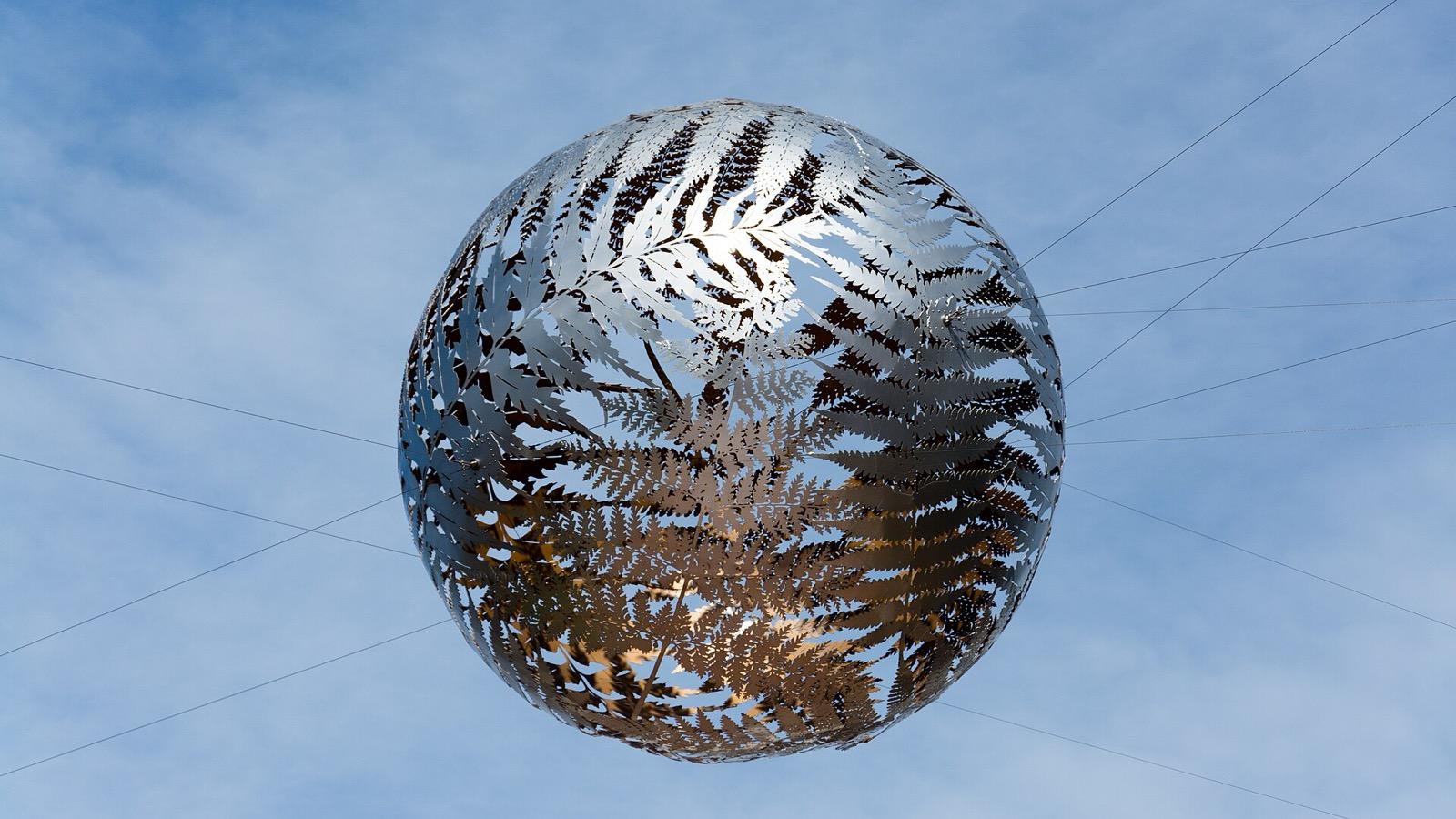
Wellington's modern civic heart is framed by the town hall and galleries. It is crowned by a floating aluminium sphere of ferns.
- 2
Cuba Street: The Street Named for a Ship
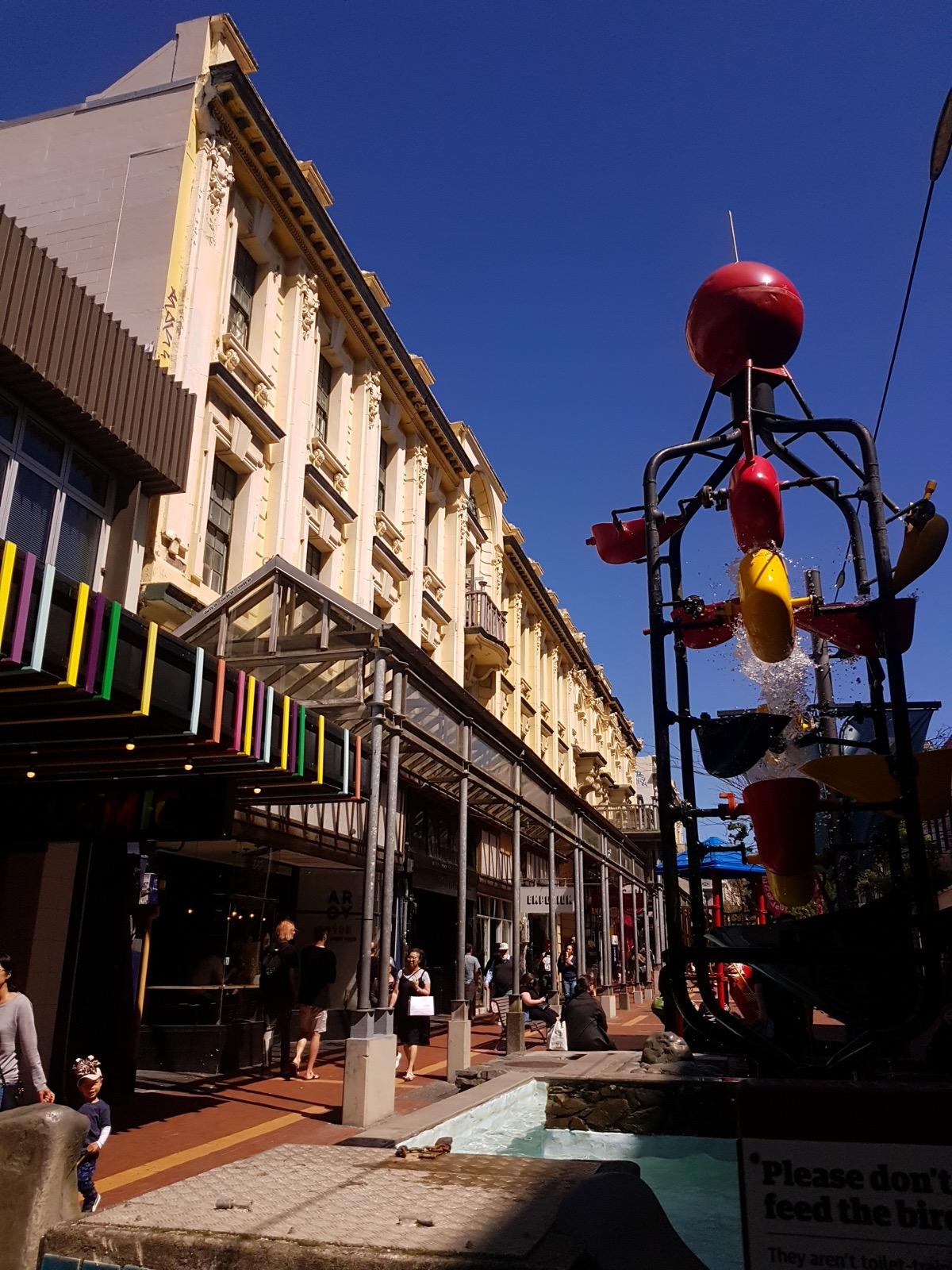
Wellington's bohemian spine is a preserved run of Victorian and Edwardian shopfronts. The street is named after an early settler ship, not the country.
- 3
The Bucket Fountain: A Cherished Absurdity
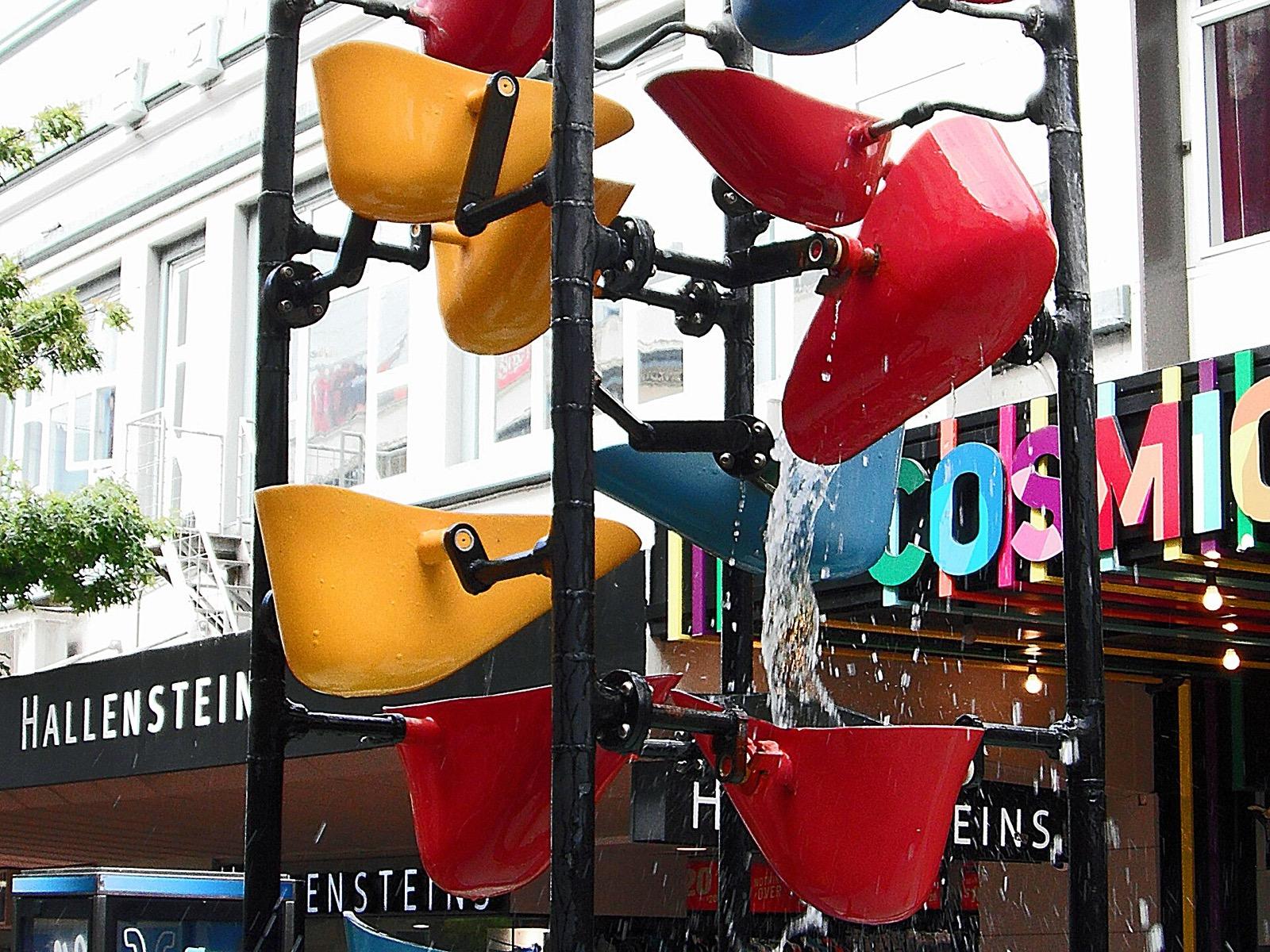
A kinetic tipping-bucket water sculpture at the heart of Cuba Mall, mocked when it opened in nineteen sixty-nine and beloved ever since.
- 4
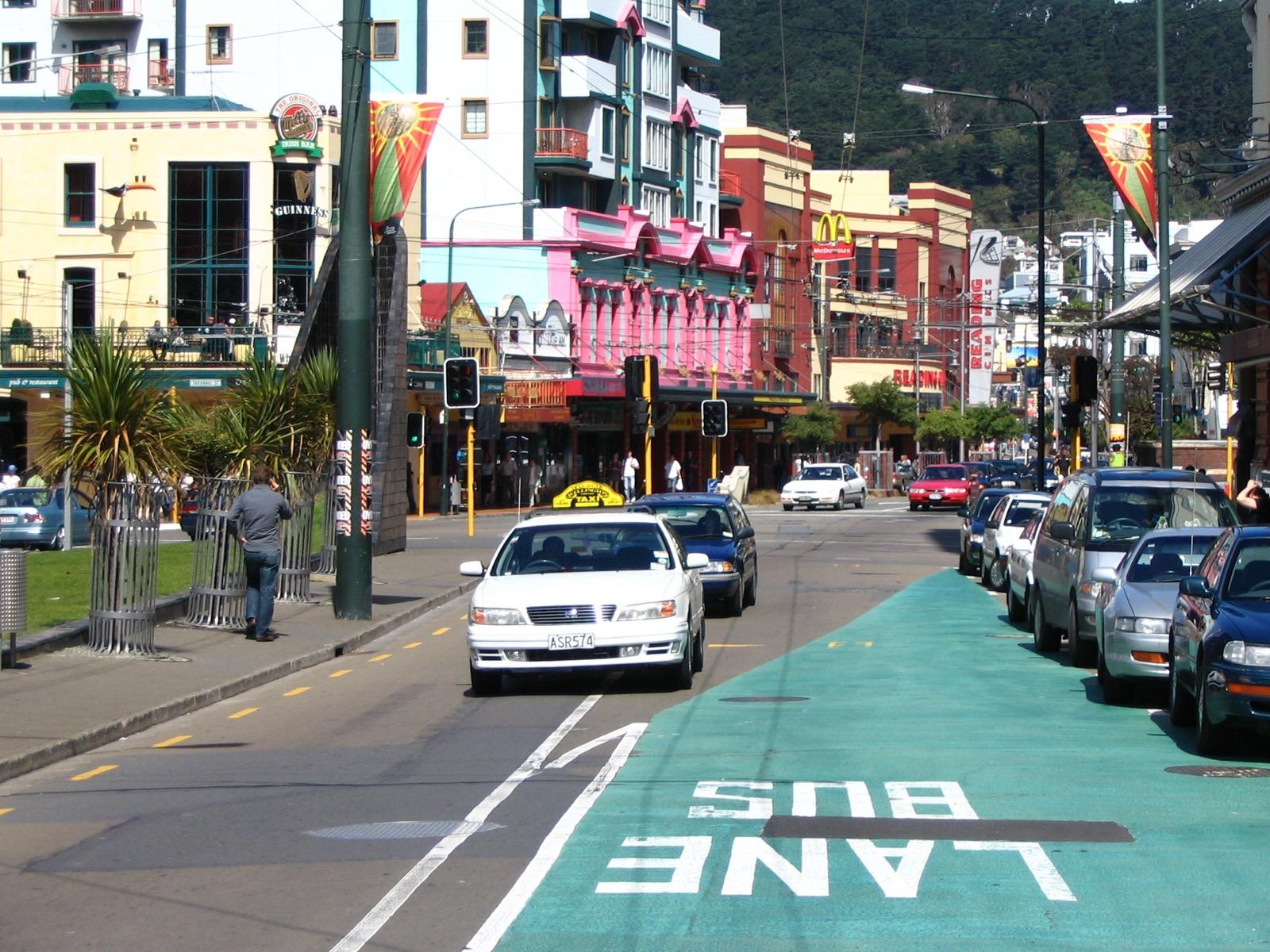
Te Aro Pa: The Settlement Beneath the Town
The preserved remains of a Maori settlement that stood on this flat long before the colonial town, now marked by an interpretive centre on Taranaki Street.
- 5
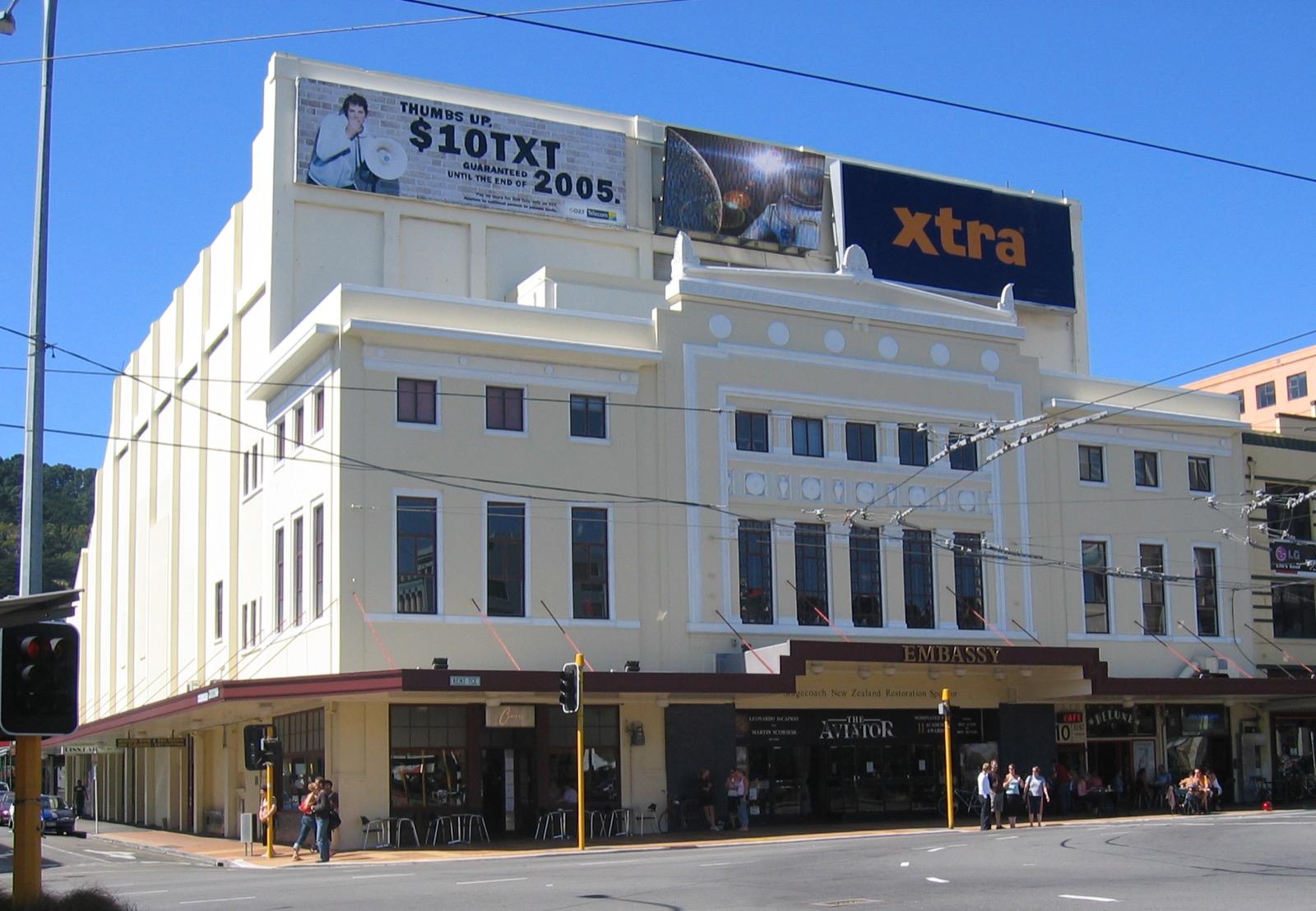
The Embassy Theatre: The Red Carpet of a Nation
A grand nineteen-twenties picture palace on Kent Terrace, the only custom-built cinema of its decade still in use in New Zealand and host to the country's biggest film premieres.
- 6
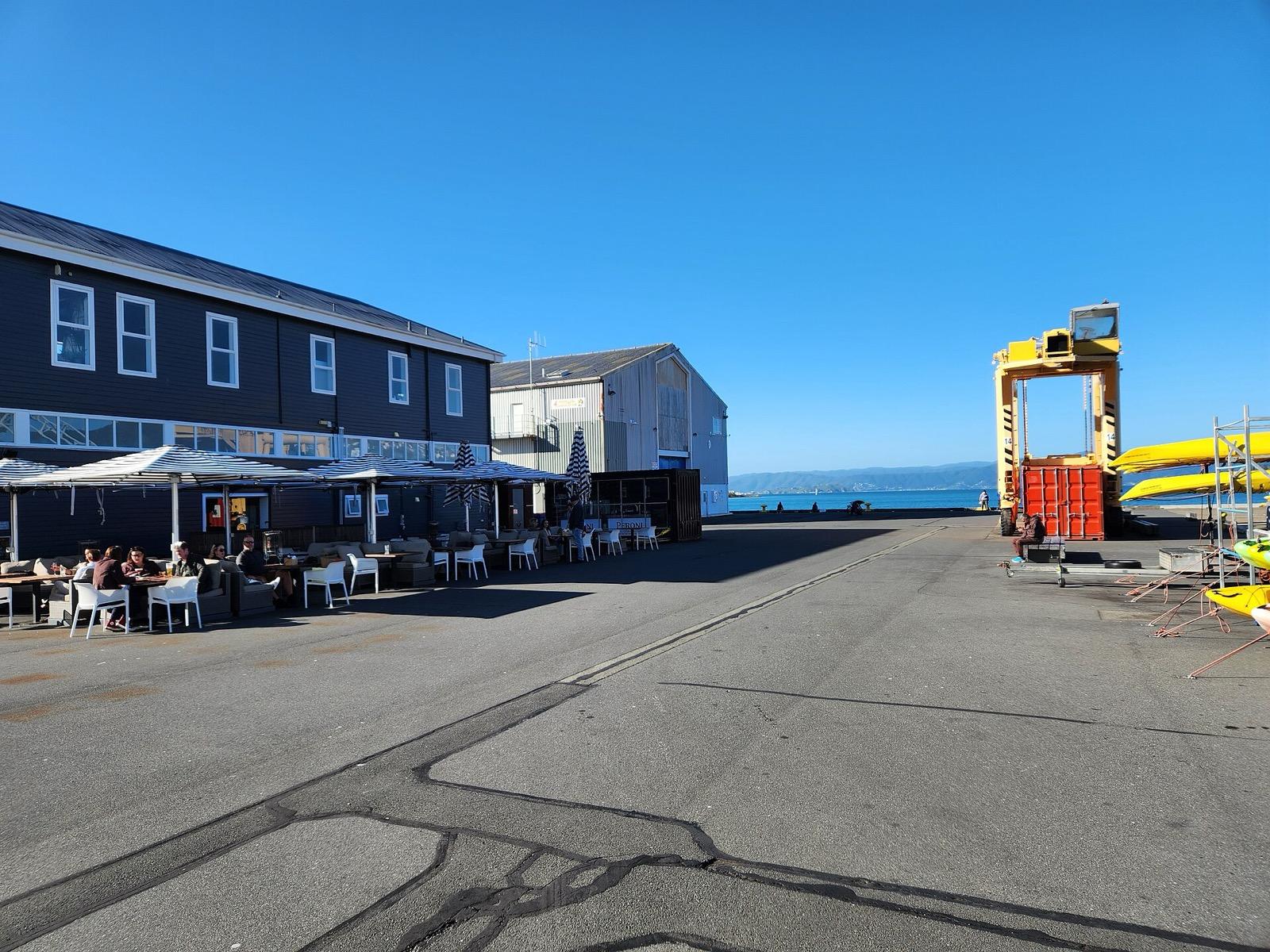
The Waterfront: Words at the Water's Edge
The harbour edge of Te Whanganui-a-Tara, where the city meets the water among quotations from New Zealand's writers set into the ground.
- 7
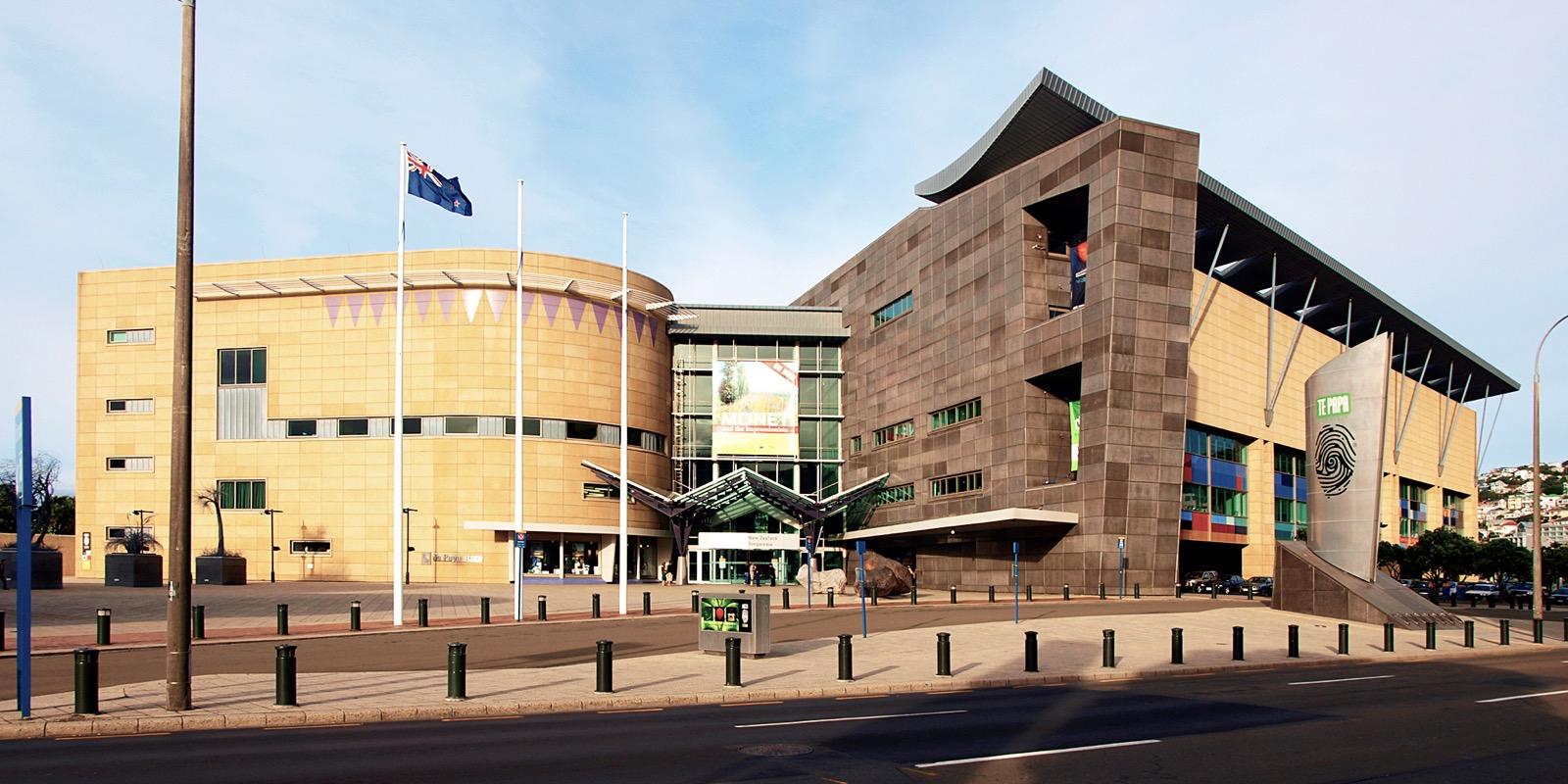
Te Papa Tongarewa: The Nation's Container of Treasures
New Zealand's national museum on the bay, opened in nineteen ninety-eight, structured biculturally and holding a living Maori meeting place at its heart.
Details
Best Time to Visit
A weekday late morning or early afternoon is the sweet spot: Cuba Street and the waterfront are lively but not crowded, the light on the harbour is at its best, and Te Papa is open with free general admission. Weekends bring more buskers and market energy to Cuba Street if you want the fuller bohemian scene, though the museum is busier. Aim to finish at Te Papa with an hour or two to spare before it closes, and watch for a brighter, calmer weather window, since Wellington's conditions can turn quickly in any season.
Pro Tips
- •The whole route is flat and easy on foot, so wear comfortable shoes and plan to linger rather than rush; the walk rewards a slow pace.
- •Cuba Street is the place to slow right down; give yourself extra time to read the Victorian and Edwardian shopfronts and soak up the living scene, on your own clock and with no one hurrying you along.
- •Te Papa offers free general admission, so budget time to go inside at the end; some special exhibitions are ticketed in New Zealand dollars, but the marae and the national collections are free.
- •Pause properly at the Te Aro Pa interpretive centre on Taranaki Street; the preserved tree-fern house structures reward a quiet, unhurried look.
- •Watch for the Wellington Writers Walk quotations set into the ground along the waterfront; they are easy to miss underfoot and best read one at a time.
- •Carry a light waterproof and a warm layer even on a fine day; the wind off the harbour can arrive fast and cool the walk near the water.
Safety & Precautions
- •Wellington is famous for its wind off the harbour, and gusts near the waterfront and around the Bucket Fountain can be strong and sudden; hold onto hats and expect spray from the fountain on windy days.
- •The weather here is genuinely changeable in any season, so bring a waterproof and a warm layer; a bright morning can turn wet and cold by the water within the hour.
- •At Te Aro Pa and inside Te Papa's marae area, keep a respectful quiet; these are living cultural places for Te Ati Awa and Taranaki Whanui and for Maori across the country, not just displays.
- •This is an ordinary busy city walk near the harbour edge, so keep valuables discreet, mind the traffic where the route crosses streets, and take normal care near the water.
Travel advisory: Exercise Normal Precautions (Level 1).
Gallery
Related Reading
Go deeper on what you'll see, hear, and walk through.
Overview
Best Self-Guided Walking Tours in Wellington (2026)
3 min
Overview
One Day in Wellington: A Walking Itinerary
7 min
Overview
Wellington Travel Guide: Days, Transport, Cost, and Safety
7 min
Thematic
Wellington: The Capital on Ground the Sea Gave Back
7 min
Companion
Cuba Street, Wellington: The Bohemian Spine Named for a Ship, Not the Country
6 min
Deep dive
Te Papa Tongarewa: Why New Zealand's National Museum Is Built Around a Marae
7 min
Read
What to Eat in Wellington: Flat Whites, Whitebait, and Craft Beer
7 min
Read the walk
The full story of Cuba Street: Bohemian Wellington by the Bay, in words. Prefer to listen? Play it narrated, from home or on location.
Introduction
This is a walk through the creative heart of Wellington, the capital of New Zealand, from its civic square down to the edge of the harbour. Over about three and a half kilometres and roughly ninety minutes, seven stops, all of them short, read the city from its cultural centre out to the water, and every one of them is yours to take at your own pace, with no group, no schedule, and no tip pressure. The route begins in Te Ngakau Civic Square, the modern civic heart, under Neil Dawson's floating aluminium sphere of ferns. It turns up Cuba Street, a preserved run of Victorian and Edwardian shopfronts named not for the country but for an early settler ship, where a daft and cherished bucket fountain tips and dribbles at its centre. The way pauses over the site of Te Aro Pa, the Maori settlement that stood on this flat long before the colonial town, then passes the grand Embassy picture palace that rolled out the red carpet for the biggest New Zealand films. It comes down at last to the harbour edge of Te Whanganui-a-Tara, the Maori name for Wellington harbour, among the words of the country's writers, and ends at Te Papa, the national museum with a living Maori meeting place at its heart. You set the rhythm. Linger where you like, skip what you please, and read only the stops that hold you. When you arrive at Te Ngakau Civic Square, begin with stop one.
1. Te Ngakau Civic Square: Under a Sphere of Ferns
You are standing in the modern civic heart of the city, a square framed by the Wellington Town Hall, the Michael Fowler Centre, the central library, and the City Gallery. It opened in nineteen ninety-one, and in June of twenty eighteen the council renamed it under its Maori language policy from Te Marae Atea to Te Ngakau, a word that means, simply, the heart. It is a good name for the place, because this is where the civic city and the creative city meet. Above you, if it is in place, hangs the square's signature artwork. In nineteen ninety-eight the sculptor Neil Dawson installed Ferns, a sphere of aluminium about three point four metres across, suspended around fourteen metres over the square. The Wellington Sculpture Trust records that it was cut from eleven large fronds, welded over a wooden mould, gold on the inside and silver on the outside. The species are all New Zealand ferns, the silver ponga among them, so what floats over your head is a globe made of the country's own bush, hung in the middle of its capital. From here a pedestrian bridge, the City to Sea Bridge, runs down to the water. It opened on the thirty-first of October in nineteen ninety-three and carries you over to the harbour edge at Whairepo Lagoon. That is the shape of this whole walk in miniature. You begin at the civic and cultural centre, among the halls and galleries, and you make your way, at your own pace and on your own map, down toward the sea.
2. Cuba Street: The Street Named for a Ship
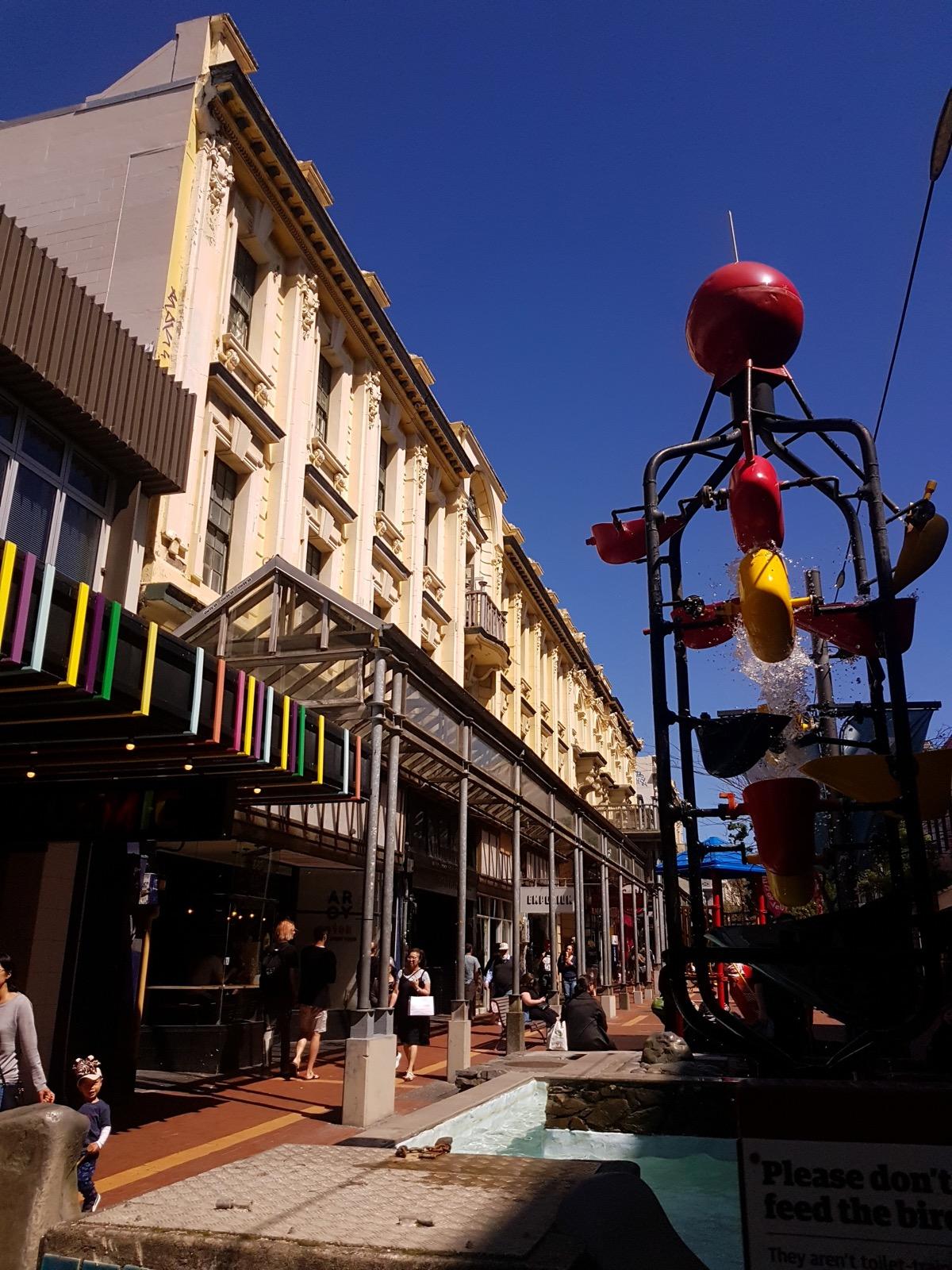
This is Cuba Street, the bohemian spine of Wellington, and the first thing to know is that it is not named for the country. The first Surveyor-General, Captain William Mein Smith, named it after a settler ship. The Cuba was a vessel of the New Zealand Company, sent ahead of the immigrant ships, and she reached Wellington Harbour on the third of January in eighteen forty. So the street carries the name of one of the first boats to arrive, laid out on the plan before the town it would serve even existed. What makes Cuba Street worth slowing for is that it survived. When much of central Wellington was pulled down and rebuilt through the nineteen sixties, seventies, and eighties, this street escaped. Heritage New Zealand records that Cuba Street has the most complete collection of Victorian and Edwardian commercial architecture in Wellington, and it has been a registered historic area since nineteen ninety-five, with over forty buildings of historic significance. Read the shopfronts as you go, the ironwork and the tall windows and the ornament above the awnings. The middle section, the pedestrian mall, was closed to traffic on the fourteenth of October in nineteen sixty-nine, after a petition signed by five thousand residents asked the city to give the street back to people on foot. That is what you are walking now, a living street of cafes, record shops, and music laid over more than a century of preserved architecture. There is no one hurrying you toward the next coffee. Wander it on your own clock, and let the street set your pace rather than a guide's.
3. The Bucket Fountain: A Cherished Absurdity
Here it is, the small absurdity at the heart of Cuba Street. This is the Bucket Fountain, a kinetic water sculpture put up in nineteen sixty-nine, the same year the mall around it was closed to traffic. It was designed by Graham Allardice, of the firm Burren and Keen, and it is made of steel, aluminium, and fibreglass. It cost about two thousand dollars. The idea is beautifully simple. A stack of buckets fills with water until each one, top-heavy, tips and empties into the buckets and the pool below, then swings back up to fill again. On a still day it is a gentle, dribbling clock. On a windy Wellington day the water can sail sideways and catch a passer-by full in the face, which is part of why the city loves it. It was not loved at first. When it went up, critics called it an engineering joke and a monstrosity. The brief had asked Allardice for a water motif that could be lit at night for visual enjoyment, and what he delivered divided opinion for years. Now it is one of the most recognised objects in the city, a little tipping, splashing heart at the centre of the bohemian street. This is a good place to simply stand for a moment and watch it work. There is no schedule pulling you on. Wait for the next bucket to tip if you like, feel whether the wind is aiming the spray your way, and take the street at exactly the pace you want.
4. Te Aro Pa: The Settlement Beneath the Town
The modern street you have been walking sits directly on top of an older city, and this is where you can see it. At thirty-nine to forty-three Taranaki Street stand the remains of Te Aro Pa. A pa is a settled Maori village, and this one is the Country of Te Ati Awa and Taranaki…
Full narration for this stop unlocks with the tour.
5. The Embassy Theatre: The Red Carpet of a Nation
Ahead of you on Kent Terrace stands the Embassy Theatre, and this is the grand picture palace of the walk. It opened on the thirty-first of October in nineteen twenty-four, first known as the de Luxe, and Heritage New Zealand lists it as a Category One historic place. It is the…
Full narration for this stop unlocks with the tour.
6. The Waterfront: Words at the Water's Edge
Now the walk comes down to the water, to the edge of Te Whanganui-a-Tara, the Maori name for Wellington harbour. This is a chain of wharves, open spaces, and old maritime buildings where the city finally meets the sea. Frank Kitts Park, the green space along here, was formed in…
Full narration for this stop unlocks with the tour.
7. Te Papa Tongarewa: The Nation's Container of Treasures
The walk ends here, at Te Papa Tongarewa, the Museum of New Zealand, on the Wellington waterfront. The name means, roughly, a container of treasured things, and that is exactly what it is: the national museum, holding the whole country's story on the edge of the bay. It opened…
Full narration for this stop unlocks with the tour.