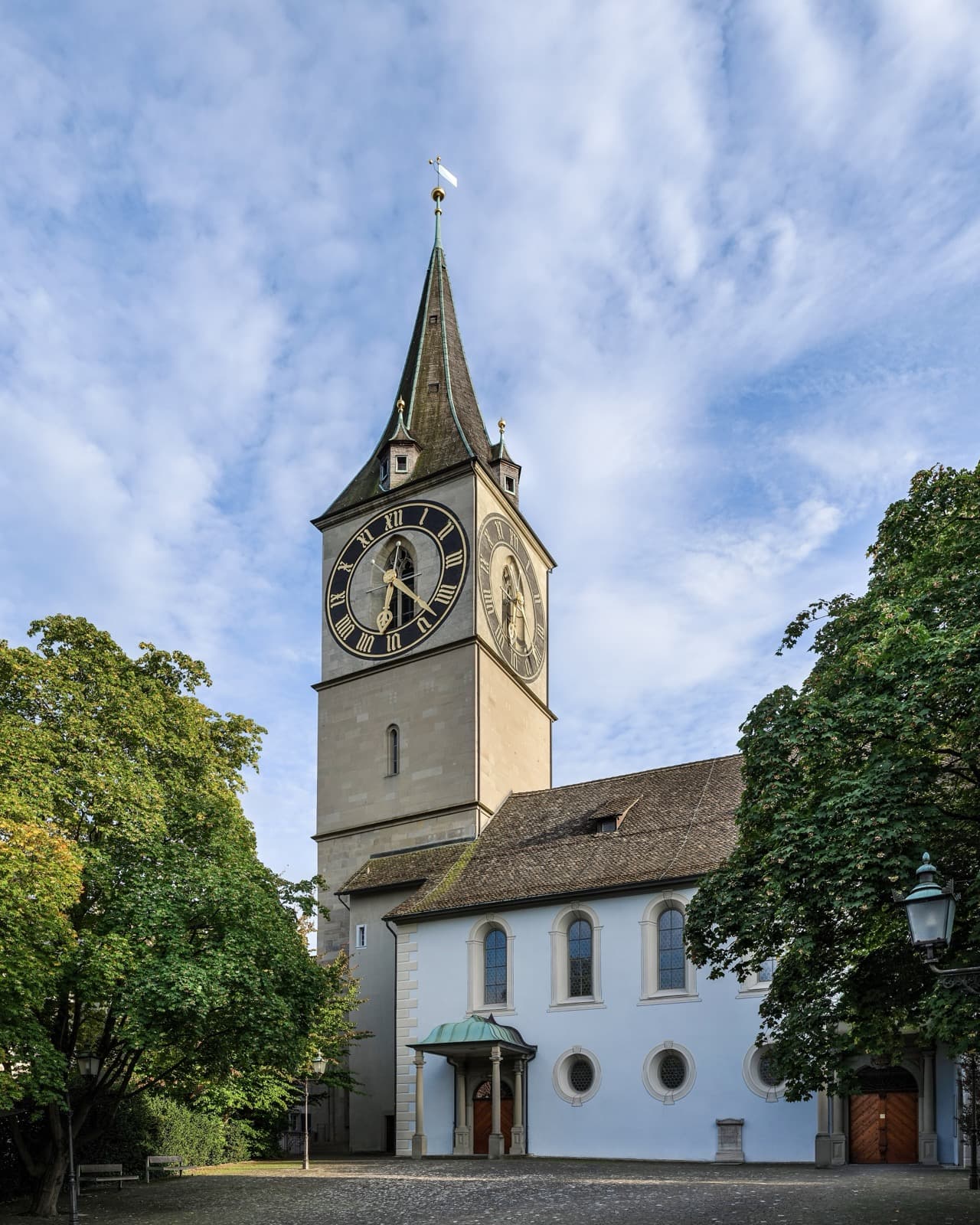
Old Town: The City That Reformed Itself
85 min · 2.6 km · moderate
Zurich needs two full days on foot: the old town, Bahnhofstrasse, the lake, and the reborn factory quarter of Zurich-West are all compact and walkable, the trams and trains are frequent and simple, the city is among the safest in Europe, and the money is Swiss francs rather than euros. This guide answers the practical questions before you arrive: how many days to give it, how to get around, when to come, an honest word on safety, and what it costs. If you want the walking to carry the story rather than a guidebook, our self-guided audio tours cover the routes below at your own pace. Start with the Zurich walking tours hub or the /switzerland/zurich city page.
How many days do you need in Zurich?
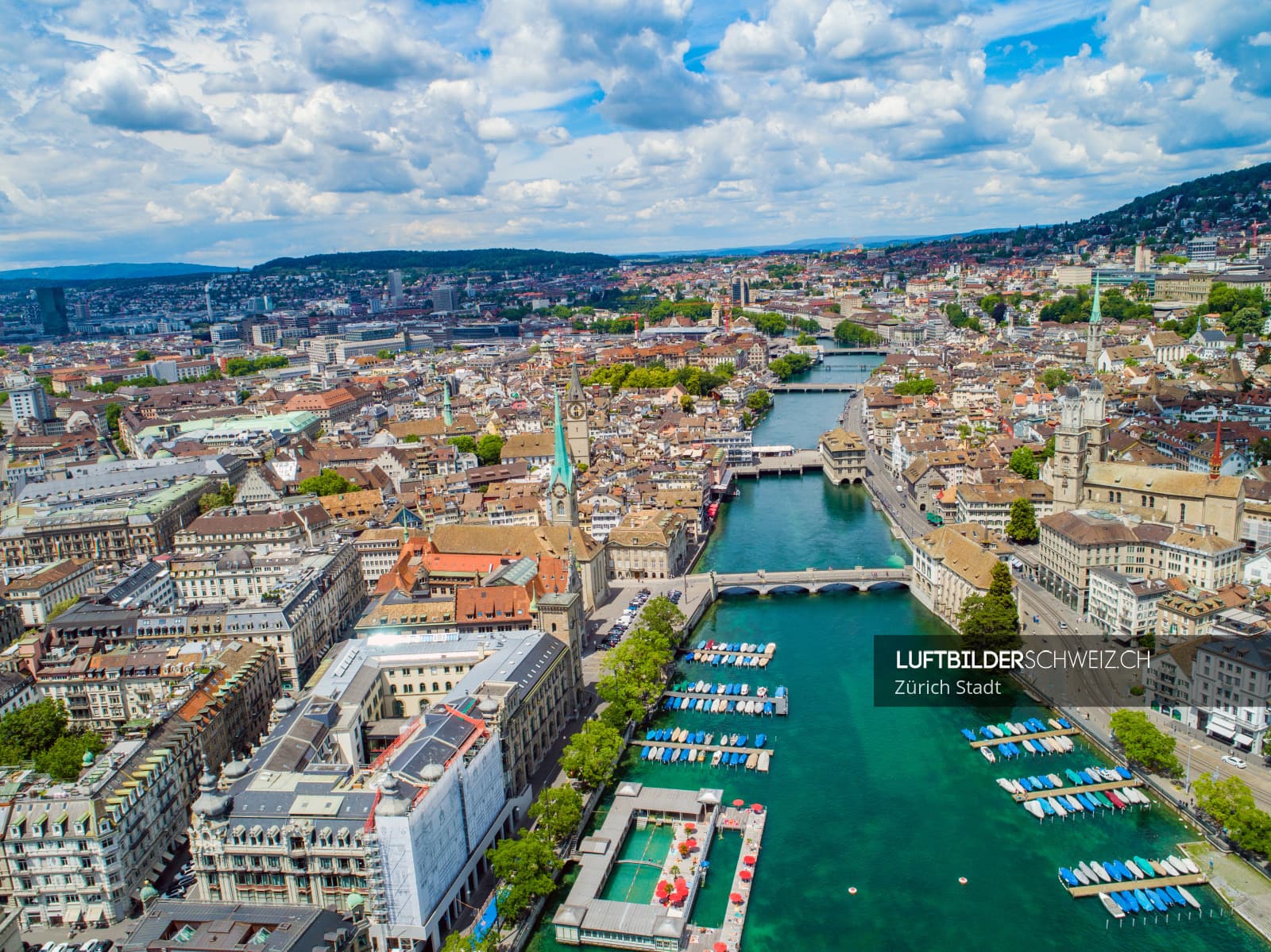
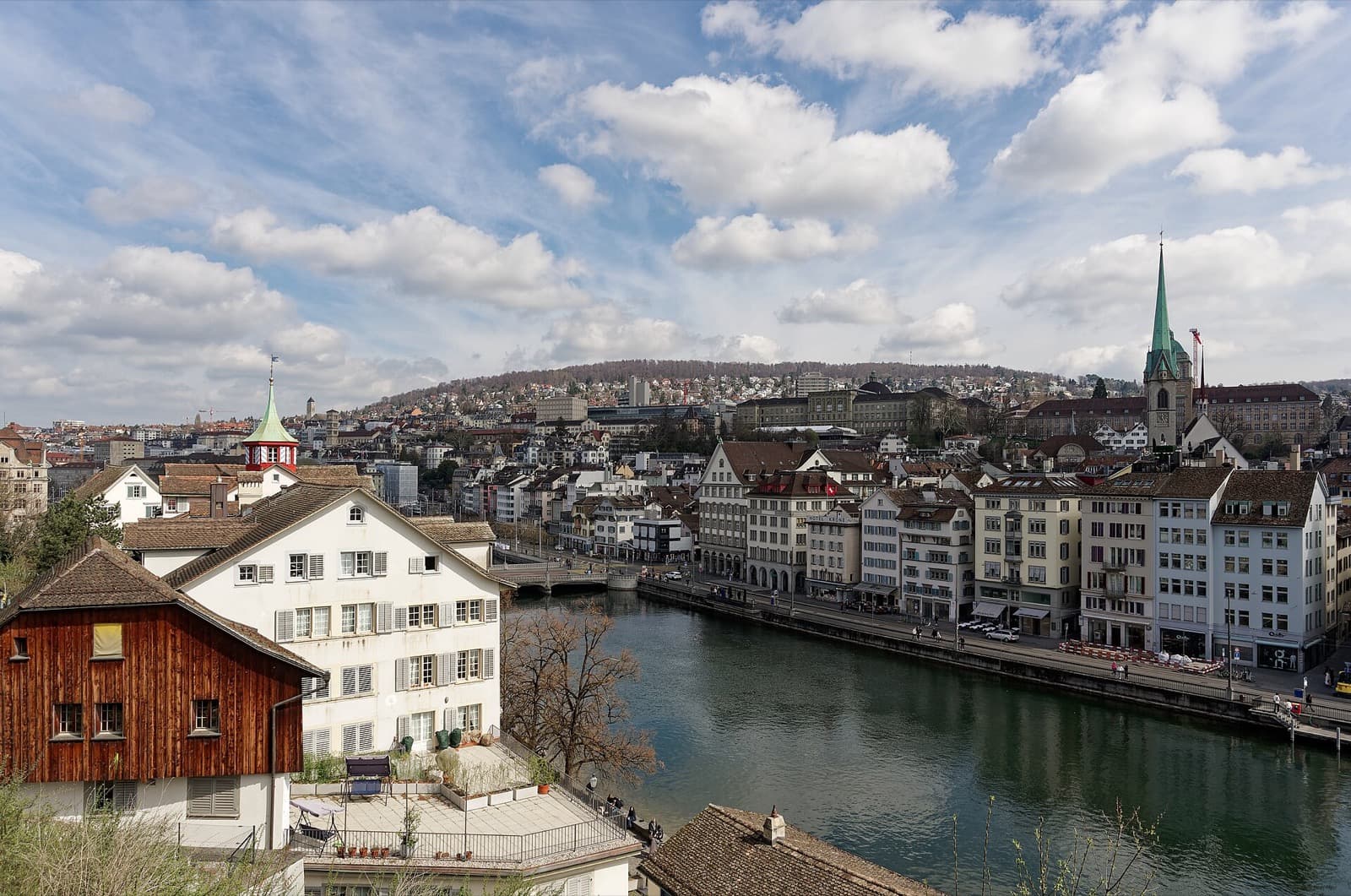
Two days is the honest answer for a first visit that covers the core on foot. Zurich's center is small: most major sights sit within a ten to fifteen minute walking radius, and it takes only about ninety minutes to loop the old town itself. That compactness is why the city rewards a walker.
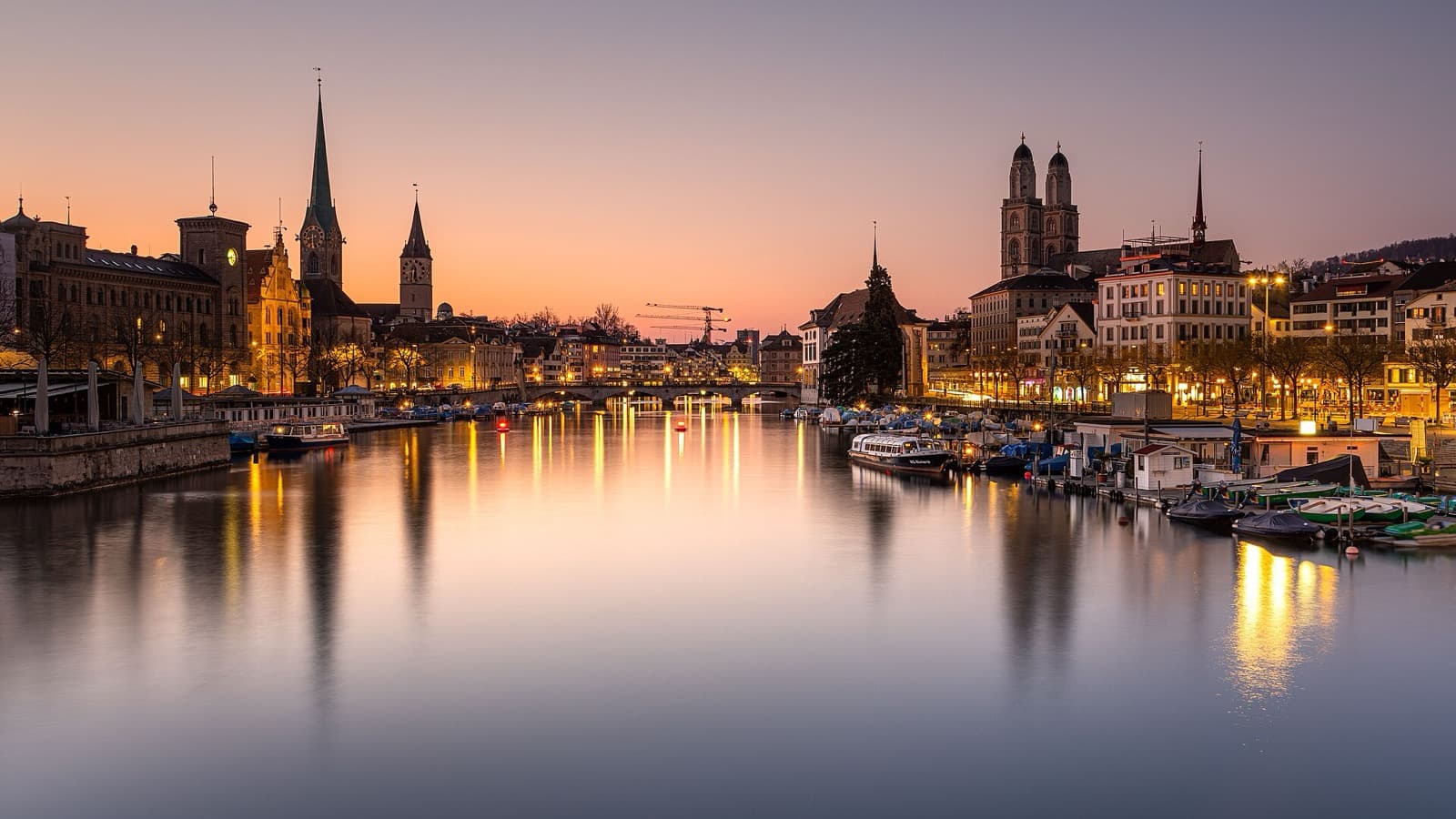
A workable two-day shape looks like this. Day one is the two banks of the Limmat: the medieval old town on the east side, then Bahnhofstrasse and the lake on the west. Day two is Zurich-West, the former industrial district north of the center, where old foundries and railway arches now hold markets, theaters, and galleries. Each of those maps to one of our routes. The Old Town: The City That Reformed Itself tour runs about 2.6 kilometers over seven stops and roughly 85 minutes, from the founding hill of Lindenhof past Sankt Peter and the Fraumuenster to the Grossmuenster where Huldrych Zwingli began the Swiss Reformation. The Bahnhofstrasse route follows the avenue from the main station down to the lake at Buerkliplatz, about 3 kilometers in around 90 minutes. The Zurich-West walk covers about 3.6 kilometers of the reborn factory quarter, also near 90 minutes.
If you only have one day, do the old town and Bahnhofstrasse together and save Zurich-West for next time. Three days lets you add a lake boat, a day trip toward Lucerne or the mountains, or simply a slower pace with longer pauses.
How do you get around Zurich?
Hear a stop from this walk
Rathaus: The Council House Standing on the River
Walk first, tram second. The center is genuinely pedestrian-friendly, and Bahnhofstrasse itself is almost fully pedestrianized apart from the trams that glide down it. For anything beyond walking distance, the ZVV network of trams, buses, S-Bahn trains, and lake boats is dense, punctual, and easy.
Tickets are zone-based. Zurich city is Zone 110, and a single trip inside it is billed as two zones. A 1 to 2 zone single ticket costs CHF 4.70 and is valid for one hour; a short-distance ticket (a few stops, half an hour) is CHF 2.80. If you plan several rides in a day, the 24-hour ticket for zones 1 to 2 is CHF 9.40, which pays for itself after two or three trips. You buy tickets from machines at every stop, in the ZVV app, or online, and you validate before boarding.
From the airport, take the train. Zurich Airport is in Zone 121, so airport to the main station (Hauptbahnhof) needs a 3-zone ticket at CHF 7.20. The ride is only about 10 to 12 minutes, with S-Bahn trains every few minutes. It is the fastest and cheapest way in, well ahead of a taxi.
For sightseeing, the Zürich Card can make sense. It gives unlimited travel on trams, buses, trains, and boats in the city zones plus free or reduced museum entry and some discounts. It costs CHF 29 for 24 hours and CHF 56 for 72 hours. Do the math against your plans: if you will ride transit a lot and enter a couple of museums, it earns its keep. If your days are mostly walking (which they will be if you follow these routes), a plain 24-hour ZVV ticket is often the better value.
When is the best time to visit?
Late spring through early autumn is the sweet spot, with June and September standing out. Those months bring mild days, often in the high teens to low twenties Celsius, and the light falls well on the Limmat and the lake. Spring (March through May) and autumn (September through October) also mean smaller crowds and gentler prices than peak summer.
Summer (June through August) is warm and popular, with averages around the mid-twenties Celsius, though it also sees the highest rainfall, so pack a light waterproof. Winter is cold, sometimes below freezing, with short days, but the old-town squares are at their calmest and the churches are quiet.
Two dates worth knowing. Sechseläuten, the spring festival where a snowman effigy called the Böögg is burned to forecast the summer, falls on the third Monday of April. The Street Parade, a large electronic-music event around the lake basin, lands in August during the warmest stretch. Both fill the city: come for them on purpose, or plan around them if you prefer quiet lanes.
Is Zurich safe?
Yes, Zurich is one of the safest large cities in Europe, and violent crime against visitors is very rare. You can walk the old town, the lakefront, and Zurich-West day or night with normal awareness and no special worry.
The realistic risk is ordinary opportunistic theft, not danger to you. Pickpocketing does happen in the predictable crowded places: Bahnhofstrasse, the main station, and packed trams. It targets inattention, so keep your bag closed and in front of you in crowds, keep your phone and wallet secure, and step out of the moving lane before you stop to check a map. Do that and the odds are firmly in your favor. On the routes here, the practical hazards are more mundane: fast trams and cyclists along the Limmatquai and old-town edges, and cobbles that turn slick after rain, so watch crossings and wear stable shoes.
What does a trip to Zurich cost?
Budget for Switzerland, not the eurozone. Zurich is expensive, and prices are in Swiss francs. Cards are accepted almost everywhere, so you rarely need cash, though a little is handy for a ticketed church tower or entrance.
Transport is the easy part. A 24-hour city transit ticket is CHF 9.40, or CHF 29 for the museum-inclusive Zürich Card. Many of the best things are free: the old-town squares, the riverside walks, and Lindenhof's view. The Grossmuenster interior is free to enter, and its Karlsturm tower climb carries a small fee in francs; the Fraumuenster now charges a modest entrance fee (around CHF 5, waived for worshippers, under-16s, students, and Zürich Card holders) that includes its crypt and the Chagall windows. Food and lodging are where the bill climbs, so plan those with Swiss prices in mind and lean on the free, walkable core for the rest.
That free, on-foot core is exactly what our self-guided audio tours are built for. You keep your own clock, linger where a stop catches you, and let the narration carry the history while you watch the city instead of a screen. Begin at the Zurich walking tours hub or head straight to /switzerland/zurich.
Sources
Frequently asked questions
- How many days do you need in Zurich?
- Two days covers the core on foot for a first visit. The center is compact, with most major sights within a ten to fifteen minute walking radius, and the old-town loop itself takes only about ninety minutes. Day one suits the old town plus Bahnhofstrasse and the lake, and day two suits the reborn Zurich-West factory district. One day works if you combine the old town and Bahnhofstrasse.
- How do you get from Zurich Airport to the city center?
- Take the train. Zurich Airport is in Zone 121, so a ticket to the main station (Hauptbahnhof) needs a 3-zone fare at CHF 7.20. The ride is only about 10 to 12 minutes, with S-Bahn trains running every few minutes. It is faster and far cheaper than a taxi.
- How much is public transport in Zurich?
- A single 1 to 2 zone ticket in Zurich costs CHF 4.70 for one hour, and a short-distance ticket is CHF 2.80. A 24-hour zones 1 to 2 ticket is CHF 9.40. The Zürich Card, which adds free or reduced museum entry, costs CHF 29 for 24 hours or CHF 56 for 72 hours. Note that Zurich city is Zone 110 and a single in-city trip is billed as two zones.
- Is Zurich safe for tourists?
- Yes, Zurich is consistently ranked among the safest large cities in Europe, and violent crime against visitors is very rare. The realistic risk is opportunistic pickpocketing in crowded spots like Bahnhofstrasse, the main station, and packed trams. Keep your bag closed and in front of you in crowds and you will be fine day or night.
- What is the best time to visit Zurich?
- Late spring through early autumn is best, with June and September standing out for mild days and good light. Spring and autumn bring smaller crowds and lower prices, while summer is warm and popular but sees the most rain. Winter is cold and can drop below freezing, but the old-town squares are at their calmest.
- Is Zurich expensive to visit?
- Yes, Zurich is expensive and prices are in Swiss francs, not euros. Transport is affordable, with a 24-hour city ticket at CHF 9.40, and many highlights are free, including the old-town squares, riverside walks, and the Grossmuenster interior. Food and lodging are where the cost climbs, so plan those with Swiss prices in mind.
Ready to experience it?
Old Town: The City That Reformed Itself
85 min · 2.6 km · moderate
More from Zurich
Explore more at your own pace.
One Day in Zurich: A Walkable Itinerary from Old Town to the Lake
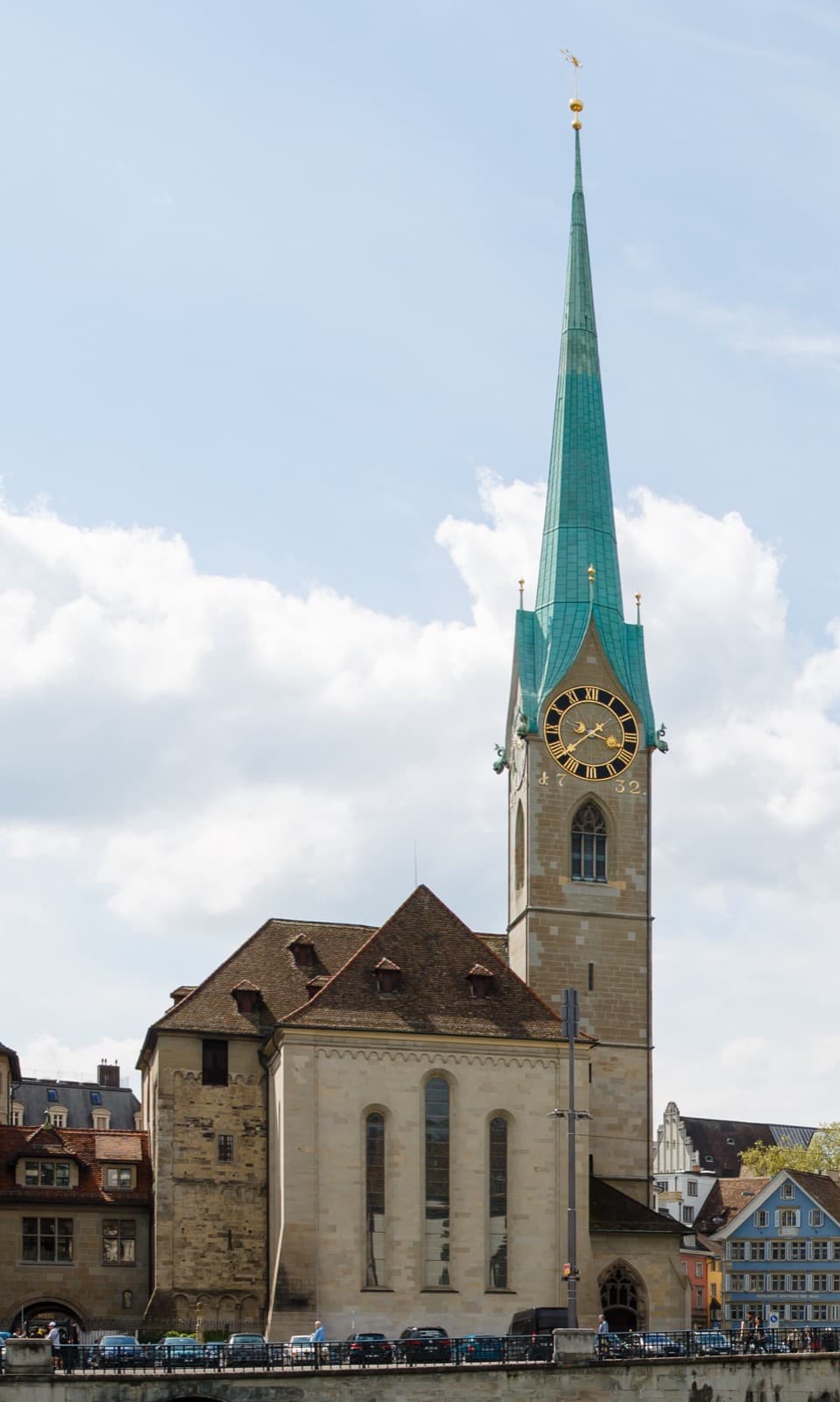
Zurich: The City That Reformed Itself
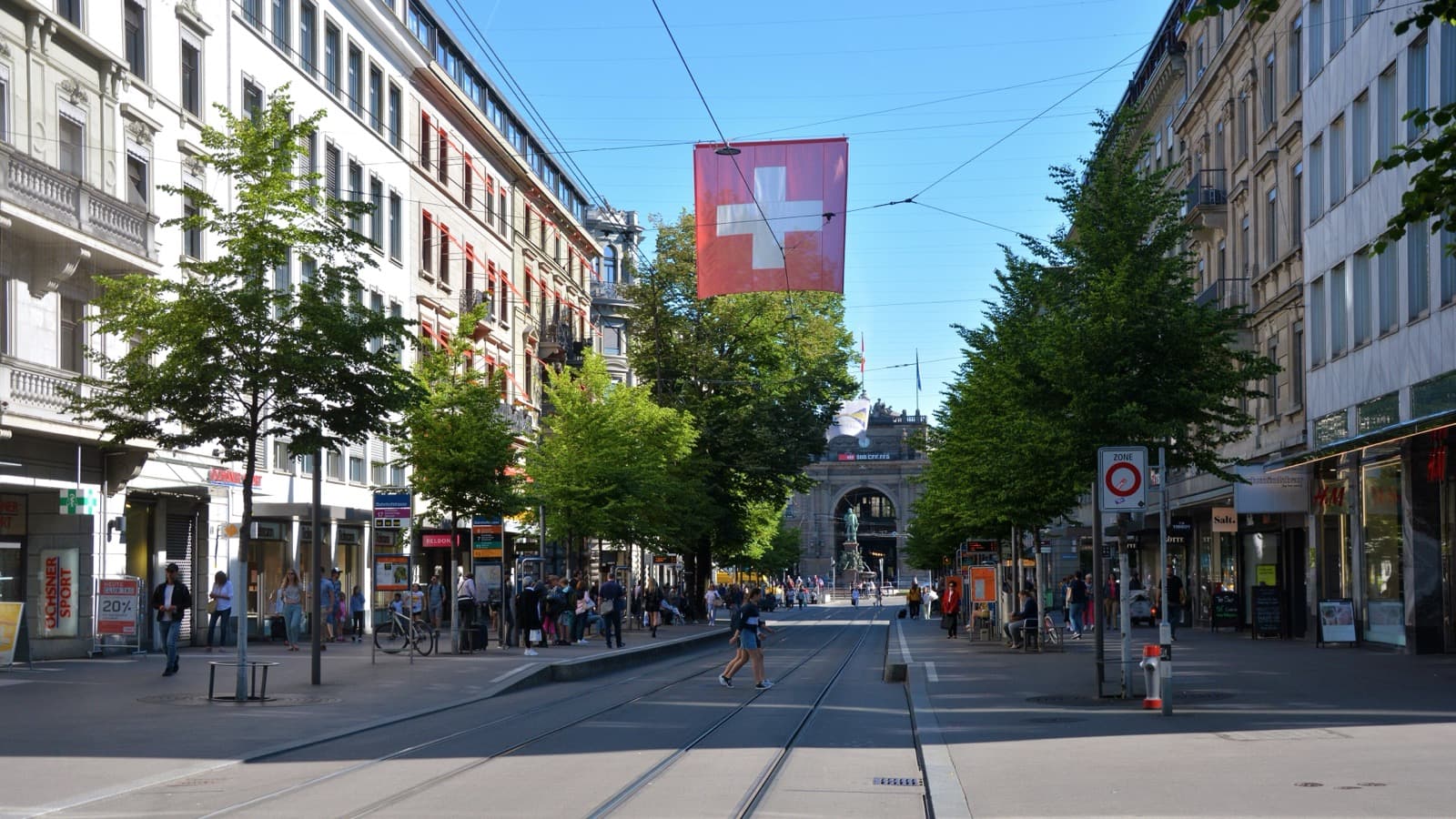
Bahnhofstrasse: The Moat Beneath Zurich's Street of Gold
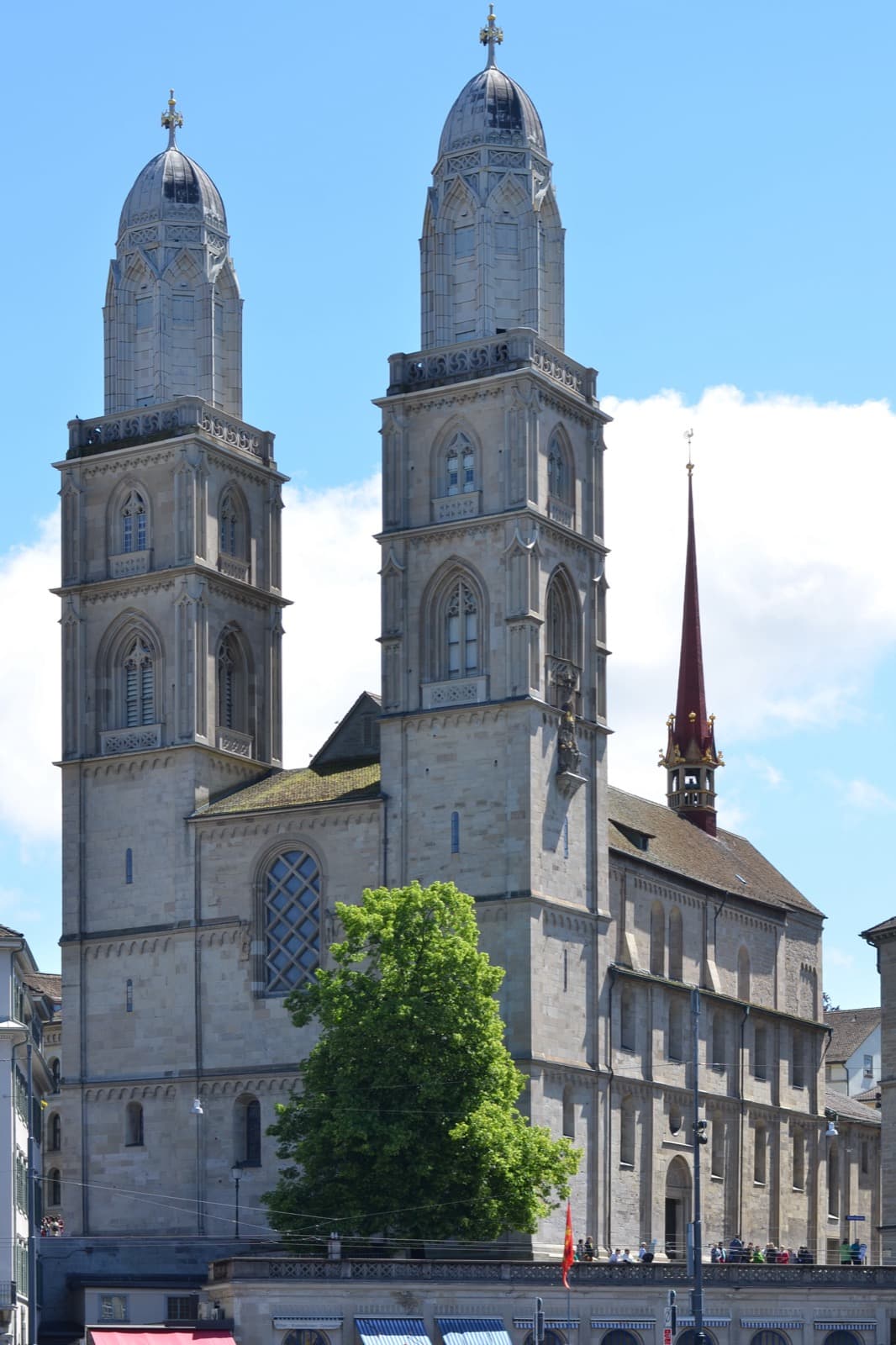
The Grossmünster and the City That Emptied Its Own Churches
Fraumünster: The Abbey of Ruling Women That the Reformation Emptied and Chagall Refilled