Old Town: Walking the Sultan's Sacred Line
150 min · 6 km · moderate
Yogyakarta rewards two to three unhurried days: one in the walkable old town around the Kraton and Malioboro, and one or two more for the day trips out to Borobudur and Prambanan. That is the honest shape of a first visit. The city itself is compact and flat, the two great temples sit well outside it in opposite directions, and the heat sets the rhythm of every day. Plan around those three facts and the rest falls into place.
This guide answers what travelers actually search before they come: how many days, how to get around, when to go, whether it is safe, and roughly what it costs. Every price and detail below was checked against 2026 sources, and where a number moves around, I have said so rather than pretend it is fixed.
How many days do you need in Yogyakarta?
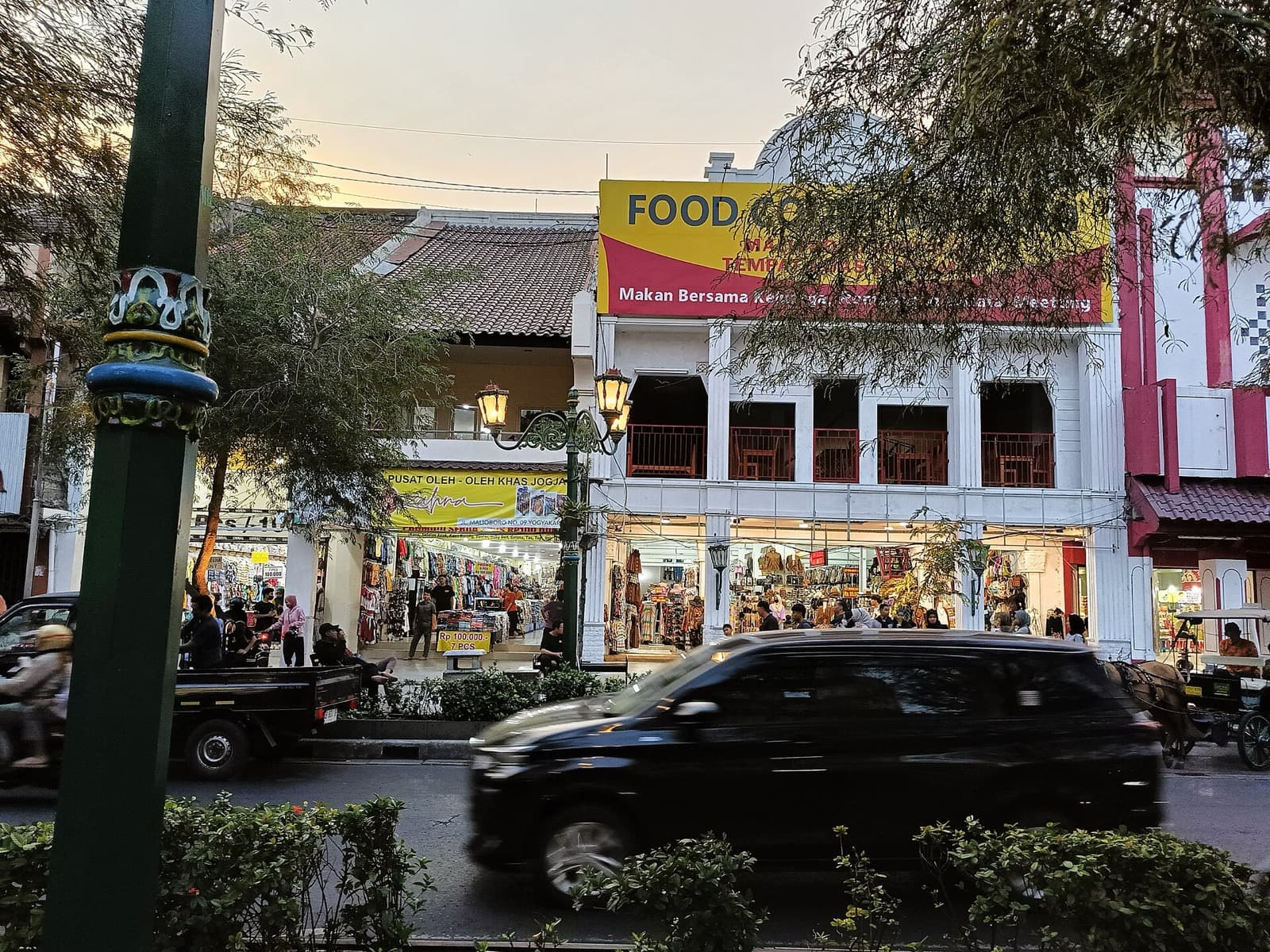
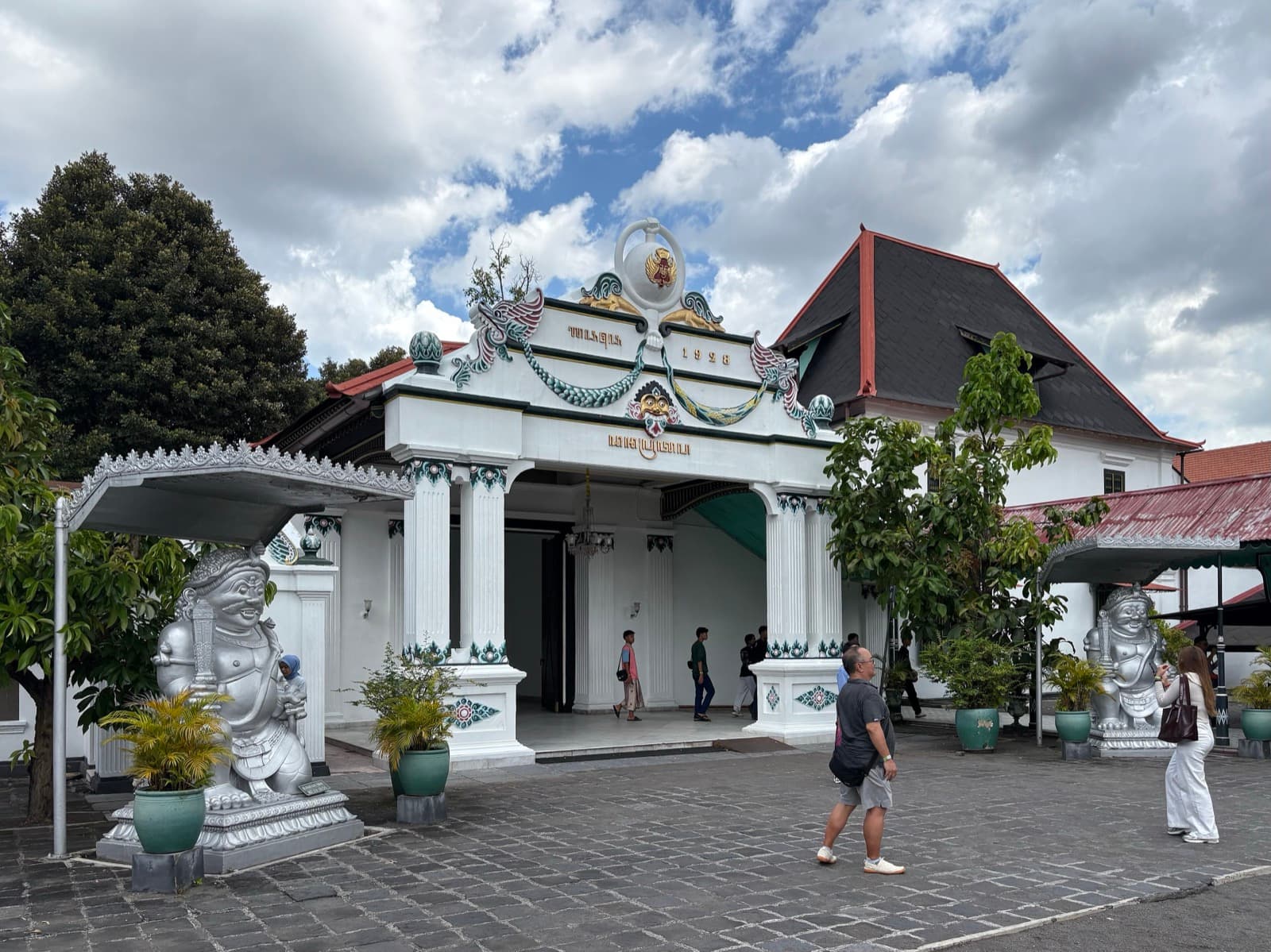
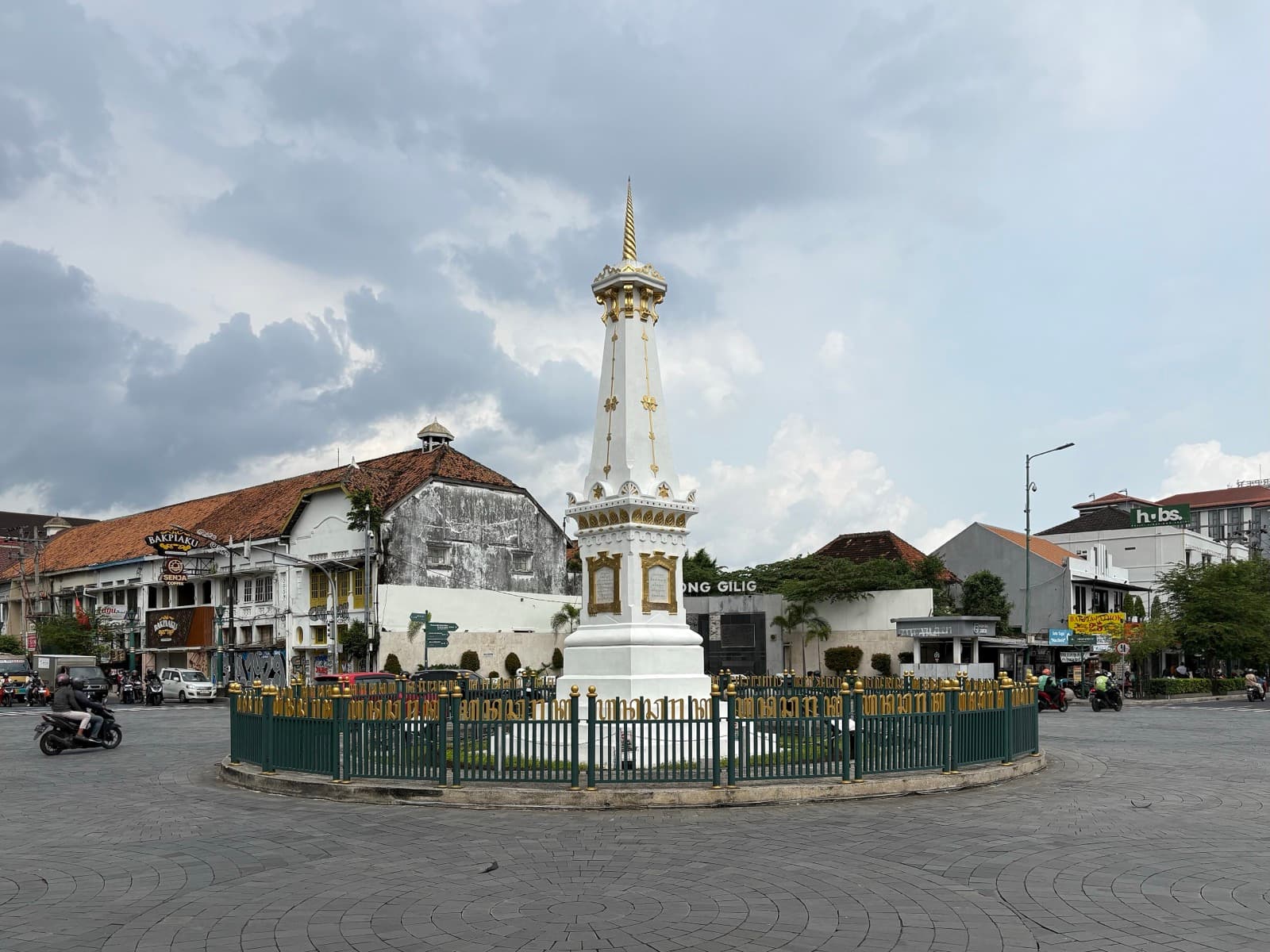
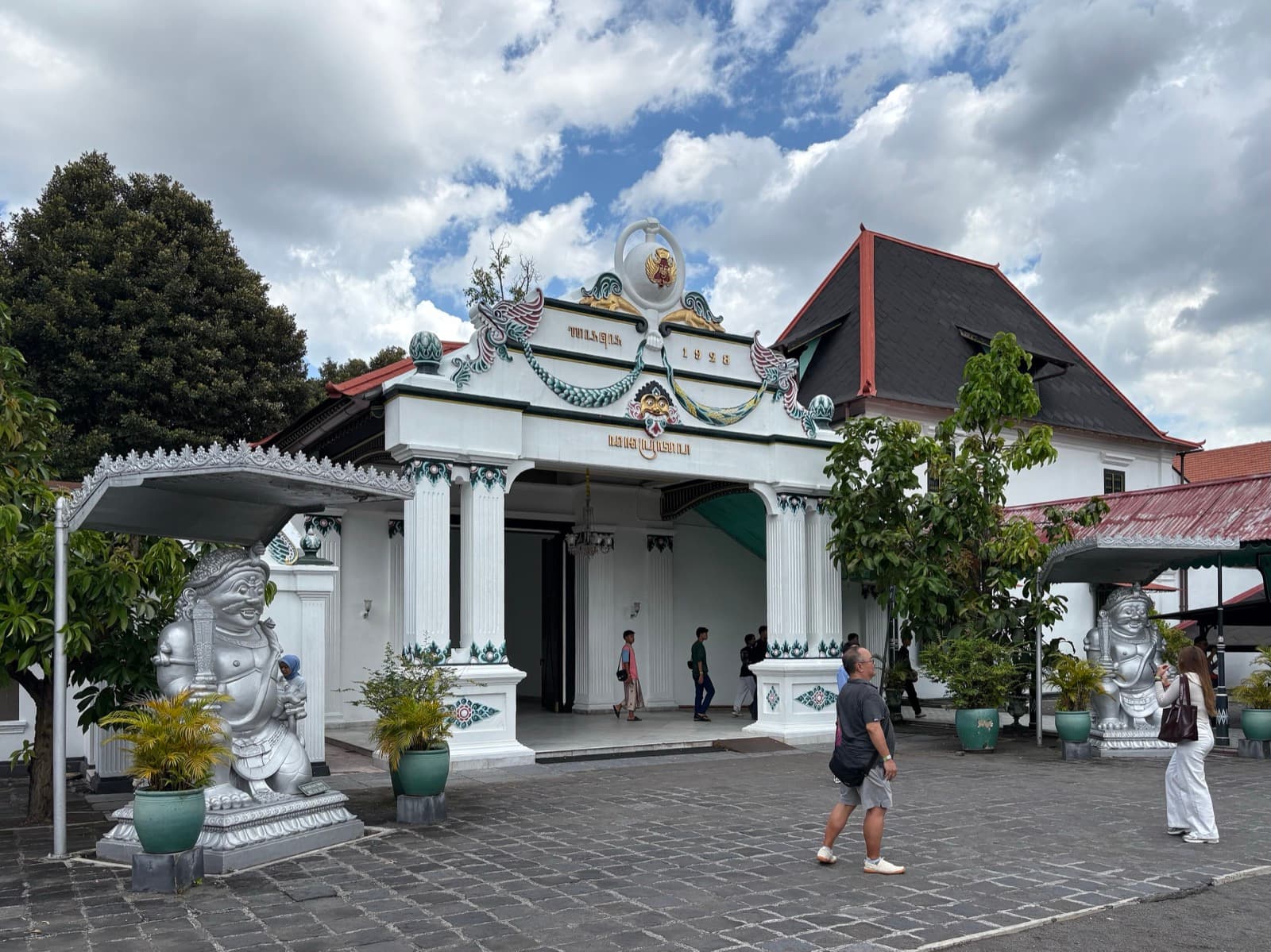
Two full days is the sensible minimum, three is comfortable. Here is why the math works out that way. The historic core is small enough to see on foot in a single morning-to-evening walk, from the Tugu pillar in the north down the sacred axis through Malioboro, Fort Vredeburg, the Kraton palace, and the water castle at Taman Sari. Our self-guided old town tour covers exactly that line as a walk of roughly six kilometers, and it is the one day that needs no car.
Borobudur and Prambanan each eat most of a day, and they lie in opposite directions: Borobudur about forty kilometers northwest, Prambanan about seventeen kilometers east. You can technically pair one temple with a half day in town, but combining both temples into a single day means a lot of driving and very little lingering. If you have three days, give each temple its own morning and keep the afternoons loose. If you only have two, pick the one temple that pulls you more (Borobudur for the Buddhist mountain of merit, Prambanan for the tall Hindu towers to Shiva) and save the other for next time.
A rough three-day frame: day one, the old town axis on foot; day two, an early start for Borobudur; day three, Prambanan at opening followed by an easy afternoon back in the city. See the full set on the Yogyakarta walking tours hub.
How do you get around Yogyakarta?
Hear a stop from this walk
Alun-Alun Kidul: Where the Sacred Line Meets the Everyday
Inside the city, ride-hailing apps do almost everything you need. Gojek and Grab both operate across Yogyakarta, for cars and for motorbike taxis, and fares are low and metered in-app so there is nothing to haggle over. Short hops across the center run in the low tens of thousands of rupiah. For the old town walk itself you need no transport at all, which is part of the appeal.
The becak, the pedicab you will see everywhere along Malioboro, is a pleasant short-distance option and part of the street's character, but always agree the fare clearly before you set off. There is also the TransJogja city bus, a cheap fixed-route system at only a few thousand rupiah a ride, useful if you want the local experience but slower than an app car.
From the airport, note that most international and many domestic flights now use Yogyakarta International Airport (YIA), which sits about forty-five kilometers west of the city, not on its doorstep. The cheapest and often fastest link is the airport train to the central Tugu station, roughly forty minutes for about twenty thousand rupiah. A DAMRI shuttle bus is a low-cost alternative, though it runs a higher fare than the train and takes longer in traffic, and Gojek or Grab pick up at designated airport zones if you would rather go door to door.
For the two temples, arrange your own car or a driver for the day rather than joining a fixed group departure. That is the whole point of doing these self-guided: you arrive on your own clock and leave when you are done, not when a van is ready.
When is the best time to visit?
Come in the dry season, roughly May through September, for the most reliable weather, and start early on any given day whatever the month. Yogyakarta sits close to the equator, so midday sun is strong and the temple terraces and the open axis through town offer almost no shade. Early morning, from about seven to ten, and the late afternoon into evening are far more comfortable for walking. The wet season, broadly October through April, brings sudden heavy downpours, so carry a light rain layer if you travel then.
Timing also matters for the sites themselves. Borobudur opens around six in the morning with last entry in the late afternoon, and the earlier you arrive the more of the stone you have to yourself before the tour crowds build. Prambanan runs Tuesday to Sunday from about half past six, with the inner courtyard around the three main towers closed on Mondays for maintenance. The Kraton palace in town also keeps daytime hours and closes on Mondays. Weekdays are noticeably calmer than weekends and Indonesian public holidays at all three.
Is Yogyakarta safe?
Yes, for most travelers Yogyakarta is a comfortable, low-risk place to visit, with the usual caveats of any busy destination. Violent crime against tourists is uncommon. The realistic concerns are petty and avoidable: pickpocketing and occasional motorbike bag-snatching in the densest crowds, especially along Malioboro Street, in markets, and at transport hubs. Keep your bag zipped and in front of you, keep your phone out of a back pocket, and stay aware in the evening crush.
The one scam worth naming is the batik gallery routine around Malioboro. A friendly, well-spoken man strikes up a conversation, mentions a student art exhibition or a gallery closing that day, and steers you toward an unmarked shop where paintings are sold at steep, non-negotiable prices. It is not dangerous, just a waste of money. A polite, firm no and walking on is all it takes. If you want to buy batik, do it at established markets like Pasar Beringharjo rather than a gallery someone led you to.
On natural hazards, be aware and check the current situation before you go. Mount Merapi, one of Indonesia's most active volcanoes, sits about twenty-eight kilometers north of the city and is monitored constantly. Its alert level was raised during 2026, with periods of eruptive activity, so read the latest official status and any posted advisories before arranging volcano-side excursions, and follow guidance on how close visitors may approach. The city itself continued normal operations through these episodes, but conditions can change. The wider region is seismically active, and a major earthquake struck the area in 2006, badly damaging Prambanan and forcing years of restoration, which is why some parts of the compound have carried closures and repair work since. Follow posted closures and do not climb into cordoned areas.
What does a Yogyakarta trip cost?
The city is inexpensive by international standards, and the biggest single line items are the two temple tickets. Here is what to budget in 2026.
Borobudur has a split ticket. Walking the grounds and lower terraces costs foreign adults around 412,500 rupiah, roughly twenty-five to thirty US dollars. Climbing the upper terraces of the monument is a separate, quota-limited ticket at around 455,000 rupiah, which includes a mandatory guided session of about ninety minutes and the woven Upanat sandals that protect the ancient stone. Climb slots are capped at 1,200 people a day and sell in advance, so book ahead if reaching the summit matters to you. If you skip the climb, the grounds ticket still shows the shape and meaning of the whole monument, and our Borobudur tour is written to work from the lower level.
Prambanan is simpler: foreign adults pay around 400,000 rupiah, and that single ticket includes nearby Sewu temple, the quieter Buddhist complex most tour groups skip. A combined ticket adding the Ratu Boko palace runs higher, around 675,000 rupiah. In town, Fort Vredeburg is around ten thousand rupiah, and the Kraton and Taman Sari are modest, on the order of fifteen thousand rupiah each for foreign visitors, though Taman Sari has crept a little higher recently. Carry small rupiah cash for these.
Beyond tickets, everyday costs are low: app rides across town in the tens of thousands of rupiah, street food and warungs cheap, and a wide range of guesthouses and hotels. A single self-guided visitor moving at their own pace can see the whole city and both temples for far less than a packaged group tour, and without a fixed schedule. Start with the Yogyakarta walking tours hub to line up which routes fit your days.
Sources
- Borobudur Tickets 2026: Sunrise Price and Official Access (Java Tourism)
- Prambanan Temple Guide 2026: Ticket Price, Opening Hours, How to Get There (Borobudur Sunrise Tour)
- Yogyakarta Airport to City Centre: Schedule, Prices and Travel Time 2026 (Gecko Routes)
- Global Volcanism Program: Merapi Activity Reports 2026 (Smithsonian Institution)
- How to Avoid the Batik Art Gallery Scams in Yogyakarta (Guide Your Travel)
Frequently asked questions
- How many days do you need in Yogyakarta?
- Two full days is the sensible minimum and three is comfortable. One day covers the walkable old town axis on foot, from the Tugu pillar through Malioboro to the Kraton and Taman Sari. The other one or two days are for Borobudur (about forty kilometers northwest) and Prambanan (about seventeen kilometers east), which sit in opposite directions and each take most of a day.
- How do you get around Yogyakarta?
- Ride-hailing apps Gojek and Grab handle most in-city travel, for both cars and motorbike taxis, with low in-app fares and no haggling. The becak pedicab is fine for short hops if you agree the fare first, and the TransJogja bus is a cheap fixed-route option at a few thousand rupiah a ride. The old town walk needs no transport at all.
- How much does Borobudur cost in 2026?
- Borobudur uses a split ticket for foreign adults. Grounds and lower terraces run around 412,500 rupiah, and climbing the upper terraces is a separate quota-limited ticket at around 455,000 rupiah that includes a roughly ninety-minute guided session and protective Upanat sandals. Climb slots are capped at 1,200 people a day and should be booked in advance.
- How much is the Prambanan entrance fee?
- Foreign adults pay around 400,000 rupiah, and that single ticket includes the nearby Sewu temple complex at no extra cost. A combined ticket that adds the Ratu Boko palace costs more, around 675,000 rupiah. The site opens Tuesday to Sunday from about half past six in the morning, with the inner courtyard closed on Mondays.
- Is Yogyakarta safe for tourists?
- Yes, Yogyakarta is a comfortable, low-risk destination for most travelers, with violent crime against tourists uncommon. The realistic concerns are pickpocketing in crowds along Malioboro and a batik gallery sales scam near the same street, both easily avoided by staying aware and declining unsolicited gallery invitations. Mount Merapi to the north is monitored, and its alert level has been elevated during 2026, so check the current status and any posted advisories before booking volcano-side day trips.
- When is the best time to visit Yogyakarta?
- The dry season, roughly May through September, gives the most reliable weather, and starting early any day beats the strong midday sun since the temples and old town axis have little shade. Weekdays are calmer than weekends and Indonesian holidays. In the wet season, October through April, carry a light rain layer for sudden downpours.
Ready to experience it?
Old Town: Walking the Sultan's Sacred Line
150 min · 6 km · moderate
More from Yogyakarta
Explore more at your own pace.
One Day in Yogyakarta: A Walkable Itinerary
The Kraton at the Center: How Yogyakarta Was Drawn as a Single Straight Line
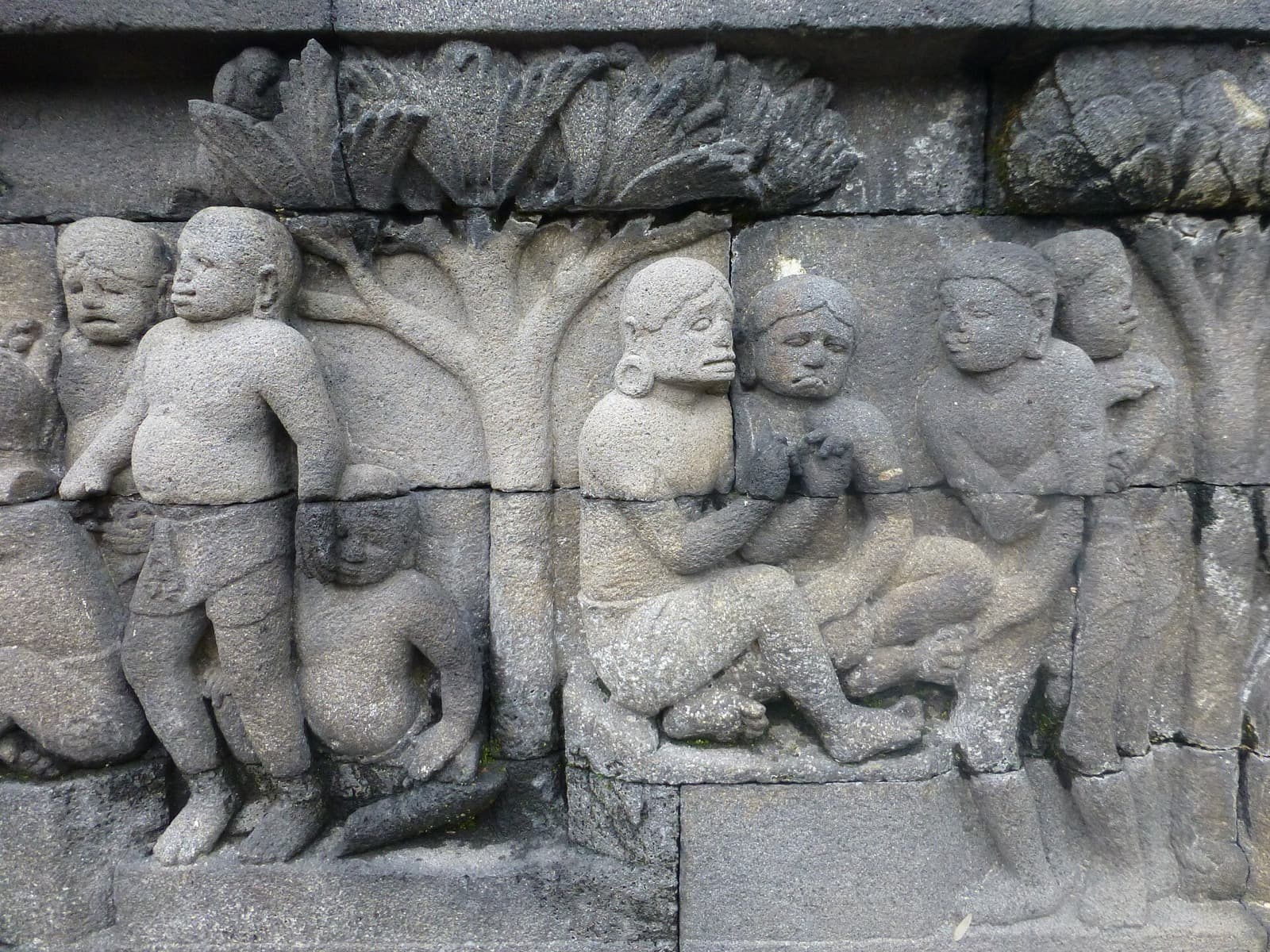
The Rupadhatu Galleries: How to Read Borobudur's 2,670 Carved Panels
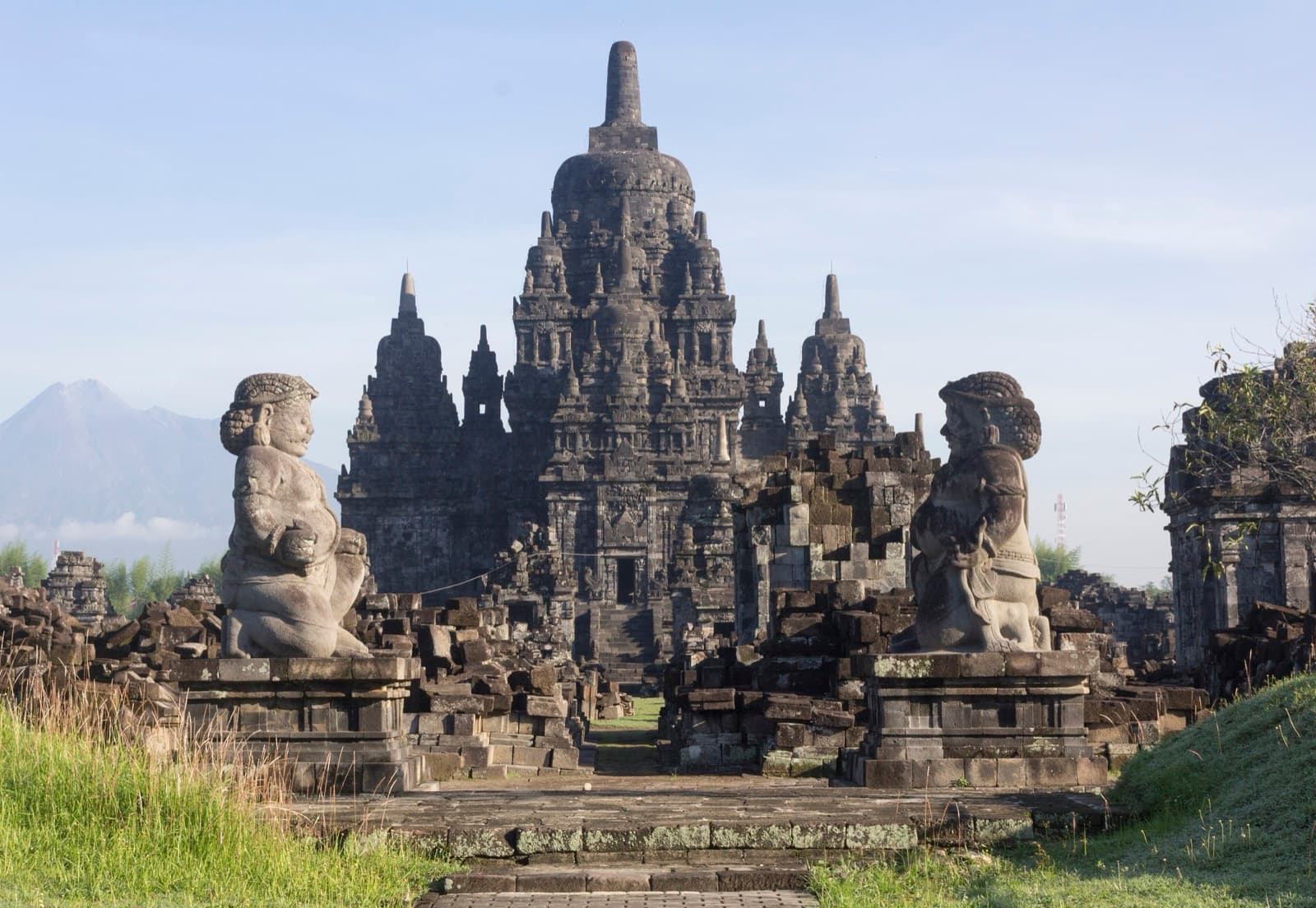
Candi Sewu: The Buddhist "Thousand Temples" That Number 249
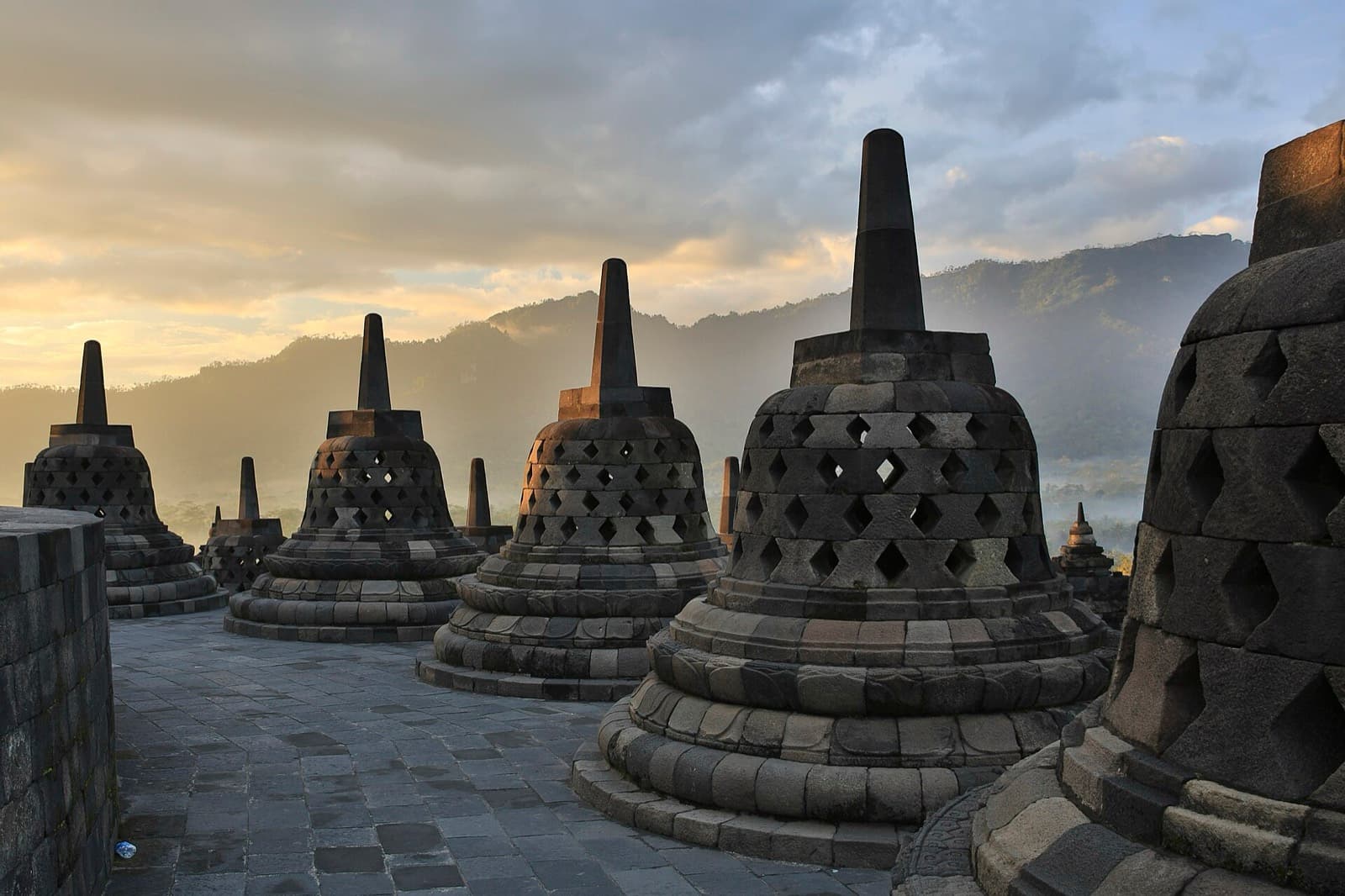
The 72 Perforated Stupas of Borobudur: Why the Buddha Is Half-Hidden