The Royal Route: The Coronation Way
150 min · 4.8 km · moderate
What to eat in Prague, starting with the plate that defines the city
Order svíčková, a slice of beef under a smooth root-vegetable and cream sauce with bread dumplings, and you have eaten the dish Czechs treat as the flag of their kitchen. Prague food is Central European comfort cooking built on pork, beef, dumplings, cabbage, and lager beer. Most of the regional dishes worth ordering are hearty, cheap by Western European standards, and meant to be eaten slowly with a half-litre of pale beer beside them. This guide covers the specific dishes, where each tradition comes from, and how to order like a local rather than getting steered toward the sugar-dusted pastry that tourists mistake for Prague's classic.
Once you know what to look for, the eating fits naturally around a walk. The Prague Royal Route tour crosses the Old Town, Charles Bridge, and the castle hill, which is exactly the corridor where you will pass the most food, so plan lunch as a mid-walk stop rather than a separate errand. More routes are listed on the Prague walking tours hub.
Svíčková: the dish Czechs call their own
Hear a stop from this walk
St. Vitus Cathedral: The Crowning Church
Svíčková na smetaně is the sit-down meal to try first. It pairs a slice of marinated beef sirloin with a thick sauce made from carrot, parsley root, celeriac, and onion blended with cream, then finished with a spoon of whipped cream, a stripe of cranberry compote, and a stack of houskové knedlíky, the soft white bread dumplings that soak up sauce. Czech tradition credits the modern cream version to a nineteenth-century Czech cook, and the dish now reads as the national special-occasion plate. It is sweet, sour, and rich at once, so order it hungry.
Vepřo knedlo zelo and goulash: the everyday classics
If svíčková is the Sunday plate, vepřo knedlo zelo is the weekday one: roast pork, bread or potato dumplings, and sauerkraut, a trio that shows the strong German imprint on Czech cooking. Ask for it by that full singsong name and you will get a knowing nod.
Guláš is the other pillar. Hungarian herders brought goulash into the Czech lands centuries ago, but the Czech version parted ways with the Hungarian one: where Hungarian gulyás is a soup, Czech guláš is a thick beef stew served as a main course with bread dumplings and raw sliced onion on top. Order it as hovězí guláš (beef goulash) and you are safely on the classic.
The cheap, fast, and snackable
Not every Prague meal is a plate of meat and gravy. A few things to eat on the go or as a light bite:
- Smažený sýr: a thick slab of cheese (often Edam or the soft Hermelín) breaded and deep-fried, served with tartar sauce and potatoes or in a bun. It is a Czech and Slovak staple, cheap, and a reliable vegetarian option in a meat-heavy cuisine.
- Chlebíčky: open-faced sandwiches on a slice of white bread, layered with potato salad, ham, egg, cheese, and a pickled cucumber. Buy them by the piece at a lahůdky (delicatessen) counter for a light lunch.
- Koláče: round yeast pastries with sweet fillings of fruit, sweet curd (tvaroh), or poppy seed. This is the genuine Czech sweet, sold in bakeries, not the spit-roasted tube pushed at tourists.
About that spit-roasted pastry (trdelník)
You will see trdelník everywhere in the Old Town: a ring of dough spun on a spit, rolled in sugar and cinnamon, often filled with ice cream. It is worth knowing that it is not a traditional Prague dish. Trdelník traces to the historical Kingdom of Hungary and Transylvania and reached eastern Moravia in the eighteenth and nineteenth centuries, where it was long known as a Slovak or Moravian sweet. The related Skalický trdelník, from the Slovak town of Skalica, holds a European Union protected geographical indication registered in 2007. In Prague itself the pastry was essentially unknown until the 1990s and only proliferated as a street snack from the early 2000s. Czech locals, including journalist Janek Rubeš, have publicly called out the vendors who sell it as an ancient Bohemian specialty. Enjoy it as a warm sugary treat if you like, just do not believe the "old Prague" sign above the stall.
The beer, and how to order it
Beer is not a side note in Prague, it is the reason many dishes exist. The pale golden lager the whole world drinks was invented an hour west of the city: the Pilsner Urquell brewery in Plzeň brewed the first pale lager on the fifth of October 1842, the work of Bavarian brewer Josef Groll, and the style spread so far that most beer made on earth today descends from it. In Prague pubs you will drink it as Plzeňský Prazdroj, and in better spots as unpasteurized tankové (tank) beer.
Ordering like a local is simple once you know the moves:
- Say hello first. Dobrý den by day, dobrý večer in the evening, then Pivo, prosím (beer, please) gets you the house pale lager.
- Sizes: velké is the large half-litre (0.5L), malé is the small 0.3L. Most locals drink velké.
- The tab is a slip of paper on your table. The server adds a tally mark for each beer and often brings a fresh one the moment your glass runs low.
- To stop, put a coaster on top of your glass or say Zaplatím (I'll pay). If you never signal, the beer keeps arriving.
- Tipping is customary but modest: rounding up to roughly 10 percent is normal and appreciated.
Time your eating around the walk and it all lines up. The Royal Route corridor and the Old Town Square area near the Astronomical Clock have the densest cluster of pubs and lunch spots. The quieter Josefov Jewish Town route and the Art Nouveau and Cubist architecture walk both sit a short stroll from the same Old Town kitchens, so you can pause for svíčková or a guláš mid-route without backtracking. Browse all three on the Prague walking tours hub.
Sources
Frequently asked questions
- What is the most traditional dish to eat in Prague?
- Svíčková na smetaně is the dish Czechs treat as their national classic. It is a slice of marinated beef sirloin under a smooth sauce of pureed root vegetables and cream, served with soft bread dumplings, a spoon of whipped cream, and cranberry compote. Czech tradition credits the modern cream version to a nineteenth-century Czech cook.
- Is trdelník a traditional Czech pastry?
- No. Trdelník traces to the historical Kingdom of Hungary and Transylvania and reached eastern Moravia in the eighteenth and nineteenth centuries as a Slovak or Moravian sweet. It was essentially unknown in Prague until the 1990s and only spread as a street snack from the early 2000s, so its billing as an ancient Bohemian specialty is a tourist myth.
- How do you order beer in a Prague pub?
- Greet the room with dobrý den or dobrý večer, then say Pivo, prosím for the house pale lager. Ask for velké for the 0.5 liter large or malé for the 0.3 liter small. The server keeps a tally on a paper slip and refills automatically, so put a coaster on your glass or say zaplatím when you want to stop and pay.
- What is the difference between Czech goulash and Hungarian goulash?
- Hungarian gulyás is a soup, while Czech guláš is a thick beef stew served as a main course. The Czech version comes with bread dumplings and raw sliced onion on top. Order it as hovězí guláš to get the beef classic.
- Where was Pilsner beer invented?
- The first pale lager was brewed at the Pilsner Urquell brewery in Plzeň, Bohemia, on the fifth of October 1842, by Bavarian brewer Josef Groll. The style spread worldwide, and most beer produced today is a pale lager descended from it. In Prague you drink it as Plzeňský Prazdroj, ideally as unpasteurized tank beer.
- What can vegetarians eat in Prague?
- Smažený sýr, a thick slab of breaded deep-fried cheese served with tartar sauce and potatoes, is the reliable vegetarian staple in a meat-heavy cuisine. Chlebíčky open-faced sandwiches and sweet koláče pastries also work as lighter meatless options, and fried cheese appears on most pub menus.
Ready to experience it?
The Royal Route: The Coronation Way
150 min · 4.8 km · moderate
More from Prague
Explore more at your own pace.
One Day in Prague: A Walkable Morning-to-Evening Itinerary
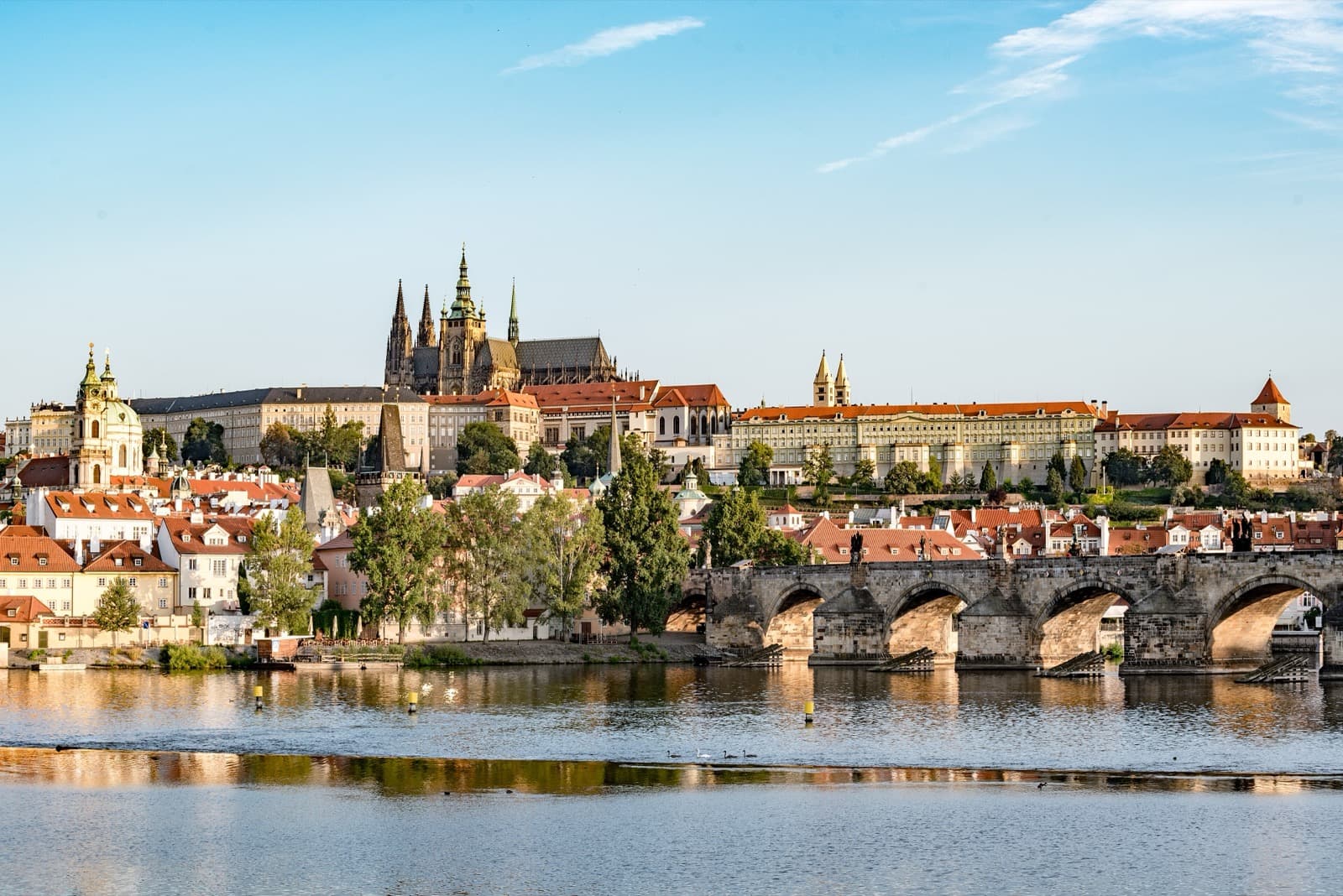
Prague's Layered City: The Coronation Route, Josefov, and a Modern Grammar
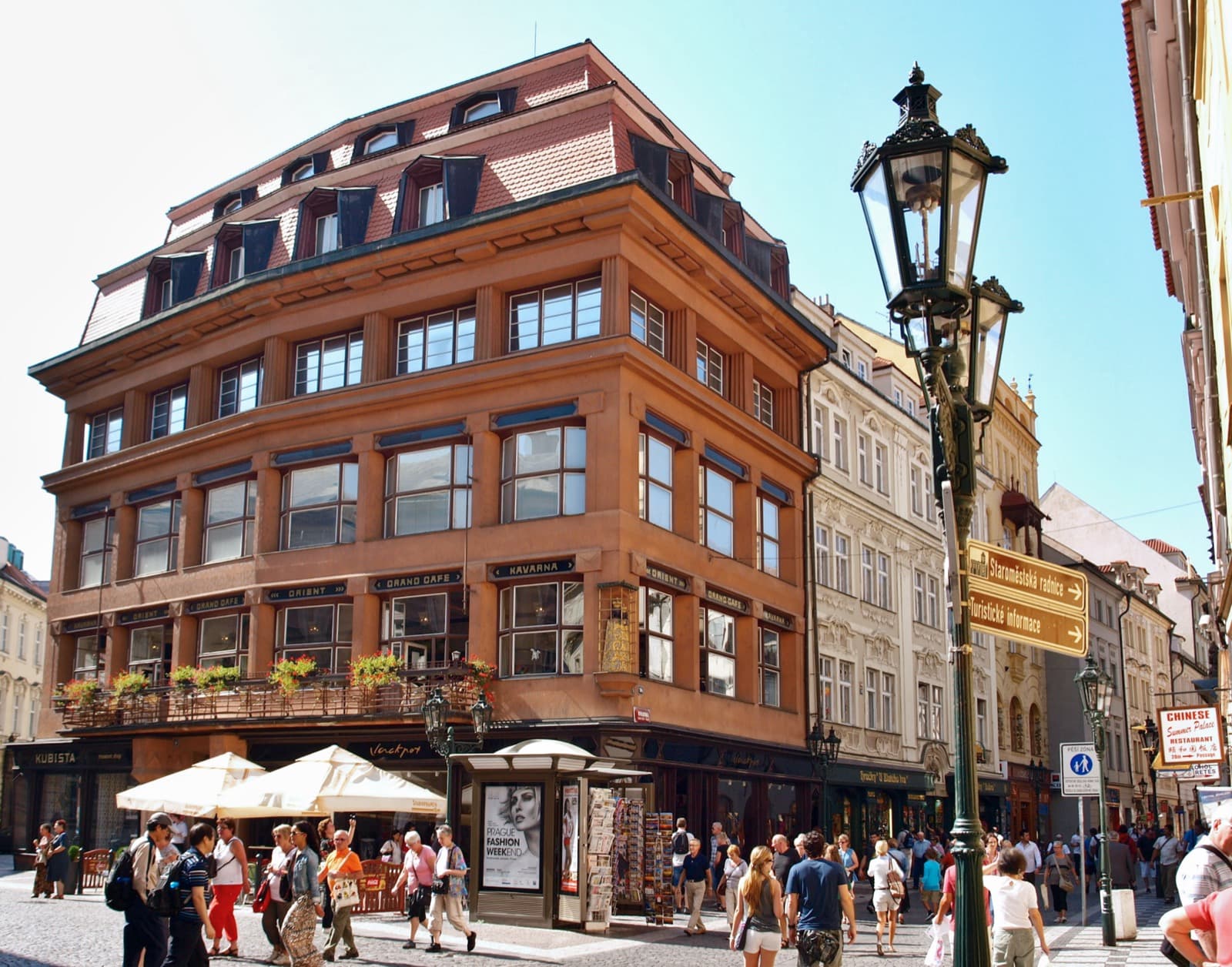
The House of the Black Madonna: How Prague Built Cubism Into a Wall
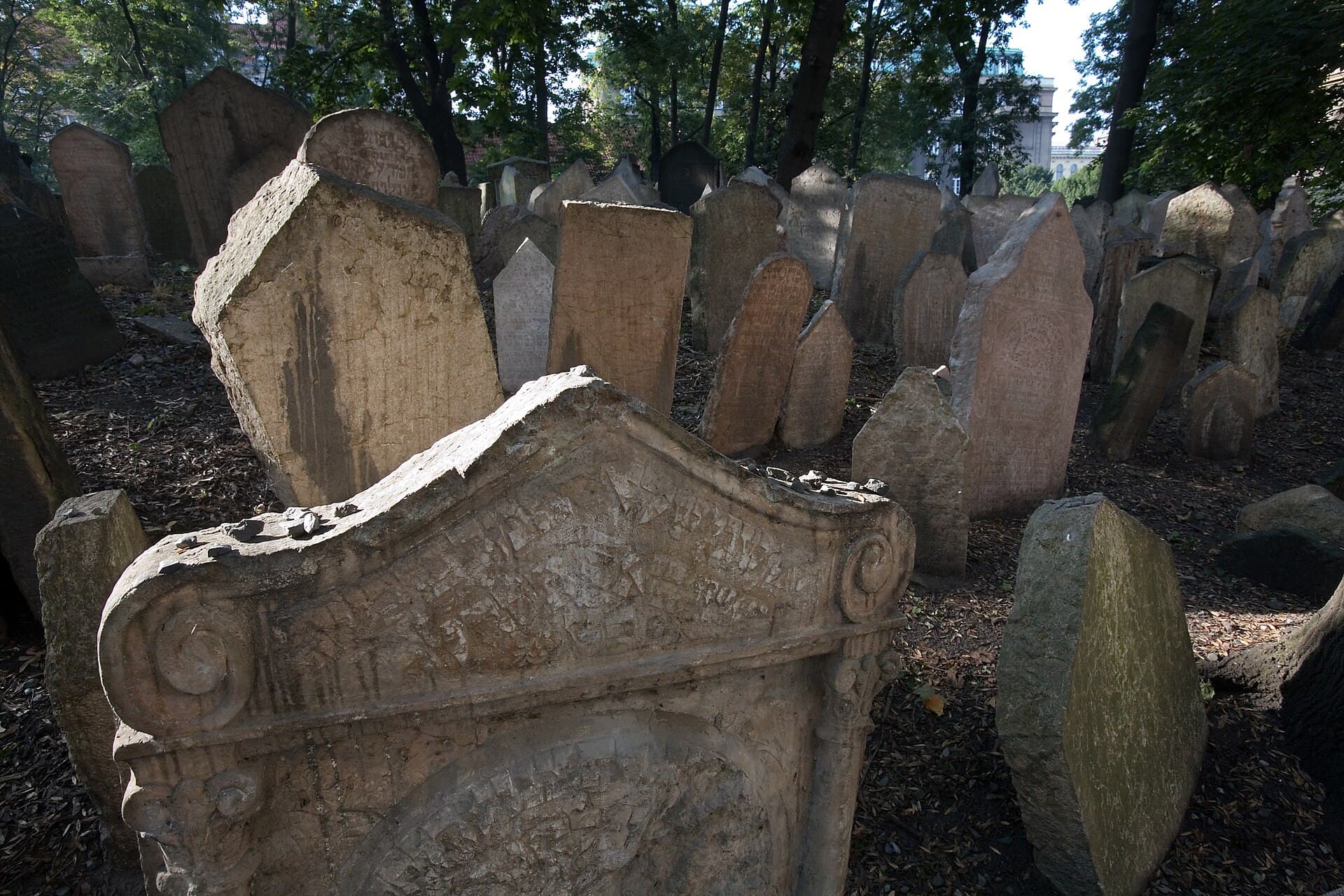
The Old Jewish Cemetery Reads Prague's Whole Confined Quarter
Charles Bridge: The Crossing Charles the Fourth Built to Last