The Royal Route: The Coronation Way
150 min · 4.8 km · moderate
Prague rewards walkers, and a well-planned trip answers five questions before you arrive: how many days you need, how to get around, when to come, whether it is safe, and what it costs. The short version: give the historic core three full days, skip the car entirely, aim for May or September, walk with the same everyday caution you would use in any busy capital, and budget for a city that stays affordable even as its center fills with visitors. Everything below is the practical detail behind those answers, checked against current 2026 sources.
How many days do you need in Prague?
Three days covers the essentials without rushing. The Old Town, the Jewish Quarter, Charles Bridge, the Lesser Town, and Prague Castle all sit inside a compact core you can cross on foot, and the pleasure of the city is in the walking, not the checklist.
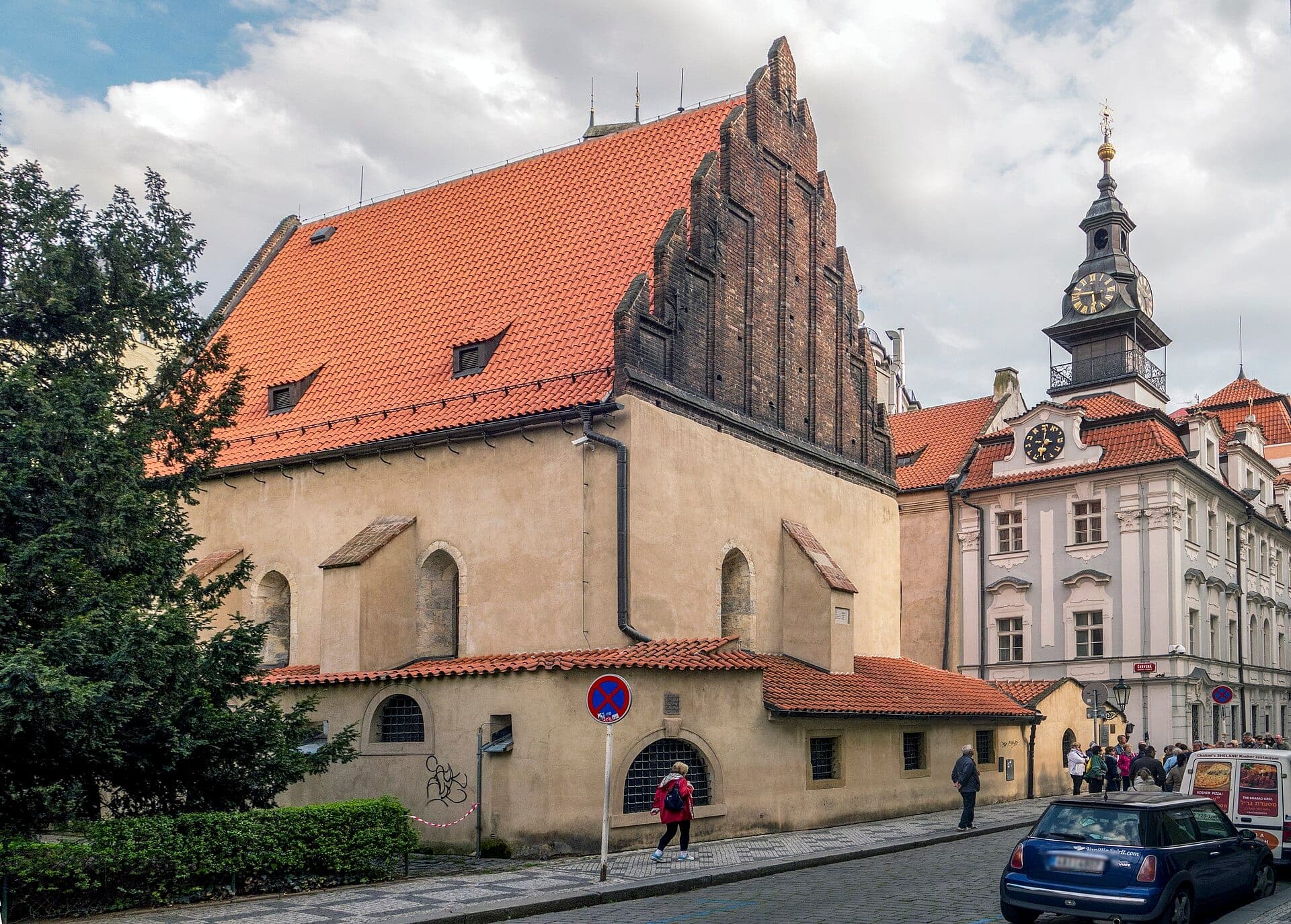
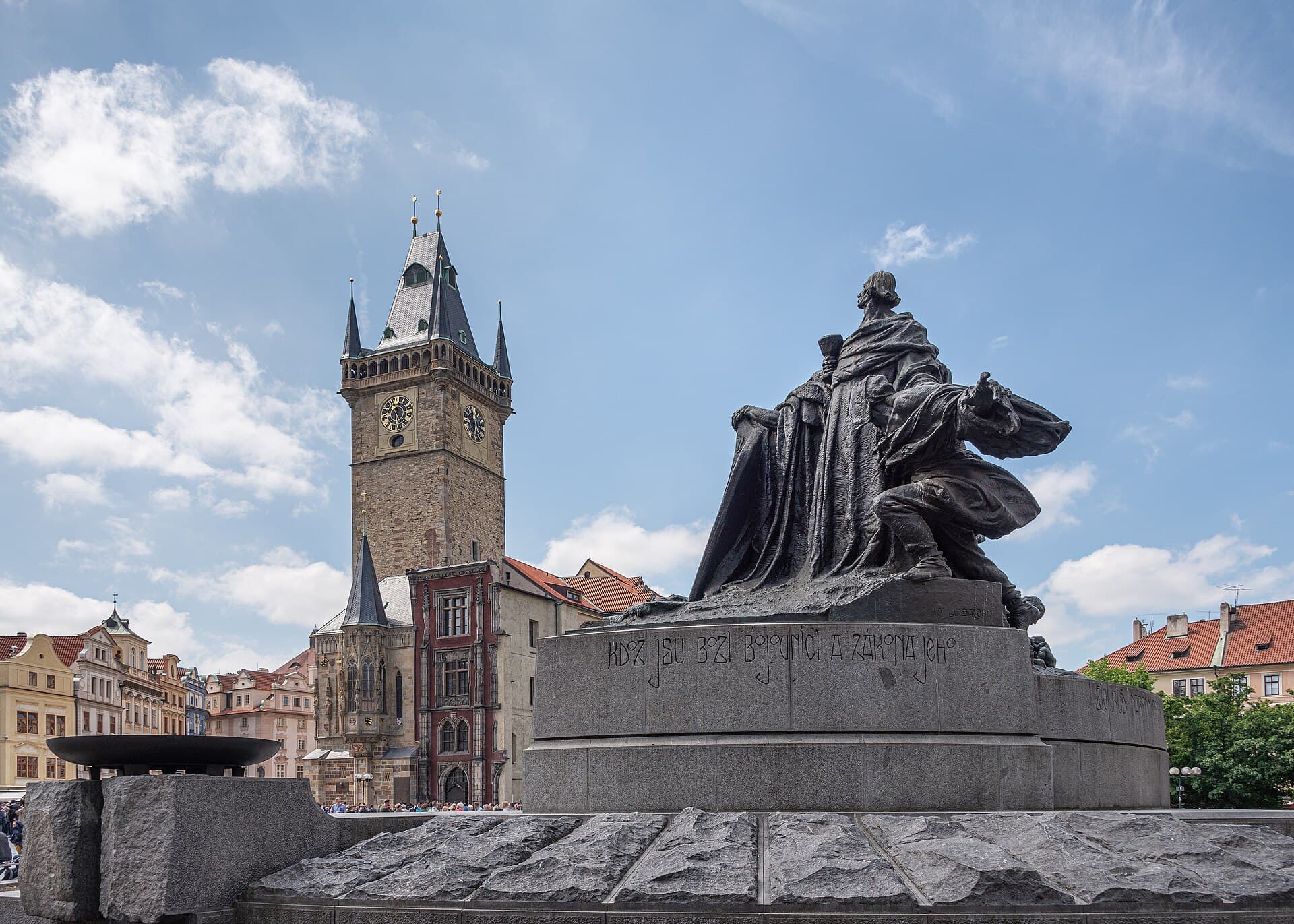
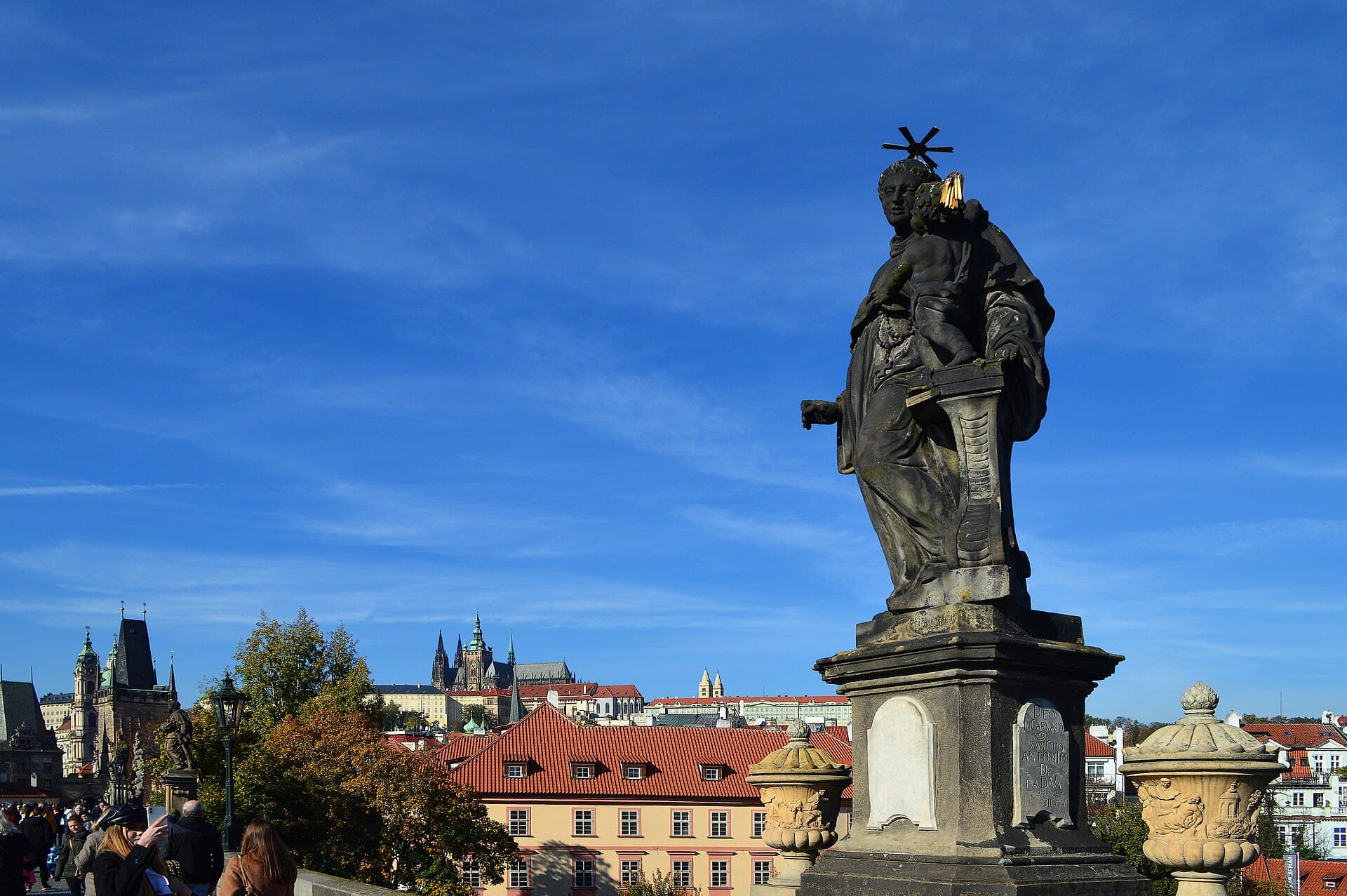
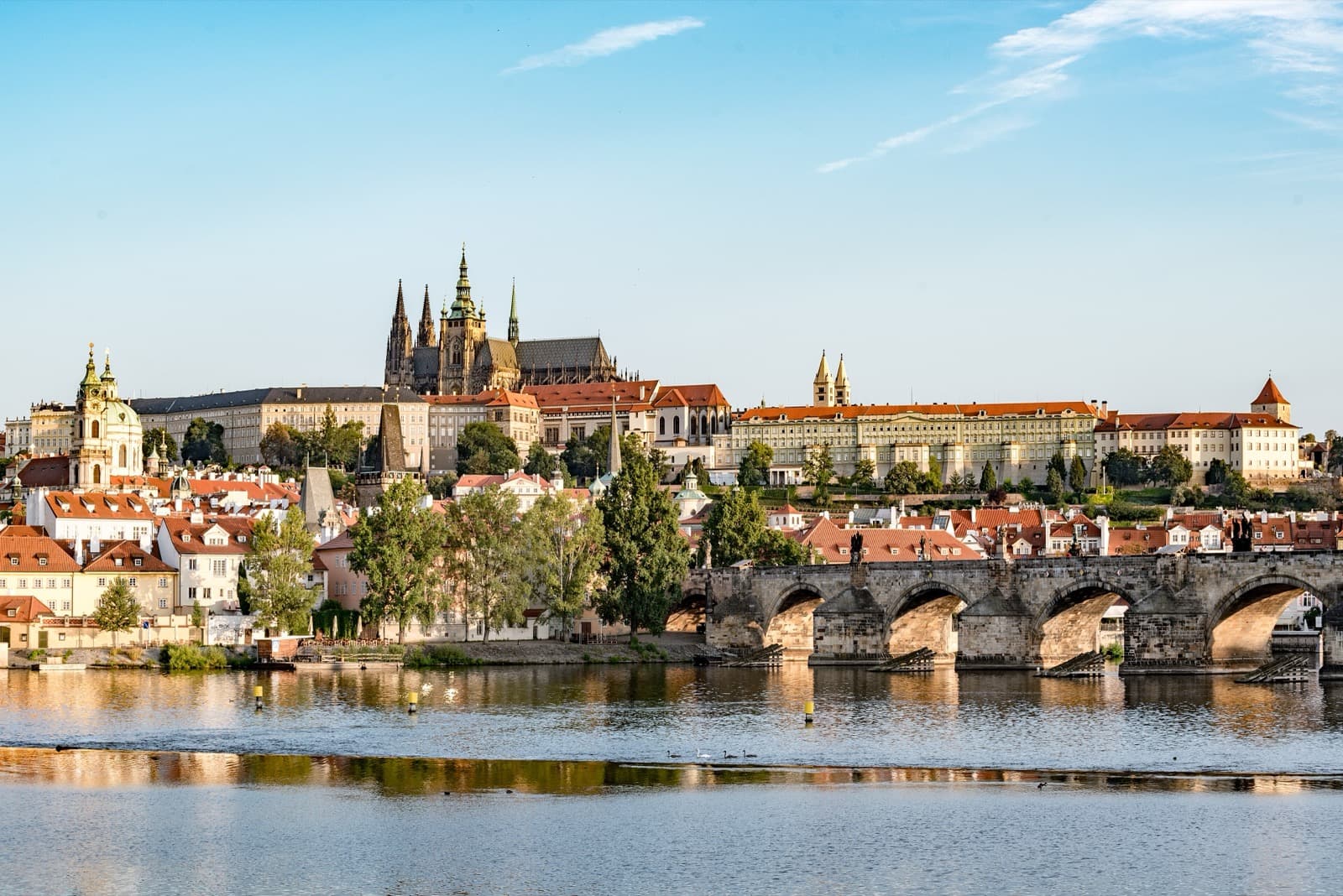
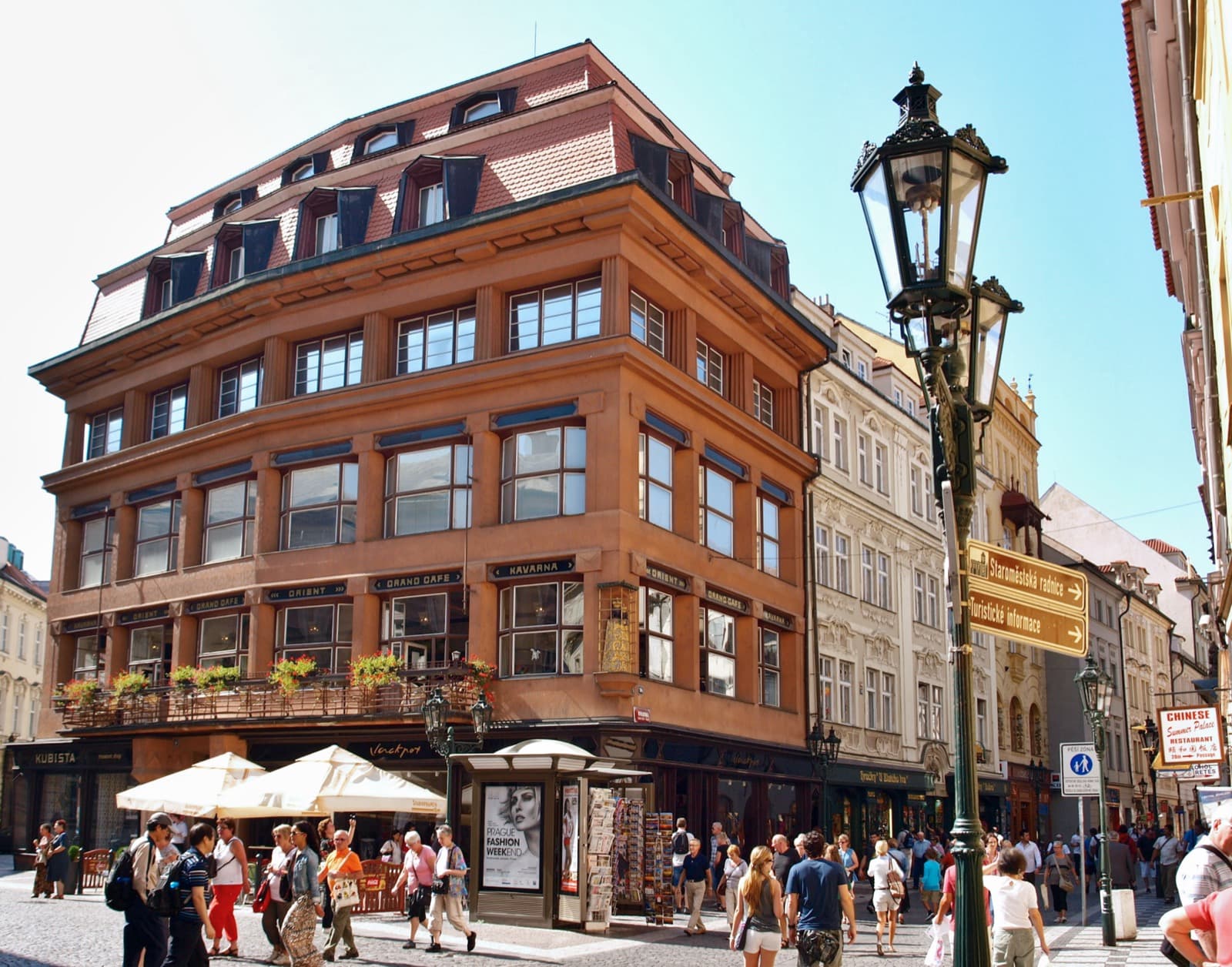
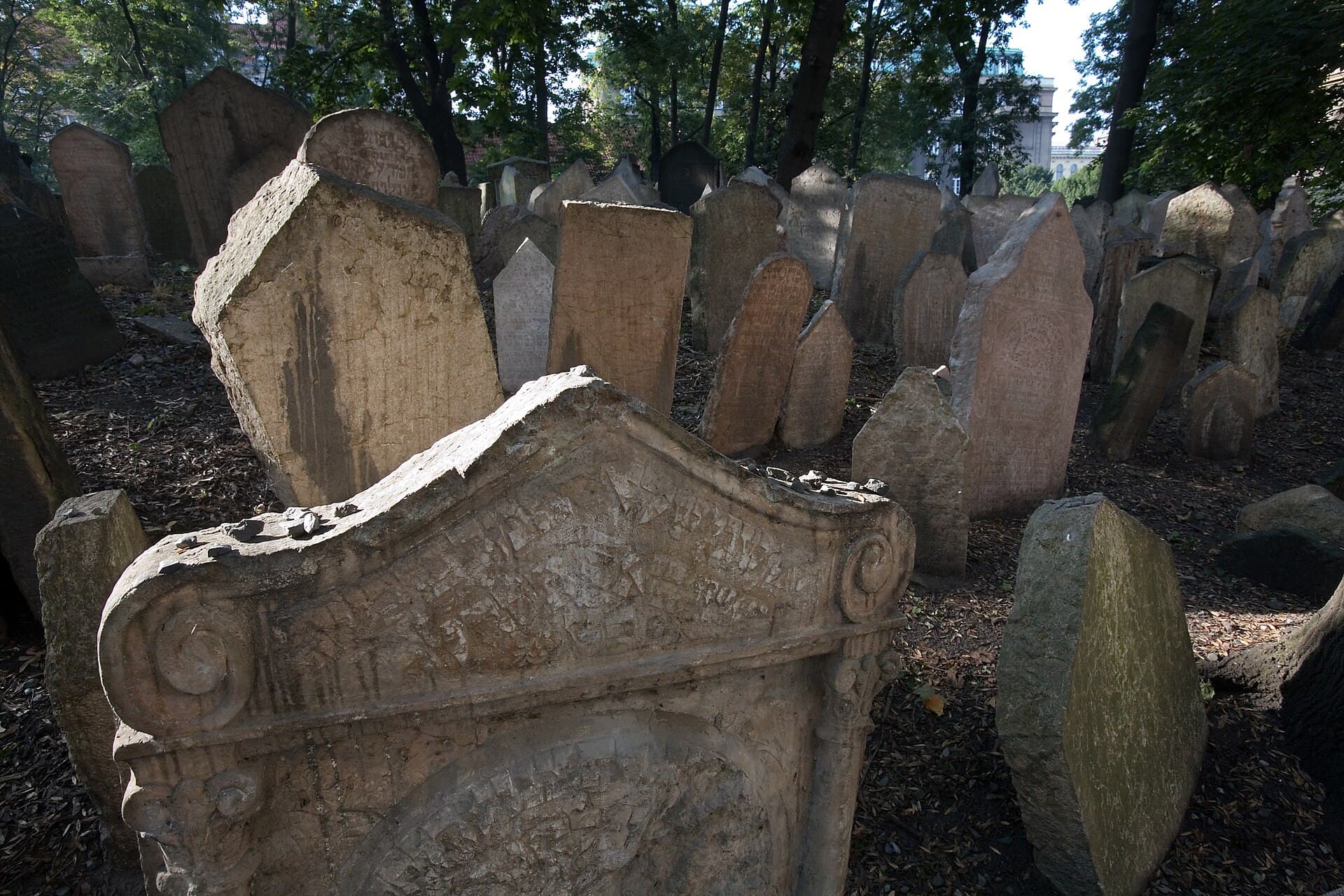
A sensible rhythm looks like this. Day one: the Old Town and the classic uphill line from the Powder Tower over Charles Bridge to Prague Castle. That is the Royal Route, the coronation path the Bohemian kings once walked to their crowning, running about 4.8 kilometres with a gentle climb to the castle heights. Give it two to three hours at a relaxed pace, more if you climb a tower or step inside St. Vitus Cathedral. Day two: slow down for the smaller districts. The former Jewish quarter of Josefov is a tight cluster you can walk in a little over a kilometre, and it holds the Old-New Synagogue, the layered Old Jewish Cemetery, and the Pinkas Synagogue with its wall of names. Day three: read the city's architecture, from the Art Nouveau of the Municipal House to the Cubist facade of the House of the Black Madonna and the concrete geometry that Prague invented in a single decade before the First World War.
If you only have two days, combine the Old Town and Josefov on one day and save the castle climb for the next. A fourth or fifth day opens up day trips to Kutna Hora or Cesky Krumlov, but the core does not need them.
How do you get around Prague?
Hear a stop from this walk
St. Vitus Cathedral: The Crowning Church
Walk first, then use trams and the metro for longer hops. The historic center is small, largely pedestrian, and often cobbled, so most of what you came to see is a stroll rather than a ride. When you do need transit, Prague runs an integrated network of metro, trams, and buses under a single ticket.
As of January 2026, a 90-minute ticket costs 50 CZK on paper or 46 CZK in the official Lítačka app, a 24-hour ticket is 150 CZK, and a 72-hour ticket is 350 CZK, according to the Prague Public Transit Company (DPP). Children aged 6 to 15 travel at half price, and under-6s ride free. A single ticket covers transfers across metro, tram, and bus for its whole validity window, so the 90-minute ticket is usually all you need for a cross-city trip. Validate paper tickets in the yellow machines when you board or enter the metro, because inspectors do check and fines are steep.
From the airport, the cheapest route is trolleybus 59 (which replaced the old bus 119) to Nádraží Veleslavín on metro Line A, at 40 CZK, then the metro into the center on the same ticket. The Airport Express bus is a separate, pricier service with reserved luggage space that runs to the main train station. For door-to-door rides, use the Bolt or Uber apps rather than hailing a taxi on the street. Comfortable, broken-in shoes matter more here than any transit pass, because the cobblestones are real and the castle hill is a climb.
When is the best time to visit Prague?
Come in May or September. Both months land in the shoulder season, with comfortable temperatures, long daylight, attractions open at full hours, and crowds that have not yet reached their summer peak. Spring brings highs around 10 to 18 degrees Celsius and blooming gardens; September holds stable weather in the mid-teens to low twenties and thinner crowds after the August rush.
July and August are warm and lively but genuinely crowded, especially on Charles Bridge and in the Old Town Square, and hotel prices climb with the temperatures. Winter is cold and quiet, with the notable exception of the Christmas markets in December, which draw their own crowds. April and October work well too if you accept cooler, less predictable weather in exchange for lower prices and more room to move. If your goal is unhurried walking with the city to yourself in the early hours, the shoulder months plus an early start beat any peak-summer day.
Is Prague safe for tourists?
Yes. Prague consistently ranks among the safest capital cities in Europe, and violent crime against visitors is rare. You can walk the center late in the evening and feel comfortable. The honest caveat is petty theft, not danger.
Pickpocketing is the one real risk, and it is concentrated and predictable. It clusters in crowds: Charles Bridge, the Old Town Square, Wenceslas Square, and packed trams, with tram 22 toward the castle and Lesser Town a known hotspot in summer. Keep your wallet in a front pocket or a zipped bag, carry your passport only as a photocopy, and stay alert wherever you are shoulder to shoulder with other people. A few scams recur: fake charity petitions used as a distraction (just walk away), street taxis near tourist spots that overcharge (use Bolt or Uber instead), currency-exchange booths with attractive headline rates and poor real ones (use bank ATMs), and restaurants that quietly charge for bread or items left on the table (check the menu and ask what is free). None of this makes Prague unsafe. It makes it a normal busy European capital where a little everyday attention goes a long way.
What does a trip to Prague cost?
Prague is affordable by Western European standards, and it runs on the Czech koruna (CZK), not the euro, despite the country's EU membership. Exchange rates in 2026 sit roughly in the 24 to 25 CZK per euro range. Carry both cards and cash: cards work at hotels, larger restaurants, and major attractions, while neighborhood pubs, small cafes, and market stalls often prefer or require cash. A daily float of 1,000 to 2,000 CZK covers transit tickets, casual meals, and small purchases.
Daily budgets in 2026 fall into rough tiers: budget travelers manage on the equivalent of 60 to 90 euros, mid-range on 90 to 140, and comfortable stays run higher. A traditional pub lunch is genuinely cheap, and public transit is a rounding error against a hotel bill. Self-guided walking keeps costs down further, since the streets, squares, bridges, and church exteriors that make up most of a Prague day cost nothing to enjoy. You pay only where you choose to step inside, for example the Prague Castle circuit ticket or a synagogue in Josefov.
Walking Prague at your own pace
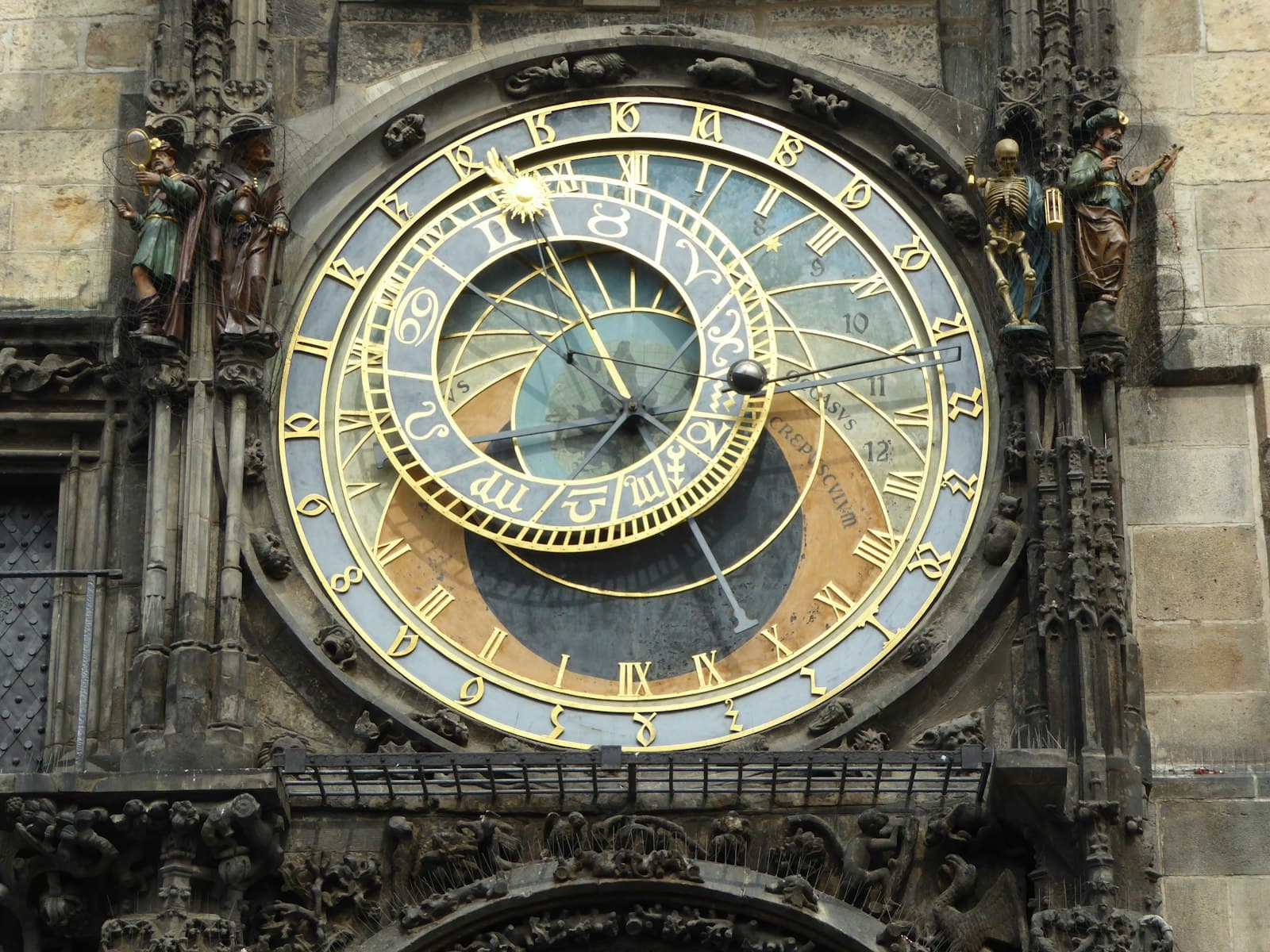
The city's core is built for feet, and its best moments (early light on an empty Charles Bridge, a quiet courtyard off the tourist line, the slow climb to the castle) reward people who set their own schedule rather than a guide's. That is exactly what a self-guided audio walk is for. You can start when you like, pause to sit with a view, skip a stop that does not hold you, and hear the history of the blinded clockmaker or the layered cemetery exactly where it happened, with no group and no clock. Browse the routes on our Prague walking tours hub, or head straight to the city page at /czech-republic/prague to pick the coronation route, the Josefov cluster, or the architecture walk.
Sources
- Fare pricelist, Prague Public Transit Company (DPP)
- New PID Tariff from 1 January 2026, Pražská integrovaná doprava
- Public transport from and to the airport, Václav Havel Airport Prague
- Is Prague Safe? 2026 Prague Safety Guide, Prague Views
- Best Time to Visit Prague, Ultimate Guide from Locals (2026)
- public transport, Prague City Tourism
Frequently asked questions
- How many days do you need in Prague?
- Three full days cover the historic core without rushing. Day one handles the Old Town and the uphill Royal Route to Prague Castle, day two the Josefov Jewish quarter, and day three the city's Art Nouveau and Cubist architecture. Two days work if you combine the Old Town and Josefov; a fourth or fifth day frees you for day trips to Kutna Hora or Cesky Krumlov.
- How much does public transport cost in Prague in 2026?
- As of January 2026, a 90-minute ticket costs 50 CZK on paper or 46 CZK in the Lítačka app, a 24-hour ticket is 150 CZK, and a 72-hour ticket is 350 CZK, per the Prague Public Transit Company. A single ticket covers transfers across metro, tram, and bus for its whole window. Children aged 6 to 15 pay half, and under-6s ride free.
- What is the best time of year to visit Prague?
- May and September are the best months. Both are shoulder season, with comfortable temperatures, full attraction hours, and smaller crowds than the July and August peak. Spring highs run about 10 to 18 degrees Celsius, and September holds stable weather in the mid-teens to low twenties with thinner crowds after August.
- Is Prague safe for tourists?
- Yes. Prague consistently ranks among the safest capital cities in Europe, and you can walk the center late in the evening comfortably. The main risk is pickpocketing in crowds, especially on Charles Bridge, in the Old Town and Wenceslas Squares, and on tram 22. Keep valuables secure, use Bolt or Uber instead of street taxis, and ignore fake charity petitions.
- How do I get from Prague Airport to the city center?
- The cheapest route is trolleybus 59 (which replaced bus 119) to Nádraží Veleslavín on metro Line A at 40 CZK, then the metro into the center on the same ticket. The Airport Express bus is a separate, pricier service with reserved luggage space that runs to the main train station. For door-to-door trips, use the Bolt or Uber apps.
- Do I need cash in Prague, and what currency is used?
- Prague uses the Czech koruna (CZK), not the euro, despite EU membership, with 2026 rates roughly 24 to 25 CZK per euro. Carry both cards and cash: cards work at hotels, larger restaurants, and major attractions, while small pubs, cafes, and market stalls often prefer cash. A daily float of 1,000 to 2,000 CZK covers transit, casual meals, and small purchases.
Ready to experience it?
The Royal Route: The Coronation Way
150 min · 4.8 km · moderate
More from Prague
Explore more at your own pace.
One Day in Prague: A Walkable Morning-to-Evening Itinerary
Prague's Layered City: The Coronation Route, Josefov, and a Modern Grammar
The House of the Black Madonna: How Prague Built Cubism Into a Wall
The Old Jewish Cemetery Reads Prague's Whole Confined Quarter
Charles Bridge: The Crossing Charles the Fourth Built to Last