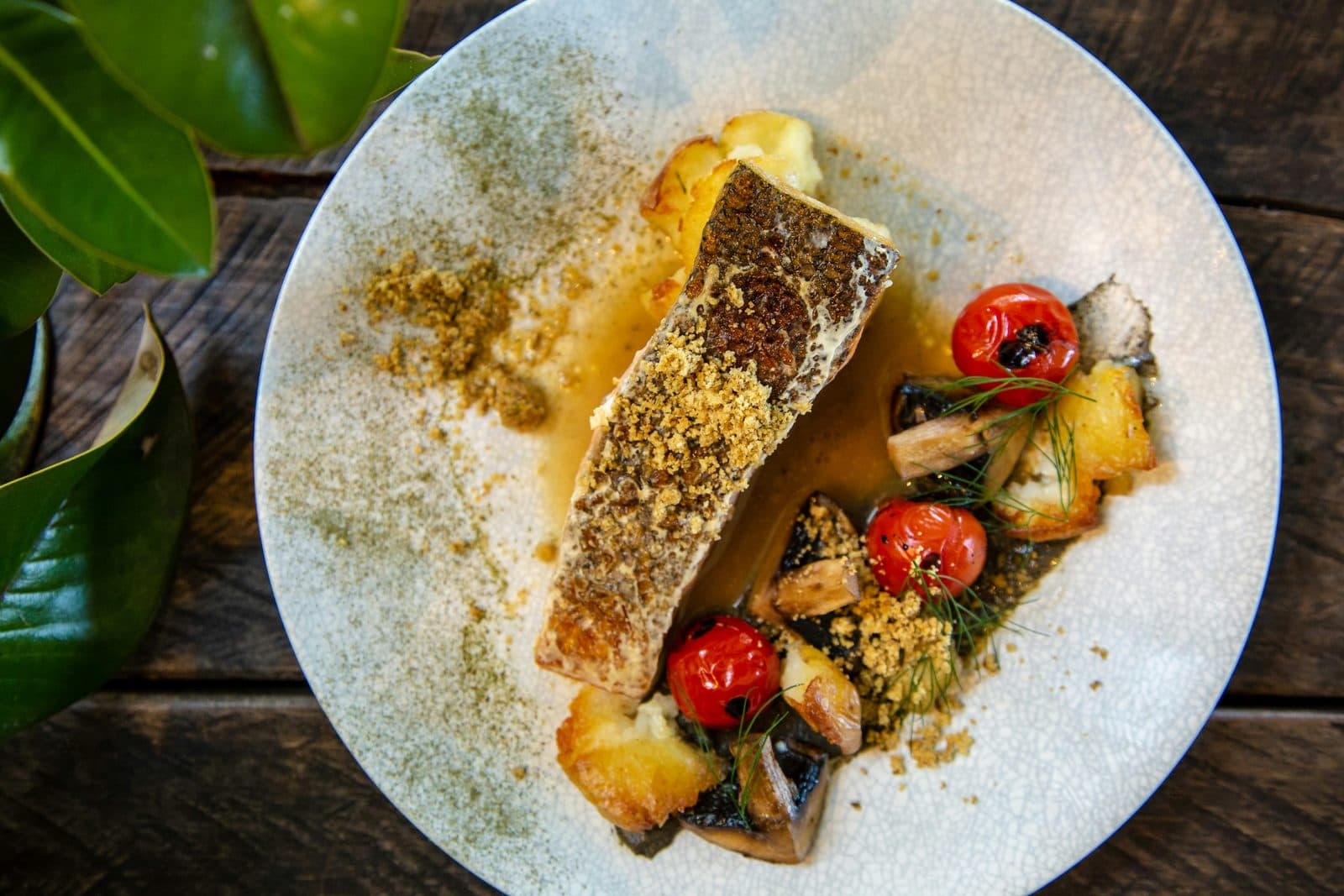
Paris food is defined by everyday excellence more than spectacle. The genius of the city table is not one signature dish but ordinary things done exceptionally: the daily baguette from the corner boulangerie, the bistro that turns steak frites into an institution, the cheese counter and the wine list that run on region and season, and the markets and immigrant streets that keep the city eating close to the source. Eat well in Paris and you are mostly eating simple things made with care. This guide covers what to seek out and where the food culture actually lives, and it pairs naturally with a slow walk on one of our Paris self-guided tours.
The things to seek out
The baguette and the boulangerie. The baguette is the daily ritual of French eating, thought to have taken its modern shape in Paris and to have become a household staple only after the Second World War. It was added to the UNESCO intangible cultural heritage list in 2022. The neighborhood boulangerie is where Paris food genuinely lives: buy a fresh baguette, tear the end off on the walk home, and you have understood something essential about the city.
The croissant. Descended from the Austrian kipferl but perfected in France with laminated, layered dough, the croissant is the classic Paris breakfast, the companion to a café crème and the pride of every good bakery. A butter croissant (croissant au beurre) from a real boulangerie is a different thing from the supermarket version.
Steak frites and the bistro. The bistro is the small, unfussy neighborhood restaurant that anchors Paris eating, distinct from the grander brasserie, whose affordable, convivial style grew out of the nineteenth-century bouillon tradition. Order the classics: steak frites, steak with crisp fries, or the plat du jour, the day dish. Well-made simplicity is the whole point.
Cheese and wine. France runs on region and season, and nowhere shows it like the cheese counter and the wine list. A neighborhood fromagerie will steer you by ripeness and origin; a caviste will match a bottle to your meal by region. A plate of cheese, good bread, and a glass of wine is a complete Paris meal on its own.
The markets. Covered and open-air markets across the city are where restaurant kitchens and home cooks both shop: produce, cheese, charcuterie, bread, and prepared foods. Grazing a market is one of the best and cheapest ways to eat like a local, and it stocks a picnic on the quays perfectly.
Falafel in the Marais. The narrow Rue des Rosiers, the old Jewish street in the Marais and the end of the Le Marais walk, is famous for its falafel counters, served with eggplant and hummus. The lunchtime lines run into the street for a reason. The street is pedestrianised on Sundays, not every day, and many Jewish-owned shops and restaurants close on Saturdays for the Sabbath.
Where the food culture lives
Hear a stop from this walk
Rue des Rosiers: The Heart of the Pletzl
The boulangerie, everywhere. The single most authentic Paris food experience is the neighborhood bakery, of which there is one on nearly every block. Start your day there.
The bistros and brasseries, for a meal. The central arrondissements are dense with them. A good bistro dinner of steak frites and a glass of wine is the right way to end a day of walking. Route that day with the one day in Paris itinerary, which closes on the Left Bank at a bistro table.
The Marais, for falafel and layered flavour. Rue des Rosiers in the Marais holds two Jewish culinary traditions on one street, Ashkenazi and Sephardic, alongside the famous falafel. Walk the Marais district tour at midday and it doubles as your route to lunch. The Marais food guide goes deep on why one street holds both traditions at once.
Belleville, for immigrant Paris. Up the hill in the twentieth arrondissement, Belleville is one of the city great immigrant quarters, with a dense Chinatown of Wenzhou and Teochew cooking and North African cafés alongside. Eat where the neighborhood eats; the Belleville food guide maps the traditions on the hill.
The markets, for grazing and a picnic. Shop a covered or open-air market, then carry it to a bench along the Seine. It is the cheapest great meal in the city.
Eat as you walk
The best way to work through this list is on foot, one district at a time. Pair a morning on the island with a croissant and a café crème, a midday in the Marais with falafel, and an evening on the Left Bank with a bistro dinner. Route your day with the one day in Paris itinerary, plan the practical side with the Paris travel guide, and browse all Paris tours. Every tour is free to start: the introduction and first stop play in full, and every later stop plays a short preview before an optional purchase.
Frequently asked questions
- What food is Paris known for?
- Paris is known less for a single signature dish than for everyday things done exceptionally: the baguette and the croissant from the neighborhood boulangerie, bistro classics like steak frites and the plat du jour, an enormous range of French cheeses, wine by region, and market produce. It is also a great city for immigrant food, most famously the falafel of the Marais Jewish quarter. The baguette itself was inscribed on the UNESCO intangible cultural heritage list in 2022.
- What is a Paris bistro and what should you order?
- A bistro is a small, unfussy neighborhood restaurant serving classic French comfort food, distinct from the larger, brasserie-style rooms that grew out of the nineteenth-century bouillon tradition of affordable, convivial meals. Order the bistro classics: steak frites (steak with crisp fries), a plat du jour (the day dish, often a stew or roast), or a seasonal starter, with a glass of house wine. The point is well-made simplicity, not spectacle.
- Where should you eat in Paris?
- For pastries and bread, any good neighborhood boulangerie, which is where daily Paris eating actually happens. For a proper meal, the bistros and brasseries throughout the central arrondissements. For grazing and produce, the covered and open-air markets. For falafel and Middle Eastern food, Rue des Rosiers in the Marais, home to the long-running falafel counters. For cheese and wine, a neighborhood fromagerie and caviste will guide you by region and season.
- Is Paris good for vegetarians?
- It is easier than it used to be. Traditional bistro menus lean toward meat, but Paris now has plenty of vegetable-forward options: the Marais falafel counters are a reliable and famous choice, markets and boulangeries make it easy to assemble a meal, cheese and bread go a long way, and a growing number of restaurants cater specifically to vegetarians and vegans. Ordering vegetarian in a classic bistro can be limited, so it helps to seek out the right spots.
Ready to experience it?
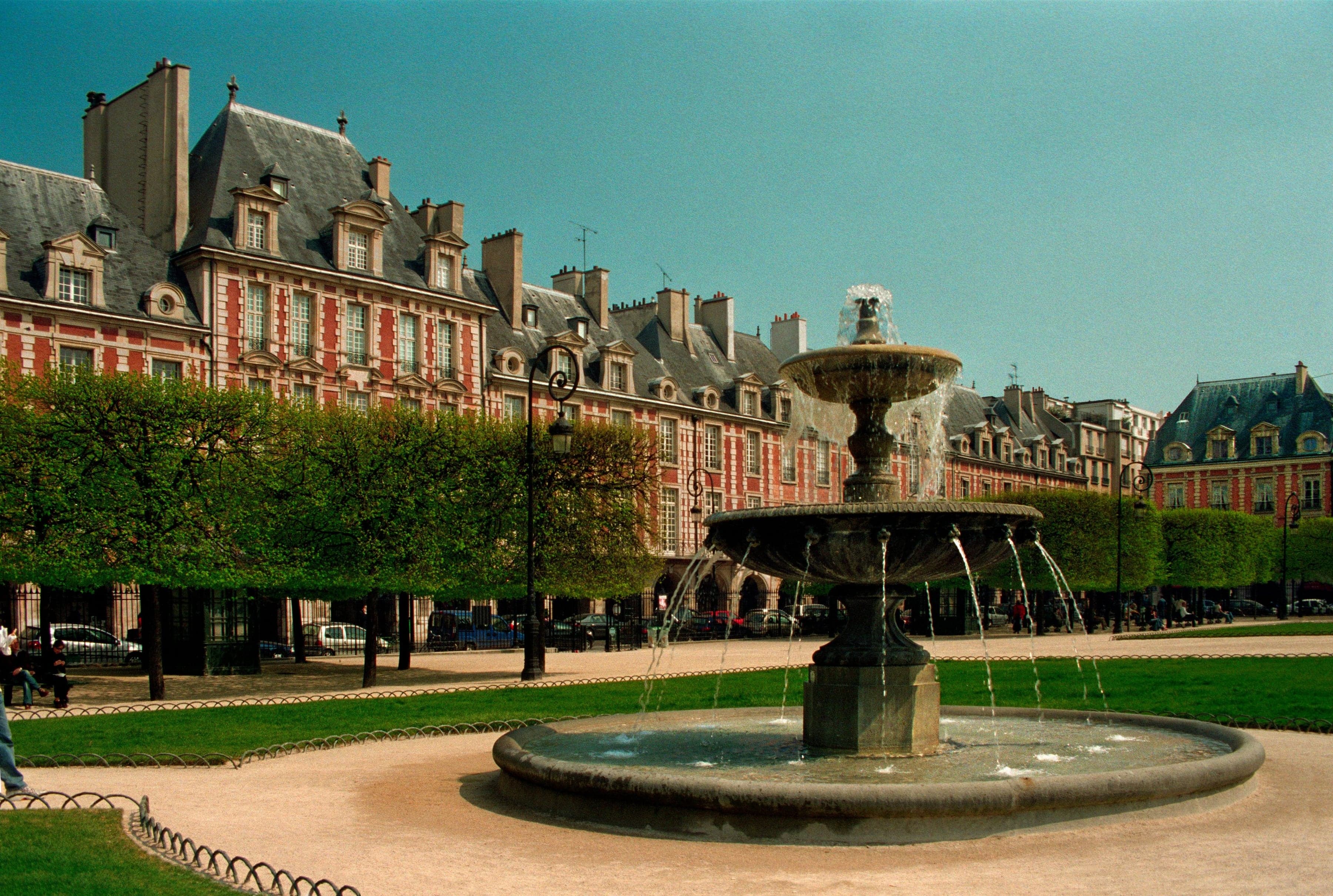
Le Marais: The Mansions That Went to Work
90 min · 2.6 km · easy
More from Paris
Explore more at your own pace.
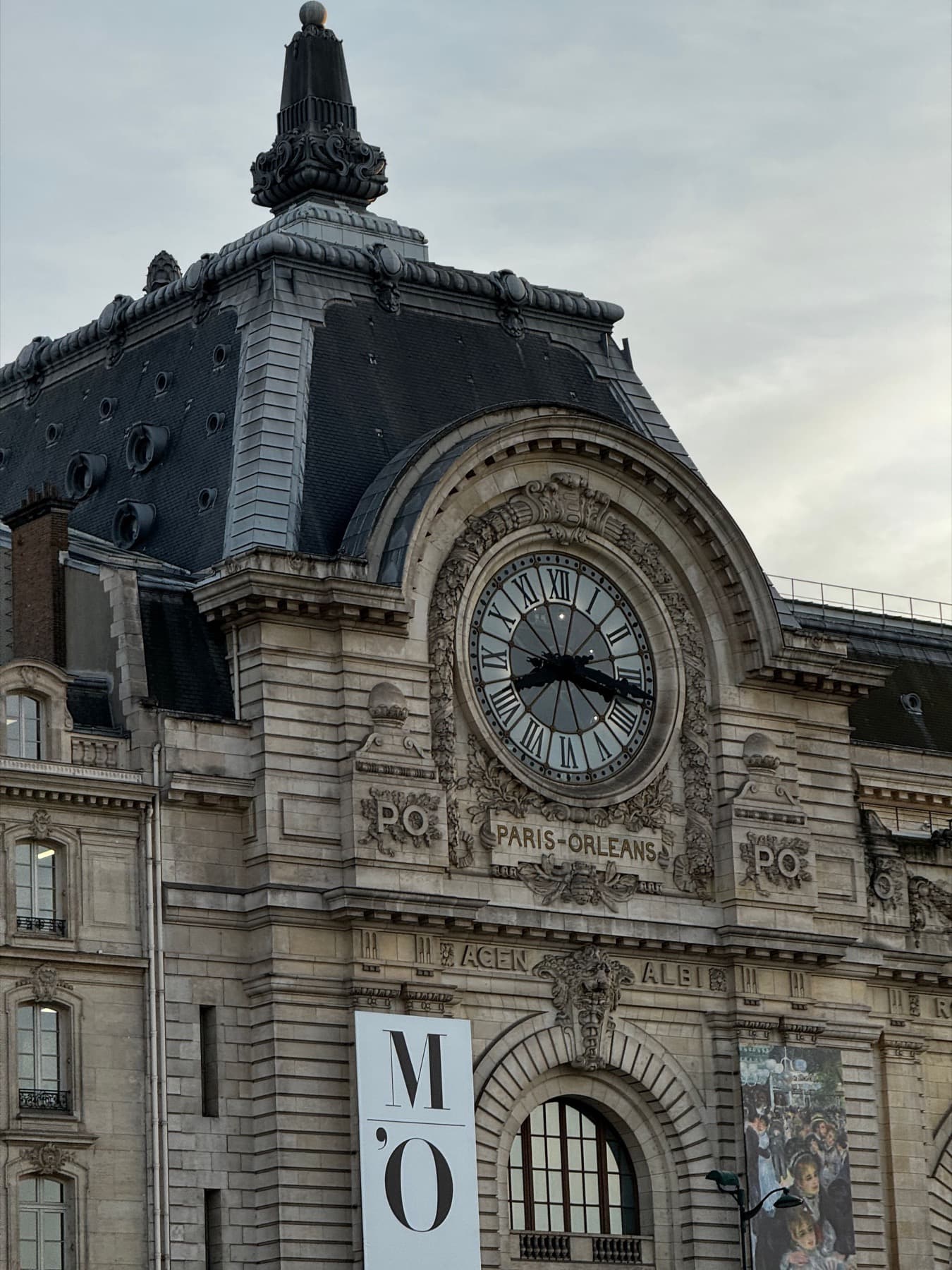
Musée d'Orsay: What to See, Floor by Floor

The Code of Hammurabi at the Louvre: Which Room, and the Story of the Stone

The Louvre: What to See, by Wing and Room Number, and a Two-Hour Route

The Mona Lisa: Which Room It Is In and What to Know

The Raft of the Medusa at the Louvre: Where It Hangs and the True Story