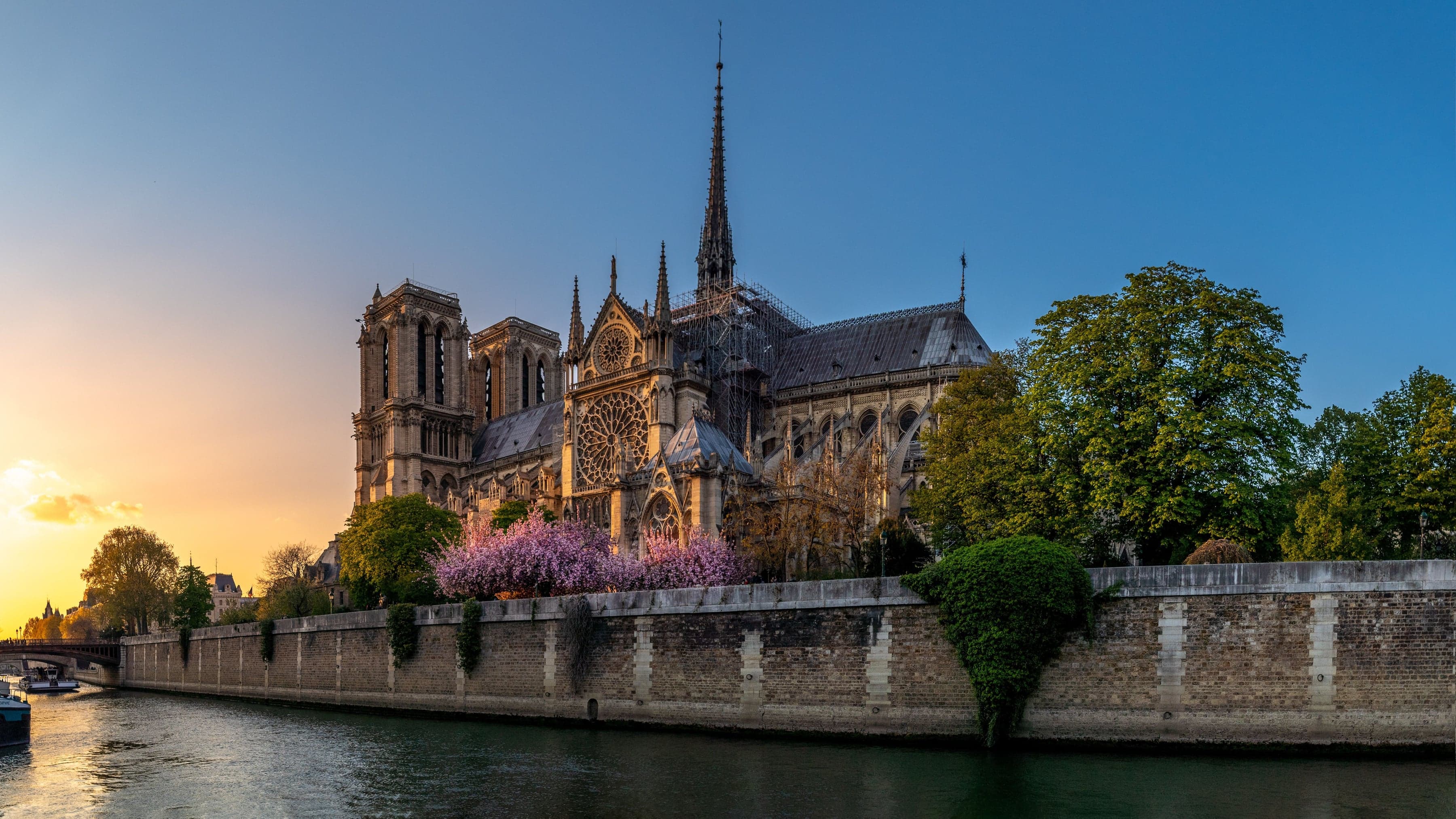
Notre-Dame and Île de la Cité: An Island Rebuilt Three Times
90 min · 2.1 km · easy
Belleville is one hillside in the 19th and 20th arrondissements, and it holds two pattern-breaks, ninety years apart, on the same slope. This guide gives you both, and the through-line that ties them: Belleville is where the question of who belongs to France keeps getting fought out, and keeps getting reopened.
Why the hill
Historians argue that the nineteenth-century rebuilding of central Paris under Baron Haussmann pushed many working-class Parisians toward the edges of the city, though the published numbers disagree and we give none. Belleville and neighboring Ménilmontant became the eastern working-class capital. That geography matters for everything that follows. For the rebuild that may have pushed people here, see our Haussmann field guide.
The last barricade
Hear a stop from this walk
Quai d'Anjou and the Hôtel de Lauzun: A Plain Front, a Rich House
In the spring of 1871 the Paris Commune, the revolutionary city government that held Paris after the Franco-Prussian War, was crushed by the Versailles army in a week of street-fighting remembered as the semaine sanglante, the bloody week. The Commune's strongest support was in Belleville, and its resistance lasted longest here. By the historian Lissagaray's account, the very last barricade of the fighting stood on the Rue Ramponeau, defended at the end by a single Federal, and fell around one in the afternoon on 28 May 1871.
Just under two kilometres south-east of that corner is the Mur des Fédérés, the wall in the Père-Lachaise cemetery against which the last captured Communards were shot. The wall is a Metro ride from the hill and worth the detour. A plaque now marks it and it draws an annual commemoration. The first pattern-break: the people of this hill tried to answer, by force, the question of who the Republic was for, and lost.
The first stand
Ninety years later the same slope absorbed a different arrival. As France decolonized, migrants from Algeria, Tunisia, Senegal, Mali and beyond settled in Belleville, alongside earlier waves of Ashkenazi Jews, Armenians and Greeks. From the late 1970s, as China reopened, a large community from Wenzhou built Paris's second Chinatown on and around the lower Rue de Belleville, later joined by Teochew Chinese who had first settled the 13th arrondissement. The neighborhood the state had once crushed became the neighborhood where post-colonial France assembled itself, café by café, shop by shop. The Rue Denoyez wall of ever-changing street art and the Wenzhou commercial strip carry this layer.
The through-line
The two events are not really separate. Both are the same neighborhood forcing the same question into the open: who counts as a Parisian, as a citizen, as French. In 1871 the answer was contested with barricades and settled, temporarily, with rifles. A century later it was contested with settlement, work, and presence, and it is still open. The park at the top, the Parc de Belleville, gives you the panorama over the whole city that the hill has always looked down on: the center that displaced its people, and never fully absorbed the hill that displaced people made their own.
Walking it
Read the hill as one slope holding two revolutions in citizenship, not as a picturesque immigrant neighborhood. The food and the shopfronts are the living evidence of the second stand, and they have their own guide: eating and shopping Belleville's Chinatown. For how this working-class hill fits the larger structure of the city, see Paris in layers.
Ready to experience it?
Notre-Dame and Île de la Cité: An Island Rebuilt Three Times
90 min · 2.1 km · easy
More from Paris
Explore more at your own pace.
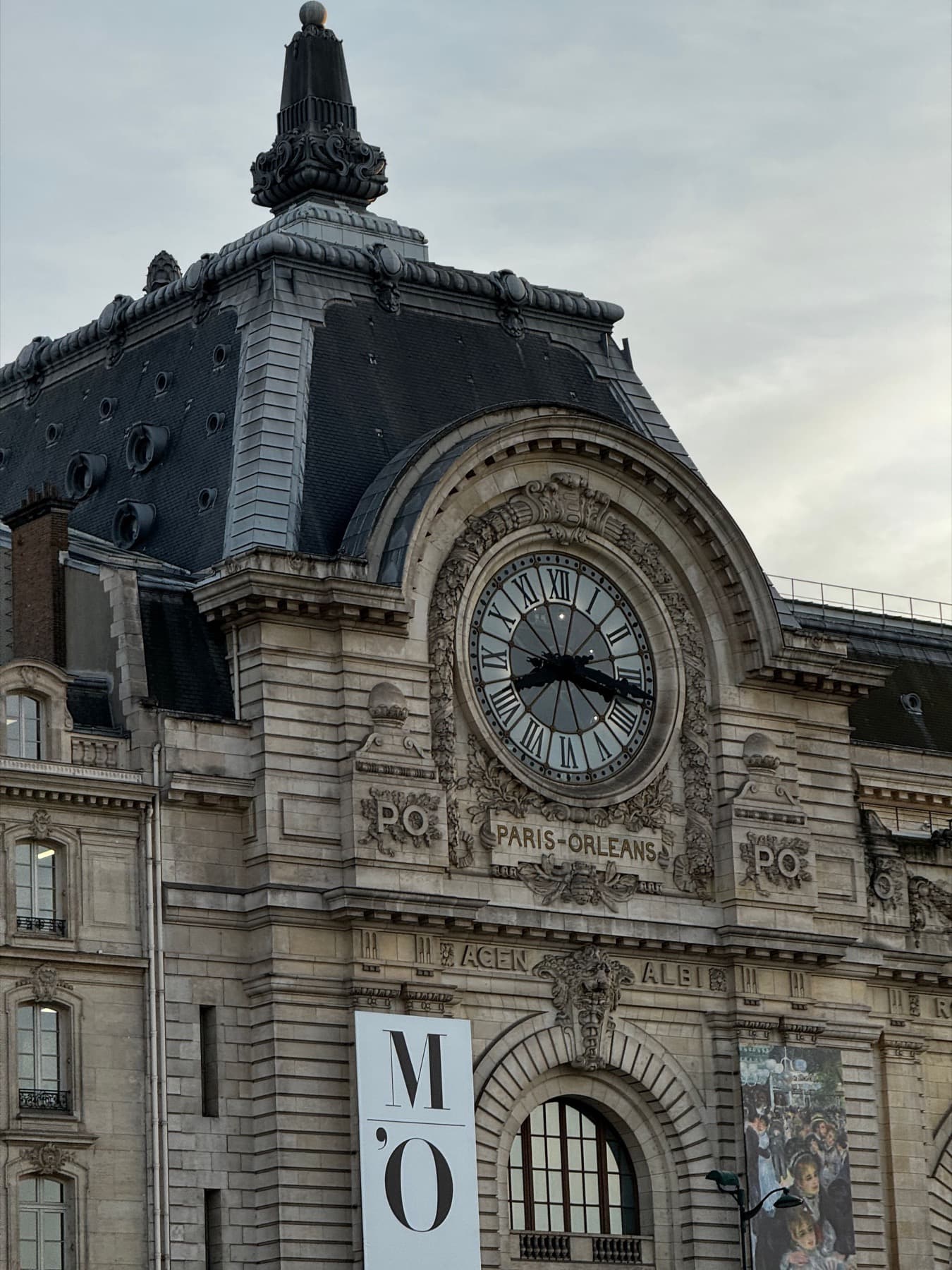
Musée d'Orsay: What to See, Floor by Floor
The Code of Hammurabi at the Louvre: Which Room, and the Story of the Stone
The Louvre: What to See, by Wing and Room Number, and a Two-Hour Route
The Mona Lisa: Which Room It Is In and What to Know
The Raft of the Medusa at the Louvre: Where It Hangs and the True Story