Historic Center: Spaccanapoli and the Greek City
90 min · 2.1 km · easy
If you want to eat like a Neapolitan, start with the answer everyone comes for and then widen out: Naples invented the modern pizza, and the version you order first is the pizza margherita, a soft, blistered disc of dough, San Marzano-style tomato, mozzarella, and basil, baked for under two minutes in a screaming wood oven. From there the city's food splits into two traditions that run side by side, the fried street food you eat standing up and the slow Sunday cooking you sit down for. This guide covers the specific dishes, where each one comes from, and how to order without looking lost, then points you to the streets where you can eat them between tour stops.
Start with pizza, and order it the Neapolitan way
Pizza is the reason most people book a table in Naples, and the local version is deliberately simple. The classic order is a margherita or a marinara (tomato, garlic, oregano, oil, no cheese). Neapolitan pizza is soft and foldable, not crisp, with a puffy raised rim the locals call the cornicione. You eat it with a knife and fork when it arrives, because the center stays wet.
The margherita carries a famous origin story. The popular legend says the Neapolitan pizzaiolo Raffaele Esposito created it on 10 June 1889 for the visiting Queen Margherita of Savoy, using tomato, mozzarella, and basil to echo the red, white, and green of the Italian flag, and that it was served at what is now Pizzeria Brandi. Historians treat the tale with caution: the three toppings were already common in Naples decades earlier, and the letter cited as proof has been questioned for an incorrect seal placement and a mismatched signature. Order the pizza, enjoy the story, and hold the legend loosely.
The craft itself is recognized. In 2017 UNESCO added the Art of the Neapolitan "Pizzaiuolo" to its Representative List of the Intangible Cultural Heritage of Humanity, honoring the pizza makers rather than the dish. You are tasting a technique the city has protected for generations.
Eat pizza fritta and cuoppo on your feet
Hear a stop from this walk
Piazza San Domenico Maggiore: Into the Greek City
Before you sit down, try the street version. Pizza fritta is a folded, deep-fried pizza turnover, usually stuffed with ricotta, provola, pork cracklings or salami, and tomato. Its origins trace to the years after World War Two, when many Neapolitans could not afford the wood for oven pizza and the fighting had destroyed much of the city's wood-fired ovens. Sellers often gave it on credit under the phrase "a ogge a otto," meaning you eat today and pay in eight days. That poverty-era invention is now one of the things people travel to Naples specifically to eat.
The other essential street format is the cuoppo, a paper cone of assorted fried food. A classic cuoppo holds potato croquettes (crocchè), zeppoline (small fried dough balls, often with seaweed), battered zucchini flowers, small arancini, and pasta fritters. Look also for the frittatina, a fried nugget of pasta bound with bechamel, peas, and ground meat. This is walking food. Order it, keep moving, and use the napkin.
Sit down for the slow dishes
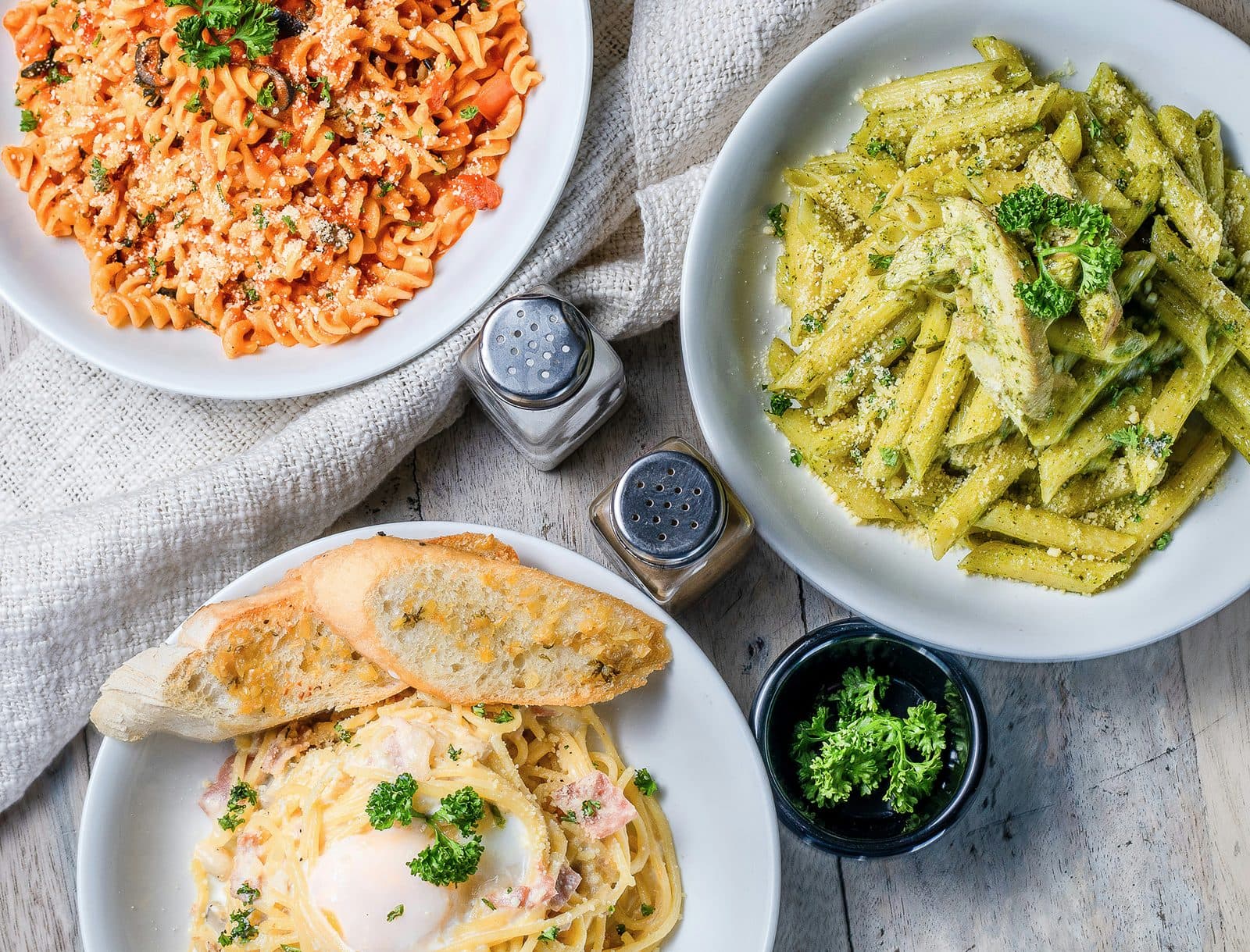
Naples has a whole second cuisine that only makes sense over hours. Ragù napoletano is the anchor: a tomato sauce simmered for many hours with large whole cuts of meat like beef and pork rather than mince, traditionally the Sunday meal. The sauce dresses the pasta as a first course, and the meat comes after. Genovese is the other slow sauce, a deep onion-and-beef ragù despite the Genoa-referencing name, usually served over ziti.
For seafood, order spaghetti alle vongole (clams) or a plate of the day's fish. Parmigiana di melanzane, layered fried eggplant with tomato and cheese, appears everywhere and is fully Neapolitan in its own right. If you see mozzarella di bufala on the menu, order it plain and cold: the buffalo-milk version from the Campania region around Naples is the benchmark.
Save room for sfogliatella and babà
Two pastries define the sweet end of the meal. The sfogliatella comes in two forms. The riccia ("curly") is the shell-shaped, many-layered, flaky one that shatters when you bite it; the frolla is the same ricotta-and-candied-citrus filling wrapped in a smooth shortcrust shell. The pastry was created at the Santa Rosa monastery in Conca dei Marini on the coast, and a Naples pastry maker named Pasquale Pintauro is credited with bringing it into the city and selling it from 1818.
The babà is the other one to try. It is a yeast cake soaked in rum syrup, glossy and sponge-soft. It reached Naples by way of France and, before that, the Polish-born king Stanislaus Leszczynski, whose court cake traveled to Versailles and then south. Neapolitans adopted it so completely that "sei nu babà" ("you are a babà") is a local compliment. Order one with your coffee.
Understand the coffee, including the sospeso
Coffee in Naples is short, dark, and often already sweetened. If you want it plain, say "amaro" (bitter, no sugar); a standard "caffè" is an espresso. Ask for a "ristretto" for an even shorter, more concentrated shot.
The tradition worth knowing is the caffè sospeso, the "suspended coffee." You pay for two espressos, drink one, and leave the second paid-for so a stranger who cannot afford it can claim it later. It grew out of the working-class cafés of Naples, boomed during hard times, and has since spread to cafés around the world. To take part, tell the barista you would like one coffee for yourself and one "sospeso."
Where this fits into a walk
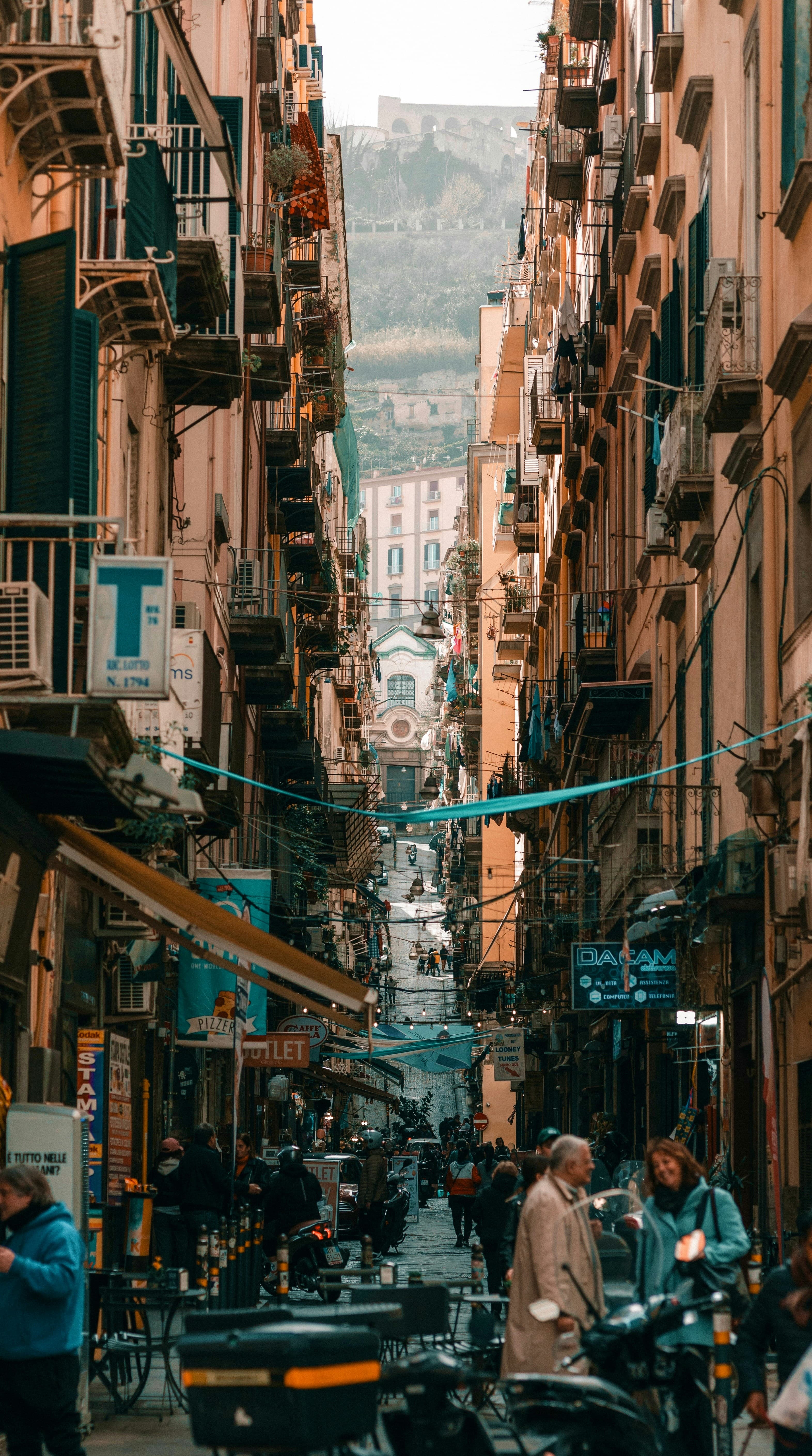
The best way to eat in Naples is to graze between sights rather than plan formal meals. On the Naples walking tours, the historic-center routes put the food streets directly on your path. The Spaccanapoli tour follows the dead-straight Greek street that splits the old city, then turns up Via San Gregorio Armeno to the cluster of pizzerias and pastry counters around Piazza San Gaetano, where a cuoppo or a sfogliatella slots neatly between stops. The Naples Underground tour surfaces near the same crossroads, so you can descend into the tuff and come back up to street food. The Rione Sanita walk climbs into a quarter now known as much for its bakeries and young food scene as for its catacombs. Pace the food to the walk: fried things on the move, the sit-down ragù for after.
Browse all three routes and start one from the Naples city page.
Sources
Frequently asked questions
- What food is Naples most famous for?
- Naples is the birthplace of the modern pizza, and the pizza margherita (tomato, mozzarella, basil) is its signature dish. In 2017 UNESCO recognized the Art of the Neapolitan Pizzaiuolo, the pizza-making craft, as Intangible Cultural Heritage. Beyond pizza, the city is known for fried street food like pizza fritta and cuoppo, slow-cooked ragù napoletano, and the pastries sfogliatella and babà.
- What is the difference between sfogliatella riccia and frolla?
- Both hold the same filling of ricotta and candied citrus. The riccia (curly) has a shell-shaped, many-layered flaky crust that shatters when you bite it, while the frolla is wrapped in a smooth shortcrust shell without the layers. The pastry was created at the Santa Rosa monastery in Conca dei Marini, and Naples pastry maker Pasquale Pintauro is credited with selling it in the city from 1818.
- What is pizza fritta and why is it eaten in Naples?
- Pizza fritta is a folded, deep-fried pizza turnover usually stuffed with ricotta, provola, pork cracklings, or salami and tomato. It emerged after World War Two, when many Neapolitans could not afford wood for oven pizza and much of the city's wood-fired ovens had been destroyed. It was often sold on credit under the phrase a ogge a otto, meaning you eat today and pay in eight days.
- What is a caffè sospeso?
- A caffè sospeso, or suspended coffee, is a Neapolitan tradition where you pay for two espressos, drink one, and leave the second already paid for so a stranger who cannot afford it can claim it later. It grew from the working-class cafés of Naples and has since spread to cafés in many countries. To take part, tell the barista you want one coffee for yourself and one sospeso.
- Is the pizza margherita origin story true?
- The popular legend says pizzaiolo Raffaele Esposito created it on 10 June 1889 for Queen Margherita of Savoy, using red tomato, white mozzarella, and green basil to match the Italian flag. Historians are cautious: those three toppings were already common in Naples decades earlier, and the letter cited as proof has been questioned for an incorrect seal placement and a mismatched signature. Enjoy the story, but treat it as legend rather than settled fact.
- How do I order coffee like a local in Naples?
- A plain caffè is an espresso, often served already sweetened, so ask for it amaro if you want no sugar. Ask for a ristretto for a shorter, more concentrated shot. If you want the local charitable custom, order a caffè sospeso and pay for an extra coffee for someone else.
Ready to experience it?
Historic Center: Spaccanapoli and the Greek City
90 min · 2.1 km · easy
More from Naples
Explore more at your own pace.
Naples Travel Guide: Days, Transport, Timing, Safety, and Budget
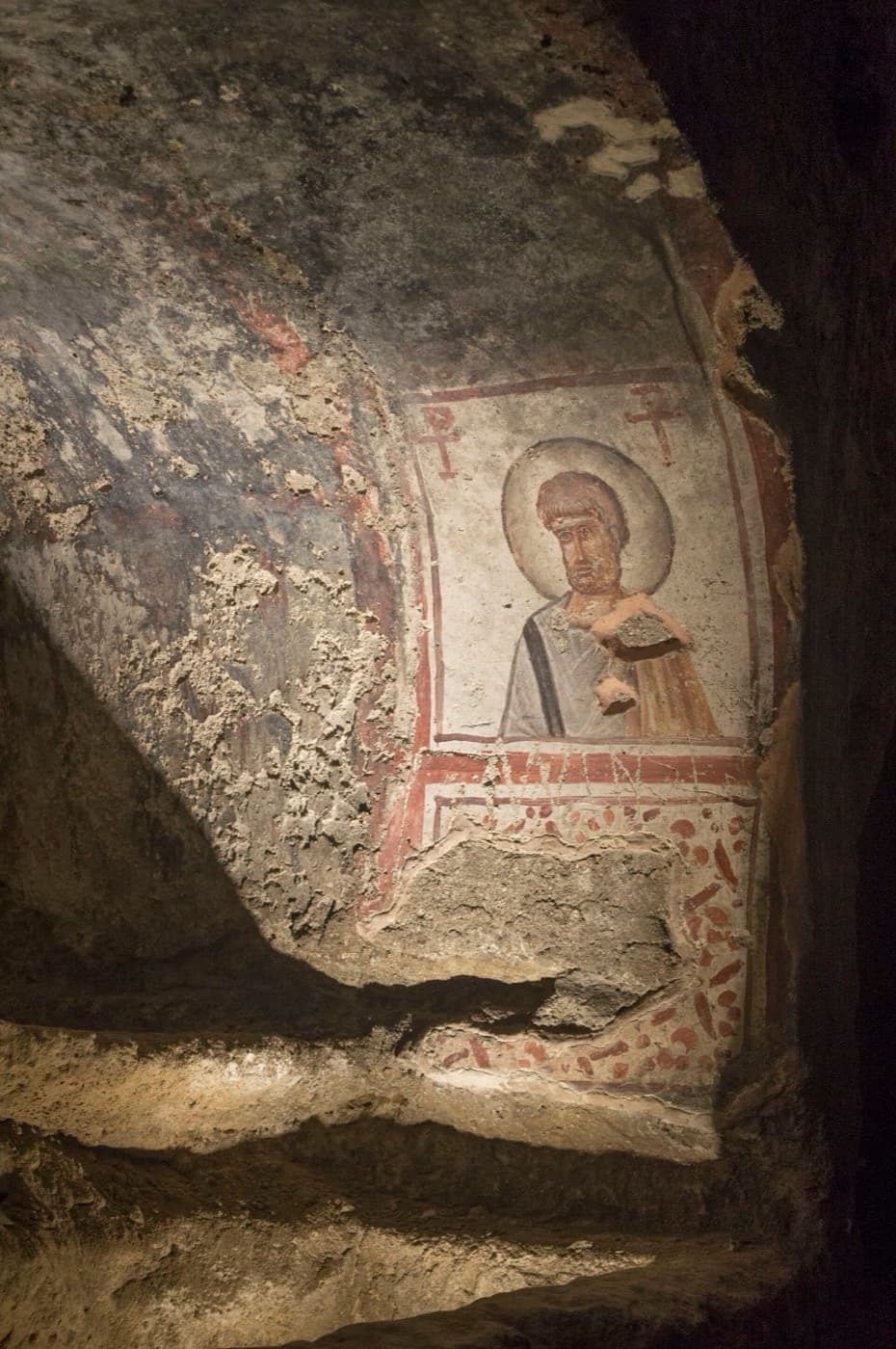
The Catacombs That Taught the Rione Sanità to Rewrite Itself
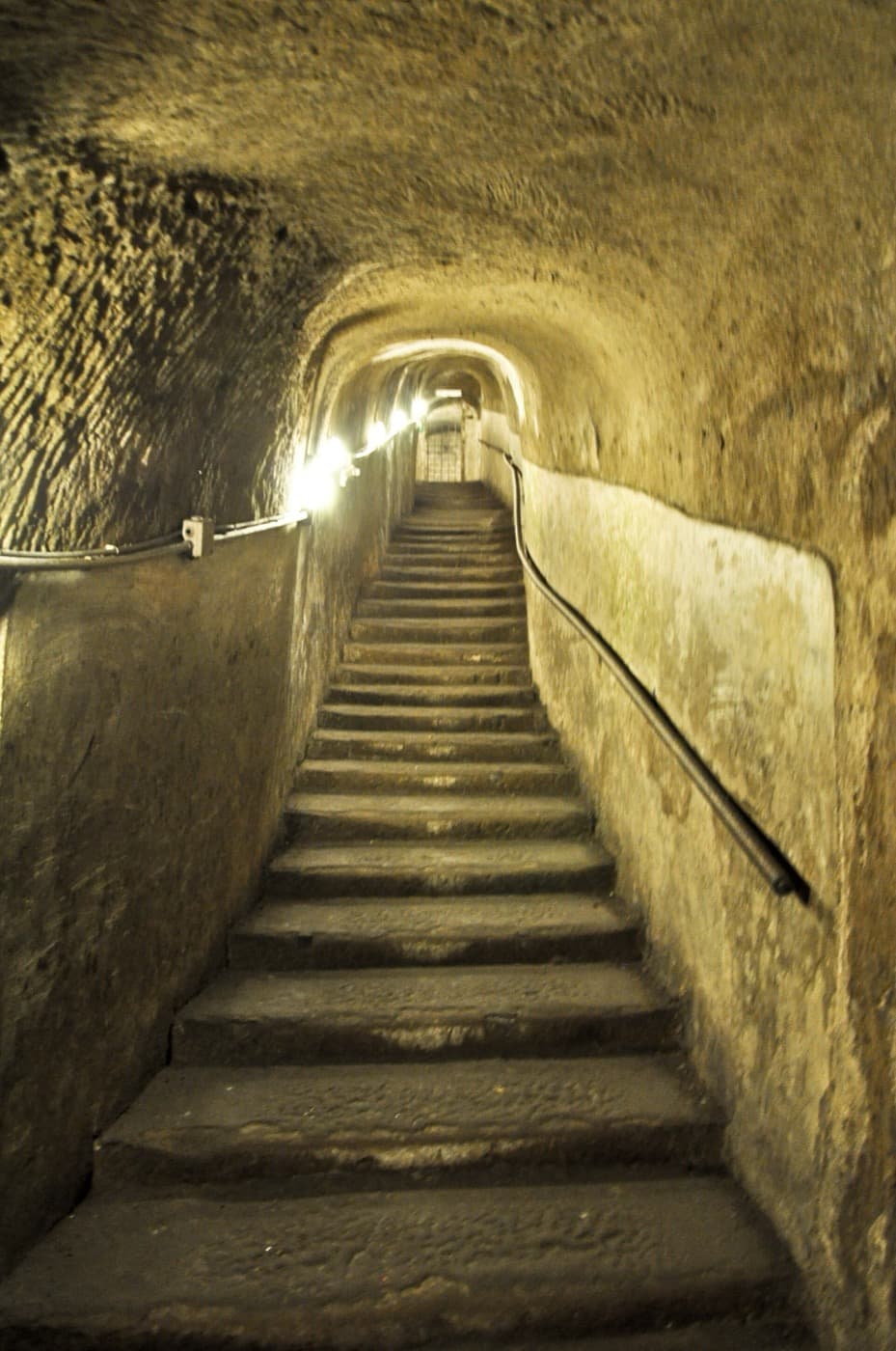
The Hollow City: Reading Naples From the Void Beneath Napoli Sotterranea
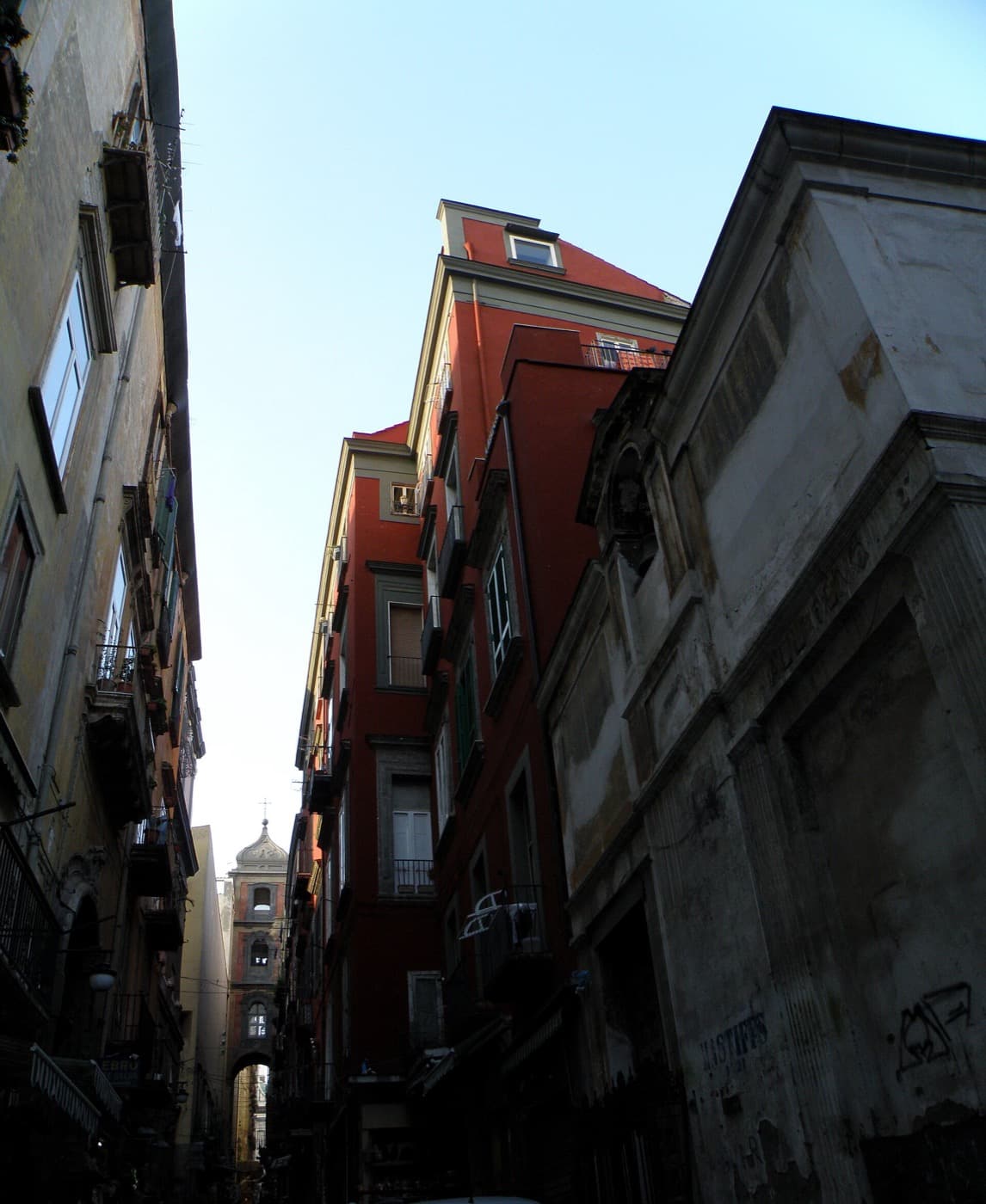
Via San Gregorio Armeno: How the Crib Street Reveals the Greek Grid Under Naples
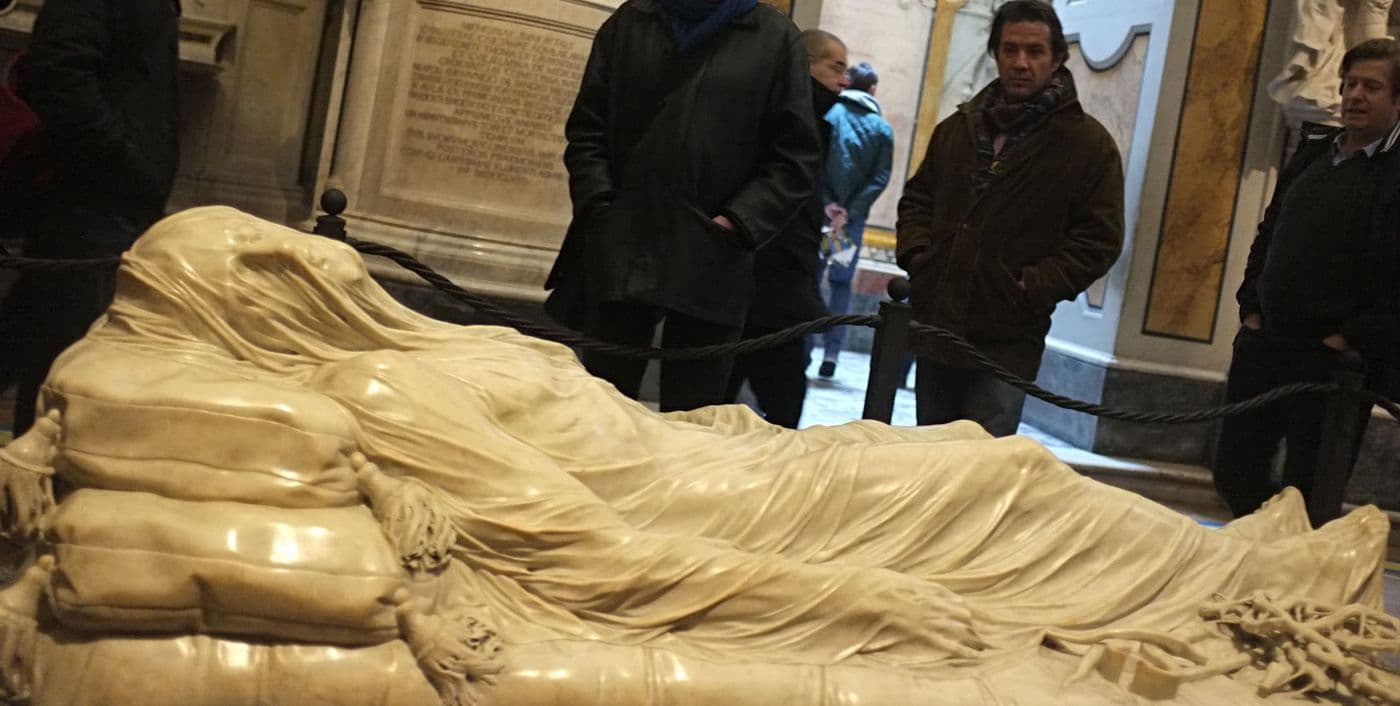
Cappella Sansevero: The Marble Veil That Reads as Cloth