Historic Center: Spaccanapoli and the Greek City
90 min · 2.1 km · easy
Plan two to three days in Naples, walk the compact old center on foot, use the Line 1 metro and Alibus for the longer hops, aim for late April to early June or September, and treat the city with ordinary big-city caution rather than fear. Naples rewards travelers who slow down and move at their own pace, and its historic core is small enough that the best way to see it is on your own two feet with something in your ears telling you what you are looking at.
Here is the practical planning, verified against current sources, followed by how to route your walking days through the city's three self-guided Naples walking tours.
How many days do you need in Naples?
Two full days covers the historic center comfortably. Three days lets you add the layers most visitors skip.
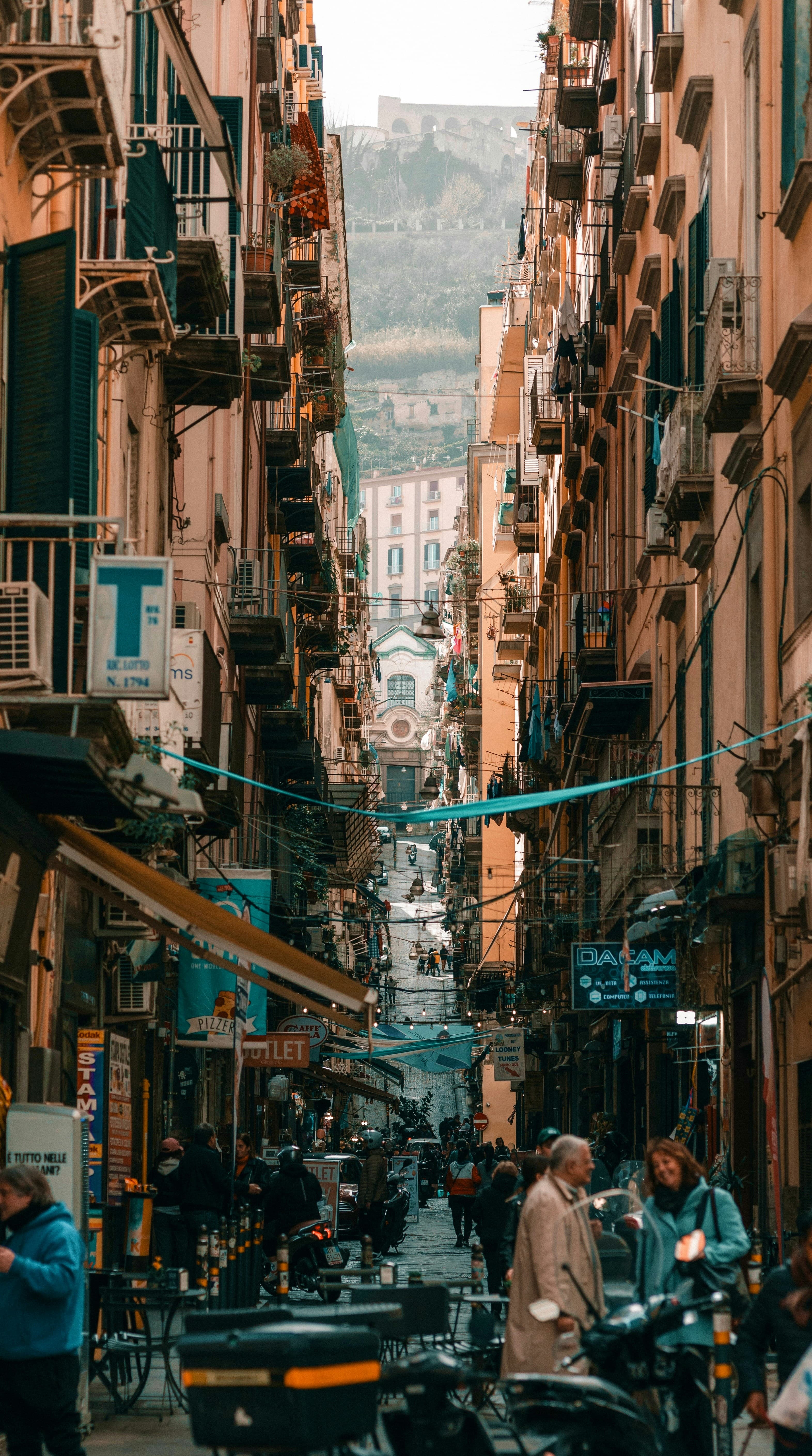
The old town, the part laid out on the ancient Greek grid, is genuinely small. You can cross it end to end in under half an hour on foot, which is why walking beats every other mode inside the center. On a first day you can trace the long straight street the locals call Spaccanapoli and see the major churches along it. A second day takes you below ground into the aqueducts and excavations, and up into the Sanità quarter to the north. If you are also planning a day trip to Pompeii, Herculaneum, or the coast, add that as a separate day rather than squeezing it in, because the Circumvesuviana regional train eats several hours round trip.
If you only have one day, spend it walking the straight cut through the old center. It gives you the churches, the workshops, and the street life in a single continuous line.
How do you get around Naples?
Hear a stop from this walk
Piazza San Domenico Maggiore: Into the Greek City
Walk the historic center, and use the metro plus the airport bus for the longer distances. The center is dense and largely flat along its main axis, so on foot you lose nothing to traffic and gain the small discoveries that make the city.
For distances beyond walking range, Naples has a metro, buses, and three funiculars. Metro Line 1 is the one to know: it doubles as an underground art gallery, with stations like Toledo, Università, and Museo designed as installations. A single ANM ticket costs about €1.50 and a 24-hour ticket covering metro, bus, and funicular runs about €4.50, so if you plan more than two rides in a day the day ticket pays for itself. Validate paper tickets when you board.
From the airport, the Alibus shuttle connects Capodichino to Napoli Centrale station and the port for about €5 one way, running roughly every fifteen to thirty minutes from early morning until around midnight. It takes about fifteen minutes to the central station. A taxi to the center runs on fixed airport tariffs, so agree the fare before you set off.
One honest note on the streets themselves: Naples pavements are old, uneven, and often crowded with scooters. Wear real shoes, not sandals, and keep half an eye on the ground.
When is the best time to visit Naples?
Late April through early June and the first half of September are the two windows worth aiming for. Both give you temperatures in the low twenties Celsius, walkable streets, and sites you can enter without long queues.
Summer, from late June through August, is hot and busy. Midday heat in the narrow, sun-trapped streets of the old center is real, and if you visit then, walk early in the morning or after four in the afternoon and keep water on you. Winter is quiet and cheap, with mild days and occasional rain, and it is the cheapest time for accommodation apart from Christmas week. Spring and autumn sit in between on both crowds and price. September is often singled out as one of the best months for most travelers: warm, less crowded than high summer, and with the local rhythm returning as residents come back from holiday.
Is Naples safe?
Yes, with ordinary big-city awareness. The realistic concern is petty theft, mostly pickpocketing and bag snatching in crowded spots, not violence against visitors, which is rare.
Naples carries a rougher reputation than the daytime reality of its tourist areas supports. Reported crime figures place it below several other major Italian cities, including Rome, Milan, and Florence. The sensible precautions are the same ones you would take in any large European city: carry a cross-body bag and keep it in front of you in crowds, do not put your wallet or phone in a back pocket, and be alert to distraction tactics, where one person engages you while another works your bag. Busy markets, packed metro cars, and the areas around major sights are where hands go to work. Stick to well-lit, populated streets after dark. The historic center is fine for daytime walking, which is exactly when you will be doing these tours.
What does a trip to Naples cost?
Naples is one of the cheaper major Italian cities, especially for food. A classic Neapolitan pizza in a working pizzeria costs a few euros. Coffee at the counter is under two euros. Public transport is inexpensive, as noted above.
Sites vary. Many of the churches on the walking routes are free to enter, including the main cathedral, which asks you to book a free visit slot. Ticketed sites are modest: the cloister at Santa Chiara, the guided descent at Napoli Sotterranea, the Bourbon Tunnel, the San Gennaro catacombs, and Cappella Sansevero each charge a small entry fee, generally in the range of six to fifteen euros. Cappella Sansevero requires online booking, so book it ahead. Budget travelers can see a great deal of Naples on foot for very little, since the streets and squares themselves are the main attraction.
Your three walking days, routed
Naples splits cleanly into three self-guided audio walks, each with a different way of reading the city. All three are on the /italy/naples city page and play GPS-triggered narration as you walk, so you set the pace and stop whenever you like.
Start with Historic Center: Spaccanapoli and the Greek City. It walks the grid the Greeks laid out: from Piazza del Gesù Nuovo along the dead-straight street that splits the old city in half, past Santa Chiara and Piazza San Domenico Maggiore (a short detour from Cappella Sansevero), up the Christmas-crib workshops of Via San Gregorio Armeno to the ancient forum at Piazza San Gaetano and the cathedral, then under the Roman theatre's arches on Via Anticaglia to finish at the Greek city wall in Piazza Bellini. It is twelve stops and about ninety minutes of walking over roughly two kilometers, paved and easy underfoot. This is the one to do first because it gives you the geography of the whole center.
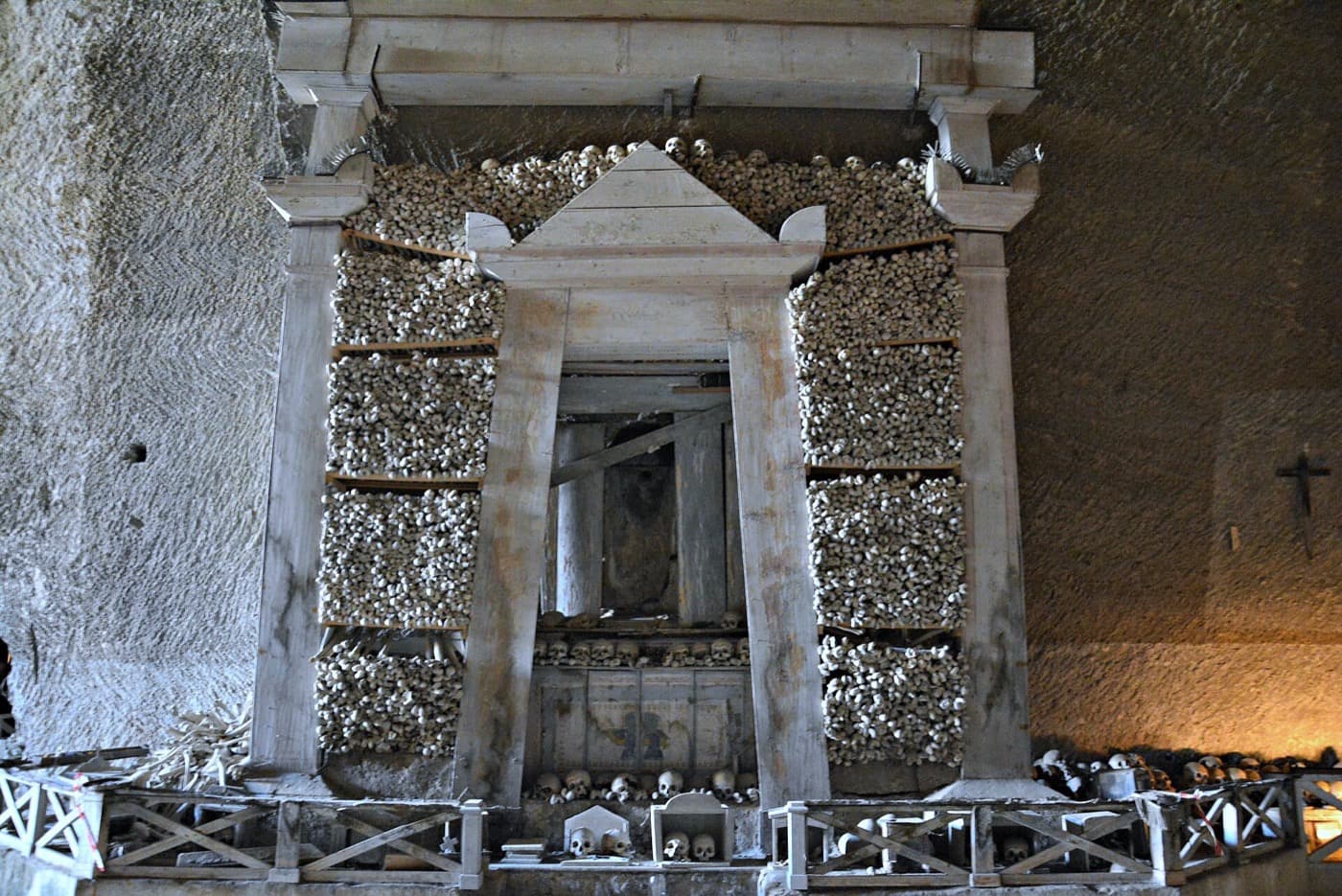
On your second day, go under and around. The City Below reads Naples as a hollow city, following the void carved into the soft tuff stone beneath the streets, from Napoli Sotterranea and the San Lorenzo excavations down toward the sea and Castel Nuovo. Then The Quarter They Feared climbs north into the Rione Sanità, the neighborhood the city once wrote off and which has rewritten itself from below, taking in the San Gennaro catacombs, the double-helix baroque staircases of Palazzo dello Spagnolo and Palazzo Sanfelice, and the bone-lined Fontanelle cemetery. The Sanità walk is the longest and hilliest of the three, so save it for when your legs are warmed up and start it in the cooler morning hours.
Book the timed-entry sites (Cappella Sansevero, the underground descents, the catacombs) before you set out, and let the walks carry you between them at whatever pace suits the day.
Sources
Frequently asked questions
- How many days do you need in Naples?
- Two full days is enough to walk the historic center comfortably, and three days lets you add the underground sites and the Sanità quarter. The old town is compact and walkable end to end in under half an hour. Add a separate day if you also want to visit Pompeii, Herculaneum, or the coast, since the regional train takes several hours round trip.
- How do you get around Naples?
- Walk the historic center, which is dense and largely flat along its main axis, and use the metro or buses for longer distances. Metro Line 1 doubles as an art gallery with stations like Toledo and Museo. A single ANM ticket costs about 1.50 euros and a 24-hour ticket about 4.50 euros. The Alibus shuttle links the airport to the central station for about 5 euros.
- When is the best time to visit Naples?
- Late April through early June and the first half of September are the best windows, with temperatures in the low twenties Celsius and manageable crowds. September is often considered one of the best months to go. Summer is hot and busy, so walk early or late in the day if you go then, and winter is quiet, mild, and the cheapest for accommodation apart from Christmas week.
- Is Naples safe for tourists?
- Naples is safe for tourists with ordinary big-city awareness. The realistic concern is petty theft such as pickpocketing and bag snatching in crowded spots, not violence, which is rare against visitors. Carry a cross-body bag in front of you, keep valuables out of back pockets, watch for distraction tactics, and stick to well-lit streets after dark. Reported crime figures place Naples below several other major Italian cities.
- How much does a trip to Naples cost?
- Naples is one of the cheaper major Italian cities, especially for food, where a classic pizza costs a few euros and a counter coffee is under two. Public transport is inexpensive. Many churches, including the main cathedral (which asks you to book a free slot), are free, while ticketed sites like Cappella Sansevero, the catacombs, and the underground descents charge modest fees, generally six to fifteen euros.
- Can you see Naples on foot?
- Yes. The historic center is small and best explored on foot, and the three self-guided audio walks (Historic Center: Spaccanapoli and the Greek City, The City Below, and The Quarter They Feared) are built around walking. Each runs about ninety minutes to just over an hour and a half, covers a few kilometers, and uses GPS-triggered narration so you set your own pace.
Ready to experience it?
Historic Center: Spaccanapoli and the Greek City
90 min · 2.1 km · easy
More from Naples
Explore more at your own pace.
Naples Read in Section: The Vertical City Above and Below the Street
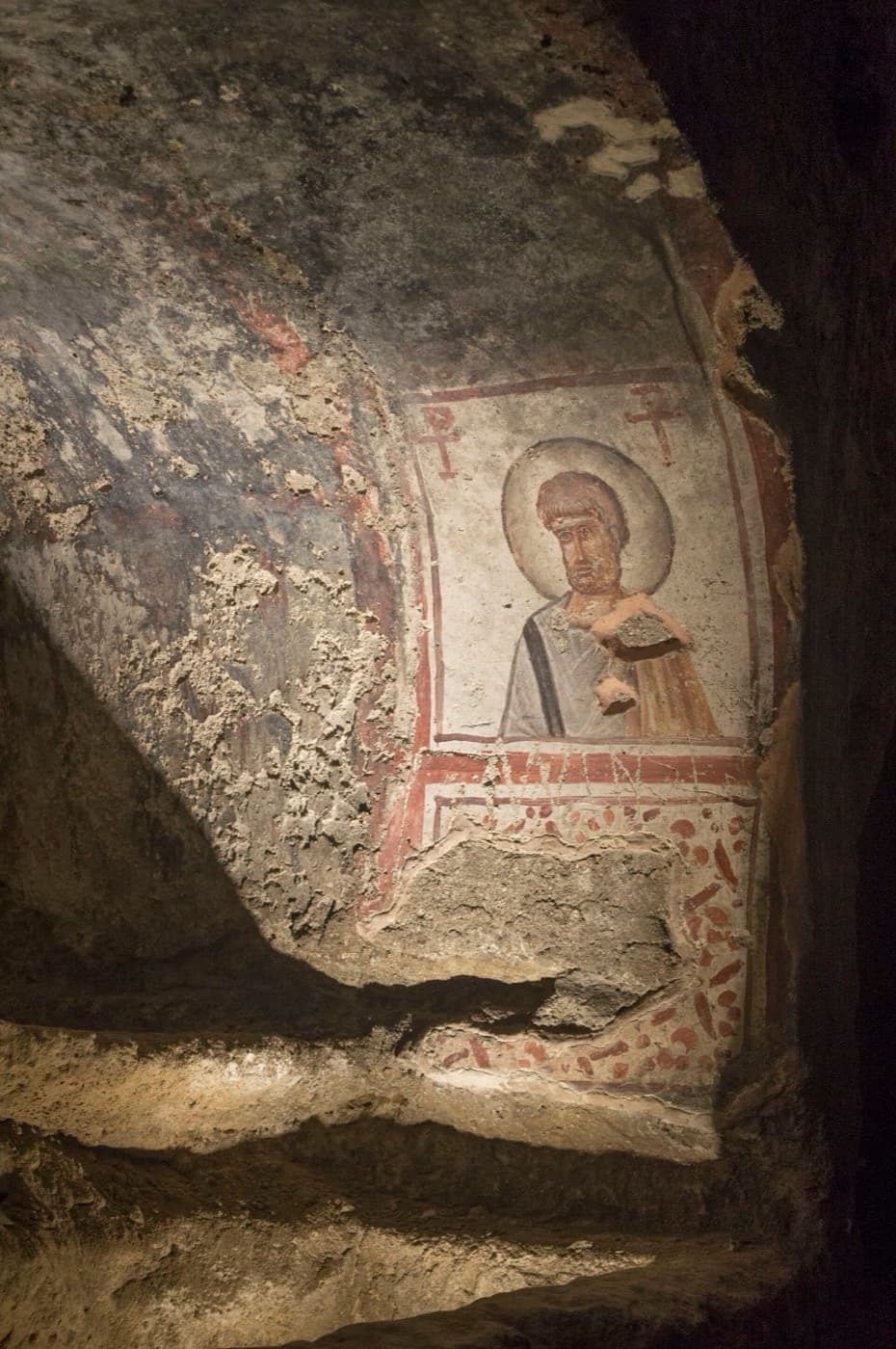
The Catacombs That Taught the Rione Sanità to Rewrite Itself
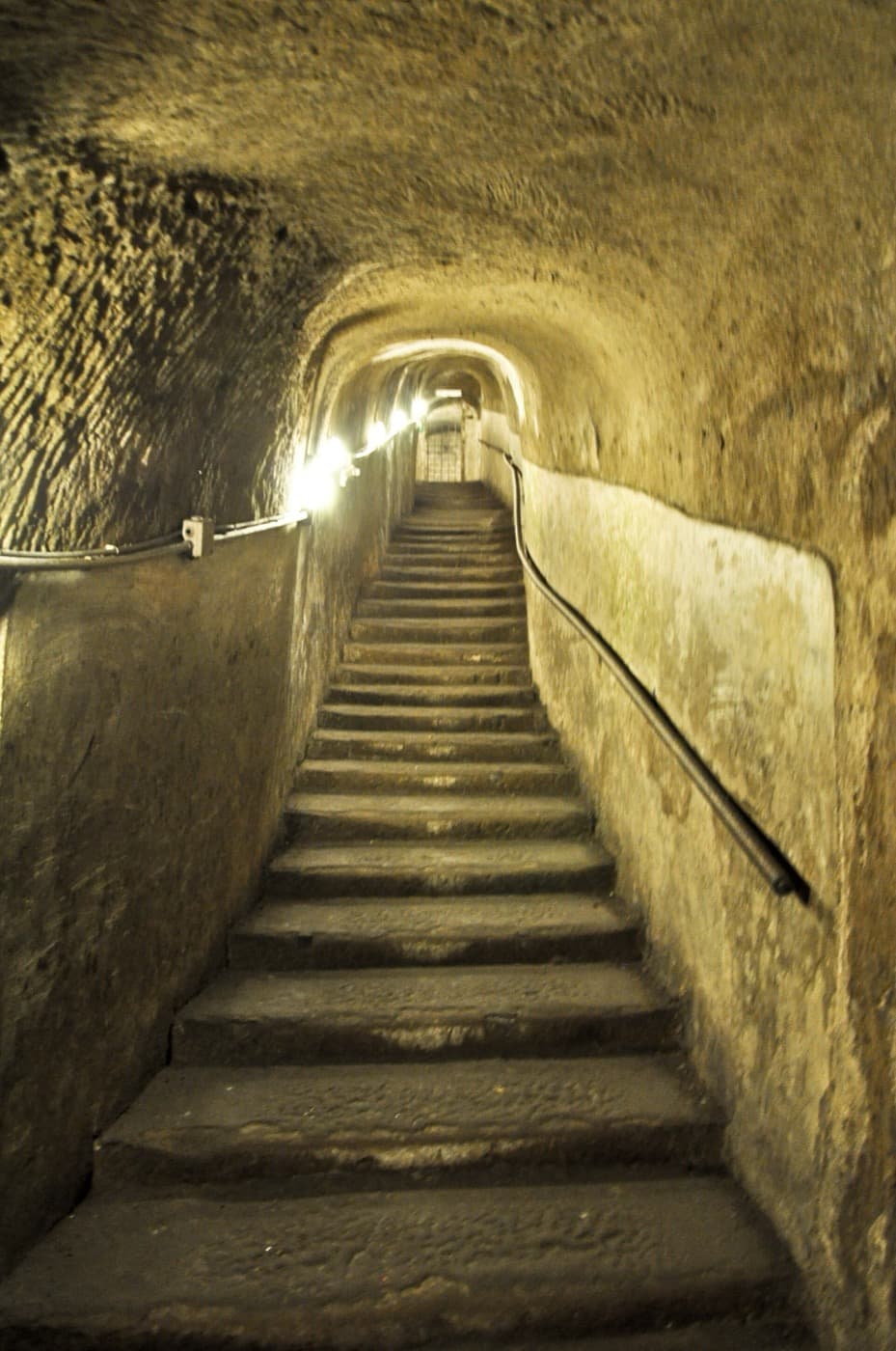
The Hollow City: Reading Naples From the Void Beneath Napoli Sotterranea
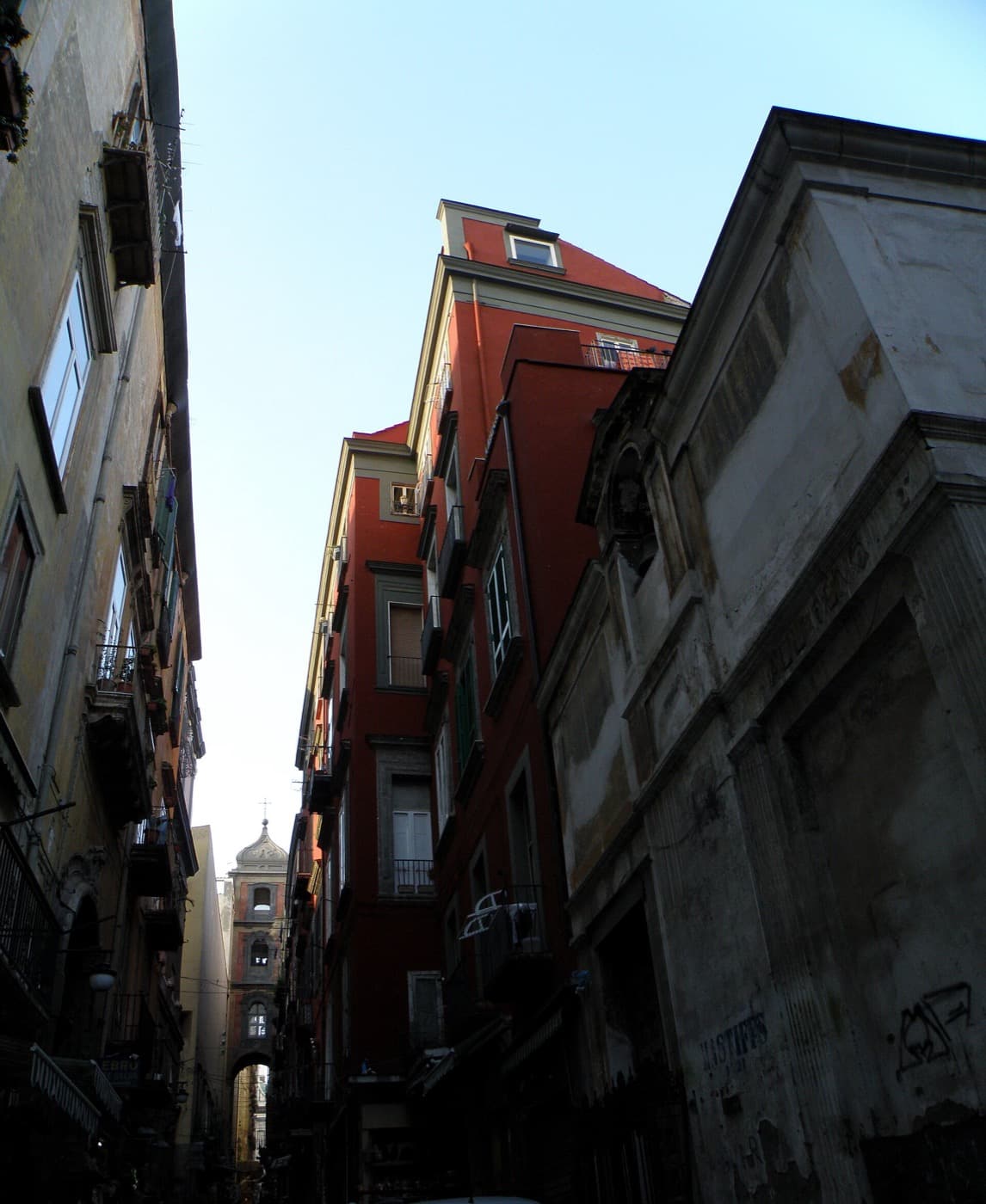
Via San Gregorio Armeno: How the Crib Street Reveals the Greek Grid Under Naples
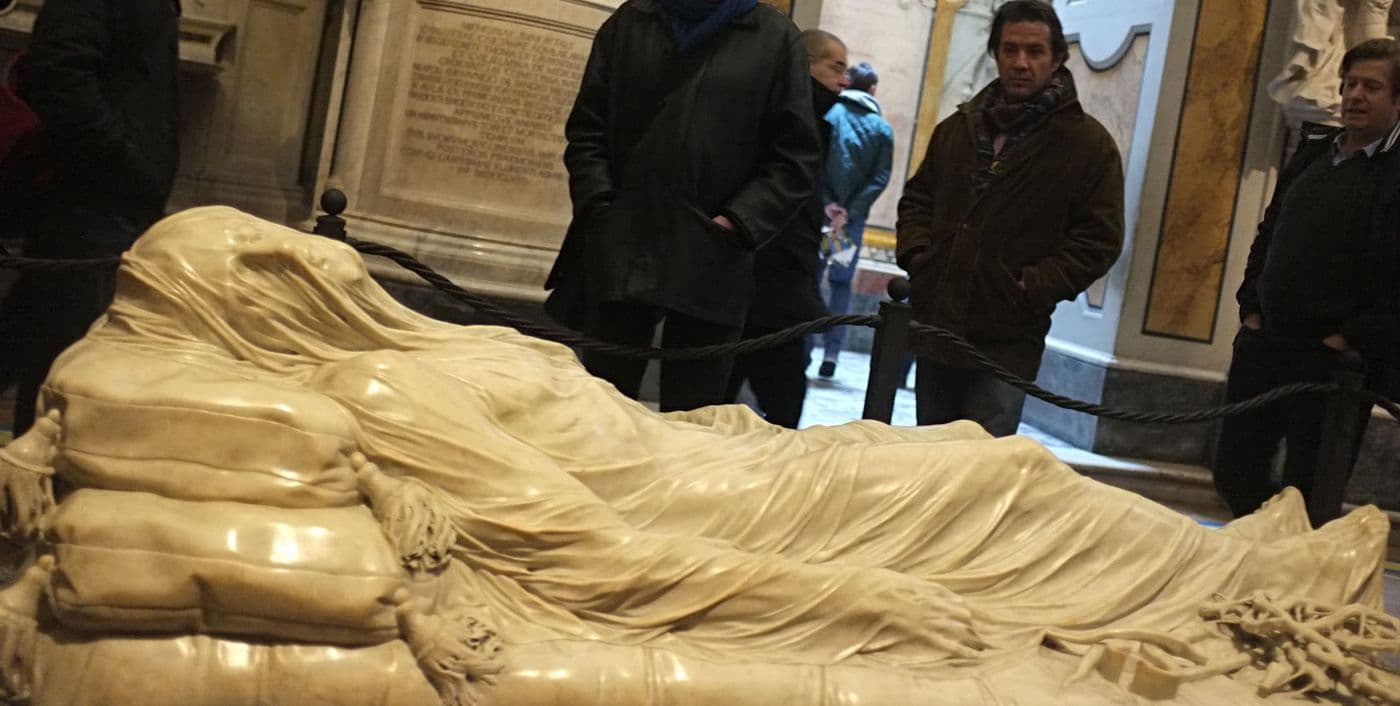
Cappella Sansevero: The Marble Veil That Reads as Cloth