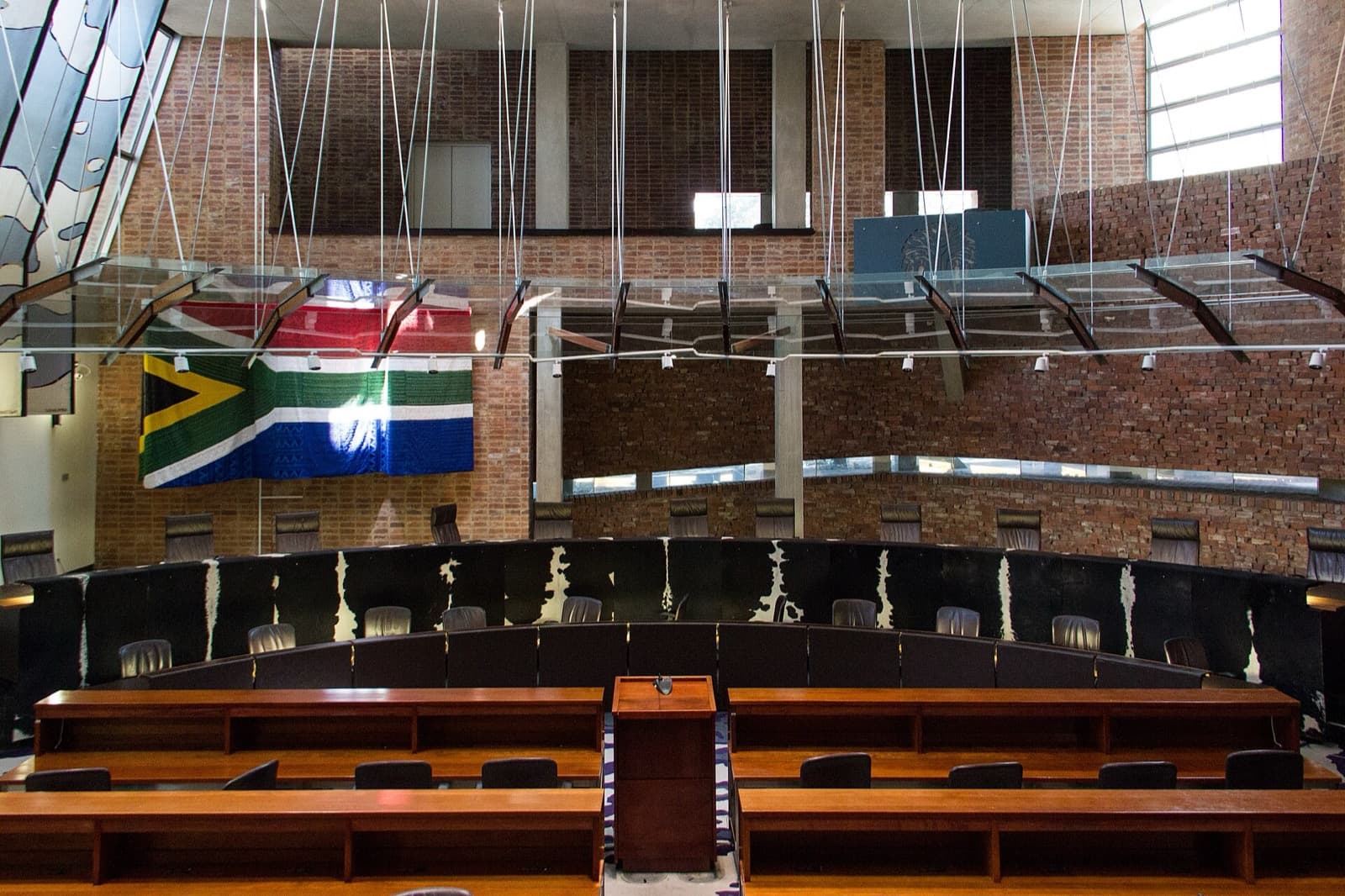
Constitution Hill: From Prison to Constitution
120 min · 3.4 km · easy
To eat like a local in Johannesburg, start with the kota: a quarter loaf of white bread hollowed out and packed with fried chips, polony, cheese, egg, russian sausage, and a spoon of spicy atchar. It was invented in Soweto's townships, and it is still the food that tells you the most about the city. Around it sits a small, specific canon: chakalaka, pap, boerewors and the shisa nyama fire, magwinya at the roadside, and bunny chow that traveled up from Durban. Order these by name, know where each one comes from, and you will eat your way straight into the history that the city's walking tours read on the ground.
Johannesburg food is township food that went citywide. Most of what defines a Joburg plate was engineered under apartheid restrictions, when people barred from restaurants and often forbidden plates and cutlery had to build meals they could carry, share over a fire, or eat standing up. That constraint produced some of the most inventive street food in Africa. When you finish reading, the two self-guided walks that carry this story are the Soweto freedom route and Constitution Hill, both linked from the Johannesburg walking tours hub.
The kota: Soweto's quarter loaf
The kota is the dish to try first. The name comes from the English word "quarter," because the base is a quarter of a standard white loaf, hollowed out and filled. According to Wikipedia's account, an alternate name, "sphatlho," comes from the Sesotho word "phatlhola," meaning to separate or break apart. Fillings layer up fast: slap chips (soft fries), polony (baloney), russian sausage, fried egg, cheese, and atchar, the spicy mango pickle that cuts the richness.
Its origin is a direct product of apartheid. Food anthropologist Anna Trapido has tied the kota to a time when non-white South Africans, barred from restaurants or forbidden plates and cutlery, needed, in her words, a "vehicle in which to take away food." Sources place its emergence in Soweto in the 1960s, sometimes filled originally with beef mince and mashed potatoes and sold at schools before it moved to tuckshops and street corners.
How to order like a local: point at the fillings you want and ask them to build it up. A "full house" or "bull dog" style loads everything on. Kotas are cheap and portable, sized to feed a working shift, so one is often a full meal. Vilakazi Street in Soweto, the street on the Soweto walk that was home to both Nelson Mandela and Desmond Tutu, has stalls and shops serving them.
Chakalaka and pap: the plate around the meat
Hear a stop from this walk
Braamfontein and the Nelson Mandela Bridge: Stitching the City Back Together
Chakalaka is the relish you will meet at almost every meal. It is a spicy vegetable stew of onions, peppers, tomatoes, and often baked beans, served cold or warm alongside grilled meat, bread, or pap. In isiZulu, "chakalaka" is often glossed as "put all together," which matches how it is made: whatever is on hand, cooked into one relish.
Its origin story is a Johannesburg one. Chakalaka is widely said to have started in the townships around the city or in the gold mines nearby, where Mozambican mineworkers cooked tinned tomatoes and beans with chili into a Portuguese-style relish to eat with pap after a shift. That gold, found on the Witwatersrand in 1886, is the same rush that built the Old Fort prison you walk on the Constitution Hill route.
Pap is the staple starch: a stiff maize porridge, the local cousin of polenta, that soaks up chakalaka and meat juices. Order "pap en vleis" (pap and meat) and you get the everyday plate that anchors a Johannesburg meal.
Shisa nyama: meat over the fire
Shisa nyama is less a dish than an event, and it is the most local way to eat meat in Johannesburg. The phrase is isiZulu, combining "shisa" (burn) with "nyama" (meat), literally "burn meat." You buy raw meat, often from a butchery attached to the venue, and it is grilled over hot coals while you wait, usually with music and a crowd.
The tradition began, according to South African Tourism, as a way for township butcheries to lift weekend sales, then grew into communal gathering spots where people of every background share flame-grilled meat. On the grill you will find boerewors, the coiled beef-and-coriander "farmers' sausage" whose name is Afrikaans; by South African regulation it must be at least 90 percent meat. A boerewors roll, the sausage in a bun with chutney or tomato sauce, is the classic quick version. This is the eating culture that lives on Vilakazi Street, which the Soweto freedom tour walks through in Orlando West.
Magwinya, vetkoek, and bunny chow
For a cheap bite between stops, look for magwinya (also amagwinya), the isiZulu name for what Afrikaans calls vetkoek: deep-fried dough balls sold hot by roadside vendors. They are eaten plain, split and filled with mince or polony, or, in township and rural homes, dipped into amasi, a tangy fermented milk. Vetkoek itself is older, traced to the Voortrekkers who moved inland in the 1830s and needed durable, portable food.
Bunny chow is the one major dish that is not originally from Johannesburg, and it is worth knowing why. It is a hollowed-out loaf filled with curry, and it comes from the Indian community of Durban, on the coast, designed as portable food for workers. You will find it in Joburg, and locals happily debate whether the kota "borrowed" the hollowed-loaf idea from it. Try both and you can join the argument yourself.
How to eat it around the walks
Both self-guided walks pair naturally with this food. The Soweto: The Road to Freedom route runs through Orlando West and Vilakazi Street, where kota stalls, shisa nyama fires, and restaurants line the tourism heart of the township, so a kota or a plate of pap and grilled meat fits between stops. The Constitution Hill walk sits in the inner city between the precinct and Braamfontein, a student and civic district with cafes and casual spots. On either walk you keep your own pace and eat when you want, with no group schedule steering you to a set lunch. Both tours are listed on the Johannesburg walking tours hub, along with practical timing and the Johannesburg city page.
A word on how to move: eat at busy, well-frequented stalls and restaurants, keep your phone and valuables discreet on the street as you would in any large city center, and favor daylight for street eating in unfamiliar areas. On Vilakazi Street and at established shisa nyama venues you will be among crowds, which is exactly where the food is best anyway.
Sources
Frequently asked questions
- What food is Johannesburg known for?
- Johannesburg is known for township-born street food, above all the kota, a quarter loaf of bread hollowed out and filled with chips, polony, cheese, egg, sausage, and atchar. Other local staples are chakalaka relish, pap (maize porridge), boerewors sausage grilled at a shisa nyama, and magwinya (fried dough balls). Most of these dishes originated in Soweto and the surrounding townships.
- What is a kota and where did it come from?
- A kota is a South African street sandwich made from a hollowed-out quarter loaf of white bread packed with fillings like chips, polony, russian sausage, egg, cheese, and atchar. The name means quarter, referring to the bread. It originated in Soweto's townships, with sources placing its emergence in the 1960s as a portable, plate-free meal shaped by apartheid restrictions.
- What is the difference between a kota and bunny chow?
- Both are hollowed-out bread filled with food, but they come from different cities and traditions. Bunny chow originated in Durban's Indian community and is filled with curry. The kota comes from Soweto in Johannesburg and is filled with chips, processed meats, egg, and atchar rather than curry. Locals often debate which influenced the other.
- What is shisa nyama?
- Shisa nyama is a South African braai (barbecue) tradition where you buy raw meat, often from an attached butchery, and have it grilled over coals on the spot, usually with music and a crowd. The phrase is isiZulu for burn meat. According to South African Tourism, it began as a way for township butcheries to boost weekend sales and grew into communal gathering spots.
- Where is chakalaka from?
- Chakalaka is a spicy vegetable relish of onions, peppers, tomatoes, and often beans, served with meat, bread, or pap. It is widely said to have originated in the townships of Johannesburg or the nearby gold mines, where Mozambican mineworkers cooked tinned tomatoes and beans with chili into a Portuguese-style relish to eat with pap after their shifts.
- Is it safe to eat street food in Soweto and Johannesburg?
- Eating at busy, well-frequented stalls and restaurants in areas like Vilakazi Street in Soweto is common for both locals and visitors. Use ordinary big-city awareness: keep your phone and valuables discreet, favor daylight, and stick to lively, popular spots, which also tend to have the best and freshest food.
Ready to experience it?
Constitution Hill: From Prison to Constitution
120 min · 3.4 km · easy
More from Johannesburg
Explore more at your own pace.
Johannesburg Travel Guide: How Many Days, Getting Around, Safety, and Cost
From City of Gold to Freedom: How to Read Johannesburg in Two Places
The Constitutional Court in Johannesburg: A Prison Rebuilt as a Nation's Highest Law
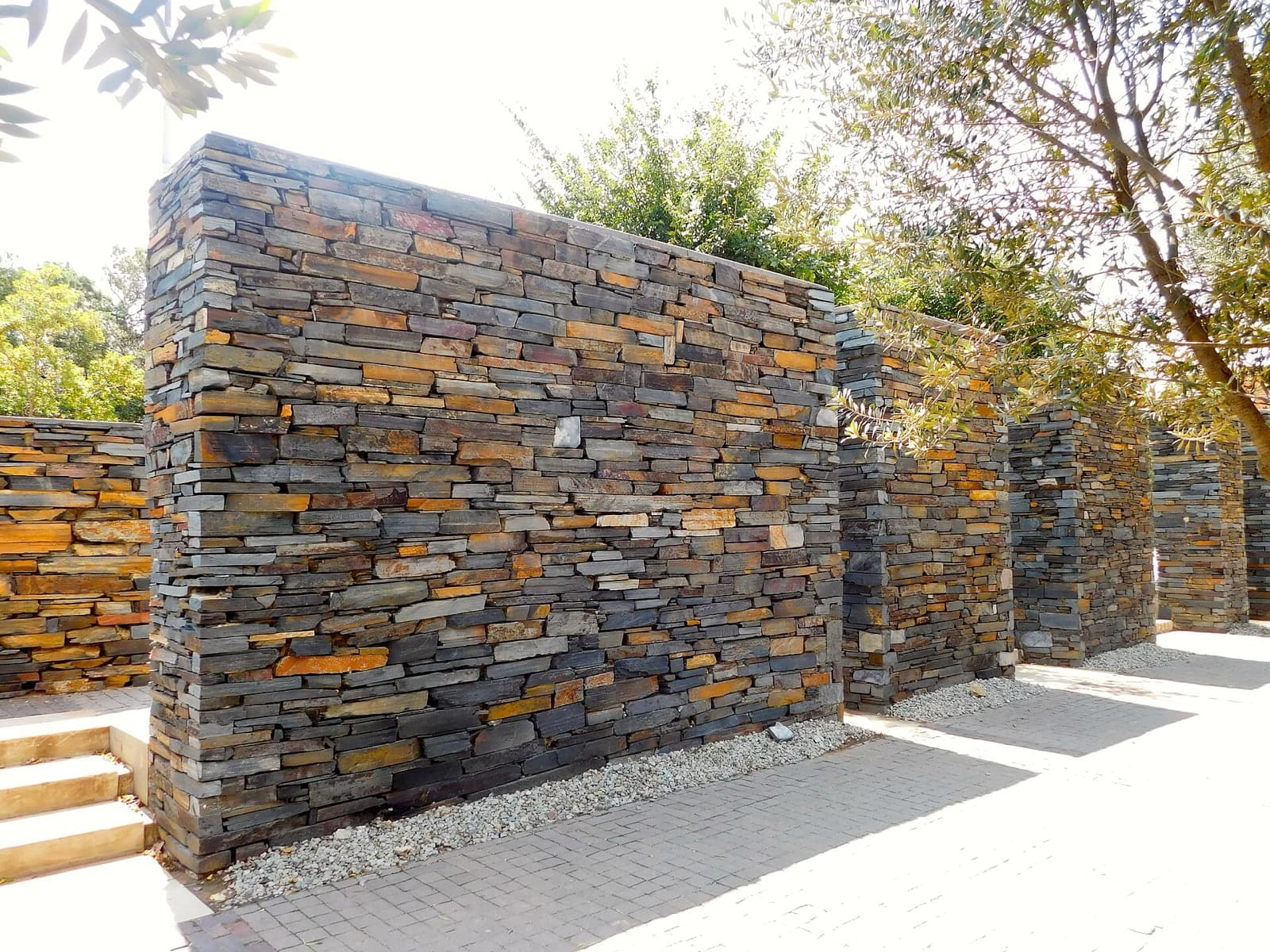
The Hector Pieterson Memorial: The Turning Point in Soweto's Road to Freedom
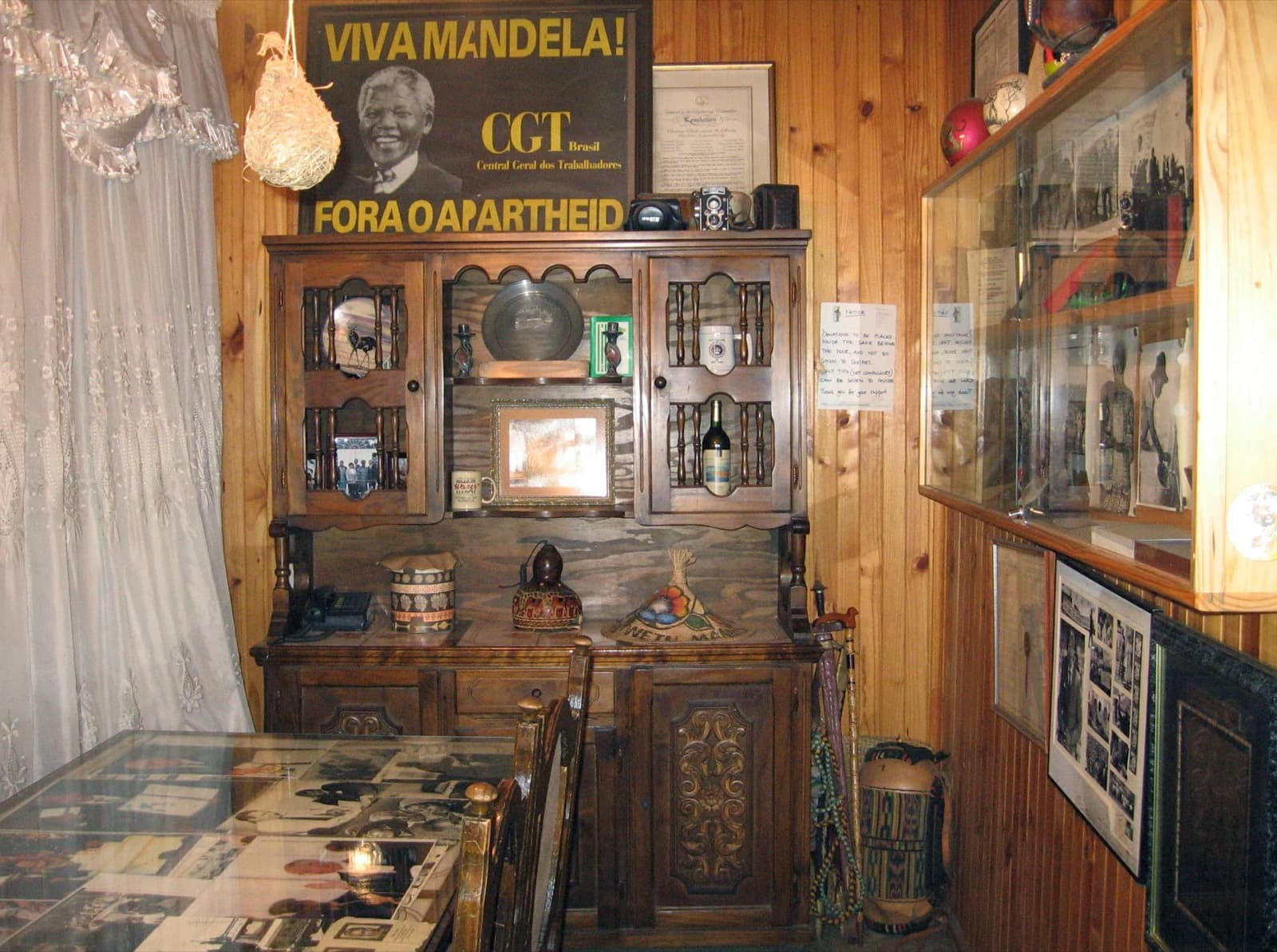
Mandela House on Vilakazi Street: The Matchbox That Raised a President