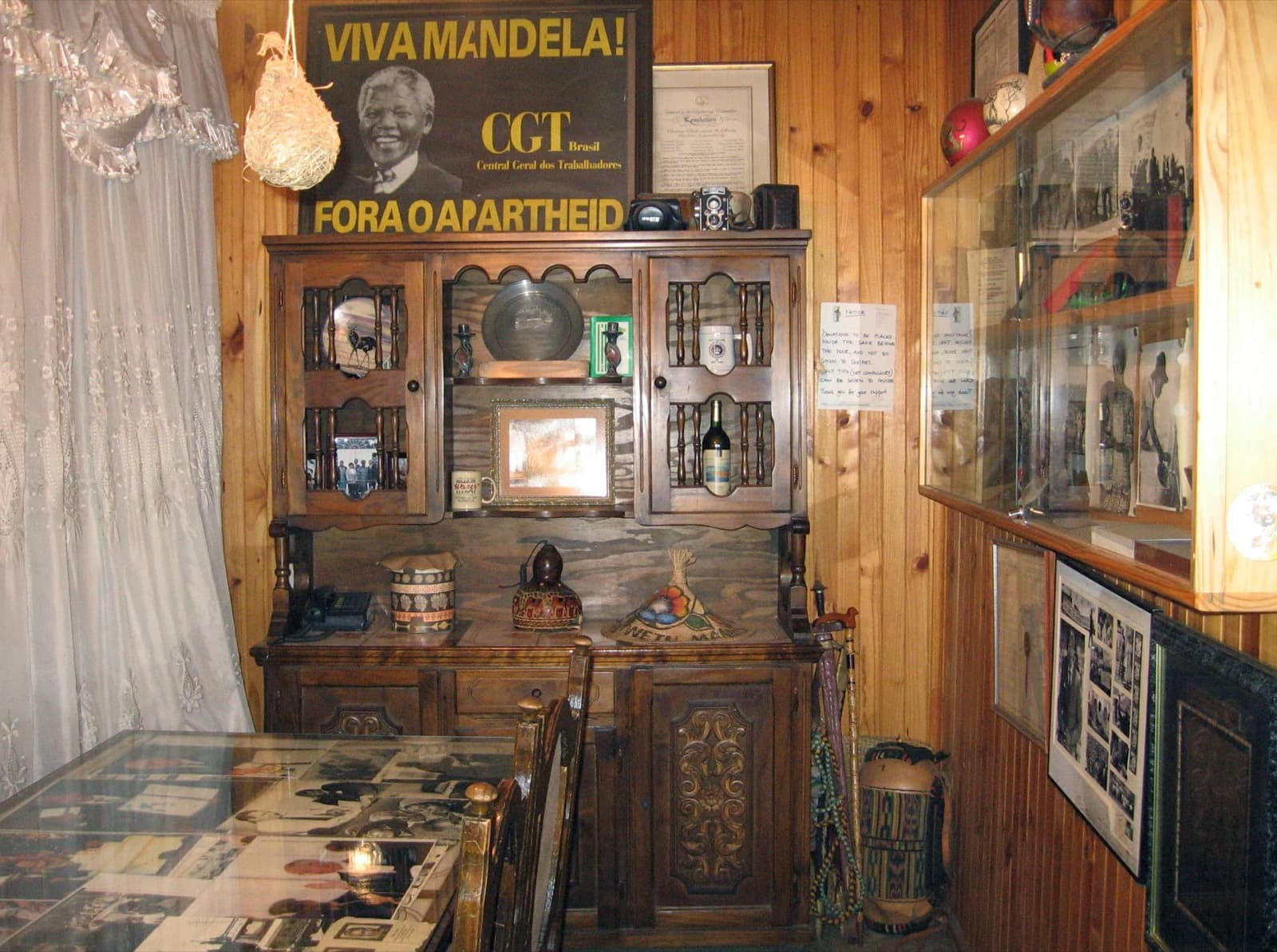
Mandela House at number 8115 Vilakazi Street is a small four-room brick home where Nelson Mandela lived from 1946, and its scale is the single fact worth carrying to the front gate. Sowetans call this kind of house a matchbox, a plain municipal box built by the thousand to house black workers under segregation and, later, apartheid. Mandela lived in it from 1946 to 1962. He called it the first place he ever truly called home, the centre point of his world. Stand on the pavement outside and the arithmetic does the work: a future president of South Africa began his adult life in these few tiny rooms, in a township engineered to keep people down.
What you are actually looking at
The house sits near the corner of Vilakazi and Ngakane streets in Orlando West, the oldest part of Soweto. Red brick, low roof, a footprint you could walk across in seconds. There is no grandeur to correct for here, which is precisely the point. When people picture the beginnings of a head of state, they tend to imagine something larger. This is the opposite of that image, and the gap between the smallness of the house and the size of the life that left it is the whole reason to come.
Winnie Madikizela-Mandela lived here too. The house was the family home through the years that followed, including the long stretch when Mandela himself was absent, first for the underground struggle and then for prison. That absence is stitched into the building's meaning. This was a home that a man kept having to leave: for the movement, then for a cell, then for the presidency. The rooms stayed. The family stayed. He did not.
The eleven days
Hear a stop from this walk
Vilakazi Street: The Street That Raised Two Peace Laureates
The detail that tends to stop visitors is what happened on his return. Mandela was released from prison on 11 February 1990, after 27 years. He came back to number 8115. He stayed only briefly, about eleven days, before the pace of the transition and the demands of a country in negotiation pulled him away for good.
Eleven days. After twenty-seven years, a man walked back into the house he had called the centre of his world, slept in it, and then the future took him. It is a small, human measure of how completely his private life had been overtaken by his public one. If you understand nothing else standing at the gate, understand that: the home was real, the attachment was real, and he got eleven days.
From family home to national museum
The building's second life began in the late 1990s. In 1997 Mandela donated the house to the Soweto Heritage Trust, which he had founded, and it opened as a museum that December. It was declared a National Heritage Site in 1999. It closed for renovation in April 2008 and reopened in March 2009, and today it operates as the Nelson Mandela National Museum.
That path, from lived-in family house to protected public site, is common enough for the homes of famous people. What is uncommon is how little the house had to be dressed up to earn the status. The significance was never in the architecture. It was in who passed through the door and what they went on to do. The renovation preserved a modest structure rather than transforming it into something monumental, and that restraint keeps the visit honest.
The street around it
You do not arrive at Mandela House in isolation. It anchors Vilakazi Street, widely described as the only street in the world to have been home to two Nobel Peace Prize laureates. Mandela received the prize in 1993. Archbishop Desmond Tutu, whose family moved onto the same street in 1975, received it in 1984. Two winners of the world's highest honour for peace, raised on one road, in a place apartheid built to warehouse labour far from the white city.
Around the house the street lives: restaurants and traders, musicians and visitors, the ordinary movement of a neighbourhood that has learned to welcome the world without being flattened by it. That contrast matters when you visit. The museum asks for a certain stillness, and the street outside supplies noise and colour. Hold both. The stillness is where the eleven days and the twenty-seven years land; the noise is proof that the neighbourhood outlasted the system that designed it.
How to meet the place
There is a modest entry fee, charged in South African rand, and it is best confirmed on site. Step inside if you want to read the walls of the home that shaped the life, or stand a while on the pavement and simply take in how small the beginning was. Neither choice is wrong. The house rewards a slow, unhurried look more than a quick photograph, and going at your own pace lets the scale of the rooms register properly rather than blurring past in a group.
Mandela House is the second stop on Roamer's self-guided Soweto: The Road to Freedom walking tour, which reads the township as a single sentence about freedom. It opens on Vilakazi Street, moves from this house up the hill to the Hector Pieterson Memorial, and ends in Kliptown at the square where the Freedom Charter was adopted in 1955. The first three stops, including this one, form a short walkable cluster in Orlando West, so you can take Mandela House on foot and at your own clock. If you are planning a wider day out, the full list of Johannesburg walking tours sets this route alongside the city's other freedom sites.
Come for the man, but stand for a moment with the house itself. Four small rooms, a matchbox on an ordinary street, and out of them a life that helped talk a country back from the edge. The smallness is the story.
Sources
- Mandela House official site (mandelahouse.com). Museum history, the 1997 donation to the Soweto Heritage Trust, and visitor information for number 8115 Vilakazi Street.
- Mandela House (Wikipedia). Dates for Mandela's residence, the National Heritage Site designation, and the 2008 to 2009 renovation and reopening.
- "The Nobel Street where Mandela and Tutu lived" (CNN, 2015). The claim that Vilakazi Street is the only street home to two Nobel Peace Prize laureates.
- Tutu House (Wikipedia). Desmond Tutu's Nobel Peace Prize (1984) and his family's arrival on Vilakazi Street in 1975.
Ready to experience it?
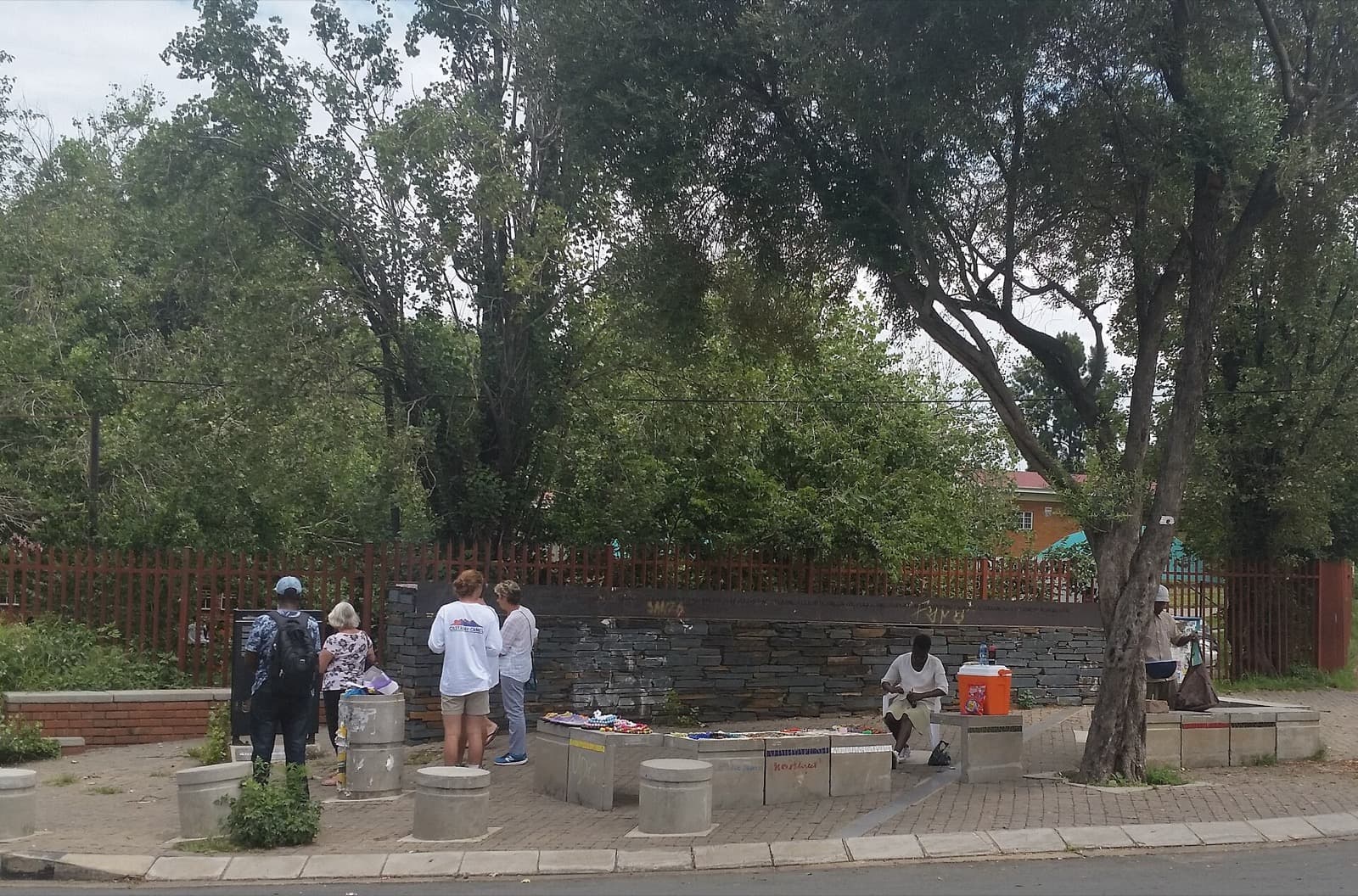
Soweto: The Road to Freedom
240 min · 14.4 km · moderate
More from Johannesburg
Explore more at your own pace.
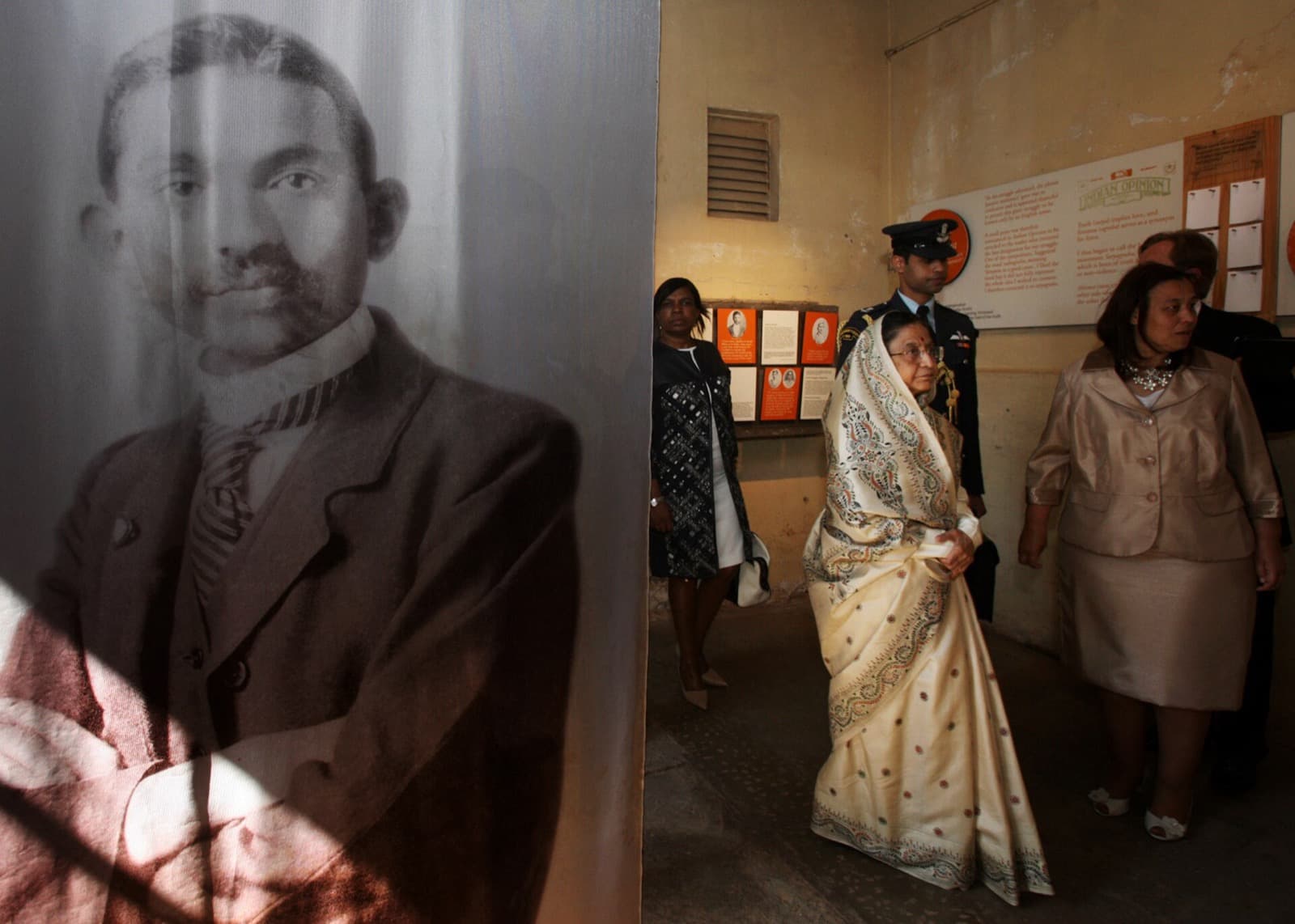
Johannesburg Travel Guide: How Many Days, Getting Around, Safety, and Cost
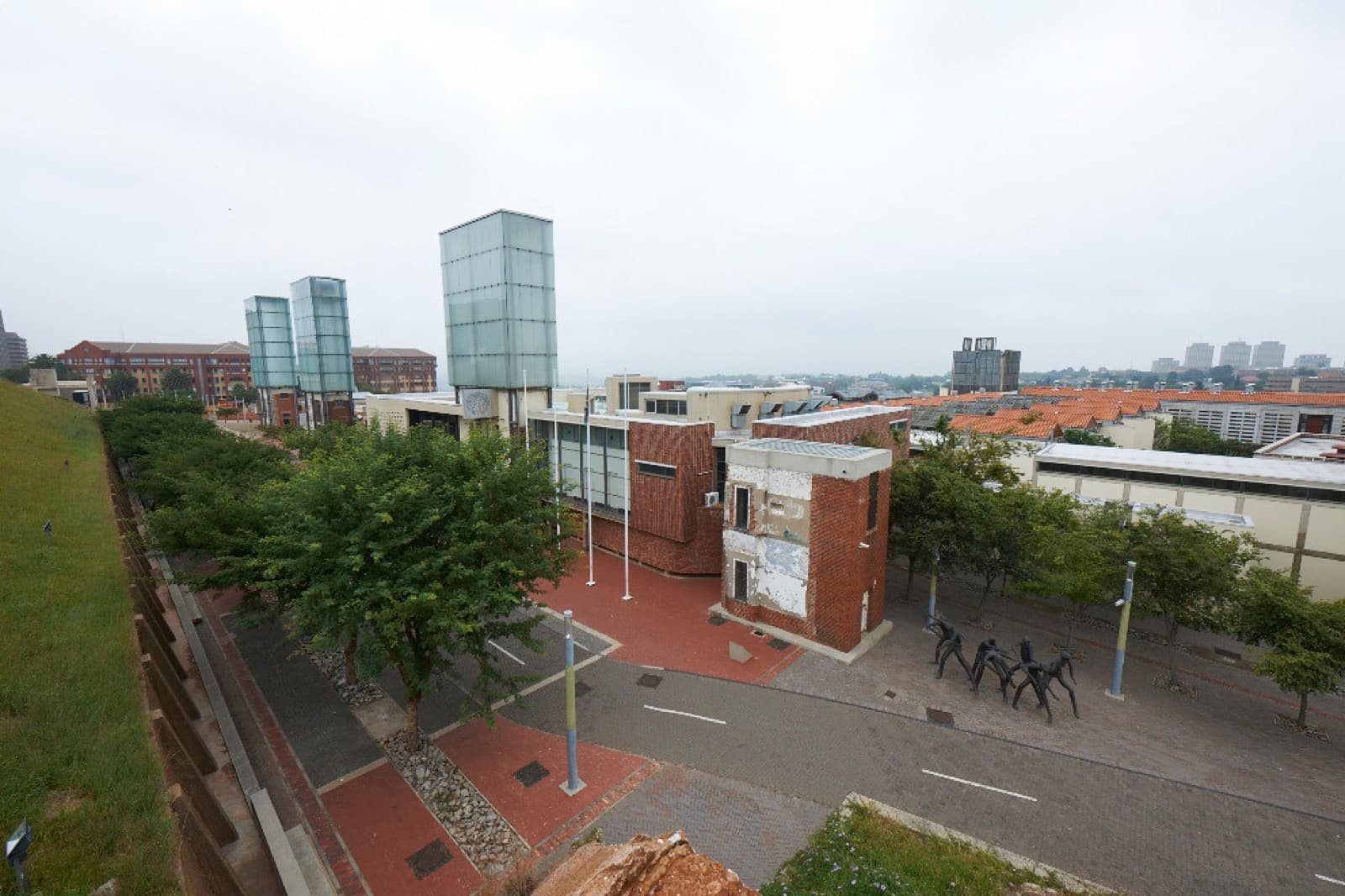
One Day in Johannesburg: A Walkable Morning-to-Evening Itinerary
From City of Gold to Freedom: How to Read Johannesburg in Two Places
The Constitutional Court in Johannesburg: A Prison Rebuilt as a Nation's Highest Law
The Hector Pieterson Memorial: The Turning Point in Soweto's Road to Freedom