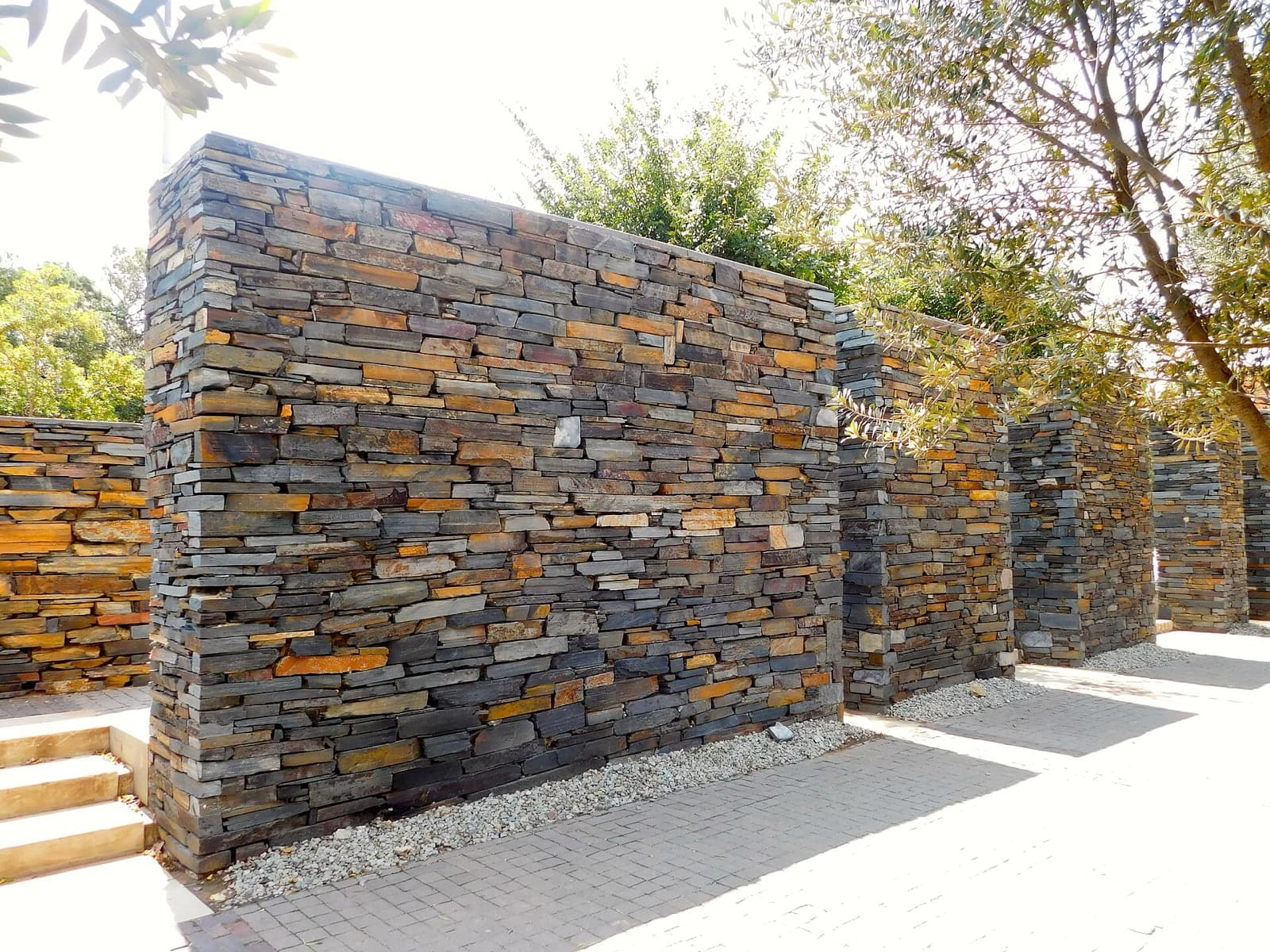
The Hector Pieterson Memorial marks the block in Orlando West where apartheid police opened fire on protesting schoolchildren on the sixteenth of June nineteen seventy-six, and it is the turning point that gives Soweto's freedom walk its meaning. Everything before it on the route is personal history: a street, a house, the small rooms where a future president grew up. Everything after it is consequence. Stand on this block for a few minutes and you understand why a self-guided walk through Soweto is best read the way it was built, as a single sentence about freedom that turns, right here, on the deaths of children.
What happened on this block
On that Wednesday morning, thousands of Soweto students left their classrooms to protest a decree that half their school subjects be taught in Afrikaans, the language many of them associated with the government enforcing their subjugation. The march was meant to be peaceful. On this stretch of road, police opened fire. Hector Pieterson, twelve years old and born in nineteen sixty-three, was among the first killed.
What made his death travel was a single frame. The photographer Sam Nzima captured a young man named Mbuyisa Makhubo carrying the dying boy, with Hector's sister Antoinette running alongside, her hand raised. That photograph moved across the world within days and became one of the most significant images of the twentieth century. It drew condemnation from the United Nations and far beyond, and within a year the UN Security Council imposed an arms embargo on South Africa. A government that had spent decades presenting apartheid as orderly and lawful now had to answer for a picture of a child shot in the street.
The memorial does not soften any of this. South African History Online records that a postmortem found Hector had been shot directly, not killed by a bullet ricocheting off the ground as the police had claimed. The full death toll of that day and the weeks that followed remains contested. The museum records figures such as more than a hundred and seventy children killed, but estimates vary widely and some run far higher, with the government's own Cillie Commission later citing several hundred deaths overall. The honest posture, and the one the memorial takes, is to hold the uncertainty rather than reach for a false precision.
Why this is the turn, not the start
Hear a stop from this walk
Vilakazi Street: The Street That Raised Two Peace Laureates
The walk opens two hundred metres away, on Vilakazi Street, which is widely described as the only street in the world to have been home to two Nobel Peace Prize laureates. Nelson Mandela, who received the prize in nineteen ninety-three, lived in the small red-brick house at number eighty-one fifteen. Desmond Tutu, who received it in nineteen eighty-four, lived on the same road after his family moved there in nineteen seventy-five. Those are the opening clauses: extraordinary individuals raised in an ordinary place that apartheid built to keep people down.
But individuals do not, by themselves, bring down a system. The Hector Pieterson Memorial is where the story stops being about famous men and becomes about a generation of anonymous schoolchildren who decided they would rather face guns than accept the future being handed to them. That is the pivot. After June nineteen seventy-six the anti-apartheid struggle was never again something the world could ignore, and it was never again carried mainly by leaders in exile or on trial. It was carried by ordinary Sowetans. Reading the tour in order, you feel the sentence turn under your feet: from what two men achieved, to what a township paid.
The museum itself opened on the sixteenth of June, two thousand and two, on the twenty-sixth anniversary of the uprising it commemorates. It sits deliberately close to where the shooting began, so that the exhibition and the actual ground are never more than a couple of blocks apart.
How the rest of the sentence completes
The stops that follow only make sense once you have stood here. A short drive brings you to the Orlando Towers, two painted cooling towers of a power station built between nineteen thirty-nine and about nineteen fifty-five and decommissioned in nineteen ninety-eight. The station generated electricity inside Soweto that flowed to Johannesburg, while many black households in Soweto itself stayed poorly electrified. After the memorial, that irony reads as one more entry in the ledger of what needed righting.
West across the township stands Regina Mundi, the largest Roman Catholic church in South Africa, built in the early nineteen sixties. During apartheid it earned a second name, the people's church, because its doors stayed open when other gatherings were banned. On the same sixteenth of June in nineteen seventy-six, students fleeing the police ran inside, and the police followed and fired live ammunition, damaging the altar and sacred figures. South African History Online records that the bullet marks are still visible. From nineteen ninety-five to nineteen ninety-eight the church hosted Truth and Reconciliation Commission hearings presided over by Desmond Tutu, so the walls that sheltered the struggle later held its reckoning.
The full stop lands in Kliptown, at Walter Sisulu Square of Dedication, where on the twenty-sixth of June nineteen fifty-five the Congress of the People adopted the Freedom Charter before more than three thousand delegates. Its declaration that South Africa belongs to all who live in it, black and white, later underpinned the democratic constitution of nineteen ninety-six. The Charter's ten principles are cast in bronze on a conical brick tower you can read in the open air. Chronologically this comes first, in nineteen fifty-five. On the route it comes last, which is the point: you arrive at the written promise only after you have stood where children died defending the future it described.
Walking it yourself
This is why the tour is self-guided and paced to your own clock. The Hector Pieterson Memorial asks for silence, not narration, and you should be able to stay as long as you need with no group at your shoulder and no van counting the minutes. The first three stops, on and around Vilakazi Street, form a walkable cluster in Orlando West. The last three involve short drives, a few minutes each, best done in your own car or a metered taxi. Set aside three to four hours across roughly twelve to fourteen kilometres, carry small amounts of rand for the modest museum fees, and put the camera down at the memorial itself.
If you are planning a wider stay, this walk sits among the other Johannesburg walking tours and the city guide for Johannesburg covers how the townships connect to the rest of the metro. But start here, in Orlando West, and let the sentence turn on this block.
Sources
- South African History Online, "Hector Pieterson": profile confirming the postmortem finding that he was shot directly, and his age and date of birth.
- Wikipedia, "Hector Pieterson Museum": opening date of the sixteenth of June two thousand and two and the museum's proximity to the shooting site.
- CNN, "The Nobel Street where Mandela and Tutu lived": reporting on Vilakazi Street and its two Nobel Peace laureates.
- Wikipedia, "Regina Mundi Catholic Church (Soweto)": the church's status as South Africa's largest Catholic church, the nineteen seventy-six shooting inside it, and the Truth and Reconciliation Commission hearings.
- Brand South Africa, "Kliptown and the Freedom Charter": the Congress of the People, the adoption of the Freedom Charter in nineteen fifty-five, and its link to the constitution.
Ready to experience it?
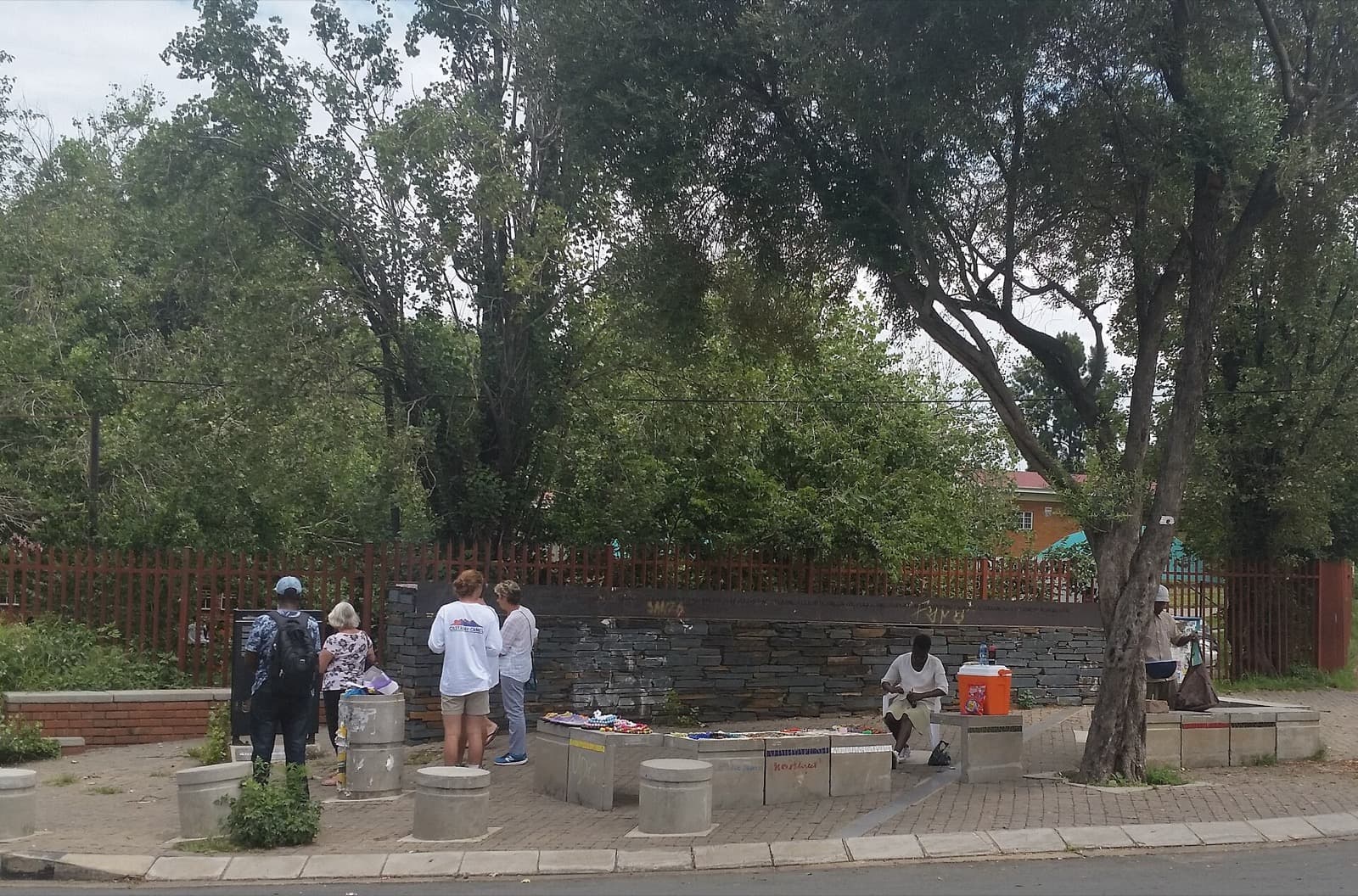
Soweto: The Road to Freedom
240 min · 14.4 km · moderate
More from Johannesburg
Explore more at your own pace.
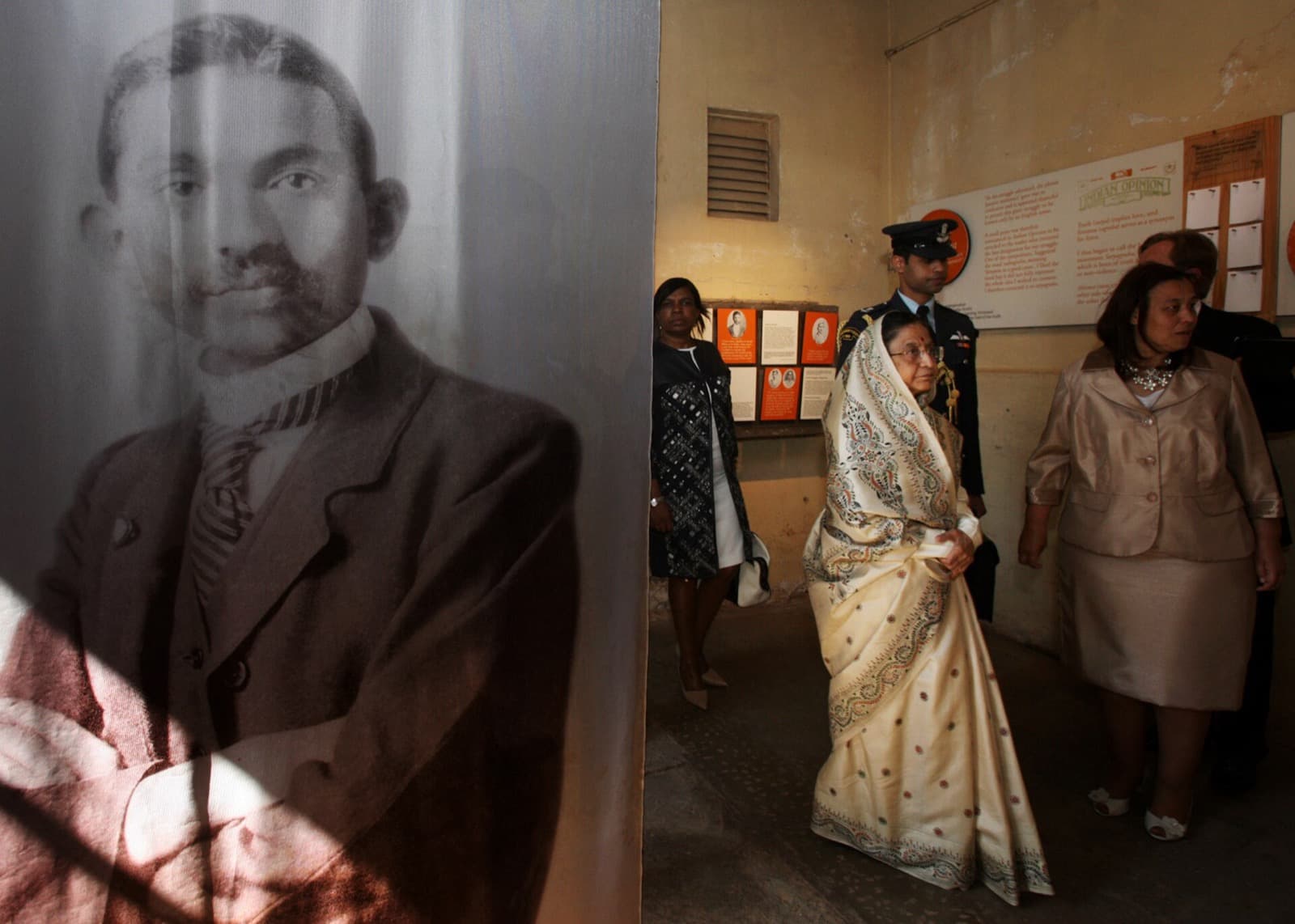
Johannesburg Travel Guide: How Many Days, Getting Around, Safety, and Cost
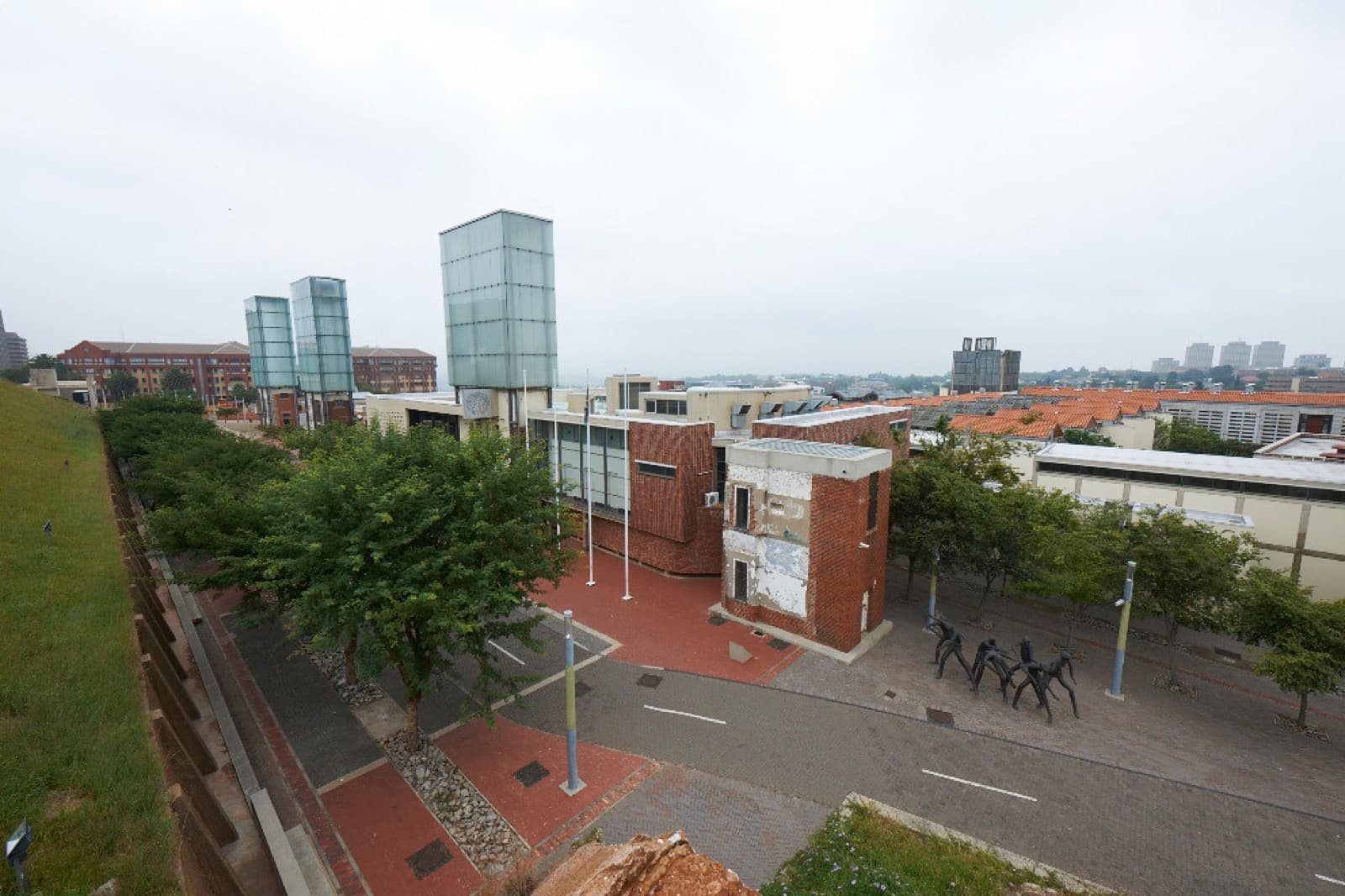
One Day in Johannesburg: A Walkable Morning-to-Evening Itinerary
From City of Gold to Freedom: How to Read Johannesburg in Two Places
The Constitutional Court in Johannesburg: A Prison Rebuilt as a Nation's Highest Law
Mandela House on Vilakazi Street: The Matchbox That Raised a President