Constitution Hill: From Prison to Constitution
120 min · 3.4 km · easy
Johannesburg was born from gold, and the long road from that gold to freedom is written most plainly in two places: a prison that became a court, and a township that raised two Nobel Peace laureates. The city that South Africans call eGoli, the Place of Gold, exploded out of a mining camp after the world's richest gold reef surfaced on the Witwatersrand in eighteen eighty-six. The fortune came from below. The labour, the townships, and the injustice grew around it. And the reckoning that turned an unjust country into a constitutional democracy is concentrated on Constitution Hill in the inner city and along the freedom streets of Soweto to the southwest. Read the prison turned court and the streets where freedom was walked, and you read modern South Africa at your own pace. For the full set of routes, start with the Johannesburg walking tours hub.
Gold made the city, and the city made a prison
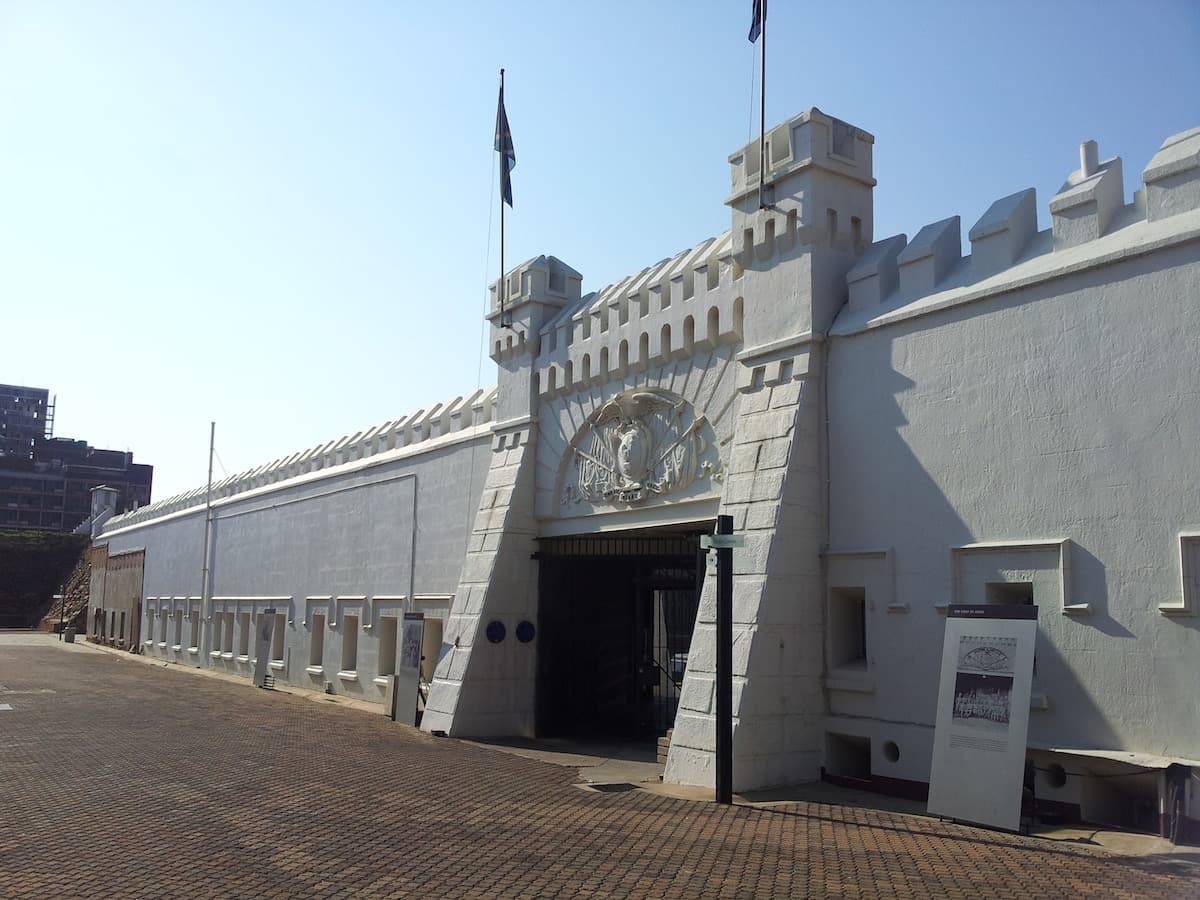
The gold reef found on the Witwatersrand in eighteen eighty-six pulled foreign miners onto the highveld faster than any government could absorb them. The Boers called those newcomers uitlanders, outsiders, and President Paul Kruger's South African Republic did not trust them. The Old Fort on Constitution Hill began in the early eighteen nineties as Johannesburg's original prison for white male inmates, and between eighteen ninety-six and eighteen ninety-nine Kruger's republic raised earth ramparts around it after a failed British raid, the Jameson Raid. The British captured the fort in nineteen hundred during the South African War. So the very shape of the hill was set by one fear while it caged people for other reasons entirely.
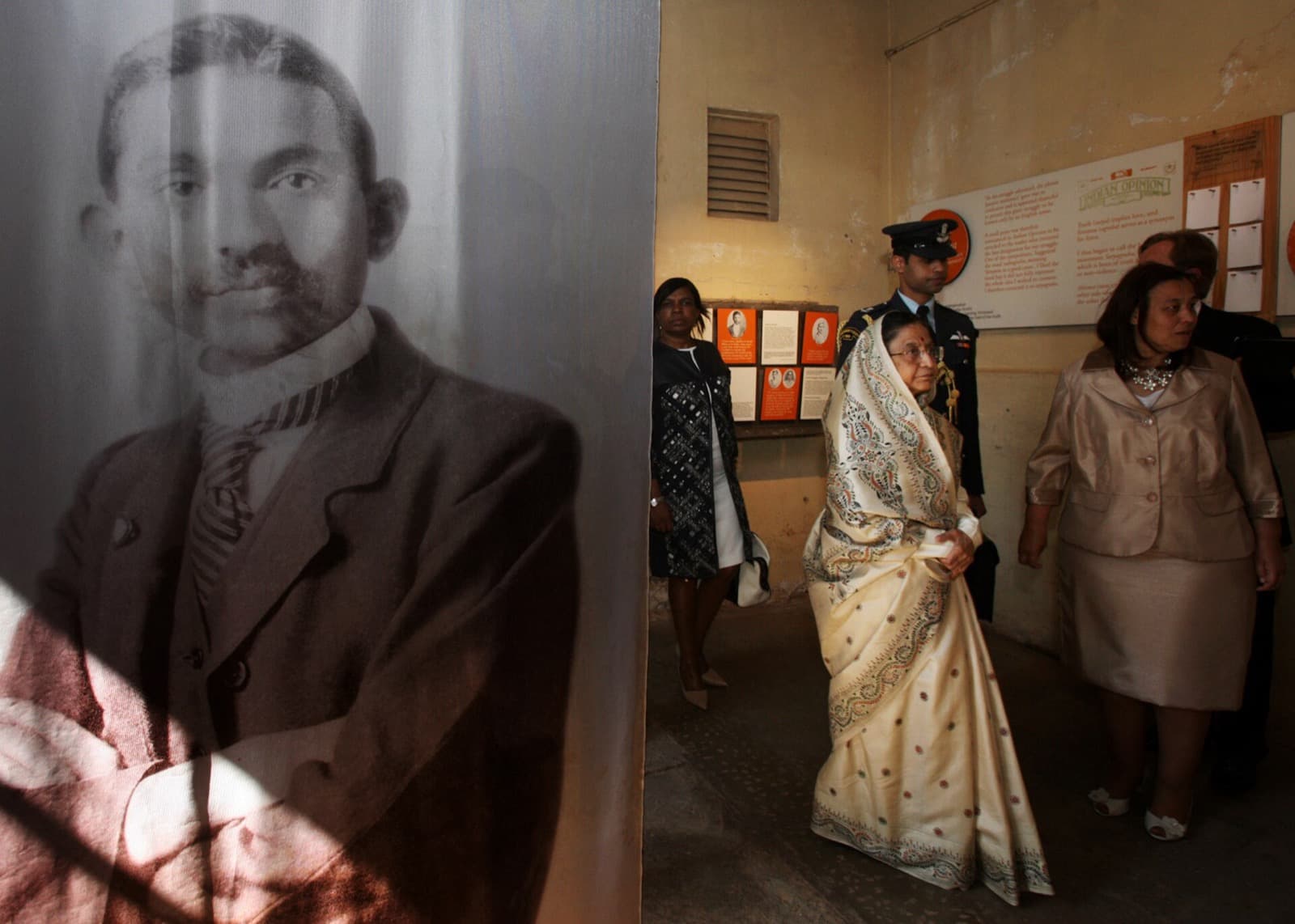
The prison outlived the republic and hardened into the machinery of racial rule. Number Four, built in nineteen hundred and two, held black male prisoners in overcrowded, disease-ridden cells, with food rationed by race and the degrading Tausa inspection in which naked men were forced to jump and clap. It ran for a full century before closing in nineteen eighty-three. The adjacent Women's Jail, an elegant red-brick building completed around nineteen hundred and nine, hid a hard place behind its handsome atrium: cold communal showers, no sanitary supplies until after nineteen seventy-six, and detention without trial. The people held across this precinct read like a roll call of the century. Mohandas Gandhi was imprisoned here in January of nineteen hundred and eight for defying the pass laws. Nelson Mandela was held twice, in nineteen fifty-six and nineteen sixty-two. Winnie Madikizela-Mandela, Albertina Sisulu, Fatima Meer, and Barbara Hogan were confined in the Women's Jail. The Constitution Hill tour reads these cells slowly, because they reward slow reading.
The court built from the prison's bricks
Hear a stop from this walk
Braamfontein and the Nelson Mandela Bridge: Stitching the City Back Together
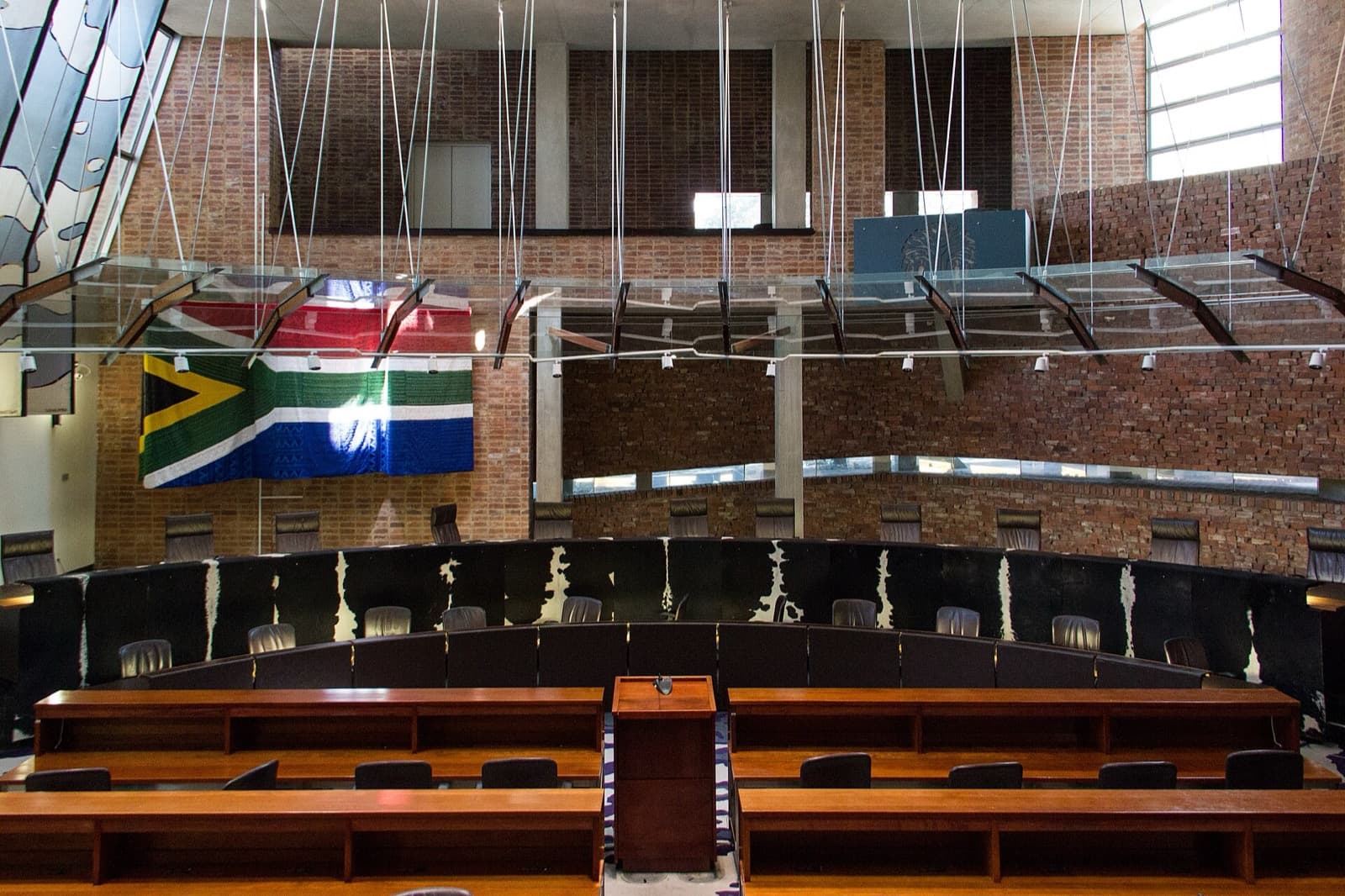
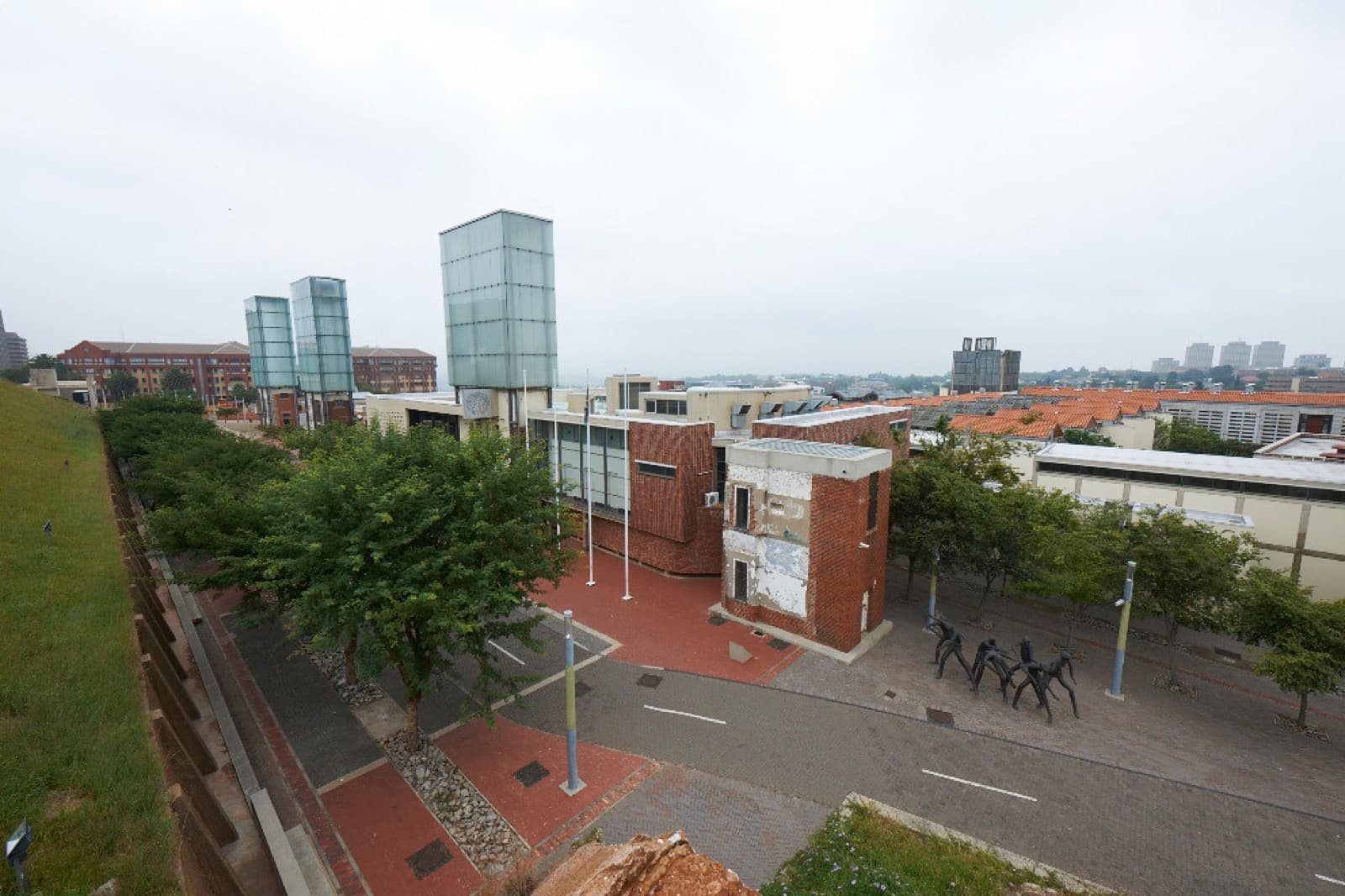
Then the ground turns its meaning inside out. When democracy came, South Africa built its Constitutional Court, the highest court in the land, on the site of a demolished prison block, the Awaiting Trial Block, and deliberately from that block's own bricks. According to the court's own account, those recycled bricks form a wall of the foyer, the chamber wall directly behind the judges, and the Great African Steps that climb to the entrance. The bricks that once walled in prisoners now build the room where their rights are read.
The design was chosen from a competition of one hundred and eighty-five entries in nineteen ninety-eight, won by the South African firms Urban Solutions and OMM Design Workshop. The court first sat in February of two thousand and four and was inaugurated on Human Rights Day, the twenty-first of March, two thousand and four, ten years into democracy. The whole building is premised on lekgotla, the African practice of doing justice beneath a tree: slanting columns read as trunks, light falls dappled across the floor, and on the tall timber doors the twenty-seven rights of the Bill of Rights are carved in eleven official languages plus sign language, with braille on the handles. Behind the judges, a low band of windows shows only the feet of people passing outside, a built reminder that judges serve the people. From the same ramparts where the walk began, the divided inner city opens up, the Hillbrow Tower and Ponte City on the skyline, and the walk ends down in Braamfontein at the Nelson Mandela Bridge, opened by Mandela himself on the twentieth of July, two thousand and three, stitching the city across the railway yards that once split it.
Soweto, where freedom was walked
If Constitution Hill holds the constitutional turn, Soweto holds the human one. The South Western Townships were engineered under apartheid to warehouse black labour far from the white city, and they became the crucible of the struggle that ended that system. The Soweto freedom tour reads that story as a single sentence written in streets and squares.
It opens on Vilakazi Street in Orlando West, widely described as the only street in the world to have been home to two Nobel Peace Prize laureates. Nelson Mandela, who received the prize in nineteen ninety-three, lived here. Archbishop Desmond Tutu, who received it in nineteen eighty-four, lived on the same road, his family moving there in nineteen seventy-five. A few doors along stands the Mandela House at number eighty-one fifteen, a small red-brick matchbox house Mandela lived in from nineteen forty-six and called the first place he ever truly called home. After twenty-seven years in prison he returned here on the eleventh of February nineteen ninety, stayed about eleven days, then donated the house to the Soweto Heritage Trust in nineteen ninety-seven.
A hundred metres uphill is the moral centre of the whole city. On the sixteenth of June nineteen seventy-six, Soweto's schoolchildren marched against a ruling that they be taught in Afrikaans, and police opened fire. Hector Pieterson, twelve years old, was among the first killed, and Sam Nzima's photograph of the dying boy carried by Mbuyisa Makhubo, with Hector's sister Antoinette running alongside, became one of the defining images of the twentieth century. The Hector Pieterson Museum opened on the anniversary, the sixteenth of June two thousand and two. How many died that day and after is contested and uncertain, and the memorial asks you to hold that uncertainty rather than a false precision.
The road from a dusty square
The rest of Soweto's story is spread across the township, a few minutes' drive between stops, which is why this route is meant to be taken on your own clock rather than in a group van. The Orlando Towers, two painted cooling towers of a power station built between nineteen thirty-nine and about nineteen fifty-five, carry a quiet irony: they generated electricity in Soweto that flowed to Johannesburg while many Soweto households went without reliable power. Regina Mundi, the largest Roman Catholic church in South Africa, earned the name the people's church when it opened its doors as banned political meetings filled its nave. Police fired live ammunition inside it during the nineteen seventy-six uprising, and the bullet damage remains visible today. Between nineteen ninety-five and nineteen ninety-eight the same walls hosted Truth and Reconciliation Commission hearings presided over by Desmond Tutu, so the church that sheltered the struggle later held its reckoning.
The sentence reaches its full stop in Kliptown, at Walter Sisulu Square of Dedication. Here, on the twenty-sixth of June nineteen fifty-five, more than three thousand delegates of the Congress of the People adopted the Freedom Charter and declared that South Africa belongs to all who live in it. Those principles later underpinned the democratic constitution of nineteen ninety-six, the very constitution guarded by the court built from a prison's bricks across town. The square as it stands was inaugurated in two thousand and five on the fiftieth anniversary, and a conical brick tower carries the Charter's ten principles engraved in bronze.
Two sites, one story. The gold that built the city built the prison. The prison became the court. And the streets of the township where the guns were faced became the ground where a free country was first written down. Walk both at your own pace, and you carry the full arc of modern South Africa with you.
Sources
Frequently asked questions
- Why is Johannesburg called the City of Gold?
- Johannesburg earned the name after the world's richest gold reef was discovered on the Witwatersrand in eighteen eighty-six, which turned a mining camp into a major city almost overnight. South Africans also call it eGoli, a Zulu name meaning the Place of Gold. The fortune dug from below shaped the labour system and townships that grew around the mines.
- What is Constitution Hill in Johannesburg?
- Constitution Hill is a precinct on a ridge in inner Johannesburg where an old fort and prison became the home of South Africa's highest court. The Old Fort began as a prison in the early eighteen nineties, and Number Four and the Women's Jail held prisoners including Mohandas Gandhi, Nelson Mandela, and Winnie Madikizela-Mandela. The Constitutional Court, opened in two thousand and four, was built partly from the bricks of a demolished prison block.
- Which two Nobel Peace laureates lived on Vilakazi Street in Soweto?
- Nelson Mandela and Archbishop Desmond Tutu both lived on Vilakazi Street in Orlando West, Soweto. Mandela received the Nobel Peace Prize in nineteen ninety-three and Tutu received it in nineteen eighty-four. Vilakazi Street is widely described as the only street in the world to have been home to two Nobel Peace Prize laureates.
- What happened at the Hector Pieterson Memorial on 16 June 1976?
- On the sixteenth of June nineteen seventy-six, Soweto schoolchildren marched against a ruling that they be taught in Afrikaans, and police opened fire. Hector Pieterson, twelve years old, was among the first killed, and Sam Nzima's photograph of his death became one of the defining images of the twentieth century. The Hector Pieterson Museum, near Vilakazi Street, opened on the anniversary of the uprising on the sixteenth of June two thousand and two.
- Where was the Freedom Charter adopted?
- The Freedom Charter was adopted at the Congress of the People in Kliptown, Soweto, on the twenty-sixth of June nineteen fifty-five, before more than three thousand delegates. Its declaration that South Africa belongs to all who live in it later underpinned the democratic constitution of nineteen ninety-six. The site is now Walter Sisulu Square of Dedication, inaugurated in two thousand and five on the fiftieth anniversary.
Ready to experience it?
Constitution Hill: From Prison to Constitution
120 min · 3.4 km · easy
More from Johannesburg
Explore more at your own pace.
Johannesburg Travel Guide: How Many Days, Getting Around, Safety, and Cost
One Day in Johannesburg: A Walkable Morning-to-Evening Itinerary
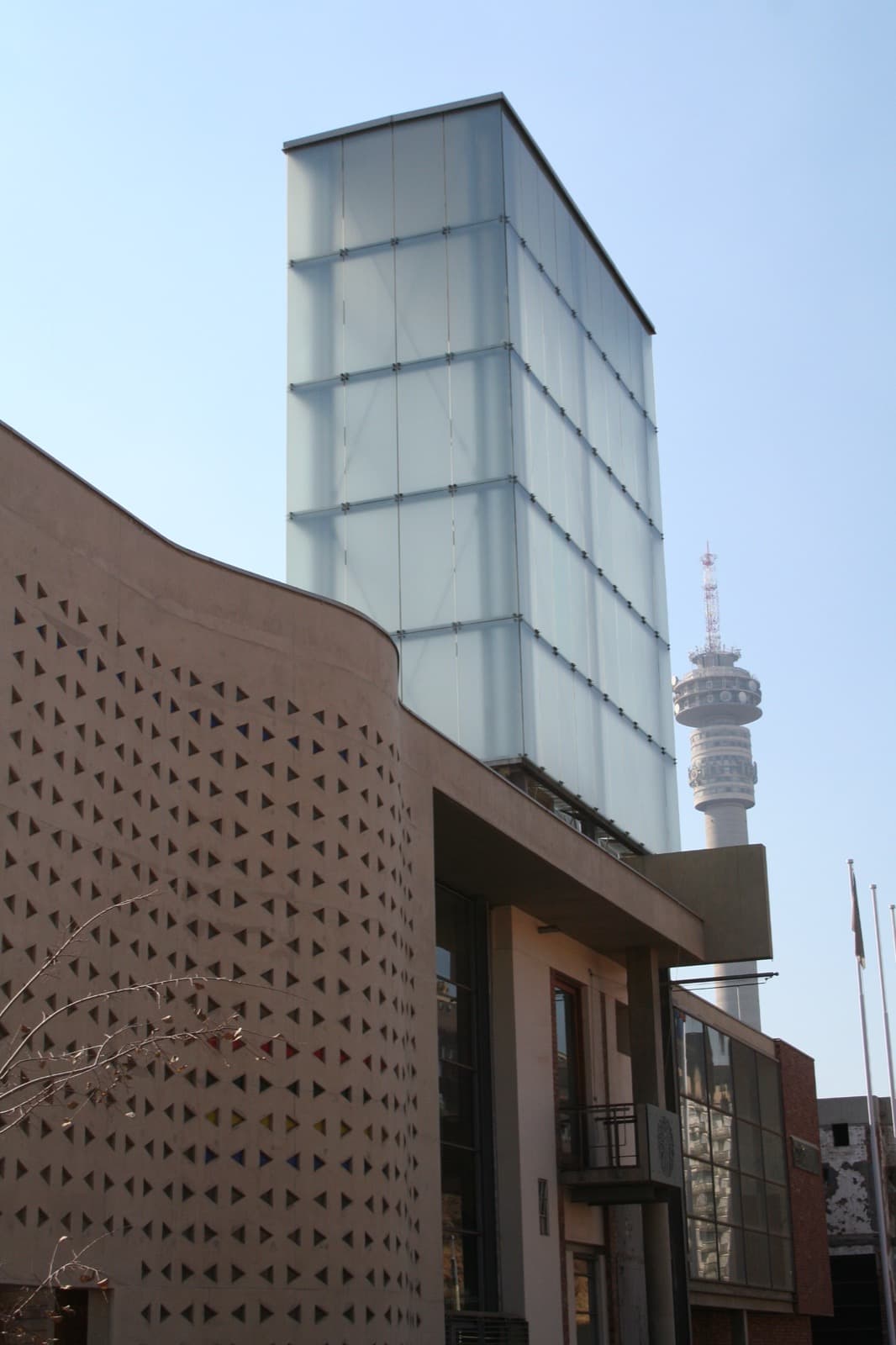
The Constitutional Court in Johannesburg: A Prison Rebuilt as a Nation's Highest Law
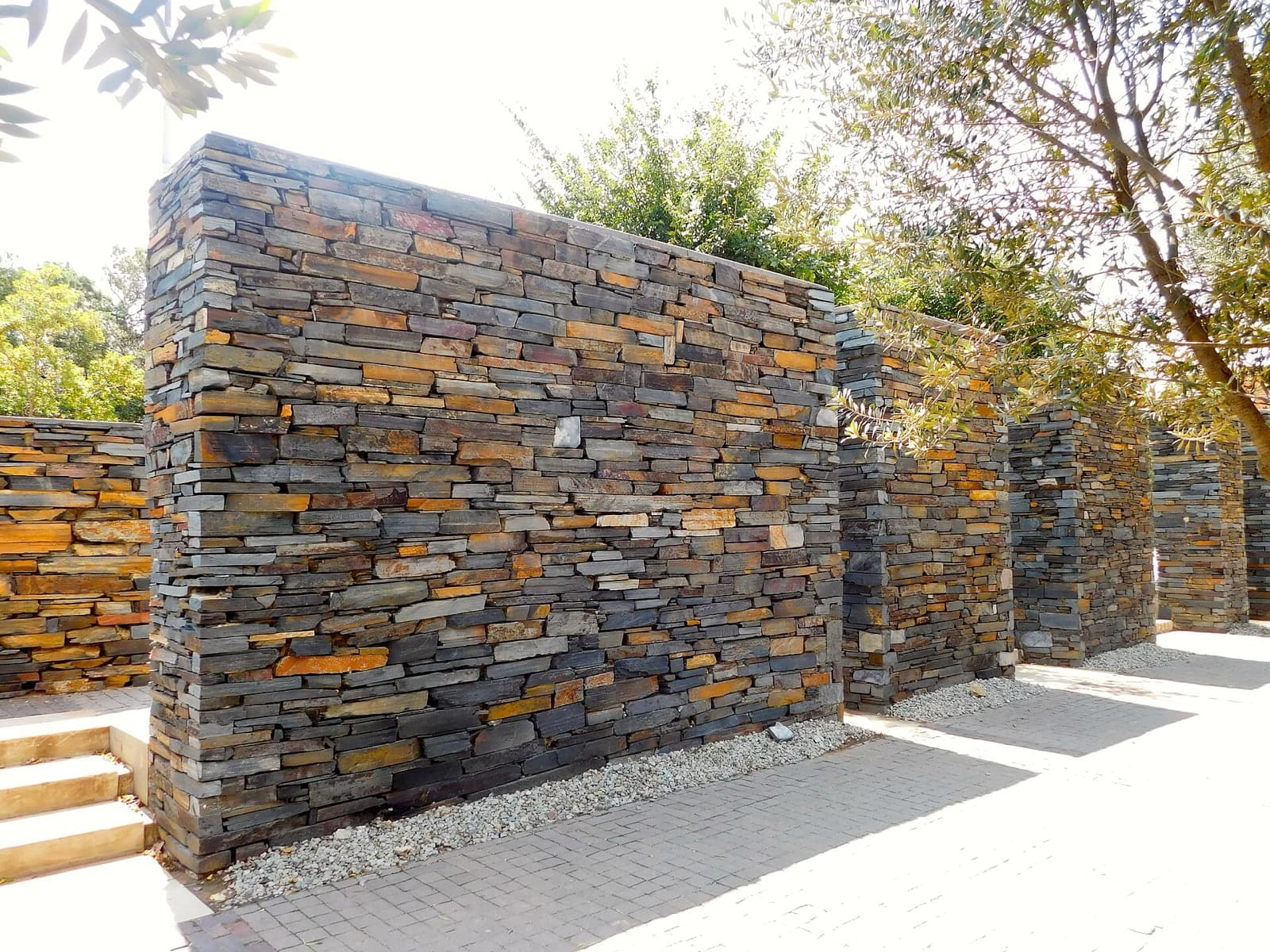
The Hector Pieterson Memorial: The Turning Point in Soweto's Road to Freedom
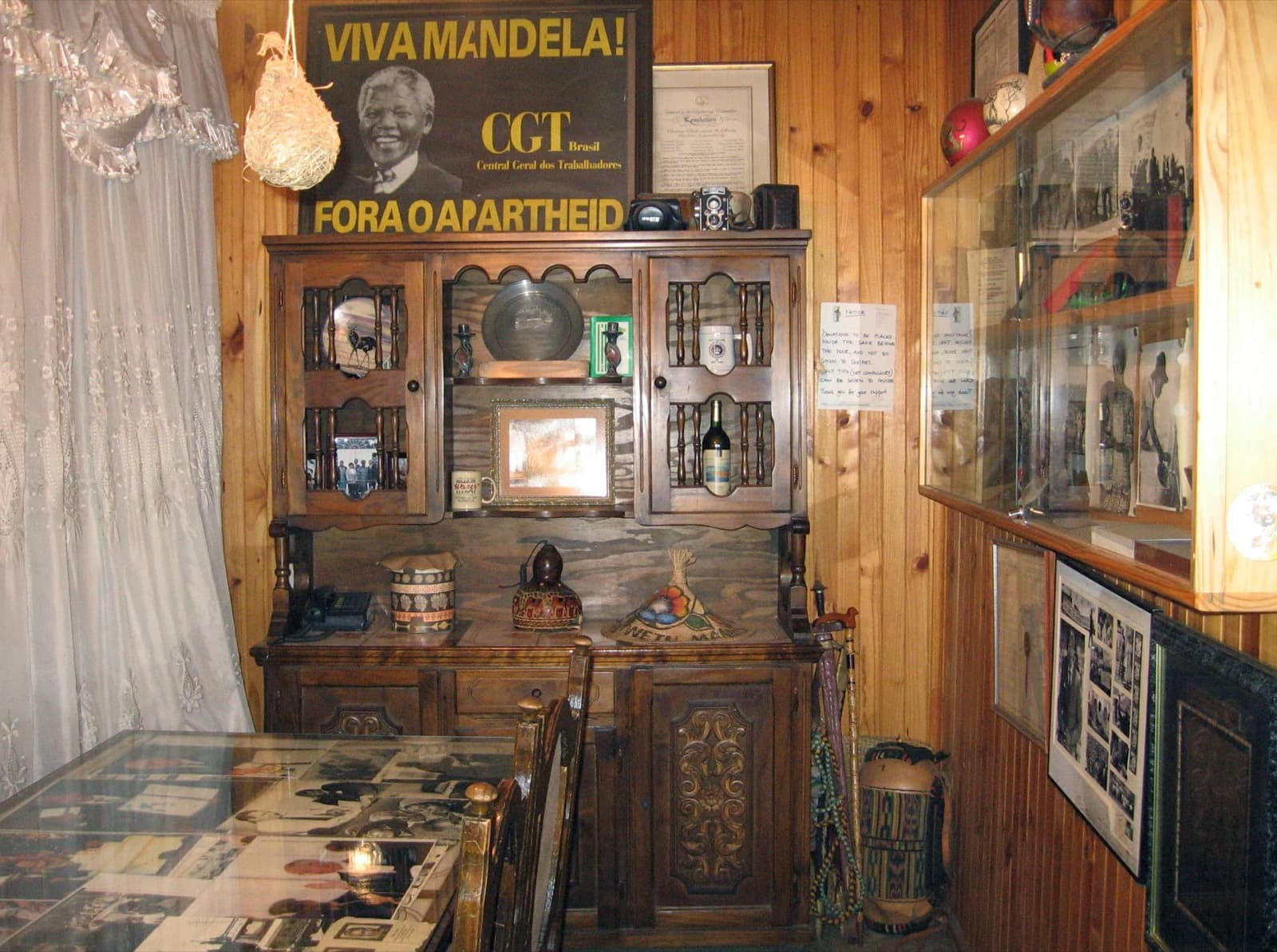
Mandela House on Vilakazi Street: The Matchbox That Raised a President