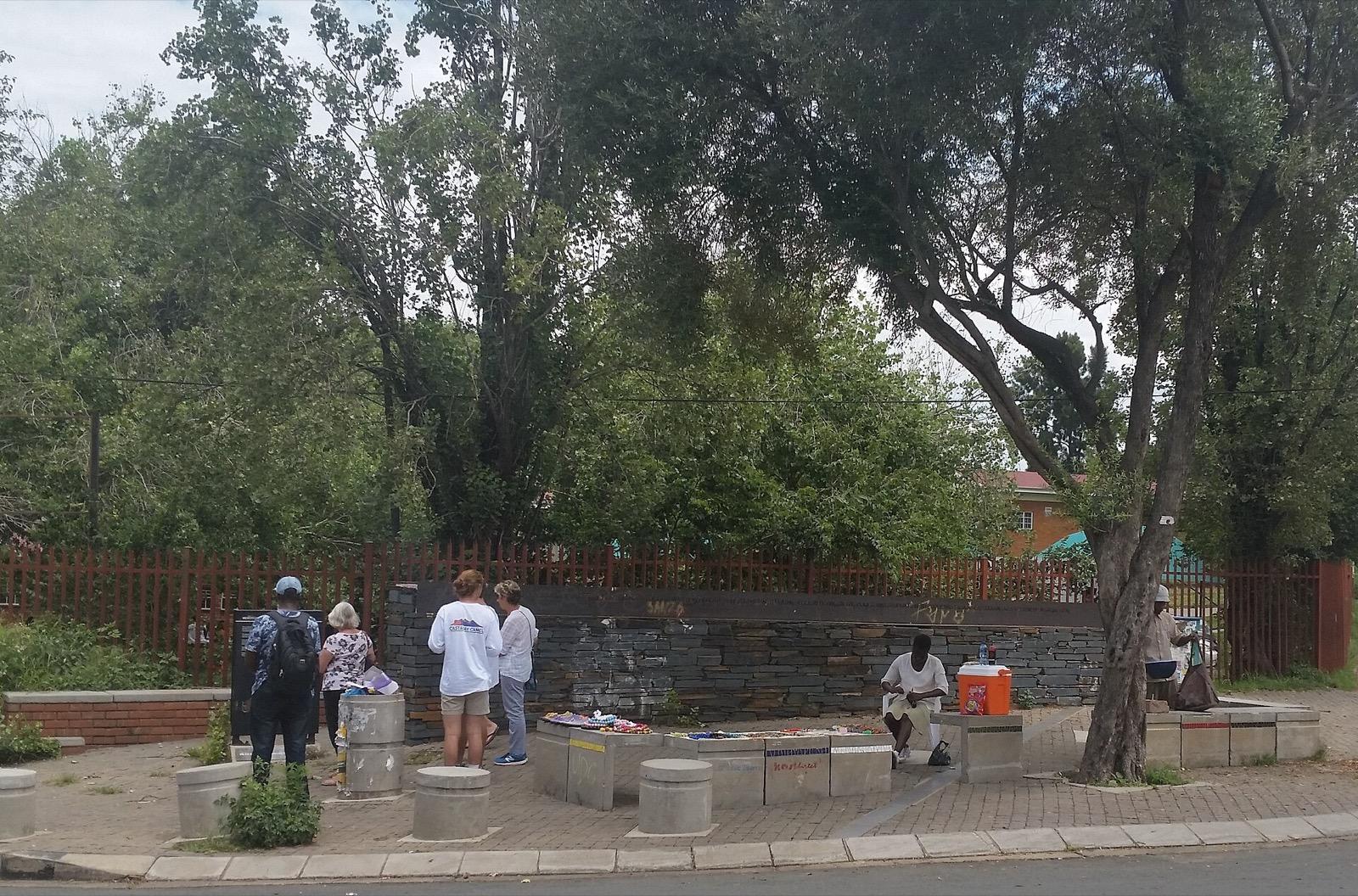
Read Soweto as a single sentence about freedom, from the one street that raised two Nobel Peace laureates to the open square in Kliptown where a free country was first written down.
Start · Vilakazi Street: The Street That Raised Two Peace Laureates
DirectionsStops
- 1
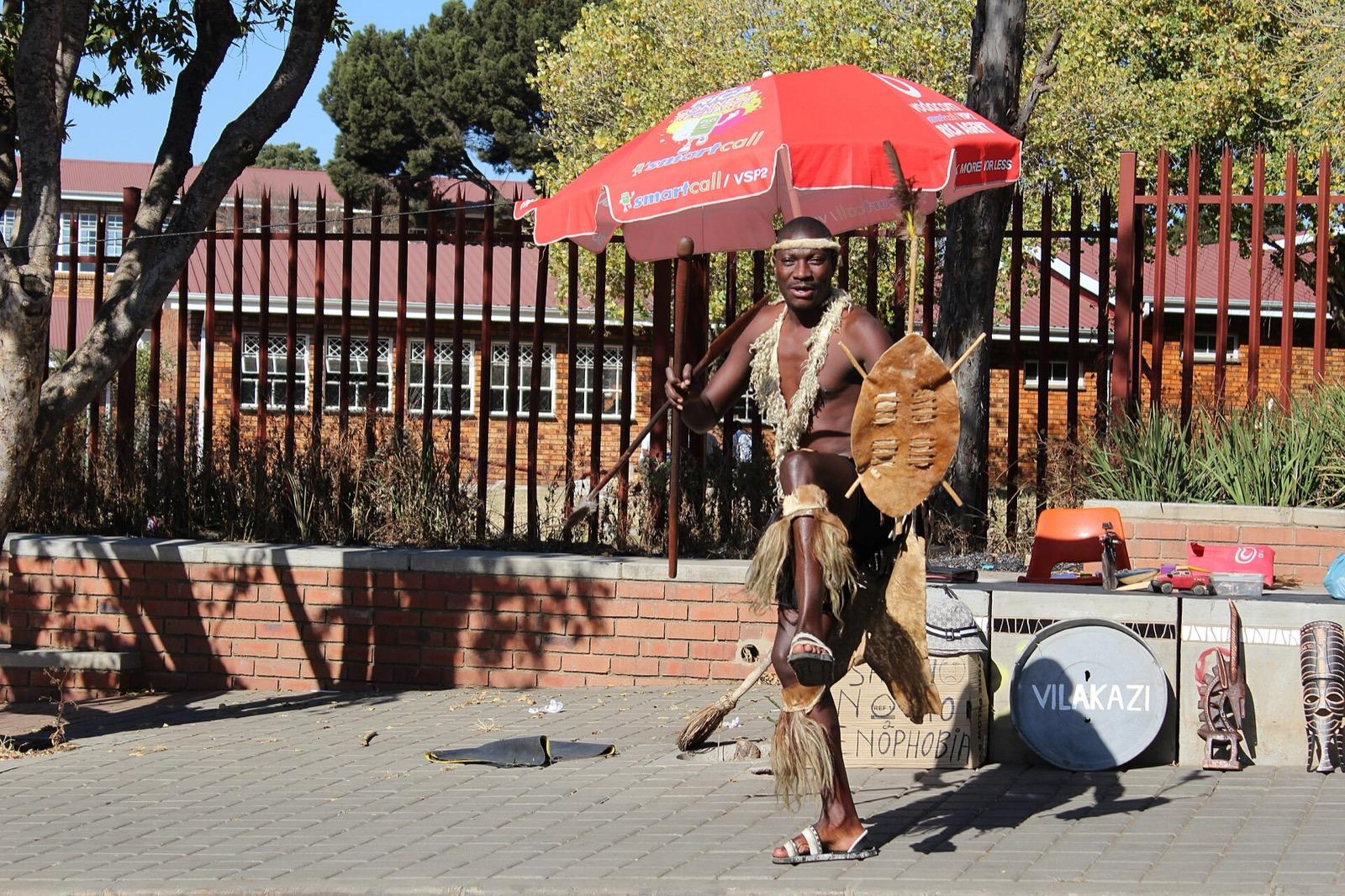
Vilakazi Street: The Street That Raised Two Peace Laureates
The living heart of Orlando West, and the one street in the world that was home to two Nobel Peace Prize laureates.
- 2
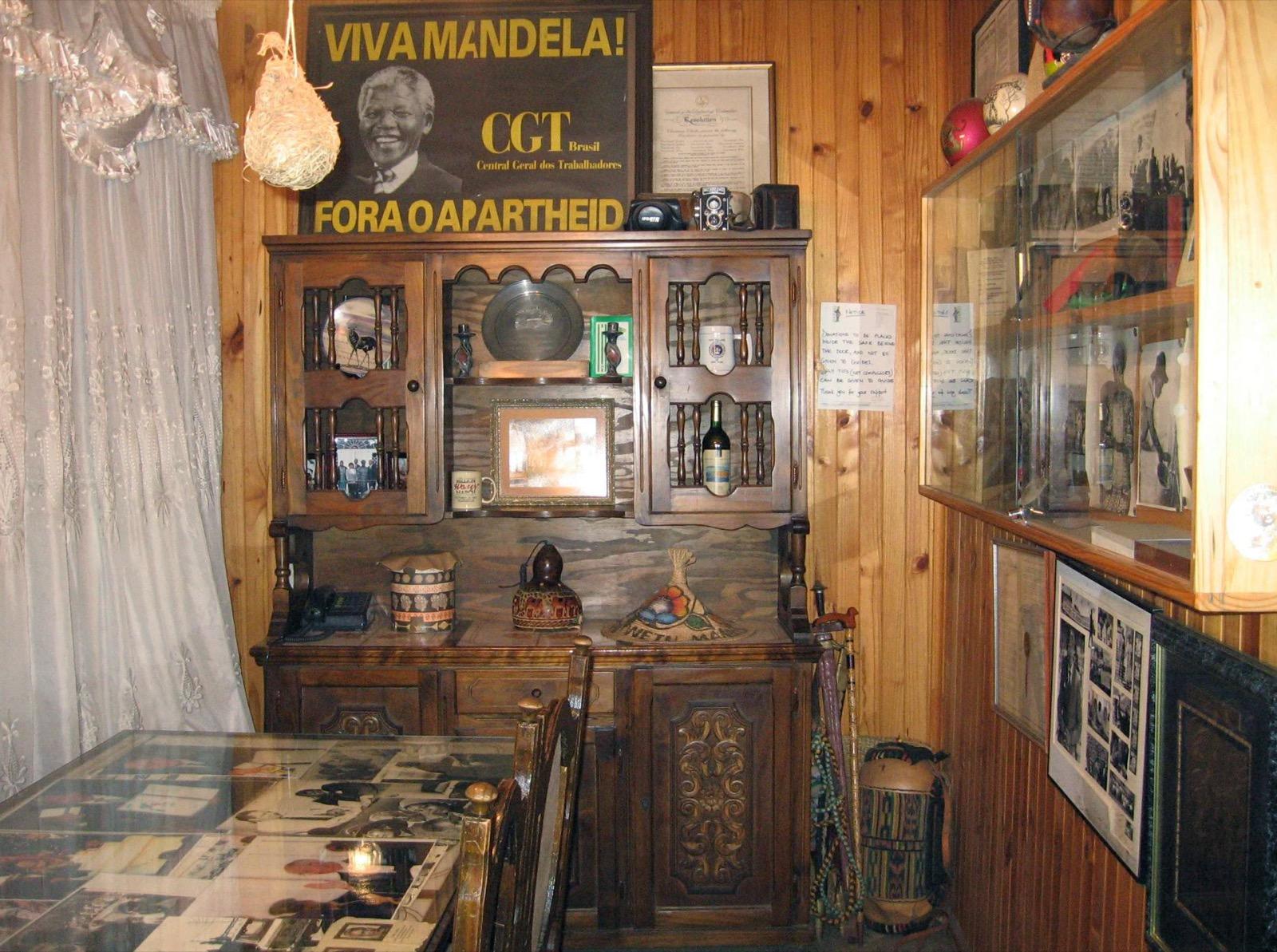
The Mandela House: The First Place He Called Home
The small red-brick house at number eighty-one fifteen Vilakazi Street where Nelson Mandela lived from nineteen forty-six, and which he later gave to the nation.
- 3
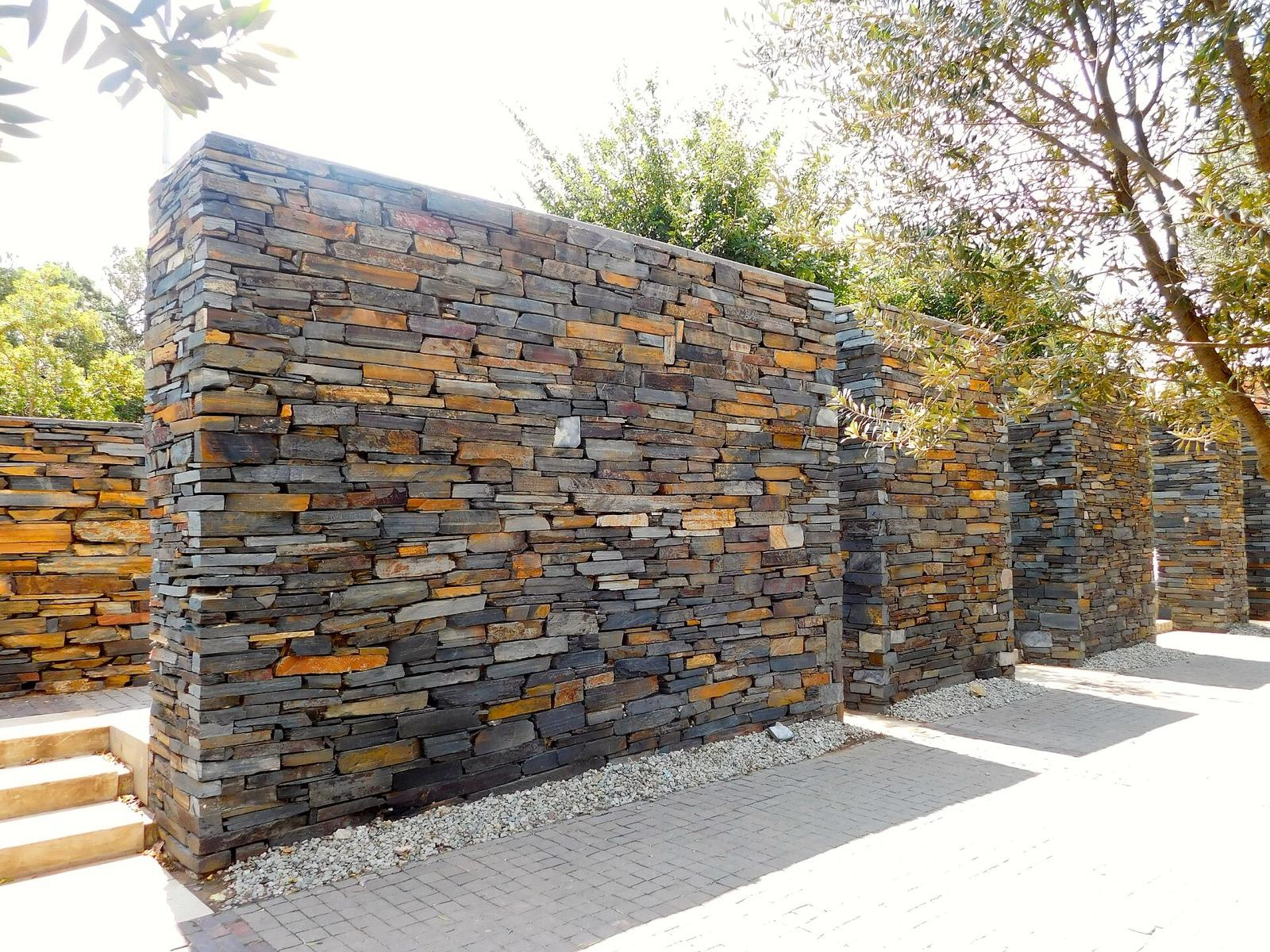
The Hector Pieterson Memorial: The Children Who Faced the Guns
The memorial and museum marking where the first shots of the nineteen seventy-six Soweto uprising were fired. The site is near Vilakazi Street.
- 4
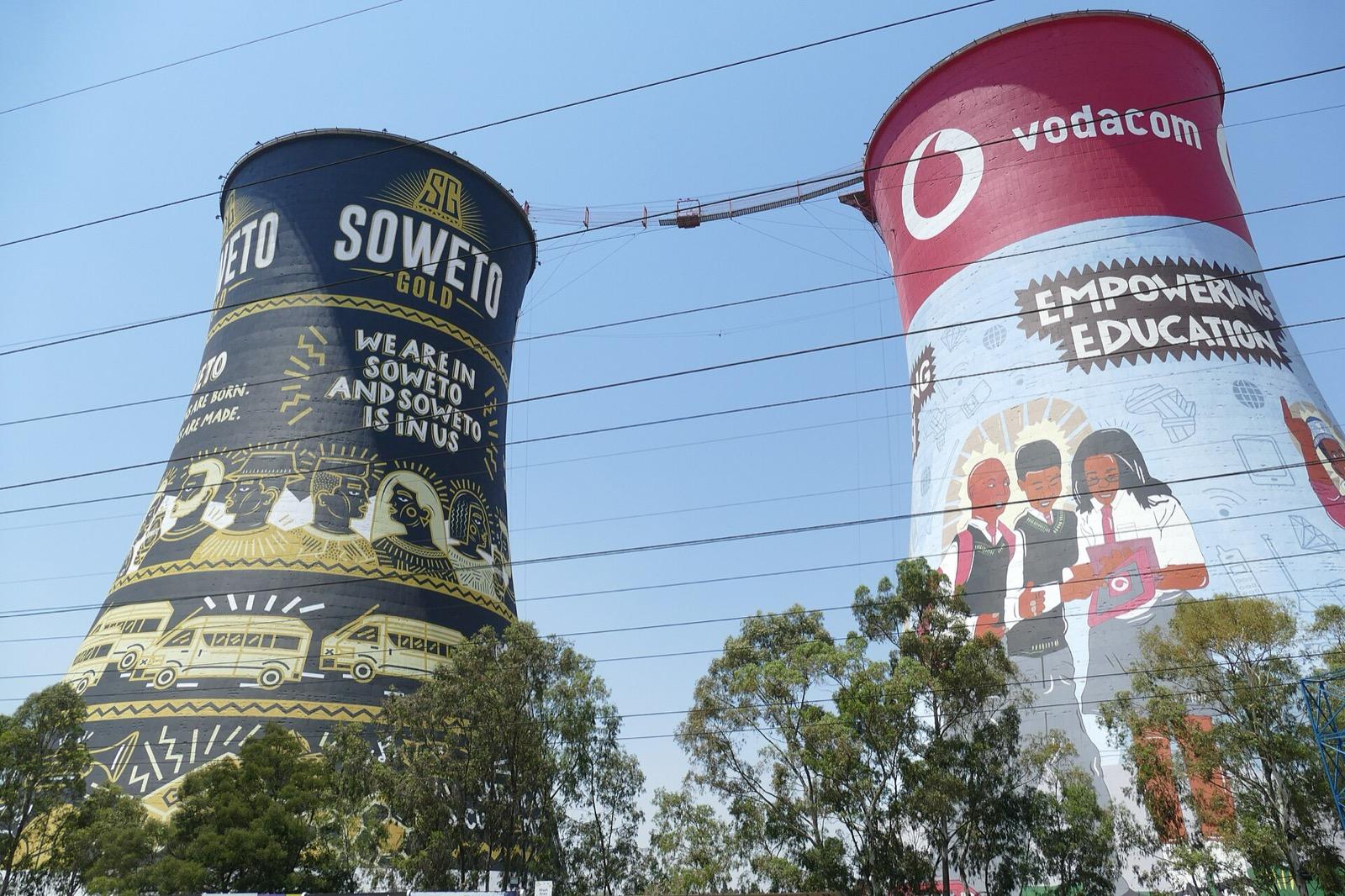
The Orlando Towers: Power the Township Could Not Use
Two painted cooling towers of a decommissioned power station that supplied Johannesburg while Soweto stayed poorly electrified.
- 5
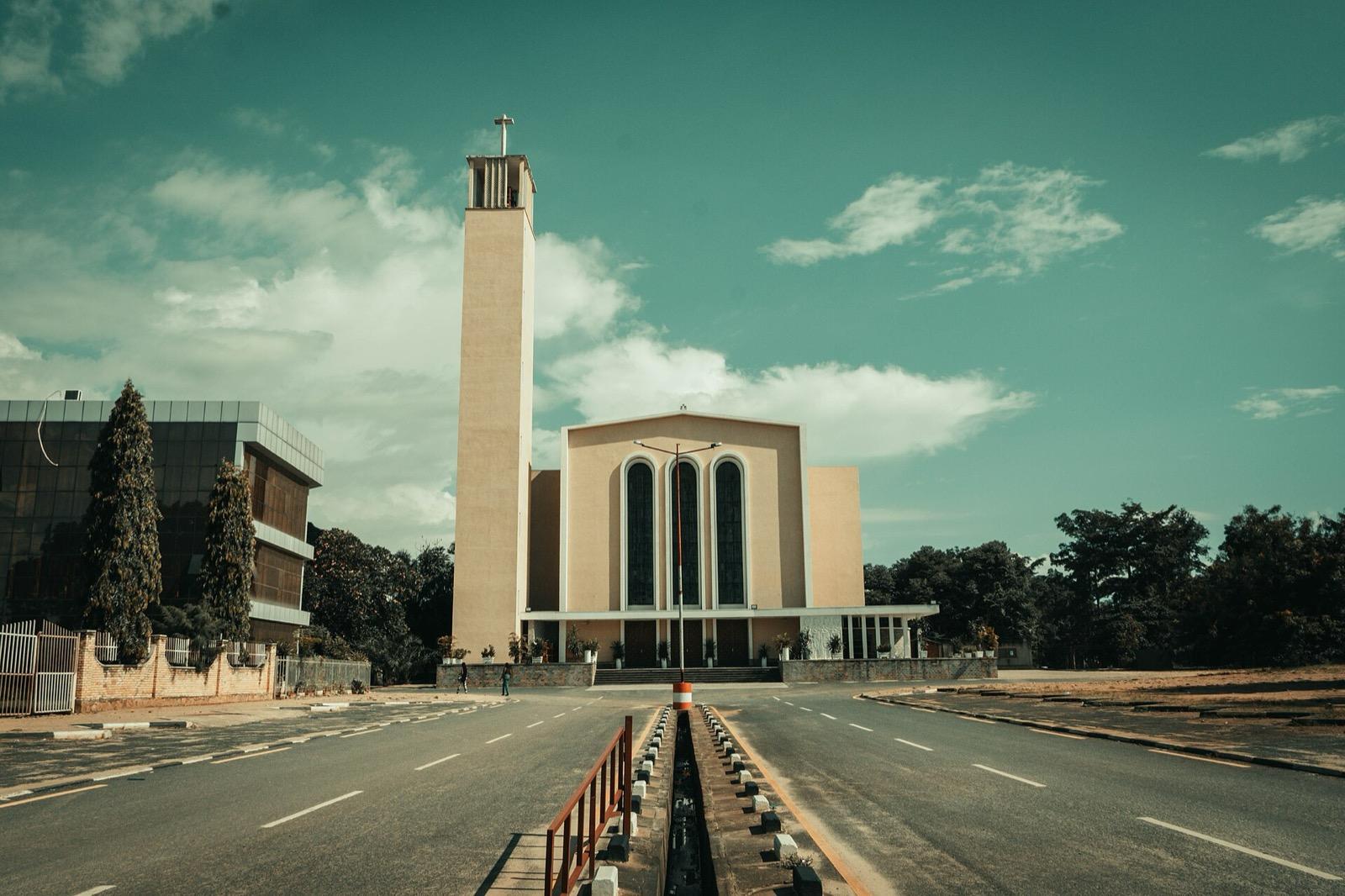
Regina Mundi: The Church That Opened When the Streets Were Closed
The largest Roman Catholic church in South Africa, the people's church that sheltered activists and still bears the marks of nineteen seventy-six.
- 6
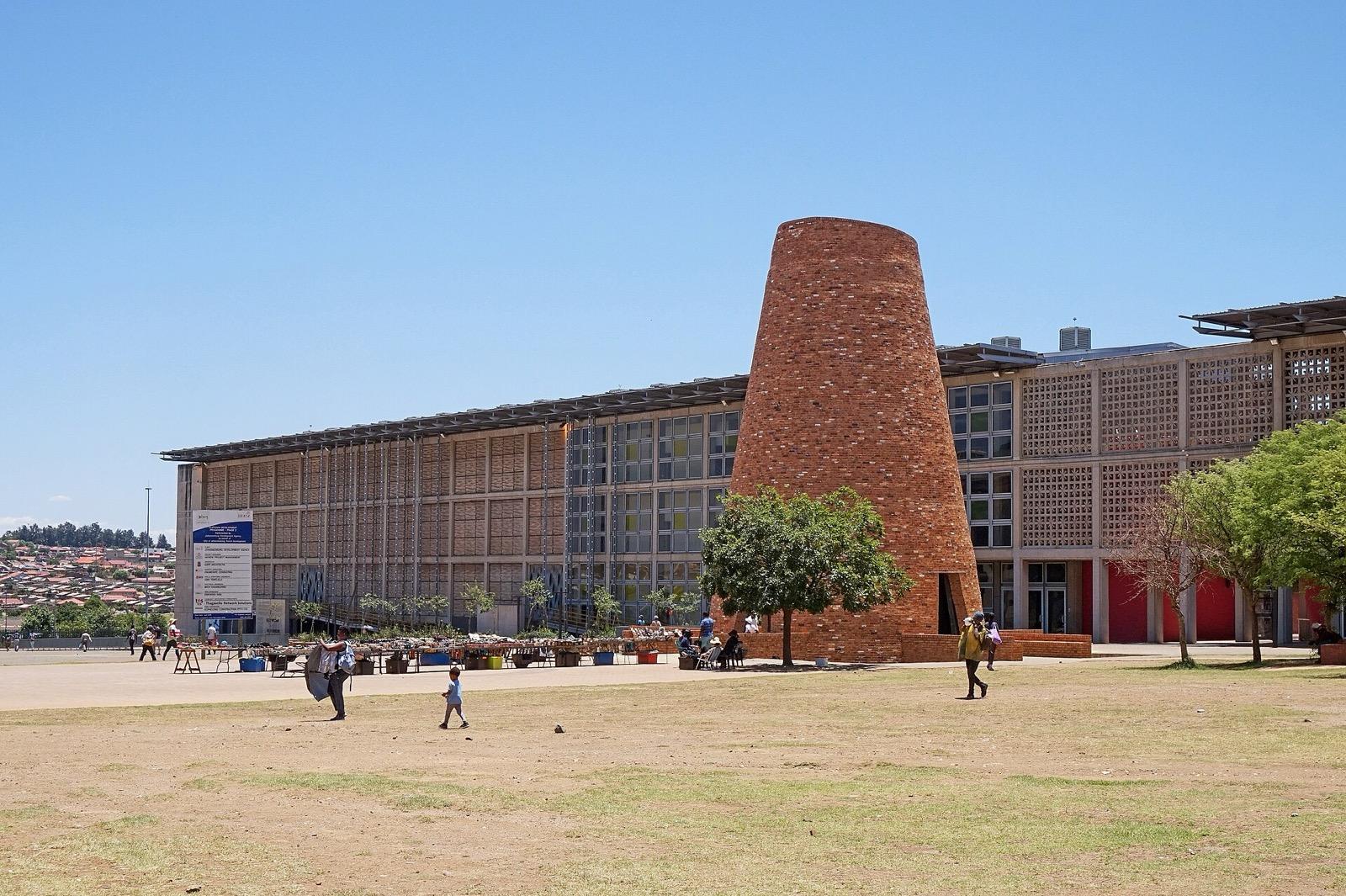
Walter Sisulu Square: Where a Free Country Was First Written Down
The open square in Kliptown marking where the Congress of the People adopted the Freedom Charter in nineteen fifty-five.
Details
Best Time to Visit
Mid-morning to early afternoon works well, giving you daylight for the drives between the far stops and time to sit with the memorials without rushing. The sixteenth of June, Youth Day, carries enormous meaning at the Hector Pieterson Memorial and Regina Mundi, but expect crowds and commemorations rather than quiet reflection. Weekdays are calmer than weekends across all six sites.
Pro Tips
- •Walk the first three stops as a cluster in Orlando West, then arrange your own car or a metered taxi for the three that follow, so you keep your own clock and skip the group van.
- •Set aside about three to four hours total, and give the Hector Pieterson Memorial and Regina Mundi more time than you think you will need.
- •Carry small amounts of South African rand in cash: several stops, including the Mandela House and the Hector Pieterson Museum, charge a modest entry fee, and prices are best confirmed on site.
- •Regina Mundi is an active church and the Mandela House is a family home turned museum, so dress and behave respectfully, and check whether a service or event is on before you enter.
- •A knowledgeable Sowetan driver-guide can be wonderful company between the spread-out stops and will still leave you free to linger or move on; the point is your pace, not going it entirely alone.
- •Photograph the Orlando Towers and Vilakazi Street's living scene freely, but put the camera down at the Hector Pieterson Memorial and inside Regina Mundi, where quiet matters more than pictures.
Safety & Precautions
- •The Hector Pieterson Memorial, Regina Mundi, and Walter Sisulu Square carry real emotional weight; pace yourself, and give yourself permission to sit quietly or step away.
- •Soweto's stops are spread across the township and involve short drives between them, so plan transport in advance, ideally with a local driver or a metered taxi rather than wandering between distant sites on foot.
- •Practise ordinary Johannesburg street-awareness: keep valuables and your phone discreet, stay attentive at busy stops and quiet corners alike, and avoid displaying cash or expensive gear.
- •Carry water and sun protection, since the outdoor stops, including the Orlando Towers and the open square at Kliptown, offer little shade, and confirm current museum entry fees, which are charged in rand.
- •On the short drives between stops, keep the windows up and the doors locked, and keep bags and phones out of sight rather than on the seat, especially when you are stopped at an intersection.
Travel advisory: Exercise Increased Caution (Level 2).
Gallery
Related Reading
Go deeper on what you'll see, hear, and walk through.
Overview
Best Self-Guided Walking Tours in Johannesburg (2026)
3 min
Overview
Johannesburg Travel Guide: How Many Days, Getting Around, Safety, and Cost
7 min
Overview
One Day in Johannesburg: A Walkable Morning-to-Evening Itinerary
7 min
Thematic
Best History Walking Tours in Johannesburg (2026)
2 min
Thematic
From City of Gold to Freedom: How to Read Johannesburg in Two Places
8 min
Companion
The Hector Pieterson Memorial: The Turning Point in Soweto's Road to Freedom
7 min
Deep dive
Mandela House on Vilakazi Street: The Matchbox That Raised a President
6 min
Read
What to Eat in Johannesburg: A Local Food Guide
6 min
Read the walk
The full story of Soweto: The Road to Freedom, in words. Prefer to listen? Play it narrated, from home or on location.
Introduction
Soweto, the South Western Townships, sits southwest of Johannesburg, South Africa, and it was engineered under apartheid to warehouse black labour far from the white city. It became the crucible of the struggle that ended that system. This tour reads that story as a single sentence written in streets and squares. Six stops carry you from the personal to the constitutional: a street that raised two peace laureates, the little house a future president called home, the memorial to the children who faced the guns, the painted towers that made power the township could not use, the church that opened when the streets were closed, and the square where a free country was first set down on paper. Give it about three to four hours, and know that the sites cover roughly twelve to fourteen kilometres across the township. The first three stops form a short walkable cluster in Orlando West, easy on foot. After that, you will drive a short way between certain stops, a few minutes at a time in your own car or a metered taxi, on your own clock, with no group van and no fixed schedule pulling you along. That autonomy matters most here, because the deepest places ask to be met in your own silence. You can linger at the Hector Pieterson memorial as long as you need, or move on when you are ready, with no one steering you and no tip expected. A good Sowetan guide telling their own street's story is wonderful company; the only thing this tour spares you is the packaged group format. When you arrive at Vilakazi Street in Orlando West, begin with stop one.
1. Vilakazi Street: The Street That Raised Two Peace Laureates
You are standing on Vilakazi Street, which runs through Orlando West, the historic heart of Soweto. This is an ordinary township street with an extraordinary distinction. It is widely described as the only street in the world to have been home to two Nobel Peace Prize laureates. Nelson Mandela, who received the prize in nineteen ninety-three, lived here in the house you will visit next. Archbishop Desmond Tutu, who received the prize in nineteen eighty-four, lived on this same street; his family moved onto Vilakazi Street in nineteen seventy-five. Two winners of the world's highest honour for peace, raised on one road, in a place that apartheid built to keep people down. As CNN reported, that is the quiet miracle of this street. Around you, the street lives. Restaurants and street traders, musicians and visitors, the ordinary bustle of a neighbourhood that has learned to welcome the world without being flattened by it. This is a place usually walked in a group, on someone else's schedule, so take the gift of your own pace. Linger over the murals and the music, or move along when you are ready. There is no van waiting and no one counting the minutes. Both former homes anchor the street, the Mandela House down near the corner of Vilakazi and Ngakane. Let this be the opening clause of the sentence you are about to read across Soweto: a single street that sent two of its sons to Oslo, one a president, one an archbishop, both of them men who helped talk a country back from the edge.
2. The Mandela House: The First Place He Called Home
A short walk along Vilakazi Street brings you to number eighty-one fifteen, a small red-brick house of the kind Sowetans call a matchbox. This is the Mandela House. Nelson Mandela lived here from nineteen forty-six to nineteen sixty-two, and he described it as the first place he ever truly called home, the centre point of his world. Winnie Madikizela-Mandela lived here too. The scale of the house tells its own story: a future president of South Africa began in these few small rooms. When Mandela was released from prison on the eleventh of February nineteen ninety, after twenty-seven years, he returned to number eighty-one fifteen. He stayed only briefly, about eleven days, before the life that lay ahead of him carried him elsewhere. This is the complicating clause of our sentence: the home a man had to leave, first for the struggle, then for prison, then for the presidency. In nineteen ninety-seven, Mandela donated the house to the Soweto Heritage Trust, which he founded, and it opened as a museum that December. It was declared a National Heritage Site in nineteen ninety-nine. Today it is the Nelson Mandela National Museum. Step inside if you wish, at your own pace, with no group pressing behind you, and read the walls of a home that shaped a life. Or stand a moment on the street outside and simply take in how small the beginning was. There is no schedule here but your own.
3. The Hector Pieterson Memorial: The Children Who Faced the Guns
About a hundred metres uphill from the Mandela House stands the Hector Pieterson Memorial and Museum. This is the moral centre of the tour, and it asks for your quiet. On the sixteenth of June nineteen seventy-six, Soweto's schoolchildren marched in protest against a ruling that…
Full narration for this stop unlocks with the tour.
4. The Orlando Towers: Power the Township Could Not Use
From Orlando West, a short drive of a few minutes across Soweto brings you to the Orlando Towers. Take the transfer in your own car or a metered taxi, on your own clock, and let the change of scene be part of the day rather than a break in it. Ahead of you rise two enormous…
Full narration for this stop unlocks with the tour.
5. Regina Mundi: The Church That Opened When the Streets Were Closed
A short drive west across the township, again on your own clock and with no van to wait for, carries you to the Moroka area of Soweto, and to Regina Mundi. This is the largest Roman Catholic church in South Africa, built in the early nineteen sixties, and during apartheid it…
Full narration for this stop unlocks with the tour.
6. Walter Sisulu Square: Where a Free Country Was First Written Down
The last of the short drives takes you south to Kliptown, and to Walter Sisulu Square of Dedication, where the sentence you have been reading across Soweto reaches its full stop. This open square marks the site where, on the twenty-sixth of June nineteen fifty-five, the Congress…
Full narration for this stop unlocks with the tour.