Ibarra food is built around sweetness and place. The city is credited with inventing helados de paila, the fruit sorbet paddled by hand in copper pans over ice, and its whole "sweet trail" of nougats and syrups grew from the same tradition. Around that sits a hearty highland table shared with the wider Ecuadorian Andes, and beneath it the ancestral Caranqui food roots of the valley. Eat well in Ibarra and you are really eating the sweet, cool signature of a highland town, plate by plate. This guide covers the dishes worth seeking out and where they live, and it pairs naturally with a slow walk on our Ibarra self-guided tour.
The dishes to seek out
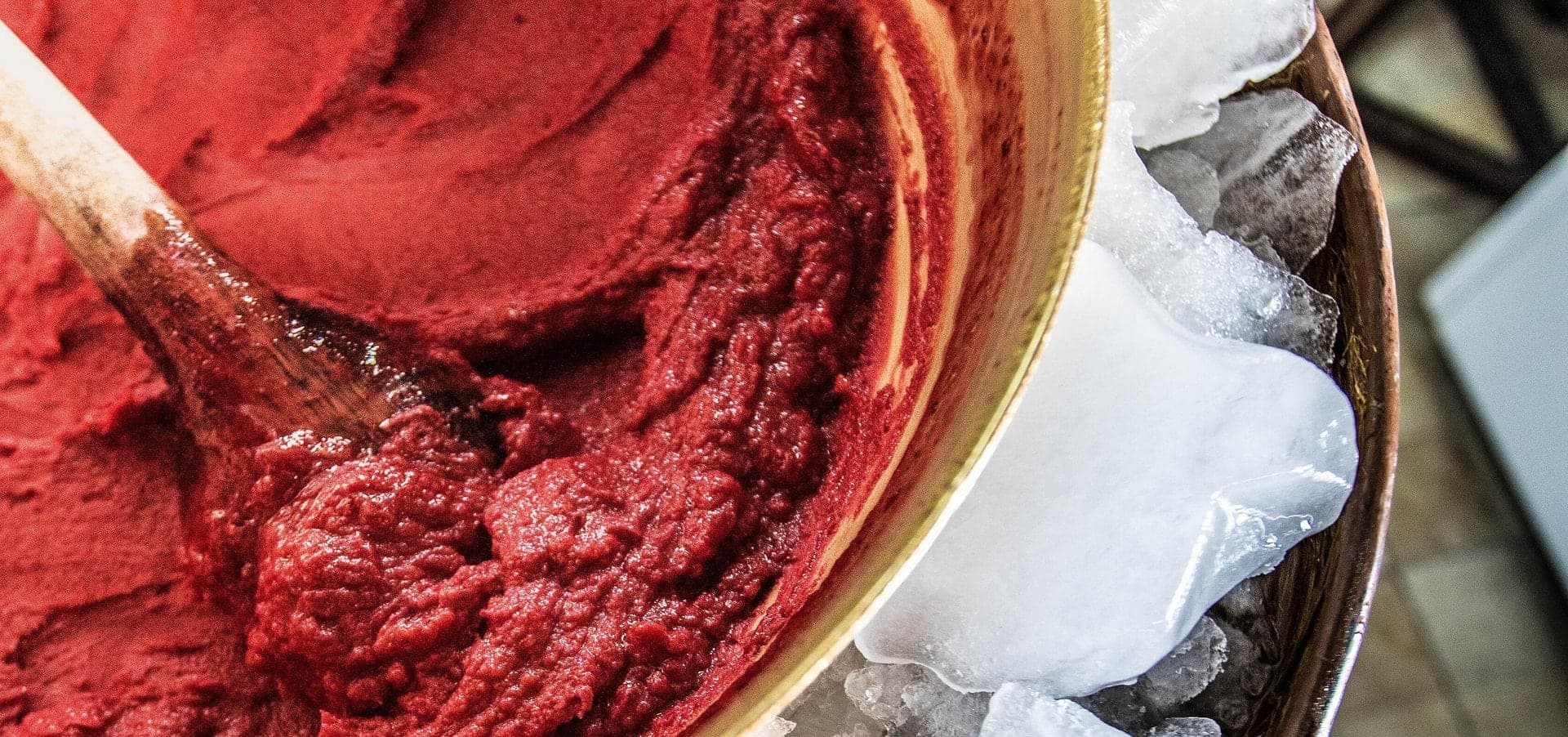
Helados de paila. Ibarra's signature and its gift to Ecuador. Fresh fruit juice, sugar, and water are stirred by hand in a big copper pan (a paila) set on a bed of straw and salted ice until the mixture freezes into a bright, clean sorbet. The technique is credited to Rosalia Suarez, who started making ice this way in 1896, and it is still done by hand today. Order by fruit: mora (blackberry), guanabana (soursop), naranjilla, and taxo are the classics. It is the one thing not to leave the city without tasting.
Nogadas. A soft, chewy nougat of sugar, milk, egg white, and walnuts, sometimes scented with cinnamon or aniseed. Sold in bright little bars by vendors around the central plazas, nogadas are the confectionery half of Ibarra's sweet reputation.
Arrope de mora. A thick, dark, sweet blackberry syrup, usually thinned with water to drink or spooned as a topping. It rounds out the "mora" theme that runs through so much of the city's sweet-making.
Empanadas de morocho. A savory counterpoint: empanadas made with morocho, a coarse dried-corn dough, filled and fried, a beloved Ibarra street snack that balances all that sugar.
Fritada and hornado. The hearty highland plates of the Ecuadorian Andes: fritada is pork simmered then fried in its own fat, hornado is whole roast pork, both served with hominy (mote), potatoes, and salad. This is the market lunch that anchors a day of grazing on sweets.
Where the food culture lives
Hear a stop from this walk
Santo Domingo: The Gothic Comeback
The heladerias of the center, for helados de paila. The copper pans work in the historic-center shops, the most storied being the long-running Rosalia Suarez heladerias on Oviedo near the corner of Olmedo, two parlours carrying her name that face each other across the street (by the family's account, her first parlour was at Flores and Sucre). Watching the fruit go from liquid to sorbet by hand is half the experience.
Around Parque La Merced and the central streets, for nogadas and arrope. Vendors sell nogadas and arrope de mora from stalls and shops threaded through the white grid, so the sweet trail is really a short walk from plaza to plaza.
The Mercado Amazonas, for the highland table. This is where the savory food lives: fritada, hornado, empanadas de morocho, and the produce that stocks the city's kitchens. It is the single best place to eat a full, cheap, local meal between rounds of ice cream.
The Caranqui roots, underneath it all. Before the Spanish sugar, this valley was Caranqui and Inca ground, and the ancestral corn-and-highland foundation still shows up in the morocho, the mote, and the everyday cooking. Our White City walk passes the paila counters on Oviedo and the sweet sellers' streets around La Merced and Calle Olmedo on its way through the rebuilt center.
Eat as you walk
The best way to work through this list is on foot, one plaza at a time. Pair a morning in the white center with a bowl of helados de paila, a market lunch of fritada at the Mercado Amazonas, and an afternoon of nogadas and arrope along the streets between. Route your day with the one day in Ibarra itinerary, plan the practical side with the Ibarra travel guide, and browse all Ibarra tours. Every tour is free to start: the introduction and first stop play in full, and every later stop plays a short preview before an optional purchase.
Frequently asked questions
- What food is Ibarra known for?
- Ibarra is famous above all for helados de paila, a fruit sorbet hand-paddled in large copper pans (pailas) set over straw and salted ice, a technique the city is credited with originating. Its wider "sweet trail" includes nogadas, a walnut nougat, and arrope de mora, a thick blackberry syrup. Beyond the sweets, Ibarra shares the hearty highland table of the Ecuadorian Andes: fritada, hornado, and empanadas de morocho.
- What are helados de paila and where did they come from?
- Helados de paila are fruit sorbets made by hand-stirring fresh fruit juice, sugar, and water in a large copper pan (a paila) resting on a bed of straw and salted ice, until it freezes. The tradition is credited to Rosalia Suarez, who began making ice this way in Ibarra in 1896; her heladeria still operates near the corner of Oviedo and Olmedo in the city center. Common flavors include mora (blackberry), guanabana (soursop), and the tart naranjilla.
- What are nogadas and arrope de mora?
- Nogadas are a nougat-style Ibarra sweet made from sugar, milk, egg white, and walnuts, sometimes scented with cinnamon or aniseed. Arrope de mora is a thick, sweet blackberry syrup, often thinned with water. Together with helados de paila, they form the trio that Ibarra is best known for, sold by vendors around the plazas and along the central streets.
- Where should you eat in Ibarra?
- For helados de paila, the heladerias of the historic center, including the long-running Rosalia Suarez near Oviedo and Olmedo. For nogadas and arrope de mora, the vendors around Parque La Merced and the central streets. For a full highland meal of fritada, hornado, and market plates, the Mercado Amazonas. The compact center means you can graze across all of them on foot.
Ready to experience it?
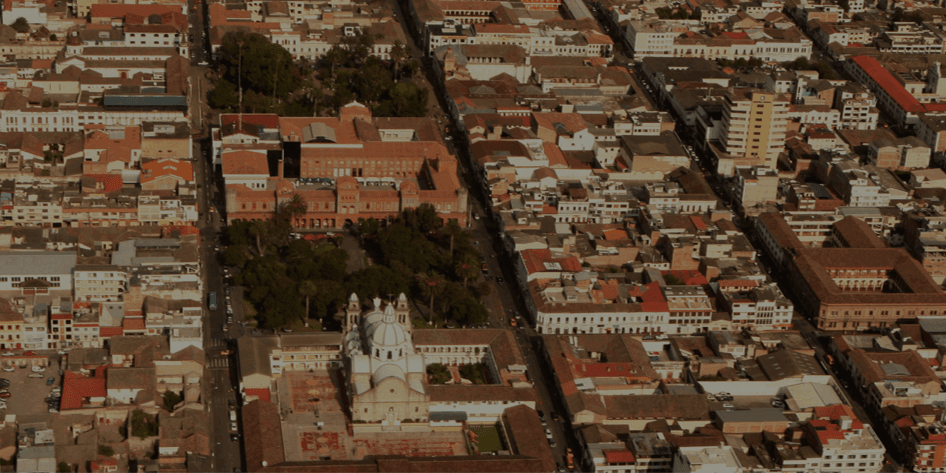
White City: The Town That Came Back
75 min · 1.8 km · easy
More from Ibarra
Explore more at your own pace.
How to See Ibarra: The White City of the North
Ibarra Travel Guide: How Many Days, Getting There, When to Go (2026)
One Day in Ibarra: A Walkable White-City Itinerary (2026)
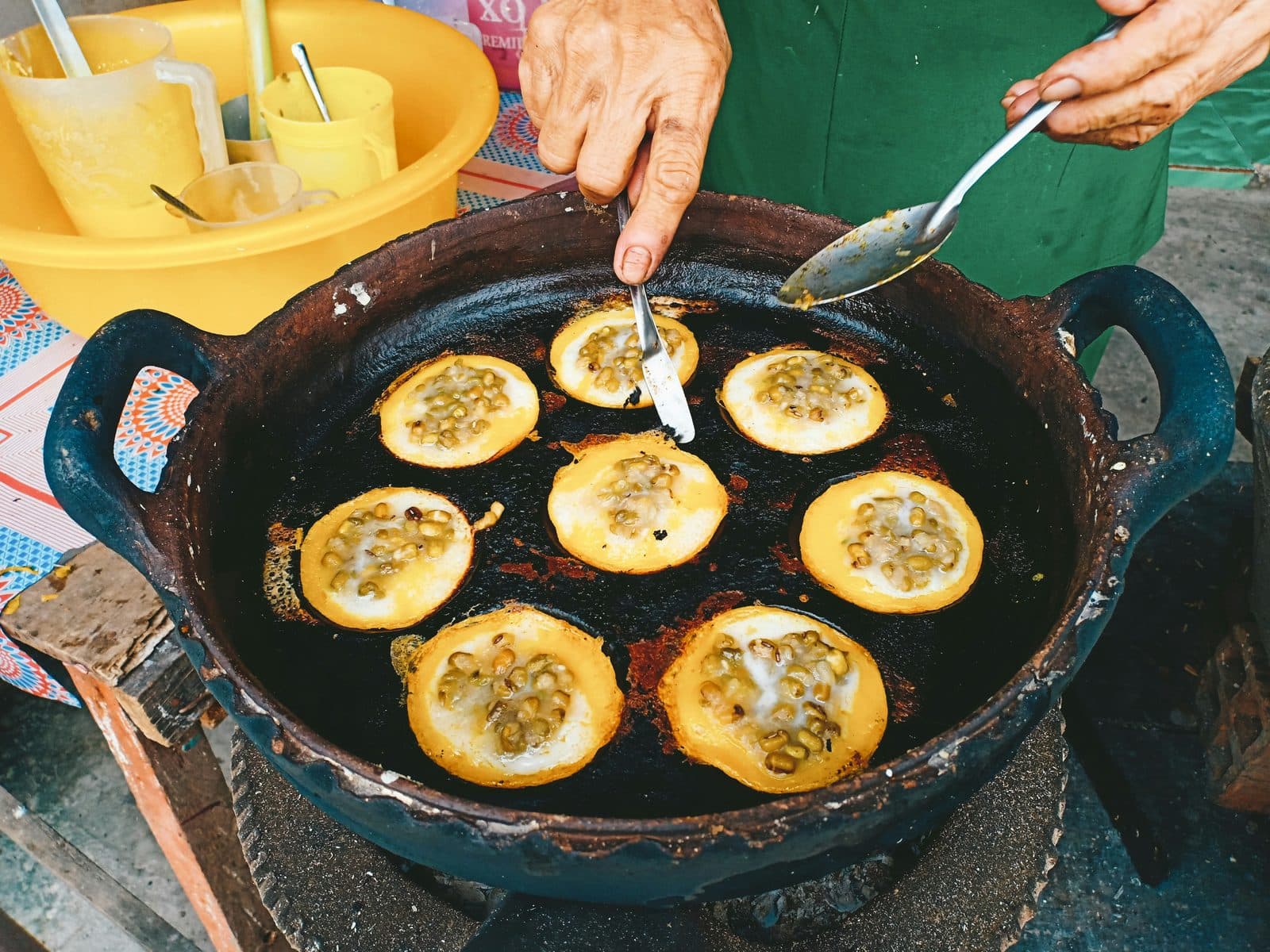
Paila, Nogadas and Arrope: The Sweet Side of Ibarra's White City Walk
Rosalía Suárez and the Copper Bowl: How Paila Helado Became a Business