Yes, you can see Ibarra in a day. Here is the route.
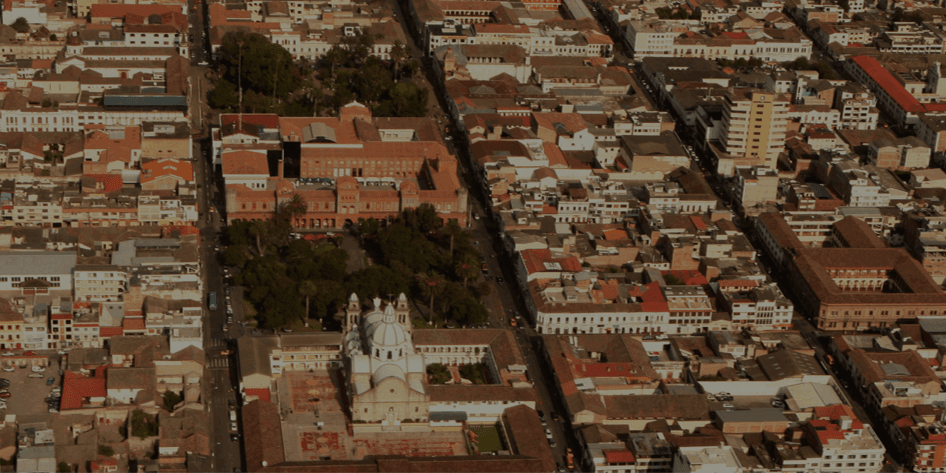
Ibarra is not a marquee-sight city, and that is exactly its charm. What it offers instead is a whole whitewashed colonial center you can walk end to end: the "ciudad blanca" rebuilt in white after the earthquake of 1868, a cluster of churches and plazas, the copper-pan ice cream that made the city a national name, and a sacred lake just north of town. This itinerary routes those around one comfortable walking day and names the self-guided Ibarra walking tour that anchors each block so the history walks with you.
A note on pace before you start. Ibarra sits at about 2,225 m (7,300 ft) in the Andean highlands, so it is altitude, not distance, that sets the tempo. The walking is mostly flat and short, roughly 4 to 6 km, but go slowly, drink water, and treat the ice-cream stops below as part of the plan.
Morning: the white colonial center
Start at Parque Pedro Moncayo, the main plaza and the heart of the white city, framed by palms and the Cathedral of Ibarra, with its grey stone front and white towers. This grid is the whole thesis of the place: after the 1868 quake razed the town, the survivors came back in 1872 and rebuilt it on a new grid, and why it is white is still argued over. From the plaza, walk the colonial streets to the Church of San Agustin and the Esquina del Coco, the "coconut corner" that local lore treats as the spot from which the rebuilt city was re-founded.
This is the block to walk with the White City: The Town That Came Back self-guided audio tour, ten stops and about 1.8 km in roughly an hour and a quarter. It reads the center as a town that had to be built twice, and it carries you on past the paila ice-cream counters to the grey-stone Basilica de La Merced, begun in 1933 and finished around 1965, the El Cuartel fortress, and Santo Domingo.
Midday: helados de paila and the market
Hear a stop from this walk
Santo Domingo: The Gothic Comeback
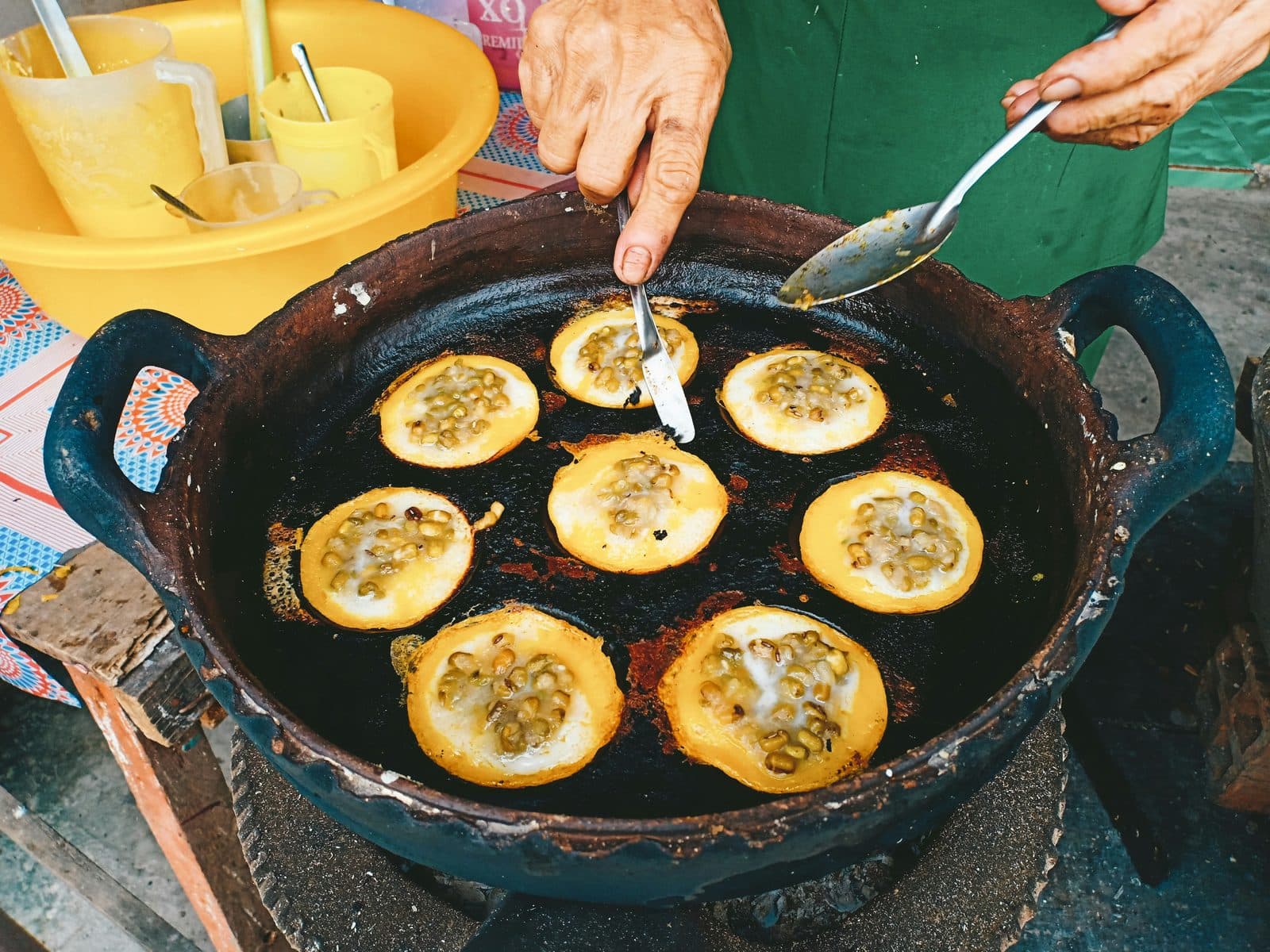
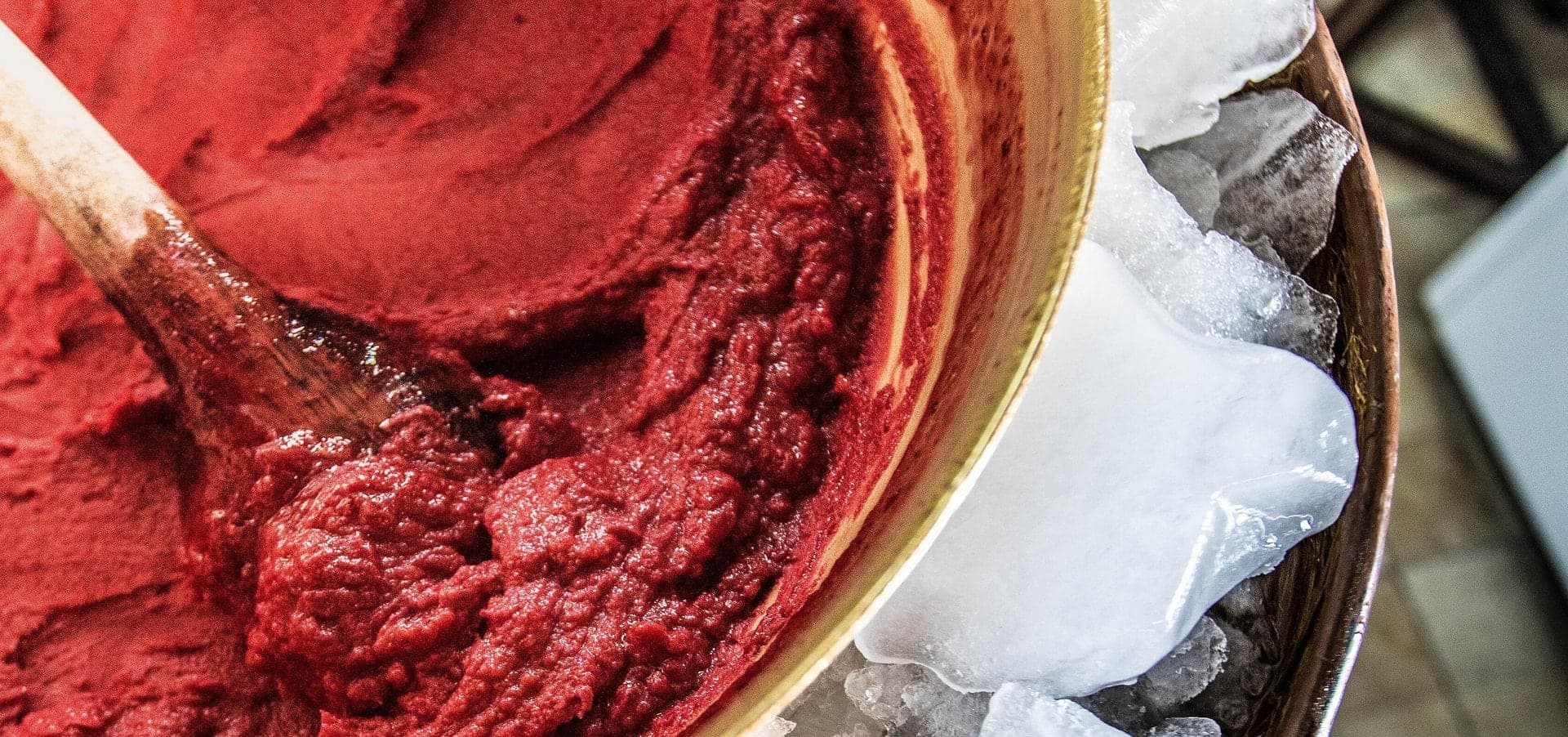
By late morning you have earned Ibarra's signature. Stop for helados de paila, the hand-paddled fruit sorbet the city invented, stirred by hand in a big copper pan (a paila) set over straw and salted ice. The tradition traces to Rosalia Suarez, whose family dates the start to 1896, and two parlours carrying her name still serve it on Oviedo near the corner of Olmedo. Order it by fruit: blackberry (mora), soursop (guanabana), or the tart Andean naranjilla.
From there, drop down to the Mercado Amazonas for a proper highland lunch: fritada, hornado, and market plates, alongside the local sweets that make up the rest of the city's edible identity. For the full picture of what to order here, see what to eat in Ibarra, which covers the copper-pan ice cream, the walnut nogadas, and the blackberry arrope de mora in detail.
The ice-cream counters are also the sixth stop of the White City walk, which picks up the town's other sweets, nogadas and arrope de mora, around La Merced and on Calle Olmedo.
Afternoon: railway heritage and Laguna de Yahuarcocha
Walk over to the train station opposite the Obelisco, about 450 metres from La Merced. The Tren Taita Imbabura runs from here 13 km to Atuntaqui; when it reopened in April 2025 it ran Wednesday to Sunday at 08:00, 11:00 and 14:00, so check current days before you plan around it. The old line down to Salinas, the Tren de la Libertad, does not currently run.
Then take a short taxi north, about 3 km, to Laguna de Yahuarcocha, the lake whose Kichwa name means "blood lake," after an Inca-era battle fought on its shores. Today it is a calm ring of water with a lakeside path, small restaurants, and a motor-racing circuit around its rim. Late afternoon light on the water, with Imbabura volcano behind the town, is the right way to close an Ibarra day.
Back in town, catch the sunset from the Mirador Arcangel San Miguel, the hilltop viewpoint over the white grid, before dinner.
The one-day route at a glance
| Block | Where | Anchor tour |
|---|---|---|
| Morning | Parque Pedro Moncayo, Cathedral, San Agustin, Esquina del Coco, La Merced, El Cuartel, Santo Domingo | White City: The Town That Came Back |
| Midday | Helados de paila, Mercado Amazonas, lunch | Ice cream at stop 6 of the White City walk |
| Afternoon | Train station by the Obelisco, Laguna de Yahuarcocha | (off the tour; taxi to the lake) |
| Evening | Mirador Arcangel San Miguel, dinner | (off the tour) |
Plan the rest of your trip
One day covers the white center and the lake. For how many days Ibarra really deserves, how to get here from Quito, the altitude, and whether to use it as a base for Otavalo, read the Ibarra travel guide. For the walk itself, see the White City self-guided tour, or browse all Ibarra tours. Every tour is free to start: the introduction and first stop play in full, and every later stop plays a short preview before an optional purchase.
Frequently asked questions
- Can you see Ibarra in one day?
- Yes, comfortably. Ibarra is a compact provincial city, and its highlights sit close together: the white colonial center around Parque Pedro Moncayo, the churches of La Merced and San Agustin, the train station by the Obelisco, and the Mercado Amazonas are all within an easy walk. Laguna de Yahuarcocha, the lake just 3 km north, is a short taxi ride and rounds out a full day. Many travelers see Ibarra in a day or an overnight and use it as a base for the northern highlands.
- What is the best area to base a one-day visit to Ibarra?
- Base yourself in or near the historic center, within walking distance of Parque Pedro Moncayo. The whitewashed colonial grid holds the cathedral, the churches, the ice-cream heladerias, and the market, so from a central hotel you can do almost the whole day on foot and only need a taxi out to Laguna de Yahuarcocha.
- How much walking is a one-day Ibarra itinerary?
- Expect roughly 4 to 6 km on foot across the day, most of it flat on the colonial grid. Ibarra sits at about 2,225 m (7,300 ft), so the altitude, not the distance, is what to pace for. Walk slowly, hydrate, and treat the ice-cream and market stops as part of the plan.
- Do I need to book anything in advance for one day in Ibarra?
- Almost nothing. The plazas, churches, streets, and heladerias are all walk-up. The one thing worth checking ahead is the Tren Taita Imbabura tourist train to Atuntaqui, which ran Wednesday to Sunday with a few departures a day when it reopened in 2025; the old line to Salinas does not run. The self-guided audio tours that anchor each block are free to start and download in advance, so the history walks with you even without signal.
Ready to experience it?
White City: The Town That Came Back
75 min · 1.8 km · easy
More from Ibarra
Explore more at your own pace.
How to See Ibarra: The White City of the North
Ibarra Travel Guide: How Many Days, Getting There, When to Go (2026)
What to Eat in Ibarra: A Food Guide (2026)
Paila, Nogadas and Arrope: The Sweet Side of Ibarra's White City Walk
Rosalía Suárez and the Copper Bowl: How Paila Helado Became a Business