Back to Learn
Rosalía Suárez and the Copper Bowl: How Paila Helado Became a Business
Tour Companion

Rosalía Suárez and the Copper Bowl: How Paila Helado Became a Business

May 15, 2026
9 min read

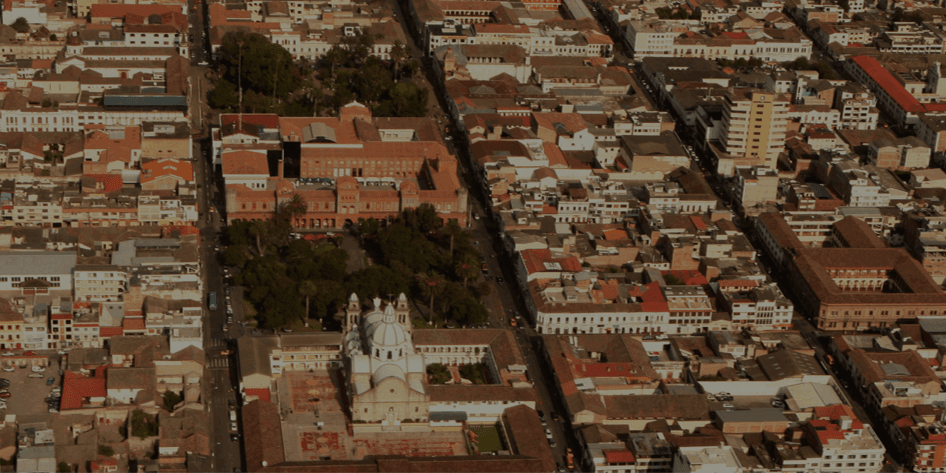
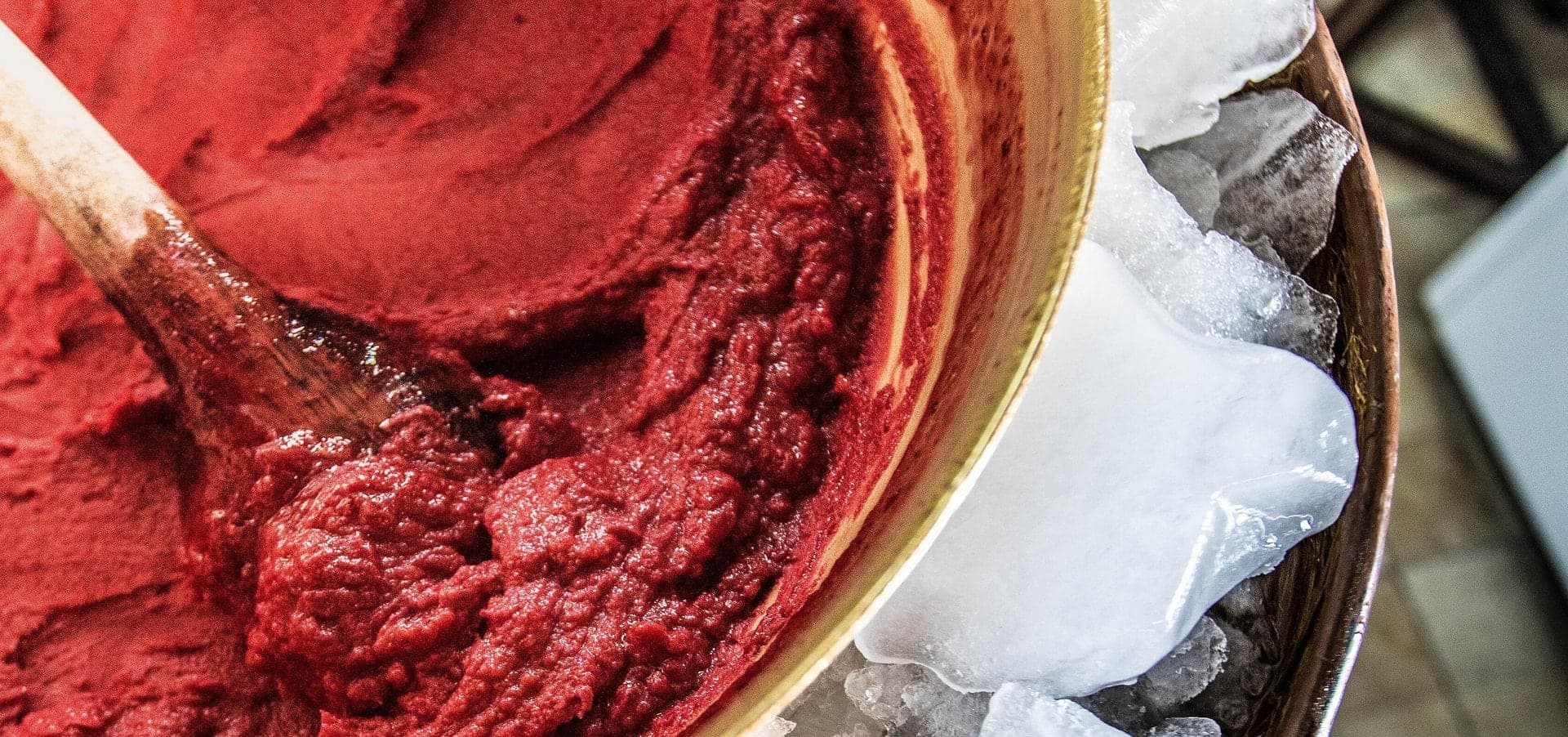
The storefront is on the corner of Calle Olmedo and Calle Oviedo, two blocks west of Parque Pedro Moncayo. It is small. There is a counter, a glass case with the day's flavors, and behind the counter, a row of copper bowls set into wooden frames packed with crushed ice and rock salt. When the shop is open, one of the bowls is usually spinning, and someone is standing over it with a wooden paddle, scraping the freezing edges of the fruit juice back toward the center until the whole bowl turns into sorbet.

The sign reads Helados de Paila Rosalía Suárez. The business has been in continuous operation under the same family name since 1896. The descendants of Rosalía Suárez still run it. They still spin every batch by hand. They do not use any electric machinery. The technique is the same one Rosalía was using when she started, at the age of fifteen, carrying a copper bowl on her head from her mother's kitchen to the market square.

That detail, the age and the bowl, is the part of the story that gets told most. It deserves to be told, because it is true and because it tells you how the business began. But the more interesting story is what came before Rosalía, and how a household and ceremonial technique became a commercial enterprise that has now lasted five generations.

What paila helado is, physically

The technique starts with a metal bowl. Paila means a shallow, wide pan, usually round, traditionally made of bronze or copper. In the Andean highlands, copper has been worked for at least a thousand years. The Caranqui were copper-working before the Inca arrived, and they continued working copper through the colonial period. The bronze and copper bowls used for paila helado are part of that continuous tradition. They are not modern factory ware.

The bowl sits inside a larger wooden frame packed with crushed ice and rock salt. The salt depresses the freezing point of the water in the ice, so the water-and-salt slurry around the bowl can reach temperatures several degrees below zero Celsius. The bowl itself, being copper, is an excellent conductor. The cold transfers efficiently from the salt slurry through the copper into whatever is in the bowl.

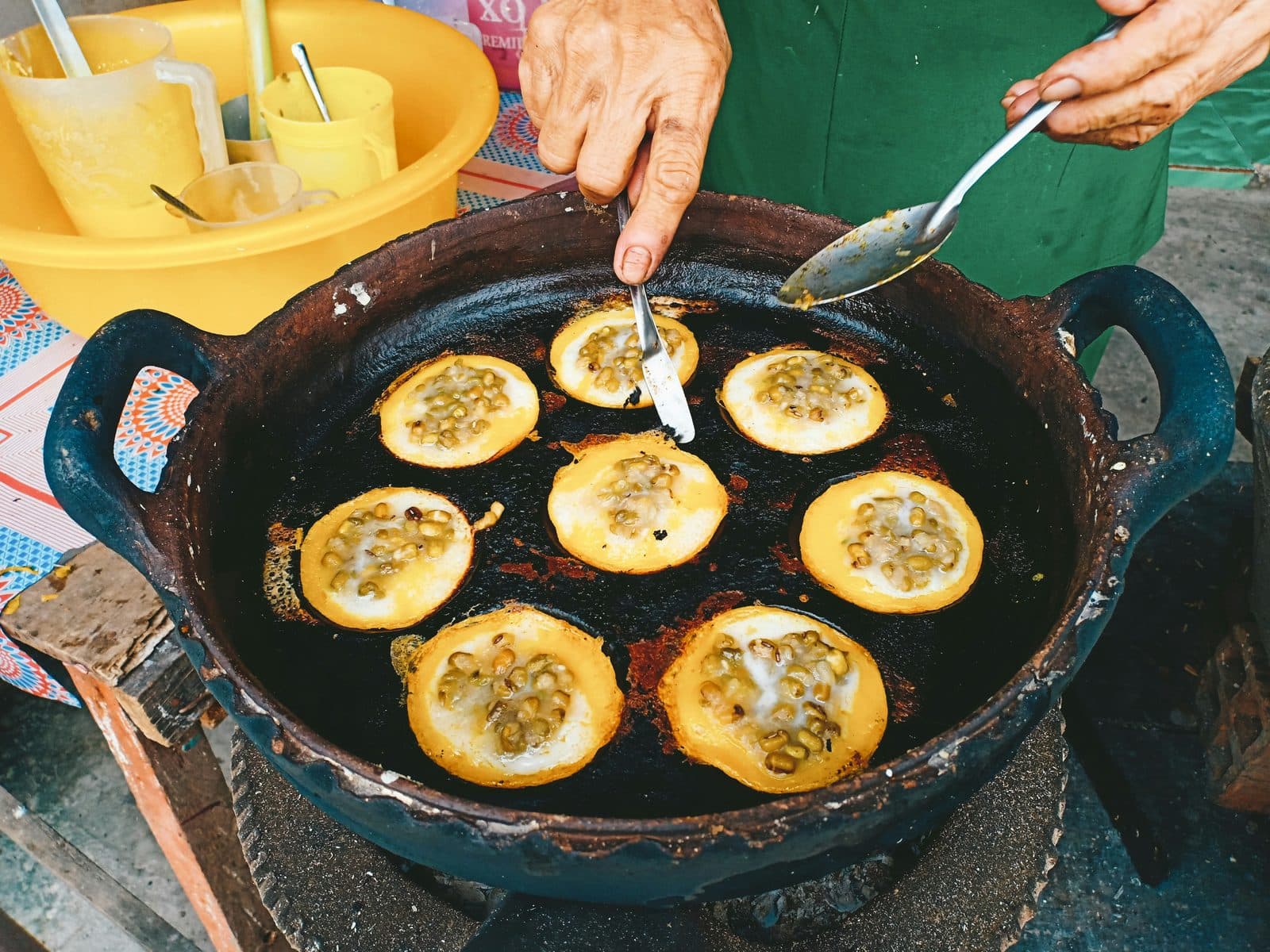
What goes in the bowl is fruit juice, sometimes mixed with sugar, sometimes with egg white as a stabilizer, sometimes with nothing else. The fruit choices are highland and tropical: mora (Andean blackberry), naranjilla, taxo (banana passionfruit), guanábana (soursop), tomate de árbol, coconut. The juice is poured in, the maker takes the rim of the bowl in one hand and a wooden paddle in the other, and the bowl is set spinning while the paddle scrapes the freezing layer off the inside of the bowl.

The scraping is the active part of the technique. As the juice freezes against the copper, a thin layer of crystals forms on the inner surface of the bowl. The paddle scrapes that layer back into the unfrozen liquid in the center. The process repeats. After ten to fifteen minutes, the whole bowl has converted from liquid to a smooth sorbet, slightly icier than gelato, intensely fruity, with no dairy at all.

The texture comes from the speed and continuity of the freezing. A commercial ice cream maker churns continuously and freezes slowly, so the ice crystals are small and the result is creamy. Paila helado freezes faster against the copper, which produces slightly larger crystals, which is why the texture is a touch icier and the fruit flavor is more direct. Without dairy fat to round it off, the fruit is more present.

Where the technique came from

The standard tourist account says the technique was brought to Ecuador by Spanish or Italian immigrants in the nineteenth century. This is wrong, or at best partial. There are several reasons to think the technique is mostly indigenous.

The first reason is the ice supply. Paila helado requires a steady supply of freezing-grade ice. In the era before mechanical refrigeration, that meant natural ice harvested from the glaciers of the high Andes. The Imbabura volcano, fifteen kilometres south of Ibarra, held a permanent ice field at its summit well into the early twentieth century. So did Cotacachi to the north. Both volcanoes had a specialized profession of high-altitude ice carrier, the hielero, who climbed above 4,000 metres to cut blocks of glacial ice and pack them down the mountain wrapped in straw on a porter's back.

The hielero profession was indigenous. The route up the mountain, the cutting tools, the straw insulation, and the timing of the harvests were all part of a working tradition that the Spanish observed and recorded but did not invent. The chain of harvest, transport, and sale was running in the Andean highlands long before sugar or European immigration arrived.

The second reason is the copper. Andean copper metallurgy goes back at least a thousand years. The shallow bowl shape used for paila helado is a vessel form that has been made in the Andes since the pre-Inca period. The same bowl shape was used for other purposes: cooking, mixing chicha, ceremonial offerings. Adapting it to make a frozen fruit dessert is a small step inside an existing tradition.

The third reason is the absence of an Italian or Spanish historical record for the technique. If paila helado had been brought from Italy in the nineteenth century, you would expect to find a documented immigrant family at the source. There is none. The technique appears in Ibarra in the late nineteenth century without an obvious external source. The most consistent explanation is that it was a household and ceremonial practice in the Caranqui and post-Caranqui communities of the Imbabura valley for a long time before it became a commercial product.

What is genuinely colonial about the dessert is the sugar. The Spanish brought sugar cane to the Andes in the sixteenth century, and the cane was grown in the warmer Chota Valley to the north of Ibarra, on plantations worked by enslaved Africans. The sugar that sweetens a paila helado came down that supply chain. Before sugar, the older versions of the technique would have used the natural sweetness of ripe fruit, sometimes augmented with honey or panela. The dessert became sweeter and easier to make after the sugar arrived. The bowl, the ice, and the technique were already here.

What Rosalía did

Rosalía Suárez was born in Ibarra in 1881. By the family account, she was making fruit sorbets in the kitchen of her mother's house as a child, using the same paila and the same technique that was familiar to neighborhood households. In 1896, at the age of fifteen, she started selling the sorbets at the central market. She carried the paila on her head from the kitchen to the market each morning. The ice came from the volcano. The fruit came from the nearby farms. The sugar came from the Chota Valley.

The business grew slowly. By the 1920s Rosalía had a permanent stand. By the 1930s she had a storefront. The recipes and the technique passed to her children, then to her grandchildren, then onward. The current proprietors are the fourth and fifth generations of the family. The recipes have been kept within the family in an unbroken line.

The shop in central Ibarra is the original location, in the sense that it sits on or very near the corner where Rosalía's stand became permanent. The interior has been remodeled over the decades. The technique has not. You can stand at the counter and watch a member of the family scrape the inside of a copper bowl with a wooden paddle in exactly the same motions Rosalía was using in 1896.

The ice no longer comes from the volcano. The summit glaciers of Imbabura and Cotacachi receded through the twentieth century. By mid-century the hielero profession was effectively over. Modern paila helado uses machine-made block ice trucked in from local ice plants. The salt is still rock salt. The bowls are still copper. The fruit is still highland.

Why this matters as a single business

There are other paila helado vendors in Ibarra and across the northern highlands. The technique is not proprietary. Most cities in the Imbabura province have at least one shop making sorbets the same way. What is unusual about Rosalía Suárez is the continuity. The business has run for one hundred and twenty-eight years under the same family name, in the same lineage, in the same city, making the same product. That kind of continuity is rare in any food tradition, and especially rare in the global South where colonial disruption, twentieth-century migration, and supply chain shifts have broken most household food businesses long before five generations.

The continuity does not happen by accident. Each generation of the family has had to decide to keep going. The decision becomes harder over time, as cheaper machine-made ice cream becomes available, as cities grow, as labor costs rise, as the children of the family acquire other career options. The Rosalía Suárez business has so far decided to keep going. The shop on the corner of Olmedo and Oviedo is what that decision looks like.

The mora is the flavor to order. Mora is Andean blackberry. It grows wild and cultivated across the cool highlands. The juice is a deep purple, the flavor is tart and intense, and the resulting sorbet stains your lips for an hour. A single scoop costs about a dollar.

You are not just eating ice cream. You are eating the result of a copper-working tradition that goes back to the Caranqui, a glacial-ice harvest that goes back as far, a sugar-cane economy that the Spanish built on the labor of enslaved Africans, and a family business that one fifteen-year-old started on a market stall in 1896. The whole stack is in the bowl.

Explore Ibarra with Roamer

Take these audio tours to experience the stories mentioned in this guide