Ibarra rewards a little planning. It is a compact, walkable highland city that most people see in a day or an overnight, and its real value is as a base for the northern Andes: Laguna de Yahuarcocha, the Otavalo market, and the volcano-ringed lake district all open up from here. This guide answers the practical questions travelers actually search, answer first, then the detail.
How many days do you need in Ibarra?
Short answer: one day or an overnight for the city, two if you want to use it as a base.
- 1 day covers Ibarra itself: the white colonial center around Parque Pedro Moncayo, the churches, the copper-pan ice cream, the Mercado Amazonas, and a late-afternoon run out to Laguna de Yahuarcocha.
- 2 days lets you add the wider region at a relaxed pace, most obviously the Otavalo market about 30 minutes south, plus the lakes and villages of Imbabura province.
Ibarra is not a city that needs a week. It is a place to slow down, eat well, and range out into the northern highlands. If you only have the one day, follow our focused one day in Ibarra route through the white center and the lake.
Getting to Ibarra and getting around
Hear a stop from this walk
Santo Domingo: The Gothic Comeback
From Quito. Ibarra is about 2 to 2.5 hours north of Quito along the Pan-American Highway. Buses run frequently from Quito throughout the day, and it is an easy private transfer or self-drive. Because Otavalo sits on the same road roughly 30 minutes short of Ibarra, the two make a natural pair on a northern-highlands loop.
Around town. The historic center is flat and walkable, which is how our self-guided Ibarra tour is built. For anything beyond the grid, taxis are cheap and plentiful, and the short hop out to Laguna de Yahuarcocha, about 3 km north, is a quick fare. The Mercado Amazonas and the train station by the Obelisco are both within an easy walk of the plaza.
The heritage train. The Tren Taita Imbabura runs 13 km from Ibarra's station, opposite the Obelisco, to Atuntaqui in Antonio Ante. When it reopened in April 2025 it ran Wednesday to Sunday with three departures a day, and it was still running in July 2026; check current days and fares before you go. The old run down to Salinas, the Tren de la Libertad, does not operate, though the line has been inspected for a future reopening.
Altitude in Ibarra
Ibarra sits at about 2,225 m (7,300 ft) at the foot of Volcan Imbabura. That is a good deal lower than Quito at roughly 2,850 m, so travelers coming down from the capital feel comfortable, and even arriving directly the altitude is mild. Still, take the first afternoon slowly, hydrate, and ease into any climbing. The city is flat enough that you rarely notice the elevation once you have settled in.
Best time to visit Ibarra
Ibarra enjoys a mild, spring-like highland climate all year, so there is no bad season, only trade-offs:
- June to September is the drier, sunnier stretch, the most reliable window for clear views of Imbabura volcano and the lake.
- The rest of the year brings more afternoon showers but keeps the landscape green, and the city stays comfortable throughout.
Whenever you come, pack layers. Highland days are warm in direct sun and cool quickly once it sets.
Is Ibarra safe?
Ibarra is a calm provincial capital, and the white center is easy and pleasant to walk by day. Use ordinary city sense: watch your belongings in the market and around the bus terminal, take taxis after dark rather than walking unfamiliar streets, and keep valuables low-key. As with anywhere in Ecuador, check your government current travel advisory before you go, since regional guidance can change. For most visitors, Ibarra is a relaxed and welcoming stop.
Ibarra on a budget
Ecuador uses the US dollar, so travelers from the United States need no currency exchange, and Ibarra is inexpensive by Western standards.
- Eat cheap and well: a bowl of helados de paila, a highland market lunch of fritada or hornado, and the local sweets all cost very little. See what to eat in Ibarra for what to order.
- Skip taxis where you can: the white center is walkable, so taxis are only really needed for the lake.
- Carry small cash: many heladerias and market stalls do not take cards.
- Skip the guide fee: Roamer self-guided audio tours are free to start, so you get expert narration without hiring a private guide, booking a start time, or leaving a tip.
Start planning your walk
Ready to route your day? Read our one day in Ibarra itinerary, walk the White City self-guided tour, or see all Ibarra tours. Every tour is free to start: the introduction and first stop play in full, and every later stop plays a short preview before an optional purchase. Tours can also be downloaded in advance for offline listening.
Frequently asked questions
- How many days do you need in Ibarra?
- One day or an overnight is enough to see Ibarra itself: the white colonial center, the churches, the copper-pan ice cream, and Laguna de Yahuarcocha. Add a second day if you want to use Ibarra as a base for the wider region, the Otavalo market is about 30 minutes away, and the northern Andes open up from here. Most travelers treat Ibarra as a relaxed one-to-two-day stop rather than a destination that fills a week.
- How do you get to Ibarra from Quito?
- Ibarra is about 2 to 2.5 hours north of Quito by road along the Pan-American Highway. Frequent buses run from Quito to Ibarra throughout the day, and it is an easy self-drive or private-transfer trip. Ibarra makes a natural stop on the northern-highlands loop that also takes in Otavalo, since Otavalo sits on the same road about 30 minutes south of Ibarra.
- How high is Ibarra, and will the altitude affect me?
- Ibarra sits at about 2,225 m (7,300 ft) at the foot of Volcan Imbabura. That is meaningfully lower than Quito at roughly 2,850 m, so if you have already acclimatized in Quito you will feel fine, and even arriving directly the altitude is mild. Take the first afternoon slowly, drink water, and go easy on alcohol until you have adjusted.
- What is the best time of year to visit Ibarra?
- Ibarra is a year-round destination with a mild spring-like highland climate and little seasonal temperature swing. The drier, sunnier months of June to September are the most reliable for clear views of Imbabura volcano and the lake, while the rest of the year sees more afternoon showers but stays green. Pack layers: highland days are warm in the sun and cool once it sets.
- Is Ibarra safe for tourists?
- Ibarra is a calm provincial capital and generally safe for visitors, including solo travelers, with the same common-sense precautions you would use in any city. Keep an eye on belongings in the market and at the bus terminal, favor taxis after dark, and check current government travel advisories before you go, since guidance for Ecuador can vary by region. The white center is easy and pleasant to walk by day.
- What currency does Ibarra use, and is it expensive?
- Ecuador uses the US dollar, so no currency exchange is needed for travelers coming from the United States. Ibarra is inexpensive by Western standards: a bowl of helados de paila, a market lunch, and a taxi across town all cost very little. Carry small-denomination cash, since many market stalls and heladerias do not take cards.
- Can you visit Otavalo as a day trip from Ibarra?
- Yes, easily. Otavalo, home to one of South America most famous indigenous markets, is about 30 minutes south of Ibarra by bus on the same Pan-American Highway. Many travelers base in Ibarra and make Otavalo, and the surrounding lakes and villages, a half-day or day trip, especially for the big Saturday market.
Ready to experience it?
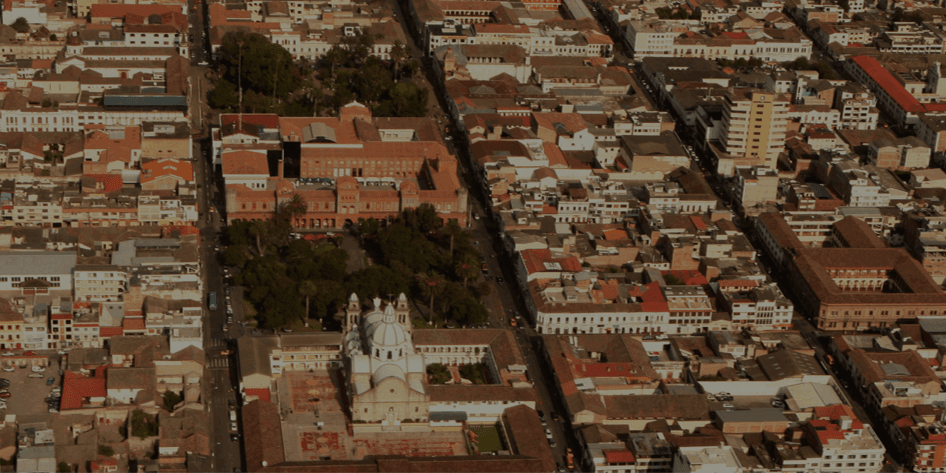
White City: The Town That Came Back
75 min · 1.8 km · easy
More from Ibarra
Explore more at your own pace.
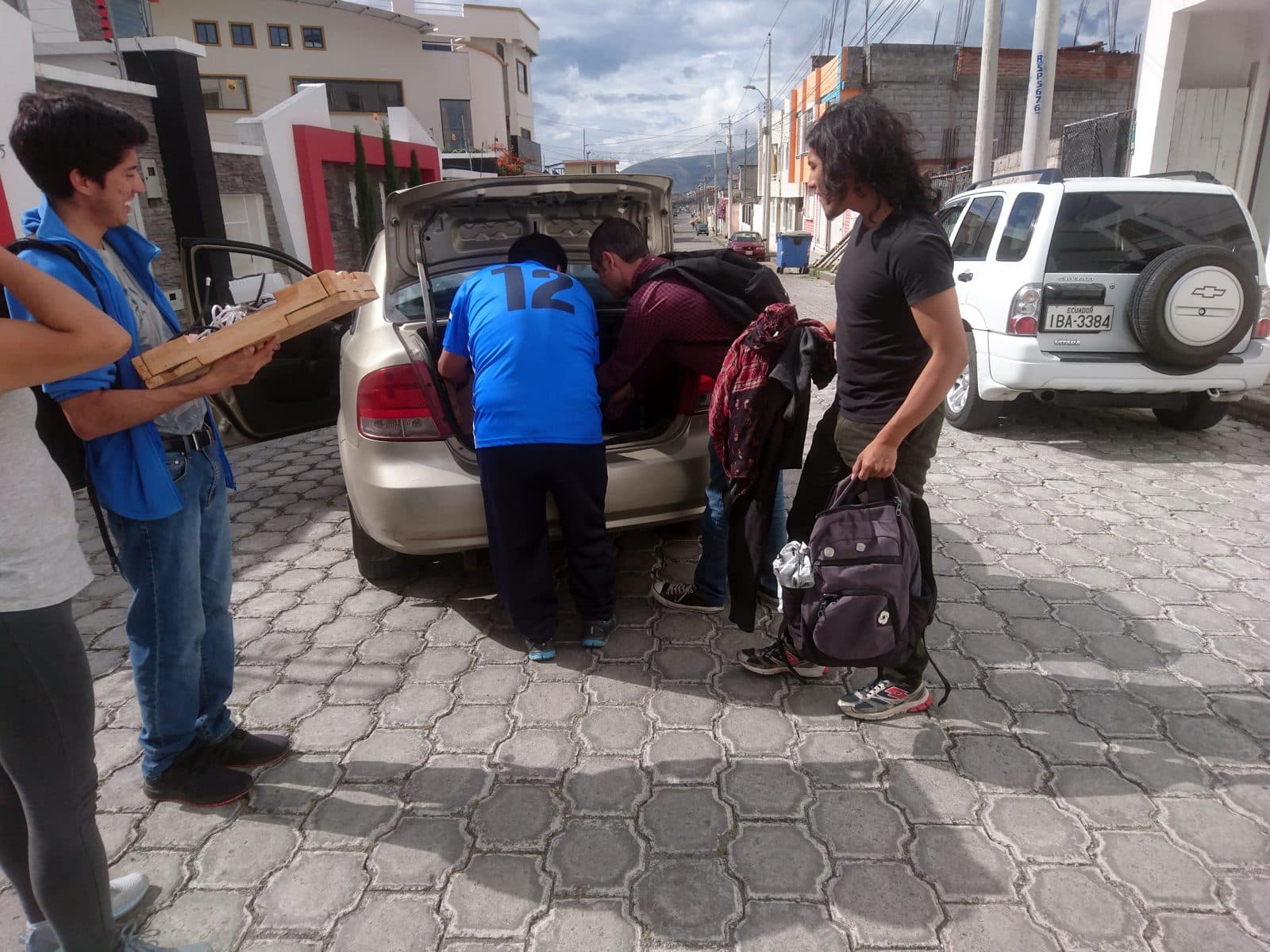
How to See Ibarra: The White City of the North
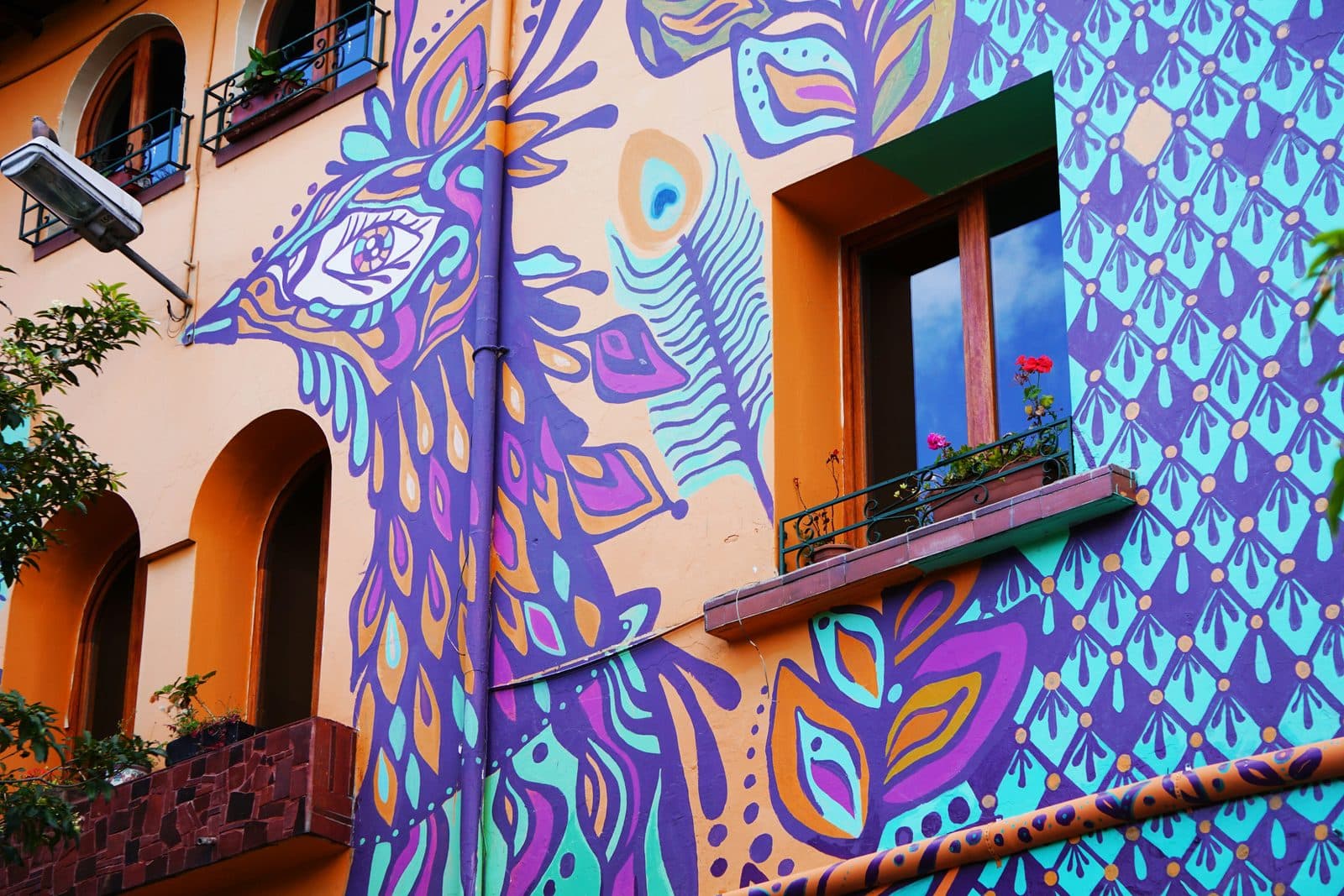
One Day in Ibarra: A Walkable White-City Itinerary (2026)
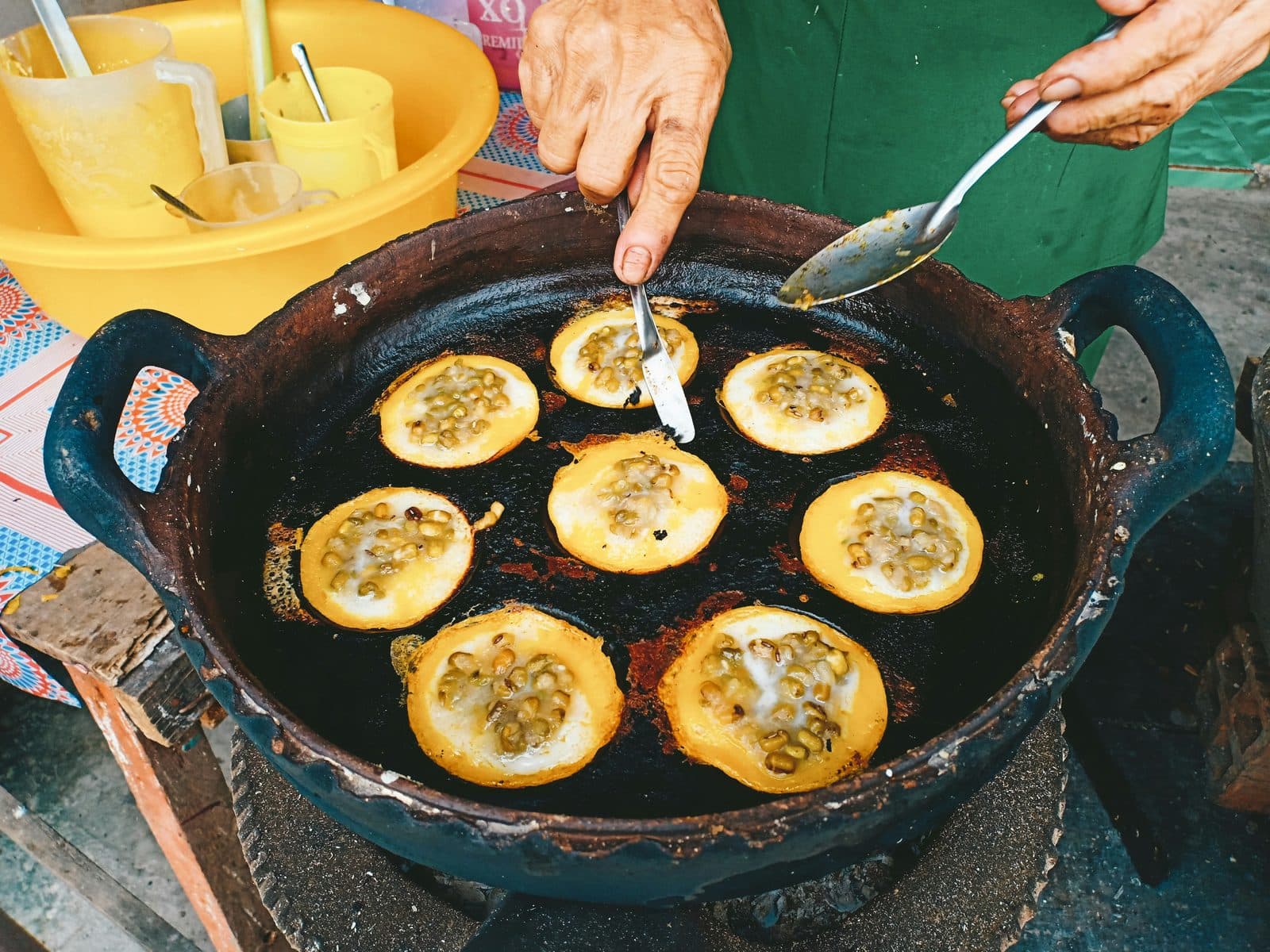
What to Eat in Ibarra: A Food Guide (2026)
Paila, Nogadas and Arrope: The Sweet Side of Ibarra's White City Walk
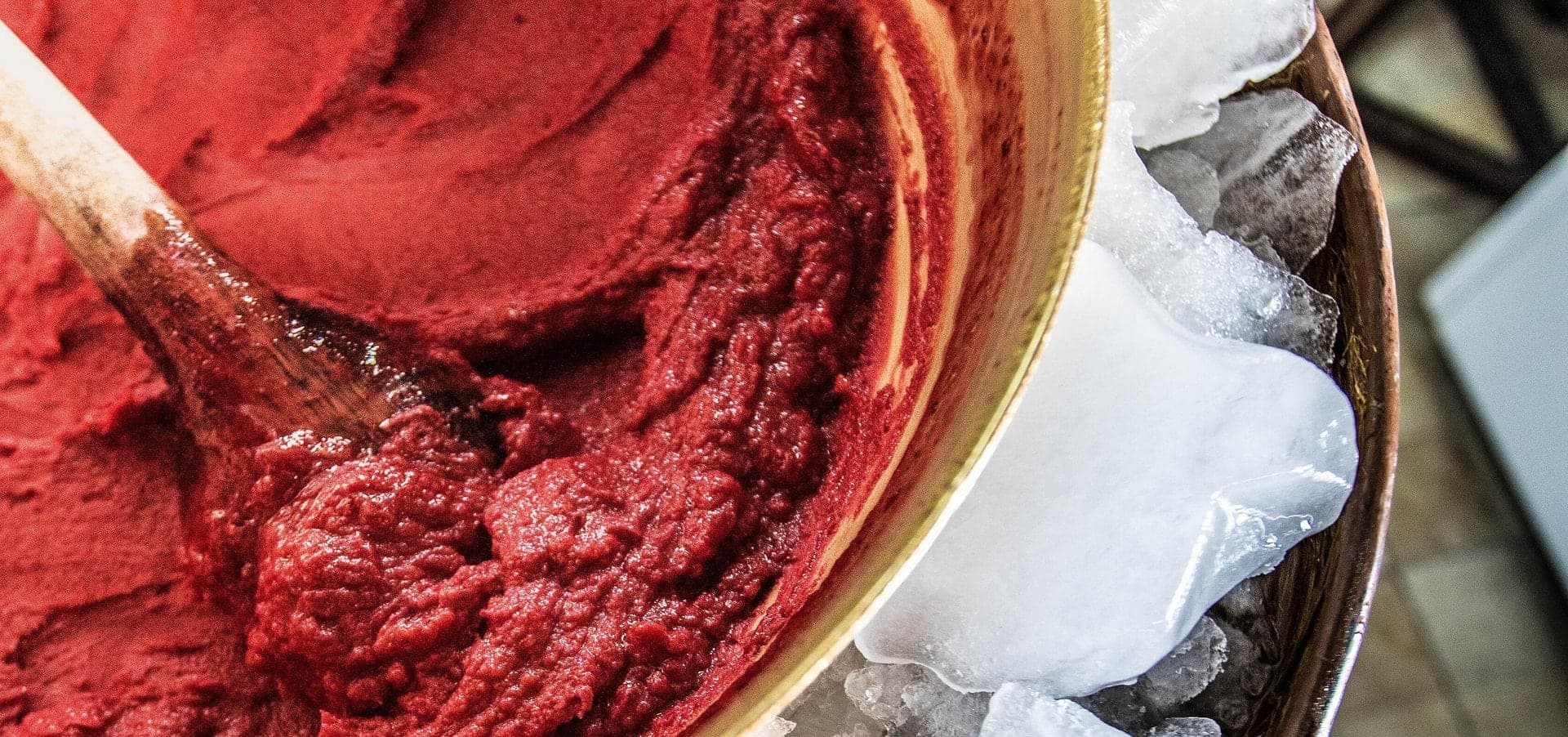
Rosalía Suárez and the Copper Bowl: How Paila Helado Became a Business