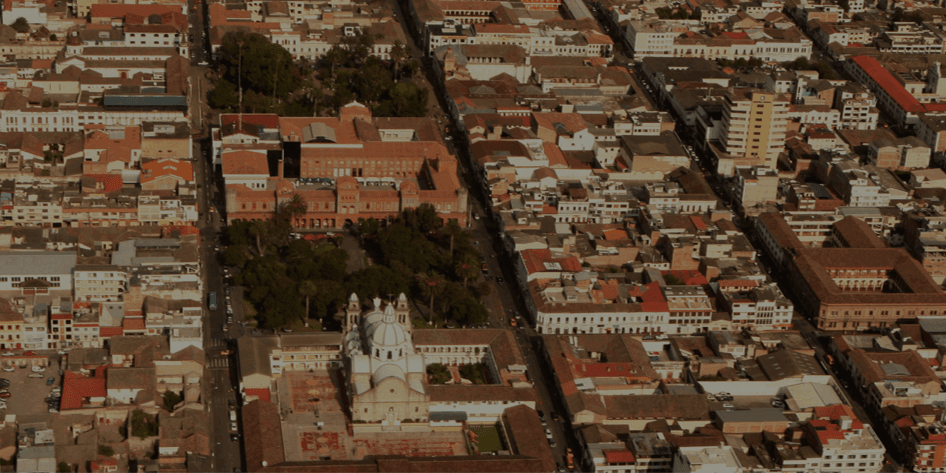
A flat walk through Ibarra's rebuilt grid, from the cathedral on Parque Pedro Moncayo past San Agustín and the Esquina del Coco to a paila ice-cream counter, La Merced, the El Cuartel fortress and Santo Domingo.
Start · Parque Pedro Moncayo: Stone Face, White Towers
DirectionsStops
- 1
Parque Pedro Moncayo: Stone Face, White Towers
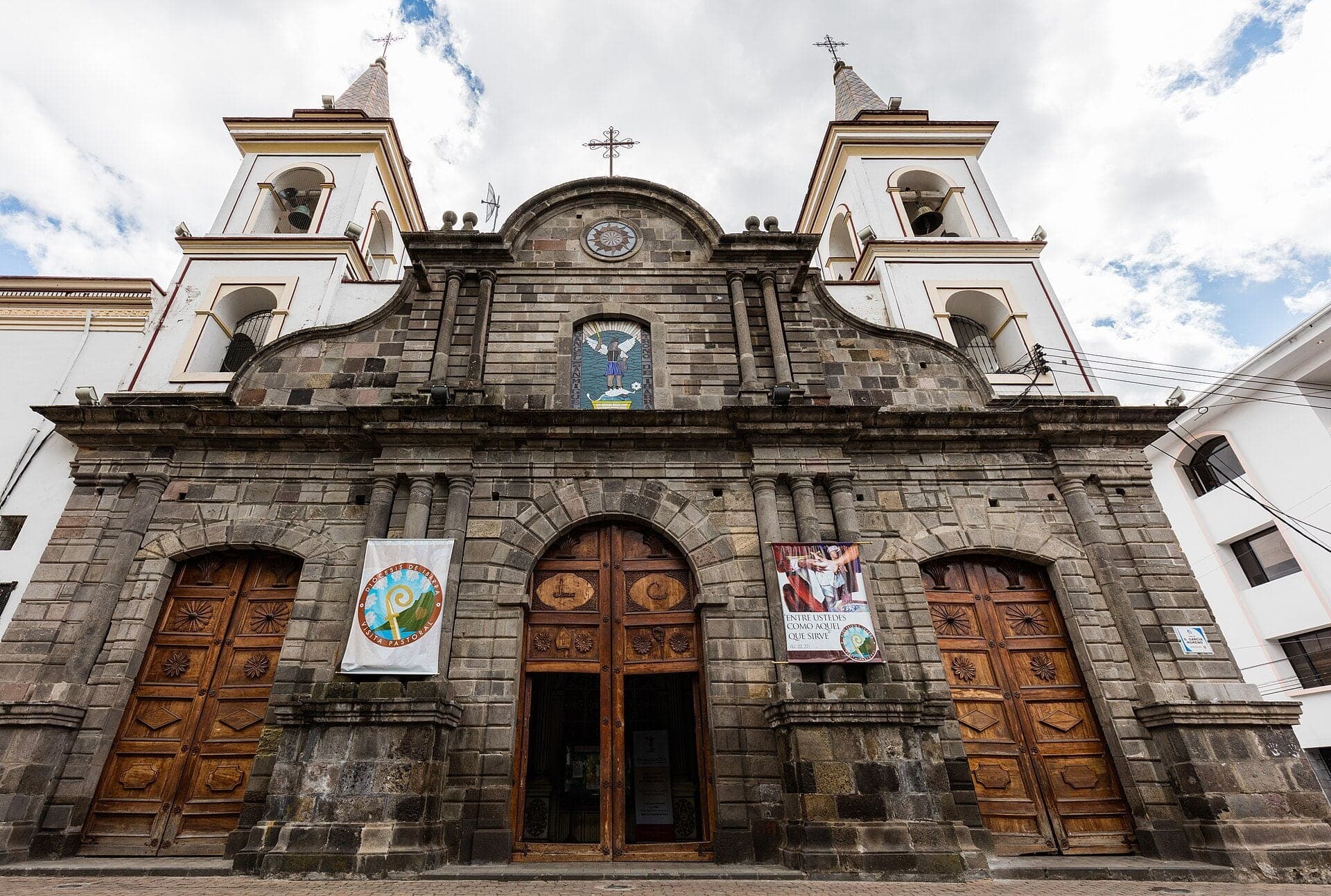
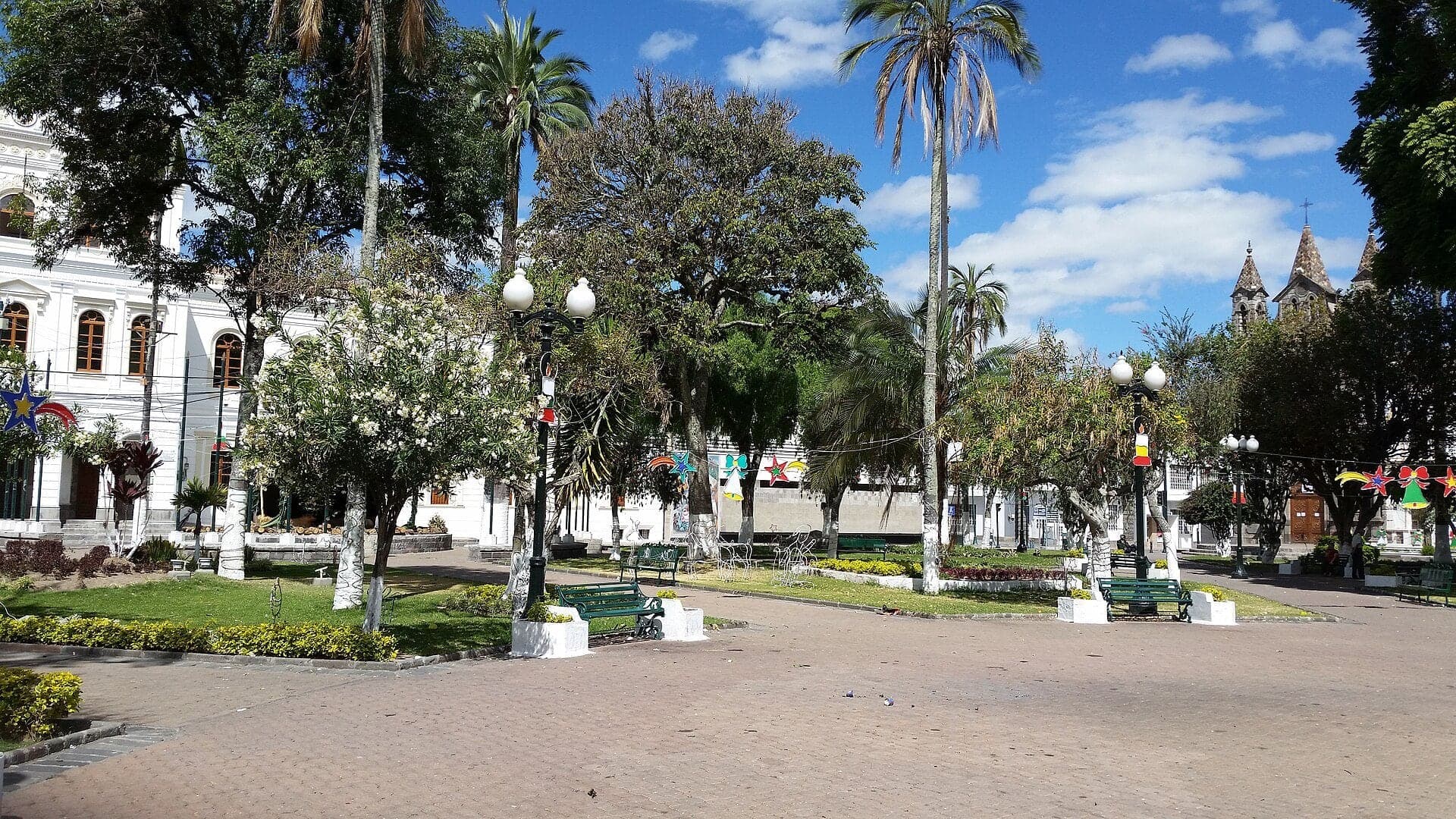
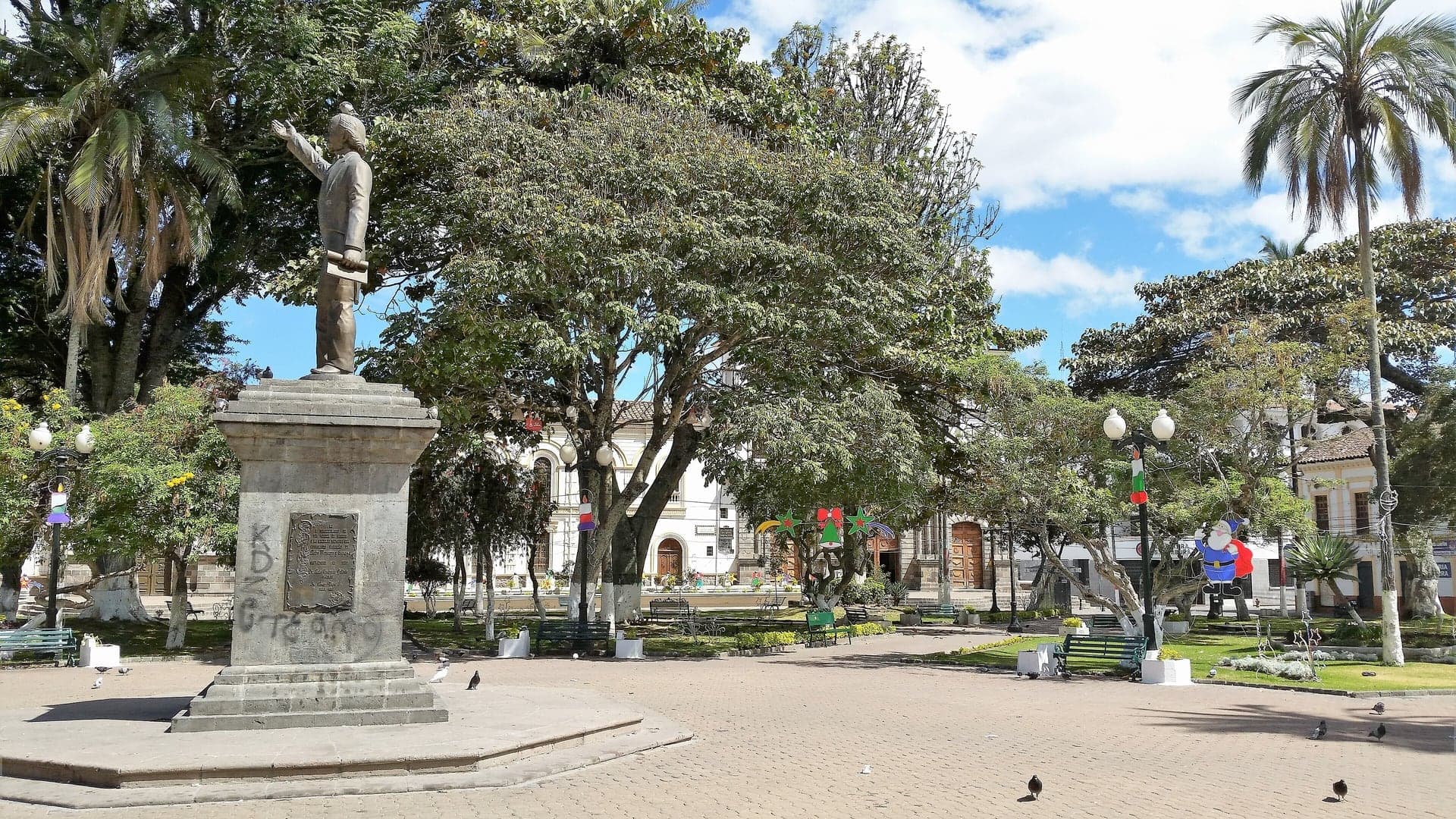
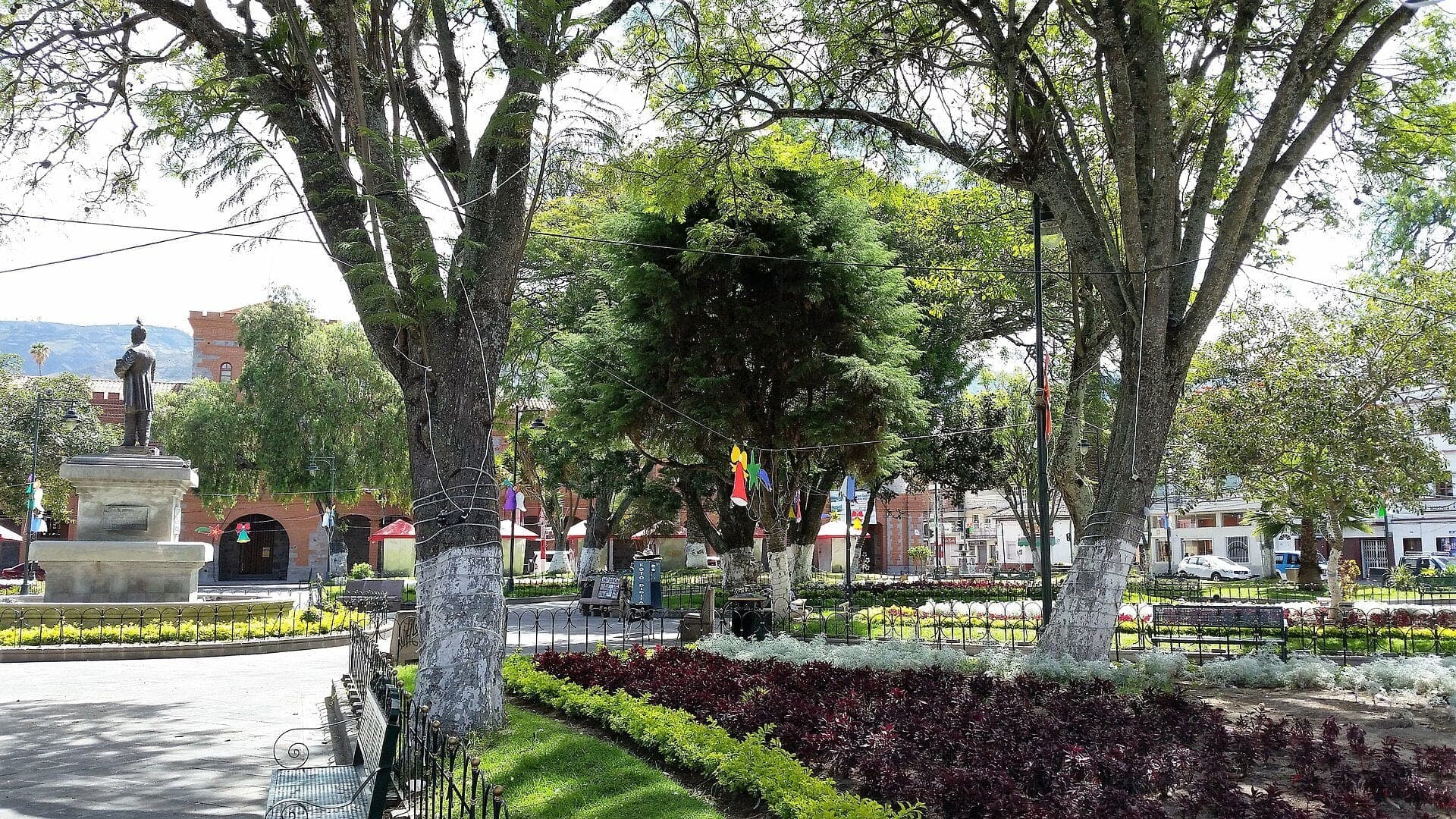
The cathedral on the main park, consecrated ten years after the 1868 earthquake. Ibarra's main square, with the cathedral's grey stone front and white towers, the provincial government and the city hall all facing one park.
- 2
El Torreón: The Second Comeback
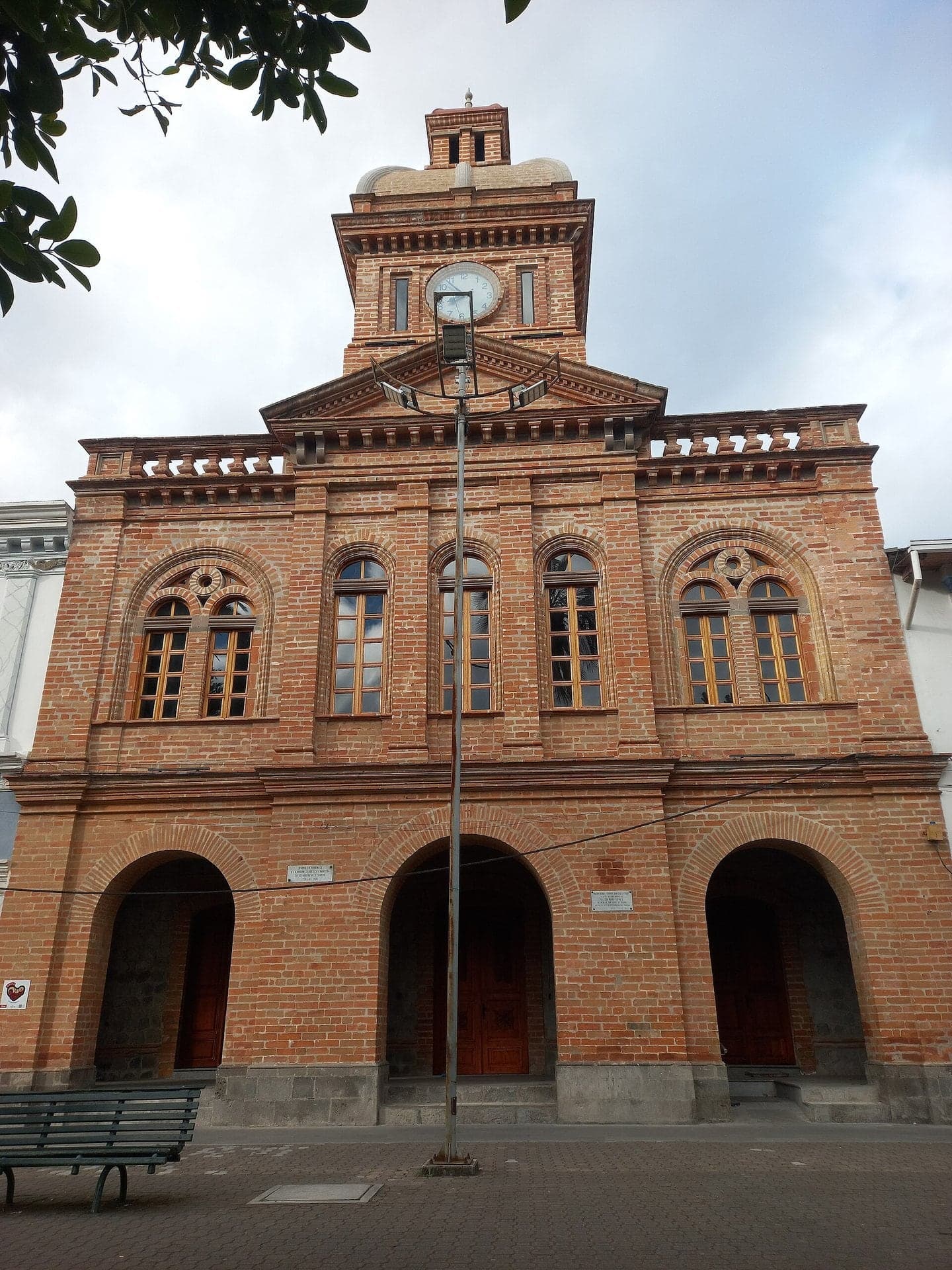
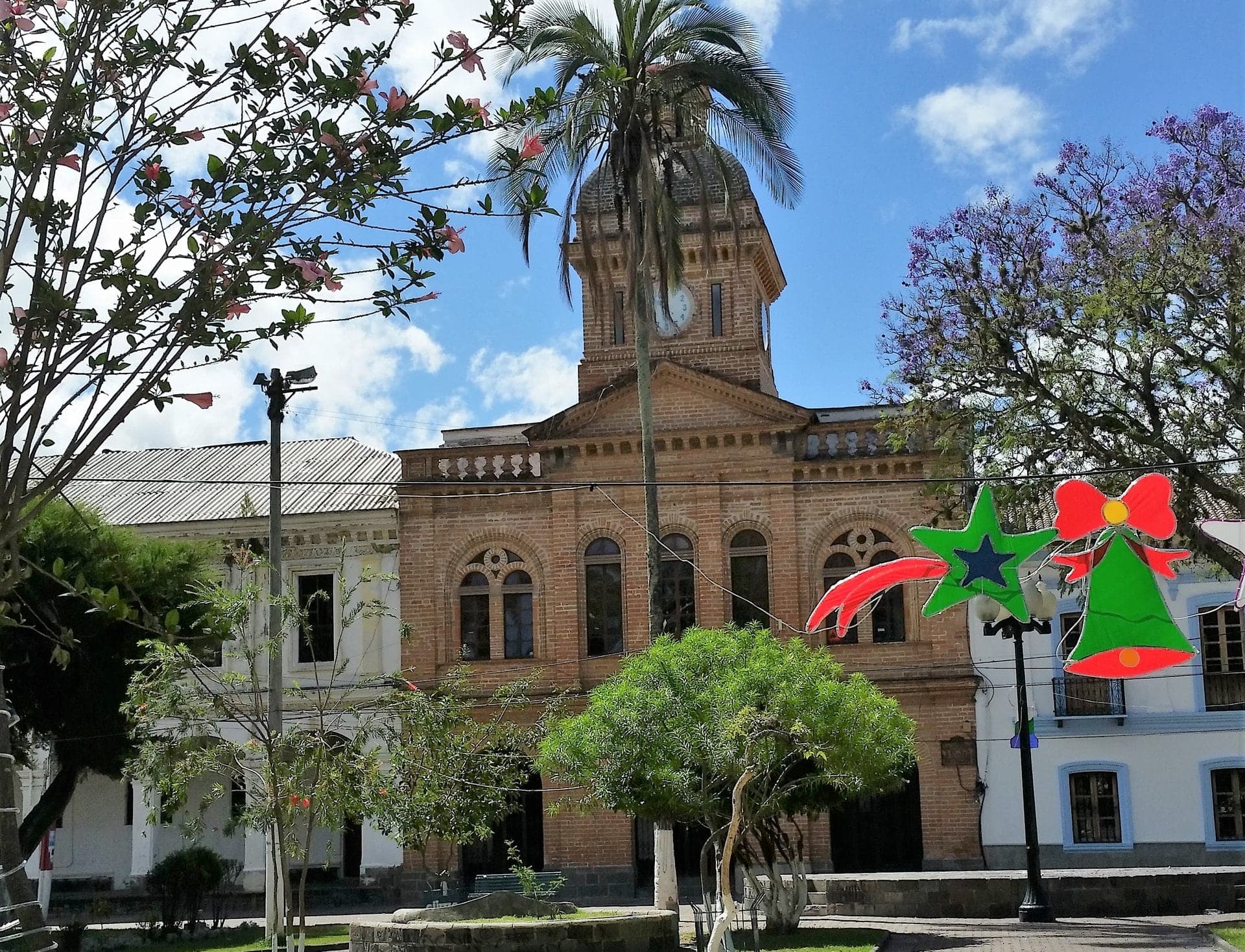
A restored school with a clock tower. A school abandoned in 1969 and brought back to life. The clock tower and the old Colegio Teodoro Gomez de la Torre, empty for decades and restored by the city from 2021.
- 3
San Agustín: Earth Behind Stone
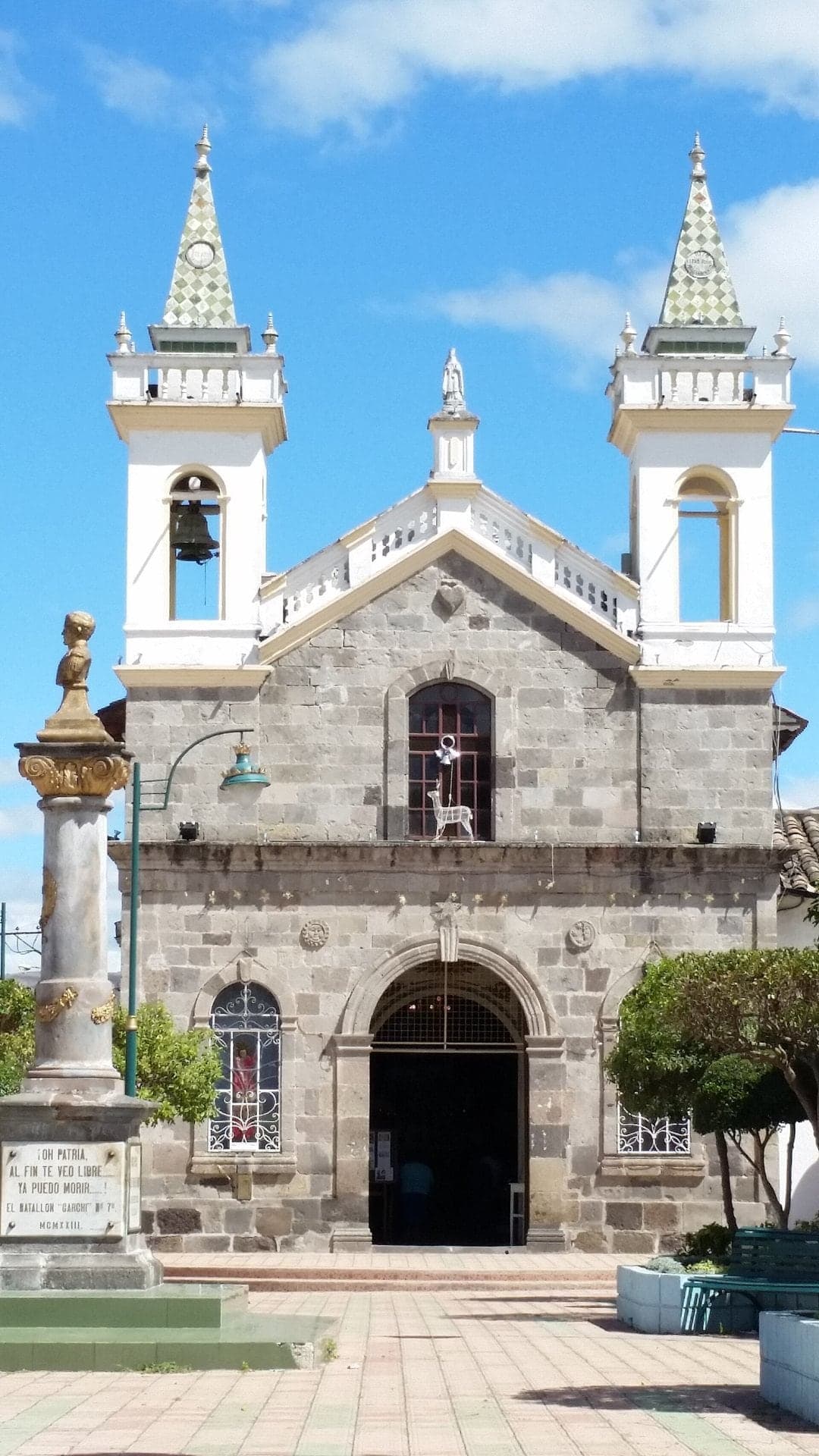
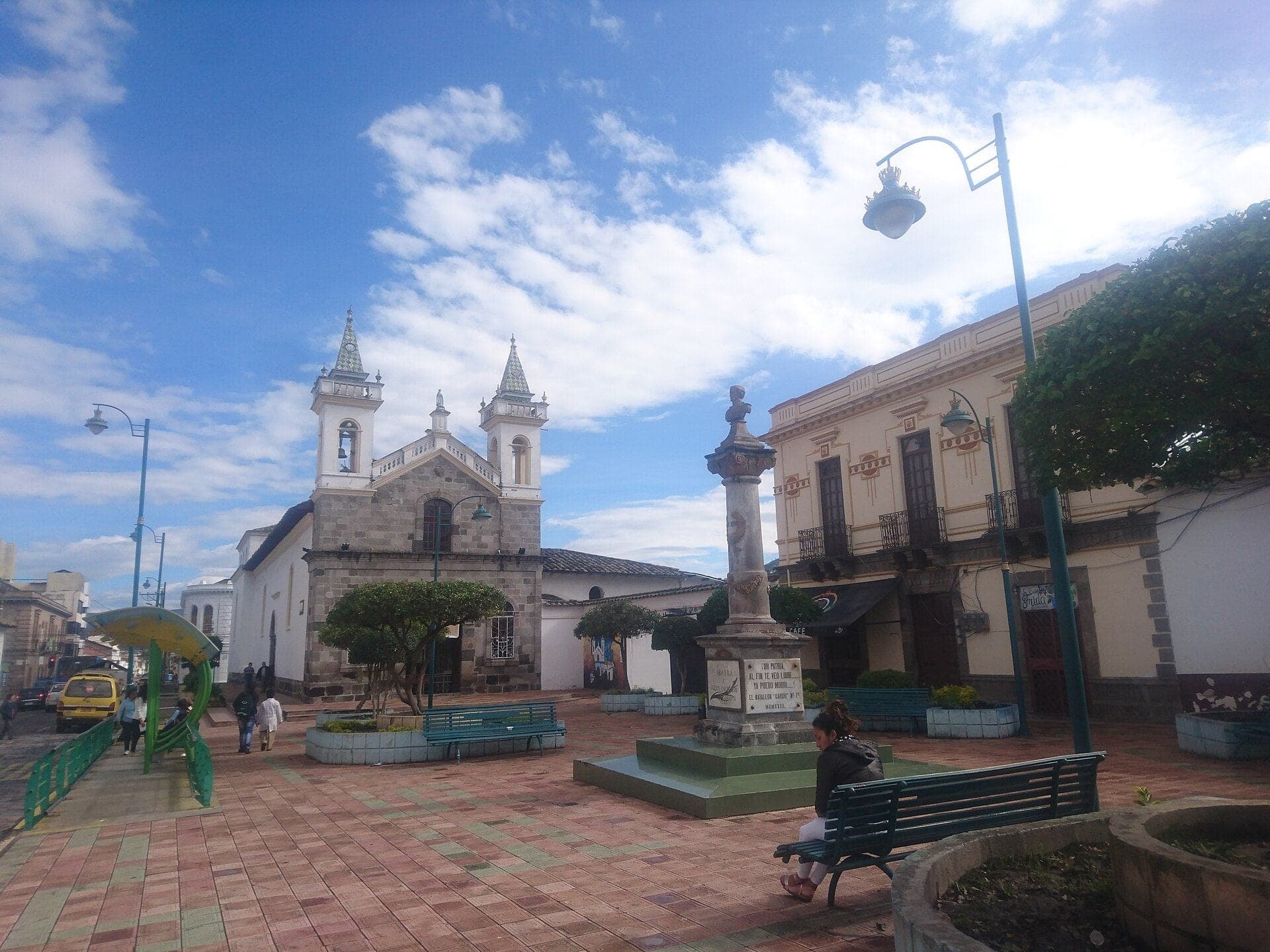
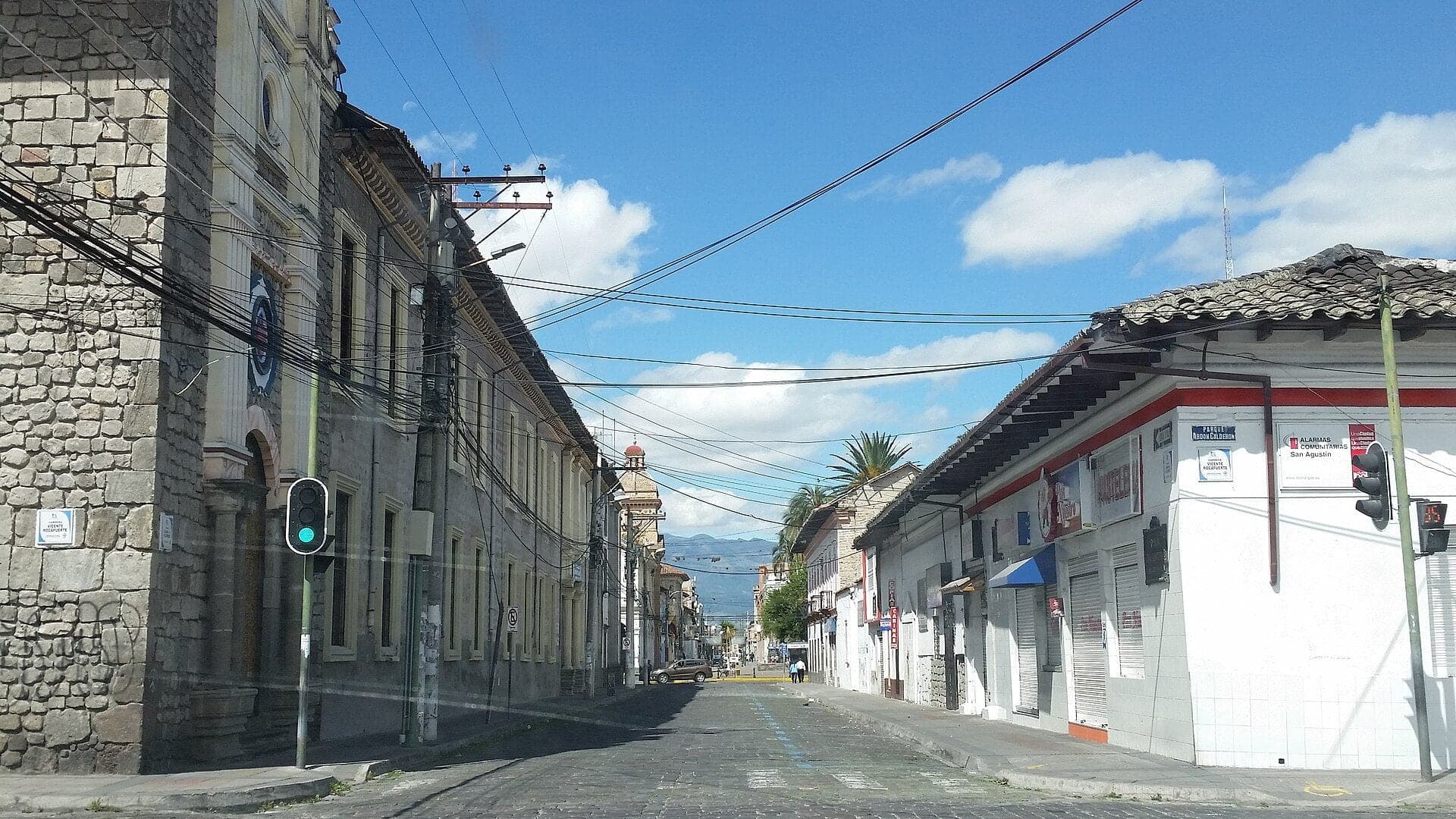
A stone face on earthen walls. San Agustin, rebuilt in its present form in 1935, shows a grey stone front, white towers and spires tiled in green and white, above a monument to Abdon Calderon.
- 4
Esquina del Coco: Where the Grid Began
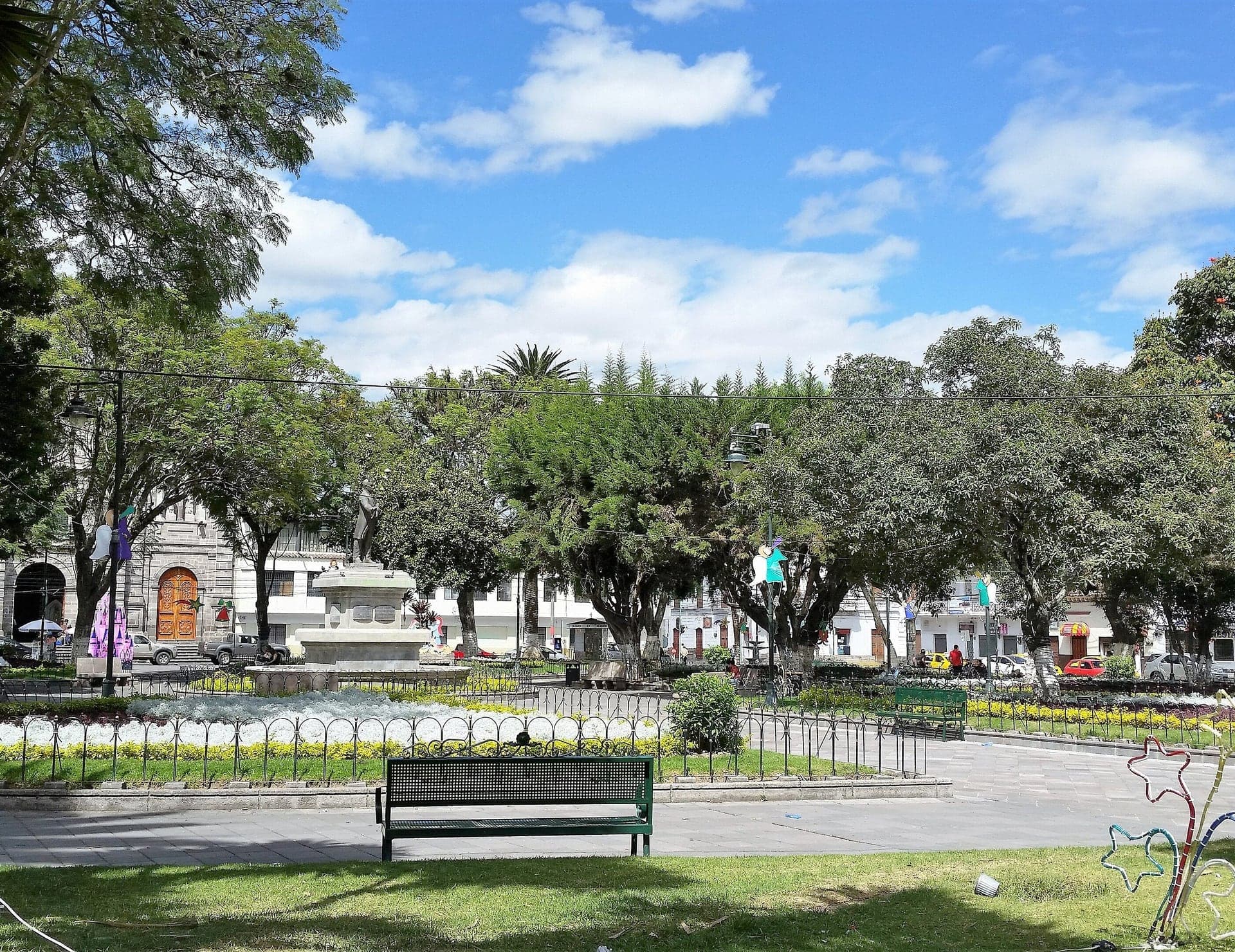
The corner the grid starts from. The Esquina del Coco, where tradition says a surviving palm marked the start of the new grid, opposite a museum of pre-Hispanic pottery and gold.
- 5
Parque del Águila: The Father's Square
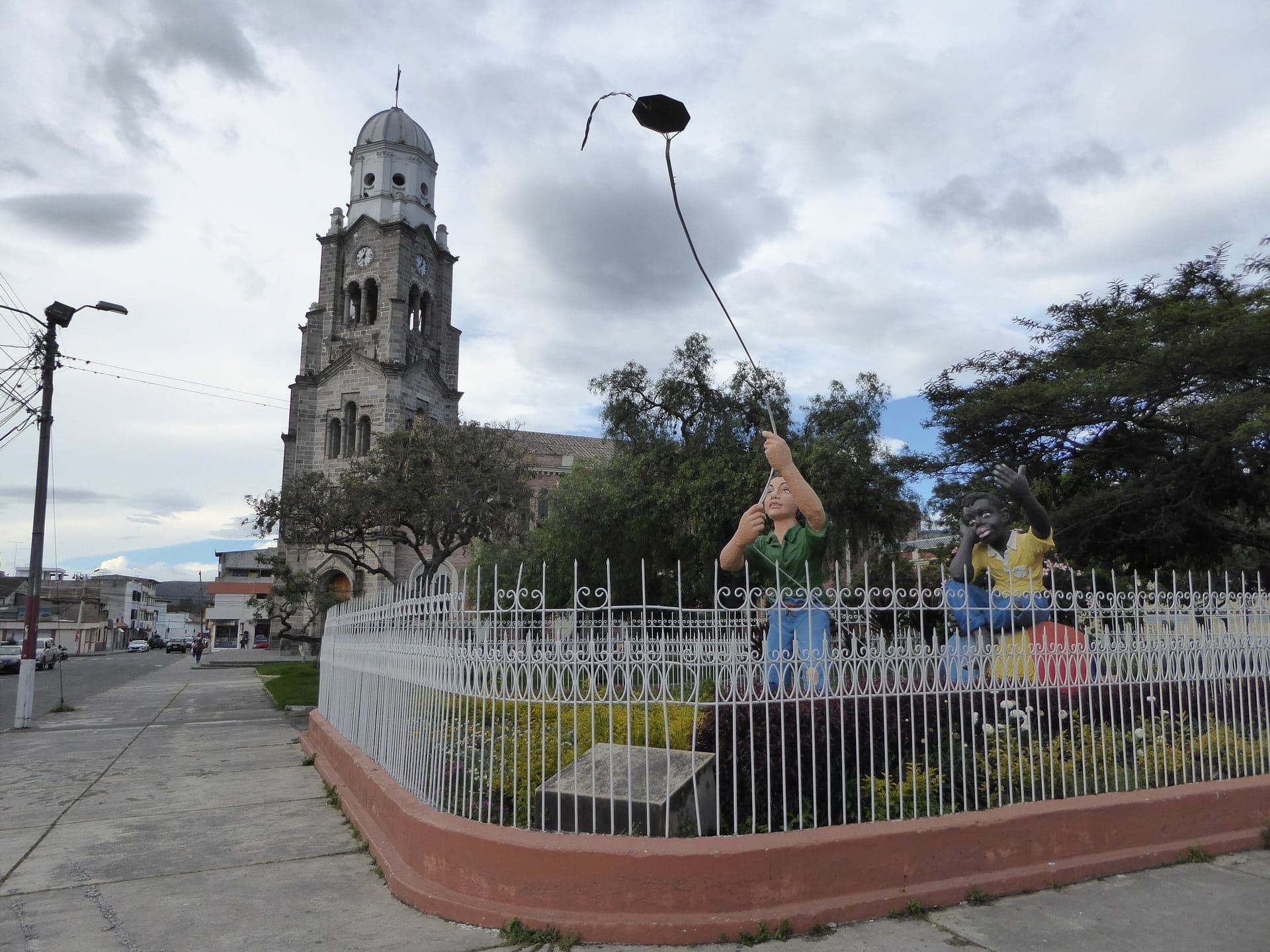
A small square for a patriot. The Plazoleta Francisco Calderon, known for its eagle sculpture, remembers the father of Abdon Calderon, shot by royalist troops in Ibarra in 1812.
- 6
Rosalía Suárez: Ice Cream in a Spinning Pan
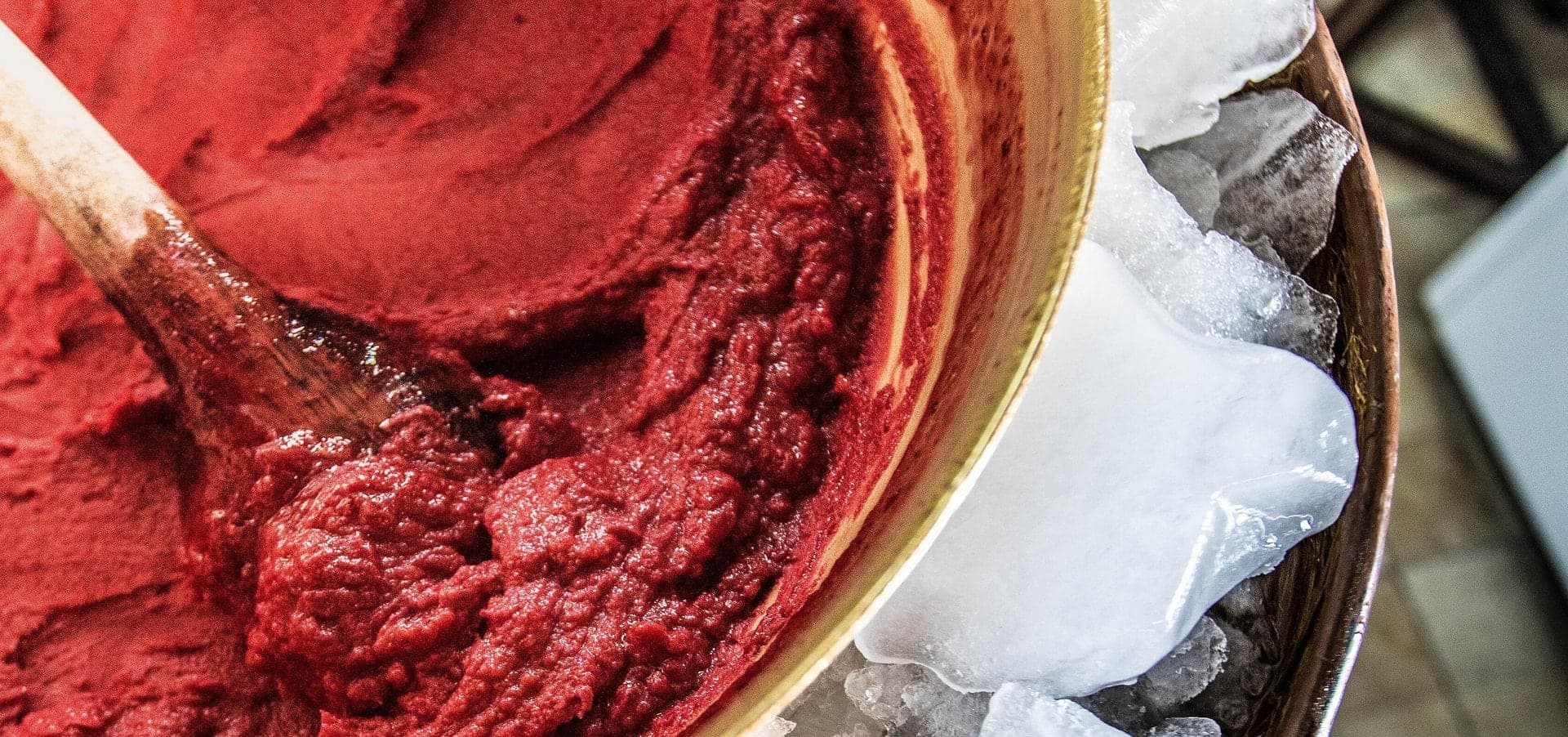
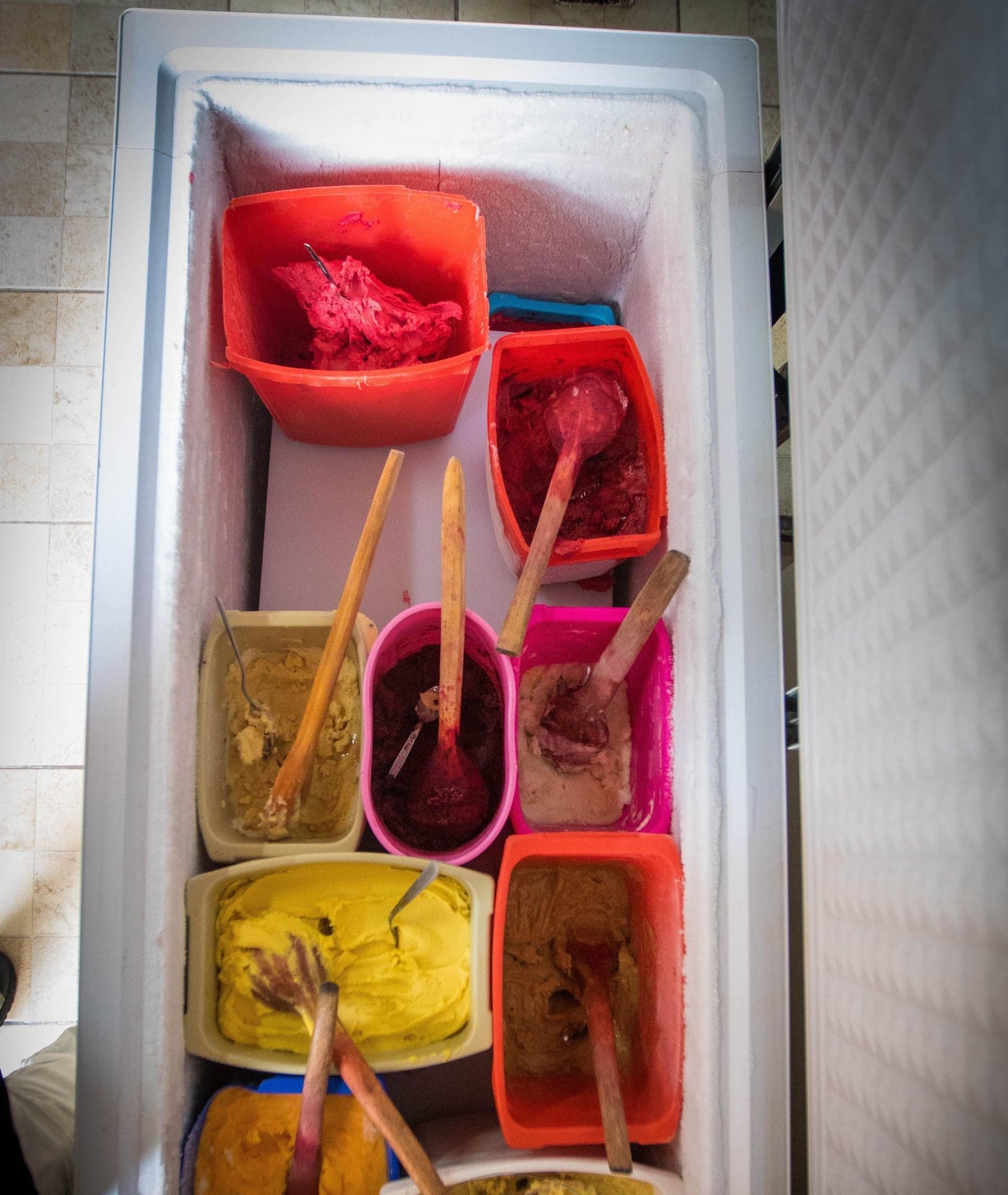
Ice cream turned in copper pans. A family name on two facing ice-cream counters. Two parlours carrying Rosalia Suarez's name faced each other on Oviedo in 2020, making helado de paila, fruit and sugar stirred in a bronze pan spun on ice.
- 7
La Merced: The Church That Came Out Short
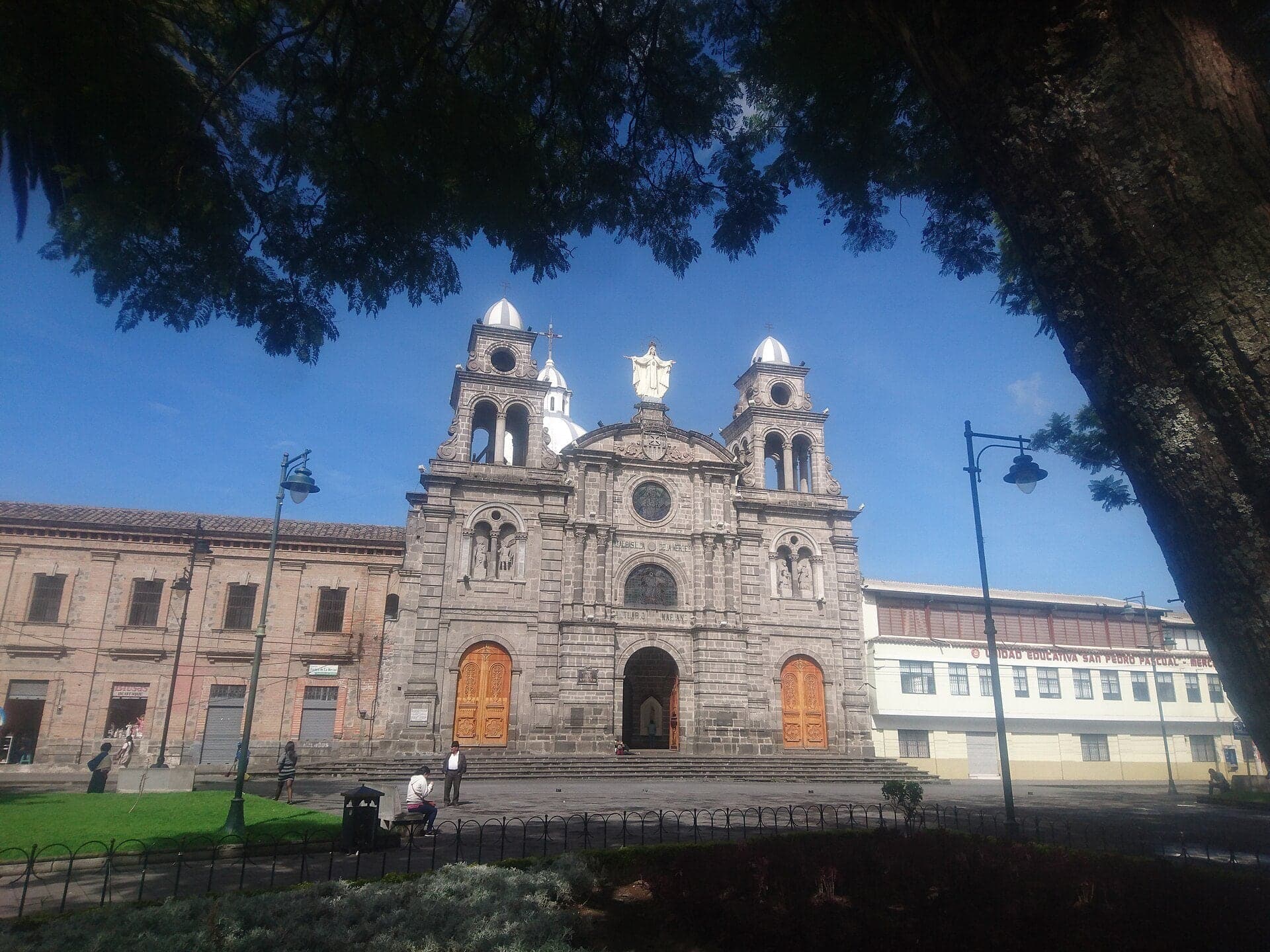
A grey stone basilica on a park. La Merced, begun in 1933 and finished around 1965, with a statue of the Virgin added because its towers came out lower than planned.
- 8
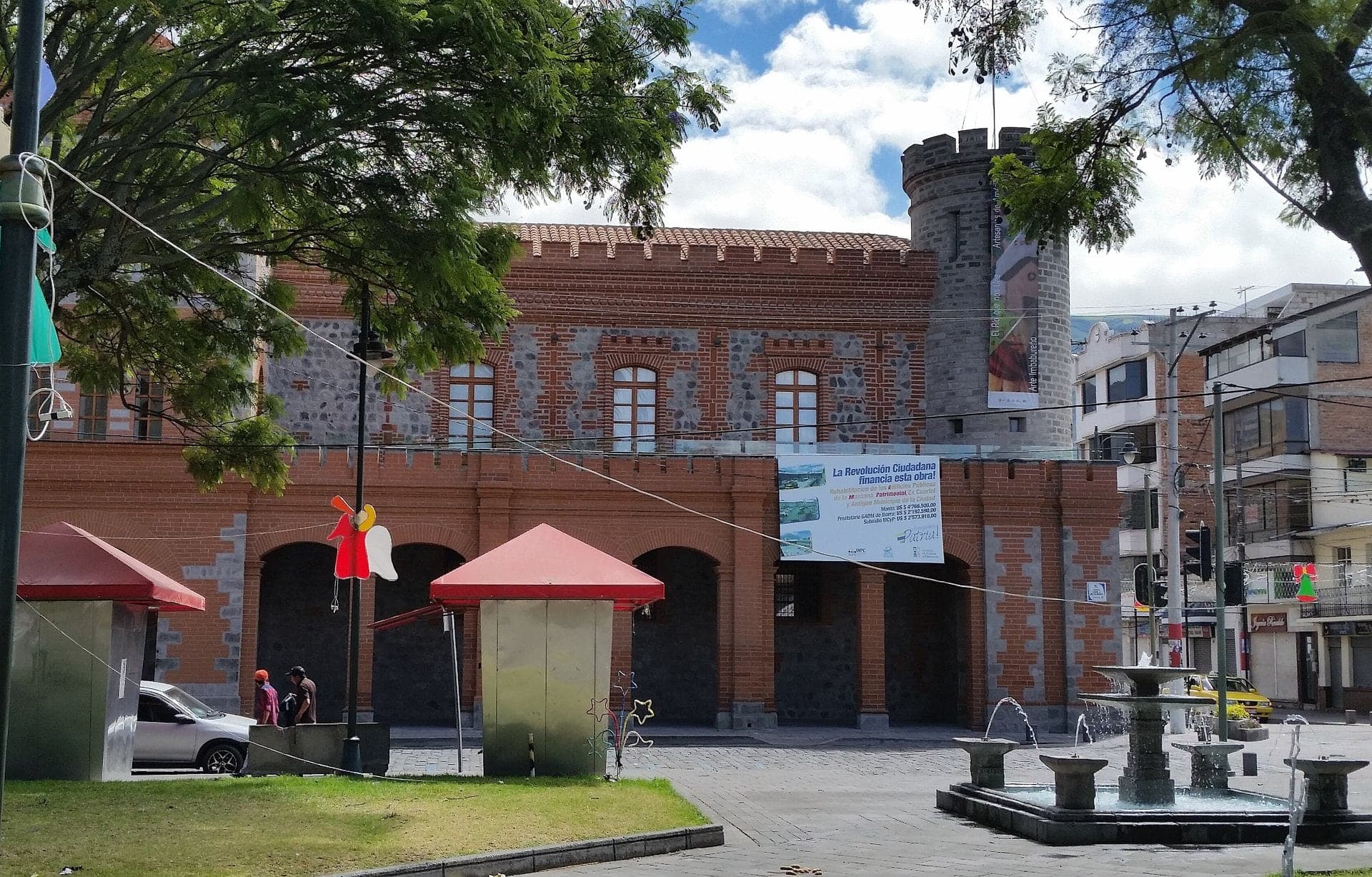
El Cuartel: A Fortress for the Army
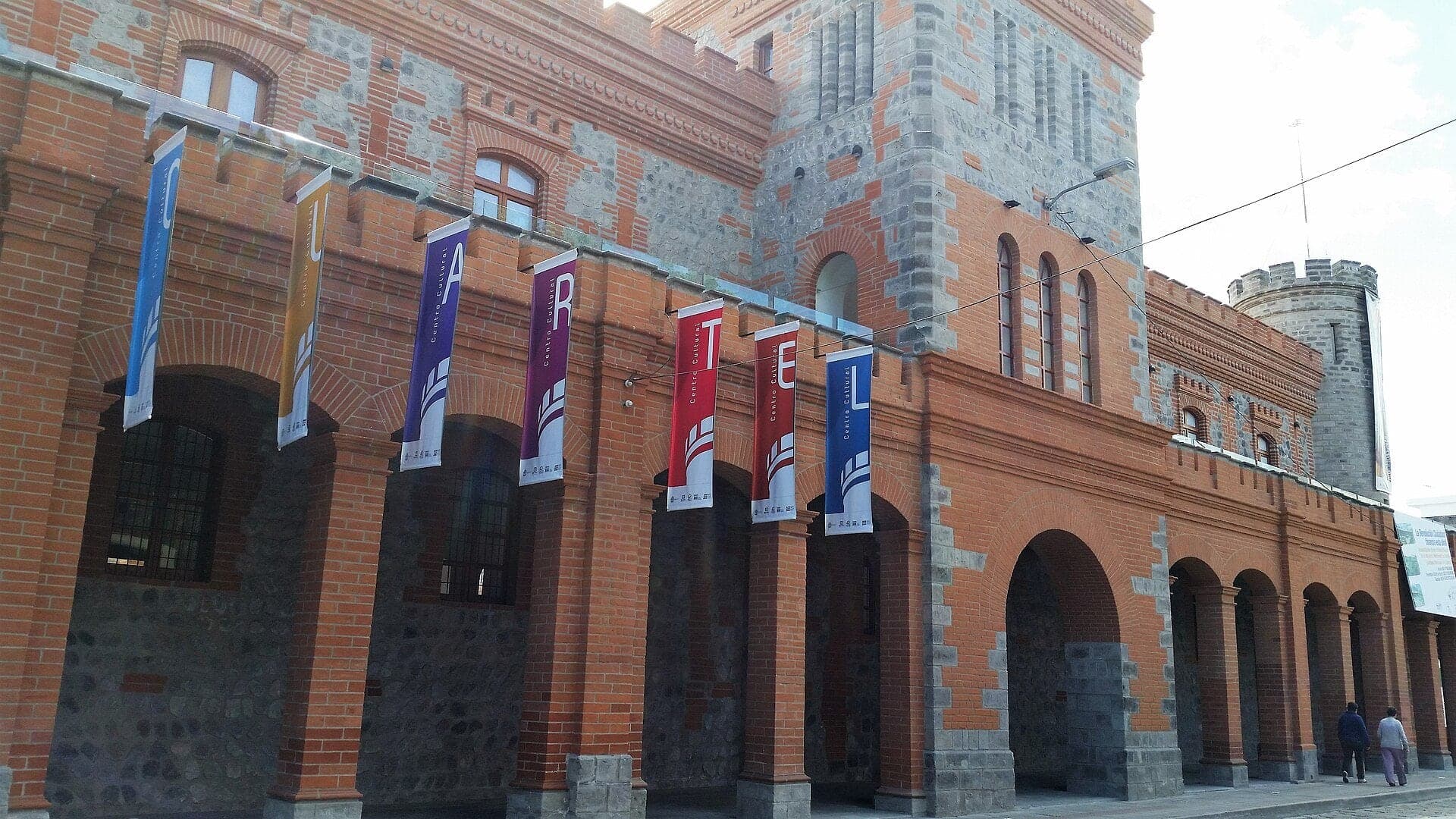
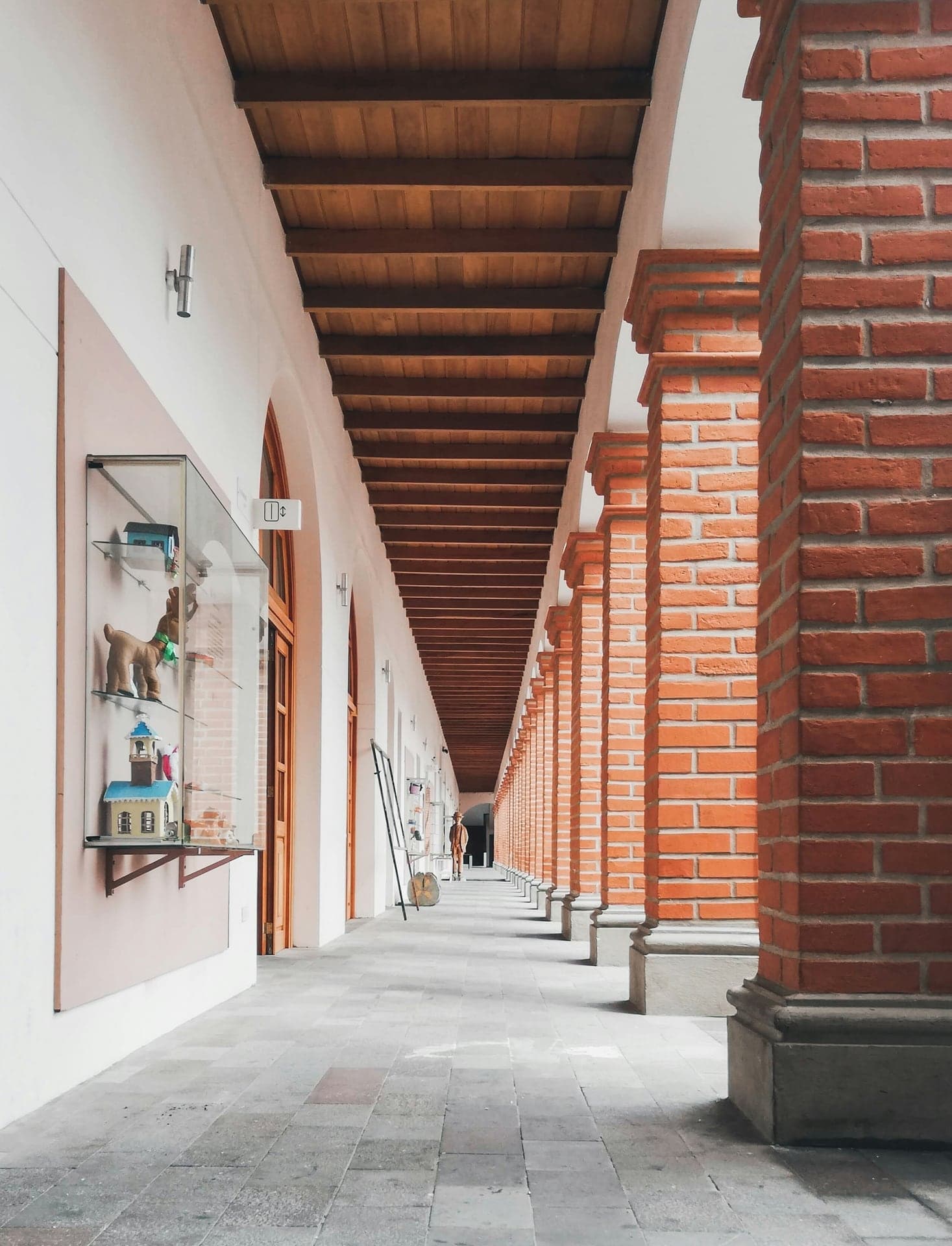
A barracks built like a castle. El Cuartel, begun in 1907 in a medieval style of stone blocks, narrow windows and turrets, has been a cultural center since December 2015.
- 9
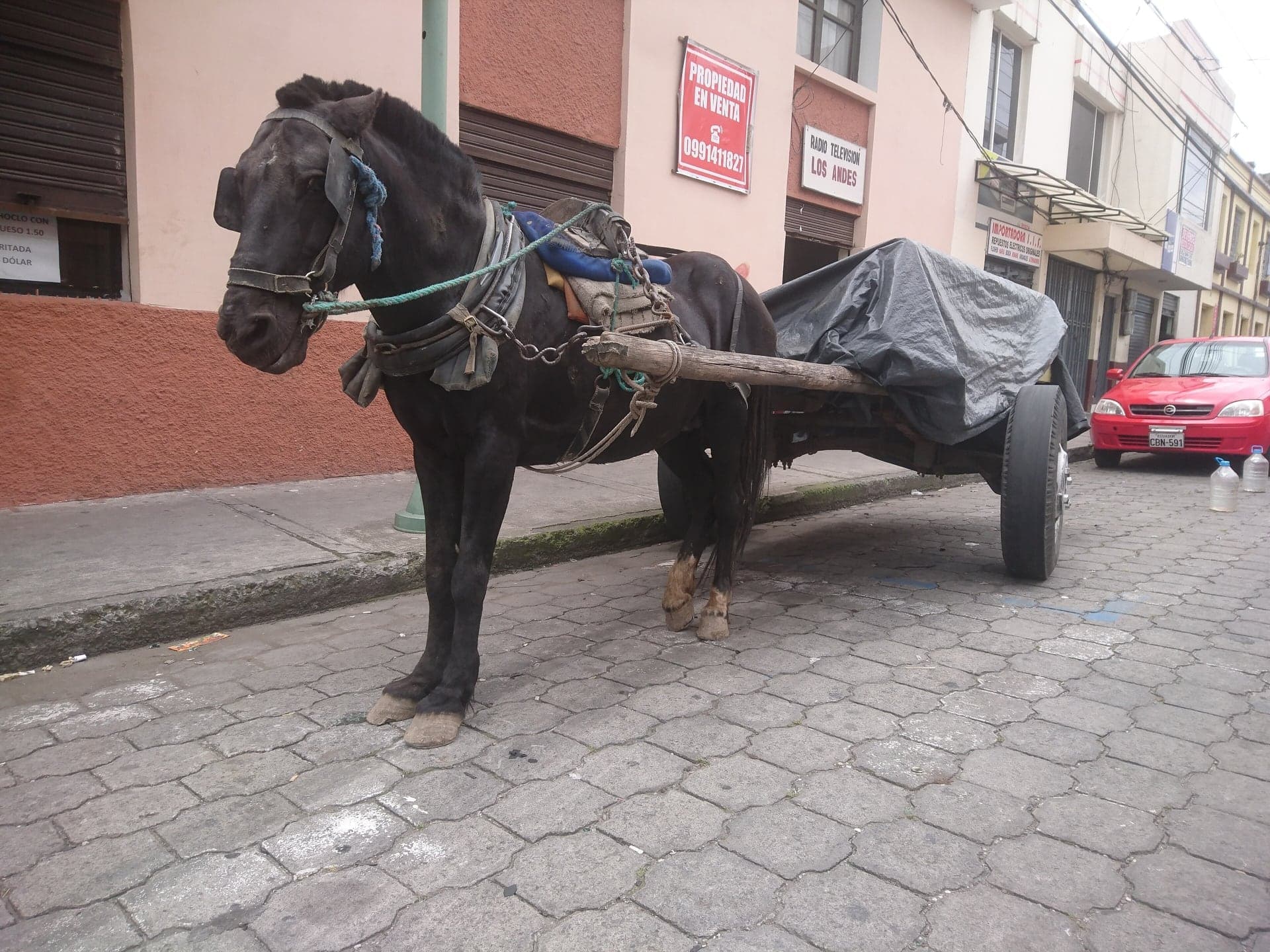
Calle Olmedo: The Straight Street
A straight street of the grid. Calle Olmedo runs straight through the rebuilt grid toward Santo Domingo, with the story of the White City name and its 2022 painting rule.
- 10
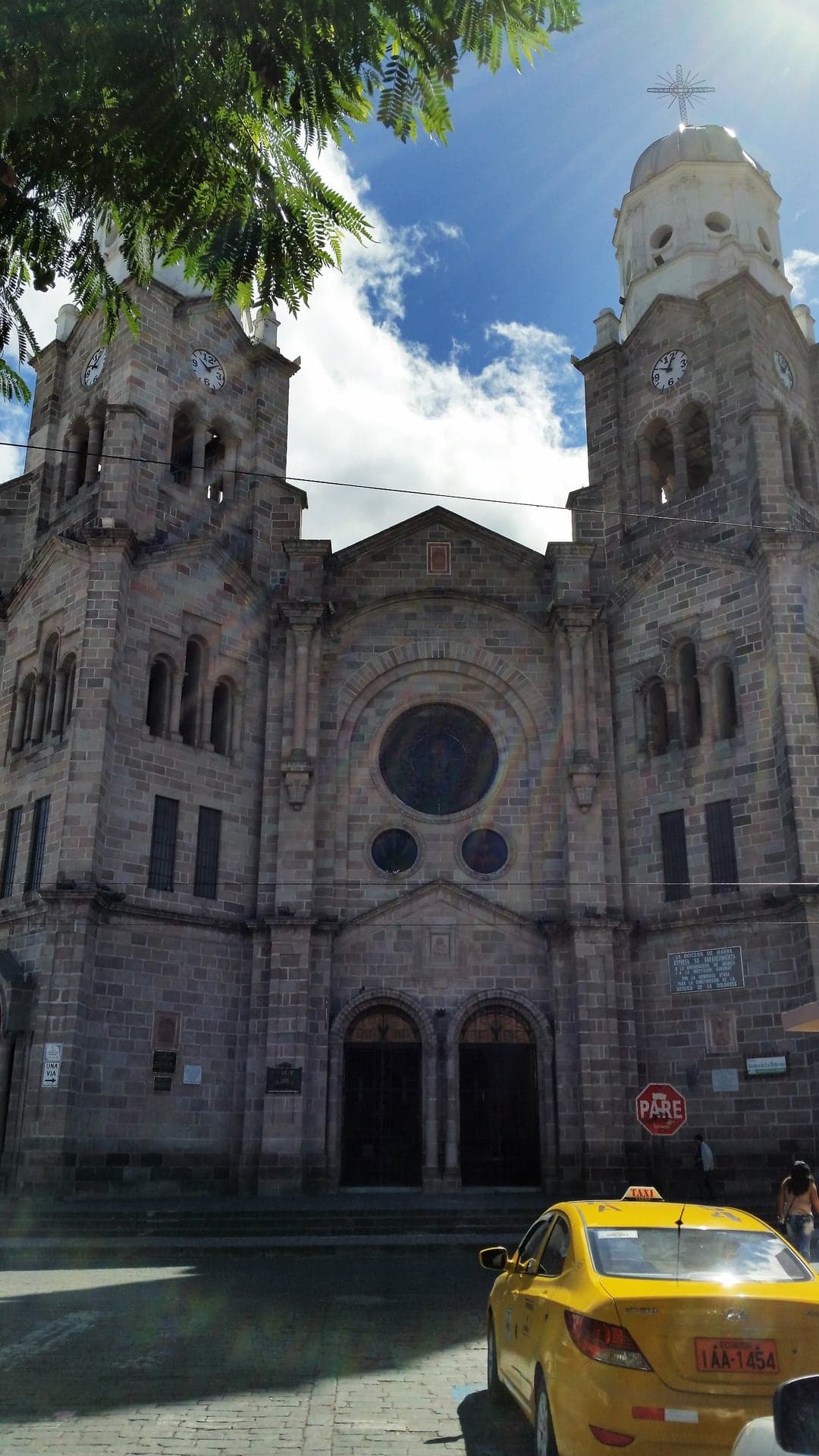
Santo Domingo: The Gothic Comeback
A neo-Gothic church consecrated in 1923, after fifty-five years. Santo Domingo, a neo-Gothic church of rusticated stone with saints in niches and white upper towers, faces the plaza that remembers the Battle of Ibarra of 1823.
Details
Best Time to Visit
In daylight, any day of the week; mornings are the quietest. The main square fills on Sunday mornings, and the city's two big dates, 28 April (El Retorno) and 28 September (the founding), bring crowds and civic events to the center. The northern blocks of Calle Olmedo and the Santo Domingo plaza are quiet residential streets, so finish before dark.
Pro Tips
- •Getting to the start: any taxi driver knows Parque Pedro Moncayo, the main square. Ibarra has no metro or tram. It is reached by bus from Quito and from Otavalo, a short ride away.
- •Helado de paila: as reported in 2020, two parlours carrying Rosalia Suarez's name face each other on Oviedo by its corner with Olmedo. Opening hours were not published when this walk was checked (5 October 2026).
- •Nogadas (walnut sweets) and arrope de mora (blackberry syrup) are Ibarra's other traditional sweets: look for them on Calle Olmedo and around the parks.
- •Centro Cultural El Cuartel (stop 8): in January 2016, just after it opened, it kept Tuesday to Sunday hours, 09:00 to 18:00. Current hours and any charge were not published; check at the door. Checked 5 October 2026.
- •The Casa de la Ibarrenidad on the main square, designed by Jose Domingo Albuja and built 1908 to 1915, is a municipal cultural center and an easy extra before or after the walk.
- •The Tren Taita Imbabura runs 13 km from Ibarra's station, by the Obelisco, to Antonio Ante (Atuntaqui). When it reopened in April 2025 it ran Wednesday to Sunday at 08:00, 11:00 and 14:00, adults 10 US dollars plus VAT, and it was still running in July 2026. Check current days and fares before you go. Checked 5 October 2026.
- •For a view over the grid, take a taxi to the Mirador San Miguel Arcangel, a lookout on the hill east of the center.
Safety & Precautions
- •Sucre and Bolivar are busy one-way streets with buses. Cross at the lights where the route has them (on Rocafuerte, Oviedo, Sucre, Bolivar and at Olmedo with Oviedo and Flores); the crossing of Sucre at Flores and the side streets of Olmedo north of the barracks have no lights.
- •Ibarra sits at about 2,200 m. The walk is flat, but take it slowly if you have come up from the coast. Kerb ramps along the route have not been checked.
- •The churches are working churches with no published visiting hours: step in only if the doors are open, and not during mass.
- •The restored old Colegio Teodoro Gomez de la Torre (stop 2) had no published opening days as of 5 October 2026, and the gates of the Parque del Aguila (stop 5) have no published hours; both stops work from the street.
- •The northern blocks of Calle Olmedo and the Santo Domingo plaza are quieter residential streets: walk them in daylight.
Travel advisory: Exercise Increased Caution (Level 2).
Gallery
Read the walk
The full story of White City: The Town That Came Back, in words. Prefer to listen? Play it narrated, from home or on location.
Introduction
Ibarra, in the province of Imbabura in northern Ecuador, is a town that had to be built twice. It was founded in sixteen oh six. In the small hours of the sixteenth of August, eighteen sixty-eight, an earthquake on the Otavalo fault threw it down. The survivors lived for about four years out on the plain of Santa María de la Esperanza, and on the twenty-eighth of April, eighteen seventy-two, they came back. The city still marks that day as El Retorno, the Return.
This walk follows the town they rebuilt. Over ten stops and about one point eight kilometres, a little over a mile, it runs from the main square through the new grid, past two more churches, an army fortress and the street of Ibarra's best-known ice-cream family, to the church of Santo Domingo. Allow about an hour and a quarter. It is flat, but the town sits at about two thousand two hundred metres, so take it slowly if you have come up from the coast.
Three names come back along the way. Gabriel García Moreno, sent to run the relief, whose plan the new streets followed. Francisco and Abdón Calderón, a father and son who died in the wars of independence. And Rosalía Suárez, who began making ice cream here in the eighteen nineties.
And one thing to watch for at almost every church: a face of grey stone, and white on almost everything else.
1. Parque Pedro Moncayo: Stone Face, White Towers
Welcome to Ibarra, and to Parque Pedro Moncayo, the main square. Walk on toward the big church at the head of the park, and stop where you can see its whole front.
This is the cathedral, and it teaches you how to read this town. Look at the lower part of the front: grey dressed stone, cut and fitted, worked in quarries on the Tahuando river. Now look up at the two towers. They are brick, rendered and painted white. Grey stone for the face, white for the rest. You will find the same pairing at almost every church on this walk.
The church that came before it was begun in sixteen oh six, the year the town was founded, and the earthquake of eighteen sixty-eight destroyed it completely. Gabriel García Moreno, sent to run the relief, reported fifteen to twenty thousand dead in the province.
This cathedral was consecrated in eighteen seventy-eight, ten years after the earthquake, with three naves and walls and arches of lime and stone. It was the first of this walk's churches to be consecrated. The others took far longer. One was not consecrated until nineteen twenty-three, and another was still being finished in the nineteen sixties. Coming back took most of a century.
Look around and you can see who rebuilt the town. The provincial government faces the park across the street. Across the square, the small chapel with a stone front and three pointed finials on top, built around nineteen hundred, stands where the town's old main church stood, and the city hall is beside it. Church, province and city, around one park. The park is named for Pedro Moncayo, a journalist born in this town.
If the cathedral's doors are open, step in quietly, and not during mass.
Follow the route through the park. Next, a clock tower and a school that came back twice.
2. El Torreón: The Second Comeback
Walk on along the pedestrian street, past the clock tower, and stop near its end, before the busy road.
The clock tower is El Torreón, from the early nineteen hundreds, and it belongs to the long building behind it: the old Colegio Teodoro Gómez de la Torre. The building went up after the earthquake. A colonel, Teodoro Gómez de la Torre, gave his property to a school called San Alfonso, and in time the school took his name. Look up at the clock. For decades this was a school with a public clock, on the main square of a rebuilt town.
Then, in nineteen sixty-nine, the school moved out to a new site, and the building was left to the weather. It was declared a heritage building in nineteen seventy-eight and still stood empty for decades, falling to pieces, in the words of local radio, a nest for pigeons.
The city took it over only in twenty eighteen, and in August twenty twenty-one it began to restore the roofs, facades, wall paintings and pillars. In January twenty twenty-six it offered free guided visits during a city weekend. In February twenty twenty-six the council handed it to a city company to run for twenty years, with plans for shops, cultural rooms, the city archive and a library.
So the square that celebrates the town's return has a second comeback on its edge. If a door is open, the restored courtyards are worth a look; check on the day.
One more thing: Rosalía Suárez's family says her first ice-cream counter stood at this crossing of Flores and Sucre.
Follow the route, and cross the busy road with care. Next, a church with walls of earth.
3. San Agustín: Earth Behind Stone
Walk on to the corner of the little park and stop there, where you can look straight up it to the church at its head, past the monument.
This is San Agustín, and its front follows the pattern you learned at the cathedral: a center of dressed grey stone, with the joints cut flush, and towers finished in white. Now look at the very tips of the spires. They are tiled in glazed ceramic, green and white.
The stone is only the face. Behind it, the walls of this church are rammed earth, packed hard between boards, and they are more than a metre thick. Inside, brick arches carry a flat wooden ceiling under a roof of timber and tile. That is much of the white city: earth and lime, behind a face of stone.
The first church here is dated to sixteen seventy-two. An inventory two years later found it plain: river-stone foundations, a thatched roof with a small belfry, nothing showy on the altars. In eighteen sixty-eight the foundations held, and nothing else could be saved. After more damage in the early nineteen hundreds, when poor materials failed, the church you see was rebuilt in its present form in nineteen thirty-five, sixty-seven years after the earthquake.
The monument in the park is Abdón Calderón, the son in the father-and-son pair, a young officer from Cuenca. At the battle of Pichincha, on the twenty-fourth of May, eighteen twenty-two, he was wounded four times, and by his commander's report he would not leave the fight. He died of those wounds in Quito. Ibarra has its own reason to honor him: his father, Francisco, was shot by royalist troops in this town ten years earlier. The father's square is two stops ahead.
If the church doors are open, step in quietly, and not during mass.
Follow the route, and cross at the lights. Next, the corner where the new town began.
4. Esquina del Coco: Where the Grid Began
Walk on to the little paved corner where Sucre meets Oviedo, and stop there. This is the Esquina del Coco, the corner of the coconut palm, and the opera staged in the old school in December twenty twenty-five was named for it. The city's own account goes like this. When the…
Full narration for this stop unlocks with the tour.
5. Parque del Águila: The Father's Square
Walk on along the railing of the little square and stop beside it, where you can see the eagle through the bars. This is the Plazoleta Francisco Calderón, though most people call it the Parque del Águila, the eagle's park, after the sculpture inside. If its gates are closed,…
Full narration for this stop unlocks with the tour.
6. Rosalía Suárez: Ice Cream in a Spinning Pan
Walk on along Oviedo and stop on this block, by the ice-cream parlours. On this block of Oviedo, two parlours have carried the name of Rosalía Suárez, the ice-cream maker from the introduction, facing each other across the street. When a local paper visited in twenty twenty,…
Full narration for this stop unlocks with the tour.
7. La Merced: The Church That Came Out Short
Walk on round the path through the park, and stop where it brings you closest to the big stone church across the street. This is the Basilica of La Merced, and it breaks the town's color pattern: its front is grey dressed stone, with no white at all. Look at the top of the…
Full narration for this stop unlocks with the tour.
8. El Cuartel: A Fortress for the Army
Walk on to the corner of the park and stop there, looking across the street at the long, fortress-like front. This is El Cuartel, the barracks, and it was built to look like a castle. Work began in nineteen oh seven, in the time of President Eloy Alfaro and his Liberal…
Full narration for this stop unlocks with the tour.
9. Calle Olmedo: The Straight Street
Walk on up Calle Olmedo and stop where you can see a long way along it. There is no monument on this block, just the town itself: the grid said to start from the Esquina del Coco, carried on block after block in a straight line. On a clear day, mountains close the far end of…
Full narration for this stop unlocks with the tour.
10. Santo Domingo: The Gothic Comeback
Walk on into the plaza and stop at its edge, with the church just ahead across the lane and the monument behind you. This is Santo Domingo, and it closes the walk the way the cathedral opened it. Read the front. It is stone, cut in rough-faced blocks, with columns and niches…
Full narration for this stop unlocks with the tour.
- Cathedral de Ibarra, Ecuador (Commons Quality Image; category Cathedral of Ibarra) — Diego Delso, CC BY-SA 4.0 · source
- Parque Central Pedro Moncayo, Ibarra — David C. S., CC BY-SA 4.0 · source
- "Ibarra" (that is all the uploader wrote) — Ceibos, CC BY 4.0 · source
- Parque Central Pedro Moncayo, Ibarra — David C. S., CC BY-SA 4.0 · source
- Iglesia de San Agustín, Ibarra — David C. S., CC BY-SA 4.0 · source
- La Iglesia de San Agustín, está emplazada frente a una plazoleta en una zona céntrica de la ciudad de Ibarra, a unos 5 minutos del Parque Pe — TupakAmaruIshkay, CC BY-SA 4.0 · source
- Ibarra Imbabura, (ANDES).- Los tradicionales helados de paila se preparan en la ciudad de Ibarra ... teniendo como referente a la familia Su — Archivo Medios Públicos EP (photo Carlos Rodríguez / Andes), CC BY-SA 2.0 · source
- La Iglesia de la Merced fue construida a finales del siglo XIX y concluyó su construcción en el año de 1945... — TupakAmaruIshkay, CC BY-SA 4.0 · source
- Parque Víctor Manuel Peñaherrera, Ibarra — David C. S., CC BY-SA 4.0 · source
- Museo del Antiguo Cuartel Militar, Ibarra — David C. S., CC BY-SA 4.0 · source
- Museo del Antiguo Cuartel Militar, Ibarra — David C. S., CC BY-SA 4.0 · source
- Calle Juan José Flores, Ibarra — David C. S., CC BY-SA 4.0 · source
- Parque Central Pedro Moncayo, Ibarra — David C. S., CC BY-SA 4.0 · source
- Parque Víctor Manuel Peñaherrera, Ibarra — David C. S., CC BY-SA 4.0 · source
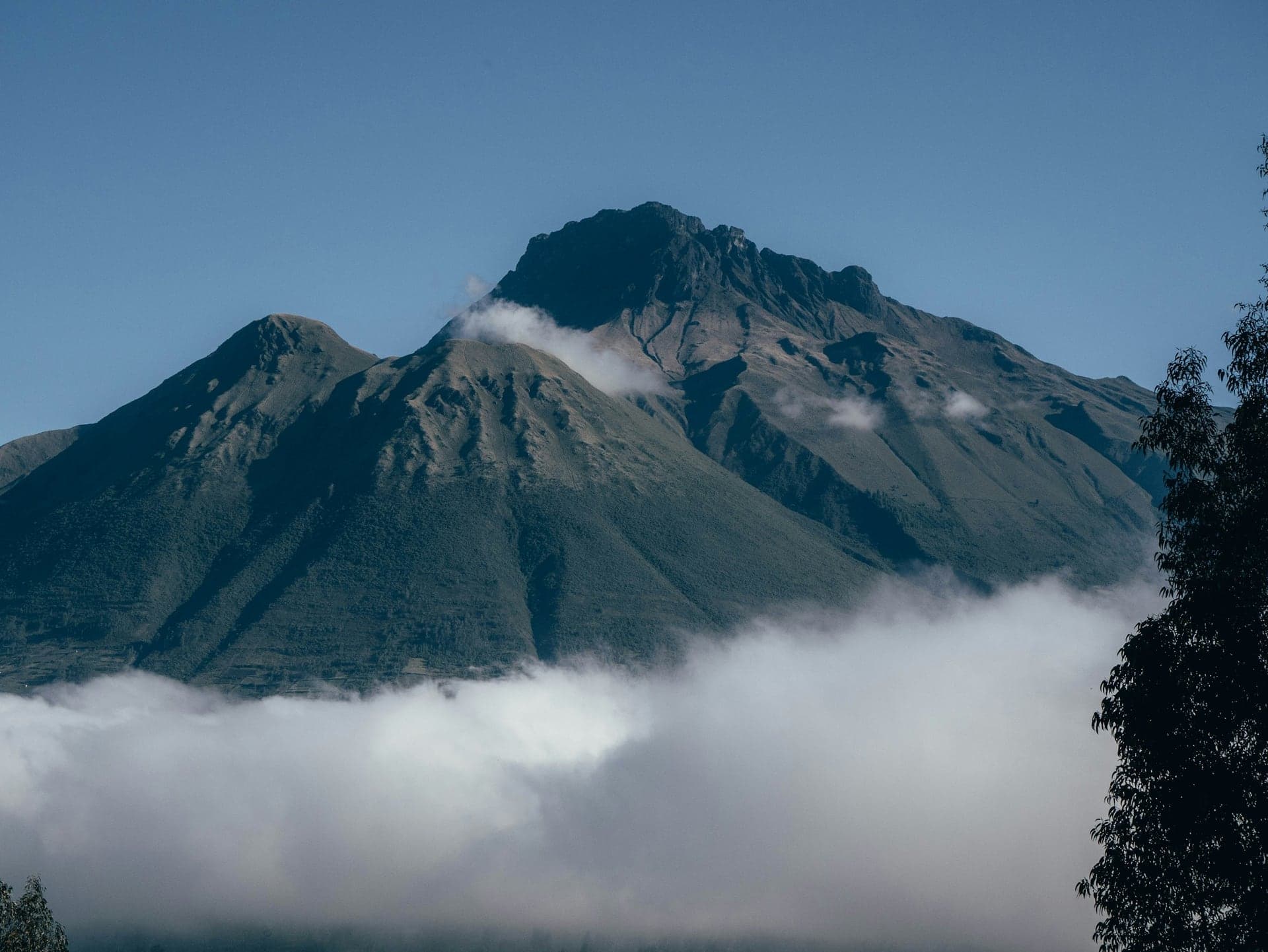
- El Imbabura (4.630 m) es un volcán apagado ... en sus faldas, se encuentra la ciudad de Ibarra (category Ibarra (Ecuador)) — TupakAmaruIshkay, CC BY-SA 4.0 · source
- Ibarra Imbabura, (ANDES).- Los tradicionales helados de paila se preparan en la ciudad de Ibarra ... teniendo como referente a la familia Su — Archivo Medios Públicos EP (photo Carlos Rodríguez / Andes), CC BY-SA 2.0 · source
- todavía persiste el sistema de transporte de carretones tirados por caballos en la ciudad de Ibarra ... — TupakAmaruIshkay, CC BY-SA 4.0 · source
- Basílica de La Dolorosa, Ibarra — David C. S., CC BY-SA 4.0 · source
- Basilica de La Dolorosa (in Category:Ibarra (Ecuador)) — Arabsalam, CC BY-SA 4.0 · source
Images may be cropped or resized. Other photos via Unsplash and Pexels.