Bogotá food is highland food. It is shaped by three things: the cool, thin air of a city at 2,640 metres, which favours warm and filling over light and raw; an ancient Andean larder of potatoes and maize that predates the Spanish by millennia; and a location far from the coast, which turned soups and preserved staples into the heart of the table. Eat well in Bogotá and you are eating the plateau itself, warm, rooted, and generous. This guide covers the dishes worth seeking out and where the food culture actually lives, and it pairs naturally with a slow walk on one of our Bogotá self-guided tours.
The dishes to seek out
Ajiaco santafereño. The signature dish of Bogotá, and the one to order first. A thick, herb-scented soup of shredded chicken, three types of Andean potato, and corn on the cob, flavoured with guascas, a local herb that is the soul of the dish. One of the potatoes, the small yellow papa criolla, dissolves to thicken the broth. It comes with bowls of heavy cream, capers, and sliced avocado to stir in yourself. On a cool Bogotá afternoon there is nothing better.
Arepa. The everyday corn cake of Colombia, eaten in countless regional forms: plain and griddled alongside eggs, split and stuffed with cheese, or topped and eaten from a street cart. Simple, cheap, and everywhere.
Tamal. A parcel of seasoned corn dough, often with rice, wrapped around pieces of pork or chicken with peas, potato, carrot, and egg, then steamed in a leaf. The famous version comes from the nearby Tolima region, and in Bogotá it is a classic weekend breakfast, traditionally eaten with a cup of hot chocolate.
Changua. A gentle highland breakfast soup of milk and water simmered with scallions, an egg poached right in the broth, finished with cilantro, and served with a piece of day-old bread (calado) to soften in it. Quiet, comforting, and very Bogotá.
Chocolate con queso (chocolate santafereño). The city most charming ritual: thick hot chocolate served with a chunk of fresh campesino cheese dropped in, which melts and stretches, eaten with a spoon between sips. Often taken with an almojábana (a warm cheese roll) or tamal. Try it once and it makes complete sense.
Tropical fruit. Colombia grows fruit you may never have tasted: lulo, tangy and green; guanábana (soursop); maracuyá (passion fruit); curuba, granadilla, feijoa, and mangostino. Bogotá juice bars blend them with water or milk into jugos, and a fruit-market visit is a small adventure on its own.
Tinto and specialty coffee. The everyday cup here is the tinto, a small black coffee sold from thermoses on nearly every corner. For the good stuff, seek out a specialty café: much of Colombia finest beans were historically exported, and the modern third-wave scene finally keeps the best at home.
Chicha. The ancient fermented-maize drink of the Andes, mildly alcoholic and pre-Columbian in origin, still poured in and around La Candelaria, particularly near Chorro de Quevedo. A taste of the region deepest food history.
Where the food culture lives
Hear a stop from this walk
Plazoleta del Chorro de Quevedo
La Candelaria, for the almuerzo and the classics. The historic center is thick with set-menu almuerzo lunch spots (soup, a main, juice, all for a few dollars), traditional restaurants serving ajiaco, and cafés pouring tinto. It is also where you find chicha near Chorro de Quevedo. Walk the Historic Heart of Bogotá tour at midday and it doubles as your route to lunch. For the story of the neighbourhood you are eating in, see The Paradox of La Candelaria.
Paloquemao and the markets, for fruit and produce. Bogotá market halls are the best place to meet the country tropical fruit face to face, taste unfamiliar varieties, and watch the produce that stocks the city kitchens come and go.
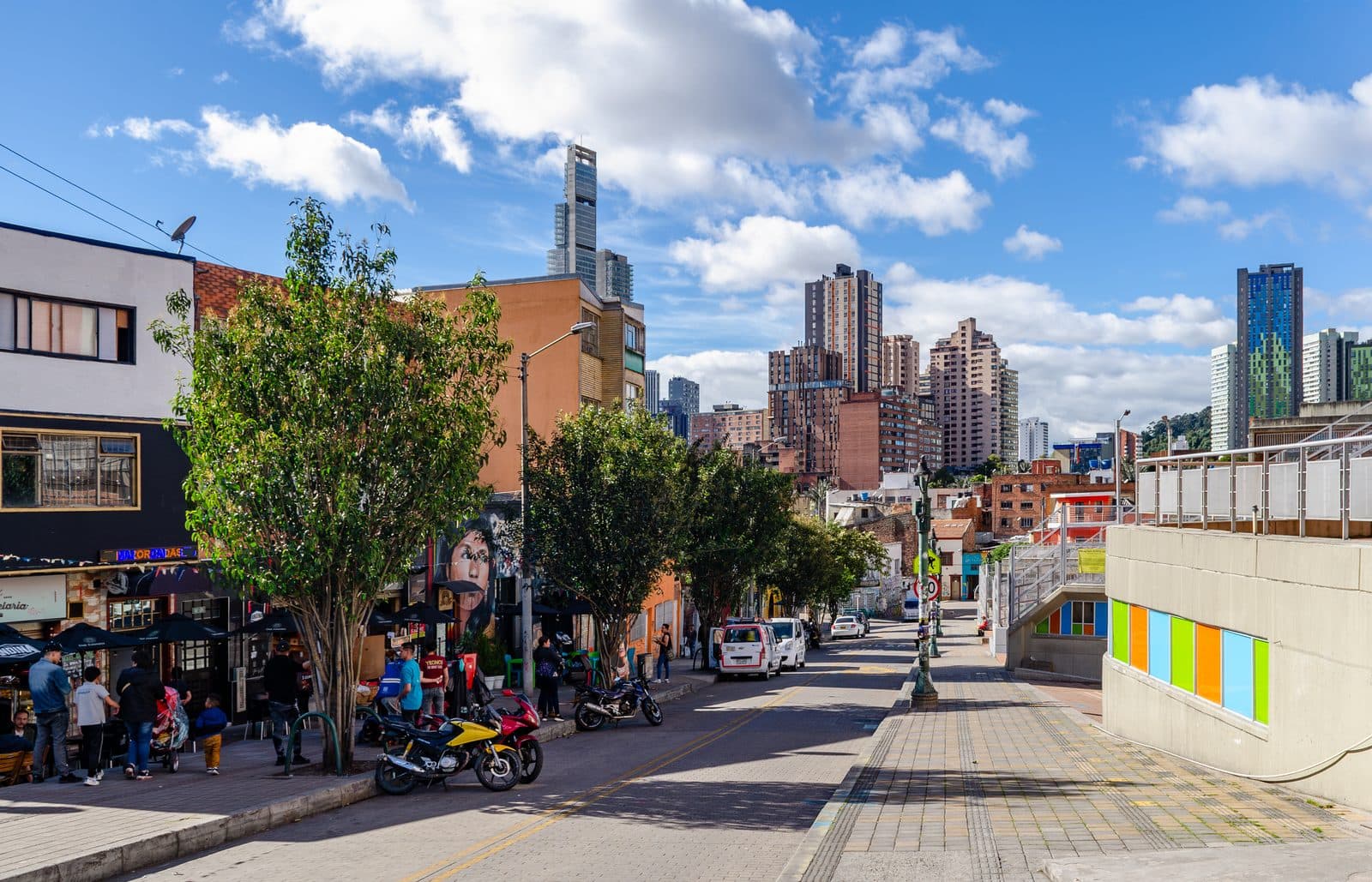
La Macarena and Chapinero, for a modern table. Bohemian La Macarena, just uphill from La Candelaria, and the Chapinero districts hold the city more contemporary and international dining, a good counterpoint to the traditional core. The Street Art and Bohemia tour climbs into La Macarena, so you can pair murals with a meal.
The street cart, for the everyday. Some of the best eating in Bogotá is the cheapest: arepas off a griddle, empanadas, obleas (thin wafers with arequipe caramel), and fresh juice. Follow your nose.
Eat as you walk
The best way to work through this list is on foot, one district at a time. Pair a morning of colonial streets in La Candelaria with an ajiaco lunch, an afternoon of murals with a fresh lulo juice, and a cool evening with hot chocolate and cheese. Route your day with the one day in Bogotá itinerary, plan the practical side (and the altitude) with the Bogotá travel guide, and browse all Bogotá tours. Every tour is free to start: the introduction and first stop play in full, and every later stop plays a short preview before an optional purchase.
Frequently asked questions
- What food is Bogotá known for?
- Bogotá is known for hearty highland cooking. The signature dish is ajiaco santafereño, a thick soup of chicken, three kinds of potato, corn, and the herb guascas, served with cream, capers, and avocado. Other staples are the arepa (a corn cake, eaten many ways), the tamal (corn dough steamed in a leaf with meat and vegetables), changua (a milk-and-egg breakfast soup), and chocolate santafereño, hot chocolate served with a piece of cheese to melt into it. Bogotá is also a great place to discover Colombia astonishing variety of tropical fruit.
- What is ajiaco and why is it Bogotá signature dish?
- Ajiaco, or ajiaco santafereño, is a rich chicken and potato soup that is the emblematic dish of Bogotá. It is built on three types of Andean potato (one of which, the small yellow papa criolla, dissolves to thicken the broth), corn on the cob, shredded chicken, and guascas, a local herb that gives it its distinctive flavour. It arrives with bowls of heavy cream, capers, and sliced avocado to stir in to taste. It is warming, filling, and perfectly suited to the cool highland climate.
- What do Colombians eat for breakfast in Bogotá?
- Classic Bogotá breakfasts include changua, a comforting soup of milk and water with a poached egg, scallions, and cilantro, served with day-old bread to dip; tamal with hot chocolate; almojábanas, warm cheese rolls; and arepas with cheese. The most distinctive local ritual is chocolate santafereño, thick hot chocolate served with a piece of fresh cheese dropped in to soften and eaten with a spoon.
- Is Bogotá good for trying Colombian fruit and coffee?
- Excellent. Colombia grows tropical fruits you may never have seen, such as lulo, guanábana (soursop), maracuyá (passion fruit), curuba, granadilla, feijoa, and mangostino, and Bogotá juice bars and markets like Paloquemao are the place to taste them, often blended with water or milk. For coffee, ask for a tinto, the small, black everyday cup sold on nearly every corner, and seek out a specialty café to taste high-grade Colombian beans the country traditionally exported rather than kept.
Colombia eSIM· 10% off with ROAMER10
Ready to experience it?
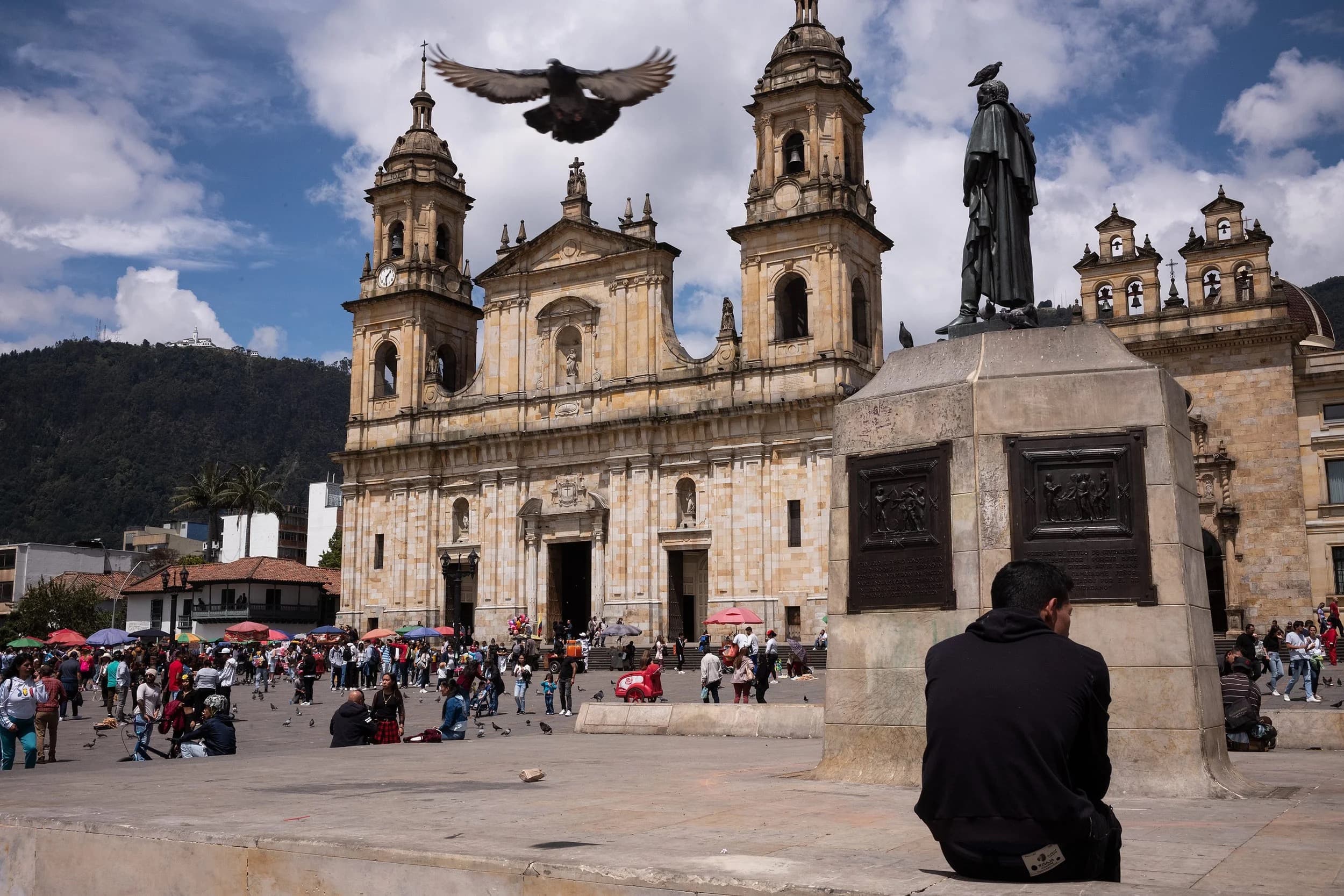
Historic Heart
100 min · 3 km · moderate
More from Bogota
Explore more at your own pace.
Best Self-Guided Walking Tours in Bogotá (2026)
Bogotá Travel Guide: How Many Days, Altitude, Getting Around, Safety (2026)
One Day in Bogotá: A Walkable La Candelaria Itinerary (2026)
The Paradox of La Candelaria: Power, Gold, and Everything Visitors Came For
Parque de los Periodistas: The Park That Started a Law