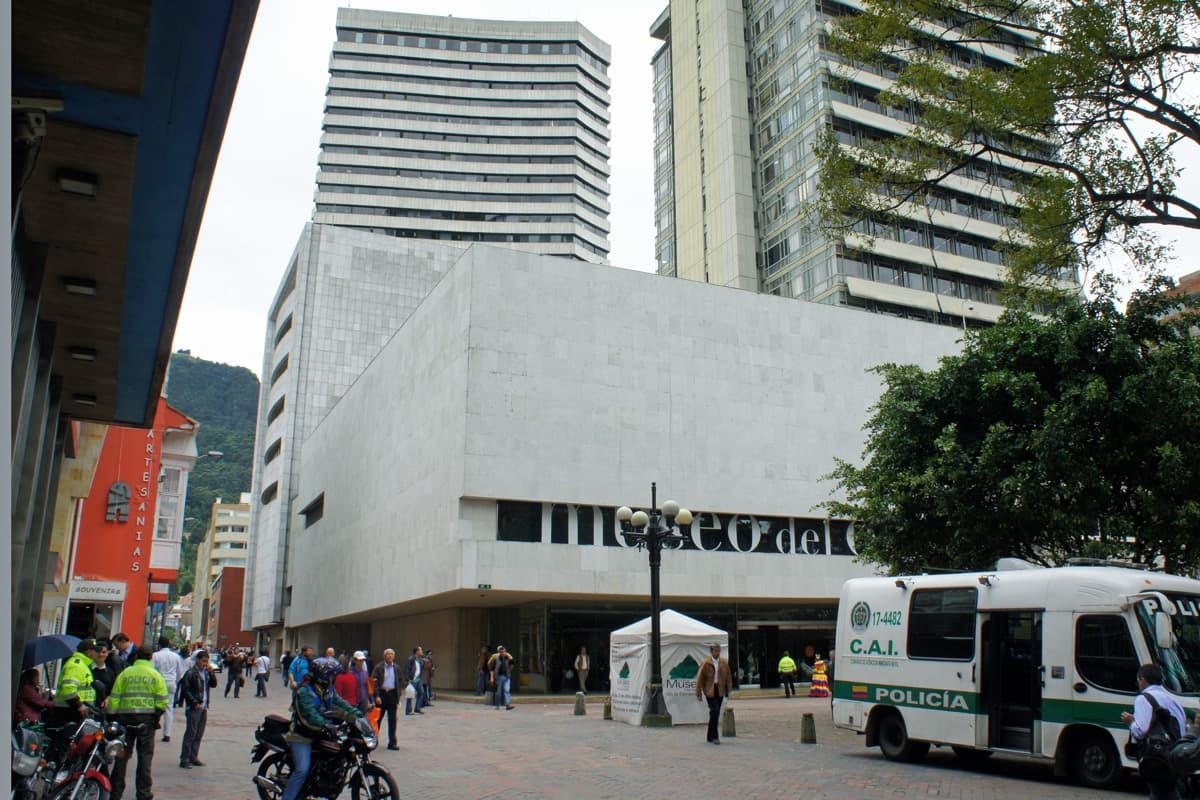
Bogotá rewards a little planning. It sits at a lung-testing 2,640 metres, so your first day should be gentle. It has no metro yet, so getting around leans on a bus rapid-transit spine plus ride-hailing. Its mild climate barely changes, but its rain does. And its safety picture is very manageable once you learn one local rule. This guide answers the practical questions travelers actually search, answer first, then the detail.
How many days do you need in Bogotá?
Short answer: two to three days for most people.
- 2 days covers the essentials: La Candelaria, Plaza Bolívar, the Gold and Botero museums, the street art scene, and the Monserrate viewpoint.
- 3 days adds neighbourhoods like Chapinero, bohemian La Macarena, or colonial-village Usaquén, or a day trip to the Zipaquirá salt cathedral.
- 4+ days lets you slow right down, add markets and day trips, and take the surrounding Andes at an unhurried pace.
Do not over-schedule. Bogotá is a very large city, so crossing it between districts eats more time than the map suggests, and the altitude tires you faster than you expect. If you have only one day, follow our focused one day in Bogotá route through the walkable historic heart.
Altitude: the thing to plan around first
Hear a stop from this walk
Plazoleta del Chorro de Quevedo
Bogotá sits at about 2,640 metres (8,660 feet), one of the highest capital cities in the world and more than half again as high as Denver. Coming from sea level, most people feel it as mild breathlessness on stairs and hills, tiredness, or a light headache in the first day or two. It is usually harmless, but you make it easier on yourself:
- Take the first day easy. A gentle, flat, walkable day in La Candelaria is the perfect way to arrive. Our one-day itinerary is deliberately low-effort for exactly this reason.
- Drink more water than usual. The air up here is dry, and hydration is the single most effective thing you can do.
- Go easy on alcohol for the first 24 hours.
- Take the funicular or cable car up Monserrate rather than walking the steep path until you have acclimatized.
Only after a few days settled at altitude should you attempt any strenuous high-Andes hiking. For the fuller story of how a city works at this height, read Bogotá: How a 2,640-Metre City Works.
Getting around Bogotá
La Candelaria is a joy on foot, and walking is how our self-guided Bogotá tours are built. Between districts, you combine walking with transit:
- TransMilenio. Bogotá has no metro yet, so the transit backbone is TransMilenio, articulated buses running in dedicated lanes like an above-ground metro, with a flat fare paid using a rechargeable TuLlave card. It is cheap and fast, but it can be extremely crowded, so avoid it at rush hour and keep your belongings close.
- Ride-hailing and app taxis. For door-to-door trips, most visitors use Uber, DiDi, or Beat, or book a yellow taxi through an app. It is safer and easier than hailing one on the street, which is not recommended, especially after dark.
- Walking. Within La Candelaria and the historic core you rarely need a vehicle at all.
Best time to visit Bogotá
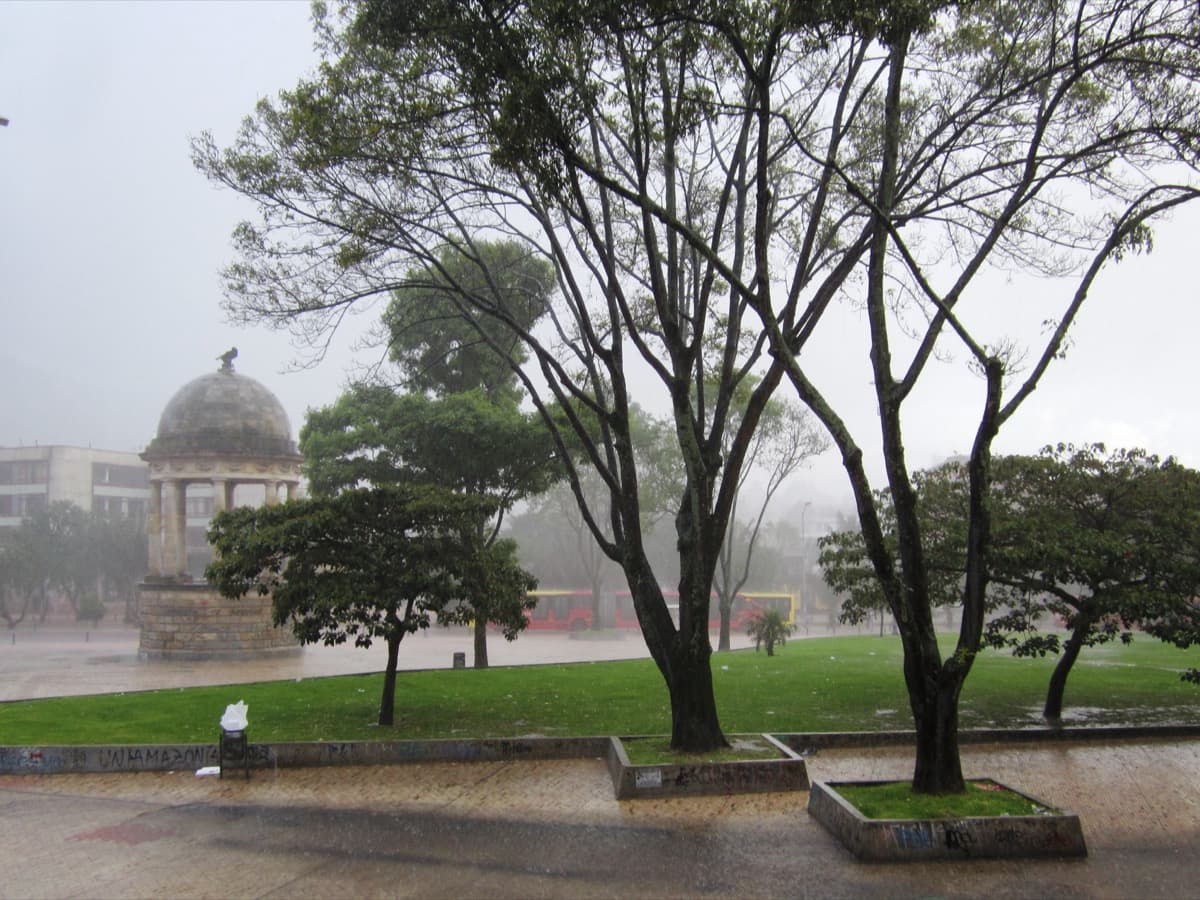
Bogotá is mild and spring-like all year, roughly 14 to 20 degrees Celsius by day, so what changes through the year is rain, not temperature.
- Driest, sunniest windows: December to March and July to August. These are the best times for clear Monserrate views and dry walking.
- Wetter periods: April to May and October to November. Rain often falls in the afternoon, so mornings are still good for sightseeing, and accommodation can be cheaper.
Whatever the month, pack a rain jacket and a warm layer: an umbrella for the showers, and a sweater for the evenings, because a high-altitude city cools off fast once the sun goes down.
Is Bogotá safe?
Manageable, with honesty. Millions of travelers visit Bogotá without incident, but it is not a risk-free city, and a few precautions matter:
- Learn "no dar papaya." The local phrase literally means "do not give papaya," meaning do not present an easy opportunity. Keep phones, cameras, and jewellery out of sight, do not flash cash, and stay alert around busy plazas and transit.
- La Candelaria by day, an app car by night. The historic center is lively and fine to explore in daylight, but it empties out after dark and gets sketchier, so take an Uber or app-booked taxi back to your accommodation in the evening rather than walking.
- Protect your drink, and be wary of over-friendly strangers. Scopolamine, known locally as burundanga or "devil breath," is a real, if uncommon, drug used to sedate and rob people. Never accept a drink, food, cigarette, or gum from a stranger, do not leave your drink unattended, and be cautious of someone unusually eager to befriend you, particularly at night.
None of this should scare you off. It is the same street sense that serves you in any large city, applied a little more deliberately.
Bogotá on a budget
Bogotá is one of the more affordable capitals you can visit:
- Cheap or free sights: the Botero Museum is free, the Gold Museum costs only a few thousand pesos, and walking Plaza Bolívar, La Candelaria, and the street art costs nothing.
- Eat cheap and well: the set-menu almuerzo lunch is filling and inexpensive, and street snacks like arepas and empanadas cost very little. See what to eat in Bogotá for what to order.
- Skip taxis for long hops: a TuLlave card on TransMilenio is a fraction of the cost.
- Skip the guide fee: Roamer self-guided audio tours are free to start, so you get expert narration without booking a private guide, a start time, or a tip.
Start planning your walk
Ready to route your days? Read our one day in Bogotá itinerary, browse the best self-guided walking tours in Bogotá, or see all Bogotá tours. Every tour is free to start: the introduction and first stop play in full, and every later stop plays a short preview before an optional purchase. Tours can also be downloaded in advance for offline listening.
Frequently asked questions
- How many days do you need in Bogotá?
- Two to three days is the sweet spot for most travelers. Two days covers the essentials: La Candelaria, Plaza Bolívar, the Gold and Botero museums, the street art, and Monserrate. Three days adds neighbourhoods like Chapinero, Usaquén, or La Macarena, or a day trip to the Zipaquirá salt cathedral. Build in an easy first day to acclimatize to the altitude, and do not over-schedule, because crossing this very large city eats more time than the map suggests.
- How high is Bogotá and will the altitude affect me?
- Bogotá sits at about 2,640 metres (8,660 feet) above sea level, making it one of the highest capital cities in the world, higher than Denver by more than half again. Many visitors feel it as mild breathlessness on stairs and hills, tiredness, or a light headache in the first day or two. It is usually not serious, but you help your body by taking the first day easy, drinking far more water than usual (the air is dry), going easy on alcohol at first, and taking the funicular rather than walking up Monserrate. Give yourself a few days to acclimatize before any strenuous high-altitude hiking.
- Is Bogotá walkable, and how do you get around?
- La Candelaria, the historic center, is very walkable and holds most of the must-sees within a few blocks. Between districts you combine walking with transit. Bogotá has no metro yet, so the backbone is TransMilenio, a bus rapid-transit system running in dedicated lanes like an above-ground metro, paid with a rechargeable TuLlave card. For door-to-door travel, most visitors use ride-hailing apps (Uber, DiDi, Beat) or taxis booked through an app rather than hailed on the street. Avoid TransMilenio at rush hour, watch your belongings, and use an app to get a car at night.
- What is the best time of year to visit Bogotá?
- Bogotá is mild and spring-like year-round, roughly 14 to 20 degrees Celsius by day, so temperature is not what changes; rainfall is. The two driest, sunniest windows are December to March and July to August, the best times for clear views from Monserrate. The two wetter periods are April to May and October to November. Even in the dry season pack a rain jacket and a warm layer for the evenings, because a high-altitude city cools off fast after dark.
- Is Bogotá safe for tourists?
- Bogotá is manageable with normal big-city sense, and millions visit without incident, but it is not risk-free and honesty helps. The local rule is "no dar papaya," literally "don not give papaya," meaning do not present an easy opportunity: keep phones and jewellery out of sight, do not flash cash, and stay alert around busy plazas. Explore La Candelaria by day, when it is lively, and take an Uber or app-booked taxi rather than walking it after dark, when it empties out. Never accept drinks, food, cigarettes, or gum from strangers: scopolamine (locally "burundanga" or "devil breath") is a real, if uncommon, drug used to incapacitate and rob people, so protect your drink and be wary of over-friendly strangers, especially at night.
- How can you see Bogotá on a budget?
- Bogotá is very affordable. The Botero Museum is free, the Gold Museum costs only a few thousand pesos, and walking La Candelaria, Plaza Bolívar, and the street art costs nothing. Set-menu almuerzo lunches are cheap and filling, and street snacks like arepas and empanadas cost very little. A TuLlave card on TransMilenio replaces expensive taxis for longer hops. Self-guided audio tours are free to start on Roamer, so you can add expert narration without hiring a guide or joining a scheduled group.
Colombia eSIM· 10% off with ROAMER10
Ready to experience it?
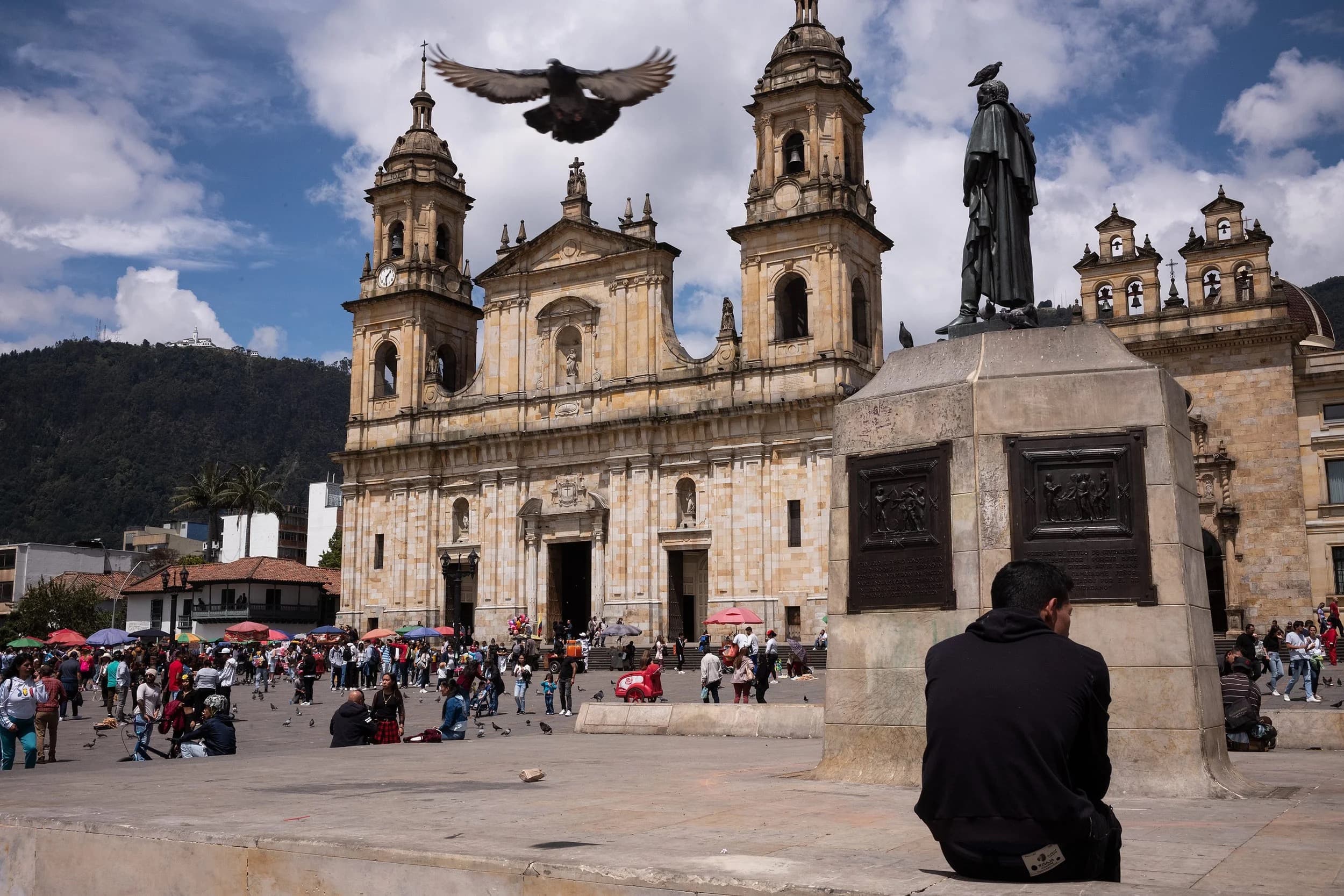
Historic Heart
100 min · 3 km · moderate
More from Bogota
Explore more at your own pace.
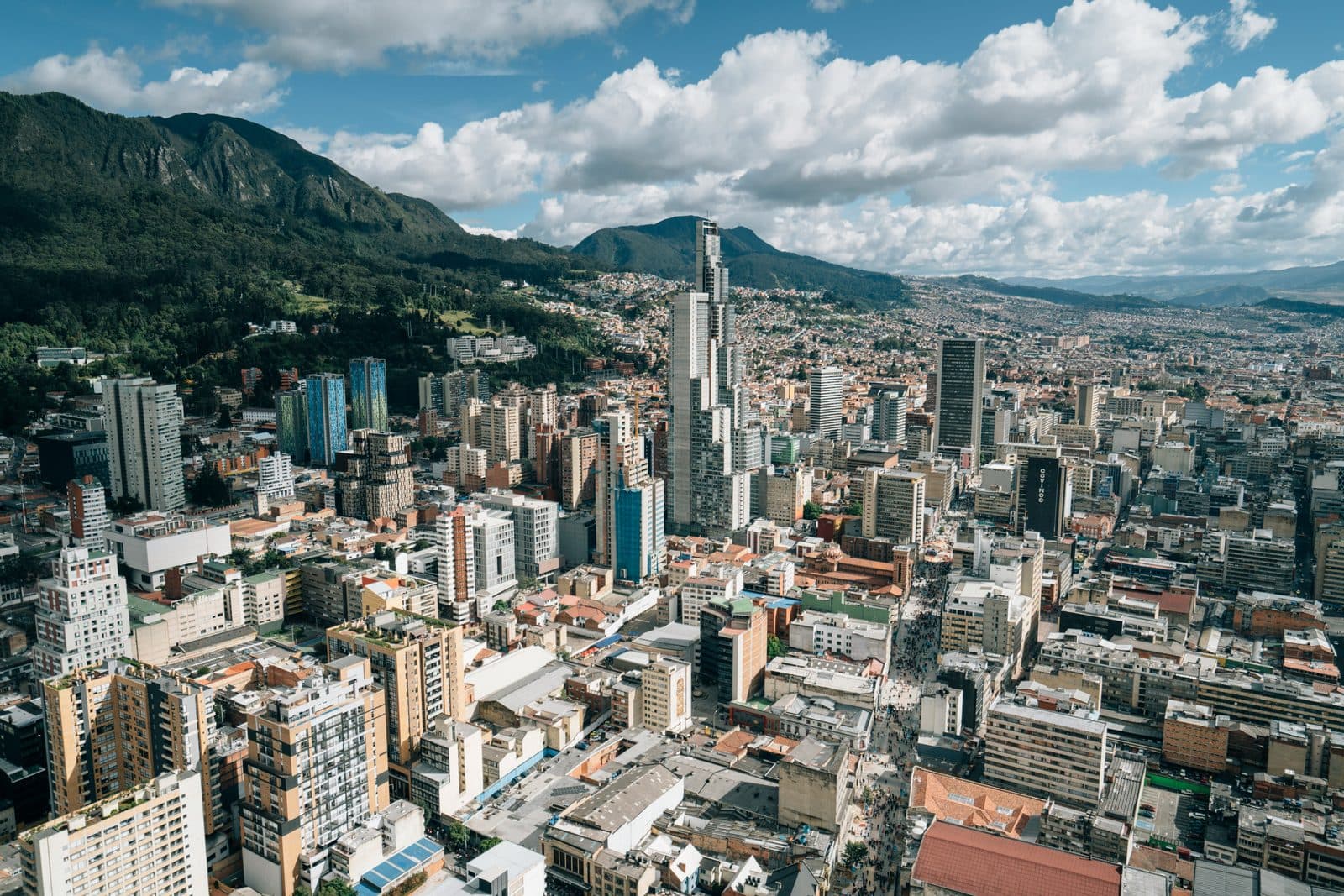
Best Self-Guided Walking Tours in Bogotá (2026)
One Day in Bogotá: A Walkable La Candelaria Itinerary (2026)

What to Eat in Bogotá: A Colombian Food Guide (2026)
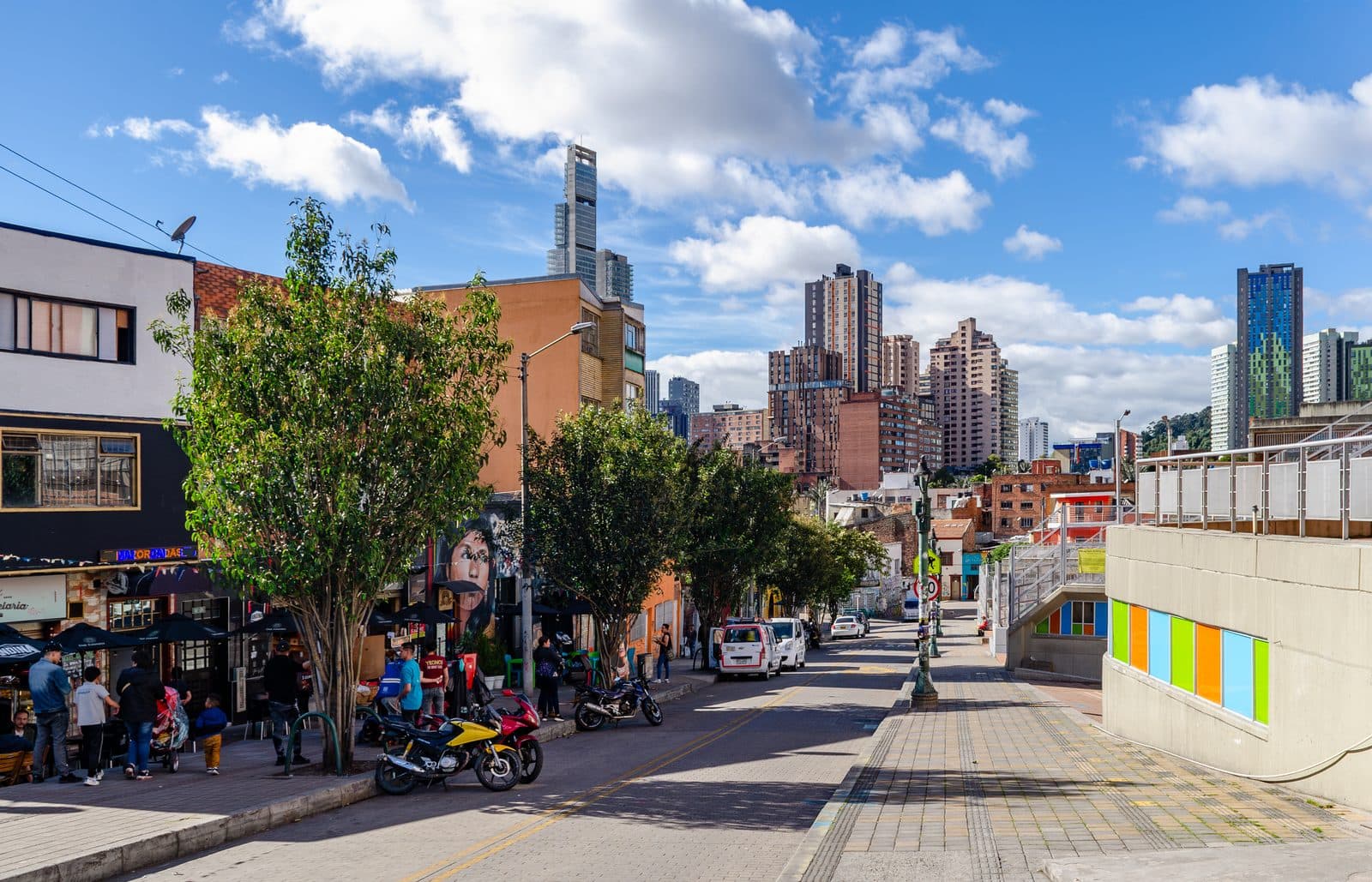
The Paradox of La Candelaria: Power, Gold, and Everything Visitors Came For
Parque de los Periodistas: The Park That Started a Law