Amman Citadel: The Hill Where Philadelphia Rose
150 min · 2 km · moderate
Eat mansaf at least once in Amman, then build the rest of your days around downtown falafel and hummus, a plate of knafeh on King Faisal Street, and the upside-down rice dish called maqluba. Amman's food is Levantine and Bedouin at its core: lamb cooked in fermented yogurt, chickpeas fried or blended, and shredded-pastry cheese desserts drowned in syrup. Below are the specific dishes, where the tradition comes from, and how to order each one the way locals do. Most of what you will want to try sits within a short walk of the Al-Balad downtown market route, so you can eat your way through the same lanes you walk.
Mansaf: the one dish to plan a meal around
Mansaf is Jordan's national dish, and it is the one meal worth building a lunch around rather than grabbing on the move. It is lamb or goat slow-cooked in jameed, a sauce made from dried, fermented sheep or goat yogurt, then spooned over rice on a thin flatbread called shrak or markook and finished with fried almonds or pine nuts. The sour, salty tang of the jameed is the whole point, so do not expect a mild dish.
The tradition is Bedouin. Jameed began as a way to preserve dairy through long desert months, and the communal platter, set in the middle of the table for everyone to share, reflects that nomadic hospitality. In December 2022, UNESCO inscribed mansaf on its Representative List of the Intangible Cultural Heritage of Humanity, at the committee session held in Rabat, Morocco. That recognition was about the social ritual as much as the recipe.
How to order it like a local: mansaf is a sit-down commitment, usually shared, and often the Friday family meal. If you are offered the seat and a spoon, the polite move is to eat from the section of the platter directly in front of you and to accept a little extra jameed poured over your rice. Many Ammanis eat it with the right hand, pressing rice and meat into a small ball, though a spoon is completely acceptable for visitors.
Downtown staples: falafel, hummus, and ful
Hear a stop from this walk
The Temple of Hercules: The Roman Crown of the Oldest Hill
For everyday eating, downtown Al-Balad is where Amman's food actually lives. Falafel here is made from ground chickpeas with herbs and spices, fried to order, and served in pita with tahini, tomato, and pickles. Hummus is creamier and nuttier than the supermarket version, pooled with olive oil, and often eaten for breakfast alongside ful medames (stewed fava beans) and warm bread.
The best-known address is Hashem, established in 1952 in downtown Amman and still serving falafel, hummus, moutabbal, and ful at low prices in the same open-air alley setting. It is well documented that King Abdullah the Second has eaten at the downtown branch, which locals mention with some pride. On Rainbow Street up the hill, Kafeteria al-Kouds has served falafel for more than forty years and is widely named among the best in the city.
How to order like a local: for a proper Ammani breakfast, ask for hummus and ful with bread and a side of raw onion, mint, and pickles, and scoop rather than spoon. Falafel is cheap enough that a full sandwich costs pocket change, so order it fresh and eat it standing. You will pass these downtown food streets on the Al-Balad market walk, which threads the gold, spice, and produce souks.
Knafeh: the dessert with a Nablus origin
Knafeh is the dessert to eat warm and on the spot, not to carry away. The classic version, knafeh nabulsieh, is a layer of mild white cheese (traditionally Nabulsi or akkawi, which stretches when hot) under a crisp, orange-tinted top of shredded semolina pastry, soaked in sugar syrup and scattered with crushed pistachios. It is served in a slab, cut fresh, and eaten while the cheese still pulls.
Its home is Nablus, in the West Bank, where the dish took its iconic form and where the white brined cheese gets its name. In Amman, the tradition arrived and stayed. The address most people point to is Habibah Sweets, founded in 1951 on King Faisal Street in downtown Amman. The original downtown branch is a takeaway counter down a small alley where people eat their portion standing or perched on a low wall.
How to order like a local: ask for a portion of knafeh khishneh (the coarse, shredded-pastry top) if you want the classic Nablus texture, or naameh for a smoother semolina layer. Eat it immediately, because knafeh loses everything as it cools. You are right beside this on the downtown route, since King Faisal Street is one of the Al-Balad market stops.
Maqluba and the home-style plates
Beyond street food, the dish you will most often meet in homes and restaurants is maqluba, which means "upside-down." Layers of fried vegetables (cauliflower, eggplant, potato, tomato), rice, and chicken or lamb cook together in one pot, which is then flipped onto a platter so the browned vegetables sit on top. It is Palestinian in origin and beloved across Jordan, garnished with pine nuts or parsley.
Other plates worth ordering when you see them: manakish, flatbread baked with za'atar, cheese, or minced meat, eaten for breakfast; fattet hummus, hummus layered with torn bread and topped with almonds and olive oil; and shawarma, the spit-roasted meat wrap that anchors most casual dinners.
How to order like a local: maqluba is usually a shared dish, so it suits two or more people. If a restaurant lists it, ask whether it is chicken or lamb, and expect a bowl of plain yogurt or a simple cucumber-tomato salad alongside to cut the richness.
Street snacks and drinks
For grazing between meals, look for the ka'ak carts. Ka'ak is a ring of sesame-crusted bread, sold from wooden carts and trays, often with za'atar and a hard-boiled egg tucked alongside, and it is a classic morning bite. Fresh juice stands, roasted-nut vendors, and small coffee counters fill the same downtown blocks.
The drink to accept whenever it is offered is Arabic coffee, lightly spiced with cardamom and poured into a small handle-less cup. It is a gesture of welcome, so taking a cup is part of the ritual. Sweet mint tea is the other constant, poured strong and served throughout the day.
How to order like a local: for Arabic coffee, a small cup is a single serving, and gently tilting the empty cup side to side signals you have had enough. If you want a slower afternoon, the cafes along Rainbow Street on the Jabal Amman heritage walk are built for lingering over coffee and people-watching.
Turning the food into a walk
The most efficient way to eat well in Amman is to let a walking route do the routing for you. The downtown market walk moves through the spice, gold, and produce souks and past the famous downtown food streets, so you can stop for falafel, hummus, and knafeh as you go. The Jabal Amman route up Rainbow Street trades market noise for cafes and heritage villas, which is where afternoon coffee and slower meals belong. The Citadel and Roman Theatre history walk pairs naturally with a downtown lunch afterward, since the theatre sits right in Al-Balad. Both the Citadel and the Roman Theatre are covered by the Jordan Pass. Plan the day, and the meals fall into place. See the full set of Amman walking tours to match your eating to your walking.
Sources
Frequently asked questions
- What is the national dish of Jordan?
- Mansaf is Jordan's national dish. It is lamb or goat cooked in jameed, a sauce made from dried fermented sheep or goat yogurt, served over rice on thin flatbread and topped with fried almonds or pine nuts. UNESCO inscribed it on its Intangible Cultural Heritage list in December 2022.
- Where should I eat falafel and hummus in Amman?
- Downtown Al-Balad is the center of everyday eating. Hashem, established in 1952, is the best-known spot for falafel, hummus, and ful at low prices in an open-air alley. On Rainbow Street, Kafeteria al-Kouds has served falafel for more than forty years.
- Where does knafeh come from and where can I try it in Amman?
- Knafeh nabulsieh originated in Nablus in the West Bank, made with mild white Nabulsi or akkawi cheese under a crisp shredded-pastry top soaked in syrup. In Amman, Habibah Sweets, founded in 1951 on King Faisal Street downtown, is the classic address. Eat it warm and immediately.
- What is maqluba?
- Maqluba means upside-down. It layers fried vegetables such as cauliflower and eggplant with rice and chicken or lamb in one pot, then flips it onto a platter so the vegetables sit on top. It is Palestinian in origin and popular across Jordan, usually served as a shared dish.
- How do you order Arabic coffee like a local in Amman?
- Arabic coffee is lightly spiced with cardamom and served in a small handle-less cup as a gesture of welcome, so accepting a cup is part of the ritual. A small cup is a single serving. Gently tilting the empty cup side to side signals you have had enough.
- Can I eat well in Amman on a walking tour?
- Yes. The downtown Al-Balad market route passes the spice, gold, and produce souks plus the famous food streets, so you can stop for falafel, hummus, and knafeh as you walk. The Jabal Amman and Rainbow Street route suits cafes and slower meals.
Ready to experience it?
Amman Citadel: The Hill Where Philadelphia Rose
150 min · 2 km · moderate
More from Amman
Explore more at your own pace.
Amman Travel Guide: Days, Season, Getting Around, Safety, and Budget
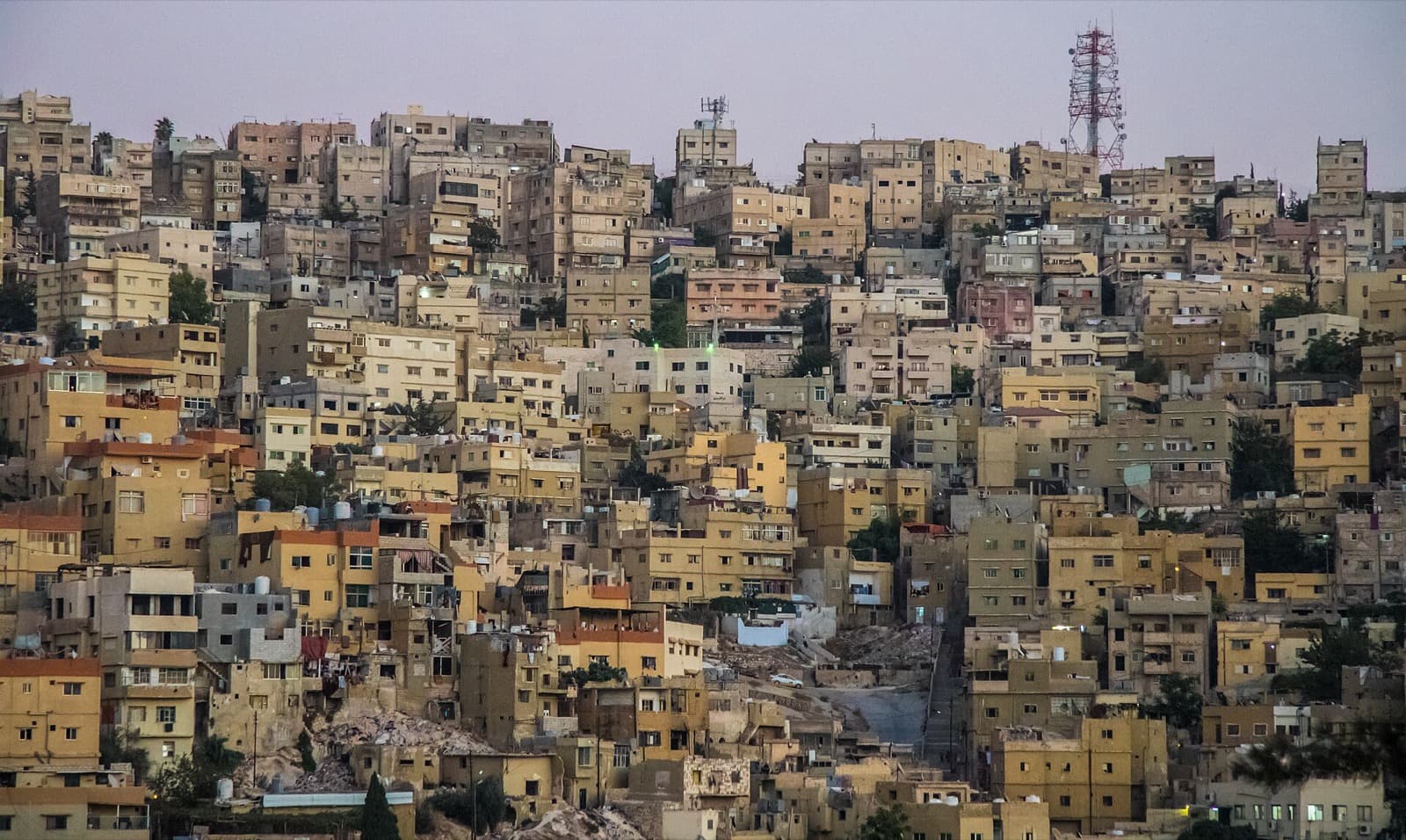
Rainbow Street and the Hill Where Amman Grew Up
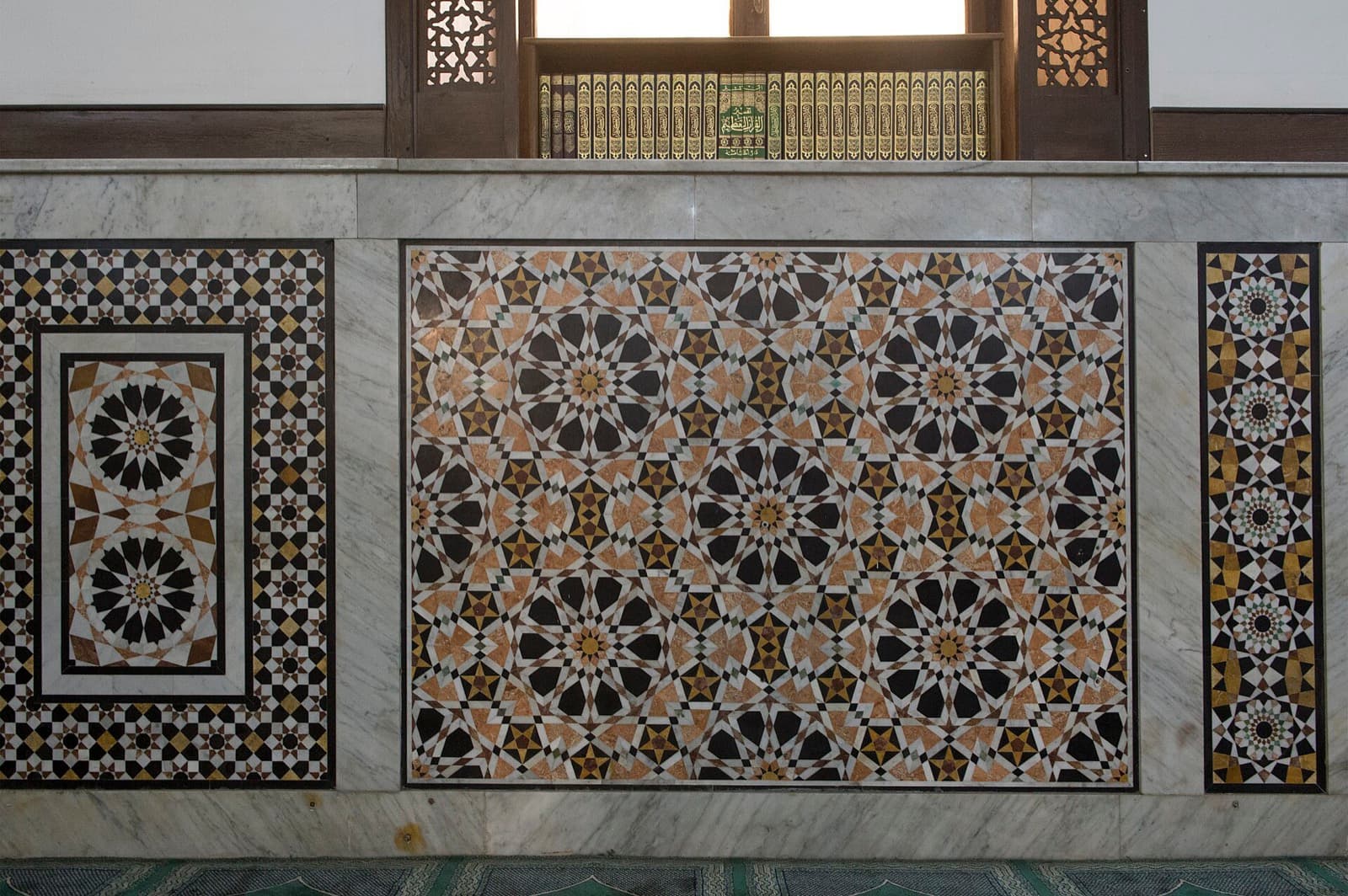
The Grand Husseini Mosque: The Door Into Downtown Amman's Al-Balad
The Al-Kalha Stairs: Amman's Roads Before the Roads
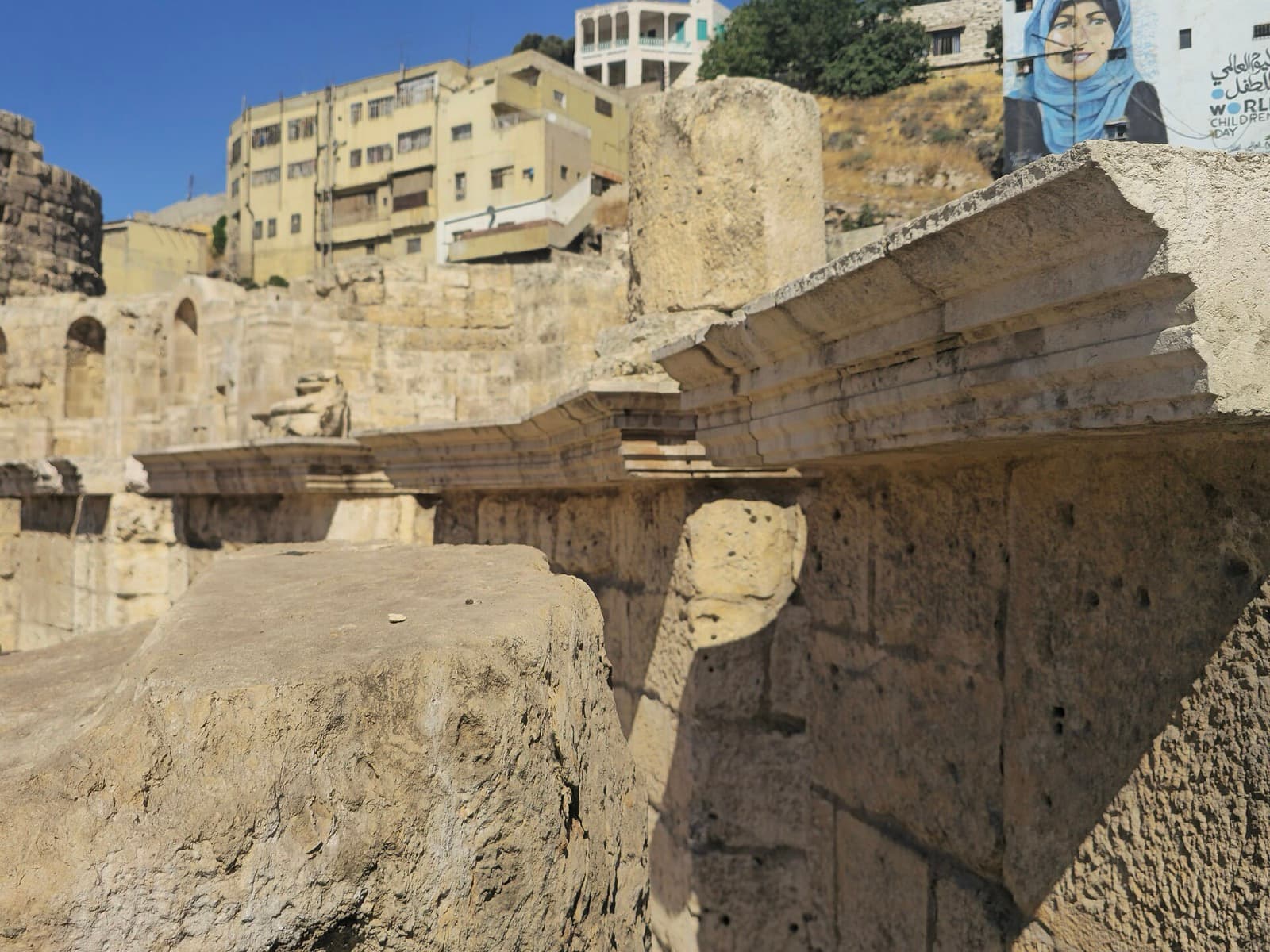
The Roman Nymphaeum of Amman: A Marooned Fountain in the Souk