Amman Citadel: The Hill Where Philadelphia Rose
150 min · 2 km · moderate
Give Amman two days on foot, arrive in spring or autumn, get around by ride-hailing app, and treat the city as a genuinely safe capital where the main risk is an inflated taxi fare, not your safety. That is the practical shape of a first visit. Amman rewards walkers: its oldest sites cluster on a few limestone hills you can cover slowly, one neighborhood at a time. This guide answers the questions travelers actually type before booking, then hands you off to three self-guided walks through the city's core.
How many days do you need in Amman?
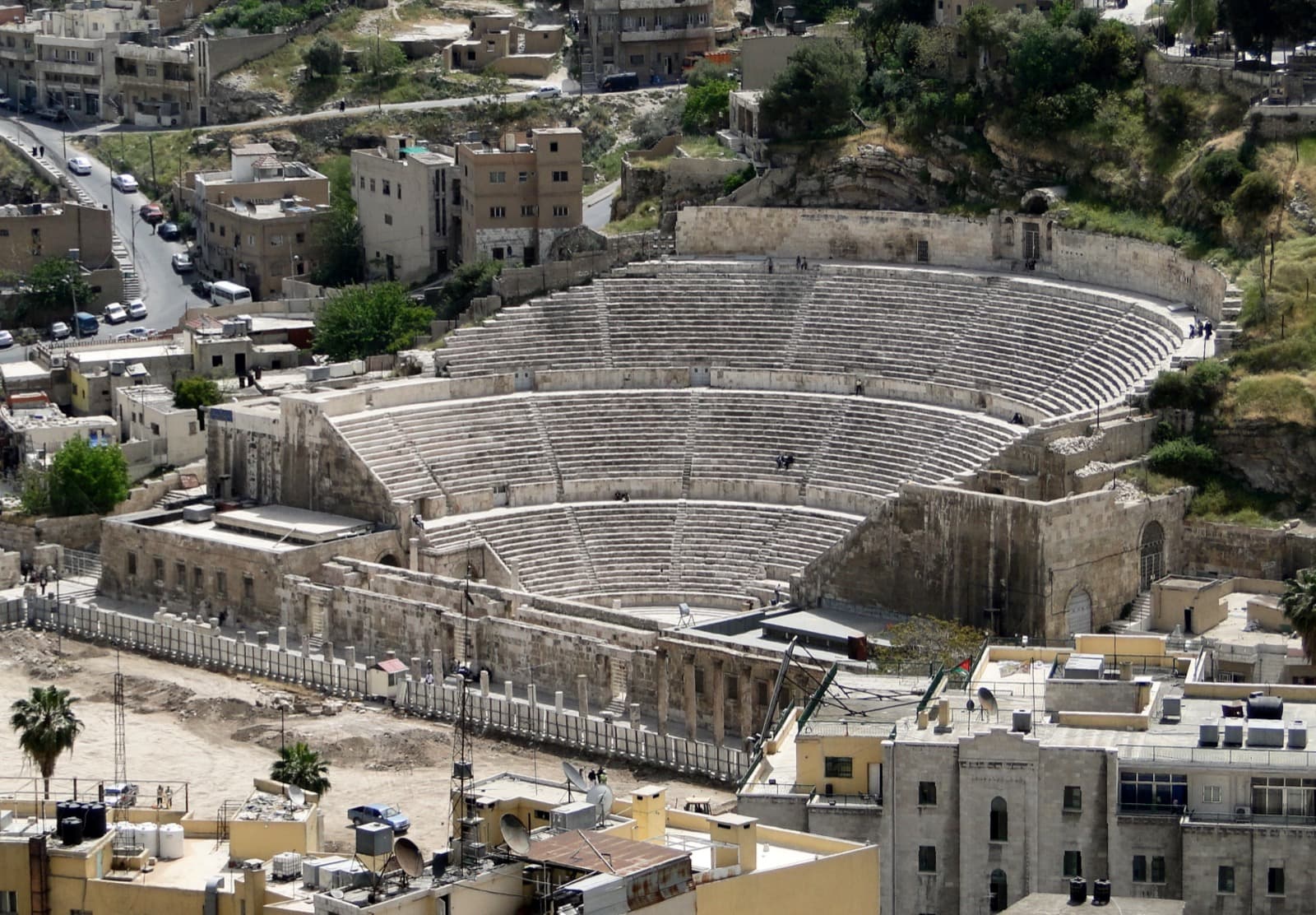
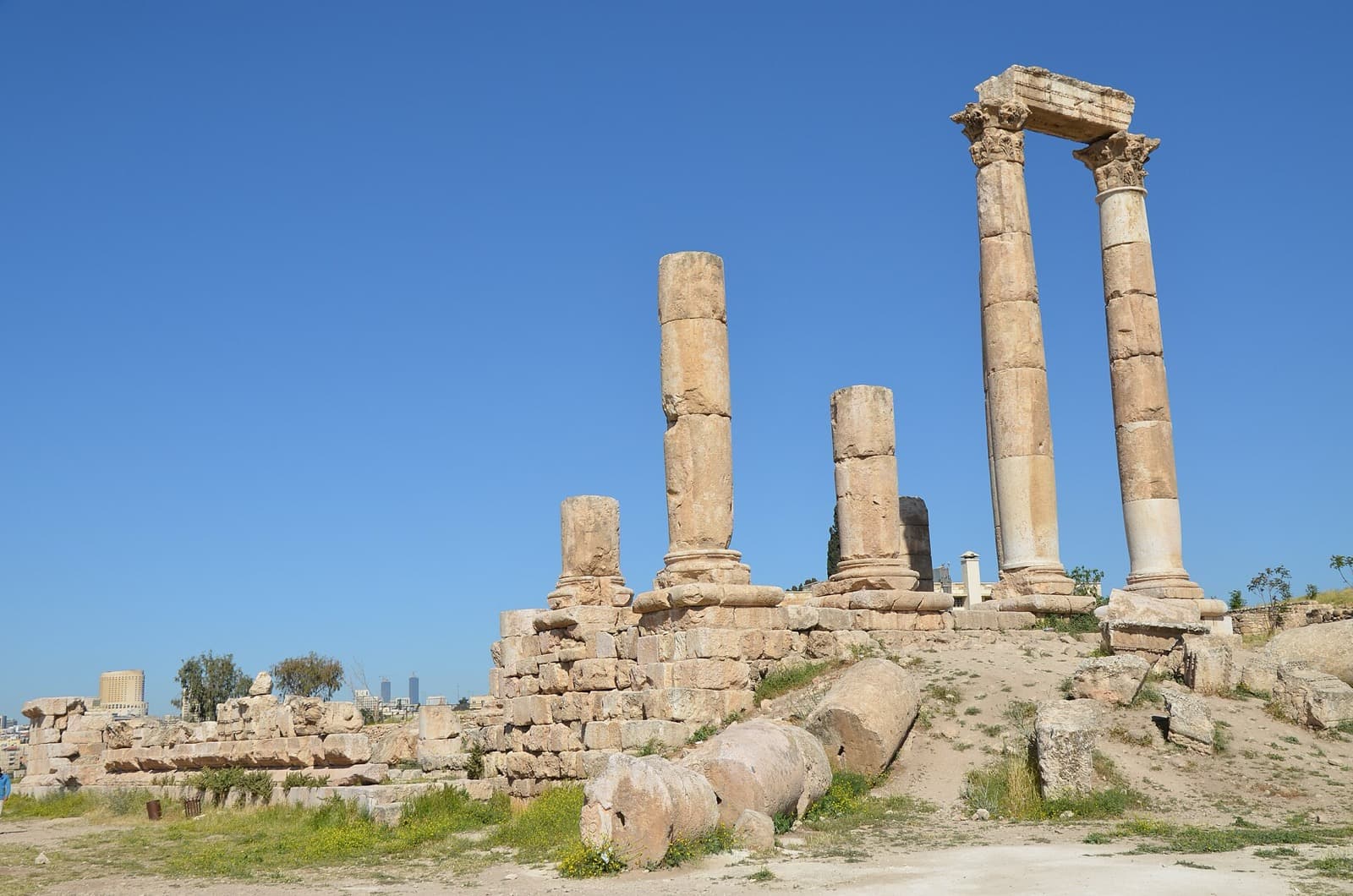
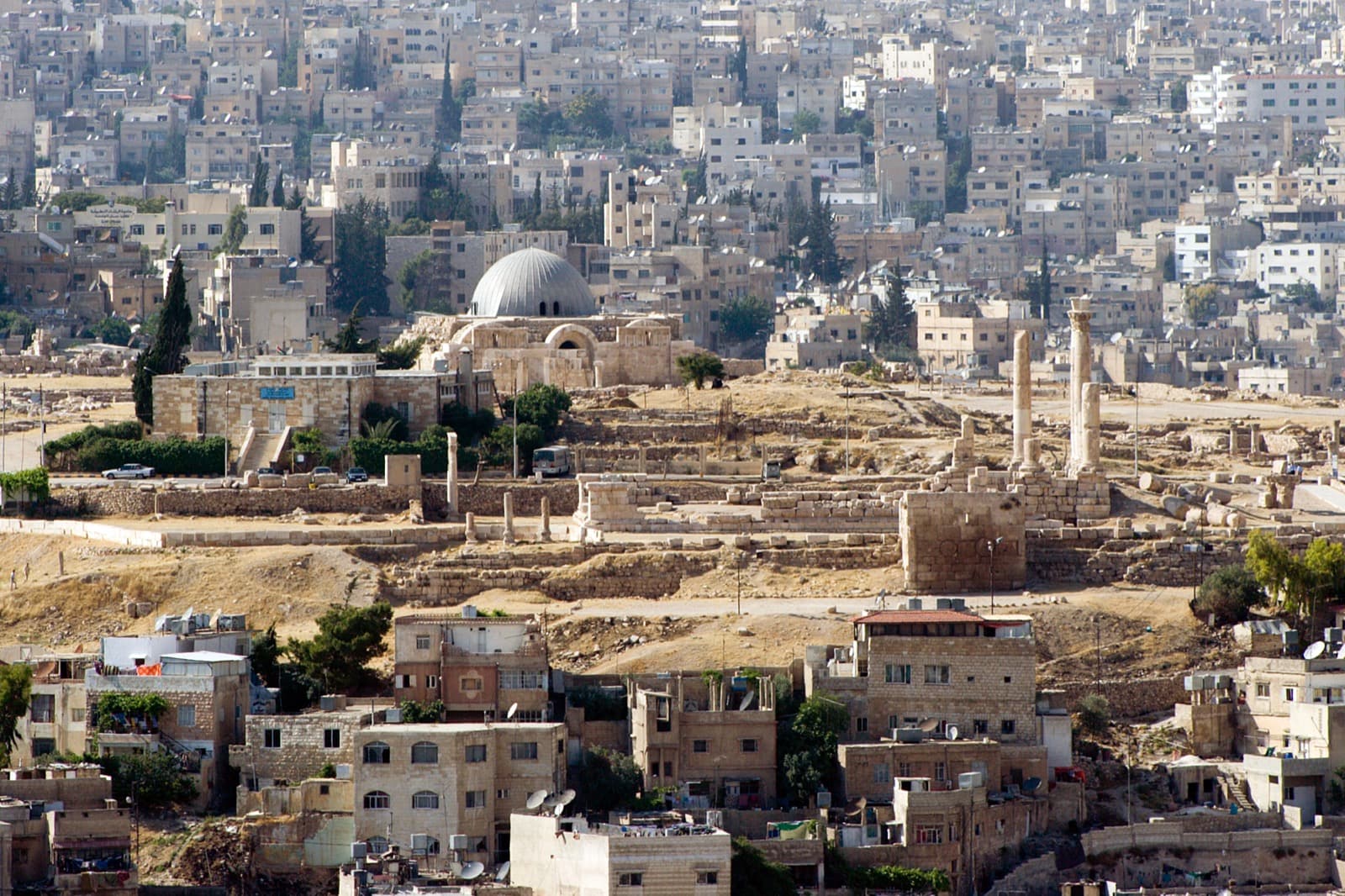
Two full days is the honest answer for the city itself. Amman is often used as a one-night base before people rush south to Petra and Wadi Rum, but that shortchanges it. Day one covers the ancient spine: the Citadel hill (Temple of Hercules, the Umayyad Palace, the Byzantine church, and the Jordan Archaeological Museum) and the Roman Theatre in the valley below. Day two is for the living city: the downtown market district called Al-Balad, then the heritage streets of Jabal Amman and Rainbow Street. If you only have one day, do the Citadel and downtown together and save Jabal Amman for a return. If you have three or four days, you gain room to slow down, sit in cafes, and take day trips to Jerash or the Dead Sea.
Our three Amman walks map cleanly onto that plan. The Citadel and Roman Philadelphia walk climbs the acropolis and drops to the theatre, the downtown Al-Balad walk reads the souks market by market, and the Rainbow Street and Jabal Amman walk traces the neighborhood where the modern capital first grew. See all of them on the Amman walking tours hub.
When is the best time to visit Amman?
Hear a stop from this walk
The Temple of Hercules: The Roman Crown of the Oldest Hill
Spring and autumn, specifically the windows around May and October. Those months bring mild, stable days and clear skies, which is exactly what you want when the walking involves hills and open archaeological sites with little shade. Summer, roughly May through August, gets hot: daytime highs can push past 35 degrees Celsius, and the Citadel and Roman Theatre offer almost no cover. Amman sits high enough that evenings cool down sharply even after a hot day, so a light layer helps year round. Winter (December to February) is the coldest stretch, with January the coldest month and occasional rain, though the sites stay open. If you can choose, target April, May, October, or early November.
How do you get around Amman?
Ride-hailing apps are the simplest, cheapest, and least stressful option. Both Uber and Careem operate reliably across the city, and a typical in-city ride runs roughly 3 to 6 JOD. They remove the two friction points of street taxis: the meter dispute and the tourist markup. Yellow street taxis are everywhere and are legally required to run a meter, but drivers sometimes skip it or overcharge near tourist sites, so agree on the meter before you set off or just use an app.
For the walks in this guide, distances inside each neighborhood are short and best done on foot. You will mostly use a car for the connective hops: airport to city, hotel to the Citadel, or the Citadel down to the Roman Theatre. Amman is built on steep hills, so even a one-kilometer gap can mean a stiff climb, and a 2 to 3 JOD ride is often worth it to save your legs for the actual sightseeing. The airport (Queen Alia International) sits about 30 to 35 kilometers south of the center; a ride into town runs higher than a city hop, and the Sariyah Airport Express bus is a budget alternative that stops at points like the 7th Circle. Amman also has a Bus Rapid Transit network with modern buses, useful for longer cross-city trips but not necessary for a tight downtown itinerary.
Is Amman safe?
Yes, Amman is one of the safer capitals in the region for visitors, including solo travelers and solo women. Violent crime against tourists is rare, the culture is hospitable, and women are commonly seen moving around the city on their own. The realistic annoyances are financial and social, not dangerous: inflated taxi fares, occasional overcharging in tourist-heavy shops, opportunistic pickpocketing in crowded markets, and some staring or unwanted attention that usually stops when ignored. Using Uber or Careem instead of flagging random cars removes most of the taxi friction, and knowing rough prices in advance defuses the shop haggling.
A few habits make the visit smoother. Dress modestly, meaning covered shoulders and knees, especially near mosques and in the downtown market. When you visit the Grand Husseini Mosque downtown, you can view the exterior freely; interior access is at the mosque's discretion and outside prayer times, and modest dress is expected. Carry small bills for markets and short taxi rides. Keep an eye on standard prices so a friendly negotiation stays friendly.
What will it cost, and what is the Jordan Pass?
Amman is inexpensive at the point of use. The Citadel ticket is about 3 JOD and includes the Jordan Archaeological Museum on the same hill. The Roman Theatre is about 2 JOD and includes two folklore museums inside the complex. Downtown, most of what you walk past (the Roman Nymphaeum, the souks, King Faisal Street, the mosque exterior) is free, and Rainbow Street and Jabal Amman's heritage villas and craft showrooms cost nothing to walk. So a full day of Amman's headline sites is only a few dinars in tickets.
The Jordan Pass is the lever that changes your budget math, and its value comes from Petra and the visa, not from Amman alone. The pass bundles the tourist visa fee waiver (worth 40 JOD if you buy it before arrival and stay at least two nights) with entry to more than 40 sites including the Amman Citadel, the Roman Theatre, Jerash, and Petra. As of 2026 it comes in three tiers: Wanderer (one day at Petra, 70 JOD), Explorer (two consecutive Petra days, 75 JOD), and Expert (three consecutive Petra days, 80 JOD). If your trip includes Petra and a couple of nights in the country, the pass essentially pays for itself against a single Petra ticket plus the visa, and your Amman entries come free on top. If you are only visiting Amman and skipping Petra, buy tickets individually instead.
A practical two-day plan
Start early on day one to beat the heat on the exposed Citadel hill, which opens around 8:00 am (closing near 4:00 pm in winter and later, around 7:00 pm, in summer). Walk the acropolis, take a short ride down to the Roman Theatre in the valley, then spend the afternoon in Al-Balad while the light softens. Day two, wander the downtown souks in the morning when they wake up, then climb to Jabal Amman and let Rainbow Street carry you into the evening, when its cafes and shops are at their best. Our self-guided audio walks run on your schedule with no group and no fixed start time, so you can pause for a coffee or a viewpoint whenever the city asks you to. Browse the full set on the Amman walking tours hub or jump straight to the city page at /jordan/amman.
Sources
Frequently asked questions
- How many days do you need in Amman?
- Two full days covers the city well. Day one takes the Citadel hill and the Roman Theatre, and day two covers downtown Al-Balad plus Jabal Amman and Rainbow Street. One day is enough if you combine the Citadel with downtown, and three or four days gives you room to slow down and add day trips to Jerash or the Dead Sea.
- When is the best time to visit Amman?
- Spring and autumn, especially around May and October, bring mild days and clear skies that suit hill walking and open archaeological sites. Summer from May to August gets hot, with highs that can pass 35 degrees Celsius and little shade at the Citadel or Roman Theatre. Winter is cooler with some rain, and January is the coldest month.
- How do you get around Amman?
- Ride-hailing apps are the easiest option: both Uber and Careem work reliably and a typical city ride runs about 3 to 6 JOD. They avoid the meter disputes and tourist markups that can happen with yellow street taxis. Neighborhoods are walkable, but Amman's steep hills make a short ride worthwhile between areas, and an airport-to-city trip costs more than a city hop.
- Is Amman safe for tourists and solo travelers?
- Amman is considered one of the safer capitals in the region, including for solo travelers and solo women. Violent crime against visitors is rare and the culture is hospitable. The realistic annoyances are inflated taxi fares, overcharging in tourist shops, and occasional staring, which using ride-hailing apps and knowing rough prices largely defuses.
- Is the Jordan Pass worth it for Amman?
- The Jordan Pass is worth it mainly if your trip includes Petra and at least two nights in the country, because it waives the tourist visa fee (worth 40 JOD) and bundles over 40 sites including the Amman Citadel and Roman Theatre. As of 2026 it comes in three tiers from 70 to 80 JOD depending on how many Petra days you want. If you are only visiting Amman and skipping Petra, individual tickets are cheaper.
- How much do Amman's main sites cost?
- The Citadel ticket is about 3 JOD and includes the Jordan Archaeological Museum, and the Roman Theatre is about 2 JOD and includes two folklore museums. Most of downtown, including the Roman Nymphaeum, the souks, and King Faisal Street, is free to walk, as are Rainbow Street and Jabal Amman. A full day of headline sites costs only a few dinars in entry fees.
Ready to experience it?
Amman Citadel: The Hill Where Philadelphia Rose
150 min · 2 km · moderate
More from Amman
Explore more at your own pace.
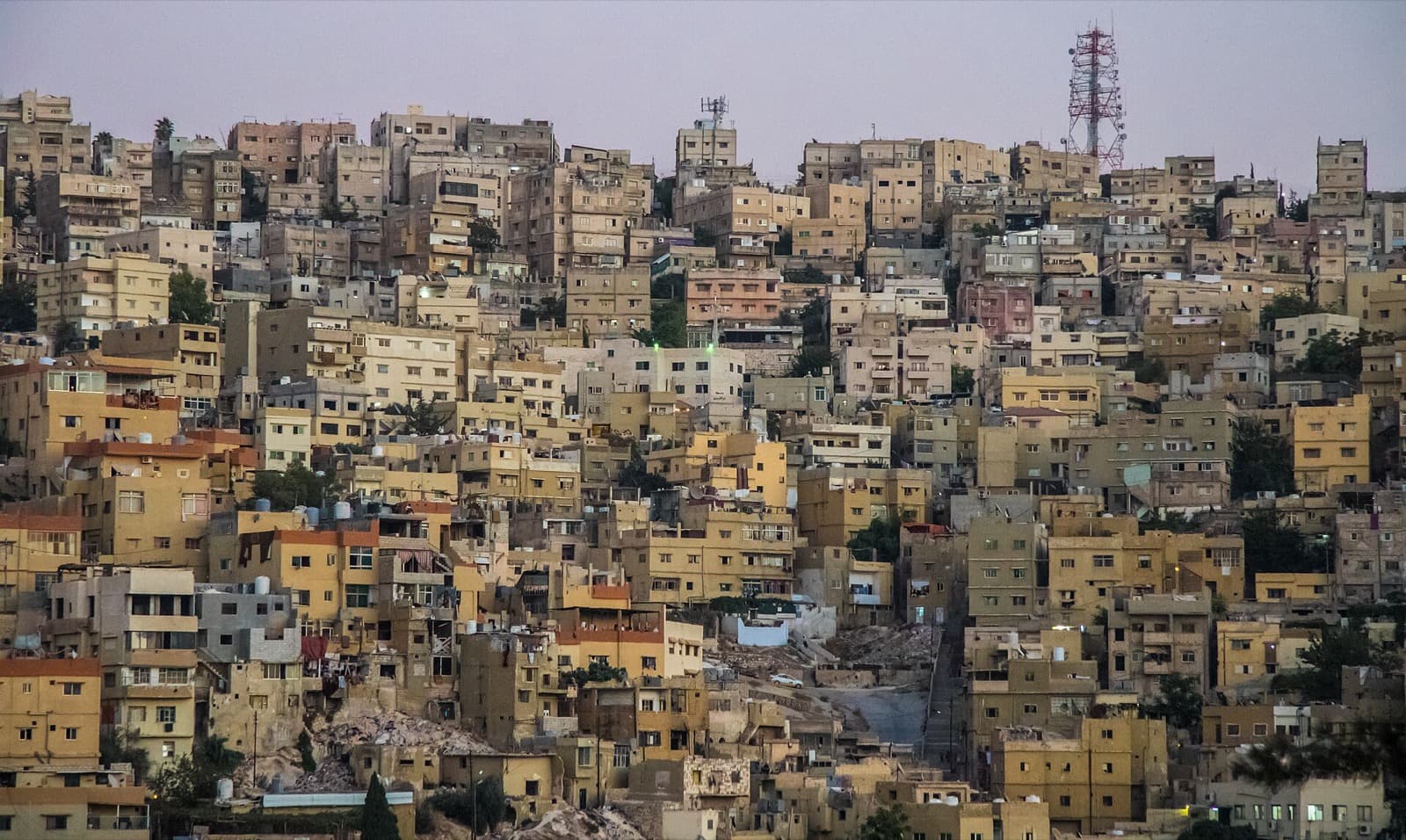
Rainbow Street and the Hill Where Amman Grew Up
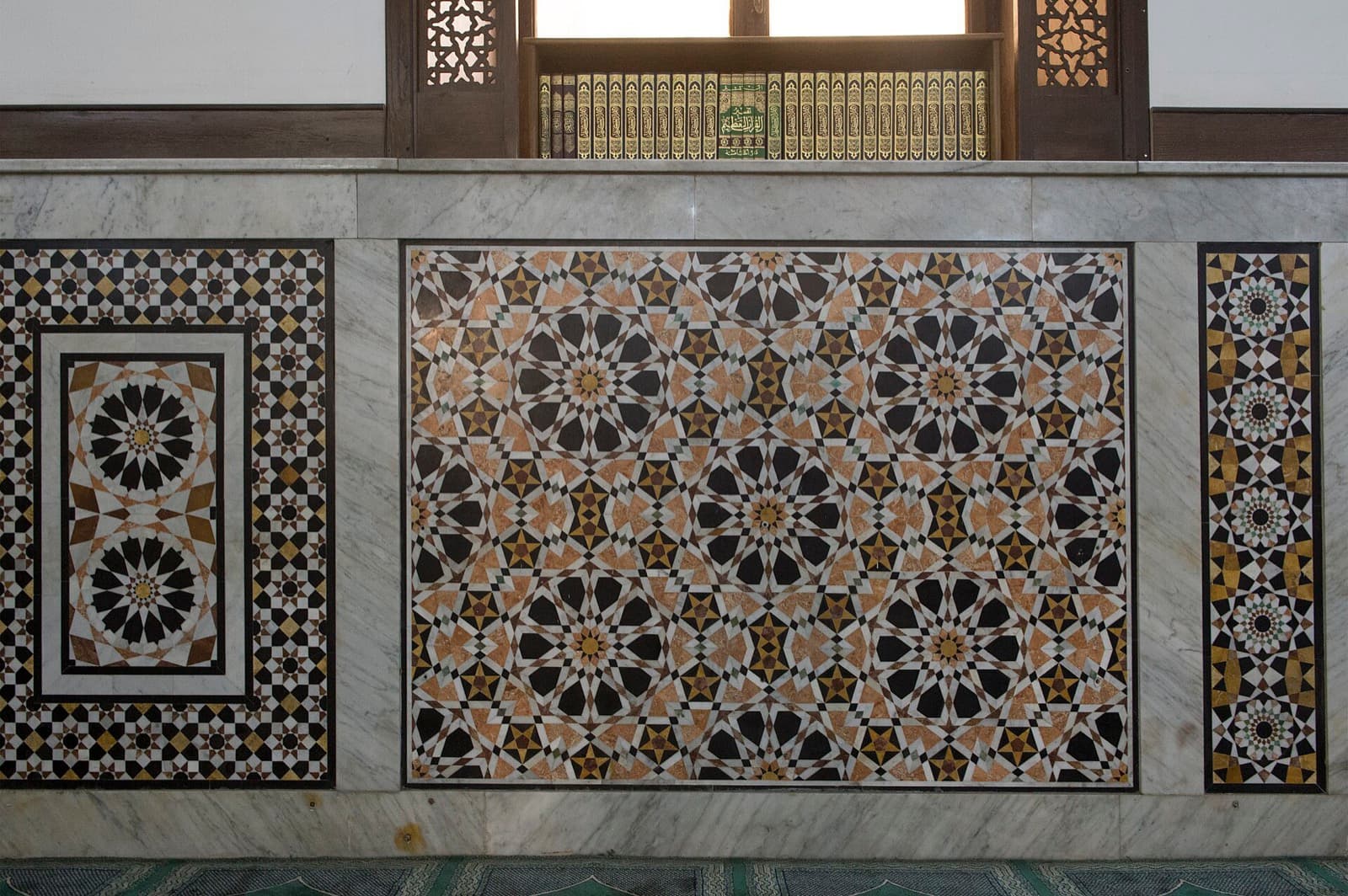
The Grand Husseini Mosque: The Door Into Downtown Amman's Al-Balad
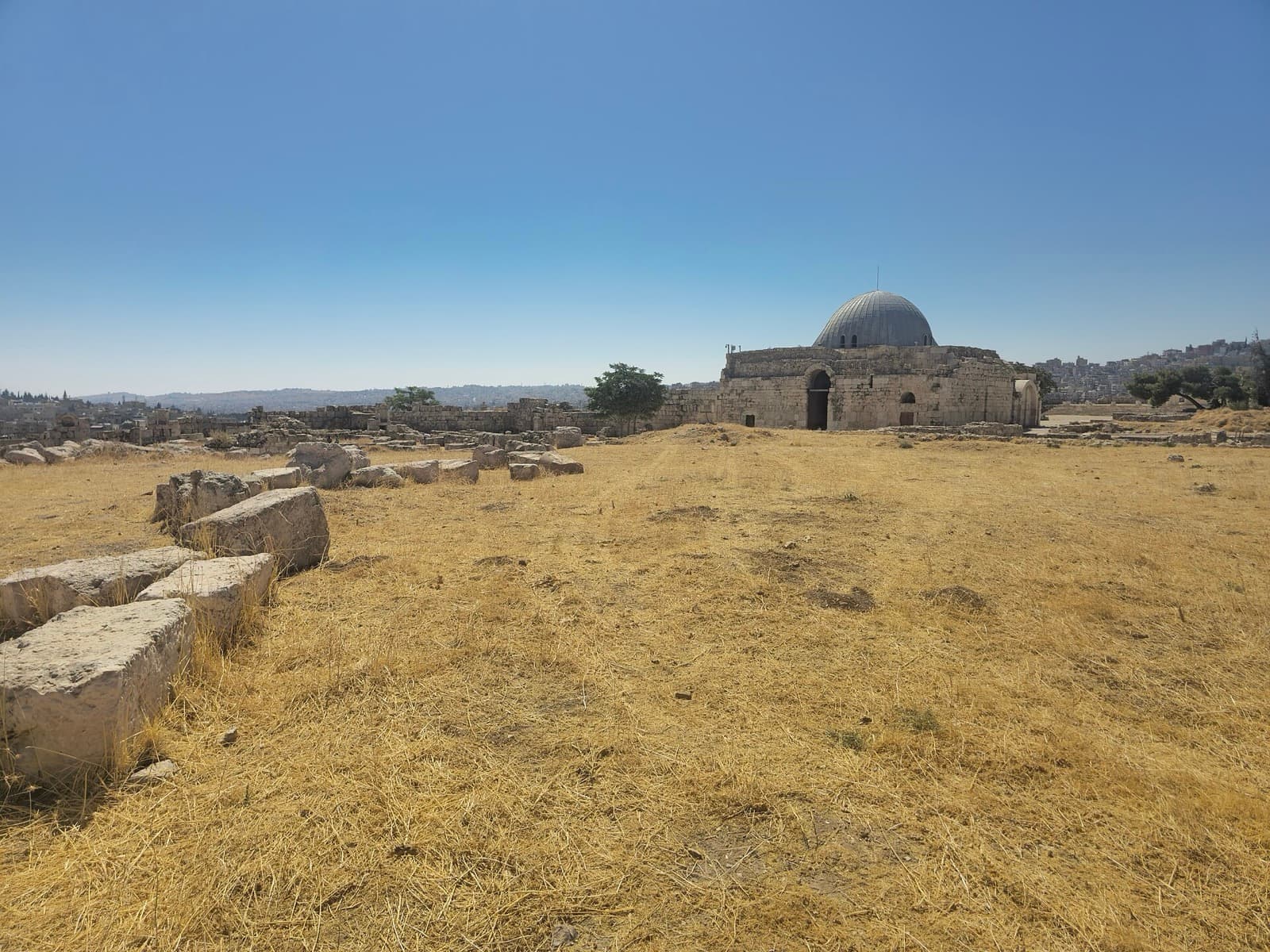
The Umayyad Palace on Amman's Citadel: A Caliph's Court on a Roman Hill
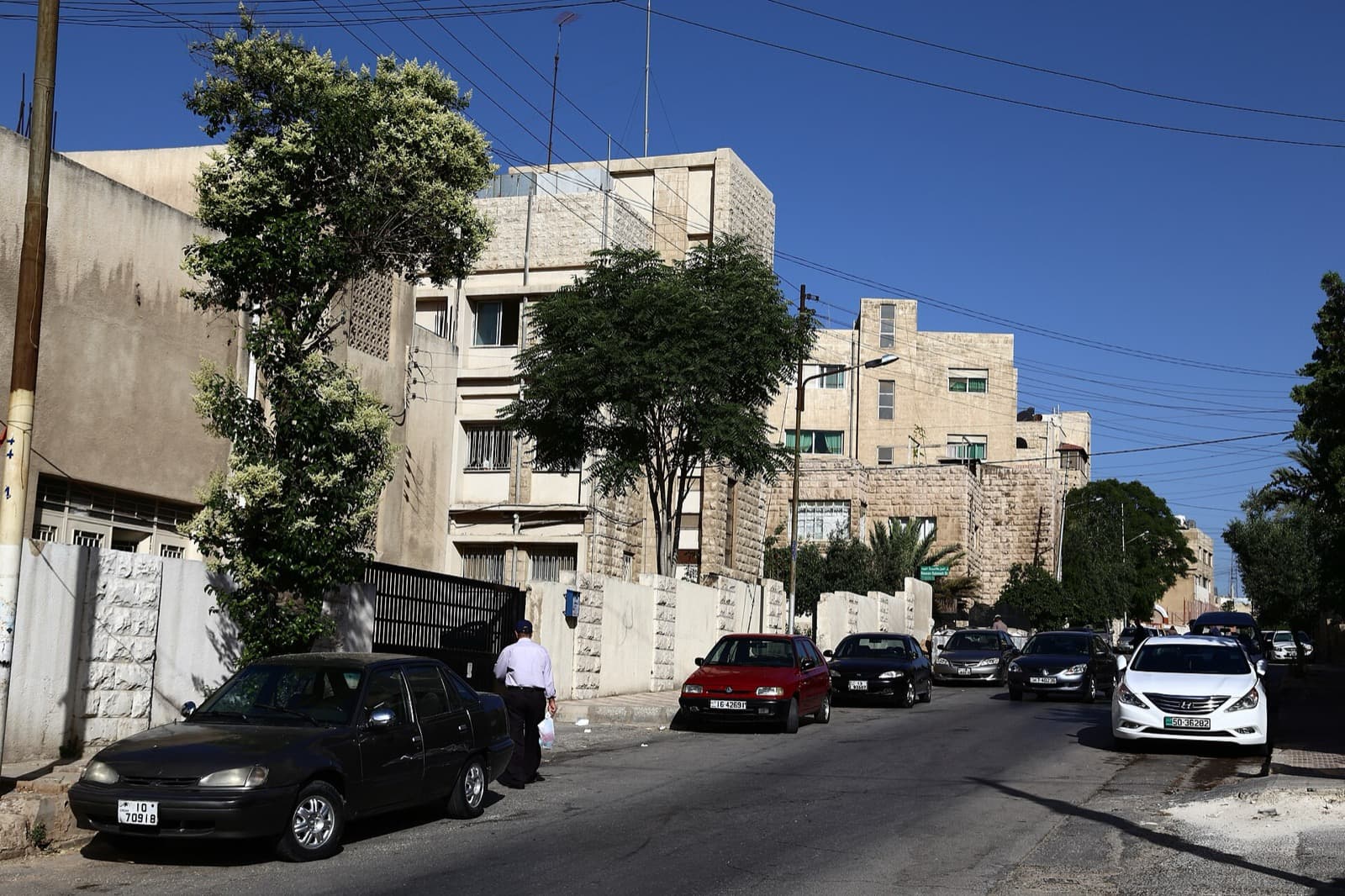
The Al-Kalha Stairs: Amman's Roads Before the Roads
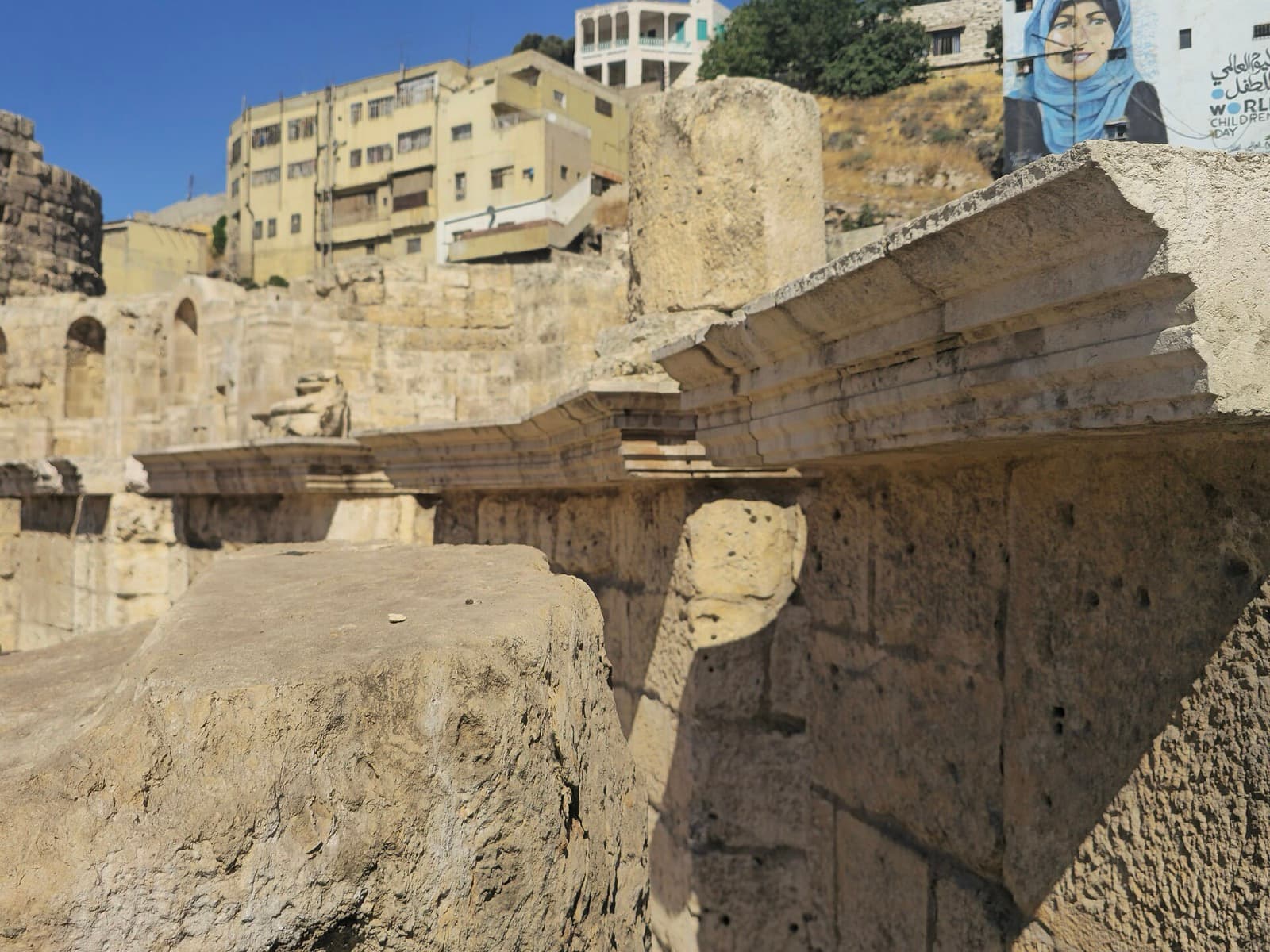
The Roman Nymphaeum of Amman: A Marooned Fountain in the Souk