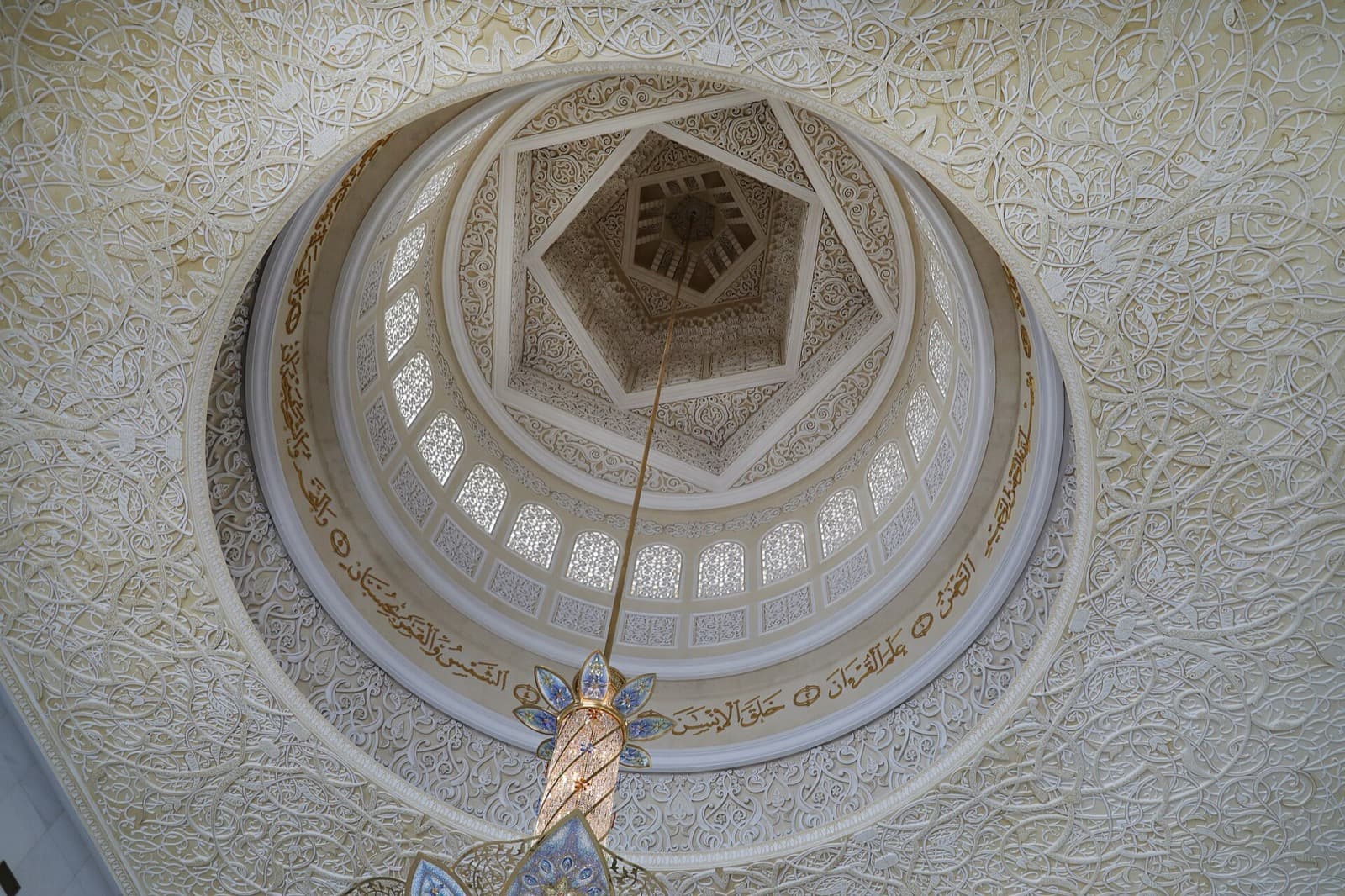
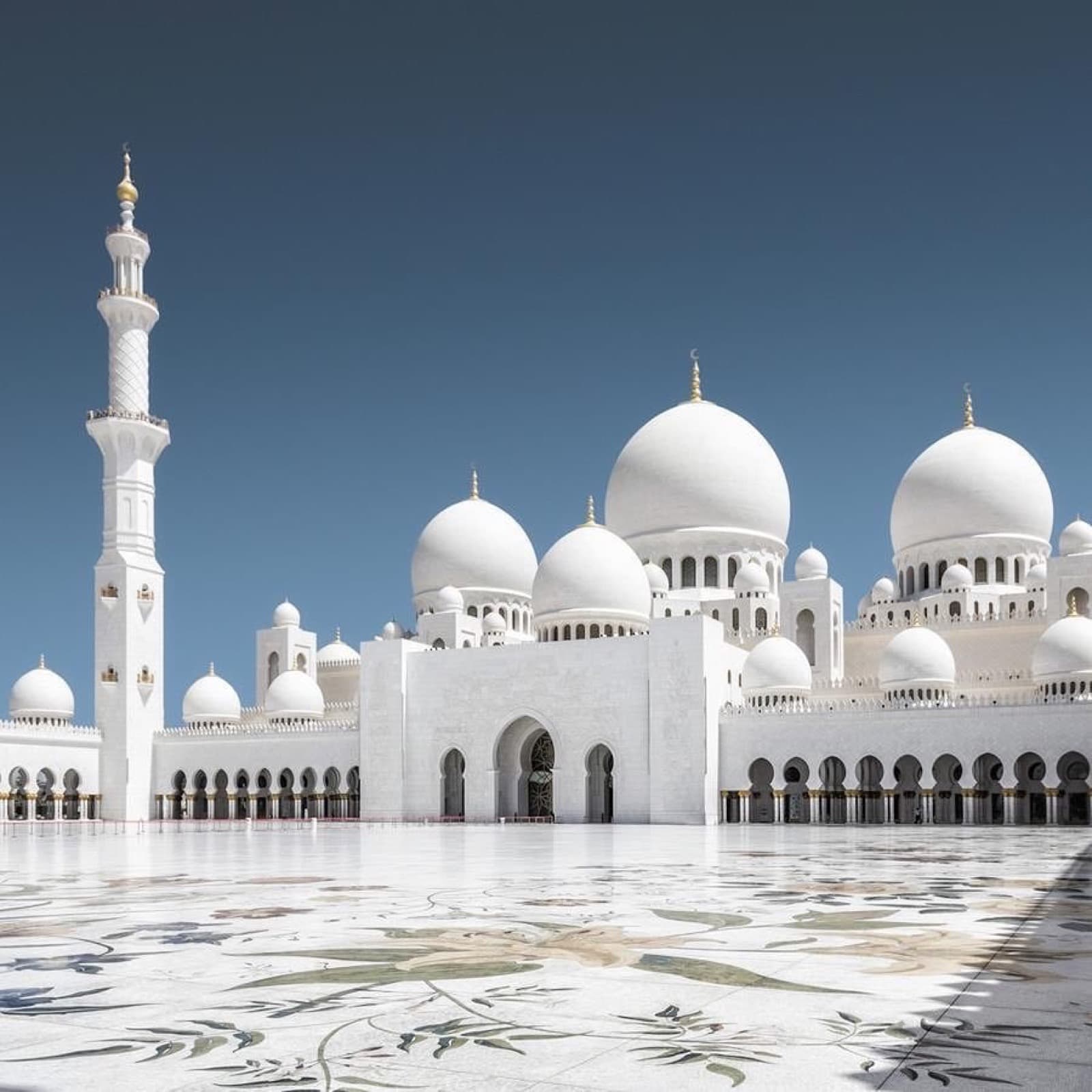
Sheikh Zayed Grand Mosque: A Vision in Marble
60 min · 1.2 km · easy
If you want to eat like a local in Abu Dhabi, start with machboos, the spiced rice and slow-cooked meat or fish that is the national dish of the United Arab Emirates, then work outward to harees, thareed, balaleet and luqaimat, and finish the way every Emirati meal ends: with dates and gahwa, the cardamom coffee poured from a brass pot. Emirati food is coastal and Bedouin at its root, seasoned by centuries of trade with Persia, India and East Africa, and Abu Dhabi is one of the best places in the country to taste it properly. This guide covers the specific dishes, where each tradition comes from, how to order it, and where the food fits into a day of walking the capital.
The one dish to try first: machboos
Machboos is fragrant rice cooked in a spiced broth with chicken, lamb, or seafood, then finished with loomi, the dried lime that gives Emirati cooking its distinctive tang. It is the national dish of the UAE and the plate most people mean when they talk about eating Emirati.
Its origins sit across the wider Arabian Peninsula. The same one-pot spiced rice appears in Saudi Arabia as kabsa, in Kuwait and Bahrain under related names, and food writers commonly describe machboos as a Gulf cousin of Indian biryani, reshaped by local hands. That link is not an accident. The spices that define it, saffron, cardamom, cinnamon and cloves, arrived on the same trade routes from South Asia and Persia that shaped the whole regional pantry. When you order it, ask for the version the kitchen is proud of: machboos laham (lamb), machboos dajaj (chicken), or a fish or prawn machboos on the coast. The dried lime is the flavor to look for. If it tastes bright and slightly sour under the warm spice, you are eating it right.
The comfort foods: harees, thareed and madrooba
Hear a stop from this walk
The Main Entrance: A Founder's Last Vision
After machboos, three slow-cooked dishes tell you the most about how Emiratis actually eat at home and at celebrations.
Harees is cracked wheat simmered for hours with meat, usually lamb or chicken, until the whole thing breaks down into a smooth, savory porridge, seasoned simply with salt and often a little cinnamon and clarified butter. It is nourishing rather than showy, and it is a fixture at weddings, Ramadan tables and the two Eid festivals.
Thareed is a thicker stew of meat and seasonal vegetables in a spiced broth, cumin and turmeric in the mix, served over rigag or rqaq, the thin Emirati flatbread that is torn and layered under the stew so it soaks up the sauce. Thareed is one of the most common dishes for iftar, the meal that breaks the daily fast during Ramadan.
Madrooba leans on the coast: a thick, pounded porridge, in its classic form made with salted fish, spices and a heavy sauce, though a chicken-and-rice version is common too. The name comes from the Arabic for "beaten," which is exactly how the texture is made. Like thareed and harees, it turns up most often during Ramadan.
Breakfast and sweets: balaleet and luqaimat
Emirati cooking has a confident sweet-and-savory streak, and balaleet is the clearest example. It is vermicelli noodles cooked with sugar, cardamom and saffron, then topped with a thin, plain omelet, so a single plate runs sweet then savory in the same bite. It is a traditional breakfast, and it is one of the dishes visitors remember longest because nothing else on the table works quite like it.
For dessert or an afternoon treat, order luqaimat: small balls of dough, deep-fried until the outside is crisp and the inside stays soft, then drizzled with date syrup or honey. They are often called the Gulf answer to doughnuts, and they appear everywhere during Ramadan and festive occasions. Pair them with coffee and you have the standard Emirati way to end a meal.
Dates and gahwa: the part that is not really about food
No Emirati meal or welcome is complete without dates and gahwa, the Arabic coffee that is the first thing offered to a guest at almost any hour. Gahwa is a light-colored coffee blended with cardamom and often saffron or cloves, poured from a long-spouted brass pot called a dallah into small handleless cups. Dates are served alongside to balance its bitterness, and together they carry the meaning of hospitality itself.
There is a quiet etiquette worth knowing so you can accept it gracefully. The host pours and you take the cup with your right hand. The pour is deliberately small, and the host will keep refilling as long as your cup comes back. When you have had enough, hold the cup out and gently wobble or shake it side to side a couple of times before returning it. That small shake is the understood signal for "thank you, no more," and it saves you from either another cup or an awkward wave-off.
Where to eat it in Abu Dhabi
You have two reliable registers for authentic Emirati food in the capital, one casual and one fine dining.
For a relaxed sit-down meal, Al Fanar Restaurant and Cafe recreates the feel of Abu Dhabi in the nineteen sixties, with wind towers, palm-frond touches and vintage artifacts, and a menu of the classics: chicken machboos, biryani, and khameer, the soft date-sweetened bread served with date syrup. Walk-ins are generally welcome, with reservations advisable on weekends.
For the upscale version, Mezlai at Emirates Palace Mandarin Oriental is described as the first Emirati fine-dining restaurant in Abu Dhabi. It is built to feel like an open Bedouin tent and serves elevated takes on Arabian staples, including camel and date dishes accented with saffron, rosewater and za'atar. It is a splurge and a booking, not a walk-in lunch.
Beyond those, ask locals and hotel staff for smaller Emirati kitchens and cafeterias, and treat street snacks like luqaimat and shawarma as easy, low-cost ways to graze between sights.
How to fit food into a day of walking
The two self-guided Roamer walks in the city pair naturally with a food plan. The Sheikh Zayed Grand Mosque: A Vision in Marble walk is a roughly one-hour route of a little over one kilometre across the marble complex, best done in the cooler morning; eat a proper Emirati breakfast of balaleet or khameer beforehand, because there is no casual dining inside a working mosque and the open marble gets punishingly hot from about June to September. Save machboos or thareed for a sit-down lunch afterward.
The Qasr Al Hosn and Corniche walk traces the city's founding from its white fort to the seafront, and it ends near the waterfront where you can slow down over gahwa and dates or an early dinner. In both cases the pattern that works is simple: light and early in the heat, then the heavy slow-cooked dishes when you are off your feet.
A practical note on timing. During Ramadan, eating, drinking and smoking in public during daylight hours are restricted out of respect for those fasting, and many kitchens shift their hours around iftar. It is also, at the same time, the best time to try thareed, harees and luqaimat at their most traditional, just plan to eat after sunset.
Ready to walk the city that produced this food? Browse the routes at Abu Dhabi walking tours and start from /united-arab-emirates/abu-dhabi.
Sources
- Experience Abu Dhabi (official): Emirati Cuisine, A taste of culture
- The UAE Government portal: Food
- The National: A guide to Emirati cuisine, the history, the classic dishes and the restaurants to try
- ICCA Dubai: Traditional UAE Food, a complete Emirati food guide
- Remitly: Machboos, facts about the national dish of the UAE
Frequently asked questions
- What is the national dish of the UAE?
- Machboos is the national dish of the United Arab Emirates. It is fragrant rice cooked in a spiced broth with chicken, lamb, or seafood, finished with loomi (dried lime) for a tangy depth. It is closely related to Saudi kabsa and is often compared to Indian biryani, reflecting the Gulf's long history of trade with Persia, India and East Africa.
- What should I eat first in Abu Dhabi as a first-time visitor?
- Start with machboos, the national dish, then try harees (a slow-cooked wheat-and-meat porridge) and luqaimat (crispy fried dough balls drizzled with date syrup). Finish with dates and gahwa, the cardamom-scented Arabic coffee that ends nearly every Emirati meal. Balaleet, a sweet-and-savory saffron vermicelli topped with an omelet, is the classic breakfast to try.
- Where can I eat authentic Emirati food in Abu Dhabi?
- For a casual meal, Al Fanar Restaurant and Cafe serves classics like machboos and khameer bread in a nineteen sixties Abu Dhabi setting, and generally welcomes walk-ins. For fine dining, Mezlai at Emirates Palace Mandarin Oriental is described as the first Emirati fine-dining restaurant in the city and requires a booking. Smaller local kitchens and street snacks like luqaimat and shawarma round out the options.
- What is gahwa and how do I drink it politely?
- Gahwa is Arabic coffee, a light-colored brew blended with cardamom and often saffron, poured from a brass pot called a dallah into small handleless cups and served with dates. Accept the cup with your right hand. The host keeps refilling as long as you return the cup, so when you have had enough, gently wobble or shake the empty cup side to side a couple of times before handing it back to signal you are finished.
- What is balaleet and why is it sweet and savory?
- Balaleet is a traditional Emirati breakfast of vermicelli noodles cooked with sugar, cardamom and saffron, then topped with a thin plain omelet. The result runs sweet then savory in the same bite, which is a deliberate hallmark of Emirati cooking. It is one of the dishes visitors remember most because the sweet-and-savory combination is unusual.
- What Emirati foods should I try during Ramadan?
- Ramadan is the best time to try thareed (a meat-and-vegetable stew served over thin rigag bread), harees, madrooba (a pounded porridge often made with salted fish) and luqaimat, all of which are traditional iftar foods eaten to break the daily fast. Note that eating, drinking and smoking in public during daylight hours are restricted during Ramadan, so plan to eat after sunset and check that kitchens have shifted their hours around iftar.
Ready to experience it?
Sheikh Zayed Grand Mosque: A Vision in Marble
60 min · 1.2 km · easy
More from Abu Dhabi
Explore more at your own pace.
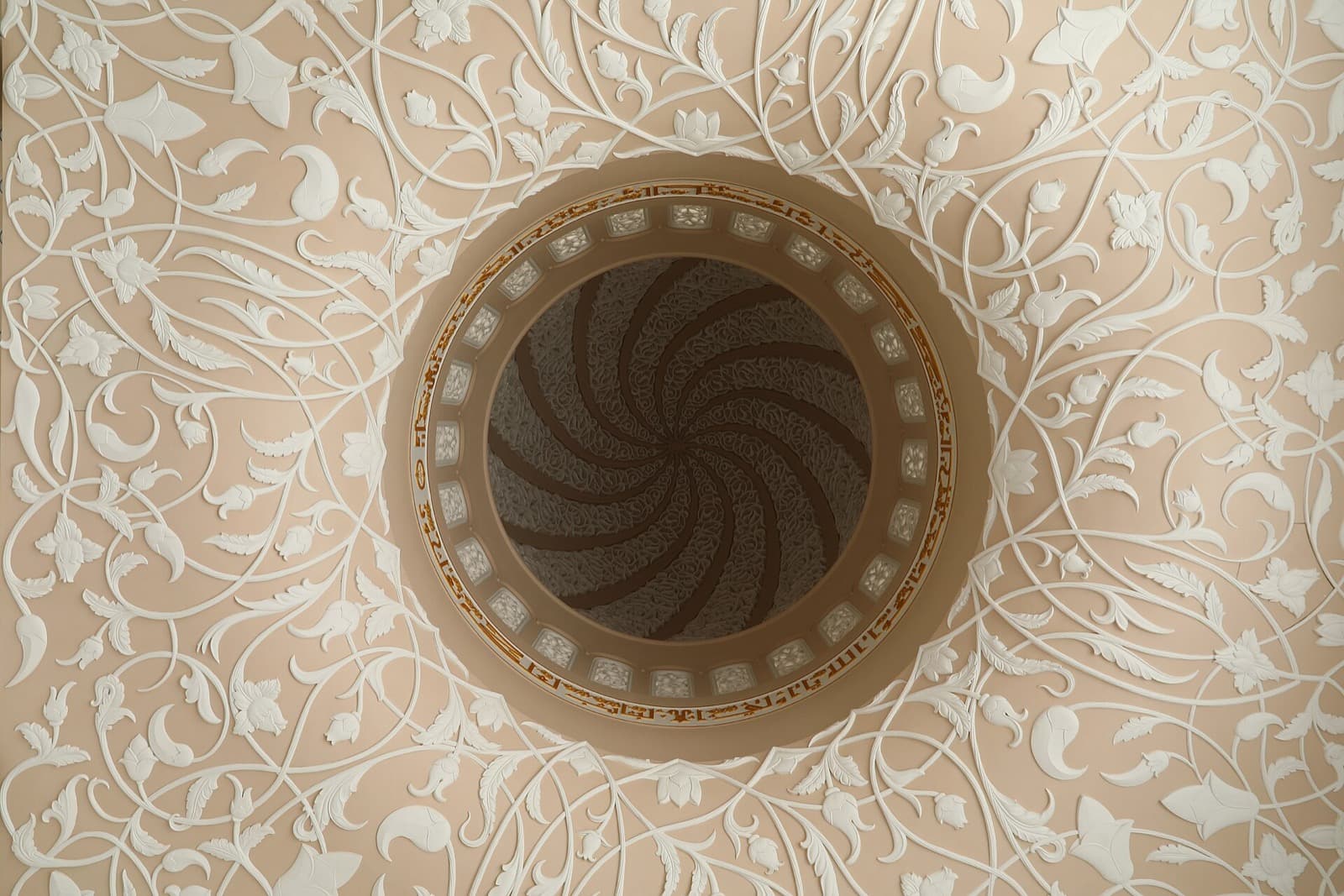
Abu Dhabi Travel Guide: Days, Transport, Season, Costs, and Safety
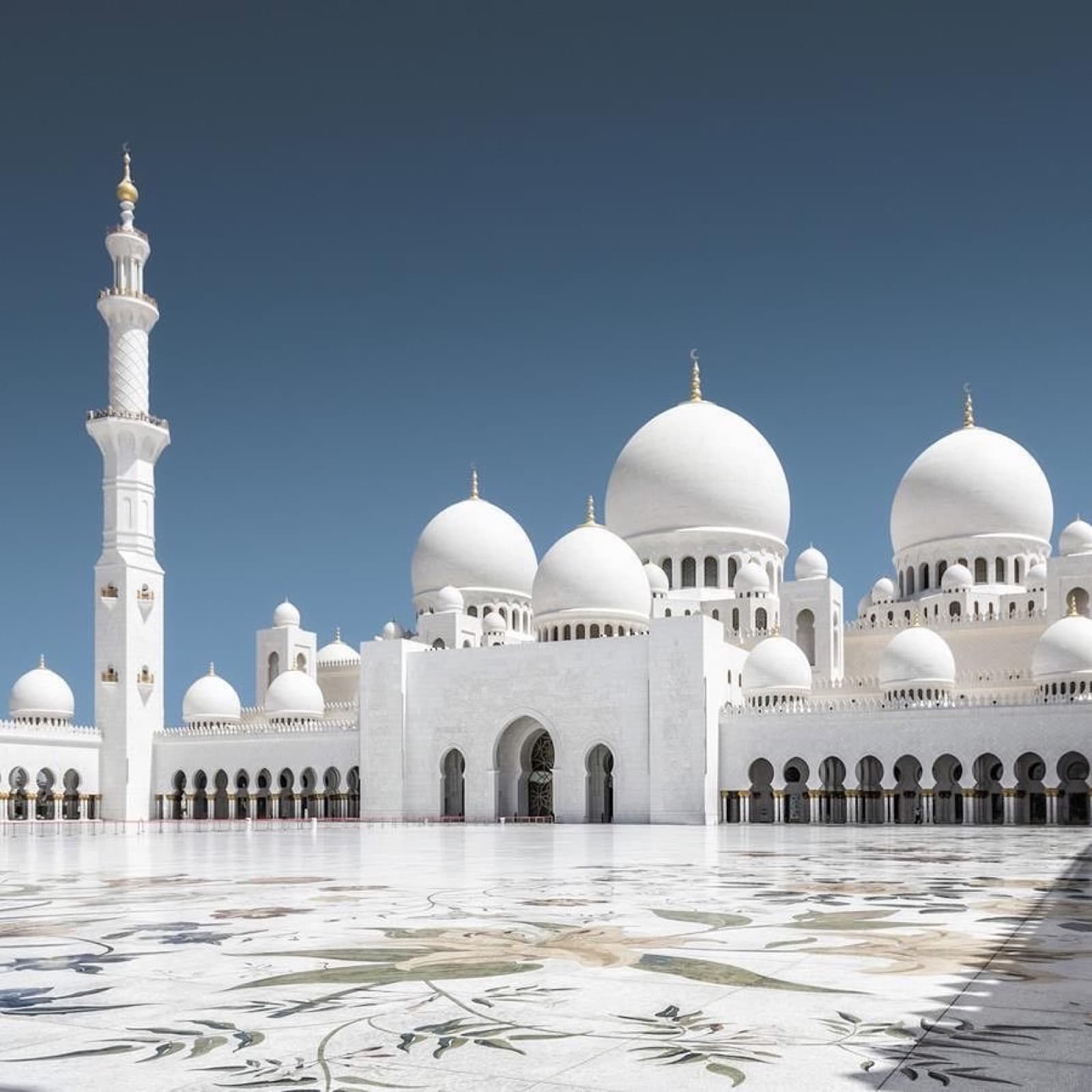
Abu Dhabi: The Capital That Turned Oil Into a Country
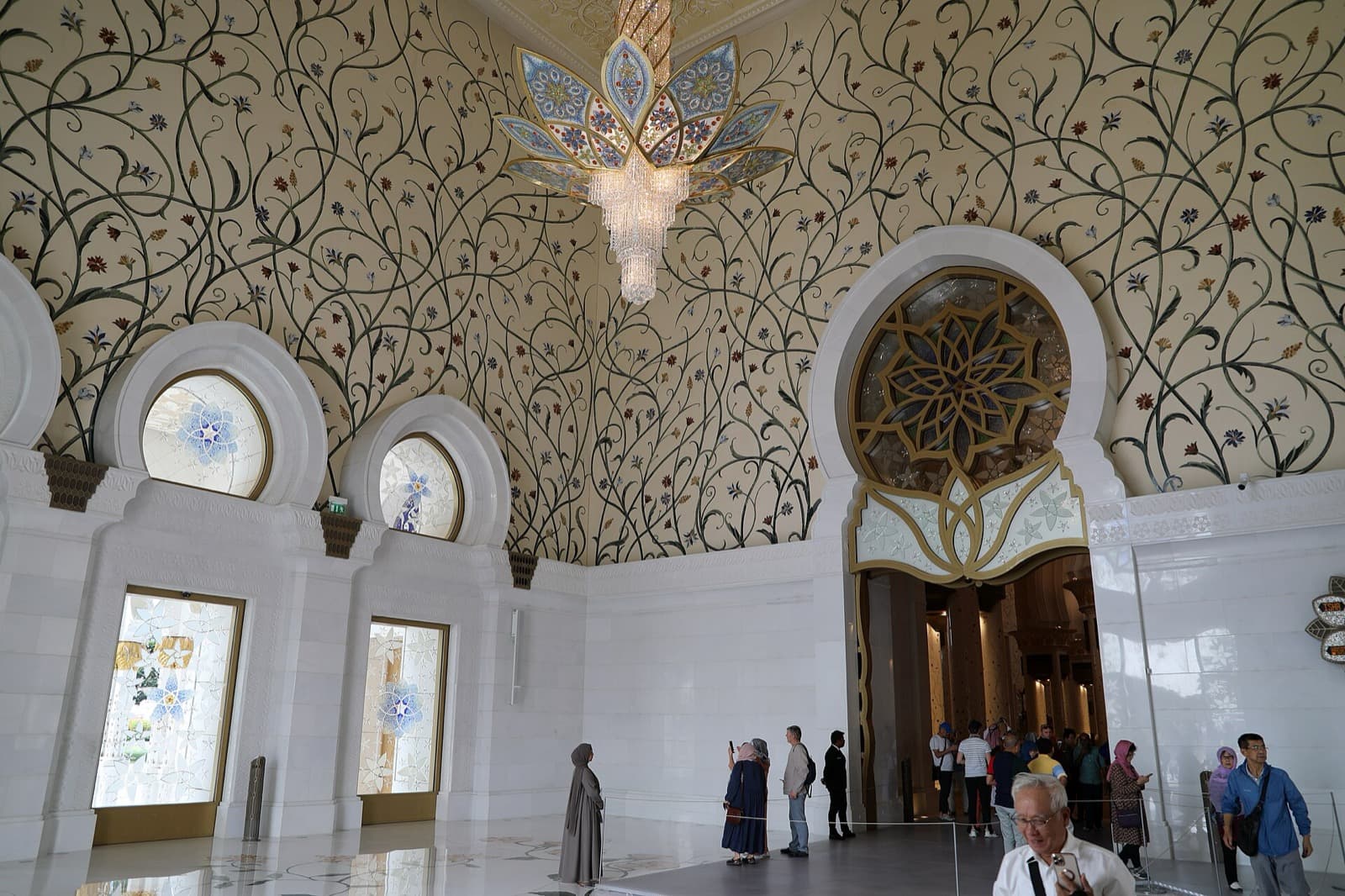
The Grave at the Center of Abu Dhabi's Grand Mosque
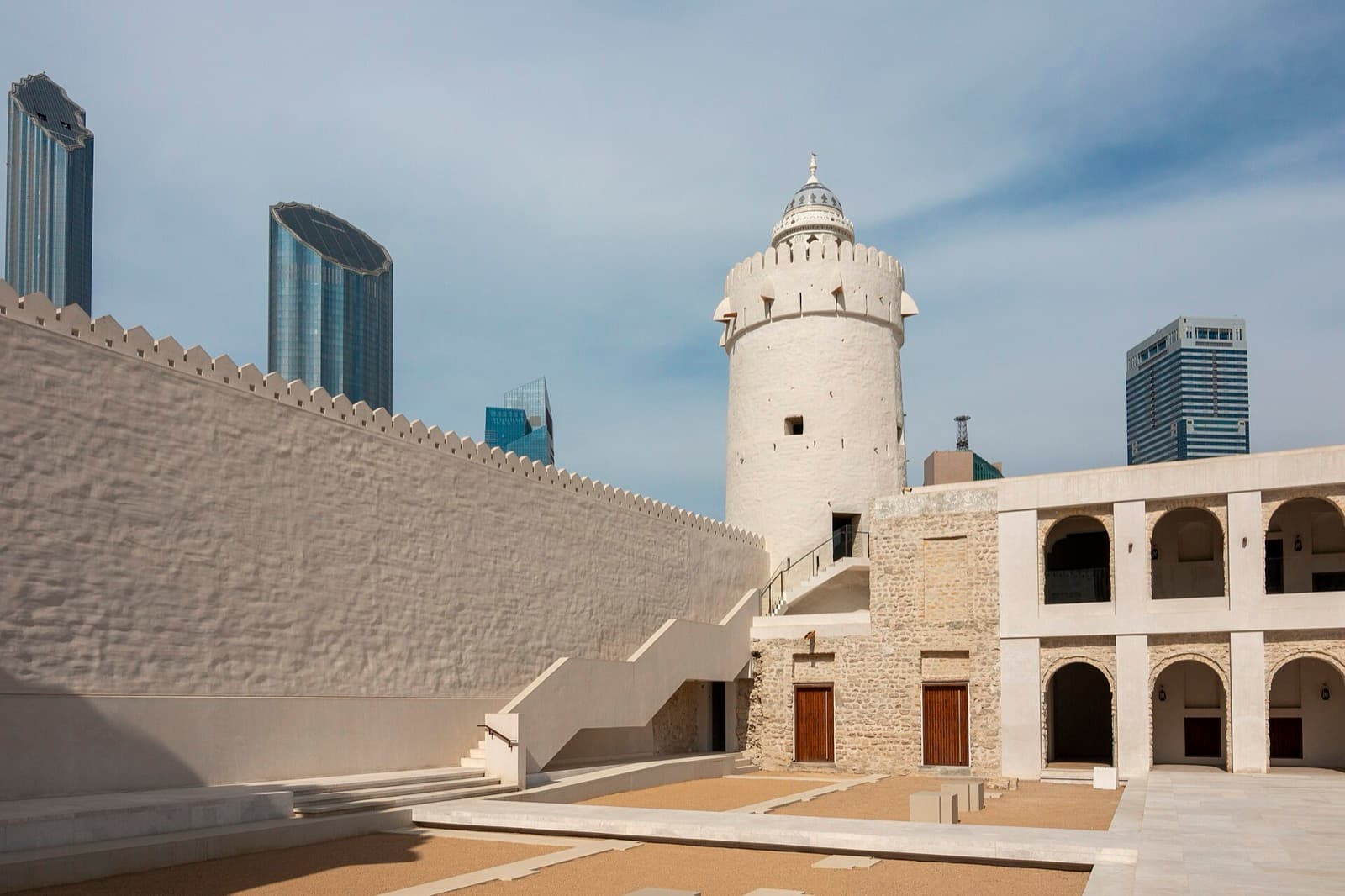
The Well That Made Abu Dhabi: Reading a Capital From Its First Fort
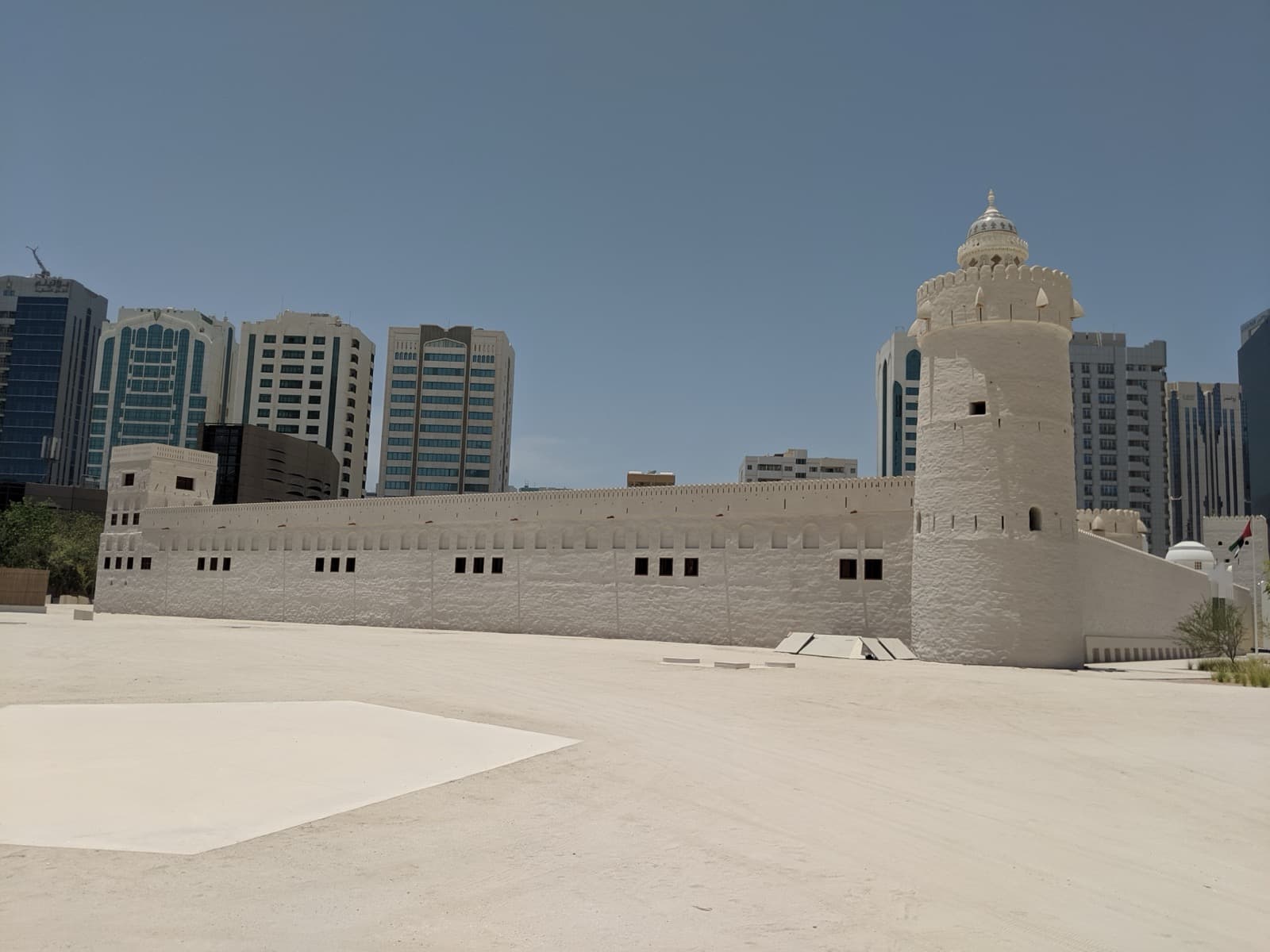
Qasr Al Hosn: The Coral Fort Where Abu Dhabi Began