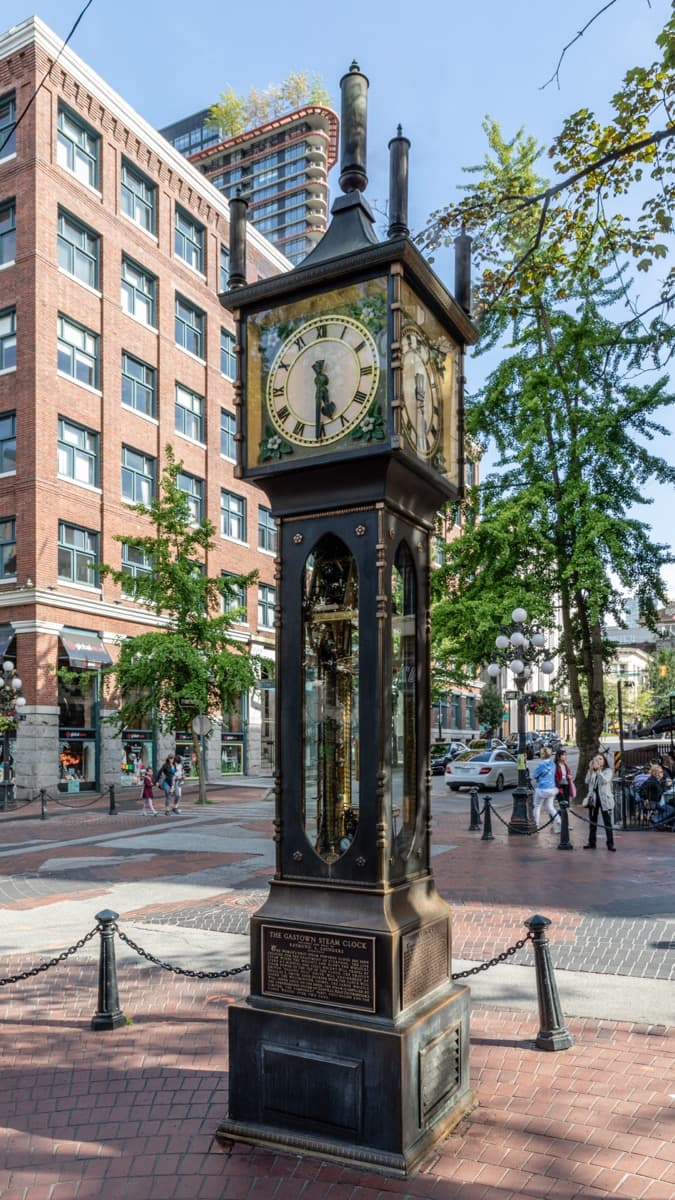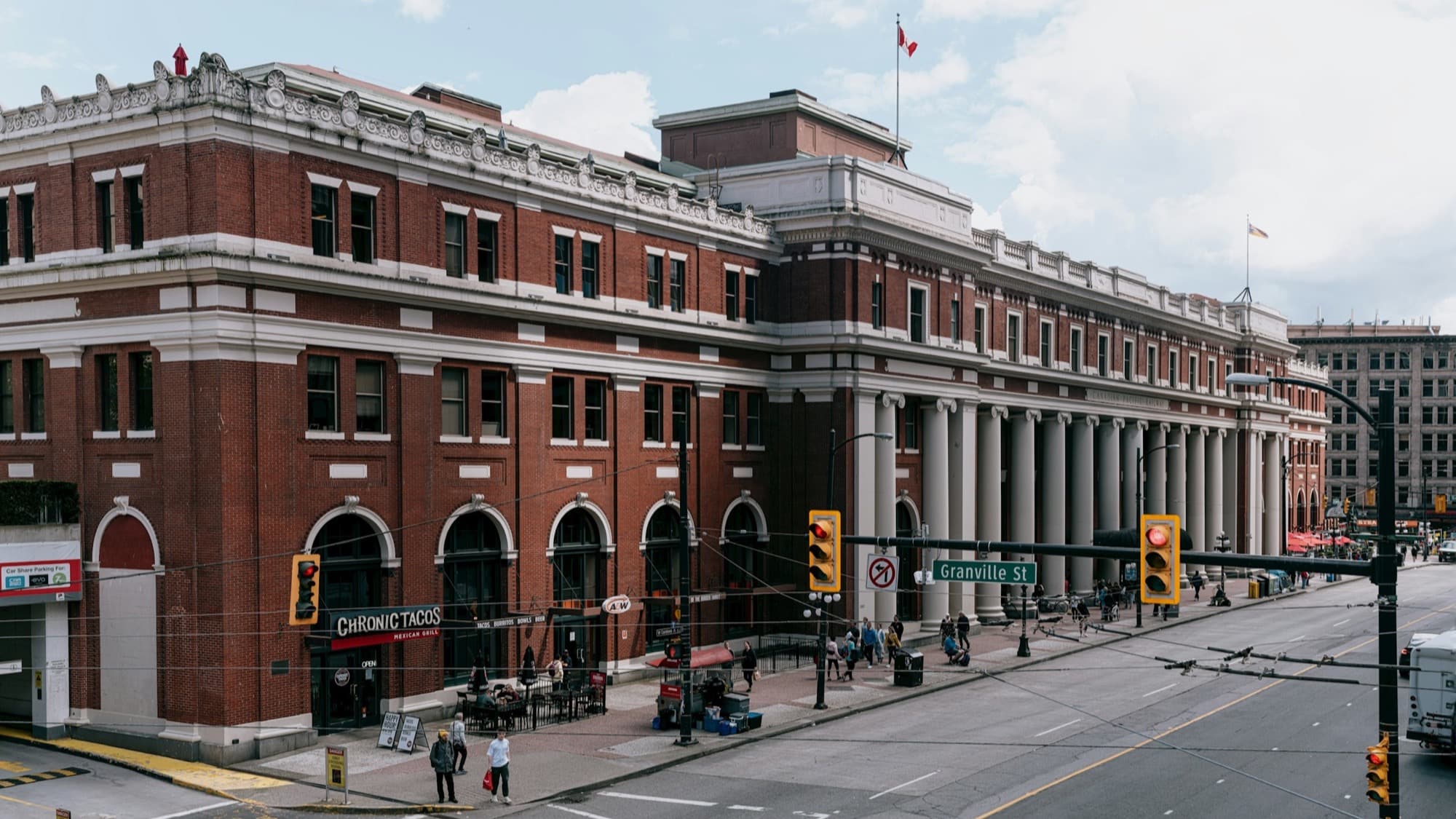
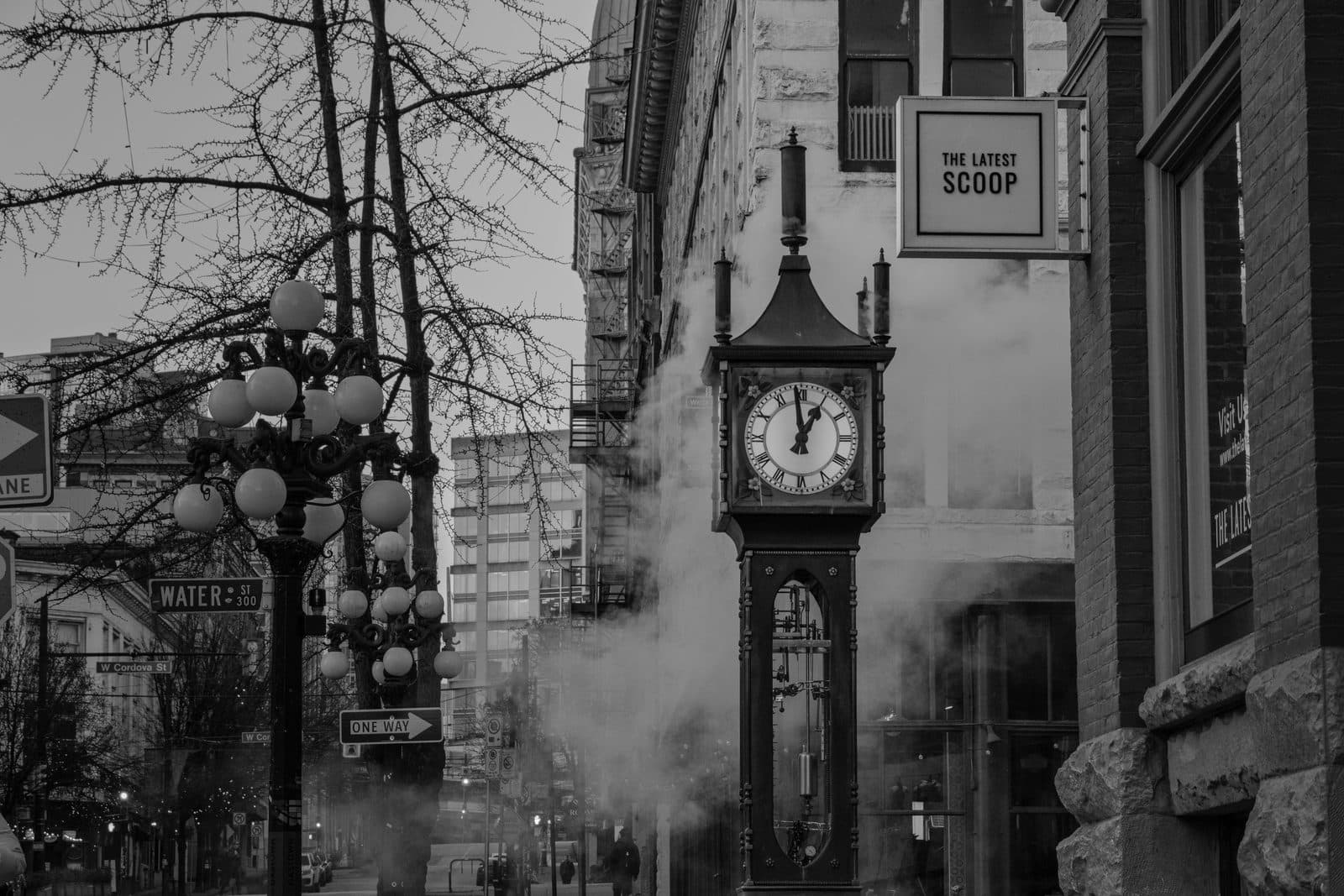
Gastown: A Founding Story, Retroactively Curated
80 min · 1.1 km · easy
Vancouver rewards planning around two facts. Its best sights ring a compact downtown peninsula that walks beautifully but sits a transit ride away from the mountains and suburbs beyond it, and its weather splits hard into a dry, glorious summer and a long, grey, rainy winter. This guide answers the practical questions travelers actually search, answer first, then the detail.
How many days do you need in Vancouver?
Short answer: three days for most people.
- 2 days covers the essential downtown peninsula: Gastown, Chinatown, Stanley Park, and Granville Island. Enough for a first taste.
- 3 days adds the beaches, the West End, and a half-day on the North Shore (Grouse Mountain or Capilano) without rushing.
- 4 to 5 days makes room for day trips to Whistler, Victoria, or the Sea-to-Sky corridor, at an unhurried pace.
The mountains and the city sit close together on the map, but the transit and traffic between them takes longer than it looks, so build in travel time. If you only have one day, follow our focused one day in Vancouver route through the downtown peninsula.
Getting around Vancouver
Hear a stop from this walk
Maple Tree Square: The Climax
Downtown is a joy on foot. Gastown, Chinatown, the West End, and Stanley Park are all walkable from a central hotel, and walking is how our self-guided Vancouver tours are built. Between farther-out areas, you combine walking with transit:
- SkyTrain. A fast, driverless rapid-transit system with three lines (Expo, Millennium, and Canada Line, which runs to the airport). It is the quickest way across the region.
- Buses. An extensive network that reaches everywhere the SkyTrain misses. Every bus trip is a one-zone fare at all times.
- SeaBus. A passenger ferry across Burrard Inlet to North Vancouver, and a scenic ride in its own right.
- Compass Card. Use a rechargeable Compass Card to tap in and out across SkyTrain, bus, and SeaBus, sold at London Drugs, Safeway, Shoppers Drug Mart, and convenience stores. The region uses a three-zone fare system, but all bus trips are one zone, and all trips after 6:30 p.m. on weekdays and all weekend are charged as a single zone.
- False Creek ferries. Little Aquabus and False Creek Ferry boats hop across to Granville Island and around False Creek, a fun way to reach the market.
Fares rose about 5% on July 1, 2026, with an adult one-zone stored-value fare at $2.85; a single fare is valid for 90 minutes across modes.
Best time to visit Vancouver
Vancouver has a sharp wet-dry split, so timing matters more here than in most Canadian cities.
- Summer (July to September). The best window: driest, warmest, and sunniest, with July and August the driest months and September carrying summer warmth into thinner crowds. This is the seawall and beaches at their best.
- Shoulder (May, June, early October). Pleasant and greener, with a chance of rain but good value and fewer people.
- Rainy season (October to March). Grey and wet, with November the wettest month. Vancouver stays mild and rarely freezes, so it is a soft, green winter rather than a harsh one, but pack a rain shell and expect overcast skies.
If you want sun, come in summer; if you want quiet and value, the shoulder months are excellent.
Is Vancouver safe?
Yes, overall. Vancouver is a safe city for visitors, including solo and female travelers, and violent crime against tourists is uncommon. The honest caveat is the Downtown Eastside, the corridor along East Hastings Street roughly from Main to Clark, where street homelessness and open drug use are highly visible. It is important to say this plainly and without alarm: this is a public-health crisis, not a place targeting tourists, and most crime there is internal to the community rather than aimed at visitors.
- Daytime: walking through, including the Gastown and Chinatown edges you cover on our tours, is generally fine. There is little reason to linger.
- Night: stick to busier, well-lit streets, avoid cutting through alleys, and use transit or a rideshare rather than walking alone through the corridor.
Everywhere else, from Stanley Park to the West End to Kitsilano, ordinary city precautions are plenty. The history of this exact corridor is part of what makes the Chinatown and Hogan's Alley walk worth doing.
Vancouver on a budget
Vancouver is costly to sleep in but friendly to a tight budget once you are here. Much of what makes it special is free:
- Free to walk: the Stanley Park seawall, the beaches, the Gastown and Chinatown streets, and the Granville Island Public Market.
- Eat cheap and well: food carts like Japadog, dim sum in Chinatown, ramen, and the Granville Island market stalls. See what to eat in Vancouver for what to order.
- Skip taxis: a Compass Card plus walking covers almost everything, and off-peak fares are cheaper.
- Skip the guide fee: Roamer self-guided audio tours are free to start, so you get expert narration without a private guide, a start time, or a tip.
Start planning your walk
Ready to route your days? Read our one day in Vancouver itinerary, browse the best self-guided walking tours in Vancouver, or see all Vancouver tours. Every tour is free to start: the introduction and first stop play in full, and every later stop plays a short preview before an optional purchase. Tours can also be downloaded in advance for offline listening.
Frequently asked questions
- How many days do you need in Vancouver?
- Three days is the sweet spot for most travelers. Two days covers the essential downtown peninsula, Gastown, Chinatown, Stanley Park, and Granville Island, if you are on a tight schedule. Three days lets you add the beaches, the West End, and a half-day on the North Shore without rushing. Four or five days makes room for day trips to Whistler, Victoria, or the Sea-to-Sky corridor. Because the mountains and the city sit close together but the transit between them takes time, plan a little more than the map suggests.
- Is Vancouver walkable, and how do you get around?
- Downtown Vancouver is very walkable, and the core sights of Gastown, Chinatown, the West End, and Stanley Park are all reachable on foot from a central hotel. Between farther-out areas you use transit. Vancouver has the driverless SkyTrain (three lines), an extensive bus network, and the SeaBus passenger ferry across the harbour to North Vancouver. Pay with a rechargeable Compass Card, tapping in and out; the region uses a three-zone fare system, though buses are always a one-zone fare and all trips after 6:30 p.m. on weekdays and all weekend are charged as one zone. Little Aquabus and False Creek ferries also cross to Granville Island.
- What is the best time of year to visit Vancouver?
- July through September is the best window: these are the driest, warmest, sunniest months, with July and August the driest of all and September carrying summer warmth with thinner crowds. May, June, and early October are pleasant shoulder months. The stretch from roughly October to March is the rainy season, grey and wet with November the wettest month, though the city stays mild and green and rarely freezes. If you want sun and the seawall at its best, come in summer; if you want value and quiet, the shoulder months are excellent.
- Is Vancouver safe for tourists?
- Yes. Vancouver is a safe city for visitors overall, including solo and female travelers, and violent crime against tourists is uncommon. The one area travelers ask about is the Downtown Eastside, the corridor along East Hastings Street roughly from Main to Clark, where street homelessness and open drug use are very visible. This is a public-health crisis, not a tourist-mugging zone: most crime there is internal to the community. Daytime walking through, including on the Chinatown and Gastown edges, is generally fine, but there is little reason to linger, and at night it is best to stick to busier streets and use transit or a rideshare. Elsewhere, normal city sense applies.
- How can you see Vancouver on a budget?
- Vancouver is expensive to sleep in but cheap to enjoy. Much of its best is free: the Stanley Park seawall, the beaches, the Gastown and Chinatown streets, and the Granville Island Public Market all cost nothing to walk. Eat well for little at food carts (Japadog), dim sum, ramen, and the market stalls. A Compass Card plus walking replaces taxis, and off-peak fares are cheaper. Self-guided audio tours are free to start on Roamer, so you can add expert narration without hiring a guide, booking a start time, or leaving a tip.
- Can you do Vancouver as a day trip, or from Seattle?
- From Seattle, Vancouver is about a two-and-a-half to three-hour drive or a similar bus or train ride, plus a border crossing, so a same-day round trip is possible but tight. Staying at least one night is far more rewarding. Within the region, Vancouver itself is a base for day trips: Whistler is about two hours up the Sea-to-Sky Highway, and Victoria on Vancouver Island is a ferry ride away.
Ready to experience it?
Gastown: A Founding Story, Retroactively Curated
80 min · 1.1 km · easy
More from Vancouver
Explore more at your own pace.
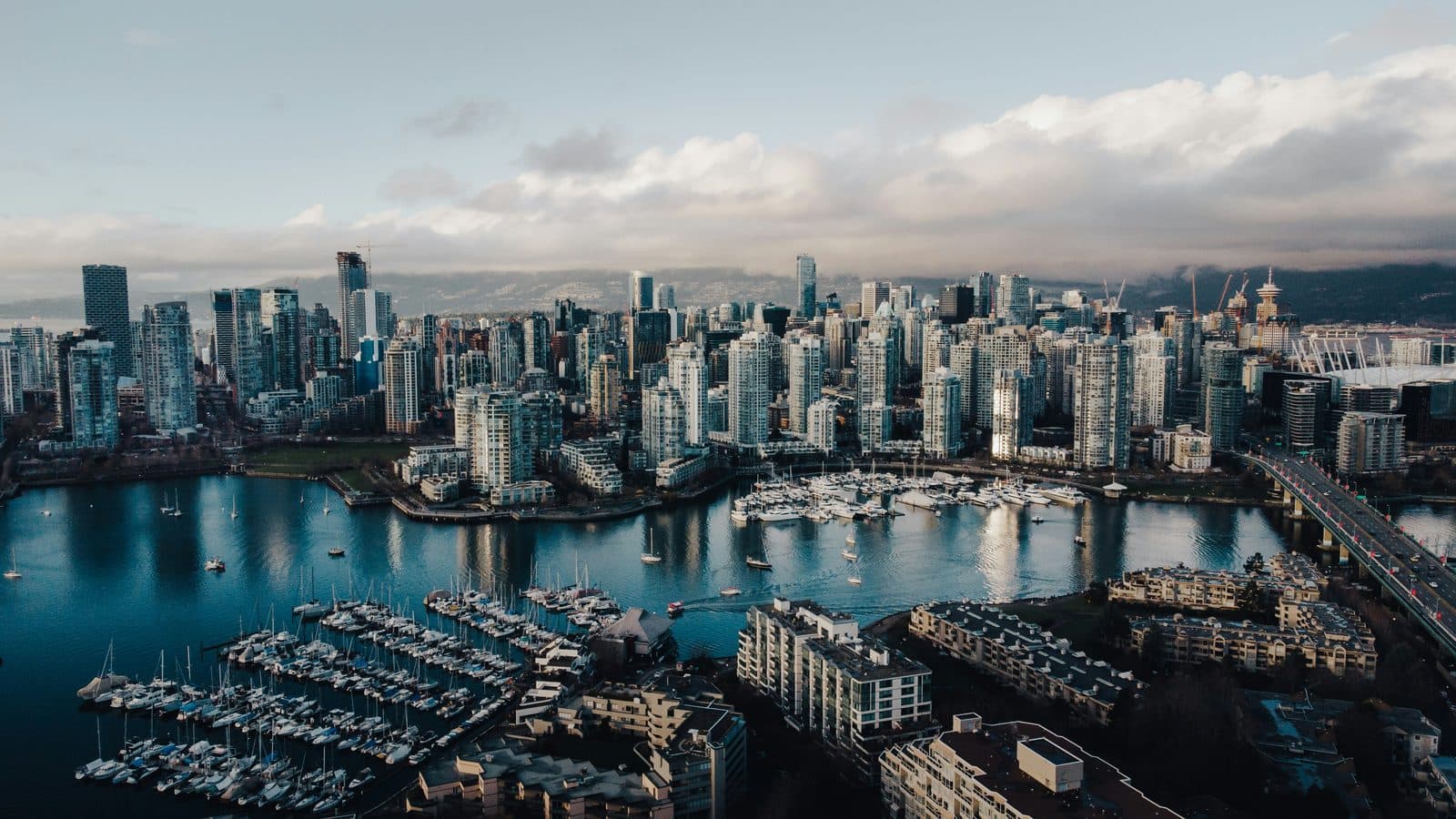
One Day in Vancouver: A Walkable Downtown Itinerary (2026)
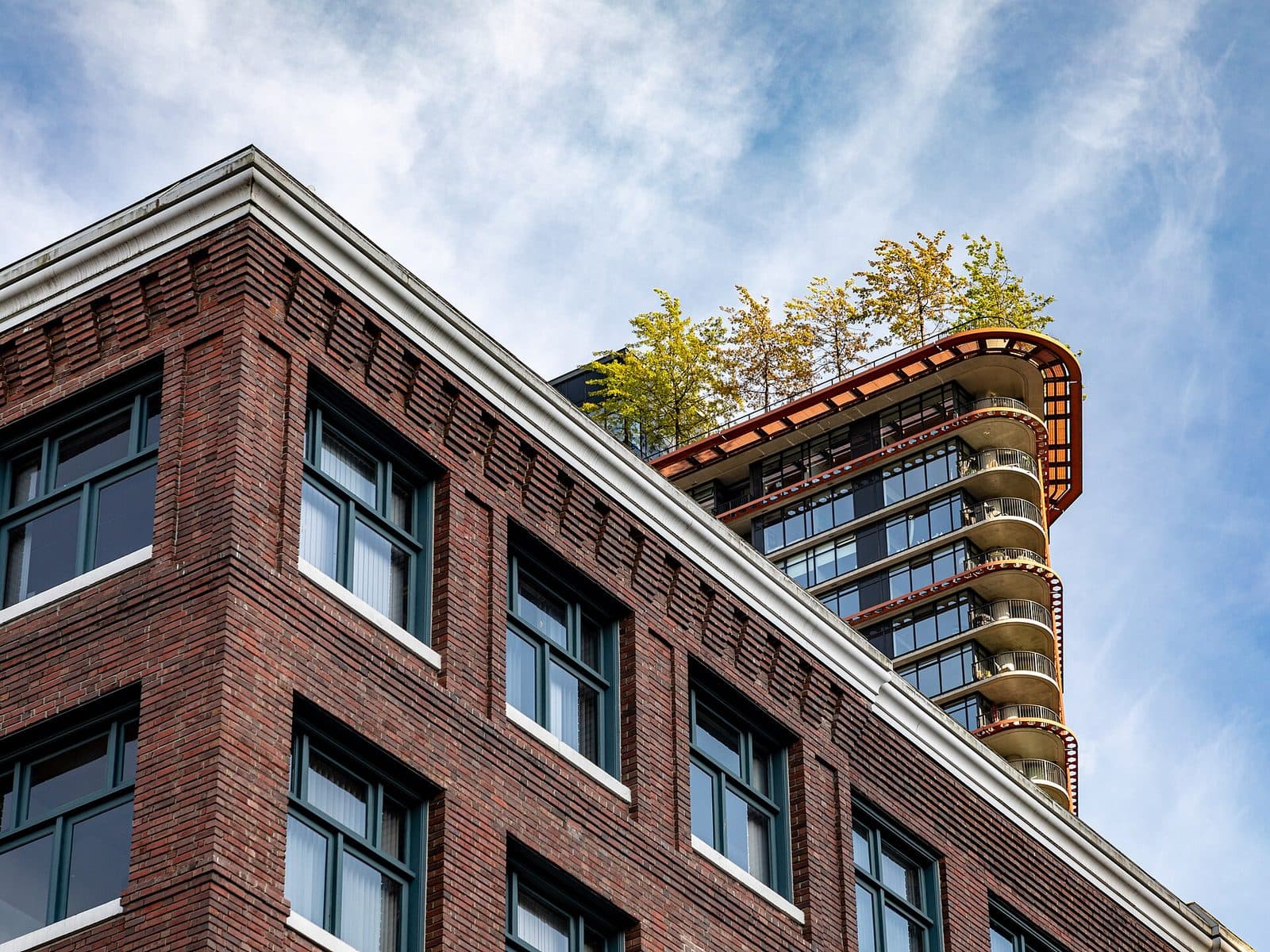
Chinatown After Hogan's Alley: What Displacement Did to Vancouver's Black and Chinese Blocks
Vancouver: The City Built on Erasure and Reclamation
Chinatown and Hogan's Alley: The Freeway Fight Vancouver Only Half-Won
Gastown: A Founding Myth Assembled in the 1970s