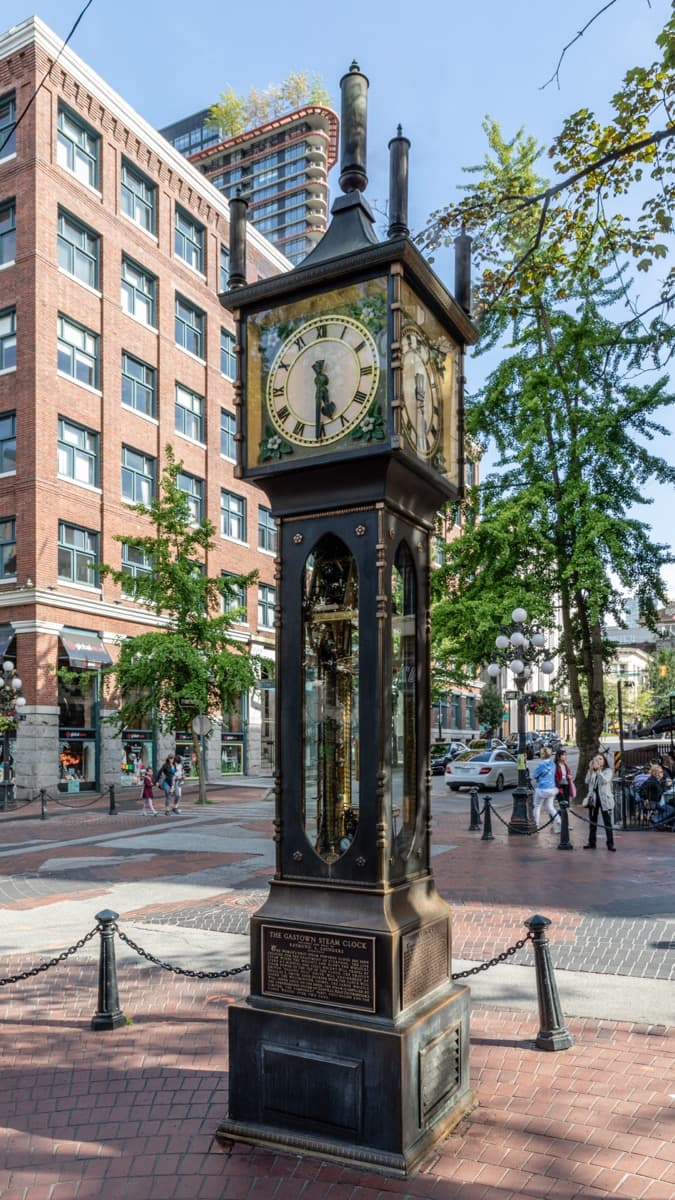
The Gastown tour walks eight stops in a district that reads, from the sidewalk, as Vancouver's preserved founding quarter. Cobblestones, gas-style lamps, brick warehouses, a steam clock, and a plinth where a founder's statue stood. The walk's whole argument is that almost none of it means what it looks like it means. Here is the layered story the audio has to keep moving through.
Layer one: the saloon was real
In 1867, John "Gassy Jack" Deighton, a former riverboat pilot born in Hull, England, arrived on the south shore of Burrard Inlet at the invitation of Captain Edward Stamp, who had founded the Hastings Mill two years earlier. Deighton's saloon, a small wooden shack, was built within metres of what is now Maple Tree Square by idle mill workers in exchange for whisky. The settlement was called Gassy's Town, then Gastown.
Deighton died in 1875, eleven years before the City of Vancouver was incorporated. He was the founder of a saloon. He was not the founder of Vancouver, which was named in 1886 for Captain George Vancouver by an act of the provincial legislature. The distinction gets blurred constantly, and the tour keeps it sharp.
Layer two: the fire erased the originals
Hear a stop from this walk
Maple Tree Square: The Climax
The founding-era wooden town did not survive to become the heritage district. The Great Vancouver Fire tore through on 13 June 1886, weeks after incorporation on 6 April, and destroyed almost everything. The oldest building you can still see, the Byrnes Block (also called the Alhambra Hotel) at 2 Water Street, went up immediately after the fire in 1886, designed by the architect Elmer Fisher. It is, by a margin of months, older than the City of Vancouver as a corporate entity. But it is a post-fire building, not a founding-era one.
So the "old town" is really the rebuilt town. What burned in 1886 is gone. What stands is the second draft.
Layer three: the heritage was curated in the early 1970s
This is the layer the tour exists to reveal. By the late 1960s, Gastown was a derelict edge of skid row. In 1968 a developer named Larry Killam began buying up its rooming houses cheap, betting that a heritage frame would turn the district into a real-estate play. He rehabilitated the Byrnes Block in 1969 as the demonstration project. A January 1971 profile in Maclean's documented the strategy in real time.
The cobblestones, the plaques, the renamed lanes, and the reproduction street furniture all date to this push. Blood Alley Square, for instance, was a working service lane originally called Trounce Alley in the 1880s. Around 1970 the developers renamed it "Blood Alley" and attached a lurid story about slaughterhouses and hangings, none of which is documented. There were no abattoirs on the block and the city's hangings were carried out in New Westminster. The blood was marketing. The provincial Historic Area designation came in February 1971, a year after the rebrand began.
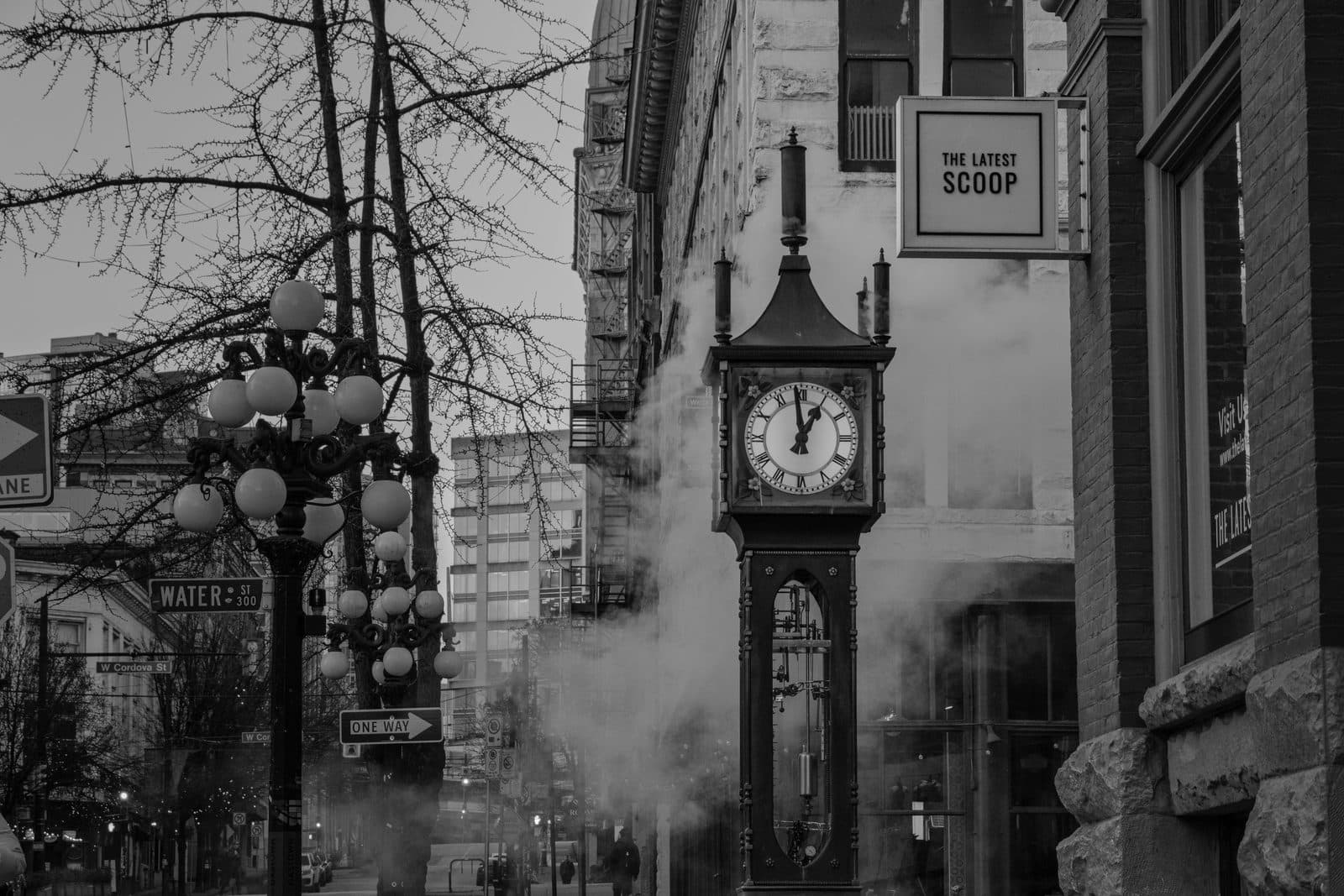
Even the district's most photographed object plays this game. The Gastown Steam Clock looks Victorian and is routinely called Victorian, but it was built in 1977 to cover a sidewalk steam vent. The costume is heritage; the thing inside is a contemporary public-art commission. It is the whole tour compressed into one brass cabinet.
Maple Tree Square: four layers on one corner
The climax stop, Maple Tree Square, stacks the layers in a single intersection. Layer one is 1867 and the saloon. Layer two is 1970, when developers commissioned a bronze statue of Gassy Jack, which stood on the corner until 14 February 2022, when it was toppled by marchers during the annual Memorial March for Missing and Murdered Indigenous Women and Girls, a reckoning with the fact that Deighton, then about forty, took a twelve-year-old Squamish girl as a wife. Layer three is 7 August 1971, the "Battle of Maple Tree Square," when police violently broke up a counterculture gathering here, a reminder that the heritage curation and real civic conflict were happening simultaneously.
The empty plinth is the honest monument. It marks a founder who was made, then unmade, on the same spot.
Where Gastown's story meets the freeway fight
Walk south from Maple Tree Square down Carrall Street and you reach the corridor of the freeway that did not happen. In 1967 the Project 200 plan would have run an elevated highway directly above Carrall. Community organizing killed it by 1972. That fight belongs to the sibling district, and it is the spine of the Chinatown and Hogan's Alley tour. It matters here because the timing rhymes: Gastown's heritage designation was being fought for at the exact moment the neighbourhood next door was fighting to exist at all.
For the deeper argument about what Vancouver keeps clearing and rebuilding, read the city thesis on erasure and reclamation. Then walk Gastown twice, as the audio suggests: once for the buildings, once for the century of editing that produced them.
Ready to experience it?
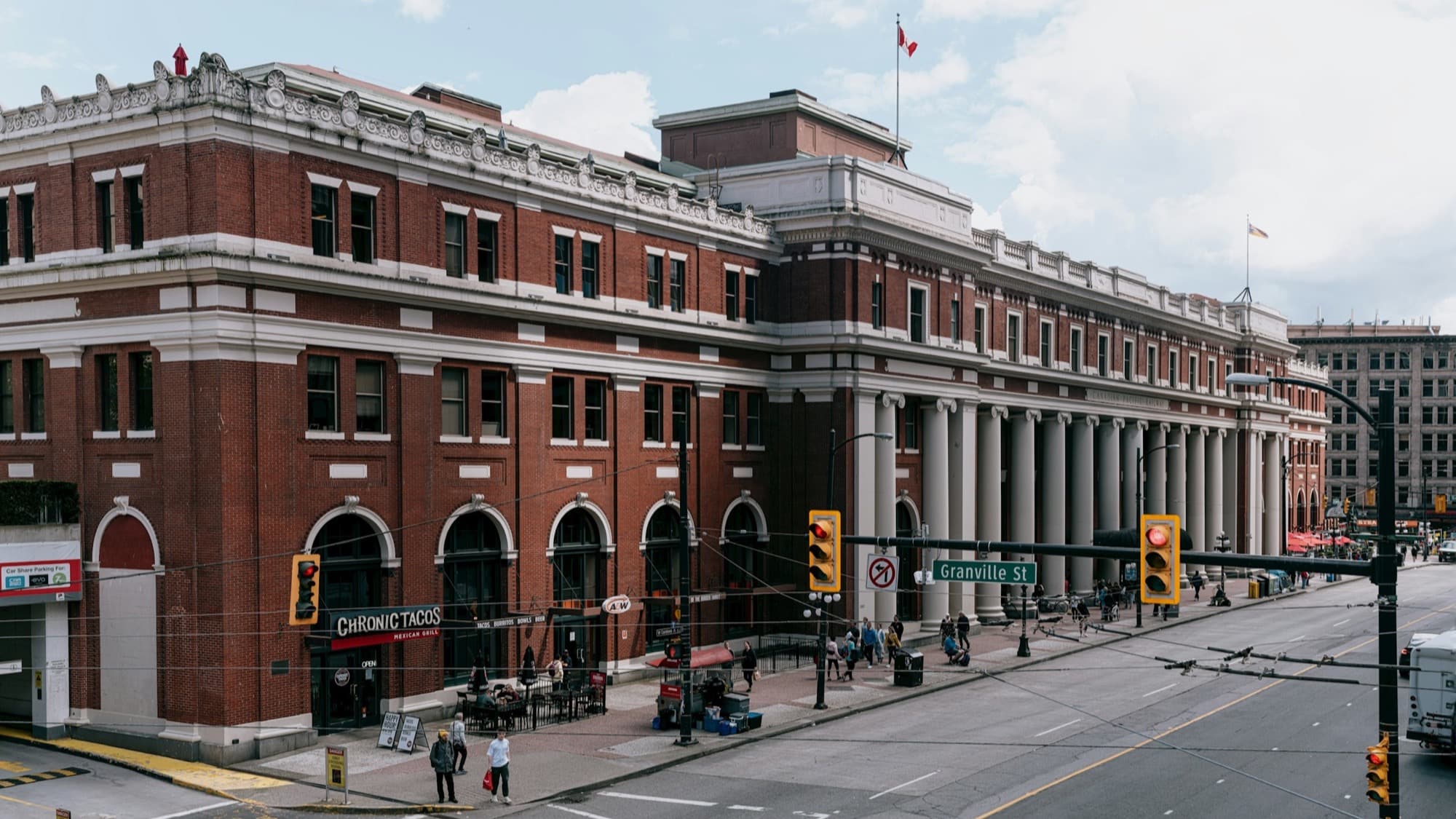
Gastown: A Founding Story, Retroactively Curated
80 min · 1.1 km · easy
More from Vancouver
Explore more at your own pace.
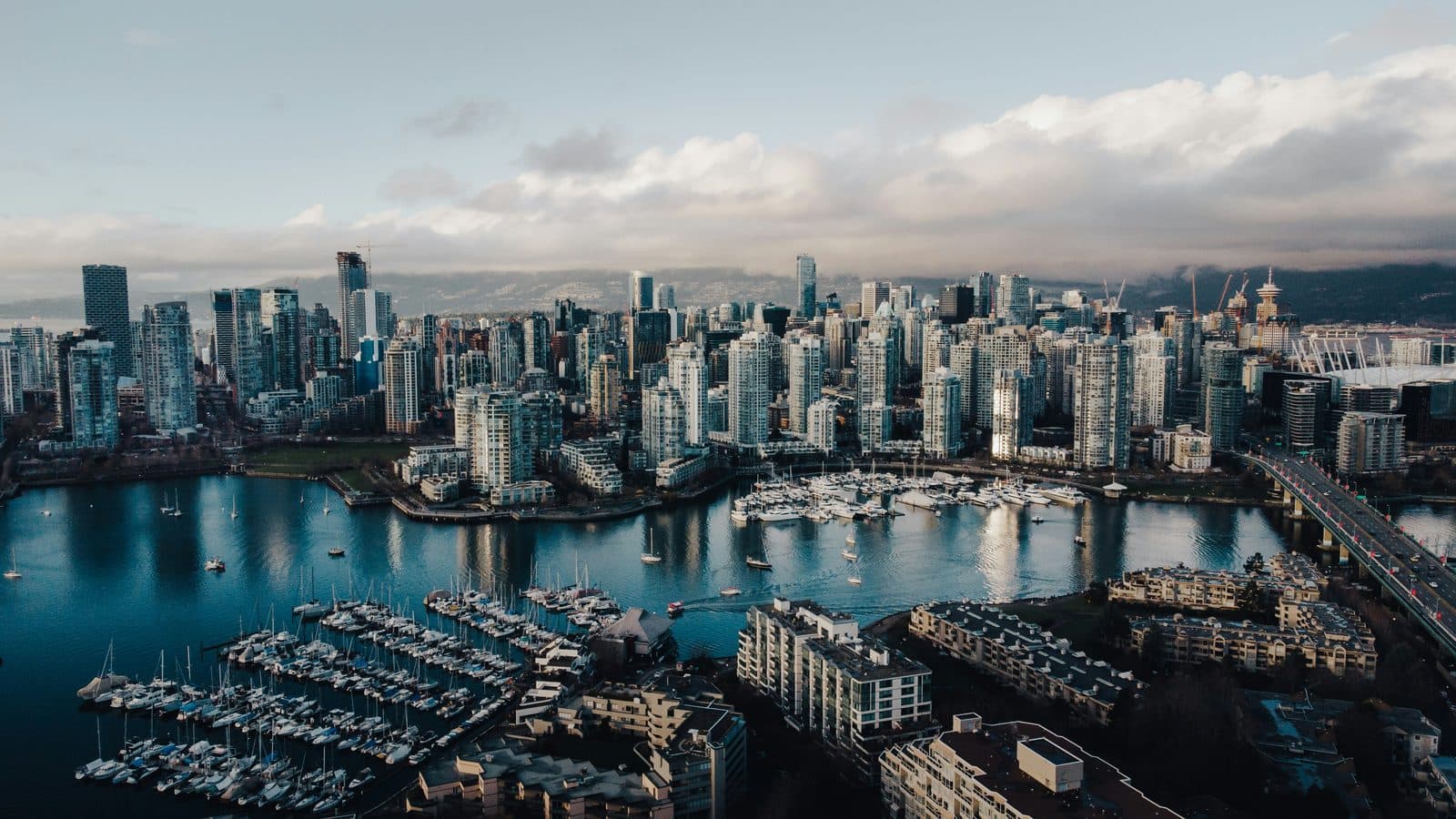
One Day in Vancouver: A Walkable Downtown Itinerary (2026)
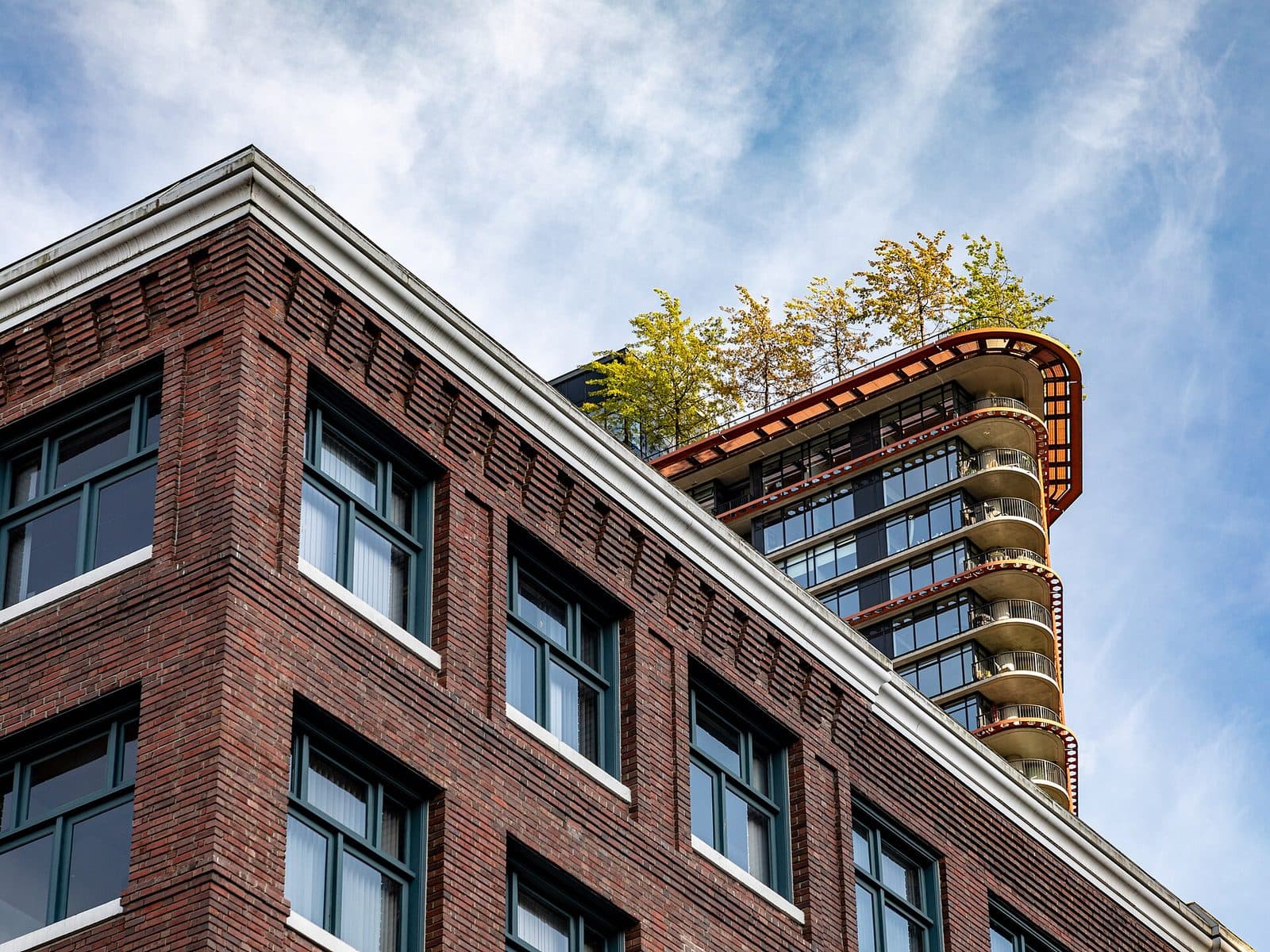
Chinatown After Hogan's Alley: What Displacement Did to Vancouver's Black and Chinese Blocks
Vancouver: The City Built on Erasure and Reclamation
Chinatown and Hogan's Alley: The Freeway Fight Vancouver Only Half-Won
Hogan's Alley: The Black Neighbourhood Vancouver Razed for a Viaduct