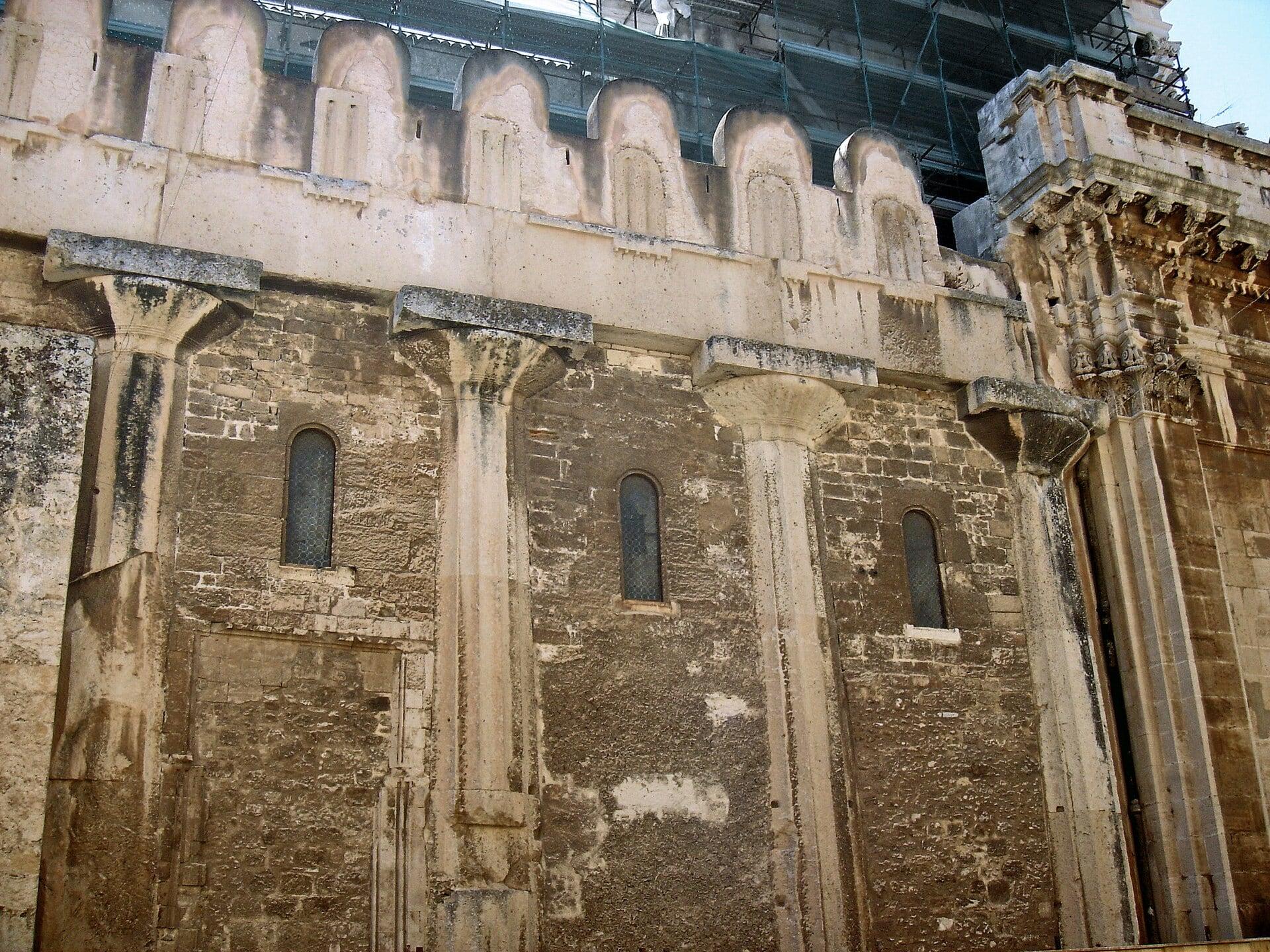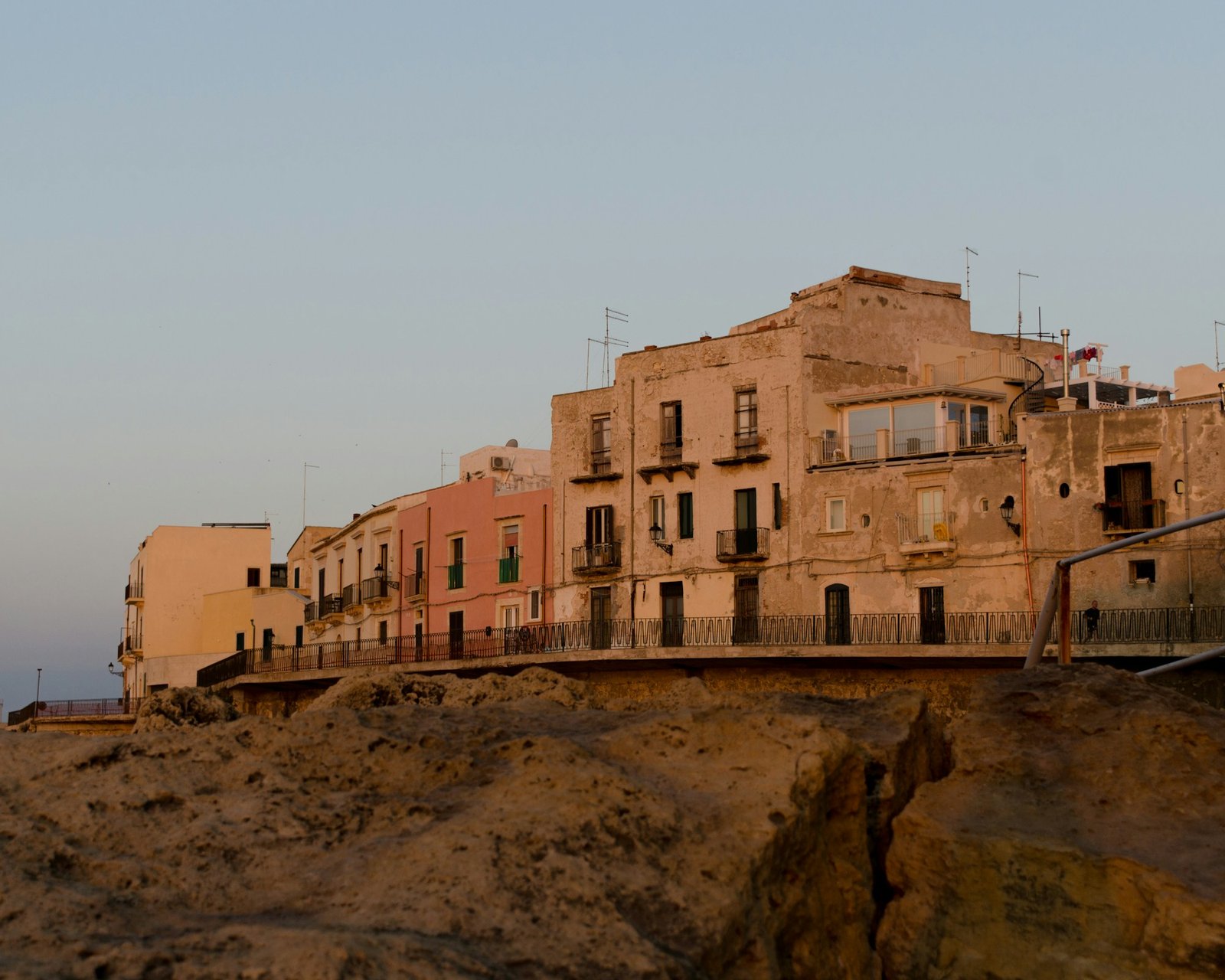
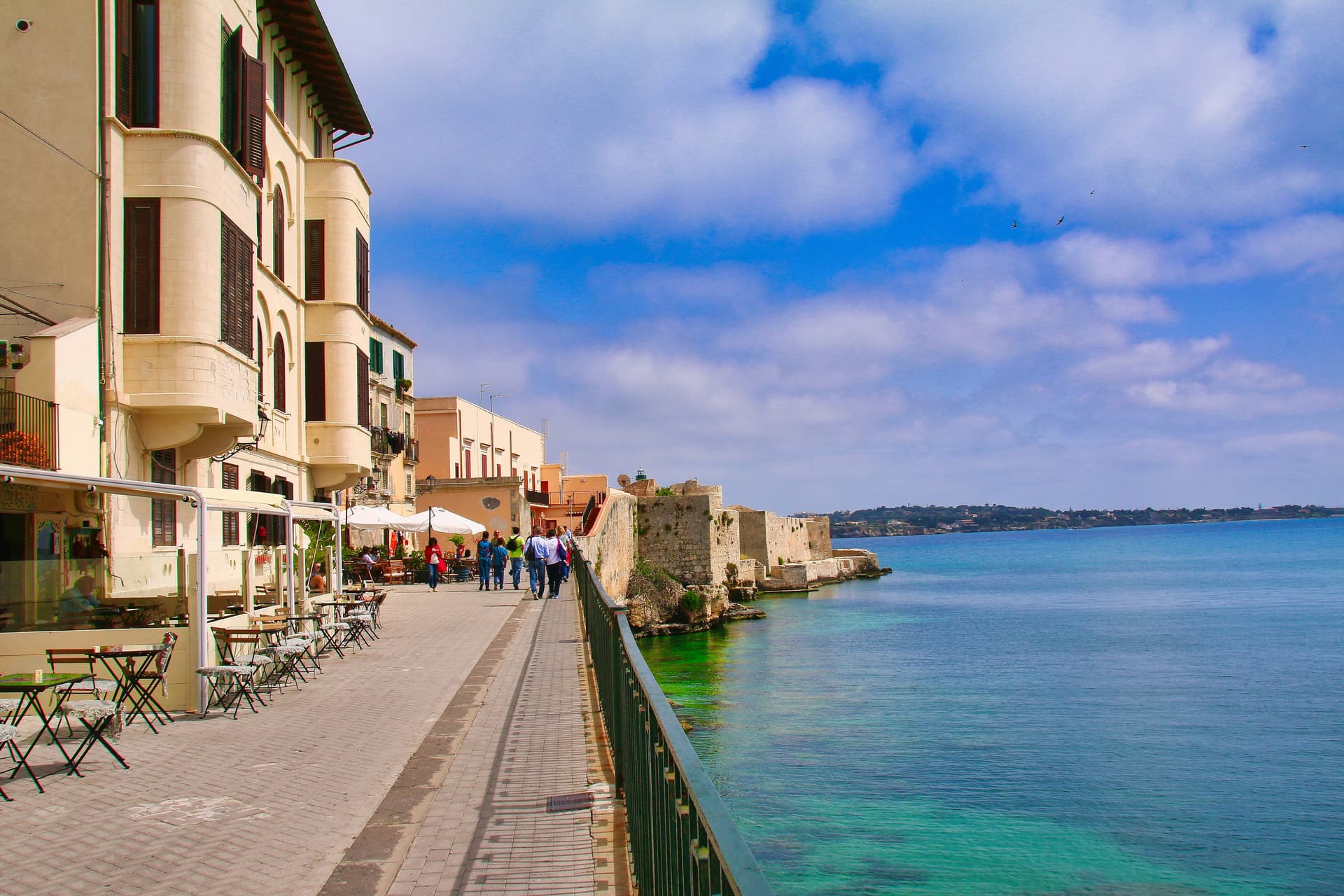
Ortigia: The Island That Built on What Was Already There
100 min · 2.7 km · easy
The hill was quarried first, the city then cut its theatre, altar and arena out of the emptied rock, and later centuries carried the built tops away, so what stands is what the cutting left. That single sentence explains almost everything you see in the Neapolis Archaeological Park in Syracuse. Its monuments were mostly carved down into the limestone rather than stacked up from it, and each one stops exactly where its rock stops. Roamer's walk reads the park through that idea in seven stops and about 0.9 kilometres, in fifty minutes to an hour.
The New Town on the highest ground
In 70 BC the Roman orator Cicero described Syracuse as four great cities joined together. The newest district, he said, was Neapolis, the New Town, with its great theatre on the highest point. That high ground is now a fenced and ticketed park, laid out between 1952 and 1955 around the ancient monuments, with the archaeologist Luigi Bernabò Brea credited with seeing it through. A small stone church by the park street, San Nicolò ai Cordari, was handed to the rope makers in 1577 and later stored grain. Today it is the information point.
Look for where the stone stops
Hear a stop from this walk
Via Minerva: The Temple Built Into the Cathedral
The first monument tells you how to read the rest. The Altar of Hieron the Second is a long pale strip of rock beside the park street, and the city gives its base as 198 by 22.80 metres. The historian Diodorus says that in King Hieron's time an altar a stade long, roughly the length of a Greek running track, was built beside the theatre. The rock fits. What is missing is everything above the base. The city's records say the Spanish took the squared upper blocks in the sixteenth century to build the fortifications of Ortigia, the island at the heart of old Syracuse. Cut rock stayed. Built stone left.
Keep that in mind and the park becomes legible. At the Greek theatre the rows stop short of the top: the upper ones were built on fill rather than cut from bedrock, and under Charles the Fifth they too were carried off to fortify Ortigia. At the Roman amphitheatre, the last stop, the part cut into the hill survives while the built upper structure was destroyed by Spanish workmen of the same century. Greek and Roman work, centuries apart in origin, all cut off at the same line.
Quarry first, city second
Between the altar and the theatre the route drops into the Latomia del Paradiso, the Paradise Quarry. Archaeologists think stone was cut on this hill from the sixth century BC, in places to more than thirty metres down. The walls are flat faces where blocks were split free, with rock pillars left standing to hold the roof. Thucydides says the Athenian prisoners of 413 BC were held in the quarries of Syracuse, at least seven thousand of them, but he never names which one. Guides often say this one. Nobody knows.
At the far end of the garden stands the Ear of Dionysius, a slot about 23 metres high and around 65 metres deep. It was cut from the top down, following good stone, and its famous name is younger than its legend suggests: a Syracusan scholar printed Caravaggio's remark about its ear-like shape in 1613, and the name itself appears only in the eighteenth century. Beside it, the Grotta dei Cordari held rope makers until 1983.
Above the theatre, on the Nymphaeum terrace, two open-air quarries are cut into the rock, one with a block never split free. Maria Amalia Mastelloni, an archaeologist who worked for the park, reads the whole hill this way. She suggests the theatre, the altar and perhaps the amphitheatre were set into places the quarrymen had already hollowed out, and calls it architecture in the negative.
A king's name in the seats
The Greek theatre is mostly the work of Hieron the Second, in the second half of the third century BC. Its semicircle of seats is more than 138 metres across, originally 67 rows in nine wedges. On the stone above the walkway halfway up, Greek letters name a person at the centre of each wedge: Queen Nereis, Queen Philistis, King Hieron and Olympian Zeus in the middle. A festival of ancient drama has used the theatre since 1914, when it opened with Aeschylus's Agamemnon.
Walking it
The ticket covers everything on the walk. Inside the fence there is no group to keep pace with: take the stops in order or skip ahead to the theatre, and linger in the quarry garden as long as you like. The two Syracuse walks are a pair. The blocks that left this hill went into Ortigia's walls, and the Ortigia walk follows what remains of them.
The park is the subject of Neapolis Archaeological Park: A Theatre Cut from a Quarry Hill, seven stops from the park gate to the Roman amphitheatre. See all routes on the Syracuse page.
Sources
- Comune di Siracusa, Ara di Ierone: the rock-cut base of 198 by 22.80, probable dedication to Zeus Eleutherios, the telamon's feet, Spanish reuse of the upper blocks for Ortigia's fortifications.
- Comune di Siracusa, Orecchio di Dionisio e Grotta dei Cordari: the Ear about 23 metres high and 65 deep, cut from the top downward along good stone; the Grotta dei Cordari's pillars and its rope makers.
- Cicero, Against Verres 2.4, translated at attalus.org: Syracuse as four cities joined together, Neapolis the newest with its great theatre on the highest point (sections 118 to 119).
- Livius.org, Thucydides on the destruction of the Athenian army: the prisoners in the quarries, at least seven thousand.
- Roamer's audited tour research (the park's own pages, Mastelloni's work on the quarries, the theatre inscriptions): the park dates, the theatre's dimensions and inscriptions, the festival, the amphitheatre and the 1613 and eighteenth century dates for the Ear's name.
Ready to experience it?
Ortigia: The Island That Built on What Was Already There
100 min · 2.7 km · easy
More from Syracuse
Explore more at your own pace.
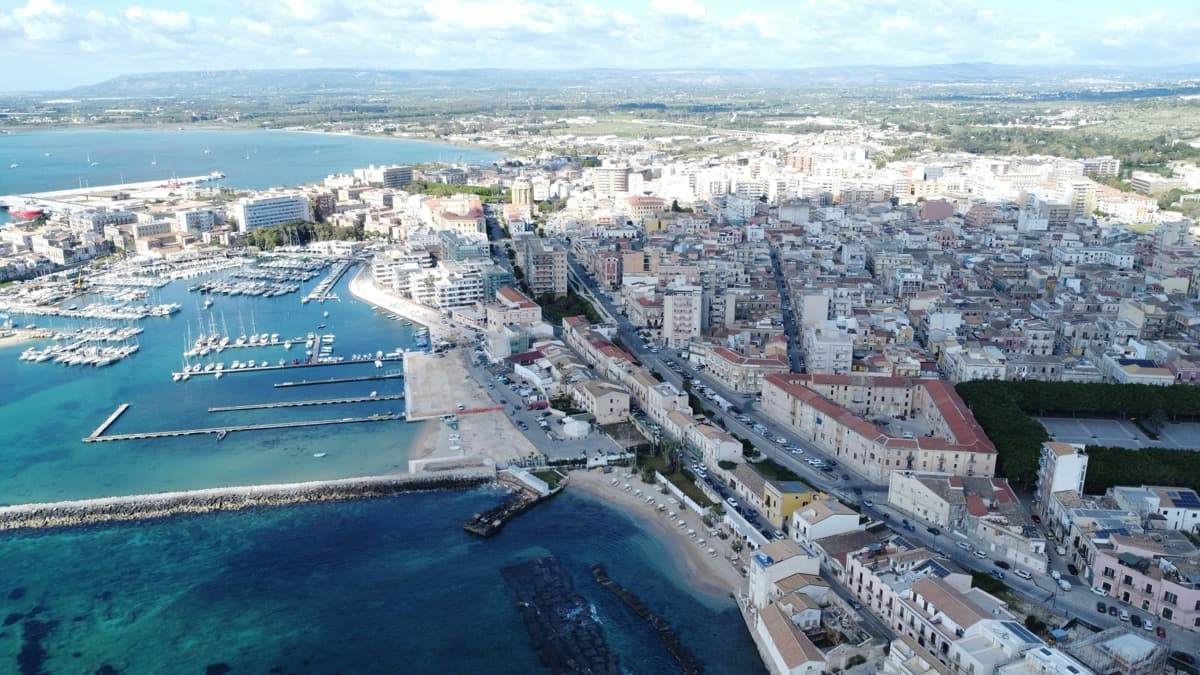
Best Self-Guided Walking Tours in Syracuse (2026)
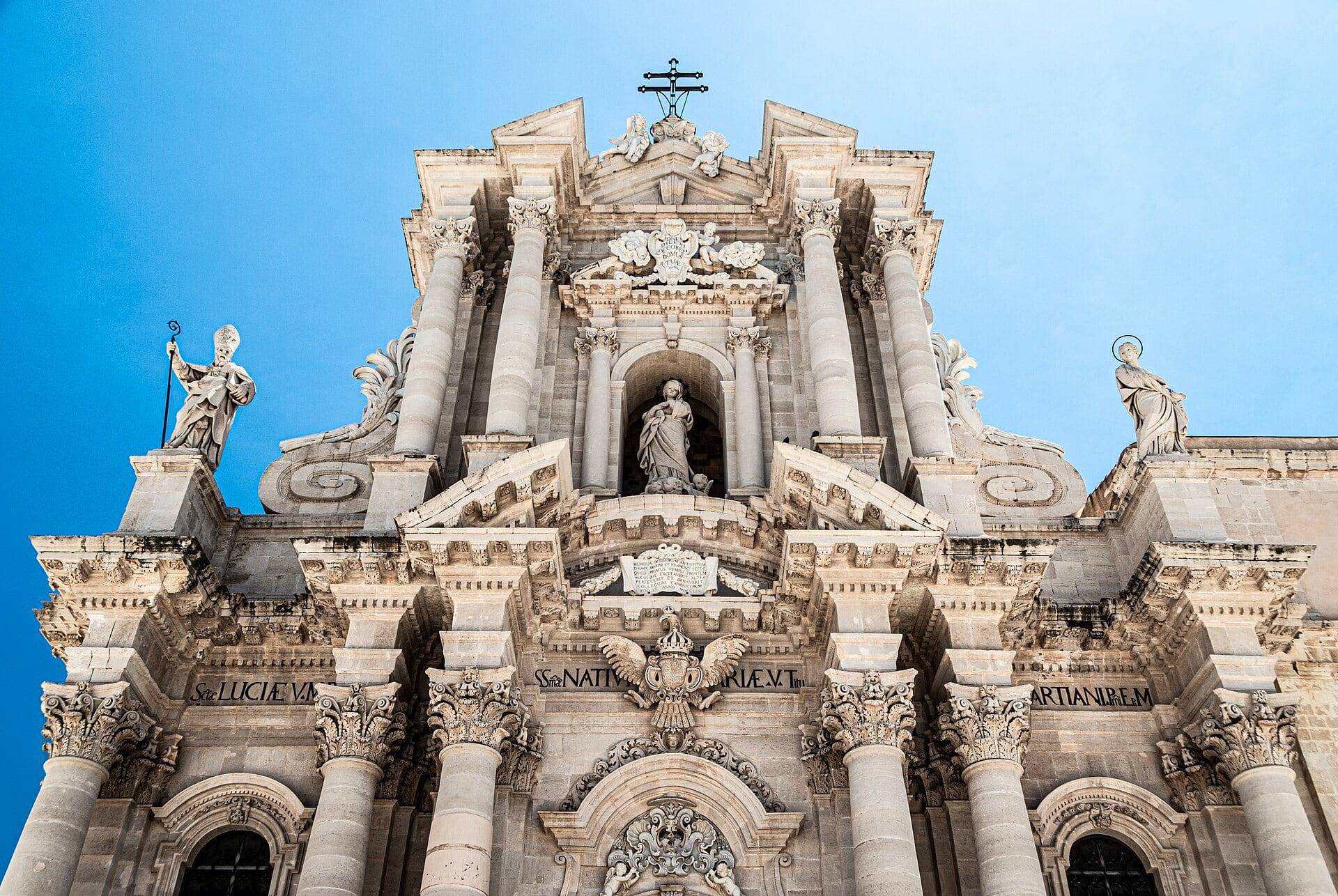
Ortigia: Reading the Island That Built on What Was Already There
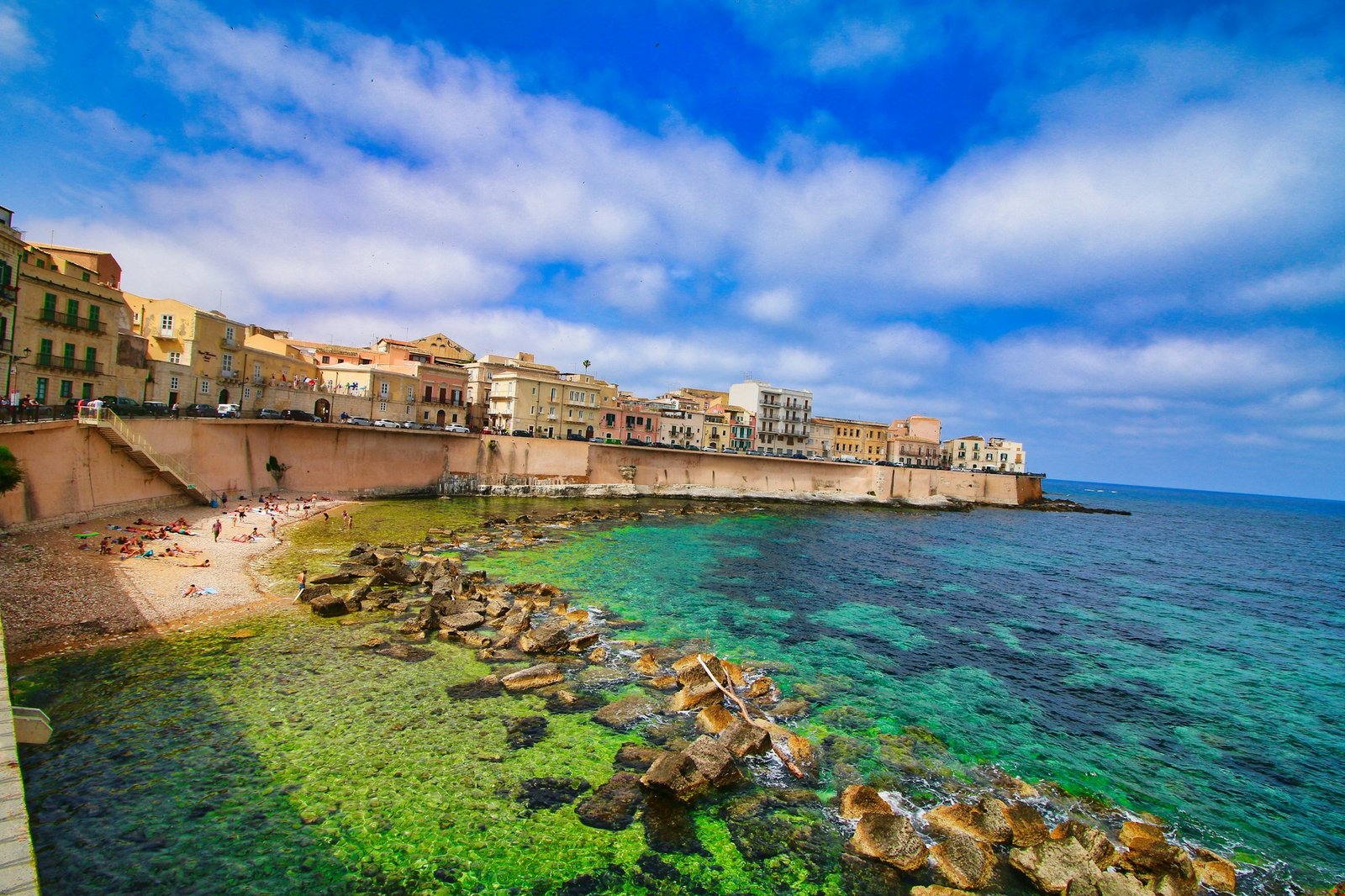
Ear of Dionysius: The Syracuse Quarry Cave Whose Legend Has a Date
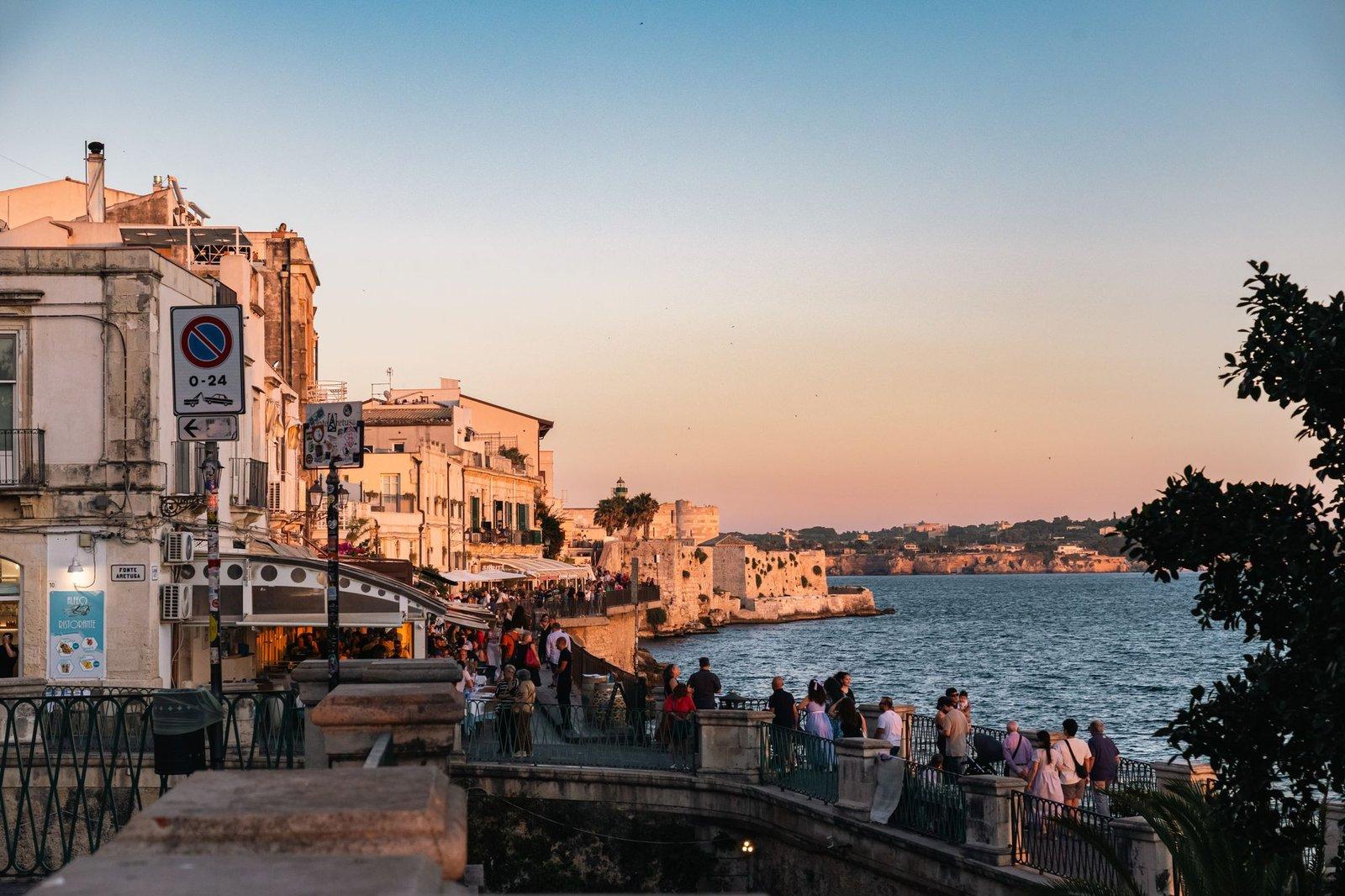
Greek Theatre of Syracuse: Seats Cut From the Hill and a King's Name in the Stone
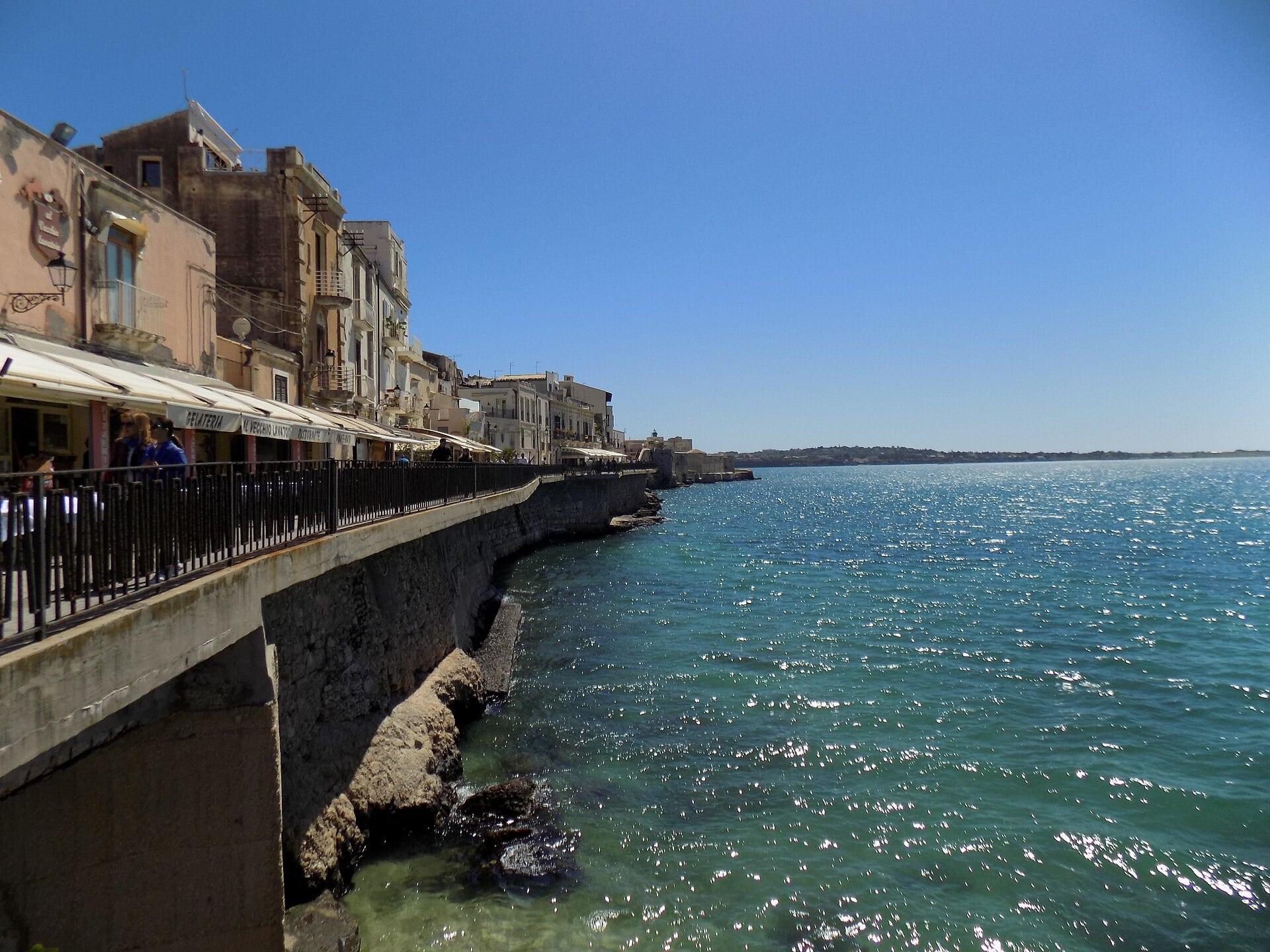
The Great Harbour of Syracuse: The Sea Battle an Army Watched From the Shore