Ortigia: The Island That Built on What Was Already There
100 min · 2.7 km · easy
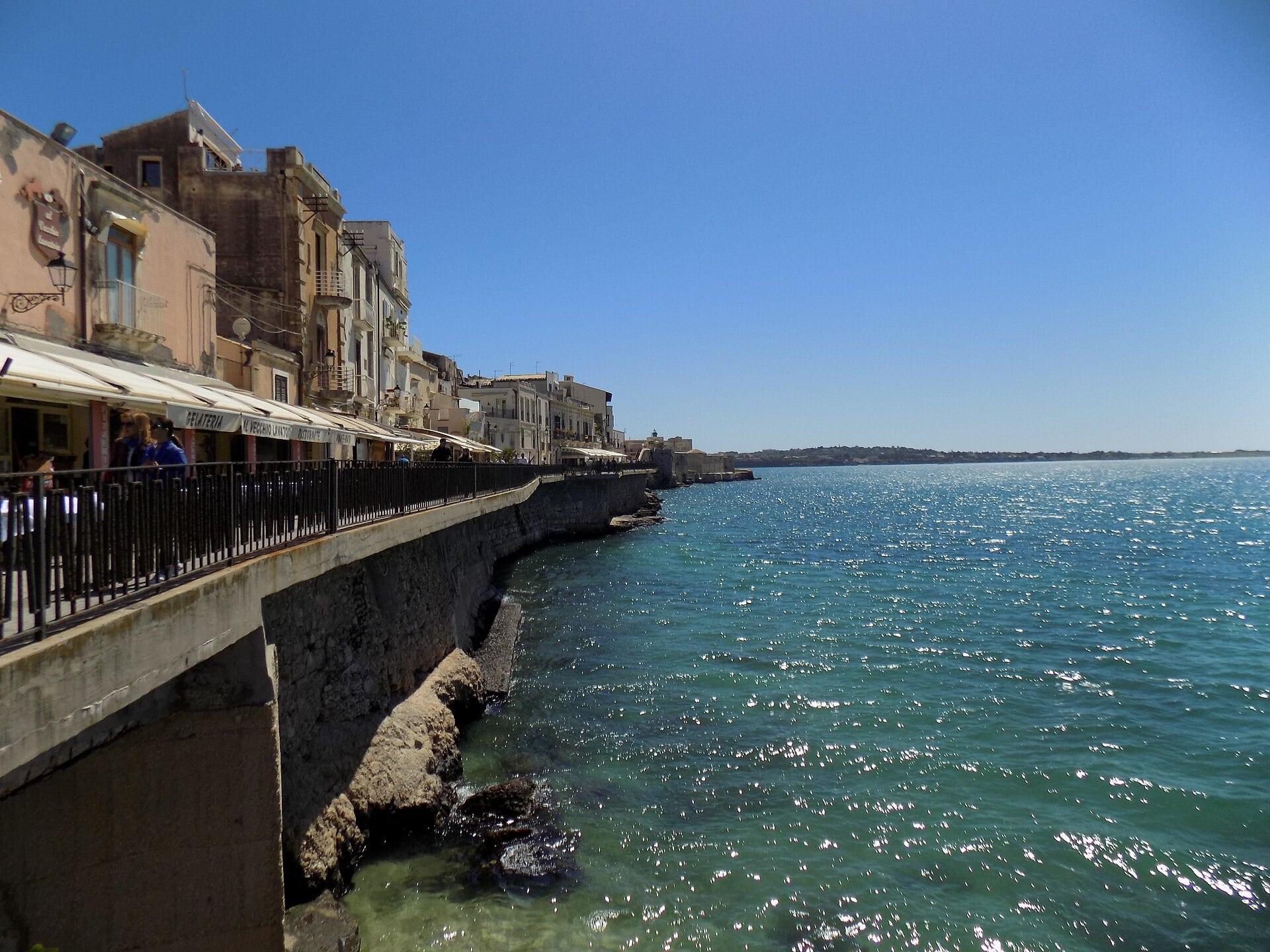
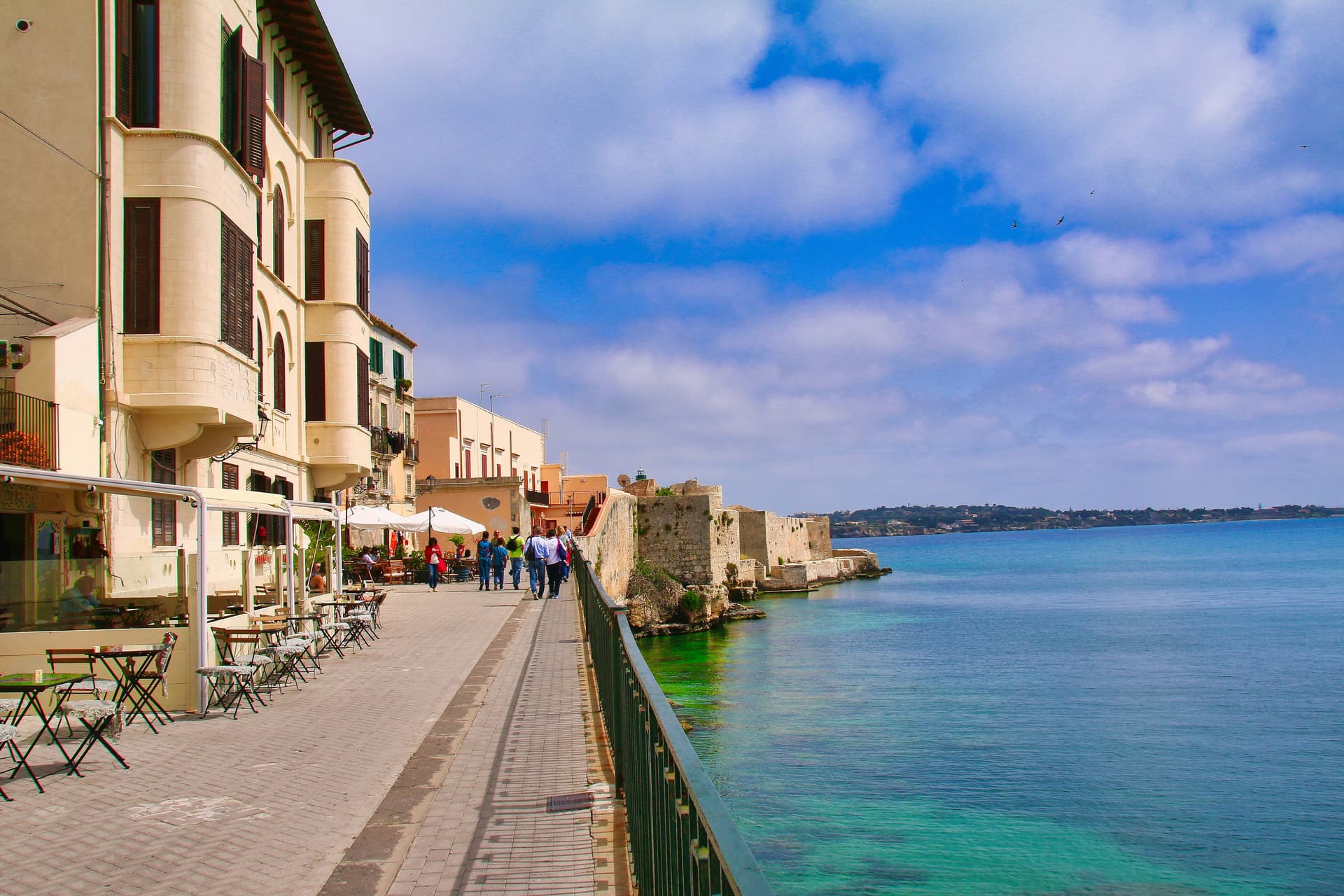
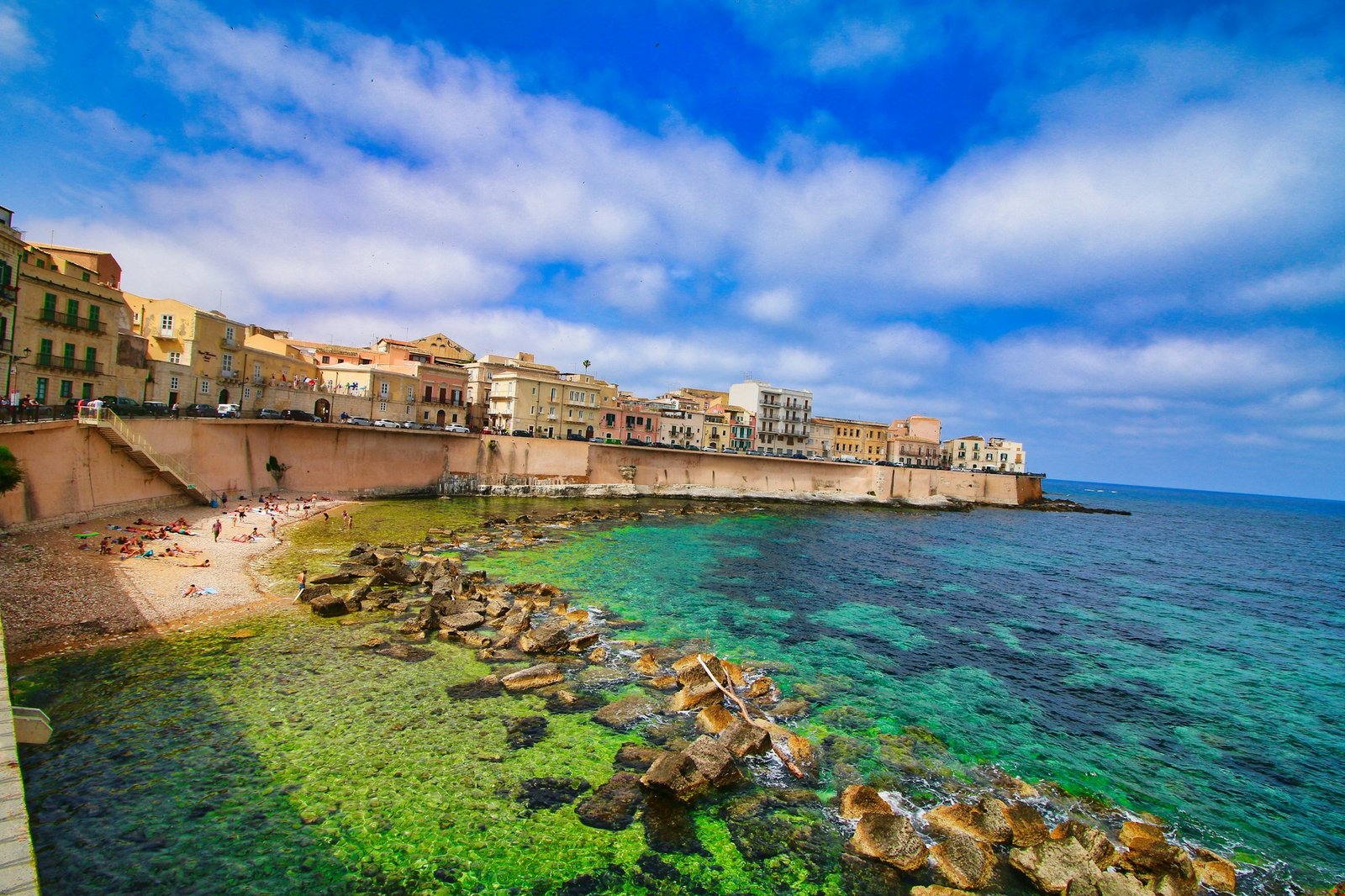
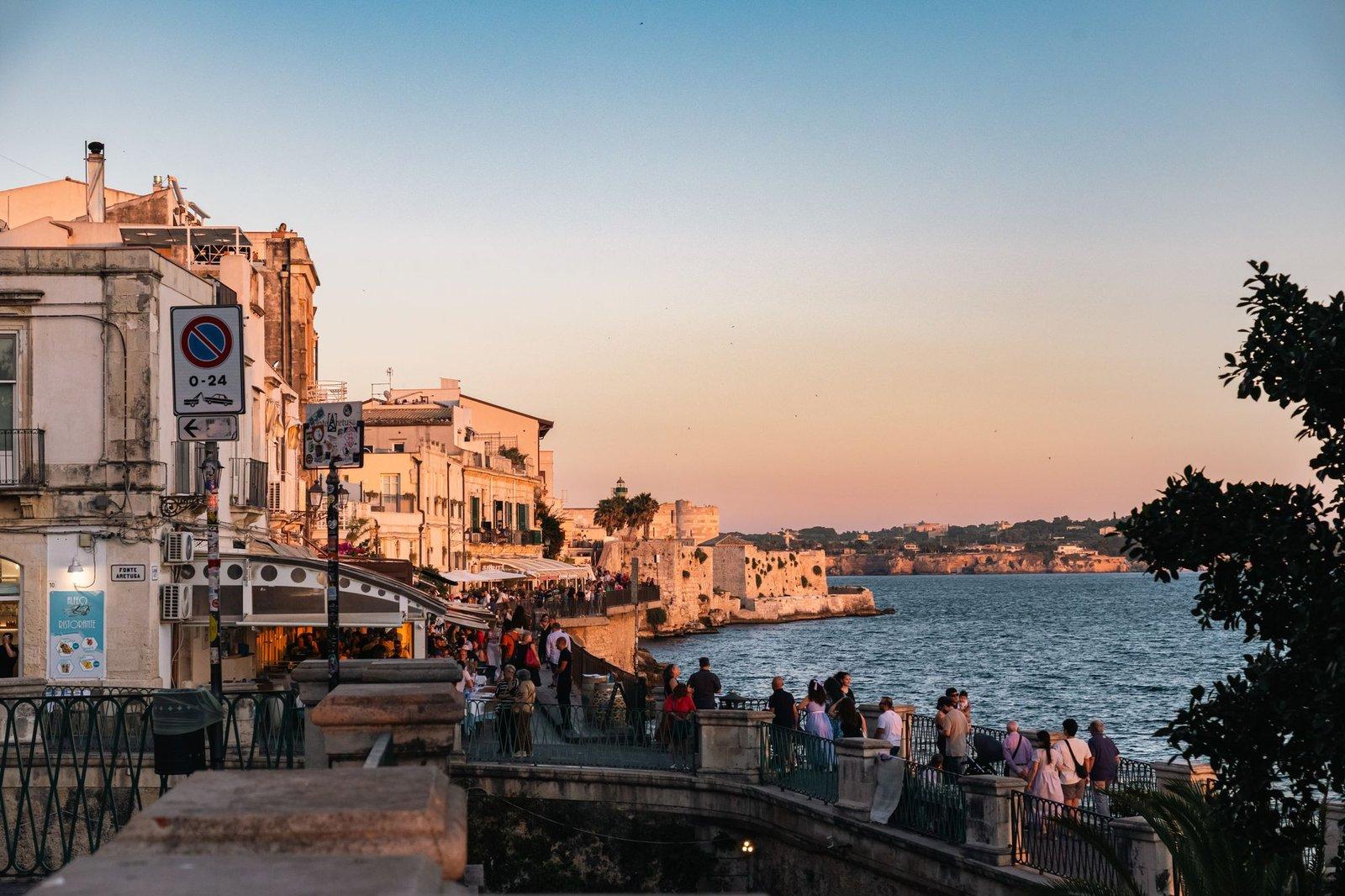
The Great Harbour of Syracuse is a battlefield best read as a stage, because Thucydides wrote its last sea battle of 413 BC through the eyes of the Athenian army watching helplessly from the shore. Stand on the promenade on Ortigia's western edge and the whole bay opens beside you, closed in by the headland opposite. That enclosure is the point. A fleet inside this harbour could be trapped, and the people on its beaches could see everything that happened on the water.
A harbour shaped like a trap
The Porto Grande is the wide bay between Ortigia and the headland across the water. In 415 BC Athens sent a huge expedition against Syracuse. Two years later, after the siege had turned against them, the Athenians found their ships penned inside this bay, and the Syracusans closed its mouth. The last sea battle was a breakout attempt.
Look at the scale of the water from where you stand. It is a big harbour for a town, and a small one for what Thucydides puts in it. In Richard Crawley's translation, he says these were "the largest fleets fighting in the narrowest space ever known, being together little short of two hundred."
What the crowding did
Hear a stop from this walk
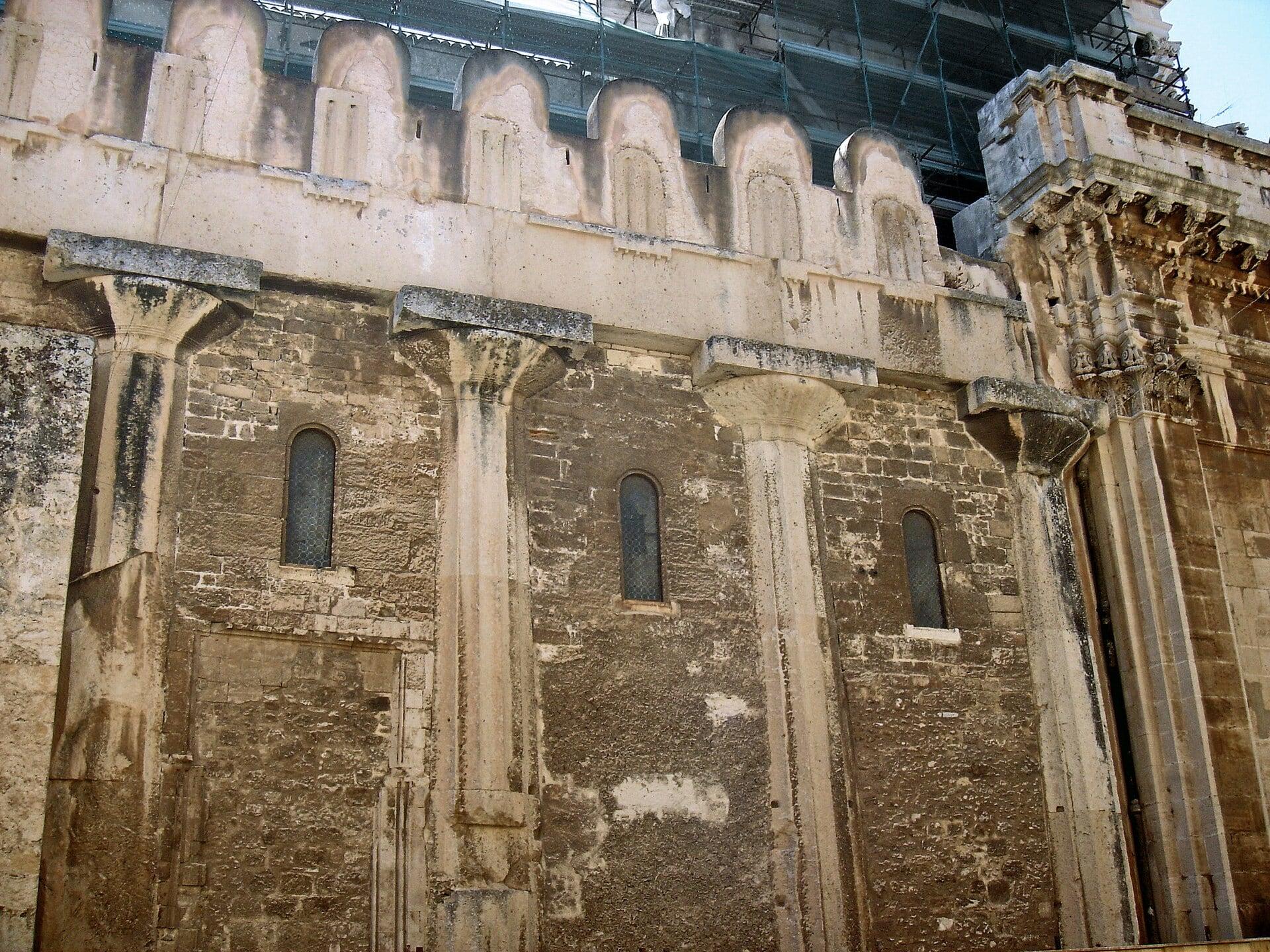
Via Minerva: The Temple Built Into the Cathedral
Thucydides is precise about what that crowding meant for the fighting. A trireme's main weapon was its bronze ram, driven into an enemy's side after a turn and a run. Here there was no room to back water or break through a line, so proper ramming attacks were few. More often ships simply ran into each other, chasing or fleeing a third. A ship could be charging an enemy on one side while being charged on the other, with two or more vessels tangled round one. Then came the noise. The "huge din caused by the number of ships crashing together," he writes, spread terror and made the orders of the boatswains inaudible.
That detail turns a set piece into something you can hear. Imagine the bay in front of you packed hull to hull, with oars fouling and men boarding across the decks.
The audience on the beach
The passage that makes this stop unusual follows. The Athenian army stood on the shore, close to the action but each man watching a different part of it. Thucydides describes them as a crowd at a spectacle they could not affect. Some saw their friends winning, took courage and called on the gods. Others, watching the losers, "wailed and cried aloud, and, although spectators, were more overcome than the actual combatants." Those fixed on a part of the fight that hung in the balance swayed with it, suffering, he says, the worst agony of all.
Then comes the sound of the whole army at once: "shrieks, cheers, 'We win,' 'We lose'". The passage puts the reader on the beach, not in the ships.
The Syracusans won. They put the Athenian fleet to flight and chased it to the shore. The army tried to escape overland and was destroyed. Thucydides calls the outcome "at once most glorious to the victors, and most calamitous to the conquered." The prisoners were put in the stone quarries on the mainland, held there for some seventy days on half a pint of water and a pint of grain a day, at least seven thousand of them.
Reading the bay today
Nothing on the water marks the battle. There is no monument and no wreck to point at, and Roamer's tour does not pretend otherwise. What you have instead is the geometry Thucydides describes: an enclosed bay, a ring of shore close enough to watch from, and the island at your back that the Athenians never took. Behind you, at Ortigia's tip, stands Castello Maniace, built nearly seventeen centuries later. Across the water is the coast where thousands of men stood and could not look away.
The quarries where the prisoners ended up are now part of the Neapolis Archaeological Park on the mainland, which has its own Roamer walk. Thucydides does not say which quarry held them, and nobody knows.
The bay is stop 9 of Ortigia: The Island That Built on What Was Already There, a walk you can take at your own pace, lingering on the promenade as long as you like. See all routes on the Syracuse page.
Sources
- Thucydides, History of the Peloponnesian War, translated by Richard Crawley (Project Gutenberg): book 7, chapters 70 and 71: the fleets of little short of two hundred ships in the narrowest space, few rammings and frequent collisions, the din drowning the boatswains' orders, the army watching from the shore, "We win," "We lose," the Syracusan victory; and 7.87, "most glorious to the victors."
- Livius.org, Thucydides on the destruction of the Athenian army: 7.85 to 7.87, the prisoners in the quarries, about seventy days, the daily ration, at least seven thousand.
- Roamer's audited tour research: the Great Harbour as the bay between Ortigia and the headland opposite, the 415 and 413 BC dates, Castello Maniace built between 1232 and 1240.
Ready to experience it?
Ortigia: The Island That Built on What Was Already There
100 min · 2.7 km · easy
More from Syracuse
Explore more at your own pace.
Best Self-Guided Walking Tours in Syracuse (2026)
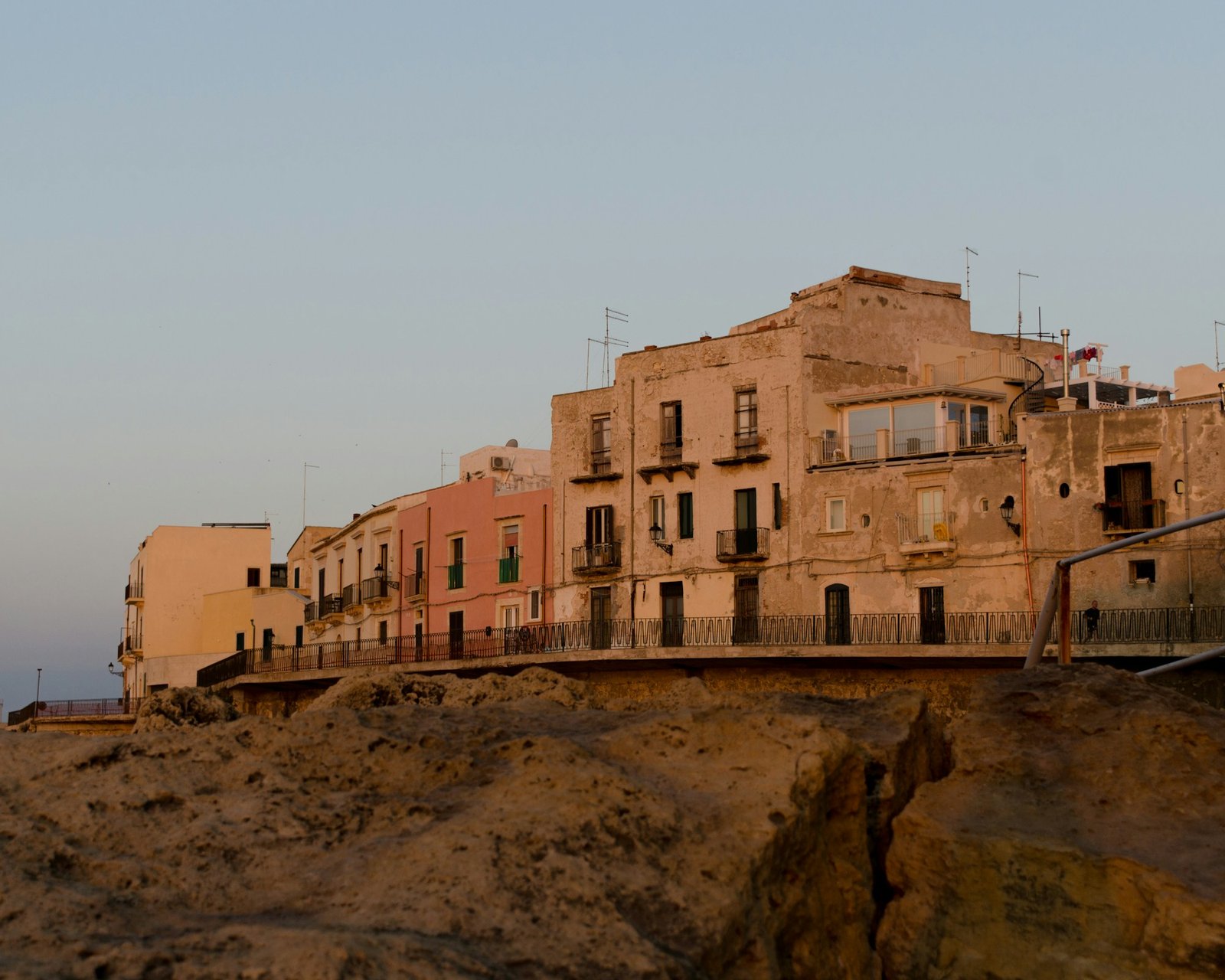
Neapolis Archaeological Park: How Syracuse Cut a City Out of a Quarry Hill
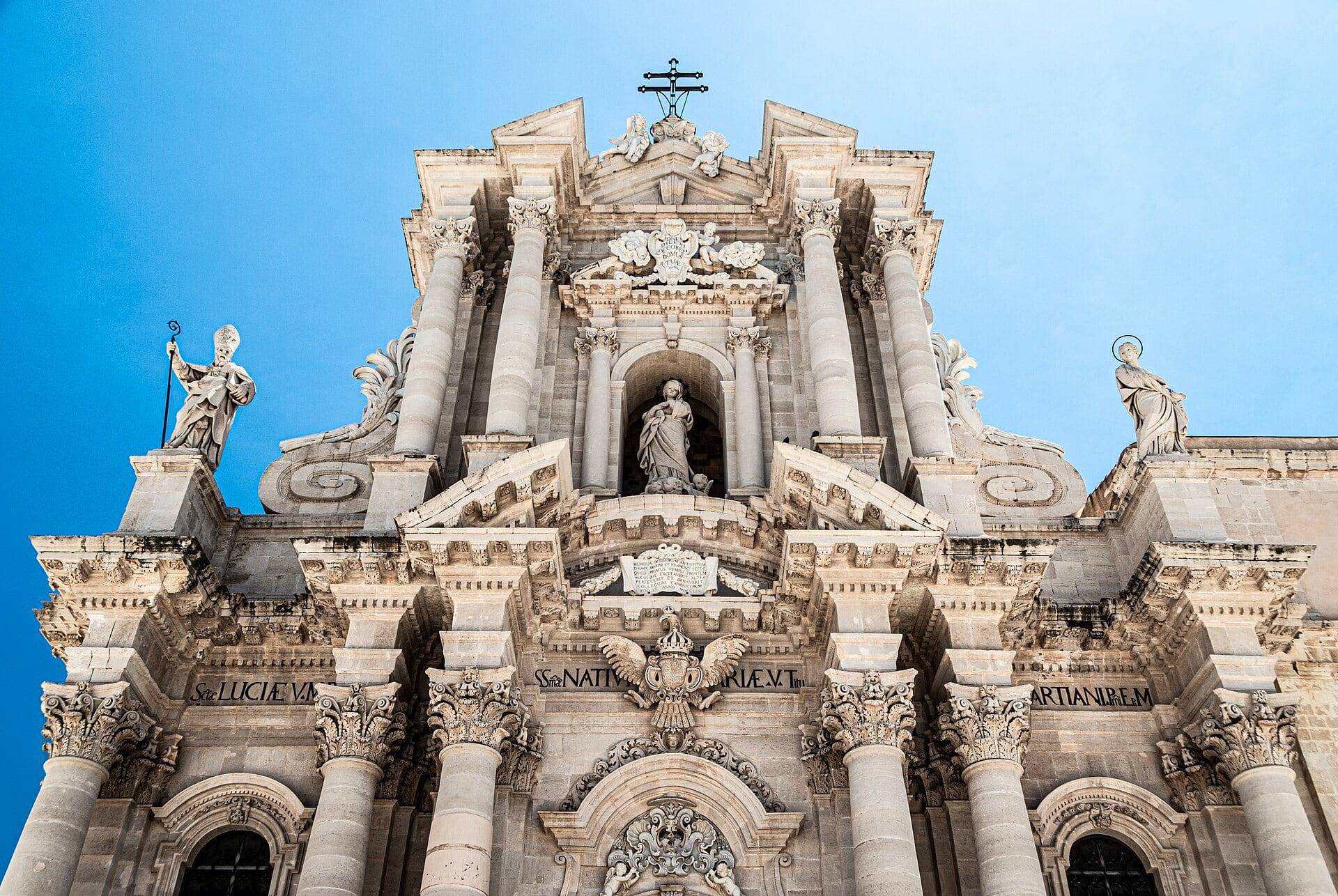
Ortigia: Reading the Island That Built on What Was Already There
Ear of Dionysius: The Syracuse Quarry Cave Whose Legend Has a Date
Greek Theatre of Syracuse: Seats Cut From the Hill and a King's Name in the Stone