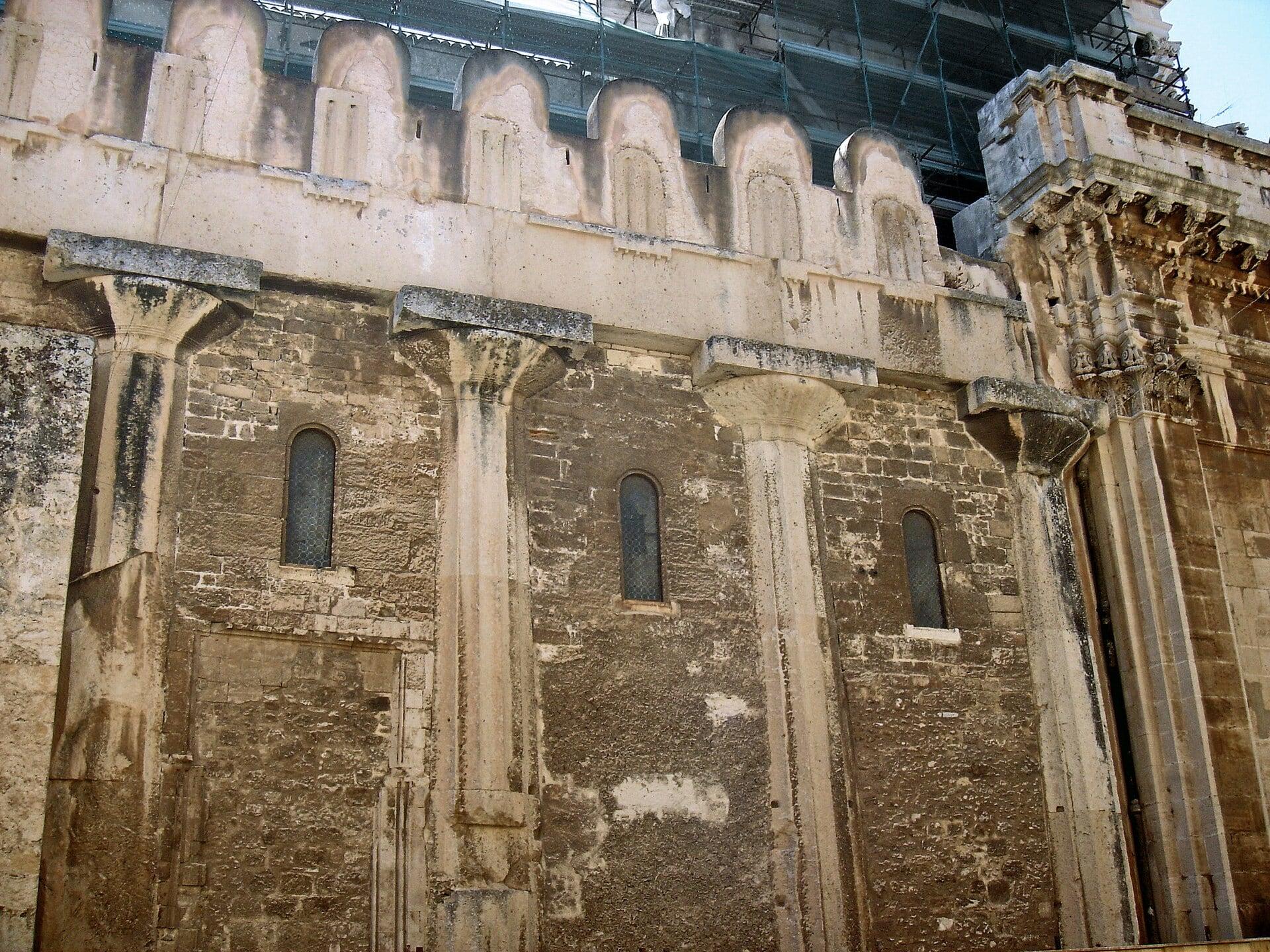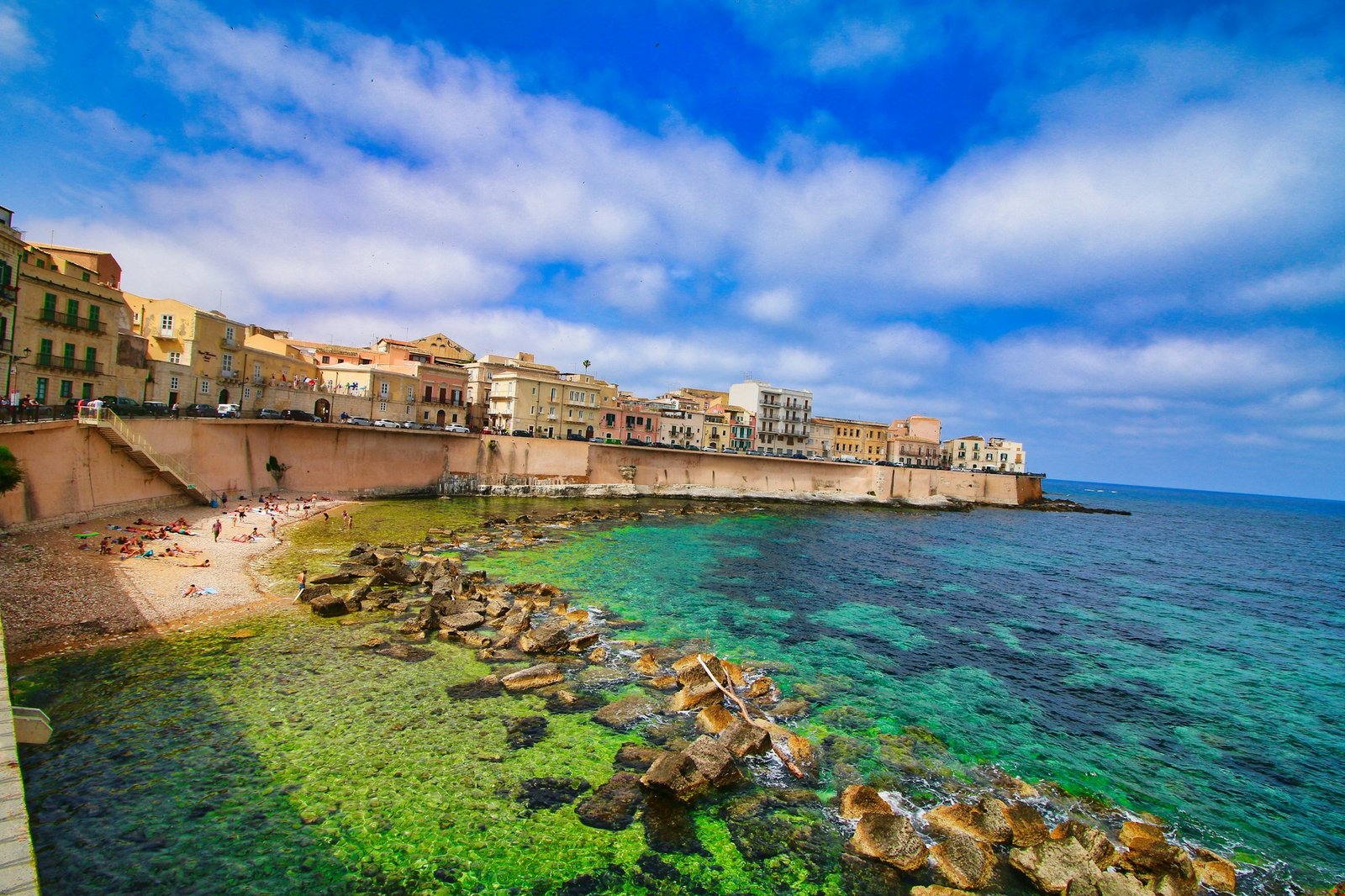
The Ear of Dionysius is a quarry cave whose eavesdropping legend can be dated: no ancient writer describes it, Caravaggio's remark was printed in 1613, and the name appears only in the eighteenth century. That makes its legend unusually easy to trace. Stand a few steps short of its mouth in the Latomia del Paradiso, the quarry garden of the Neapolis Archaeological Park, and look at the shape first. The story can wait.
A slot in the cliff
The opening is a tall, narrow slit, about 23 metres high according to the city, narrowing at the top into something like a pointed arch. Inside, the plan bends in a long S and runs about 65 metres into the hill. It is a striking shape, and it is also a working shape. The Comune di Siracusa explains that the quarrymen began at the top and widened downward, following a vein of good stone. The walls still carry the marks of cut blocks.
Not everyone thinks that explains the bend. Maria Amalia Mastelloni, an archaeologist who worked for the park, says no one can explain the curve, and suggests the cave may have begun as a natural water channel that people later dug out. Either way the conclusion is the same. This is a hole a city made while taking its stone, part of a hill that archaeologists think was quarried from the sixth century BC.
How a quarry got a tyrant's name
Hear a stop from this walk
Ear of Dionysius and Grotta dei Cordari: A Name With a Date
Dionysius ruled Syracuse as tyrant around 400 BC. The legend says he had this prison cut in the shape of an ear so he could hear what his prisoners whispered. It is a good story, and it has a date.
In 1613 a Syracusan scholar, Vincenzo Mirabella, printed that the painter Caravaggio had looked at the cave and said the tyrant had made it in the likeness of an ear. Caravaggio was in Syracuse in 1608, after leaving Malta. Mirabella also records what local people called the cave at the time: the Grotta della Favella, the Cave of Speech, for its echo. So in the early seventeenth century the cave was known for its sound, and a famous visitor's quip linked its shape to a tyrant. According to the park archaeologist, the name Ear of Dionysius itself dates from the eighteenth century.
No ancient writer describes this cave being used to spy on anyone. The city's own guide still repeats the version in which Caravaggio gave the nickname, which shows how quickly a remark hardens into a fact.
Does it work?
The echo is real, which is why the legend took. Whether it could carry a whisper is another matter. In 2023 a team of acoustic engineers, G. Iannace and colleagues, published an evaluation of speech intelligibility inside the cave, combining measurements, computer simulations and listening tests. Against the international standard they used, they rated intelligibility as fair overall, better in the central zone, and concluded that the eavesdropping legend may not be grounded in reality. If you step inside, try speaking and listen to the voice come back. It is loud, and it blurs.
The workshop next door
Look back at the wide, dark opening you passed on the way in. That is the Grotta dei Cordari, the Rope Makers' Cave, its roof held up by square pillars the quarrymen left standing. For about three centuries, until 1983, Syracusans made rope there by a traditional hand-wheel method, helped by the cave's natural humidity and its long, open space for stretching fibre. It stayed shut for almost forty years and reopened to visitors on 12 July 2021. The regional government describes broad rooms tinted with colour, mosses and maidenhair fern, and the marks of the picks that cut the stone. Whether you can step inside changes from time to time.
Two caves side by side, then: one a legend, one a workshop. Both began the same way, as places where Syracuse took its stone, and both are what was left when the cutting stopped.
The cave is stop 4 of Neapolis Archaeological Park: A Theatre Cut from a Quarry Hill, a walk inside the ticketed park that you can take at your own pace, lingering in the quarry garden as long as you like. See all routes on the Syracuse page.
Sources
- Comune di Siracusa, Orecchio di Dionisio e Grotta dei Cordari: about 23 metres high and 65 deep, cut from the top downward following a vein of good stone, the city's version of the Caravaggio nickname, the Grotta dei Cordari's pillars.
- Regione Siciliana, reopening of the Grotta dei Cordari: reopening on 12 July 2021 after almost forty years, three centuries of rope making by hand wheel until 1983, the cave's colours, ferns and pick marks.
- Iannace, Bevilacqua, Ciaburro and Trematerra, Evaluation of the Speech Intelligibility of the Ear of Dionysius in Syracuse (2023): measurements, simulations and listening tests; intelligibility rated fair, better in the central zone; the legend may not be grounded in reality.
- Roamer's audited tour research (Mirabella 1613, Mastelloni's work for the park): the Grotta della Favella, Caravaggio's remark, the eighteenth century date of the name, the water channel hypothesis, Caravaggio in Syracuse in 1608.
Ready to experience it?
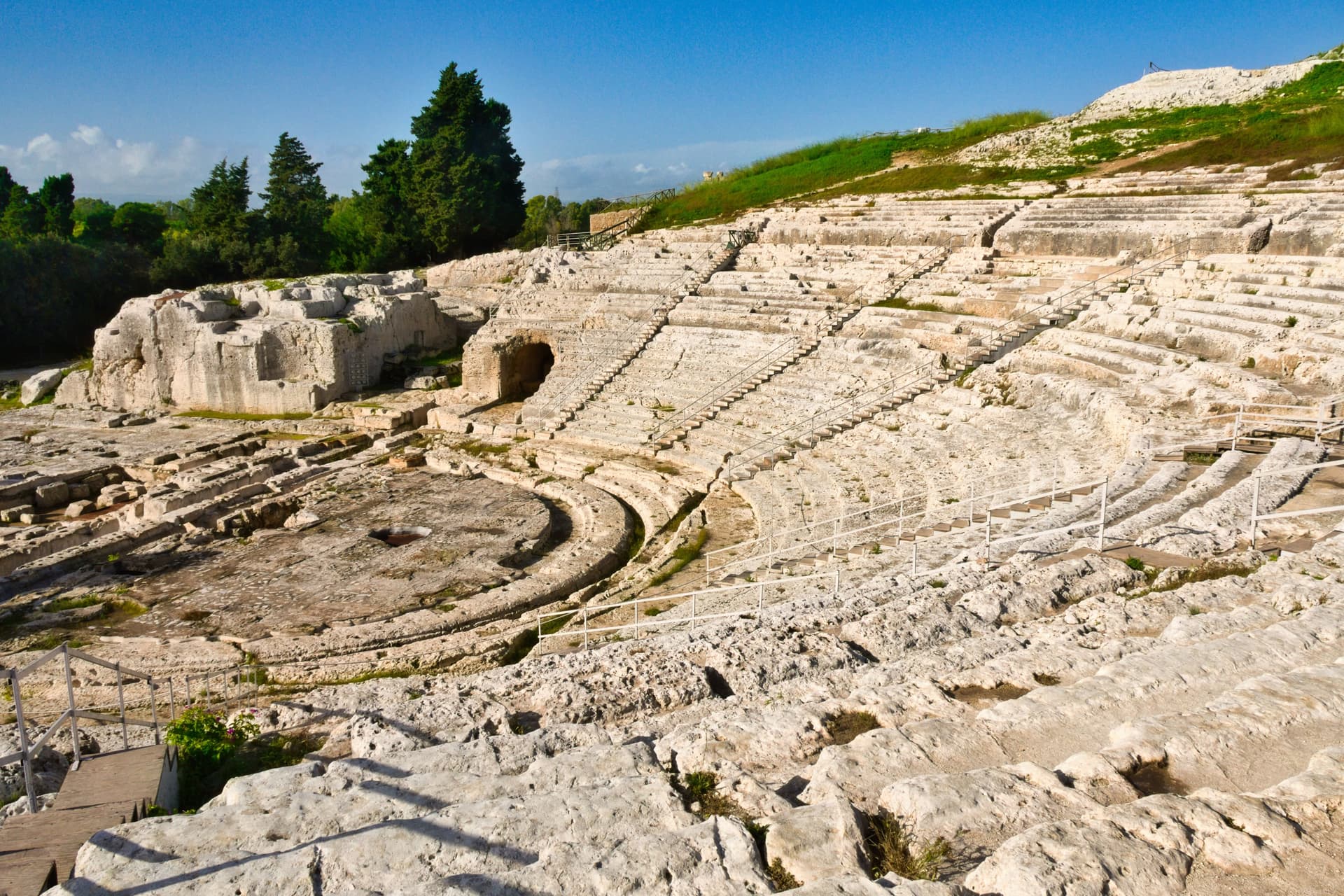
Neapolis Archaeological Park: A Theatre Cut from a Quarry Hill
60 min · 0.9 km · easy
More from Syracuse
Explore more at your own pace.
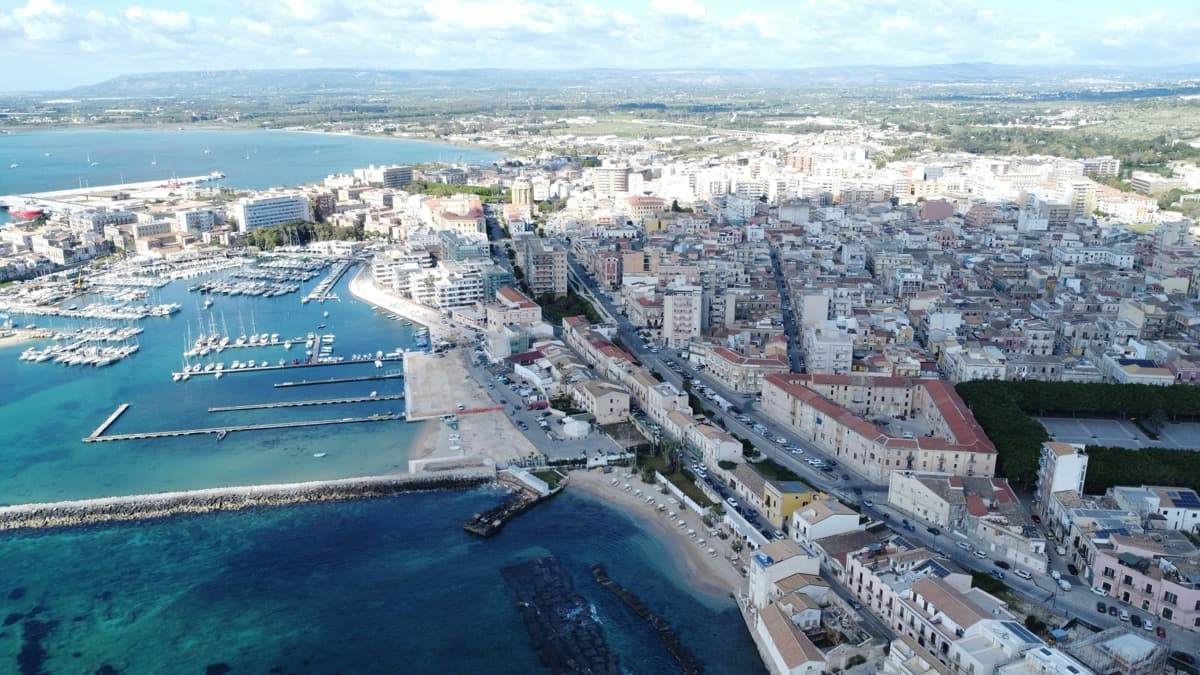
Best Self-Guided Walking Tours in Syracuse (2026)
Neapolis Archaeological Park: How Syracuse Cut a City Out of a Quarry Hill
Ortigia: Reading the Island That Built on What Was Already There
Greek Theatre of Syracuse: Seats Cut From the Hill and a King's Name in the Stone
The Great Harbour of Syracuse: The Sea Battle an Army Watched From the Shore