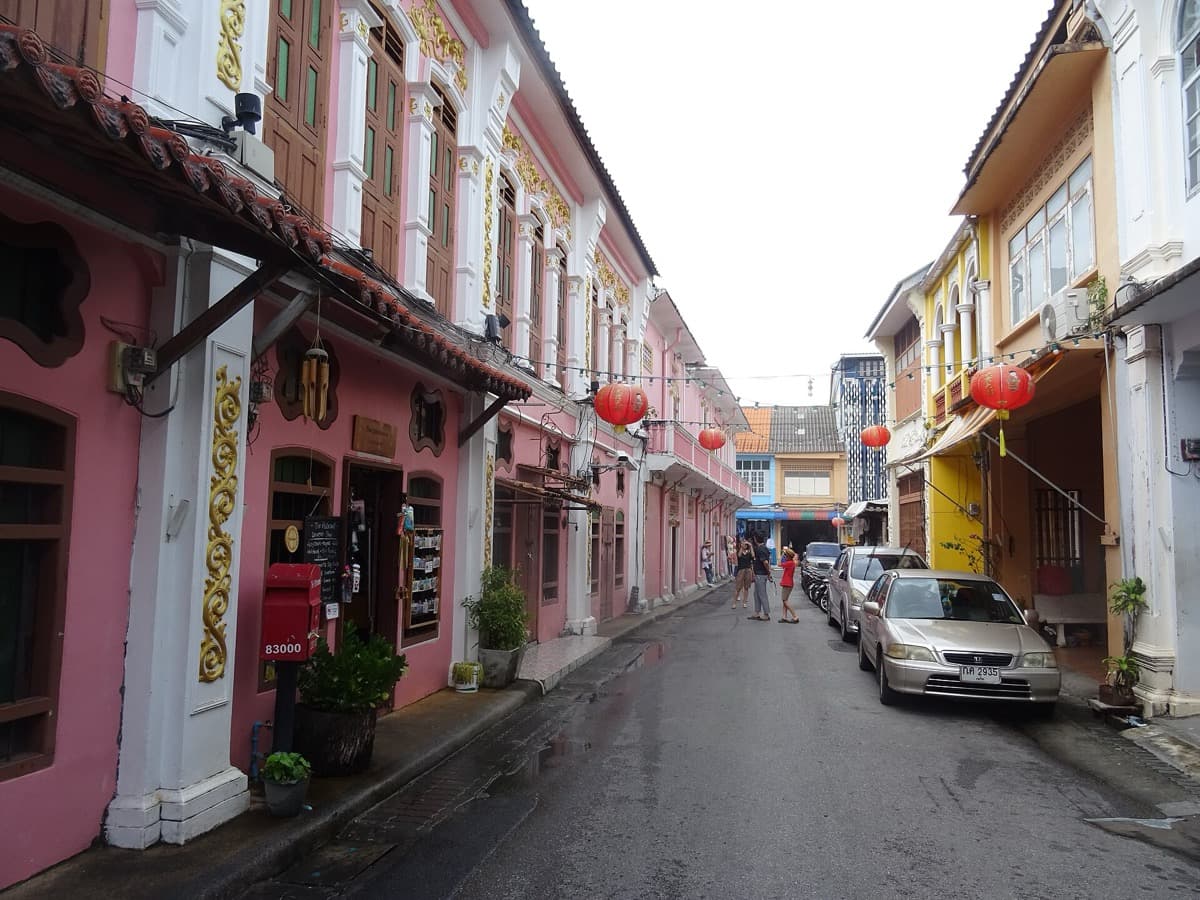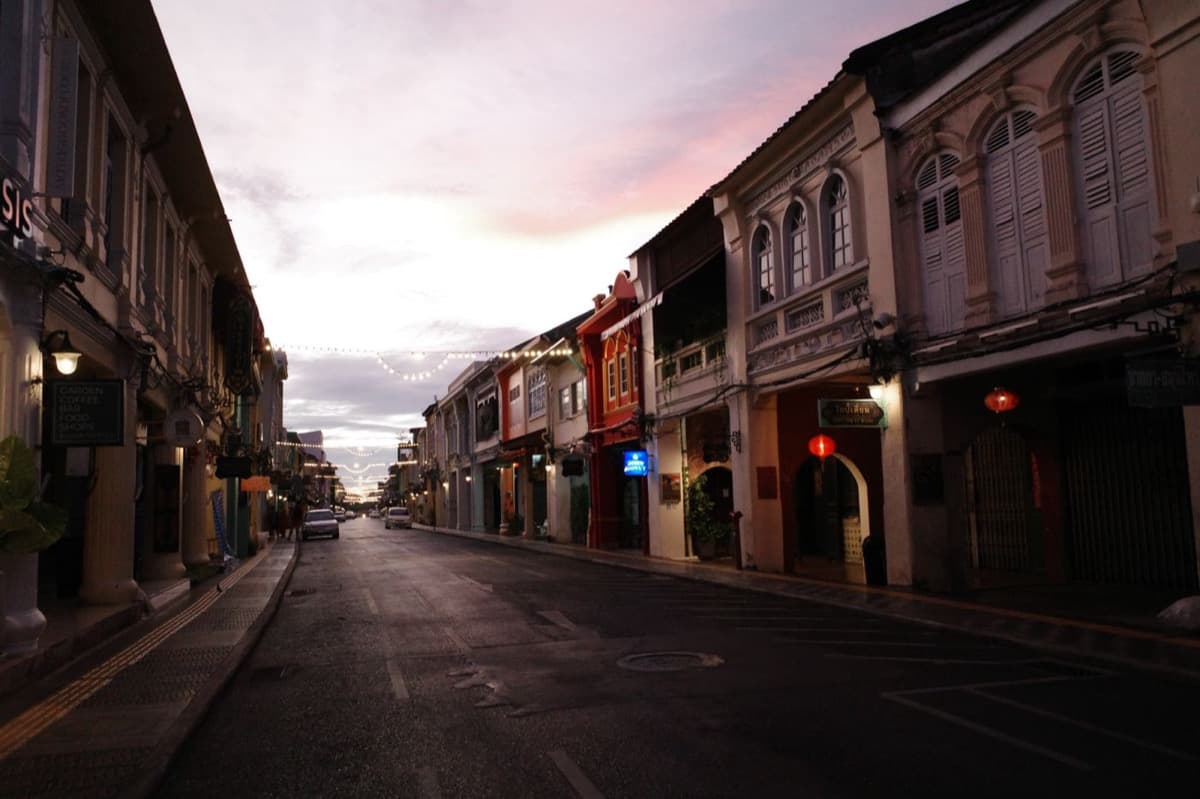
Old Town: The Sino-Portuguese Town
85 min · 2.5 km · easy
Plan two to three days in Phuket if the historic Old Town is your focus, get around mainly with the Grab ride-hailing app, aim for the November to March dry season, and treat the island as broadly safe while staying cautious about scooters and negotiated taxi prices. Phuket is a large island, but the walkable heritage core in Phuket Town is compact enough to cover on foot in a few hours, which makes it a natural base for a self-guided audio walking trip. This guide answers the practical questions travelers actually search before booking: how many days, how to move around, when to go, what it costs, and how safe it is.
How many days you need
For Phuket Town's Old Town, one full day covers the essentials and two to three days lets you slow down. The Sino-Portuguese heritage streets (Thalang Road, Soi Romanee, Phang Nga Road) sit close together, and most walkers finish the core loop in three to four hours. If you want the shrines, the mansion museums, and a Sunday-market evening, give it two nights based in or near the old quarter.
The three Roamer walks are built for this rhythm. The Phuket Old Town walk is a 2.5 km, roughly 85-minute route through Thalang Road, Soi Romanee, the old Chartered Bank, the On On Hotel, and the Shrine of the Serene Light. The Peranakan walk is shorter and gentler at about 1.5 km, threading the Thai Hua Museum, the Blue Elephant mansion, Baan Chinpracha, and the Peranakannitat Museum. The Chinese Shrines walk is longer at about 4.5 km and moderate, reaching Put Jaw, Jui Tui, Bang Neow, Sam San, and the tin-mining monument at Saphan Hin. Do all three across a two-day visit and you have read the town from its tin-money origins to its living festival culture. Browse the full set of Phuket walking tours to sequence them.
Because each walk is self-guided and paced by you, a half-day is enough for one tour and a wandering pause between stops. There is no fixed departure and no group to keep up with, so you can start any of them when the light is good and the streets are quiet.
How to get around
Hear a stop from this walk
Shrine of the Serene Light: The Community's Spirit
Grab, the ride-hailing app, is the most practical way to move around Phuket. It shows the fare before you book, tracks the route, and removes the negotiation you get with street taxis. A Grab from Phuket International Airport to the Old Town runs roughly 600 to 900 baht and takes about 30 to 45 minutes depending on traffic. The official airport taxi counters quote a fixed fare in a broadly similar 600 to 800 baht band, including the airport surcharge.
On a tighter budget, the Route 8411 airport bus goes to Phuket Town for about 100 baht, though it makes several stops and takes around an hour and a half. The Phuket Smart Bus runs the west-coast beach corridor (Patong, Karon, Kata) for a flat fare, useful if you are pairing the town with beach days.
Inside town, you rarely need a vehicle at all. The heritage core is genuinely walkable, and the three tours are designed to be done on foot. For hops across the island, songthaews (the bright local pickup-buses, terminal near Central Market) run fixed routes for about 20 to 25 baht per person during daytime hours, and Grab fills in the gaps. Red tuk-tuks exist but set prices by negotiation and typically cost well above a Grab for the same trip.
Best time to visit
The dry season, November through March, is the clearest and calmest stretch, with temperatures around 25 to 32 degrees Celsius, lower humidity, and settled seas. January and February are the reliable sweet spot for sunny days. April and May turn hot but stay mostly dry and less crowded. The southwest monsoon runs roughly May through October, with September the wettest and roughest month. Rain in this window often arrives as short afternoon showers rather than all-day washouts, so the town stays walkable and prices drop.
For the Old Town specifically, plan around two calendar features. The Thalang Road Sunday Walking Street runs every Sunday afternoon into the evening, closing the street to traffic for food stalls and crafts, which is a good reason to time a Sunday in town. And if you want the island's most intense cultural moment, the Phuket Vegetarian Festival (the Nine Emperor Gods Festival) runs October 10 to 18 in 2026, filling the Chinese shrines with processions and firewalking. It is loud, crowded, and unforgettable, so decide deliberately whether you want to be there for it or around it.
An honest word on safety
Phuket is broadly safe for independent travelers, including solo walkers and families, and the Old Town in particular is a calm, low-pressure place to explore on foot. Rideshare, metered rides, and public buses are reliable. Two honest cautions are worth keeping in mind.
First, scooters. Renting a motorbike looks cheap and easy, but road conditions, traffic, and inconsistent rental insurance make it the leading cause of tourist injuries on the island. If you are not an experienced rider with proper licensing, skip it and use Grab. Second, pricing. Phuket has more transport-related overcharging than most of Thailand, with some tuk-tuk and taxi drivers at tourist spots quoting fixed prices two to three times what Grab charges. This is annoying rather than dangerous, and the fix is simple: use the app, confirm the fare first, and walk the Old Town rather than riding it.
Budgeting
Phuket spans budget to luxury, and the Old Town leans affordable. Your two recurring costs are transport and the handful of paid attractions. The airport transfer is the single biggest one-time expense (600 to 900 baht by Grab). Once you are in town, walking is free, songthaew hops are a few baht, and the tours route you between stops on foot.
Most heritage sites are inexpensive or free. The shrines are free to enter, with donations welcome. The Peranakannitat Museum in the old Chartered Bank is free. The mansion and history museums (Thai Hua Museum, Baan Chinpracha) charge modest entry fees in the low hundreds of baht each. Street food on Thalang Road and at the Sunday market keeps eating cheap. Budget a small daily allowance for a couple of museum tickets, a few coffees in restored shophouse cafes, and one sit-down Peranakan meal, and you have covered the town without much strain.
A self-guided audio walk keeps the guiding cost low too. You set the pace, skip what you like, and there is no tip pressure or group schedule, which suits a compact heritage town where lingering is the whole point. Start planning with the Phuket walking tours hub, then open the Phuket city page to pick your first route.
Sources
- Best Time To Visit Phuket: Dry Season, Rainy Season & What We Recommend, Phuket101
- Phuket Airport Transfers To Your Hotel (2026): Taxi, Grab, Minibus & Prices, Phuket101
- Getting Around Phuket (2026) - Complete Transport Guide, Things To Do In Phuket
- Phuket Vegetarian Festival 2026, Phuket101
- Phuket Sunday Walking Street Market: The Old Town Night Market, Phuket101
Frequently asked questions
- How many days do you need in Phuket Old Town?
- One full day covers the core heritage streets, and two to three days lets you add the shrines, the mansion museums, and a Sunday-market evening. The Sino-Portuguese quarter around Thalang Road, Soi Romanee, and Phang Nga Road is compact enough to walk in three to four hours. Roamer's three self-guided walks fit comfortably across a two-day visit.
- What is the best way to get around Phuket?
- Grab, the ride-hailing app, is the most practical option because it shows the fare before you book and tracks the route. Songthaews (local pickup-buses) run fixed daytime routes for about 20 to 25 baht per person, and the Old Town itself is walkable on foot. A Grab from the airport to the Old Town runs roughly 600 to 900 baht.
- When is the best time to visit Phuket?
- The dry season runs November through March, with January and February the clearest and calmest months, temperatures around 25 to 32 degrees Celsius, and settled seas. April and May are hot but mostly dry and less crowded. The southwest monsoon runs roughly May through October, with September the wettest, though rain often comes as short afternoon showers.
- Is Phuket safe for tourists?
- Phuket is broadly safe for independent travelers, including solo walkers and families, and the Old Town is a calm place to explore on foot. The two honest cautions are scooter rental, which is the leading cause of tourist injuries, and transport overcharging by some tuk-tuk and taxi drivers who quote two to three times the Grab fare. Using Grab and confirming fares upfront handles most of it.
- When is the Phuket Vegetarian Festival in 2026?
- The Phuket Vegetarian Festival, also called the Nine Emperor Gods Festival, runs October 10 to 18 in 2026 during the ninth lunar month. It fills the Chinese shrines around Phuket Town with processions and firewalking, and it is loud and crowded. Decide deliberately whether you want to be in town for it or around it.
- How much does it cost to visit Phuket Old Town?
- The Old Town leans affordable. Your biggest one-time cost is the airport transfer (600 to 900 baht by Grab), after which walking is free and songthaew hops cost a few baht. The Chinese shrines and the Peranakannitat Museum are free, while the Thai Hua and Baan Chinpracha house museums charge modest fees in the low hundreds of baht. Street food keeps eating cheap.
Ready to experience it?
Old Town: The Sino-Portuguese Town
85 min · 2.5 km · easy
More from Phuket
Explore more at your own pace.
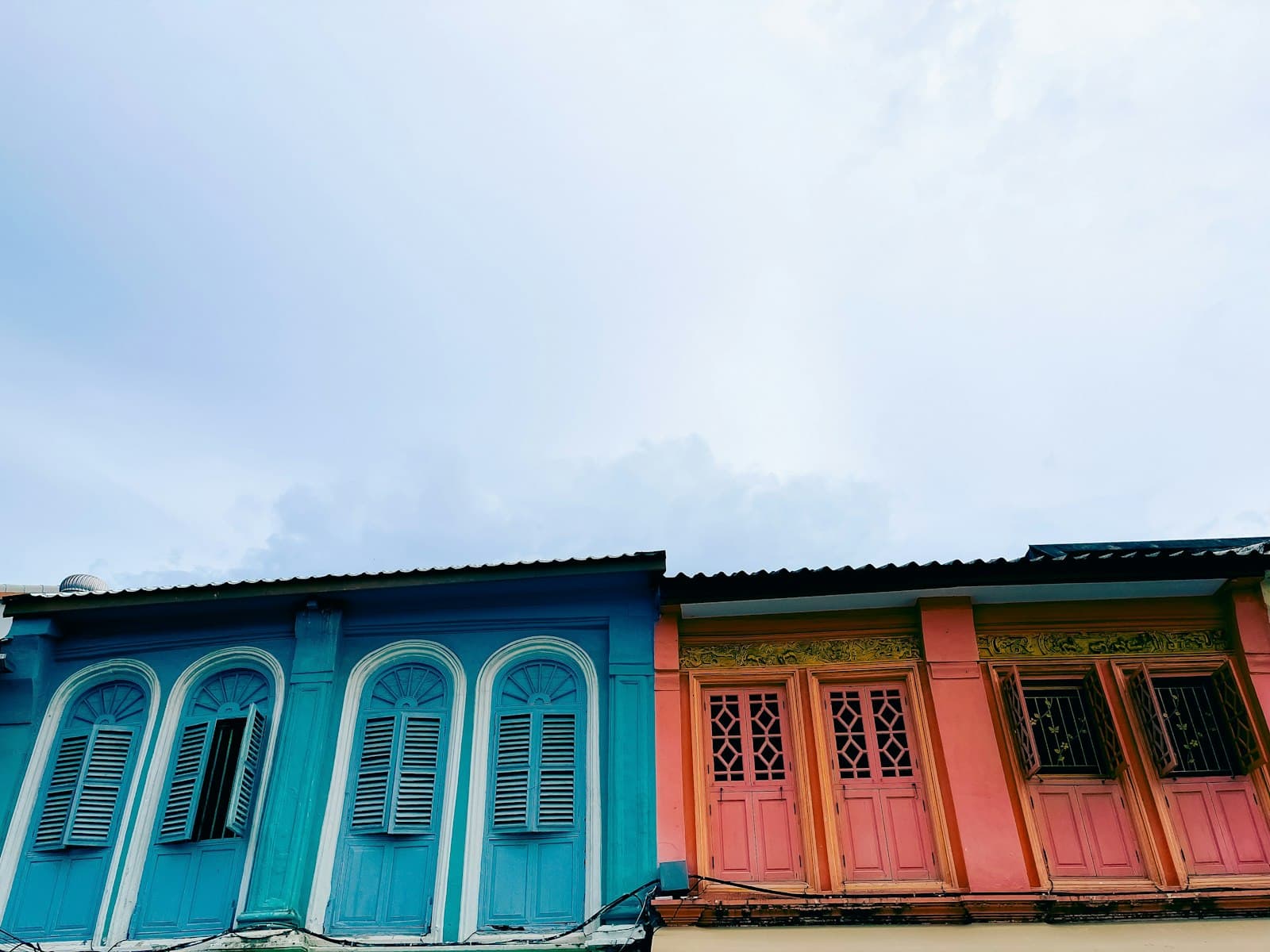
One Day in Phuket Old Town: A Walkable Morning-to-Evening Plan
Phuket Before the Beaches: The Tin Island's Straits Chinese Port
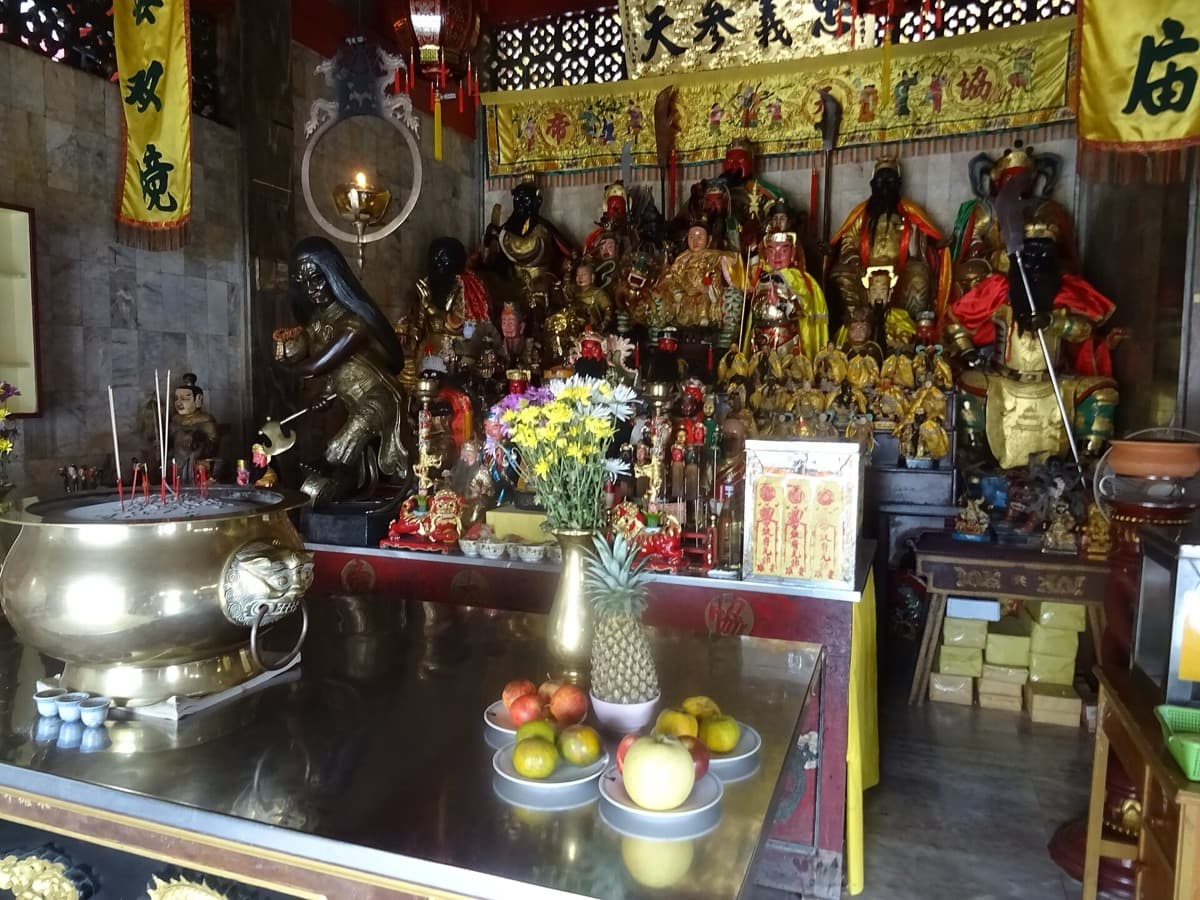
Jui Tui Shrine: The Ceremonial Engine Behind Phuket's Vegetarian Festival
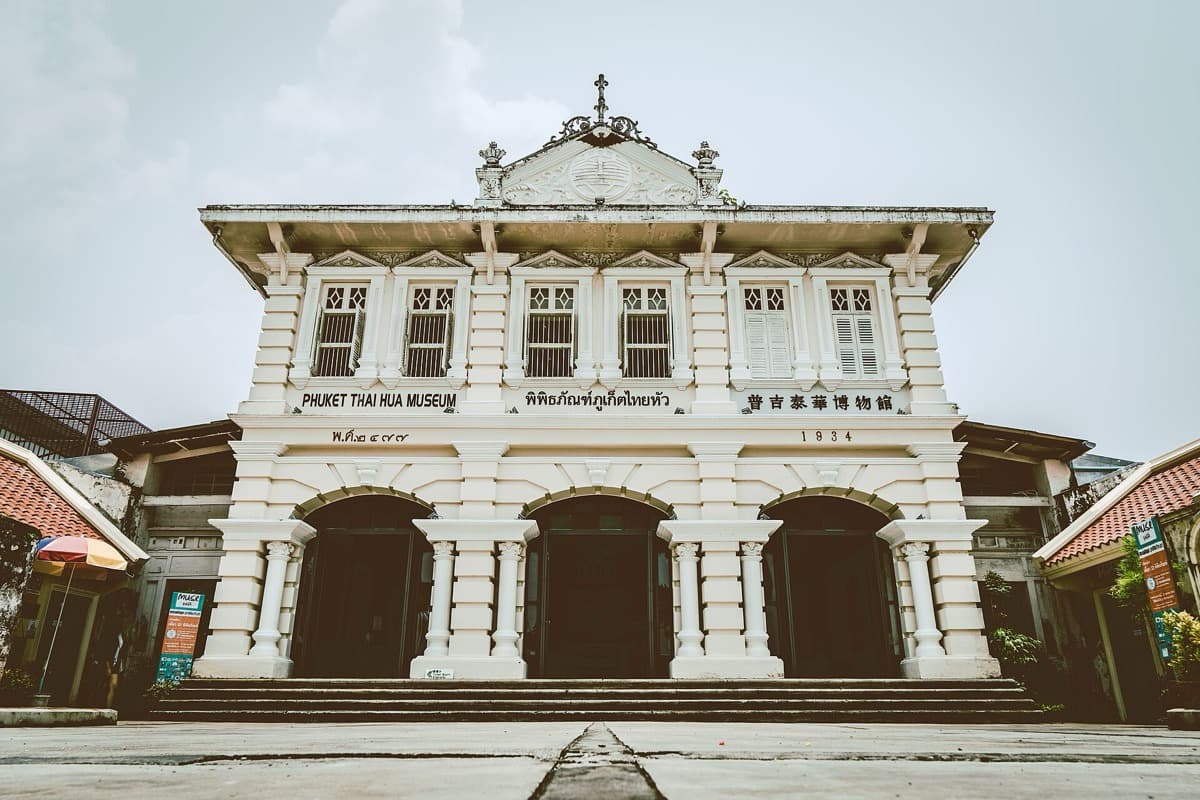
Thai Hua Museum: Where Phuket's Peranakan Story Begins
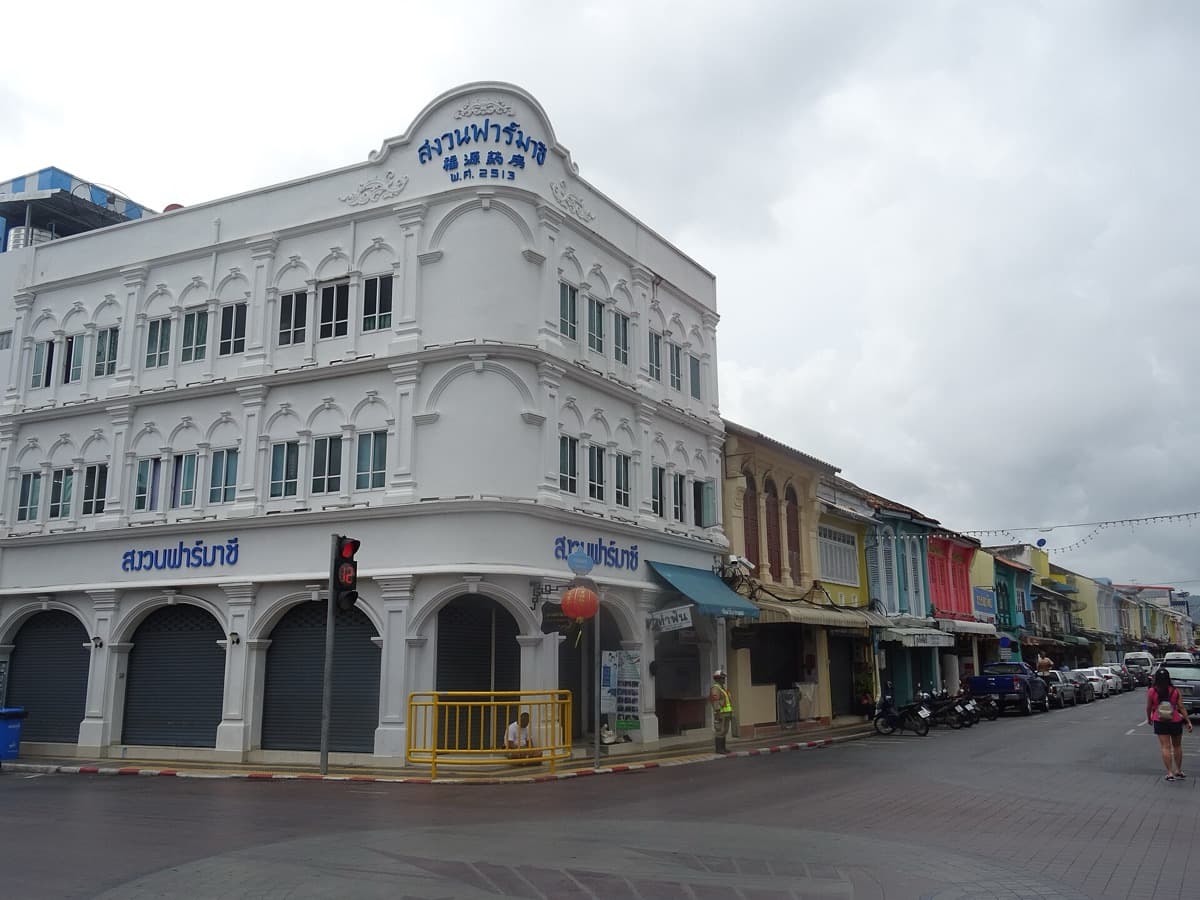
Thalang Road: How Tin Money Built Phuket Old Town