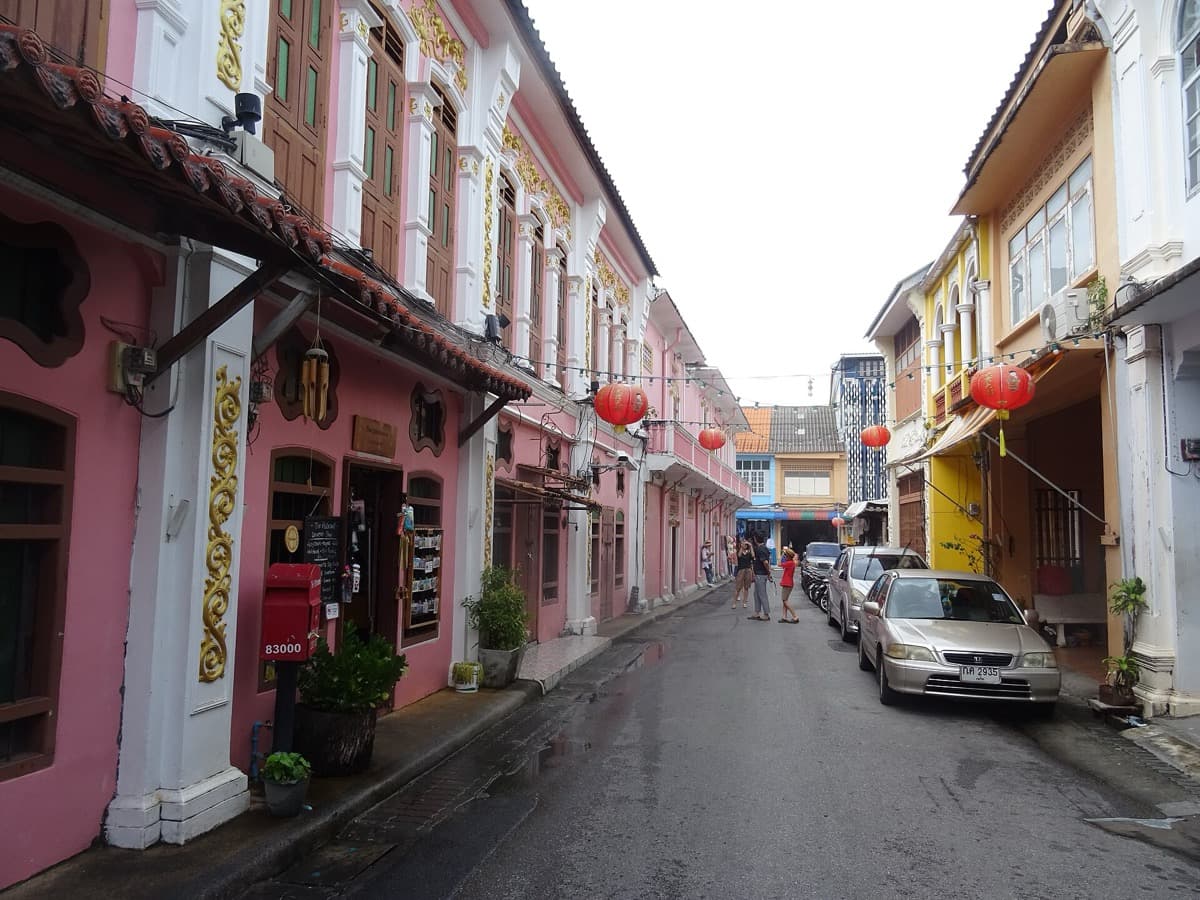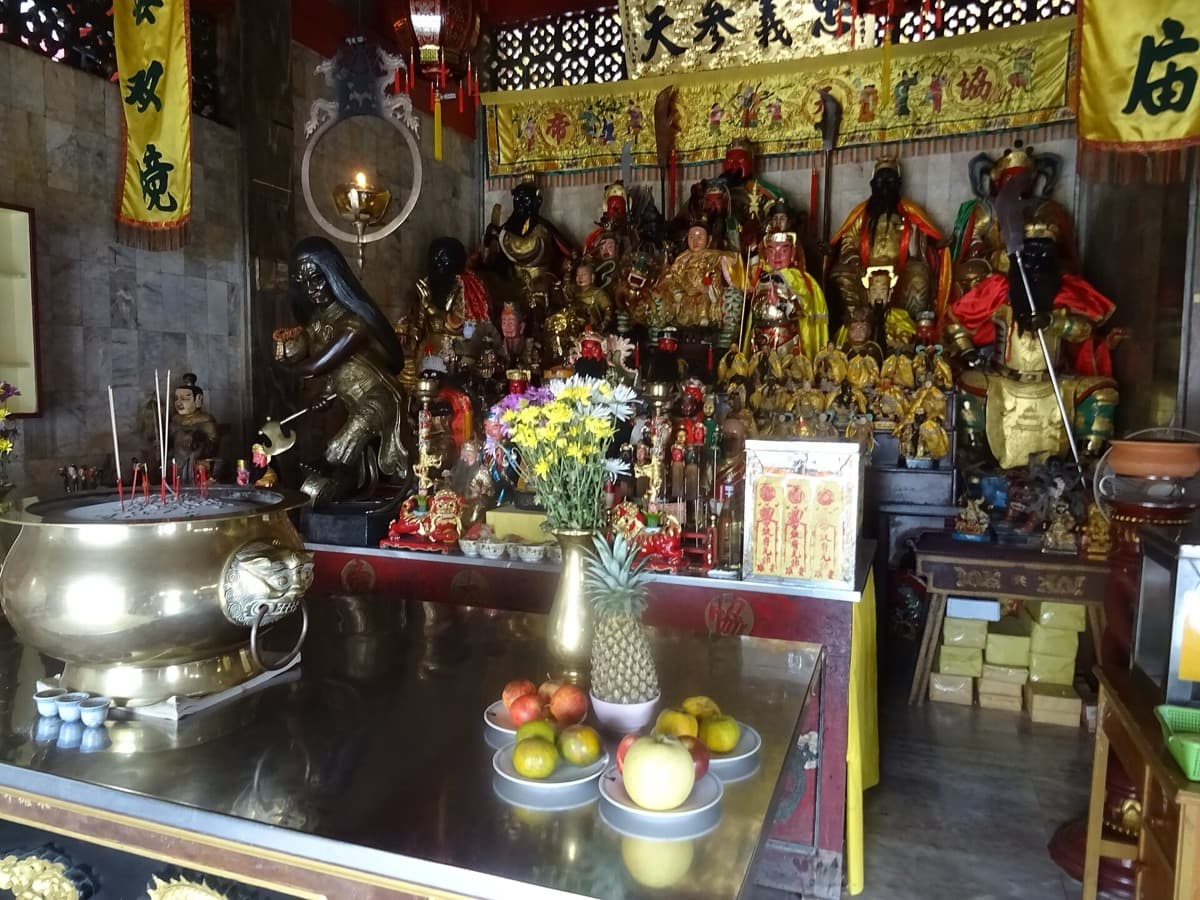
Jui Tui Shrine is the ceremonial engine behind Phuket's Vegetarian Festival, the place where a tall bamboo pole raised each autumn formally invites the Nine Emperor Gods to descend and live among the island's people for nine days. If you have only ever seen the festival in photographs, as spirit mediums with skewers through their cheeks and ladders built from sharpened blades, this quiet Taoist hall on Soi Phutorn is where that intensity actually begins. Stand in its courtyard on an ordinary morning and you would never guess it. The real story here is not spectacle. It is a migrant faith, carried across the sea by tin miners who married into Phuket and never let go of their gods, and Jui Tui is the hinge on which the whole thing turns.
The engine, not the ancient relic
It is tempting to assume a shrine this important must be centuries old. It is not, and that surprise is the doorway into what makes Phuket different. According to local guide phuket101, the present building dates to about 1911. An earlier version stood near the old town and was relocated to Soi Phutorn after a fire. So the faith is old, the migration older still, but this particular hall is a survivor of the twentieth century, rebuilt by a community that would not let its center go.
The shrine is dedicated to Tean Hu Huan Soy, a Taoist deity associated with the performing arts, whom locals petition for health and protection. There is a quiet symmetry in that. The island traces its festival, by legend, to a troupe of travelling performers, and here the whole observance is anchored to the god of performance itself.
The single most important object at Jui Tui appears only once a year. In the courtyard, worshippers raise the go teng, a tall bamboo pole, and the act of raising it is not decoration. It is the ritual that invites the Nine Emperor Gods to leave the heavens and reside at the shrine for the festival's nine days. Everything downstream flows from that pole: the white-clad devotees, the processions that thread through Phuket Town, the firecrackers, the vegetarian kitchens. On the festival's final night, processions from every shrine converge on the Saphan Hin waterfront to send the gods back to heaven, and the march from Jui Tui is among them. The nine days open and close from this courtyard.
What the festival actually is
Hear a stop from this walk
The Vegetarian Festival and the Nine Emperor Gods
What visitors call the Vegetarian Festival is more precisely the Nine Emperor Gods Festival, a Taoist observance held over the first nine days of the ninth lunar month, which falls across September and October. The name misleads twice. There are no nine historical emperors. Per Wikipedia, the Nine Emperor Gods are celestial star lords linked to the seven visible and two hidden stars of the Big Dipper, presiding over the movement of the heavens and over matters of life and death. And the vegetarianism, strict abstention from meat, alcohol, and indulgence while wearing white, is only the disciplined baseline. The dramatic rituals belong to the mah song, the horses of the gods, unmarried spirit mediums who in trance become vessels for the deities and are believed to feel no pain.
This is the reframe that changes everything. The piercing and the fire-walking are not endurance theatre. Their purpose is purification. The mah song carry away the community's sickness and misfortune. The blades are a means, not the message. When you understand that, the courtyard at Jui Tui stops being a curiosity and becomes what it is: a working institution for cleansing an entire migrant society, year after year.
As for how it began, the island tells a story that National Geographic frames plainly as legend. As the story goes, around 1825 a travelling opera troupe of Hokkien-speaking Taoists from Fujian fell ill during an epidemic while touring the island. Realizing they had neglected the ninth-month rites, they resumed the worship and recovered. From that recovery, tradition holds, the annual festival grew. Local accounts tie those early years to the tin-mining settlements inland at Kathu. Treat the origin as legend rather than documented history, but note who it belongs to: miners, migrants, and the gods they refused to abandon.
Why Jui Tui is the way into the whole walk
Jui Tui does not stand alone, and that is the argument of the full tour. It sits directly beside Put Jaw Shrine, the temple the island remembers as its oldest Chinese shrine, dedicated to Kuan Im, the goddess of compassion. By tradition you enter Put Jaw first, meeting the god who simply listens before you meet the gods invited down in fire. From Jui Tui the walk widens to Bang Neow Shrine, known for the largest processions, where a single festival march has fielded around five hundred mah song and devotees at once. Then it steps back to Sam San Shrine, built in 1853 and dedicated to Mazu, the goddess of the sea, a reminder that before any festival there was a voyage across open water. It ends at Saphan Hin, where a dredger-shaped monument from 1969 marks the tin industry that drew the migrants in the first place, and where the closing procession sends the gods home.
Read as a set, the six stops trace one loop: tin brought the people, the people brought their gods, and every autumn they send those gods back across the same water that carried the miners in. Jui Tui is the pivot, the courtyard where the invitation goes up and the farewell begins. That is why it is the smartest place to understand the island before you walk the rest.
You can build this into a wider morning of shophouse mansions and Sino-Portuguese streets, which the same tin-boom families built. For planning and neighboring routes, see our guide to Phuket walking tours and the overview of what to do in Phuket. Go early, from about seven to ten, when the incense is fresh and the courtyards are cool. Dress modestly, keep your voice low, and let the small daily rituals register before the big ones make sense. Entry to every shrine on the route is free.
Sources
- Jui Tui Shrine, Phuket 101: local guide dating the present building to about 1911, describing the Soi Phutorn relocation after fire, the Tean Hu Huan Soy dedication, and the go teng pole that invites the Nine Emperor Gods.
- Nine Emperor Gods Festival, Wikipedia: the star-lord identity of the deities tied to the Big Dipper, the ninth-lunar-month timing, and the unmarried mah song mediums believed to feel no pain in trance.
- Phuket's Vegetarian Festival, National Geographic: frames the roughly 1825 opera-troupe origin explicitly as legend ("the story goes") and ties the tradition to Hokkien-Peranakan mining families.
- Thailand Travel Guide (thailandlife.info): corroborating detail on Jui Tui as the Taoist heart of the festival on Soi Phutorn.
Ready to experience it?
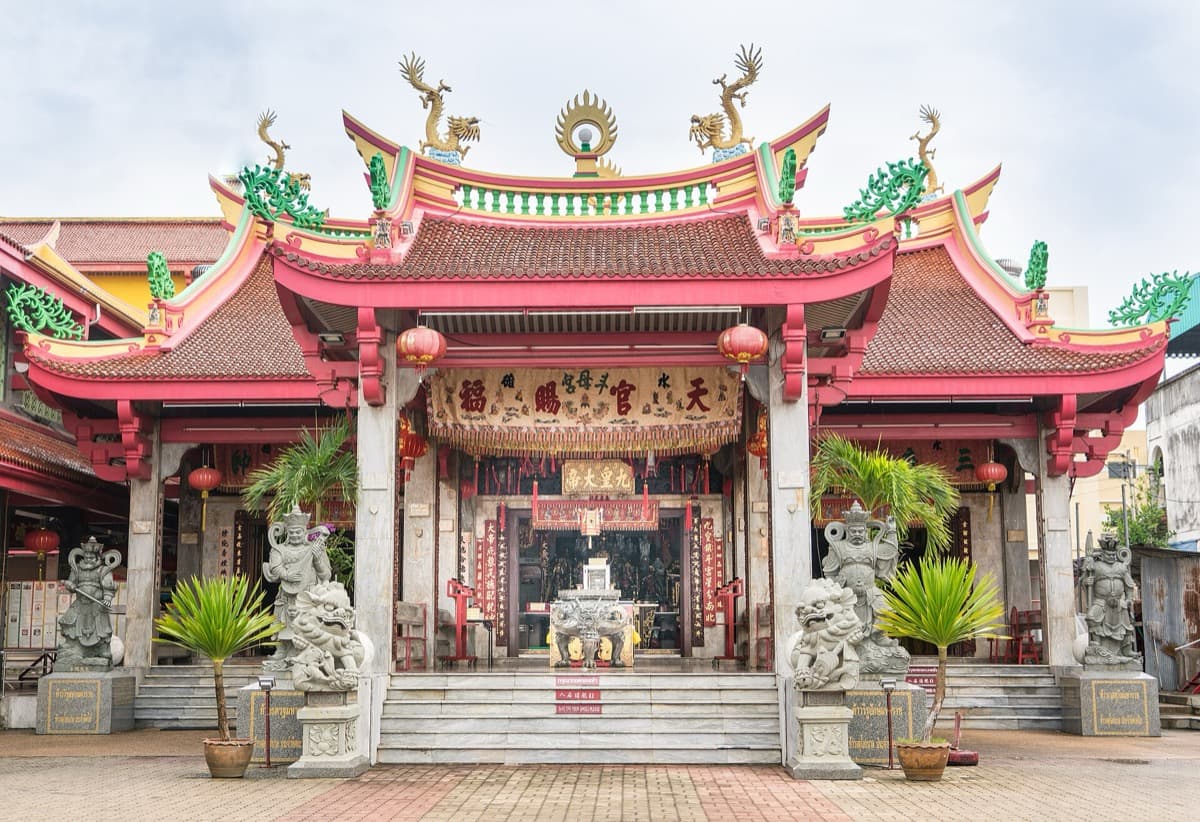
Chinese Shrines: The Gods of the Miners
100 min · 4.5 km · moderate
More from Phuket
Explore more at your own pace.
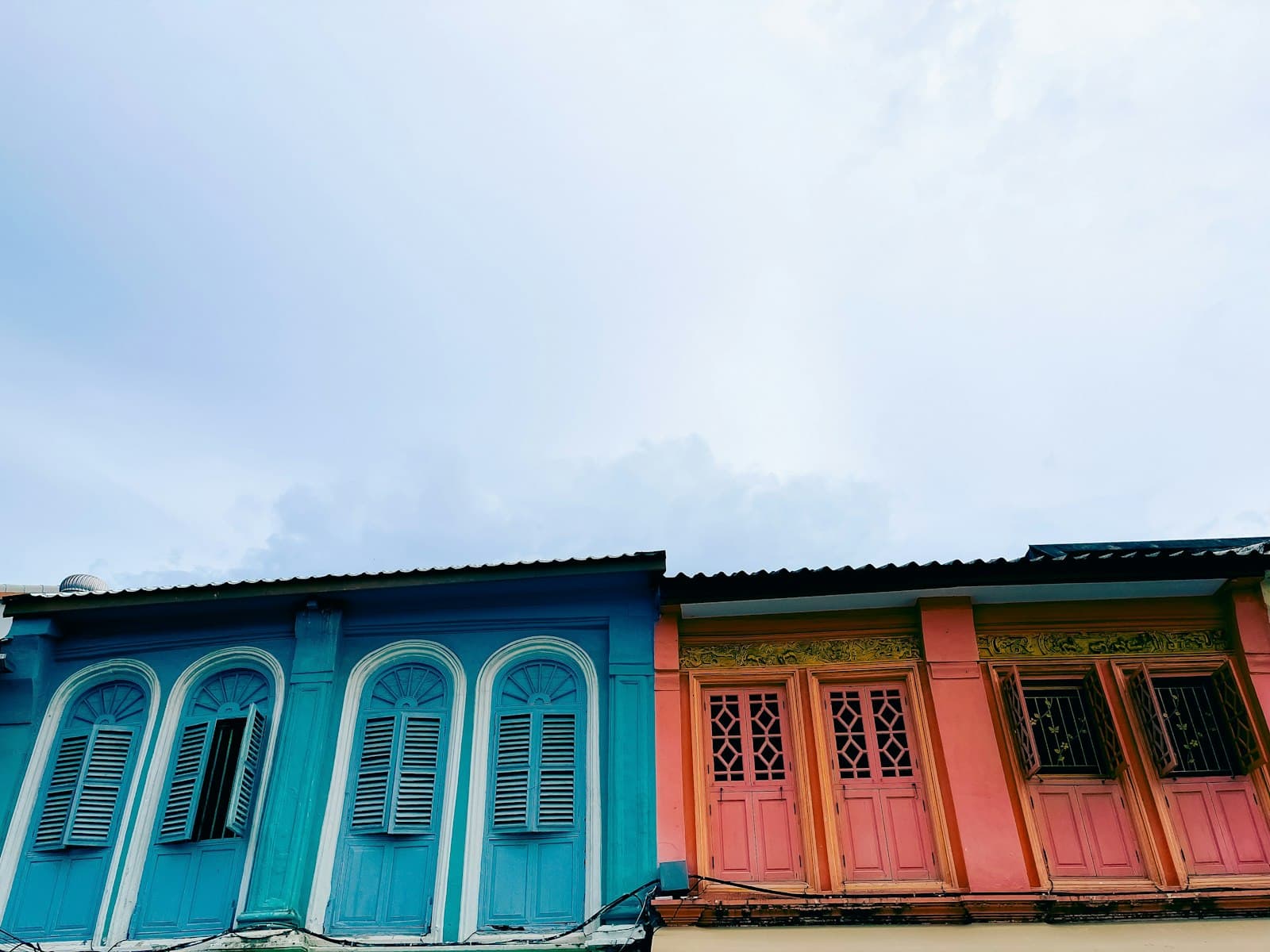
One Day in Phuket Old Town: A Walkable Morning-to-Evening Plan
Phuket Travel Guide: How Many Days, Getting Around, Best Time, and Safety (2026)
Phuket Before the Beaches: The Tin Island's Straits Chinese Port
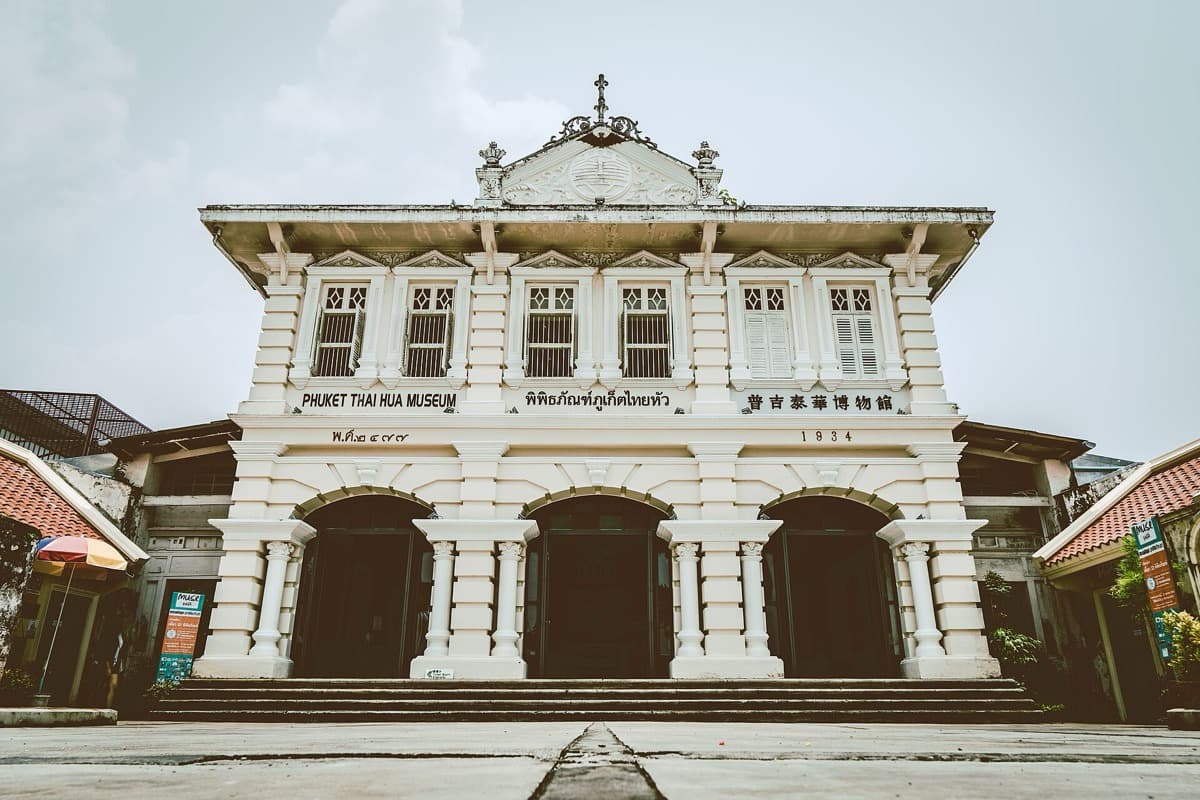
Thai Hua Museum: Where Phuket's Peranakan Story Begins
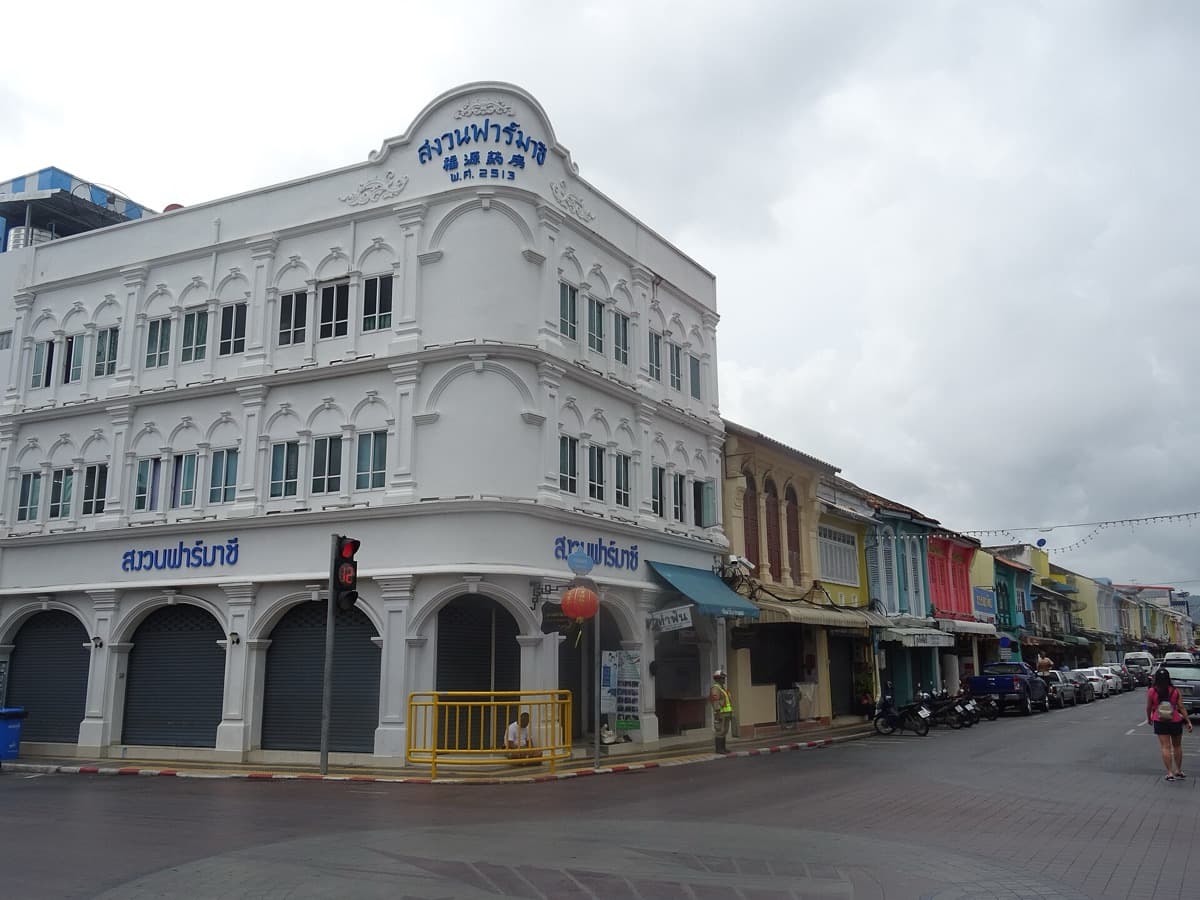
Thalang Road: How Tin Money Built Phuket Old Town