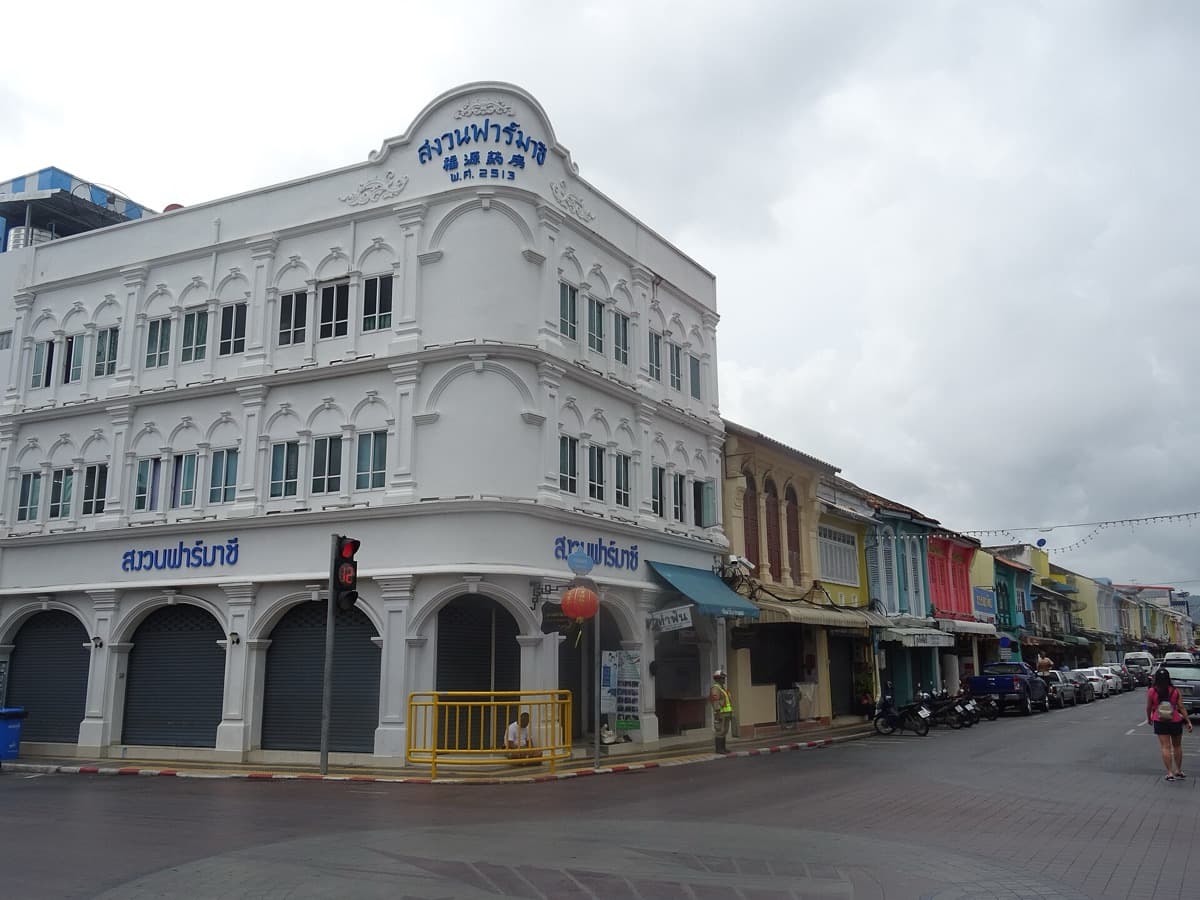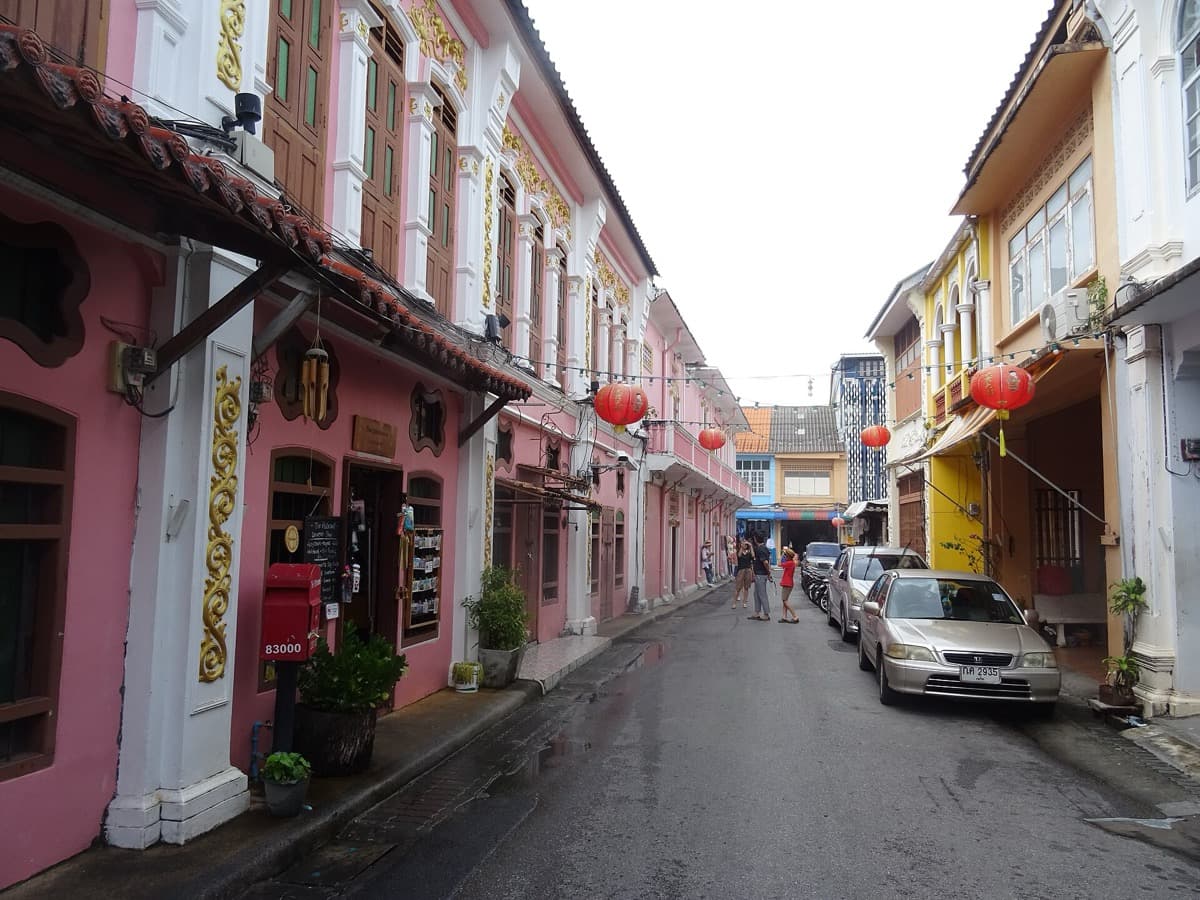
Soi Romanee is the most photographed lane in Phuket Old Town, a short row of pastel houses so pretty it looks staged, and it earned its living from the hardest lives on the island. During the tin boom this narrow street was the town's red-light district, packed with brothels, opium dens, and gambling houses that served the Chinese mine laborers. The color you photograph today sits directly on top of that trade. The single most useful thing you can do standing here is hold both facts at once: this is the prettiest street in the old town, and it was the underside of the wealth that built everything around it.
The lane and the boom it served
To understand Soi Romanee, you have to understand what Phuket was before the beaches. Across the seventeen and eighteen hundreds, Hokkien Chinese migrants came to the island to mine tin out of the ground, with the big migration wave arriving from the eighteen-twenties as the mines drew labor from British Penang. They grew rich, and they built a town in the Sino-Portuguese style of the Straits: pastel shophouses with arcaded walkways, and grand mansions behind them. Thalang Road, a minute's walk from here, is the merchant spine of that town, lined with the shophouses that made tin wealth visible. Soi Romanee turns off it.
That geography is the whole story in miniature. On the main street, the money. Up this lane, where the money got spent. The men who broke their bodies in the mines, the laborers who did the actual digging, came here to spend what little they earned, and the money circled back to the same merchant economy that built the grand facades. A Phuket News feature titled "Tin Fever, Opium and Sin" documents that vice-district history plainly, and local heritage guides tell the same story. The brothels, the opium, and the gambling were not scattered across the old town. For a time they concentrated here, on one short lane.
That concentration is why the street feels so distinct today. It is compact, self-contained, and slightly set apart, exactly the shape a red-light lane tends to take. When you walk it now, the pastel houses read as cafes and guesthouses, but the footprint is the same. You are walking the geometry of the boom's private side.
About the name, and why you should be careful
Hear a stop from this walk
Shrine of the Serene Light: The Community's Spirit
Every guide who walks you up this lane will offer you the same tidy origin story: that Soi Romanee was named after a famous Romanian madam who worked here, and some accounts add that women were brought all the way from Macau. It is a good story. Treat it as local legend, not documented fact.
The likelier root is much plainer. The Thai word rommani simply means beautiful, or adorable. Historians consider that the more probable source of the name, and it fits the street far better than a foreign madam ever did. This matters because Soi Romanee is exactly the kind of place where a colorful invented history crowds out the real one. The real one is not less interesting. A lane named "beautiful" that made its living from the town's least beautiful trade is a sharper irony than any madam legend delivers.
Holding that line is worth the effort. The romantic version turns the street into a costume. The plain version keeps it honest: a working lane in a working port, named for what it looked like, remembered for what happened in it.
What happened after the mines closed
The tin did not last forever, and neither did the trade. When the mines finally closed, the vice business reportedly moved on, and the lane fell quiet and neglected. For decades Soi Romanee was not a destination. It was a faded back street that most visitors never found, the pretty houses peeling behind the busier commerce of Thalang Road.
The revival came from inside the community. Local artists and preservationists brought the lane back to life, restoring the houses into the guesthouse-and-cafe street photographed today. Soi Romanee was among the first lanes in the old town to be renovated, and that head start is part of why the place feels the way it does. What you are looking at is not a preserved original so much as a recovery, a deliberate choice by people who decided this small street was worth saving. The color is real, but it is also curated, applied with care by residents who knew exactly what the lane had been.
That history should shape how you behave here. These pastel houses are guesthouses and homes, not a film set. Go early if you want the color without the crowds, and be respectful of the people who actually live behind the facades you are framing. The lane is beautiful because a community rescued it, not because it was staged for you.
Standing in the lane
The one thing to understand here is the double truth the street carries. Soi Romanee is the postcard of Phuket Old Town, and it is also the record of who paid for the town's prosperity with their bodies and their wages. The tin came out of the ground through the laborers. Their money came up this lane. The prettiness and the exploitation are not two separate stories. They are the same story, seen from the front and from the back.
Read the whole old town this way and it opens up. The merchant spine on Thalang Road, the foreign bank that turned tin into credit, the mansion where a tin baron lived, the private shrine where the Baba community prayed: every stop answers the same question. Whose money built this, and who did the digging. Soi Romanee is where that question stops being abstract. This is the underside made visible, painted in candy colors.
If you want to walk it in sequence, Soi Romanee is stop two on the Phuket Old Town self-guided audio tour, one bright turn off the merchant spine and into the boom's private history. Start with the Phuket walking tours hub to see how the lane fits the larger route, or browse everything on offer in Phuket. Then come stand in the lane, camera down for a minute, and hold the two truths together.
Sources
- Phuket News, "Tin fever, opium and sin: Early life in Phuket Town": a local feature documenting the old town's vice-district history, the brothels and opium of Soi Romanee, and the Romanian-madam naming story.
- Phuket101, "Soi Romanee In Phuket Town": travel-guide history of the lane, its red-light past, its "most photographed" status, and its restoration into a guesthouse street.
- loca4motion, "Soi Romanee: Old Phuket Town's Ex-Red Light District": account of the lane's history as the miners' red-light street and its revival as one of the first renovated lanes in the old town.
- Roamer tour transcript, "Phuket Old Town: A Tin Island's Forgotten Streets" (fact-audited): source for the rommani etymology, the Romanian-madam legend flagged as legend, and the laborer economy behind the boom.
Ready to experience it?
Old Town: The Sino-Portuguese Town
85 min · 2.5 km · easy
More from Phuket
Explore more at your own pace.
One Day in Phuket Old Town: A Walkable Morning-to-Evening Plan
Phuket Travel Guide: How Many Days, Getting Around, Best Time, and Safety (2026)
Phuket Before the Beaches: The Tin Island's Straits Chinese Port
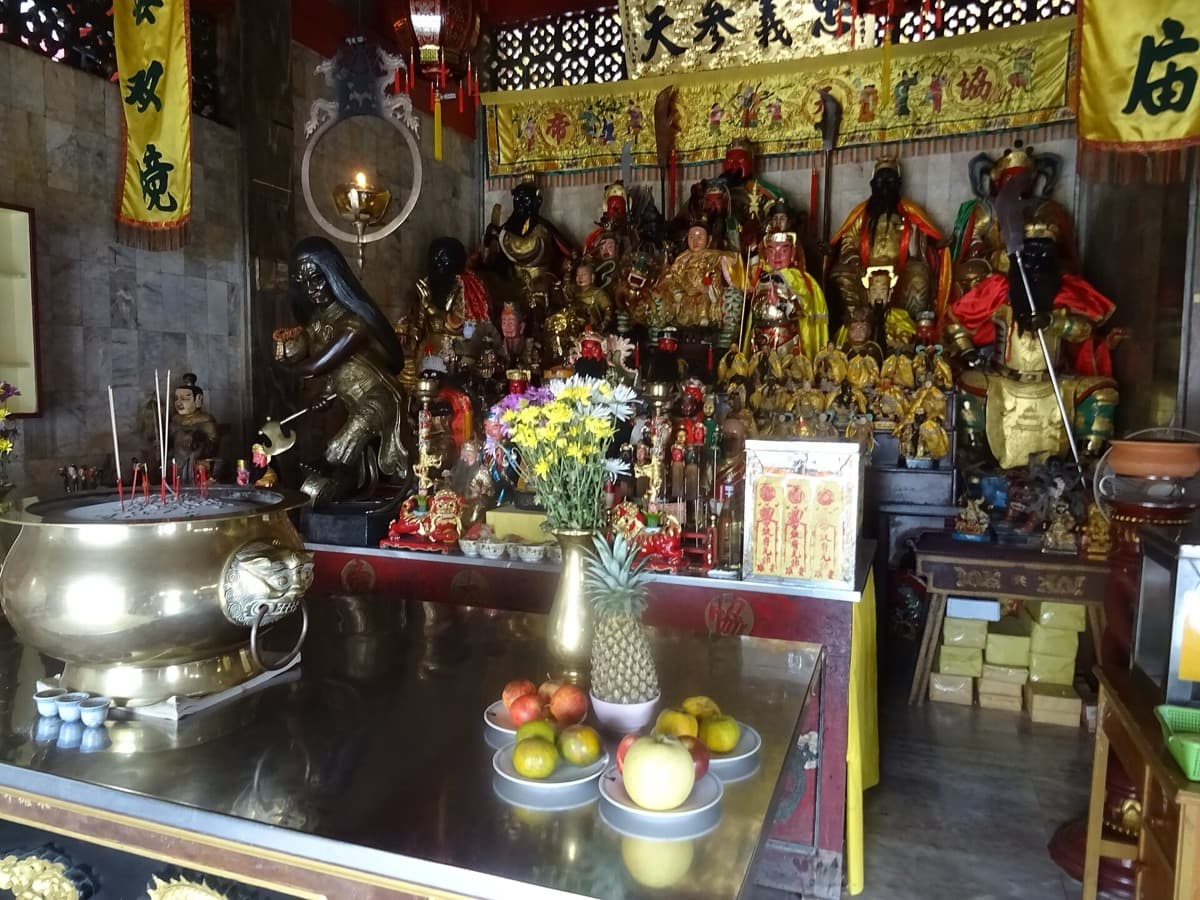
Jui Tui Shrine: The Ceremonial Engine Behind Phuket's Vegetarian Festival
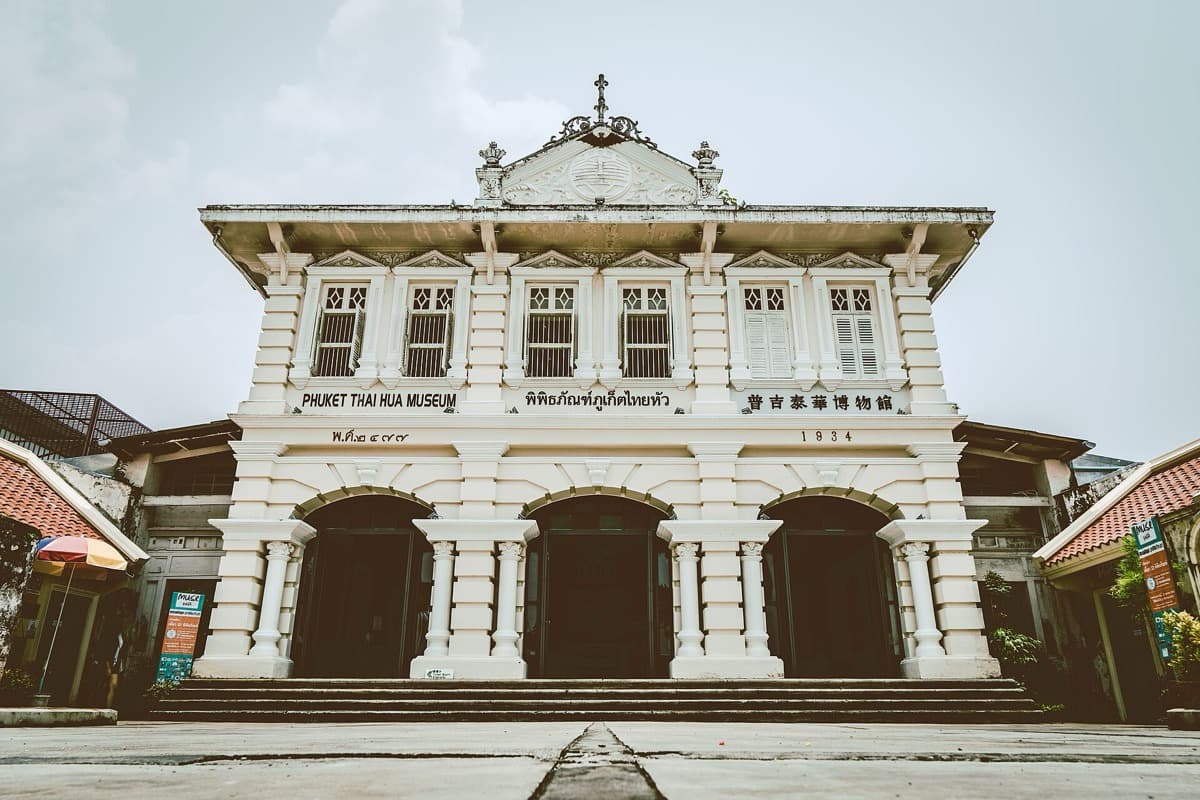
Thai Hua Museum: Where Phuket's Peranakan Story Begins