The Musée d'Orsay is a former railway station. The Palais d'Orsay burned on the night of 23 to 24 May 1871, the Paris-Orléans railway company built a terminus here for the world's fair of 1900 to a design by Victor Laloux, and after the station's platforms became too short in 1939 the building was saved from demolition and opened as a museum in December 1986.
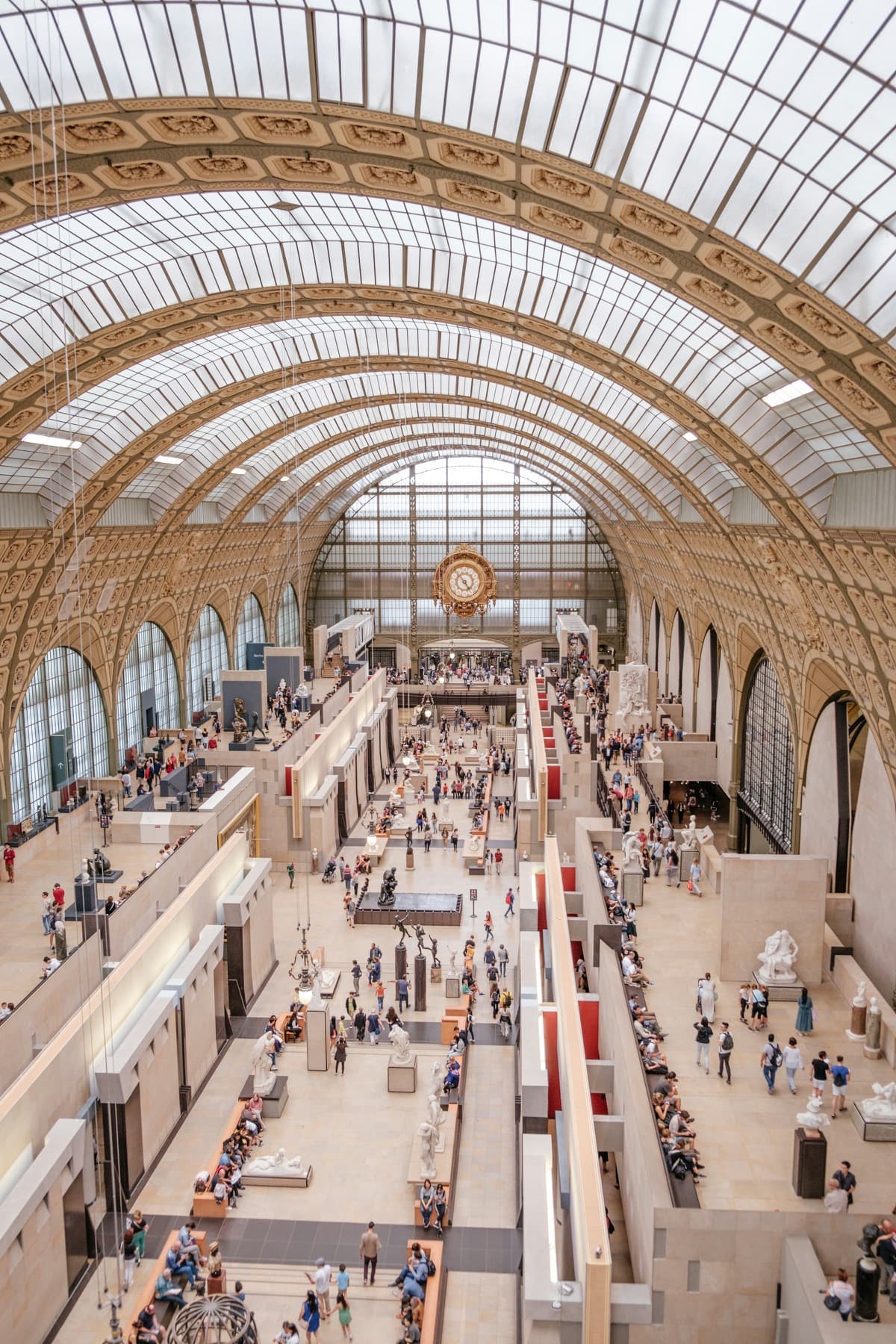
Yes, the Musée d'Orsay was a train station. If you are asking when it was built: for the world's fair of 1900. If you are asking about the clock: it is one of two on the old station, and the museum kept it.
A palace, then a ruin
On this spot once stood the Palais d'Orsay, a government building. It was built between 1810 and 1838 and burned on the night of 23 to 24 May 1871, in the last days of the Paris Commune. Its blackened walls stood for twenty-seven years, until the demolition of the ruins began in 1898.
Laloux's station
Hear a stop from this walk
Quai d'Anjou and the Hôtel de Lauzun: A Plain Front, a Rich House
The Paris-Orléans railway company took the ground and built a terminus for the world's fair of 1900. The architect, Victor Laloux, was chosen in 1898. He hid the station's metal structure behind a front of cut stone, so that a railway terminus could fit its elegant neighbourhood. Behind the stone, the great hall is about 40 metres wide and 138 metres long.
The station came with a hotel. The Hôtel d'Orsay opened with it on the west and south sides of the building, with 370 rooms, and its gilded ballroom, the Salle des Fêtes, is still there. On 19 May 1958, General de Gaulle held a press conference in that room and announced he was ready to return to power. The hotel closed on 1 January 1973. The ballroom is Room 51 on the museum's plan, and the museum lists no works in it.
Too short for the trains
By 1939 the platforms were too short for the longer trains, and long-distance services moved to another station. After that the empty building took in parcels for prisoners of war, served as a film set (Orson Welles shot his adaptation of Kafka's The Trial here), housed the Renaud-Barrault theatre company and held the Hôtel Drouot's auction rooms. It was nearly pulled down for a hotel. It was listed as a historic monument in 1973 and classified in 1978.
A museum from December 1986
The building opened as a museum in December 1986. President Mitterrand inaugurated it on 1 December, and the public came from 9 December. The collection covers art made between 1848 and 1914.
The clock
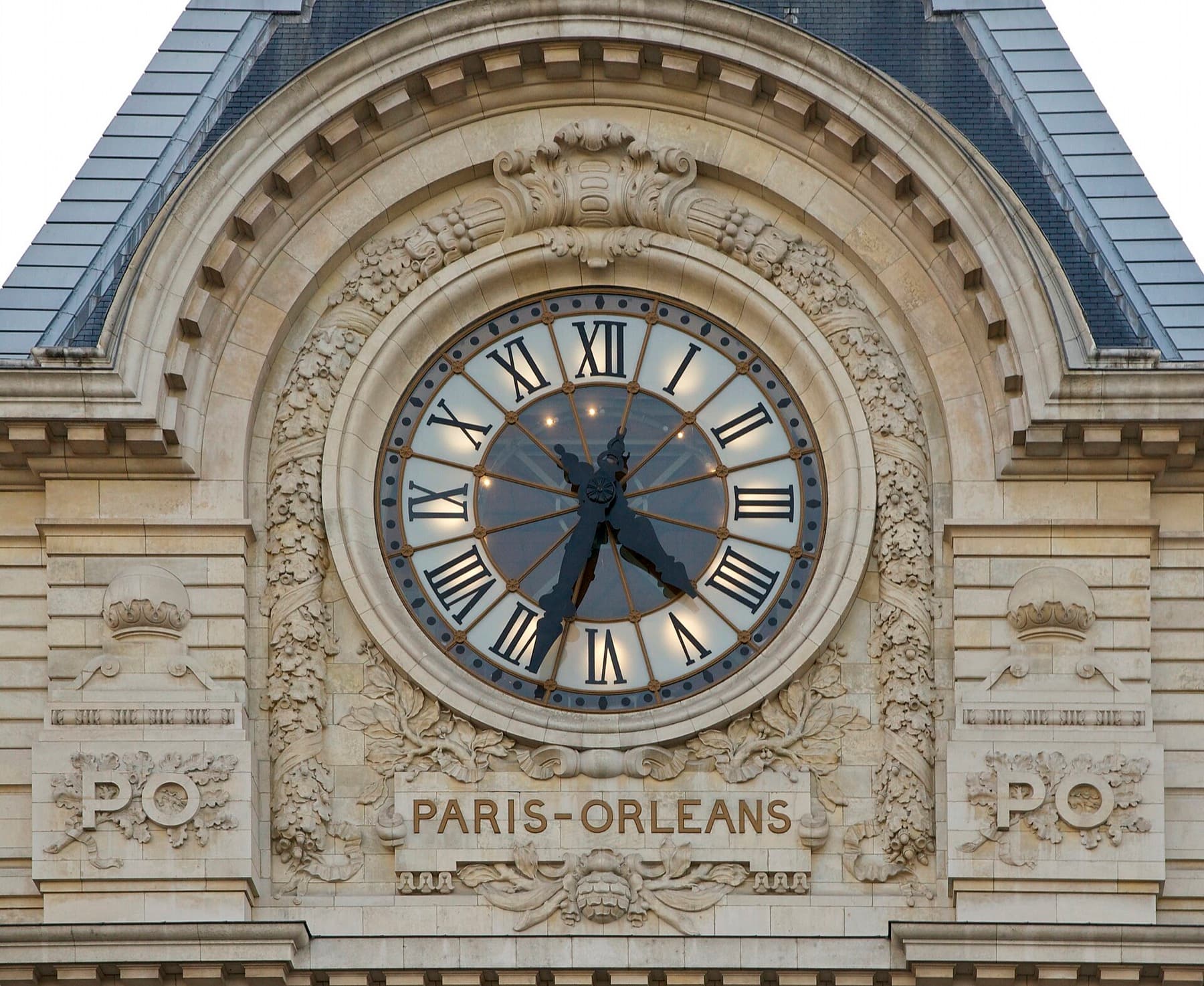
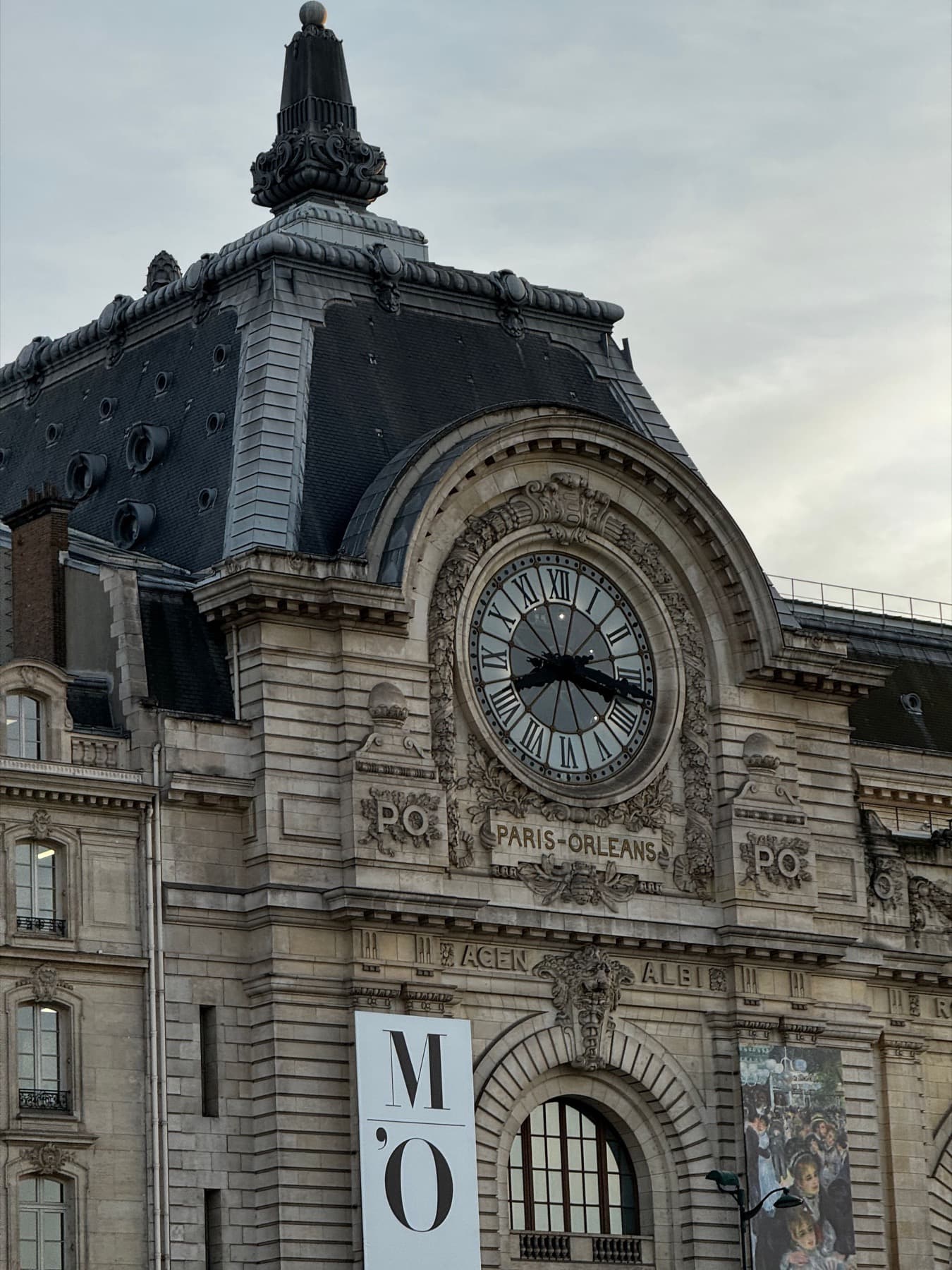
There are two big clocks on the old station, and their dials are glass, so each one is also a window. The railway company that built the station was the Paris-Orléans, and the Commons caption of the cover photograph notes that P-O was its abbreviation. On Level 5, the plan-guide names Room 28 the Salon de l'horloge, after the clock. The museum lists no works in that room today, so there is no painting to find there. Let the building be the work.
A tower about the city outside
The building also tells a story about the Paris around it. A tower display on Levels 2 and 5 is titled Paris in the nineteenth century: an architectural revolution. Between 1853 and 1870, Napoleon III and his prefect Georges-Eugène Haussmann rebuilt the centre of Paris, replacing medieval neighbourhoods with wide avenues, parks and new sewers. Laloux's station belongs to the same century: engineering behind, stone in front.
Hearing it in the building
The Roamer guide opens with this story, before any painting: a free welcome about the fire, the station and the clock. Listen at your own pace, with no group, and skip anything you do not want. You can find it here: the Musée d'Orsay guide. For the paintings, start with Musée d'Orsay: what to see, floor by floor or with the museum's Van Gogh, Starry Night over the Rhône.
Cover: one of the two clocks of the former Orsay station, photograph by Jebulon via Wikimedia Commons, CC0.
Ready to experience it?
Notre-Dame and Île de la Cité: An Island Rebuilt Three Times
90 min · 2.1 km · easy
More from Paris
Explore more at your own pace.
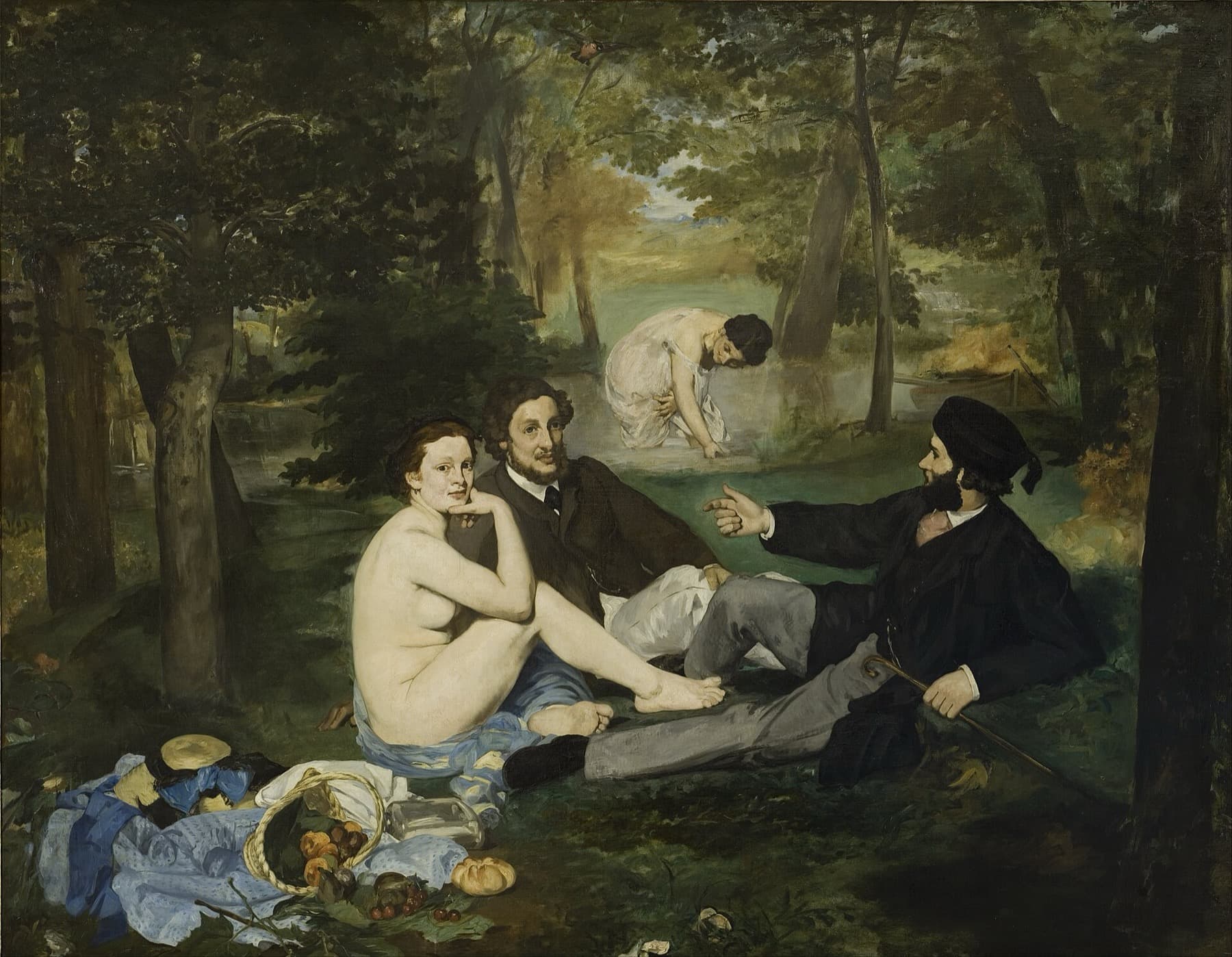
Manet's Luncheon on the Grass: The Picnic the Salon Refused
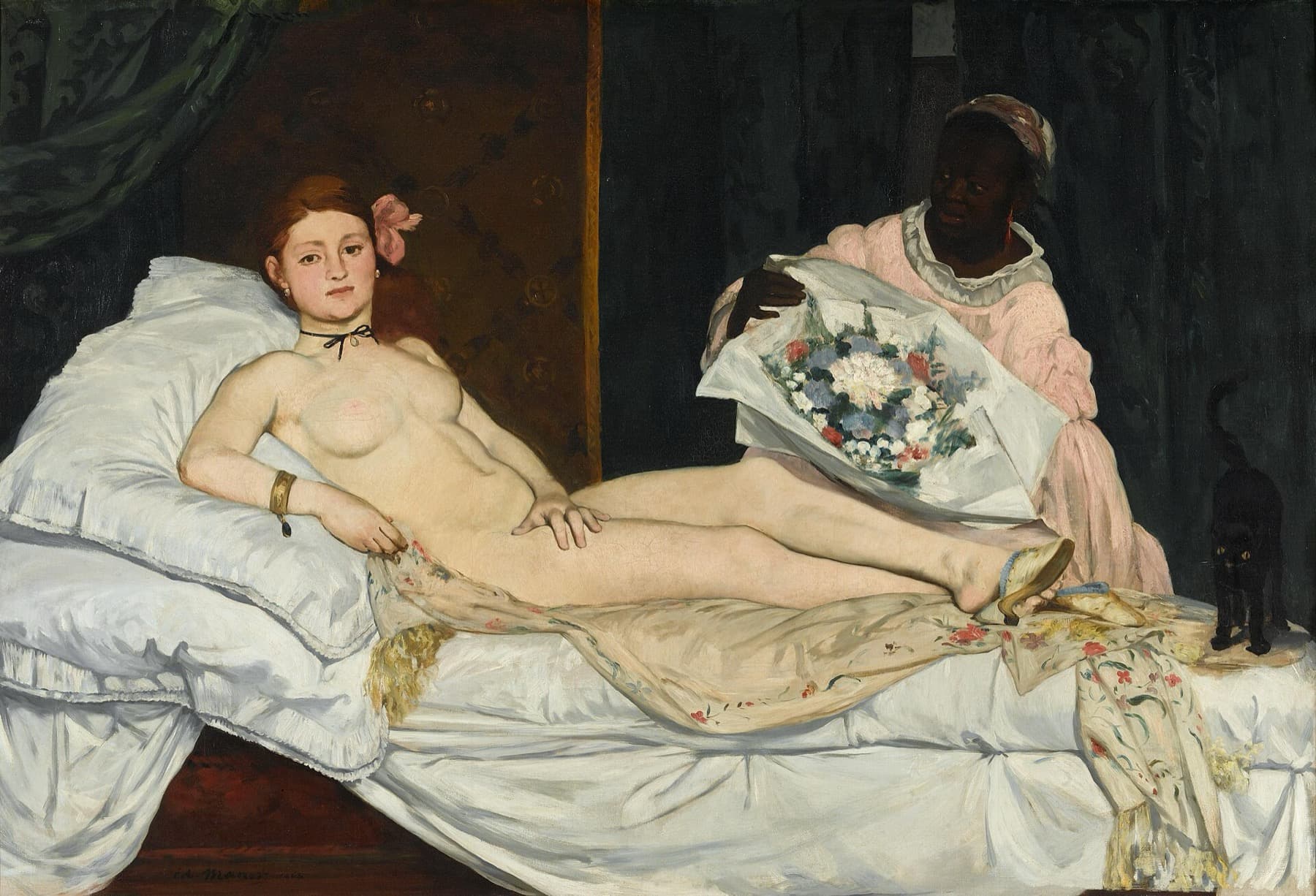
Manet's Olympia: The Stare That Shocked the Salon
Musée d'Orsay: What to See, Floor by Floor
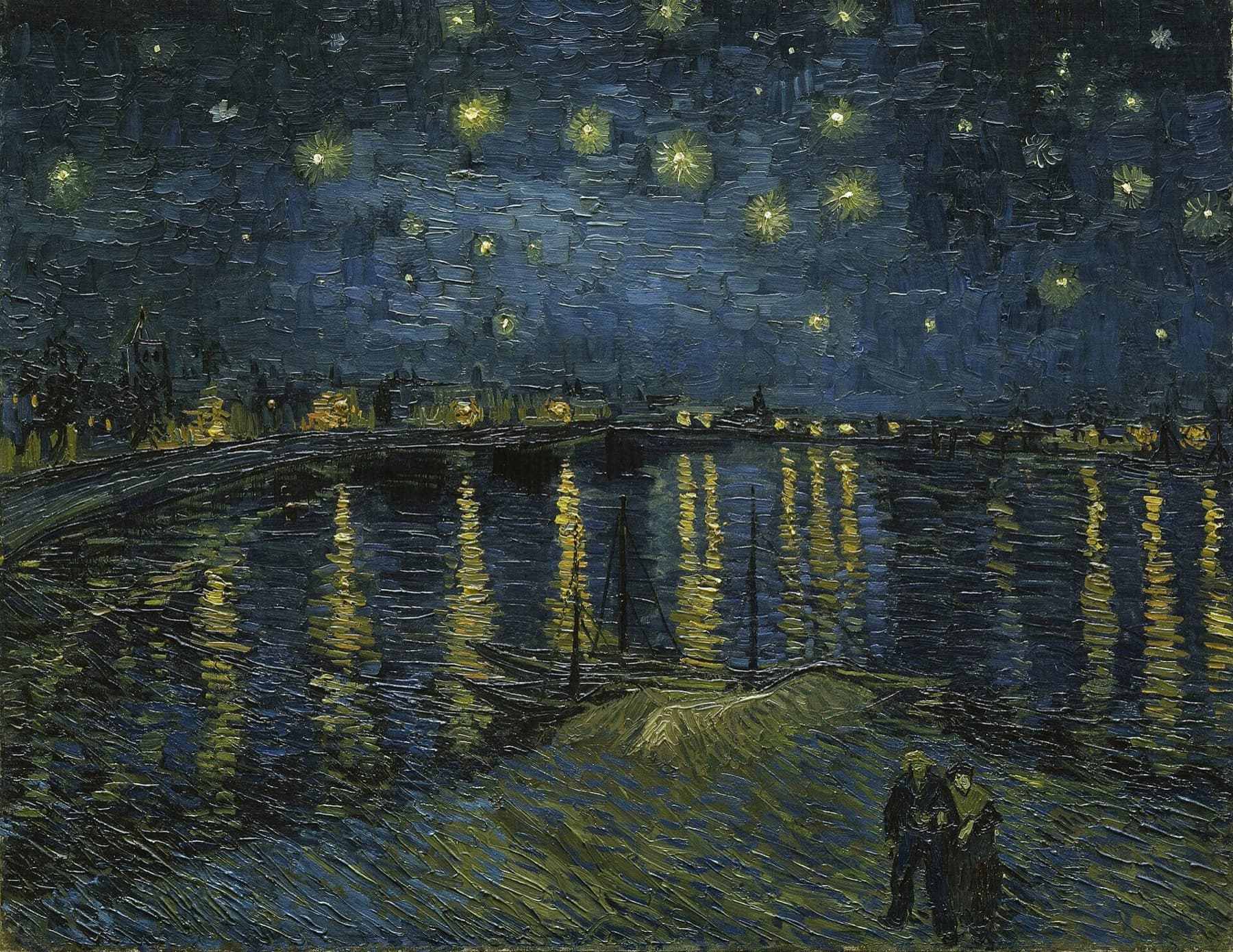
Starry Night over the Rhône: The Calm One, in Paris
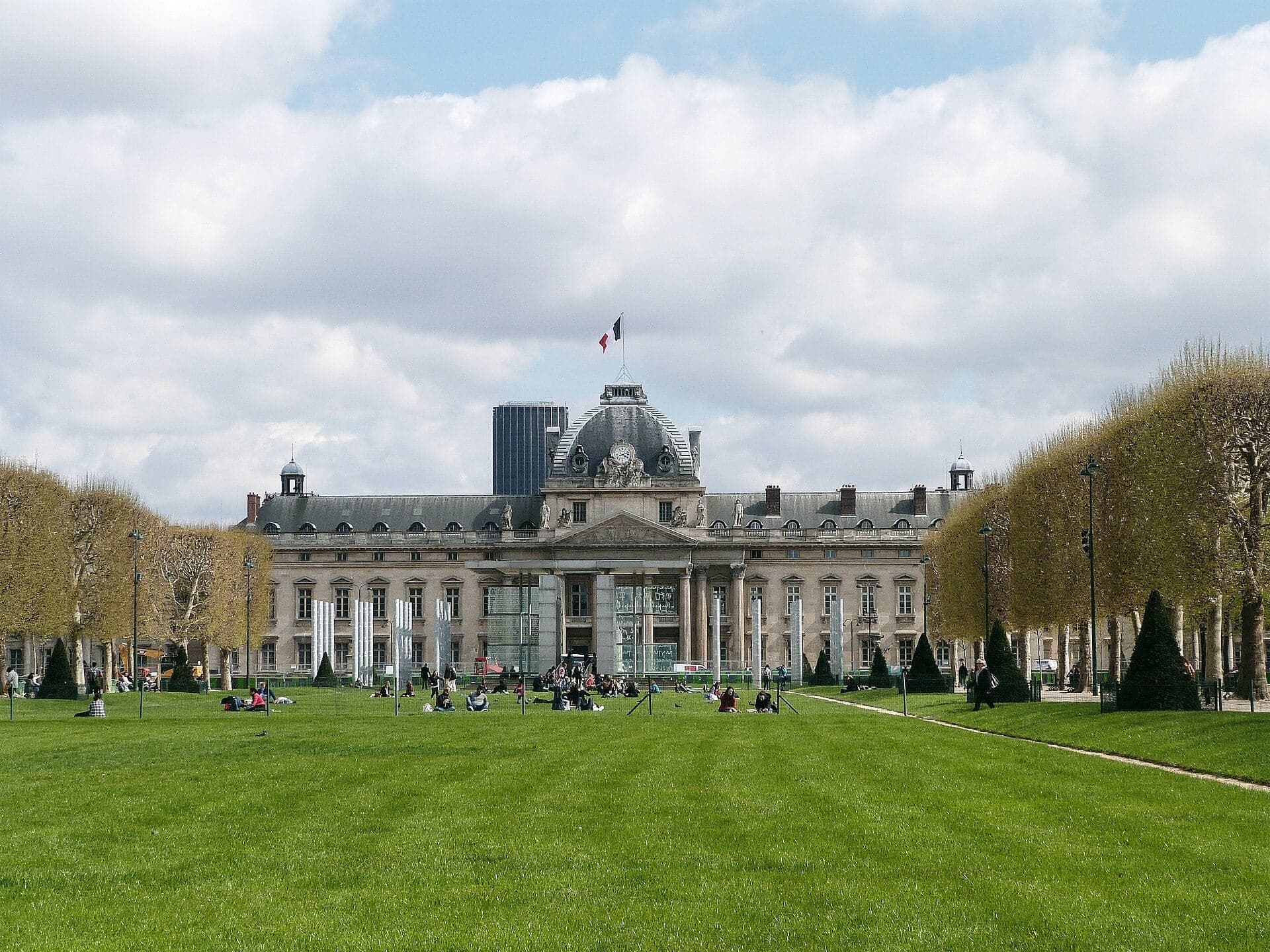
École Militaire: Where a Teenage Napoleon Learned His Trade