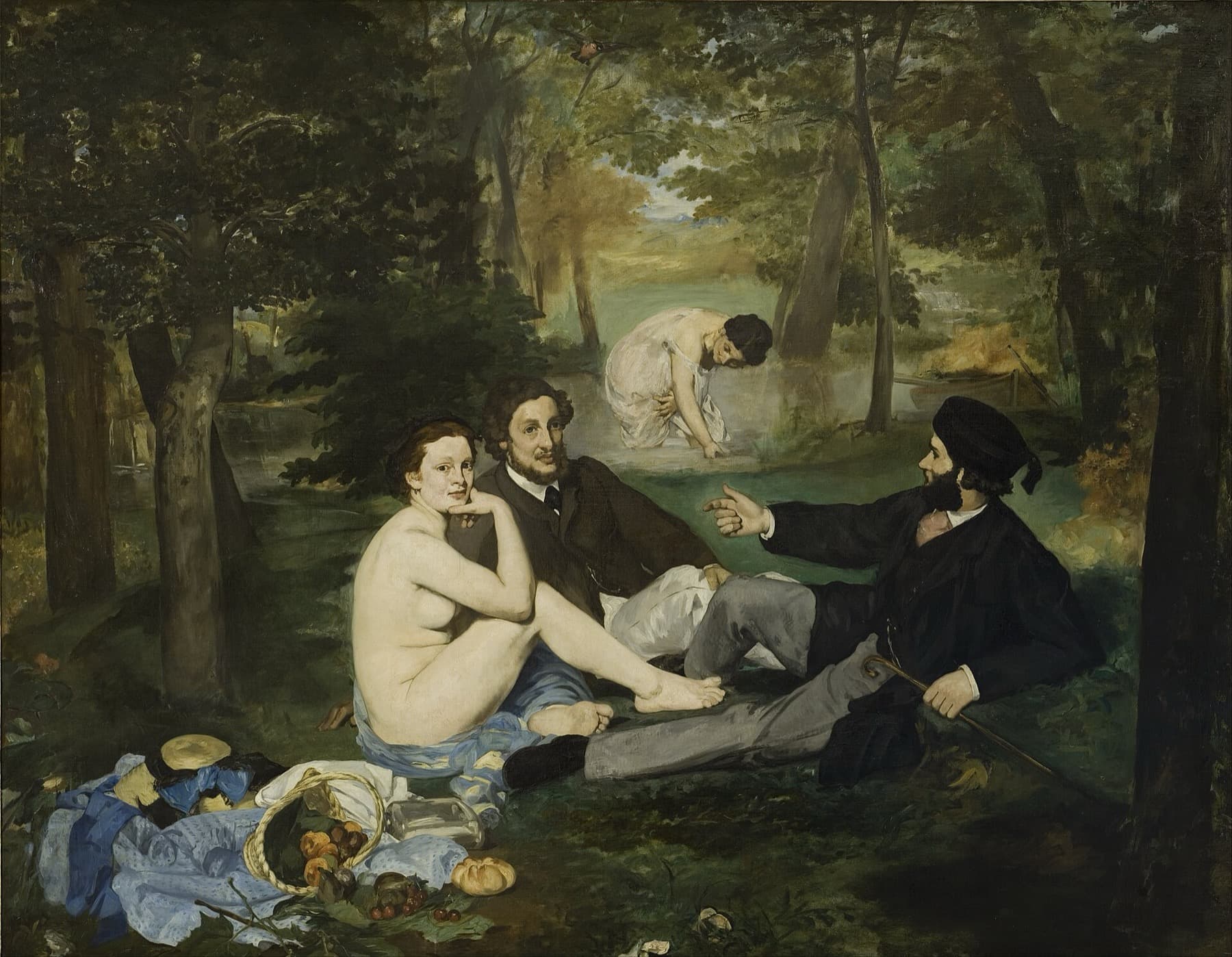
Luncheon on the Grass (Le Déjeuner sur l'herbe) is Édouard Manet's picnic painting of 1862 to 1863, refused by the Salon jury in 1863 and shown at the Salon des Refusés. It hangs in Room 18 on the ground floor (Level 0) of the Musée d'Orsay in Paris, a gift of Étienne Moreau-Nélaton in 1906.
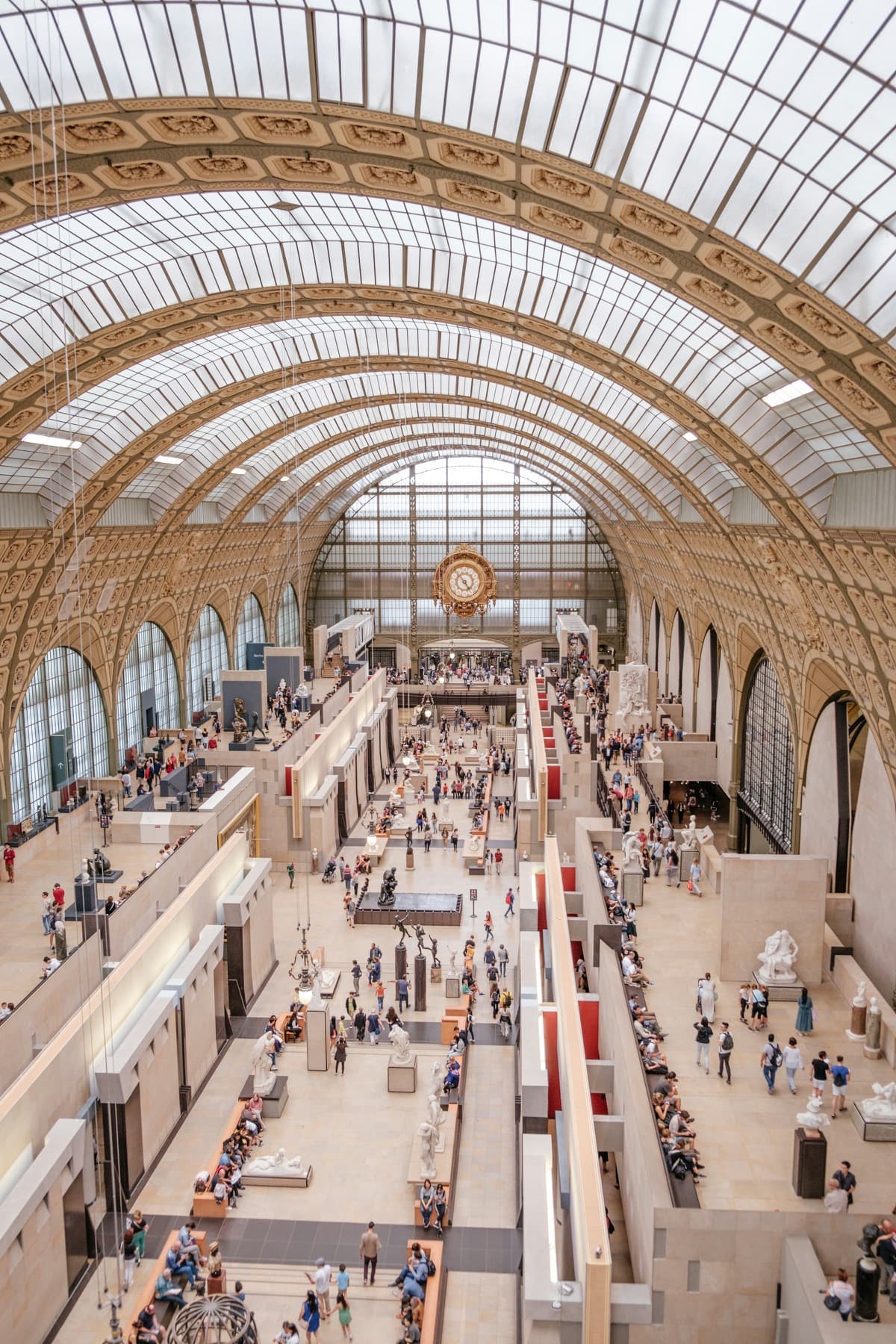
If you are asking where Luncheon on the Grass is: it is in Paris, in Room 18 on the ground floor (Level 0) of the Musée d'Orsay.
If you are asking about 1863: that is the year the Salon jury refused it, and the year it became famous. Édouard Manet painted it in 1862 to 1863, first called it Le Bain (The Bath), and it went on show that year at the Salon des Refusés.
What you see
It is as big as a wall: about 2.1 metres tall and 2.65 wide. That was a size for history and religion. Manet used it for a picnic. A naked woman sits with two men in dark jackets, and she looks straight at us. Behind them another woman, in a thin white chemise, bathes in the stream. In front lie a basket of fruit and a round loaf, arranged like a still life.
The nude is thought to be Victorine Meurent, who also posed for Olympia.
The Salon des Refusés
Hear a stop from this walk
Quai d'Anjou and the Hôtel de Lauzun: A Plain Front, a Rich House
In 1863 the Salon jury refused the painting. The Emperor allowed the refused works to be shown separately, in what became known as the Salon des Refusés. According to English Wikipedia, more than a thousand visitors a day came, and one report says the rooms rang with laughter. At the Salon des Refusés the picture hung under its first title, Le Bain.
A picnic with a source
Look at the poses. The three figures in the foreground derive from Marcantonio Raimondi's engraving of Raphael's Judgment of Paris. Manet took a composition from a Renaissance master and put it in a modern Paris park, in modern clothes. Notice how the picture asks to be read twice: as a picnic and as a painting about paintings. The woman who stares out at us, and the still life spilled in front of her, are what people remember first.
How it came to the Orsay
The museum's record lists the canvas at 207 by 265 centimetres. The singer Jean-Baptiste Faure bought it from Manet in 1878 and kept it until 1898. It then passed to the dealer Durand-Ruel and to the collector Étienne Moreau-Nélaton, who gave it to the national museums in 1906. It was at the Musée des Arts décoratifs from 1934 to 1947, then at the Jeu de Paume, and has been at the Orsay since 1986.
Room 18
Room 18 is the room where Manet and his friends gather, and four of its works came to the state in the same gift of 1906 from Moreau-Nélaton: the Luncheon, Fantin-Latour's Homage to Delacroix, Berthe Morisot's Butterfly Hunt and Alfred Sisley's footbridge at Argenteuil. Fantin-Latour's Homage to Delacroix gathers ten admirers, Manet, Whistler and Baudelaire among them, around a portrait of the dead painter, and was shown at the Salon of 1864. Morisot's Butterfly Hunt was painted at Maurecourt in 1874 and bought at a sale on 24 March 1875 by Duez. Sisley's footbridge shows a temporary wooden bridge at Argenteuil, built after the bridge there was wrecked in the war of 1870. Taken together, the room is a whole circle of friends, collected by one man.
Works rotate and rooms are rehung, so check the museum's plan on the day.
In the Roamer guide, Luncheon on the Grass is a stop on the Orsay in an Hour route and on The Salon and the Rebels. You can listen at your own pace, with no group to keep up with, and skip any stop. The full guide to the museum is here: Musée d'Orsay: what to see, floor by floor.
Cover: Luncheon on the Grass, Édouard Manet, Musée d'Orsay. Photograph from Wikimedia Commons (Google Art Project), public domain.
Ready to experience it?
Notre-Dame and Île de la Cité: An Island Rebuilt Three Times
90 min · 2.1 km · easy
More from Paris
Explore more at your own pace.
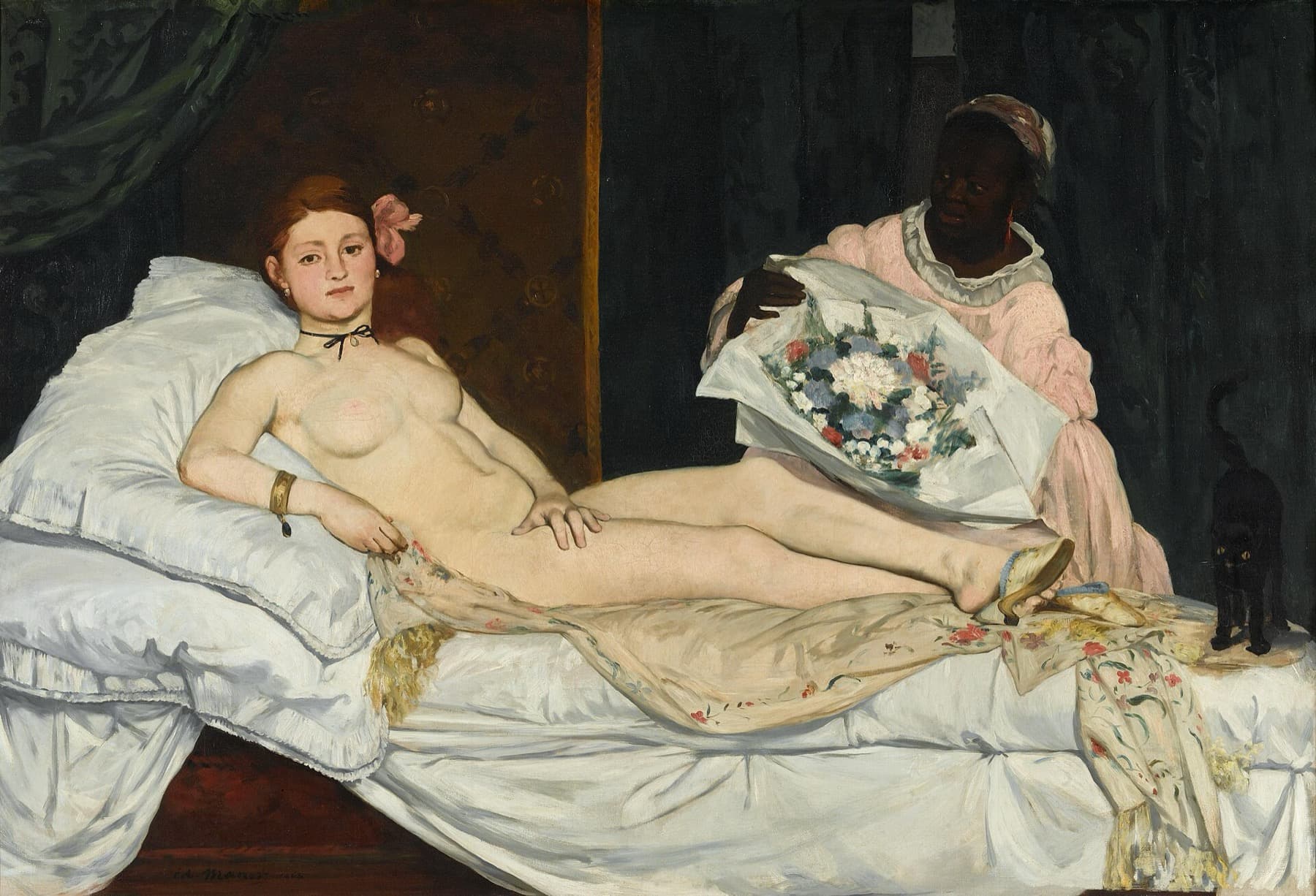
Manet's Olympia: The Stare That Shocked the Salon
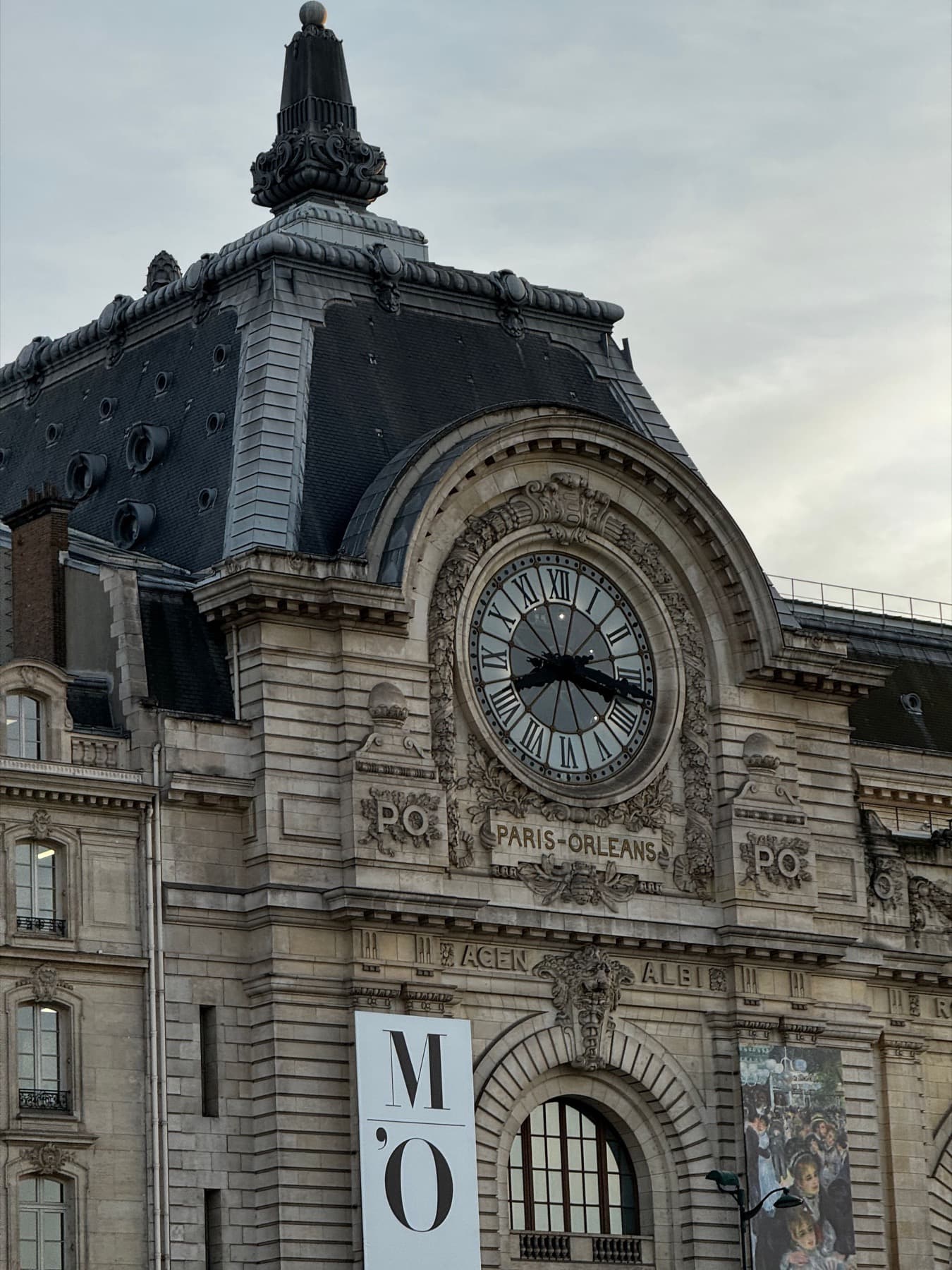
Musée d'Orsay: What to See, Floor by Floor
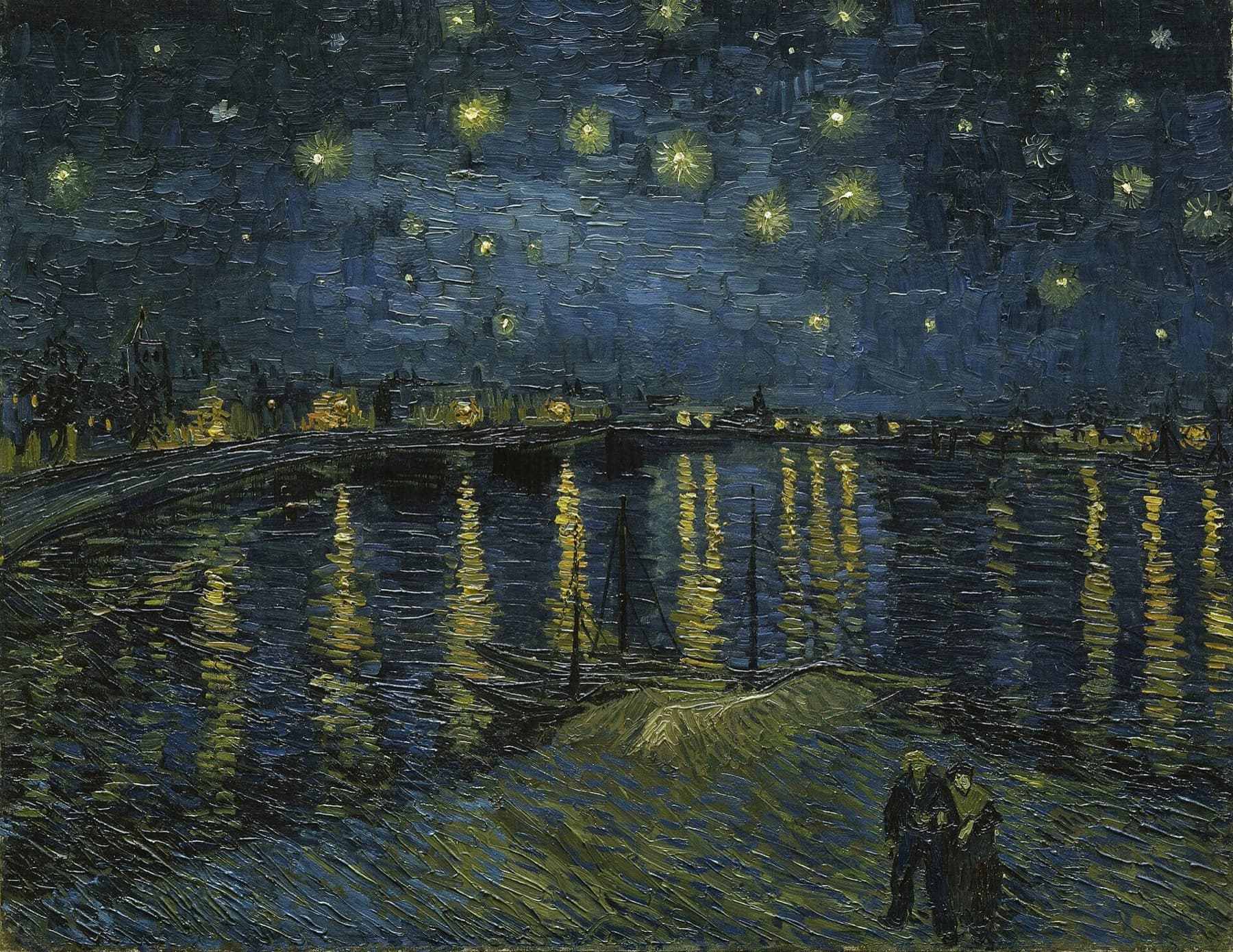
Starry Night over the Rhône: The Calm One, in Paris
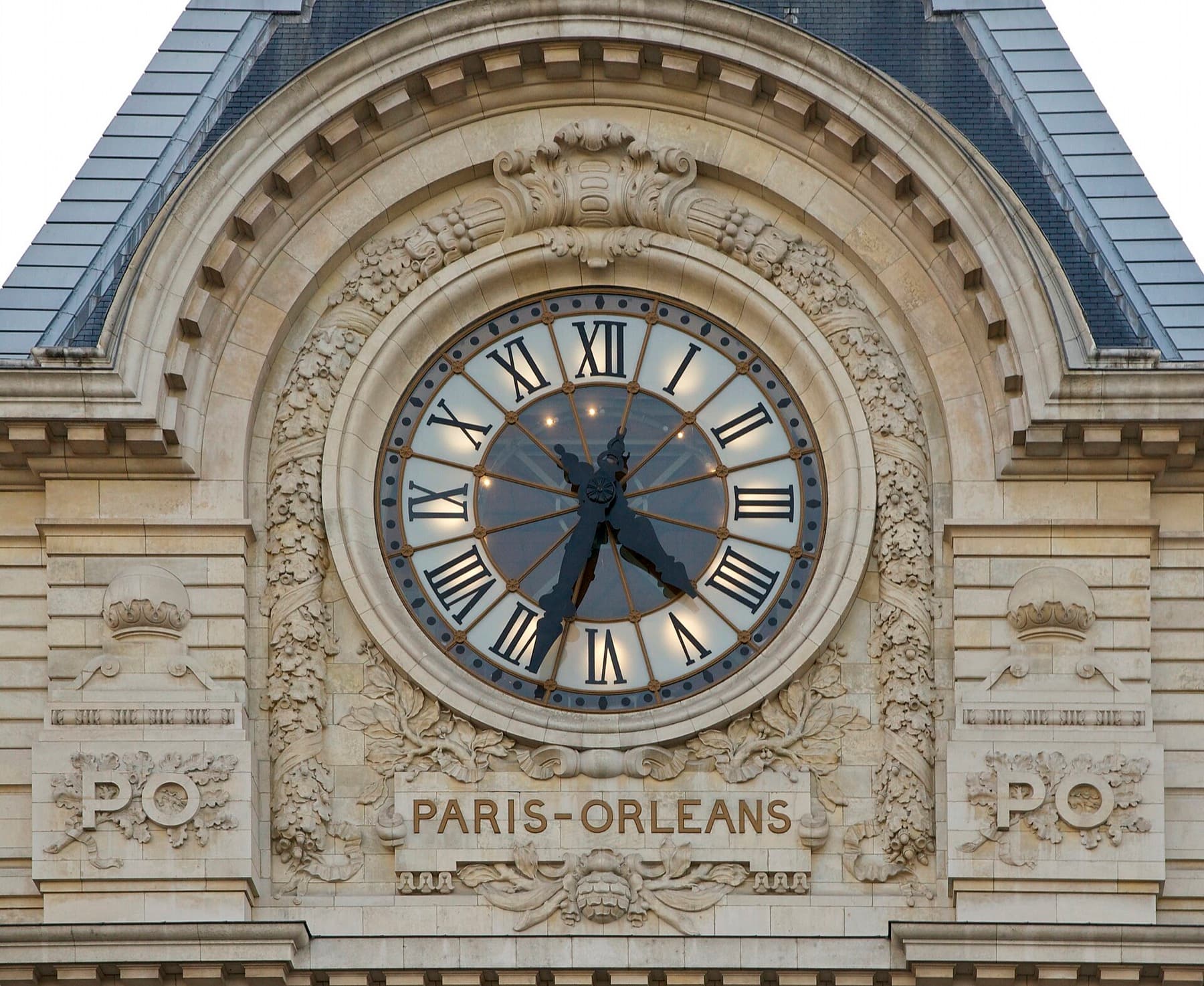
The Musée d'Orsay Was a Train Station: Fire, Laloux and the Clock
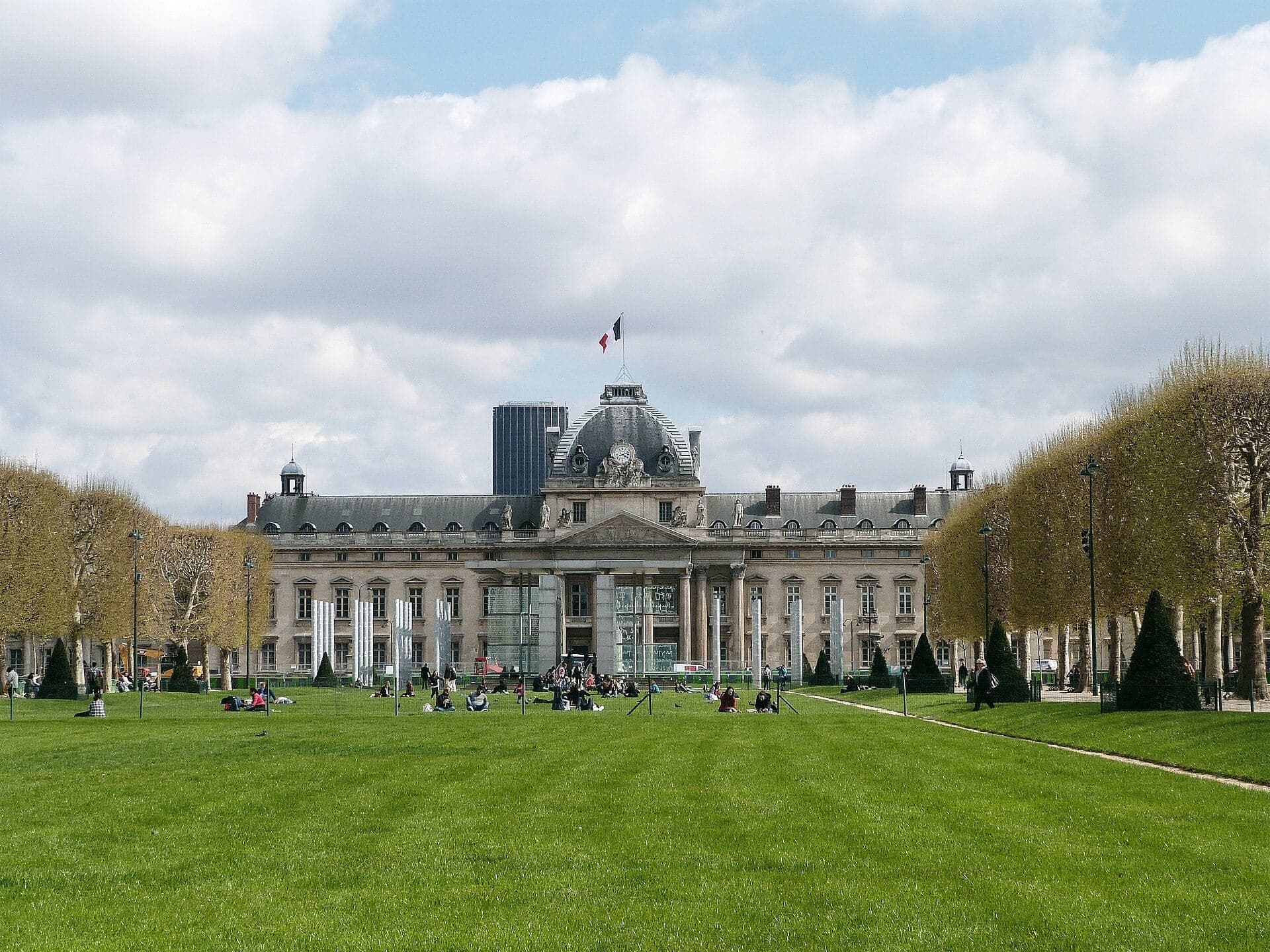
École Militaire: Where a Teenage Napoleon Learned His Trade