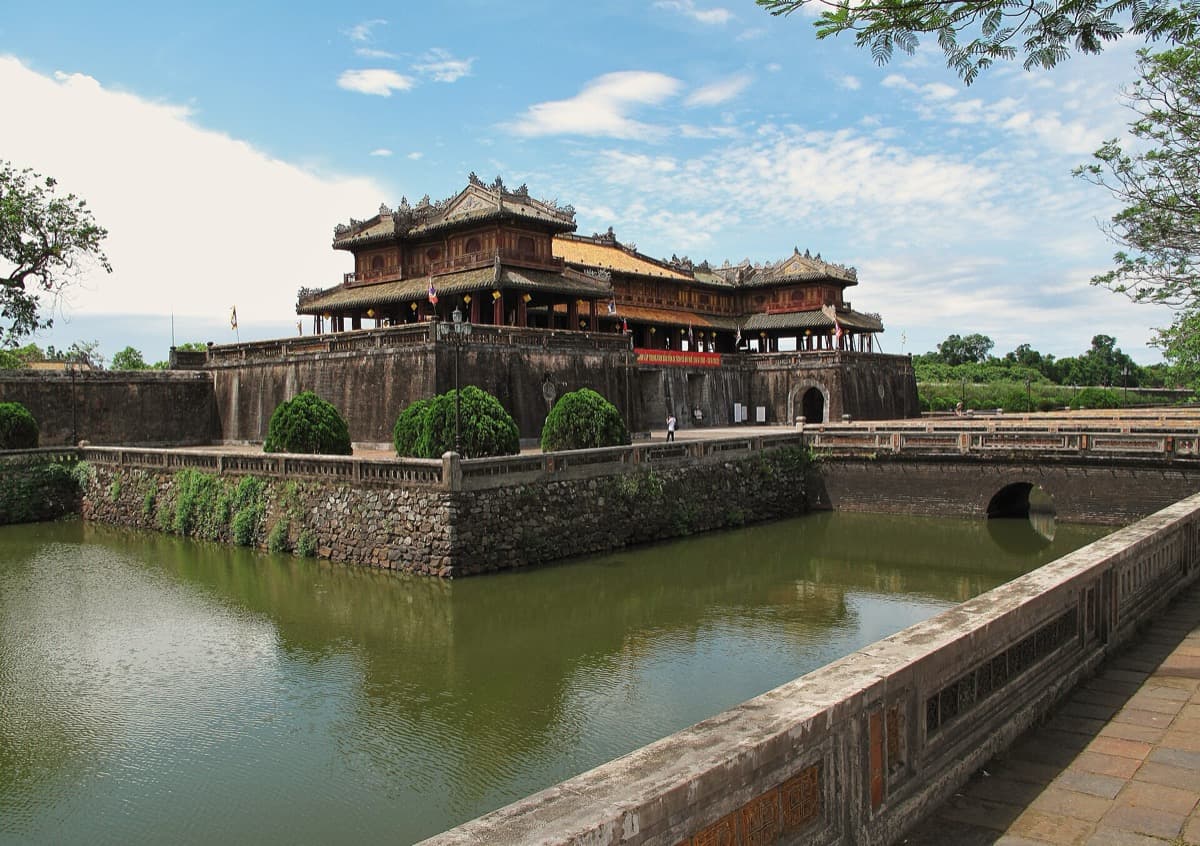
Imperial City: The Cosmos in Stone
95 min · 2.6 km · moderate
Yes, you can see the essential Hue in a day. Here is the route.
You cannot fit the whole of the old imperial capital into a single day, and you should not try. Hue was the seat of the Nguyen dynasty, Vietnam's last, and it left behind a moated citadel, a lost inner palace, a sacred river, and a scatter of royal tombs across the hills upriver. What one focused day can do is trace the shape of that capital: the Imperial Citadel and its Forbidden Purple City in the cool morning, the Perfume River and Thien Mu Pagoda by boat at midday, and one or two of the royal tombs in the afternoon. This itinerary routes those around a comfortable day and names the self-guided Hue walking tour that anchors each block so the history walks with you.
A note on pace before you start. Central Vietnam is hot and the citadel courtyards offer little shade, so start early, carry water, wear a hat, and treat the food and river breaks below as part of the plan, not interruptions to it.
Morning: the Imperial Citadel and the Forbidden Purple City
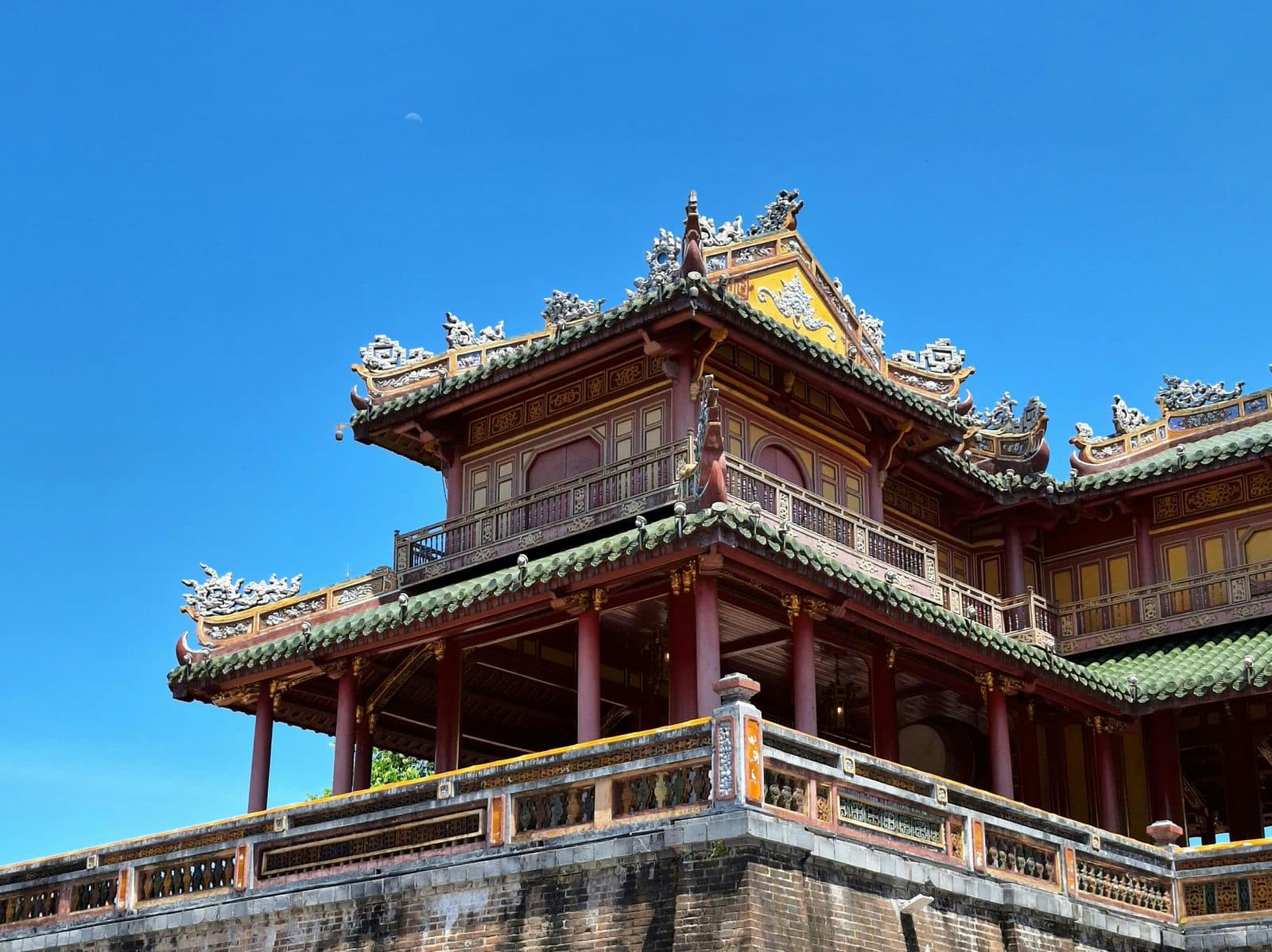
Start early, ideally by 8:00, while the great courtyards are quiet and the light is still soft. Enter through Ngo Mon, the Meridian Gate, and walk inward one enclosure at a time: across the esplanade to Thai Hoa Palace, the throne hall where emperors were crowned, past the ranked courtyard, into the To Mieu ancestral temple, and out to the row of Nine Dynastic Urns cast in bronze to embody the reign of each emperor. At the heart of it all lies the Forbidden Purple City (Tu Cam Thanh), the emperor's private residence, now mostly foundations and grass after the wars of the twentieth century.
This is the block to walk with the The Cosmos in Stone self-guided audio tour. It reads the Imperial City as what it was built to be: a Confucian diagram of the cosmos written in stone, walked inward from the flag tower on the outer rampart to the vanished innermost sanctum. If you want to go deeper on the bronze urns before you walk, the companion piece on the Nine Dynastic Urns is a good primer.
Midday: the Perfume River and Thien Mu Pagoda
Hear a stop from this walk
Tu Cam Thanh: The Empty Center
Leave the citadel by late morning and head to the water. The Perfume River (Song Huong) is the axis the whole city was laid out against, and the classic way to travel it is by dragon boat, the long, brightly painted craft that ferry visitors upriver. A boat carries you to Thien Mu Pagoda, the seven-storey Phuoc Duyen tower on a bluff over the river that is the oldest religious monument in Hue and the unofficial symbol of the city.
This is also the natural point to cross to the south bank and see the other Hue, the colonial one France built across the river. The The Second Hue self-guided tour follows the bridge, the boulevard, the cathedral, and the schools that raised the very generation who would end the dynasty. Pair it with lunch on this side: the riverside is a fine place for your first proper Hue meal. See what to eat in Hue for the dishes worth ordering, starting with the city's own bun bo Hue.
Afternoon: the royal tombs, a half-day upriver
Give the afternoon to the royal tombs, the elaborate garden-mausoleums the Nguyen emperors built for themselves in the hills southwest of the city. There are seven, spread several kilometers apart along the Perfume River, so this is where you choose rather than complete. Three are the classics:
- Tu Duc Tomb, the greenest and most romantic, a landscaped retreat of pavilions and a lake that its poet-emperor used as a garden in his lifetime.
- Khai Dinh Tomb, the most eccentric, a hillside of blackened concrete that opens into a startling interior of glass-and-porcelain mosaic, fusing Vietnamese, Chinese, and French taste.
- Minh Mang Tomb, the most stately and symmetrical, a formal axis of courtyards, gates, and lotus ponds set deep in pine hills.
The tombs are too far apart to walk between, so cover the distances by Grab, taxi, or a booked half-day car and do your walking inside each one. Two or three tombs is a realistic afternoon; if the tombs are what you came for, give them a full day instead and trim the citadel morning.
Evening: Dong Ba Market and a bowl of bun bo Hue
Come back into town for the last of the light and end at Dong Ba Market, the sprawling riverside market that has been the city's commercial heart for well over a century, on the citadel side near the Trang Tien Bridge. It is the right place to graze on Hue's imperial small dishes and pick up the city's famous chili condiments. The working quarter just east of here, old Gia Hoi, is the subject of the Behind the Palace self-guided tour, which slips out of the citadel's east corner into the merchant streets, guild temples, and timber houses the tour buses skip.
Then sit down to a bowl of bun bo Hue, the lemongrass-and-chili beef noodle soup that was born in this city and is arguably the finest of all Vietnam's noodle soups. It is the perfect close to a day spent reading the old imperial capital.
The one-day route at a glance
| Block | Where | Anchor tour |
|---|---|---|
| Morning | Imperial Citadel, Forbidden Purple City | The Cosmos in Stone |
| Midday | Perfume River, Thien Mu Pagoda, south-bank lunch | The Second Hue |
| Afternoon | Royal tombs (Tu Duc, Khai Dinh, Minh Mang) | (half-day by car) |
| Evening | Dong Ba Market, Gia Hoi, dinner | Behind the Palace |
Plan the rest of your trip
One day traces the imperial core. For how many days Hue really deserves, how to get around, and when to go, read the Hue travel guide. For the food, from bun bo Hue to the refined royal small dishes, see what to eat in Hue. For every route in the city, browse the best self-guided walking tours in Hue, or see all Hue tours. Every tour is free to start: the introduction and first stop play in full, and every later stop plays a short preview before an optional purchase.
Frequently asked questions
- Can you see Hue in one day?
- You cannot see all of Hue in a day, but you can see its essential imperial core well. A focused day covers the Imperial Citadel and Forbidden Purple City, the Perfume River with Thien Mu Pagoda, and one or two of the royal tombs upriver. The tombs are spread several kilometers out of town, so a single day means choosing two or three highlights rather than all seven; travelers with more time give the tombs a half-day or a full day of their own.
- What is the best way to spend one day in Hue?
- Walk the Imperial Citadel in the cool of the morning when the courtyards are quiet, take a Perfume River boat to Thien Mu Pagoda around midday, then use the afternoon for the royal tombs, most visitors pick Tu Duc for its romantic gardens and Khai Dinh for its extraordinary interior. End the day at Dong Ba Market and a bowl of bun bo Hue, the spicy noodle soup that was born in this city.
- How much walking is a one-day Hue itinerary?
- The Imperial Citadel alone is a large walled complex, so expect a few kilometers on foot inside it, plus more at each tomb. The tombs are too far apart to walk between, so you cover the distances by Grab, taxi, or a booked car and do the walking within each site. Wear real shoes and a hat; central Vietnam is hot, and much of the walking is in open courtyards with little shade.
- Do I need to book anything in advance for one day in Hue?
- Most sights are walk-up: the Citadel, the tombs, and Thien Mu Pagoda all sell tickets at the gate, and a combined ticket covers the Citadel plus several tombs at a discount. The one thing worth arranging ahead is transport, either a Perfume River dragon-boat cruise or a half-day car with driver to reach the tombs efficiently. The self-guided audio tours that anchor the day are free to start and can be downloaded in advance for offline listening.
Ready to experience it?
Imperial City: The Cosmos in Stone
95 min · 2.6 km · moderate
More from Hue
Explore more at your own pace.
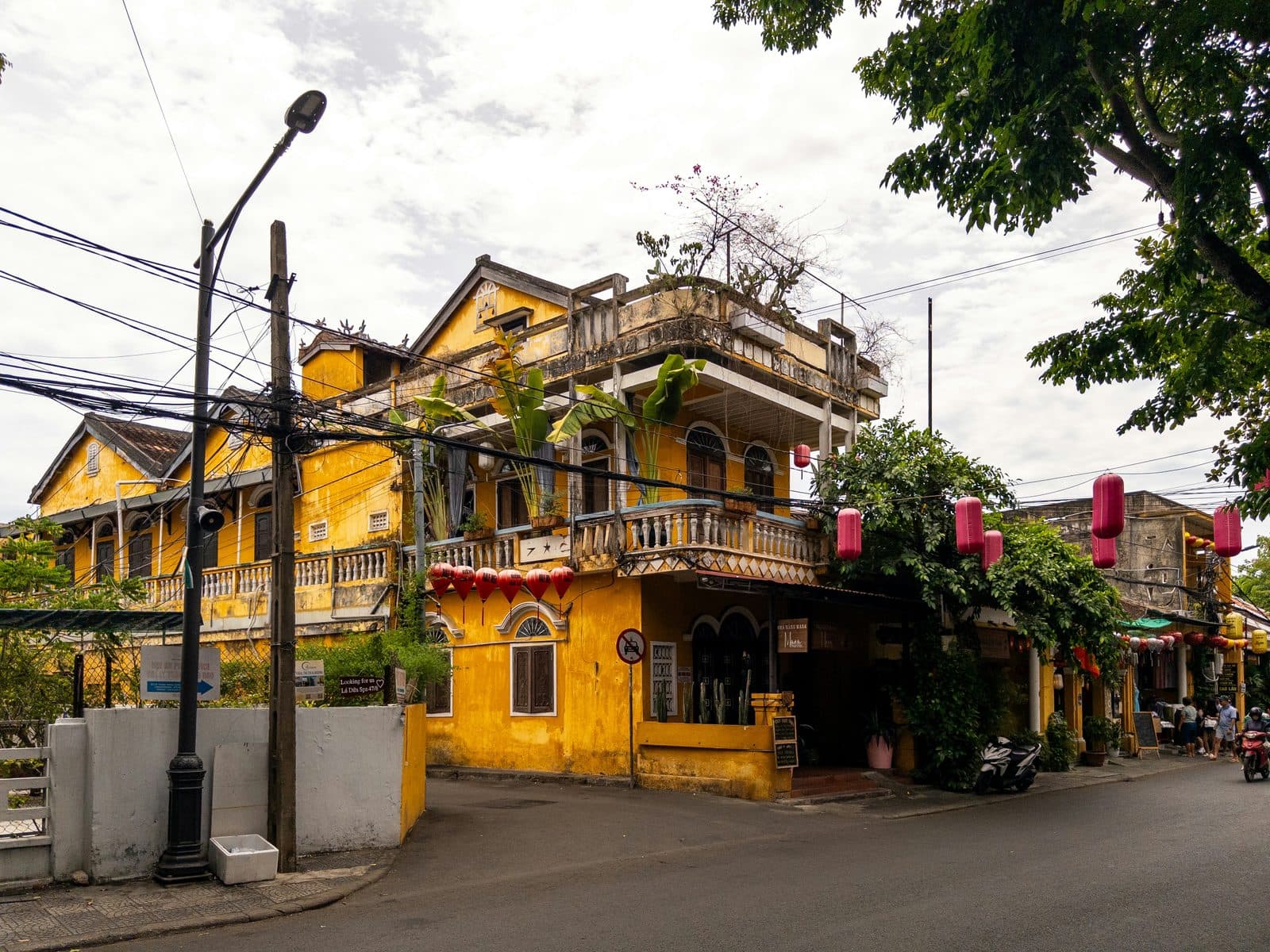
How to See Hue: One City, Written Twice and Partly Erased
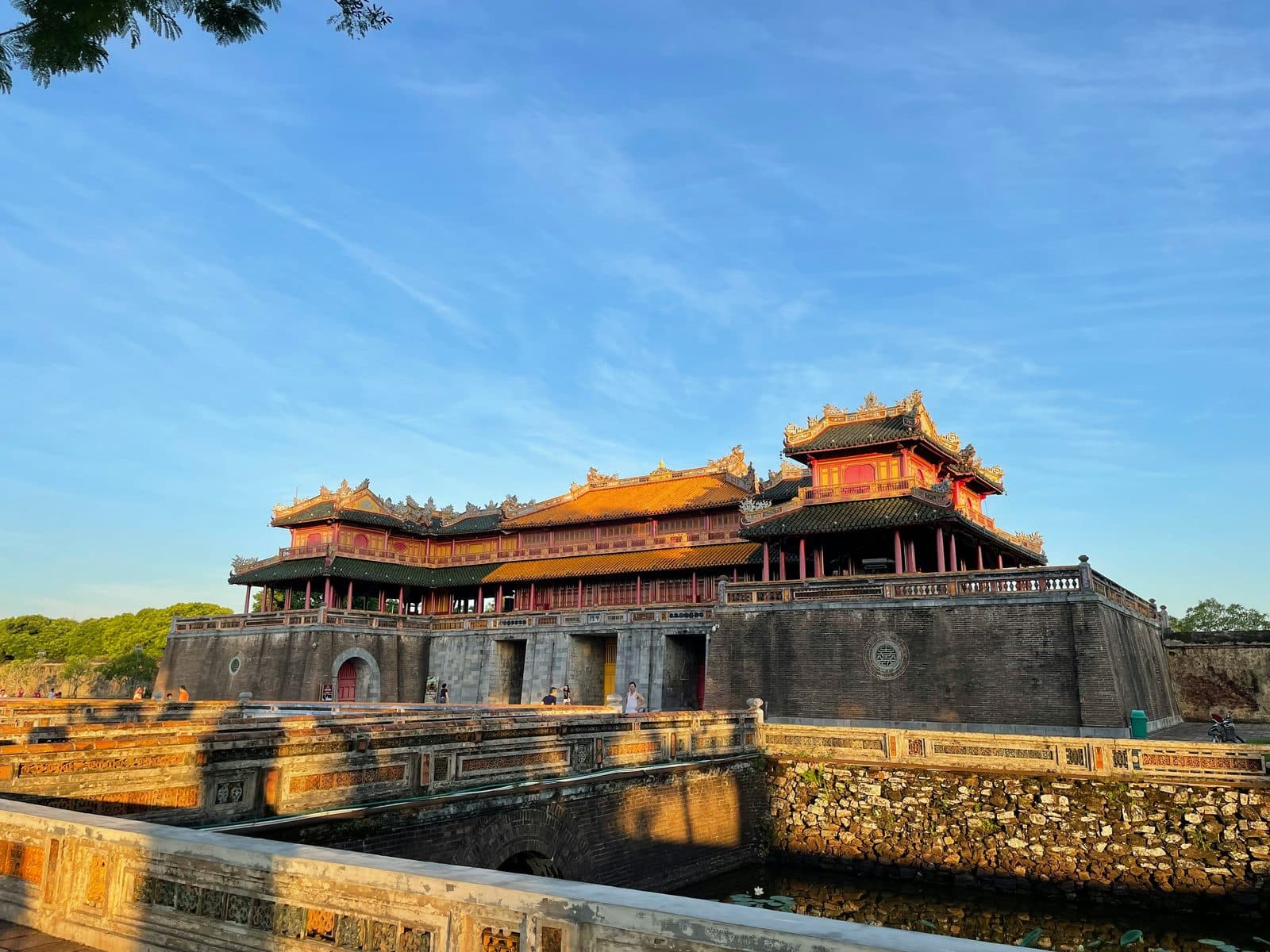
Hue Travel Guide: How Many Days, Getting Around, When to Go (2026)

What to Eat in Hue: A Food Guide (2026)
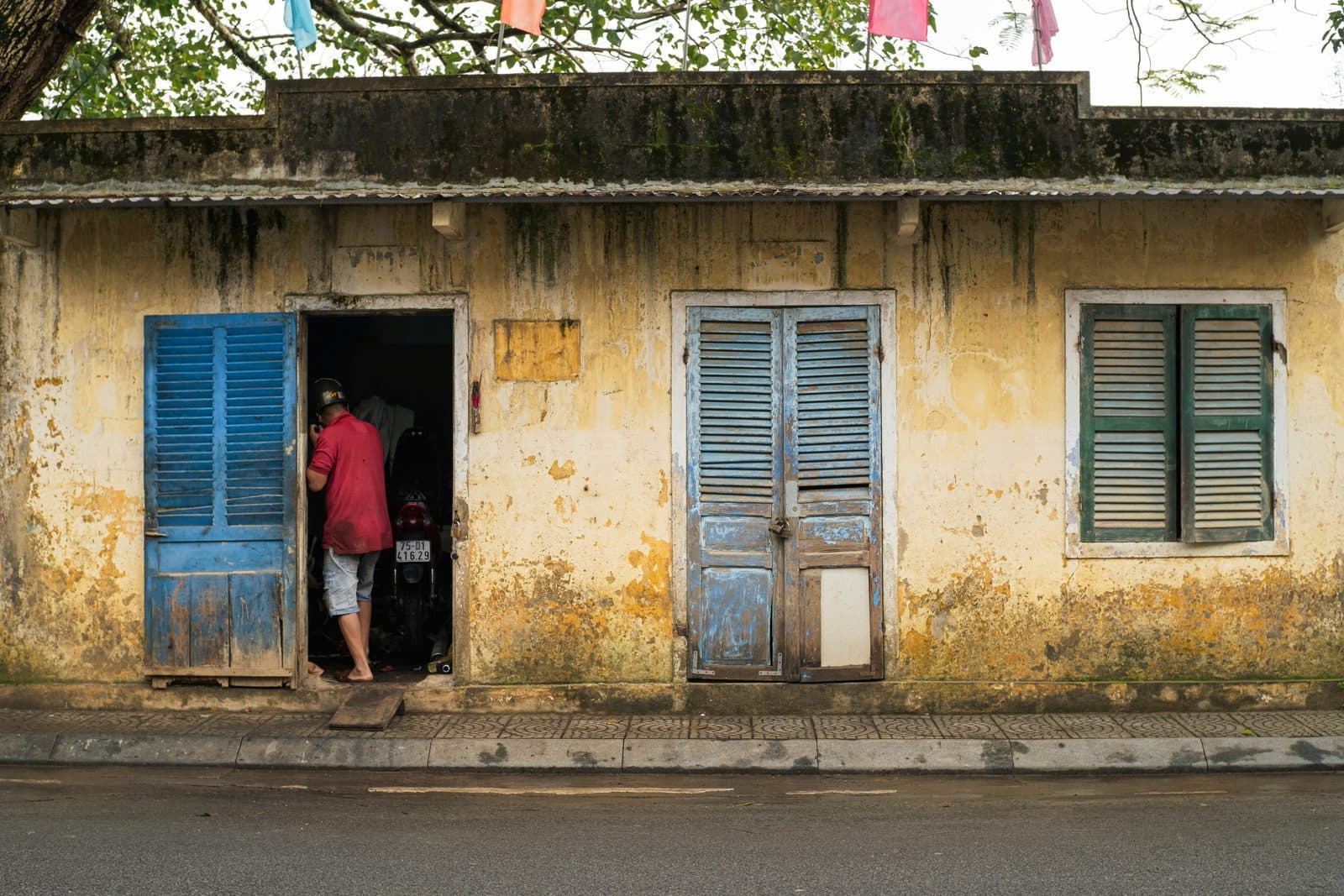
Behind the Palace: The Working City That Kept Hue's Emperors Alive
The Cosmos in Stone: How to Read the Imperial City of Hue