Everyone comes to Hue for the emperors. The citadel, the throne room, the tombs along the Perfume River. But the court could not eat, dress, worship, or trade without the working city beside it, and that city is where most visitors never go. It sits one canal-crossing east of the citadel's corner, and it is called Gia Hoi. If the walled capital, the Confucian sentence our Imperial Citadel companion reads inward, is where the dynasty staged power, Gia Hoi is where the capital actually survived, day after day.
Vietnamese cultural researchers, echoed by Hue's heritage press, put it in one clean line: the citadel across the water preserves the court life of the old capital, while Gia Hoi preserves its folk life. That contrast is the whole idea of this walk. The palace is the stage of power. This grid of narrow streets was the engine of daily survival.
The engine room
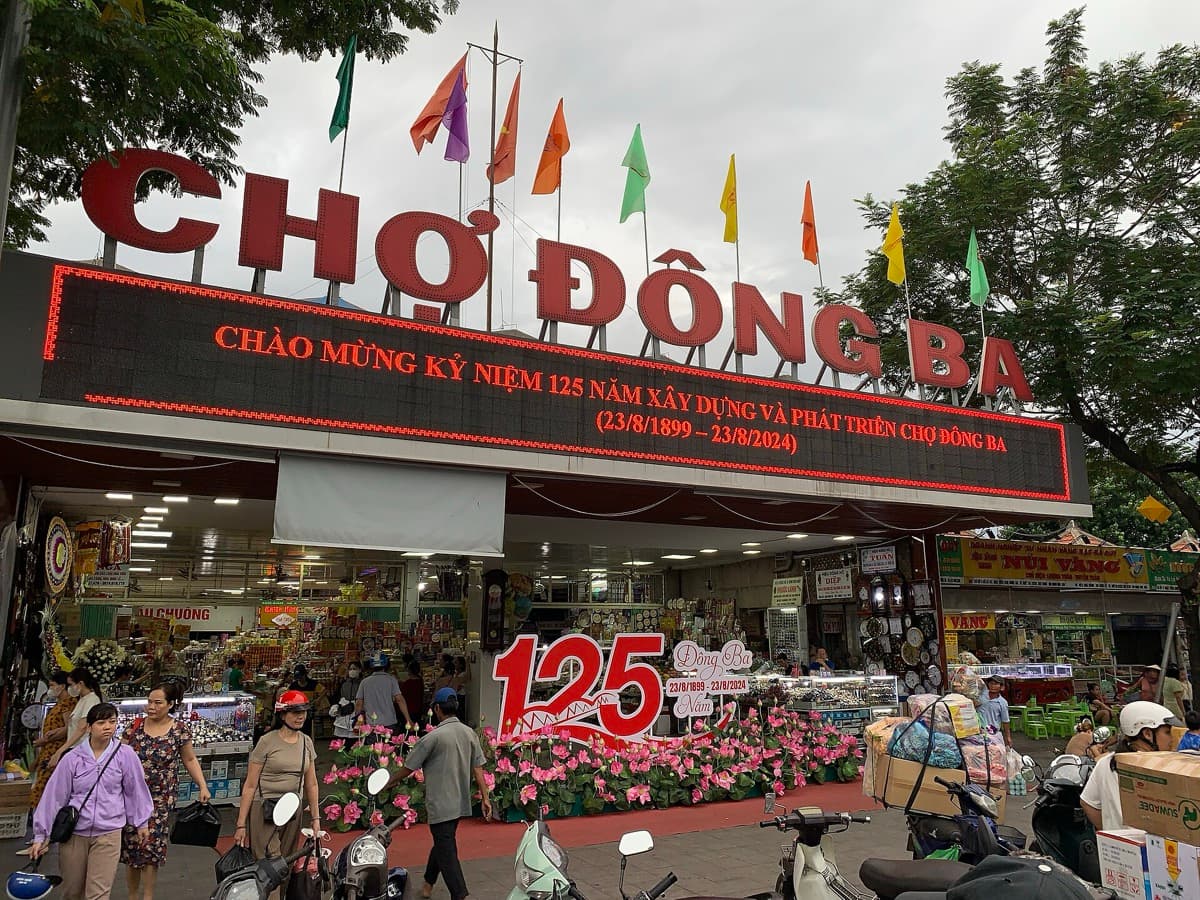
Begin at Dong Ba, Hue's largest and best known market, spread across more than forty-seven thousand square metres along the north bank of the Perfume River near the southeast corner of the citadel. Its history maps the dynasty's own turbulence. Under Gia Long, the first Nguyen emperor, the market sat just outside the citadel's Eastern Gate and was known as the Quy Gia market. It burned to the ground in 1885 during the battle for the imperial city, was rebuilt by Emperor Dong Khanh in 1887, and in 1899 Emperor Thanh Thai ordered it reconstructed here at the riverside, with forty-eight roofed stalls and a well dug inside for clean water. It was rebuilt again in the 1960s, damaged during the Tet Offensive of 1968, and given a major renovation in the late 1980s.
Think about what a market means to a royal city. The emperors staged ceremony in the throne room, but the rice, the salt, the fish, and the silk all moved through here first. Dong Ba is the engine room, and it points you east, across the Dong Ba canal on the Gia Hoi bridge, into the quarter it fed.
The quarter the buses skip
Hear a stop from this walk
Chieu Ung Pagoda: A Memorial to the Hainanese Dead
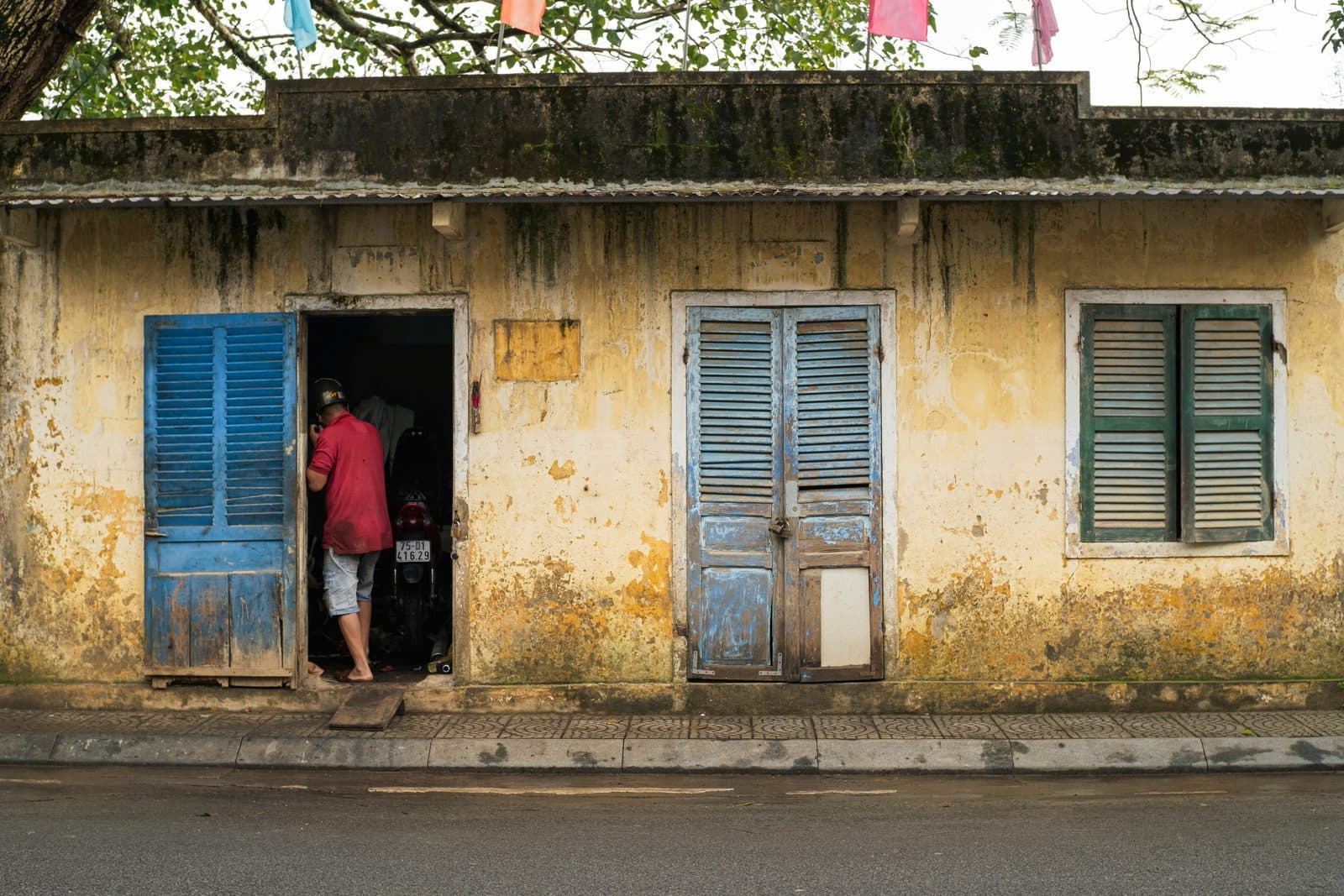
Pause on the bridge and take in both banks. Behind you, the market and the great citadel. Ahead, the nineteenth-century trading neighborhood wedged between the Perfume River and the canal. Gia Hoi has a longer story than its houses suggest. After the Nguyen lords moved their seat to Kim Long in 1636 and then to Phu Xuan in 1687, merchants both Vietnamese and Chinese settled these banks and traded in rice, salt, seafood, silk, gold, medicine, and pottery. Many of the Chinese families arrived from the southern coast in the seventeenth century, during the upheaval as the Ming dynasty gave way to the Qing. Artisans worked here too, making coffins, mother-of-pearl inlay, bricks, tiles, and woven crafts. Around thirty-nine timber houses more than a century old are said to survive in the quarter, some beautifully kept, some quietly falling apart. That fragility matters: folk life leaves fewer monuments than court life, and it is harder to protect.
The court did not keep its reach out of this working neighborhood. Along the canal on Bach Dang street stands Dieu De, a royal national pagoda placed under the direct patronage of the Nguyen dynasty. Its story is personal. This spot was the birthplace of Emperor Thieu Tri, the third Nguyen emperor, born here in 1807 in the home of his maternal grandfather. After he took the throne in 1841, he had the family residence converted into a pagoda in 1844, and from then until 1945 it was classified as a national temple alongside the famous Thien Mu pagoda upriver. Look for its four low towers, two flanking the main gate and two by the sanctuary. The dynasty planted a royal pagoda right here, in the middle of the merchants and artisans, where daily life actually happened.
The immigrant spine
Then comes the heart of the quarter, the street of the guild temples. Locals still call Chi Lang the Chinese Street, for the density of overseas-Chinese assembly halls strung along it, each built by a different hometown congregation. The first you meet, at number 223, is Chua Ong, properly the Quang Trieu assembly hall, built from the late 1800s by Cantonese from Zhaoqing in Guangdong province. A hall like this was never only a temple. It was a temple, a chamber of commerce, and a mutual-aid society all at once, a home away from home for people who had crossed the sea to trade, and its patron deity, Quan Cong, was revered across the Chinese world as the very embodiment of loyalty and honest dealing. For merchants living or dying on their reputation, he was the perfect patron.
Right beside it, at number 207, stands the emotional heart of the quarter, Chieu Ung, a memorial built by Hue's Hainanese congregation for merchants killed in 1851 and later vindicated by royal decree. That memorial, and the cluster of Cantonese, Hainanese, Teochew, and Fujian halls around it, carries more weight than a single walk can hold, so our deep-dive on Gia Hoi's Chinese assembly halls tells that story in full. Many of these halls remain privately owned by hometown associations and are not open to casual visitors, so read them from the street: the facade, the tiled roof, the carved detail.
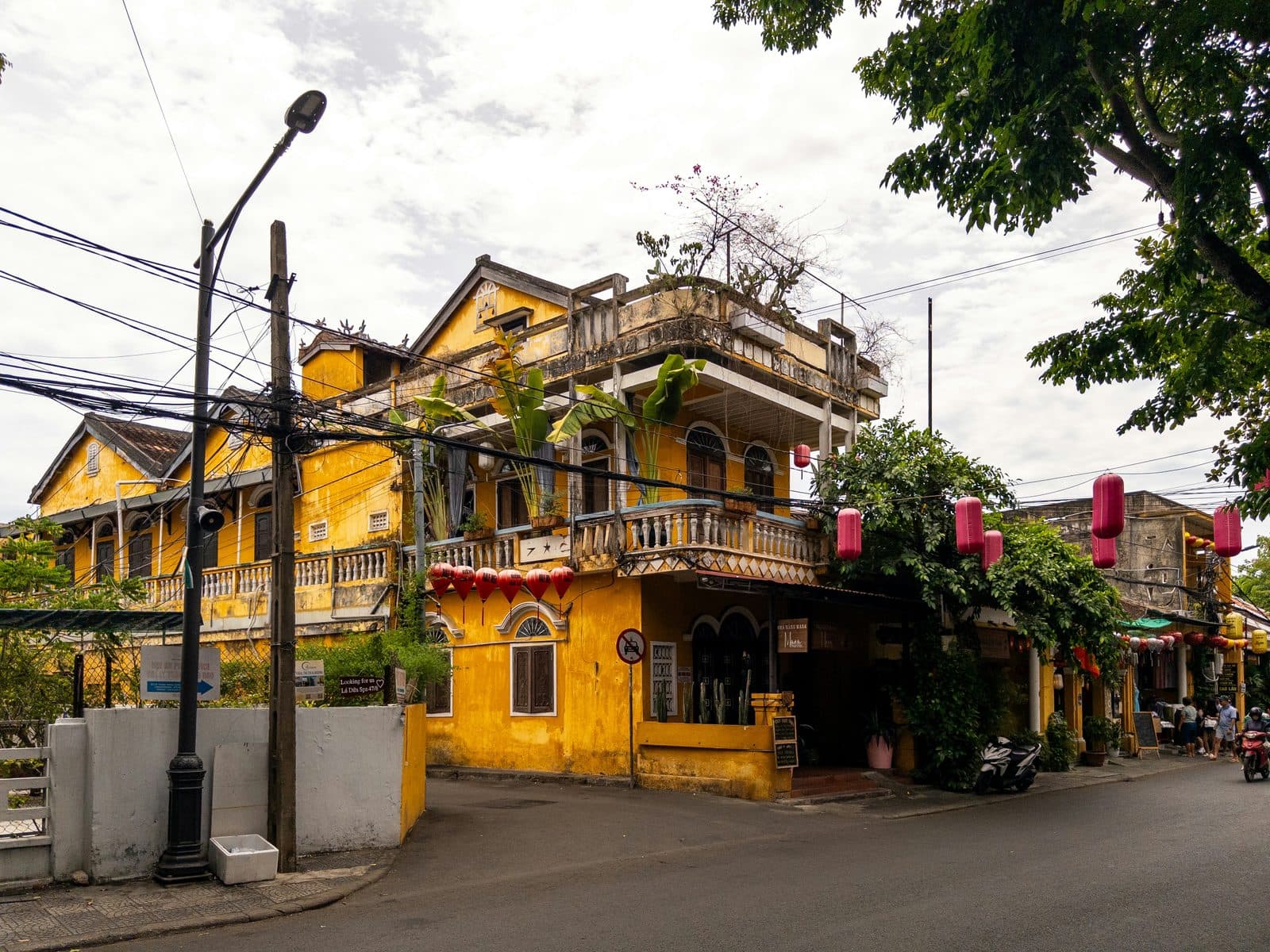
The last stop is simply to walk. Chi Lang runs northeast along the east bank, its name changed with the times, from Rue Gia Hoi under the French in 1908 to Chi Lang in 1956, after a northern mountain pass famous for an old border victory. Between the halls stand the century-old timber shophouses, some lovingly kept, some weathered and leaning. Let the layers settle as you go. This narrow street, not the throne room, is where the capital actually resupplied itself, congregation by congregation.
How to walk it, and why
Start at Dong Ba early, around seven to ten in the morning, when the market is fully awake, then let the crowds thin as you cross into the quieter quarter. Carry small bills and water; this is a working neighborhood, not a tourist strip. Look up as you walk Chi Lang, because the real heritage is above the modern shopfronts. And treat the pagodas and halls as the living places of worship most of them still are.
One canal-crossing from the palace, hidden in plain sight, the working city that kept the emperors' capital alive is still standing. It is the half of Hue that clothed and fed the other half, and it completes the picture the citadel and the colonial south bank only begin. If the emperors gave Hue its monuments, Gia Hoi gave it its meals, and both are worth your attention.
Ready to experience it?
Behind the Palace
85 min · 2.5 km · easy
More from Hue
Explore more at your own pace.
How to See Hue: One City, Written Twice and Partly Erased
Hue Travel Guide: How Many Days, Getting Around, When to Go (2026)
One Day in Hue: The Imperial City in a Single Day (2026)
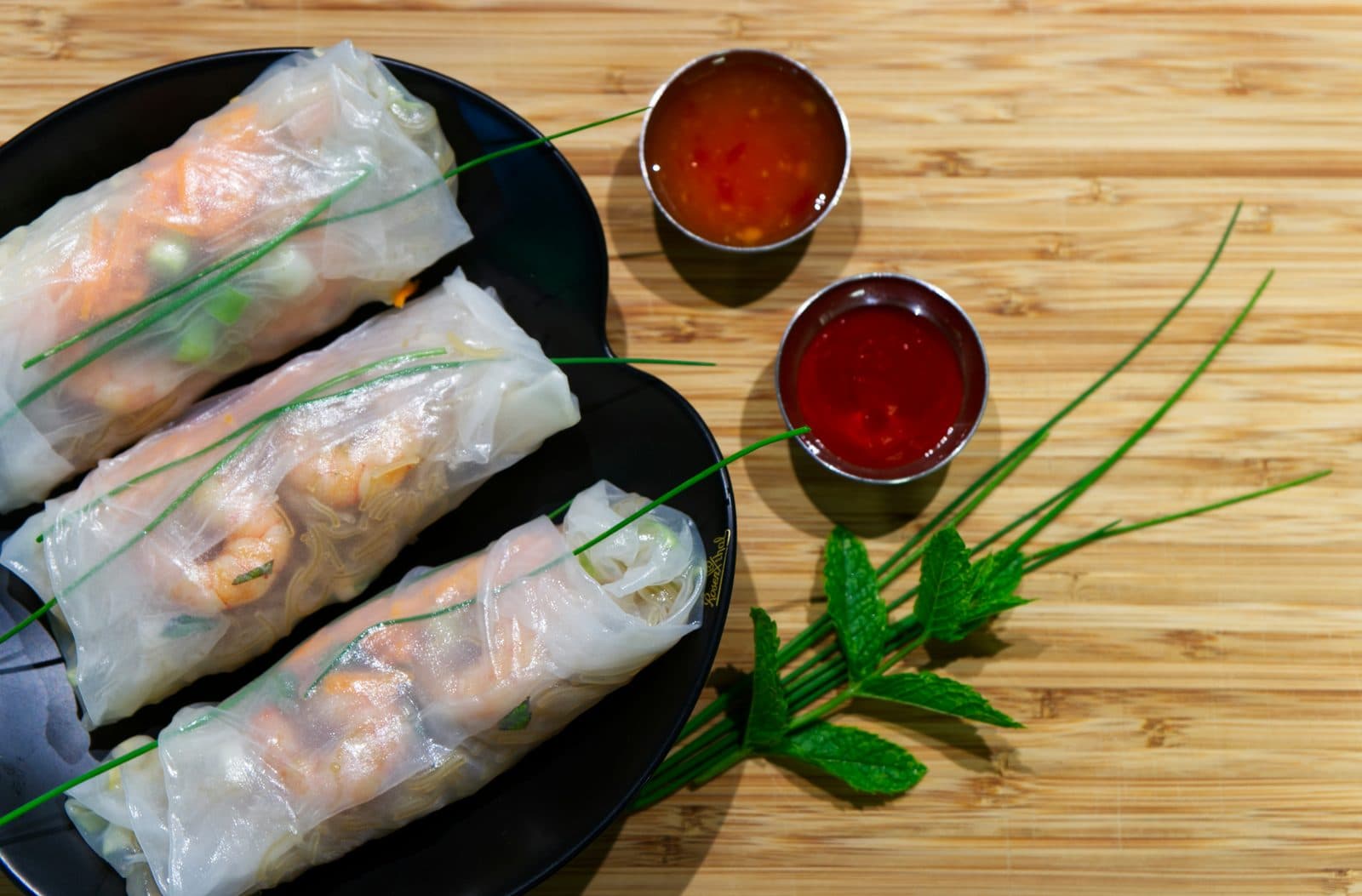
What to Eat in Hue: A Food Guide (2026)
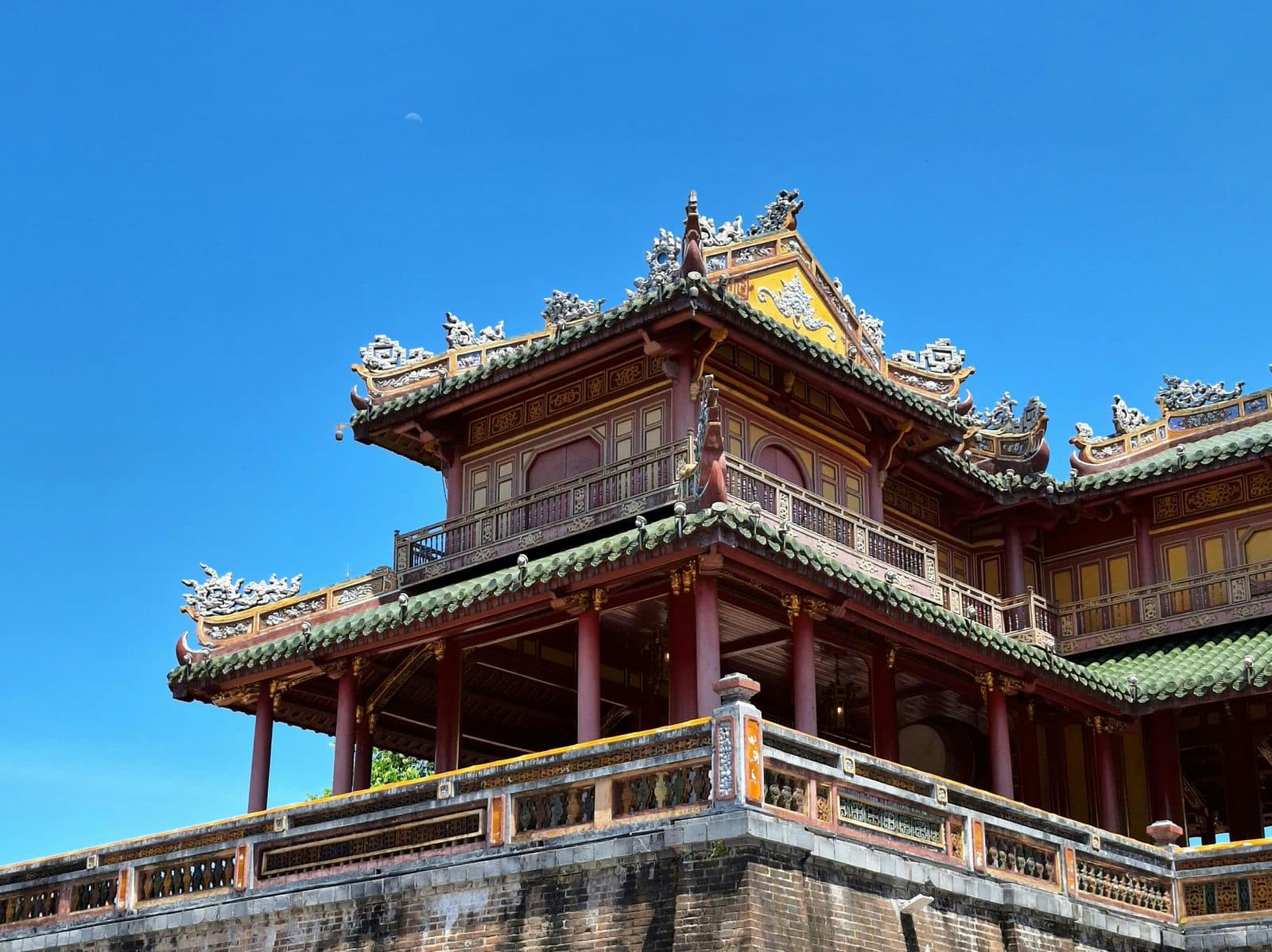
The Cosmos in Stone: How to Read the Imperial City of Hue