
Imperial City: The Cosmos in Stone
95 min · 2.6 km · moderate
Hue rewards planning because its highlights are not clustered. The Imperial Citadel sits right in town, but the royal tombs that many people come for are scattered kilometers upriver, and the city itself is a natural hinge on the central-coast route between Hanoi and Ho Chi Minh City. As the last imperial capital, the seat of the Nguyen dynasty until 1945, it deserves more than the half-day stopover it often gets. This guide answers the practical questions travelers actually search, answer first, then the detail.
How many days do you need in Hue?
Short answer: two days for most people.
- 1 day covers the imperial core if you are squeezing Hue into a tight central-coast schedule: the Citadel, a Perfume River boat to Thien Mu Pagoda, and a tomb or two. Follow our focused one day in Hue route.
- 2 days lets you give the royal tombs a proper half-day and still have time for Dong Ba Market and the colonial south bank without rushing.
- 3 days adds the day trip over the Hai Van Pass to Da Nang and Hoi An, or a slower pass through the food scene and the working merchant quarter of Gia Hoi.
The reason under-scheduling is the classic mistake: the tombs are spread several kilometers out of town and apart from each other, so travel time is longer than the map suggests. Build in transport time and you will enjoy each site more.
Getting around Hue
Hear a stop from this walk
Tu Cam Thanh: The Empty Center
Central Hue is walkable, and walking is how our self-guided Hue tours are built. The Imperial Citadel is a large walled complex you explore entirely on foot, and the old merchant quarter of Gia Hoi across the canal is a pleasant wander. For everything beyond the center, you combine walking with transport:
- Grab. The local ride-hailing app books both cars and motorbike taxis with transparent, up-front pricing. It is the cheapest, simplest way to reach the tombs.
- Booked car with driver. The most efficient way to string several royal tombs together in an afternoon, since they are far apart.
- Cyclo. A three-wheel pedal rickshaw, a slow and characterful way to see the citadel side. Agree the fare before you set off.
- Perfume River dragon boat. The classic way to reach Thien Mu Pagoda and the riverside tombs, and an experience in itself.
For getting to Hue: Phu Bai International Airport is about 15 kilometers southeast of the center, a 20 to 30 minute drive. Hue also sits on Vietnam's North-South railway, the line often called the Reunification Express, and the coastal run between Hue and Da Nang is rated one of the most scenic train journeys in the world.
Best time to visit Hue
The window to aim for is February to April: dry, sunny, comfortable at roughly 19 to 25 degrees Celsius, and the least rainfall of the year. The broad dry season runs from about November to April.
Avoid the heavy rain and flood season, September to December. Hue is one of the wettest cities in Vietnam, and the Perfume River can flood in this stretch. Summer, May to August, is hot and humid but still workable if you start your sightseeing early and rest through the midday heat.
Is Hue safe?
Very. Hue is a calm, welcoming city and one of the easier places to travel in Vietnam, including for solo and female travelers. Violent crime against visitors is rare. Ordinary precautions still apply: mind your belongings in crowded markets like Dong Ba, agree fares before a cyclo or motorbike ride (or just use Grab for transparent pricing), and stay aware of the seasonal flooding risk in the September-to-December rains.
Hue on a budget
Hue is friendly to a tight budget. Much of what makes it special is cheap or free to see:
- Combined tickets. A discounted combined ticket covers the Imperial Citadel plus several royal tombs, which is far better value than paying at each gate.
- Grab over taxis. The ride-hailing app keeps transport costs low and predictable, especially the motorbike option for solo travelers.
- Eat cheap and superbly. Hue's street food is among the best in Vietnam. A bowl of bun bo Hue, a plate of banh beo, or a com hen costs very little. See what to eat in Hue for what to order.
- Skip the guide fee. Roamer's self-guided audio tours are free to start, so you get expert narration through the Citadel and the city without hiring a private guide, booking a start time, or leaving a tip.
Start planning your walk
Ready to route your days? Read our one day in Hue itinerary, get hungry with what to eat in Hue, browse the best self-guided walking tours in Hue, or see all Hue tours. Every tour is free to start: the introduction and first stop play in full, and every later stop plays a short preview before an optional purchase. Tours can also be downloaded in advance for offline listening.
Frequently asked questions
- How many days do you need in Hue?
- Two days is the sweet spot for most travelers. One day covers the imperial core, the Citadel, a Perfume River boat to Thien Mu Pagoda, and a tomb or two, if you are on a tight central-coast schedule. Two days lets you give the royal tombs a proper half-day and still have time for the market and the colonial south bank. A third day adds the day trip over the Hai Van Pass to Da Nang and Hoi An. Because the tombs are spread out of town, under-scheduling is the common mistake.
- How do you get around Hue?
- The Imperial Citadel and central Hue are walkable, but the royal tombs are several kilometers out of town, so you combine walking with transport. Grab (the local ride-hailing app, for both cars and motorbikes) is cheap and easy for reaching the tombs. A booked half-day car with driver is the most efficient way to string several tombs together. A cyclo (a three-wheel pedal rickshaw) is a slow, pleasant way to see the citadel side, and a Perfume River dragon boat is the classic way to reach Thien Mu Pagoda and the riverside tombs.
- How do you get to Hue?
- Hue has its own airport, Phu Bai International, about 15 kilometers southeast of the center, roughly a 20 to 30 minute drive. Hue also sits on Vietnam's North-South railway, the line often called the Reunification Express, and the coastal stretch between Hue and Da Nang is rated one of the most scenic train rides in the world. Many travelers arrive overland from Hanoi or Ho Chi Minh City by train or sleeper bus, or hop up from Da Nang and Hoi An just south over the Hai Van Pass.
- What is the best time of year to visit Hue?
- February to April is the best window: dry, sunny, and comfortable, generally 19 to 25 degrees Celsius, and the least rainfall of the year. The broad dry season runs roughly November to April. Avoid the heavy rain and flood season from September to December, when Hue is one of the wettest cities in Vietnam and the Perfume River can flood. Summer (May to August) is hot and humid but still workable if you start early.
- Is Hue safe for tourists?
- Yes, very. Hue is a calm, welcoming city and one of the easier places to travel in Vietnam, including for solo and female travelers. Violent crime against visitors is rare; the usual precautions apply, watch your belongings in crowded markets like Dong Ba, agree fares before taking a cyclo or motorbike, and use Grab for transparent pricing. The main seasonal hazard is flooding in the September-to-December rains, so check conditions if you visit then.
- Can you do a day trip from Hue to Da Nang or Hoi An?
- Yes, and it is one of the best day trips in Vietnam. The route south crosses the Hai Van Pass, a 21-kilometer mountain road over a spur of the Annamite range that drops to Lang Co Beach and on to Da Nang and Hoi An. You can do it by private car with driver, by the famous Easy Rider motorbike tour, or by taking the scenic coastal train between Hue and Da Nang. Many travelers do the pass one-way as a transfer between Hue and Hoi An rather than a round trip.
Ready to experience it?
Imperial City: The Cosmos in Stone
95 min · 2.6 km · moderate
More from Hue
Explore more at your own pace.
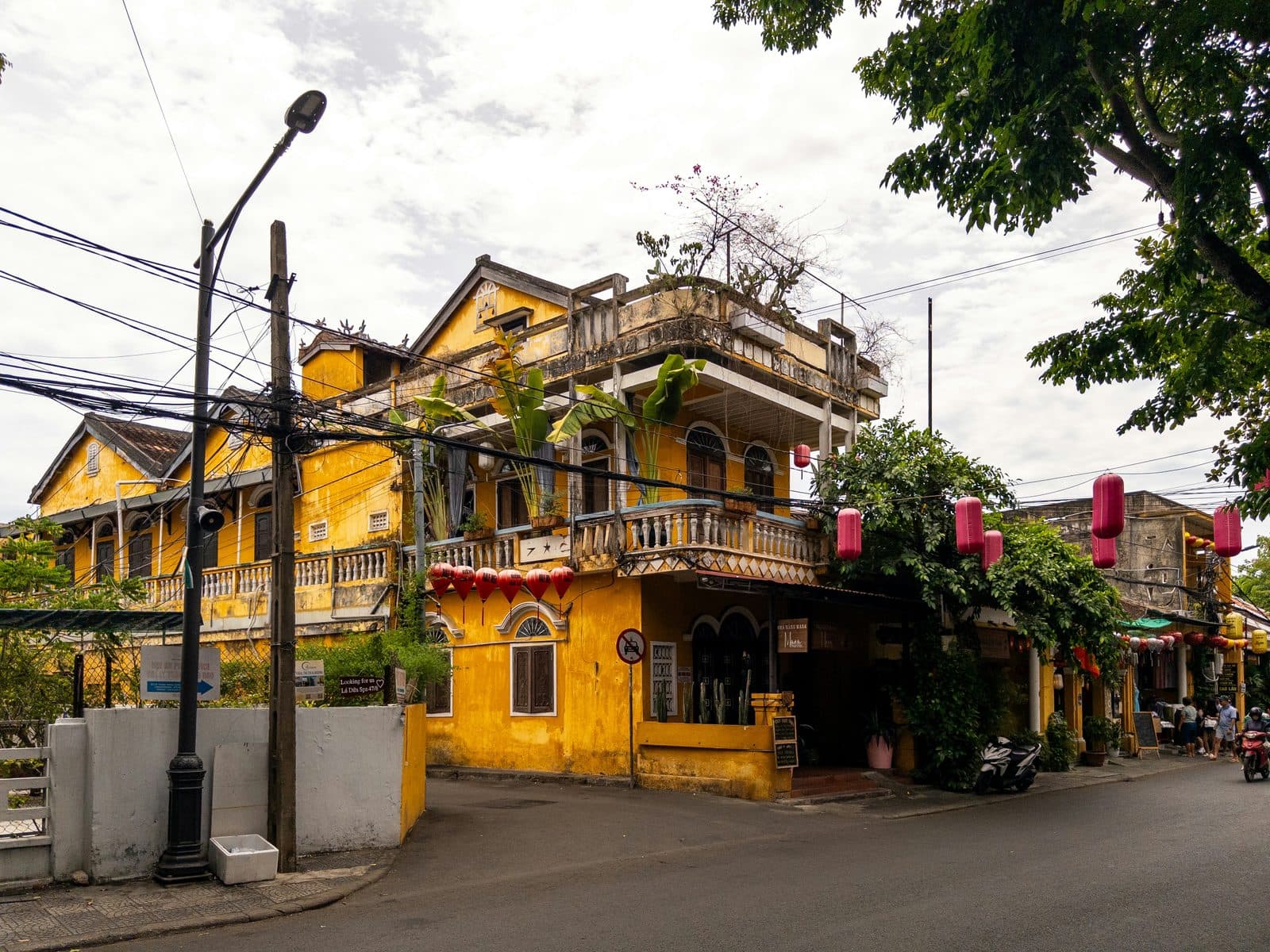
How to See Hue: One City, Written Twice and Partly Erased

One Day in Hue: The Imperial City in a Single Day (2026)

What to Eat in Hue: A Food Guide (2026)
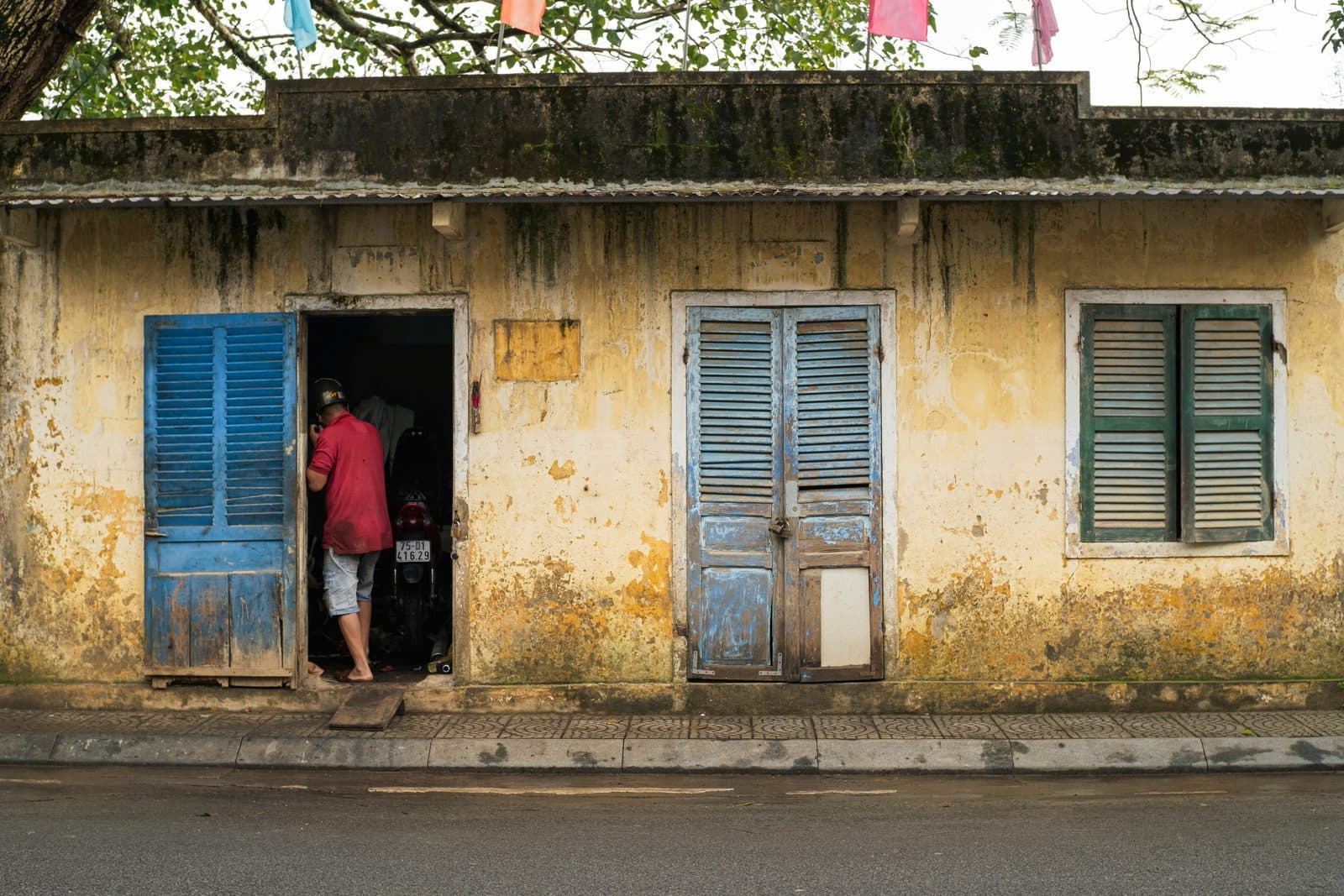
Behind the Palace: The Working City That Kept Hue's Emperors Alive
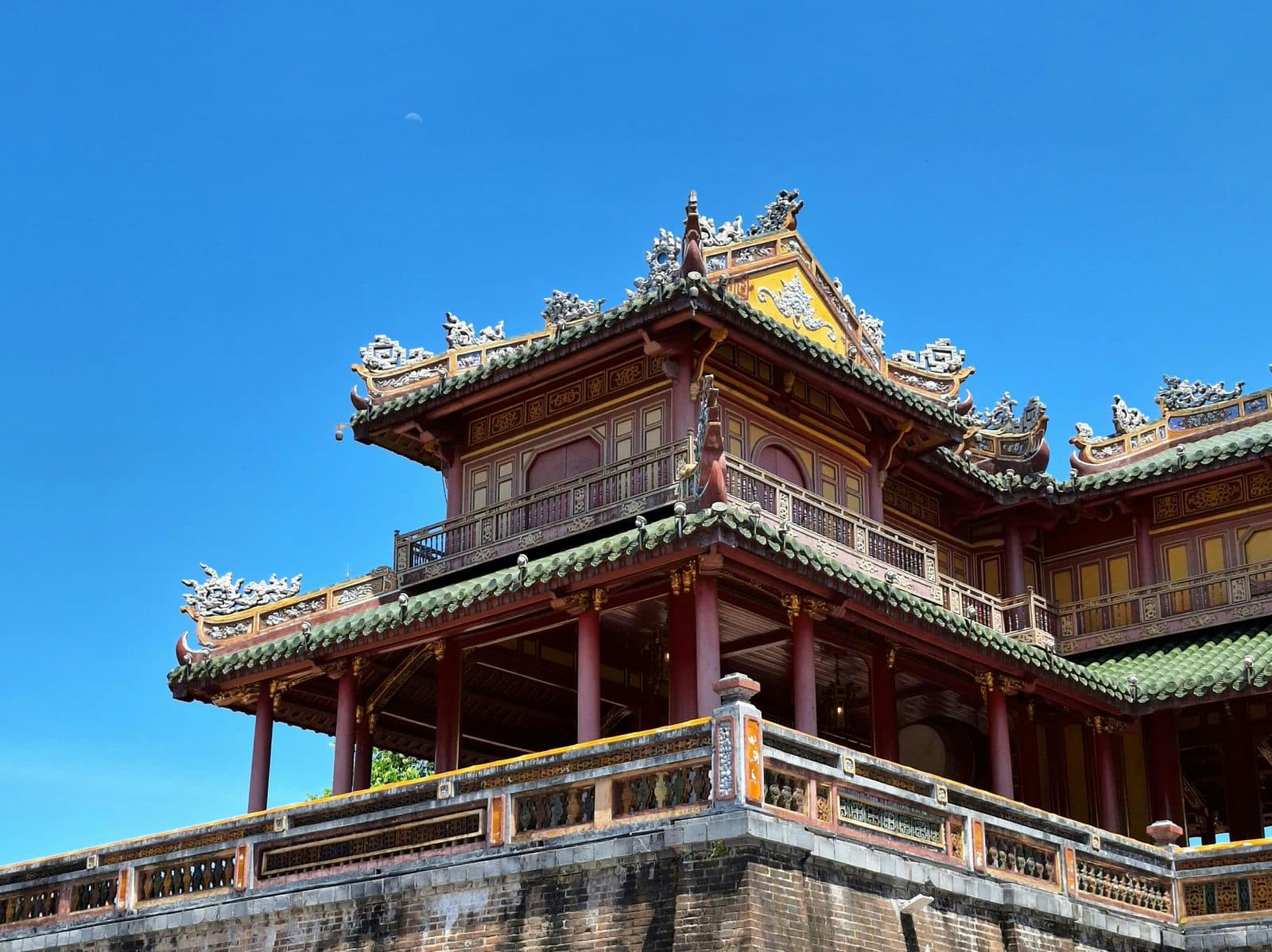
The Cosmos in Stone: How to Read the Imperial City of Hue