Perfume River: The Second Hue
110 min · 4 km · moderate
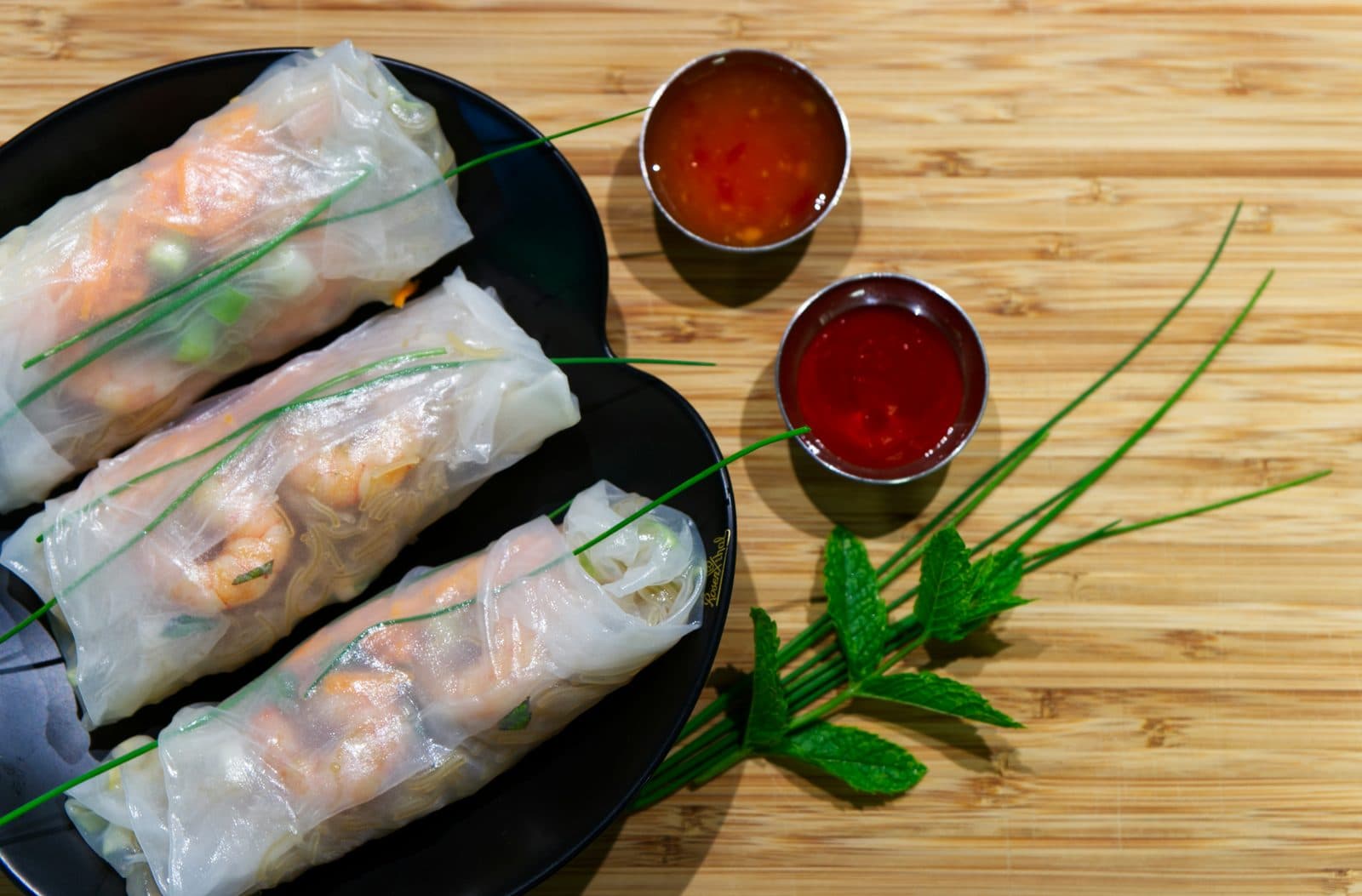
Hue food is defined by refinement and abundance in miniature. As the seat of the Nguyen emperors, the city developed a royal court cuisine built on variety and presentation: a single palace meal could run to dozens of small, exquisitely composed dishes, each shaped and colored to please the eye as much as the tongue. That palace sensibility trickled down into the street food, so even a cheap bowl or a plate of steamed rice cakes here carries an imperial fussiness about balance and beauty. Eat well in Hue and you are really eating small, and eating a lot of small things. This guide covers the dishes worth seeking out and where the food culture actually lives, and it pairs naturally with a slow walk on one of our Hue self-guided tours.
The dishes to seek out
Bun bo Hue. The city's signature and, for many, the best noodle soup in Vietnam. A beef and pork broth built on lemongrass, with a chili-and-shrimp-paste heat, poured over thick round rice noodles with slices of beef shank, cubes of congealed pork blood, and a mound of fresh herbs. Spicier and more aromatic than pho, and this is its birthplace. Anthony Bourdain called it his favorite soup in the world.
Banh khoai. A small, crisp pancake of rice-flour batter, stuffed with shrimp, pork, egg, and bean sprouts, then folded and fried until golden. It is eaten with a rich fermented-soybean-and-peanut dipping sauce and a bundle of herbs and green fig. Think of it as Hue's crunchier, richer cousin to the southern banh xeo.
The royal small dishes: banh beo, banh nam, banh loc. This trio is the clearest taste of Hue's palace refinement, tiny steamed rice-based cakes served in sets:
- Banh beo, "water-fern cakes," are little saucers of steamed rice flour topped with dried shrimp and crisp pork, eaten straight from their dishes with a splash of fish sauce.
- Banh nam are flat, translucent rice dumplings filled with minced shrimp and pork and steamed inside banana leaves.
- Banh loc are chewy, clear tapioca dumplings wrapped around a whole shrimp and a nub of pork, wonderfully bouncy in texture.
Com hen. A humble Hue classic: cold rice topped with tiny baby clams from the Perfume River, crispy rice crackers, peanuts, pork cracklings, fresh herbs, and a punchy dressing of clam broth and fermented shrimp paste. It is the taste of everyday Hue rather than the palace.
Che. Hue's beloved family of sweet dessert soups, served warm or over ice, in a rainbow of varieties: mung bean, lotus seed, taro, jellies, and more. A cup of che is the traditional way to finish a meal or beat the afternoon heat.
Imperial court cuisine. The apex of Hue cooking is the reconstructed royal banquet, a procession of many small, ornately presented dishes, sometimes carved and arranged into dragons and phoenixes, served in a period dining room. It is a special-occasion, book-ahead experience, and the most direct way to eat the imperial history the city is built on.
Where the food culture lives
Hear a stop from this walk
Quoc Hoc National Academy: The Paradox's Heart
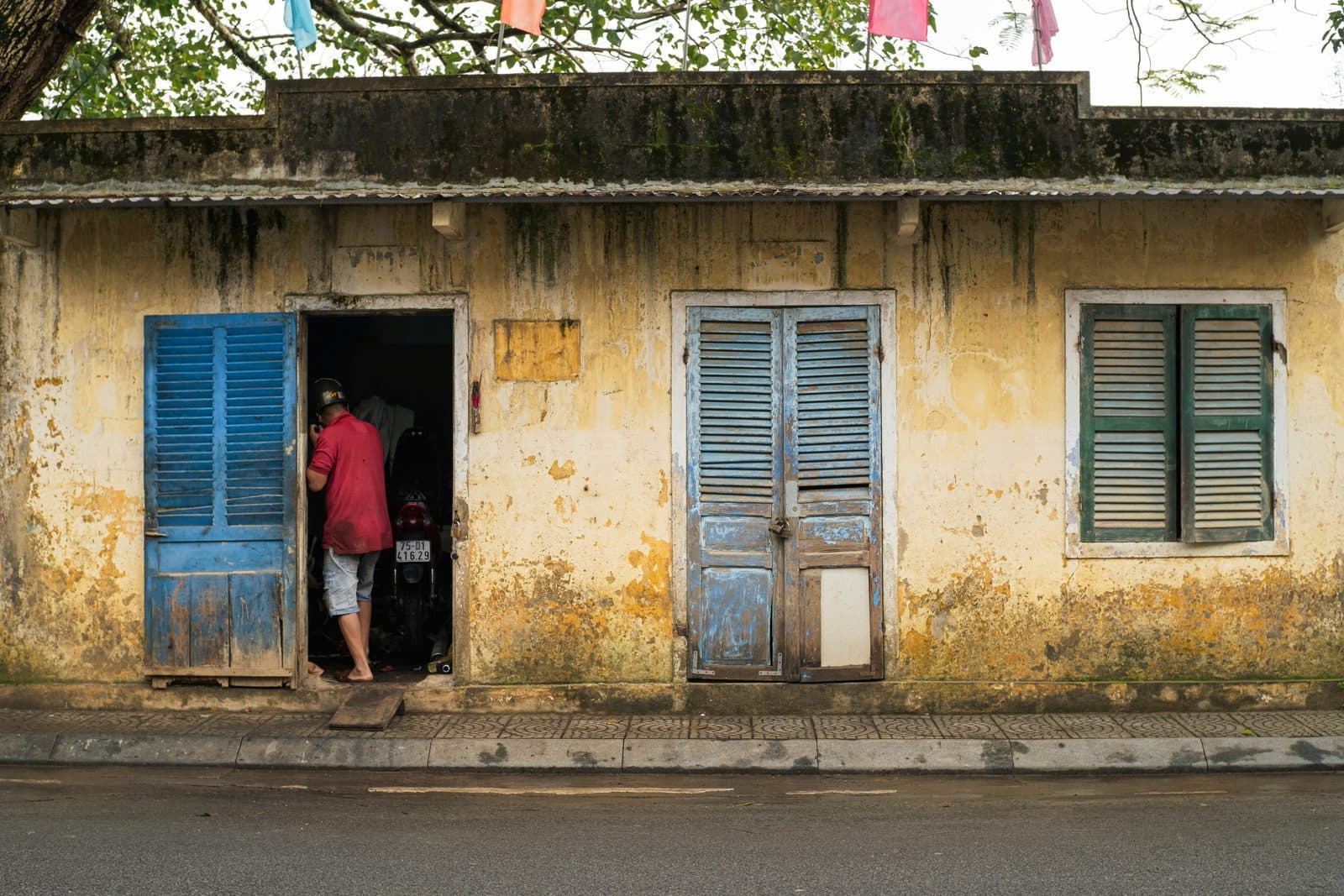
Dong Ba Market. The riverside market has been Hue's commercial heart for well over a century, on the citadel side near the Trang Tien Bridge. It is the single best place to graze on the royal small dishes and to buy the city's famous chili condiments and shrimp paste. The working quarter just east of it is the subject of the Behind the Palace tour, which slips into old Gia Hoi's merchant streets and guild temples, where many long-running family kitchens still hide.
Gia Hoi's lanes. The old merchant quarter east of the citadel keeps some of the oldest family food stalls in the city, the kind of unmarked kitchens that have made one dish for generations. Walking it with narration is the easiest way to find them.
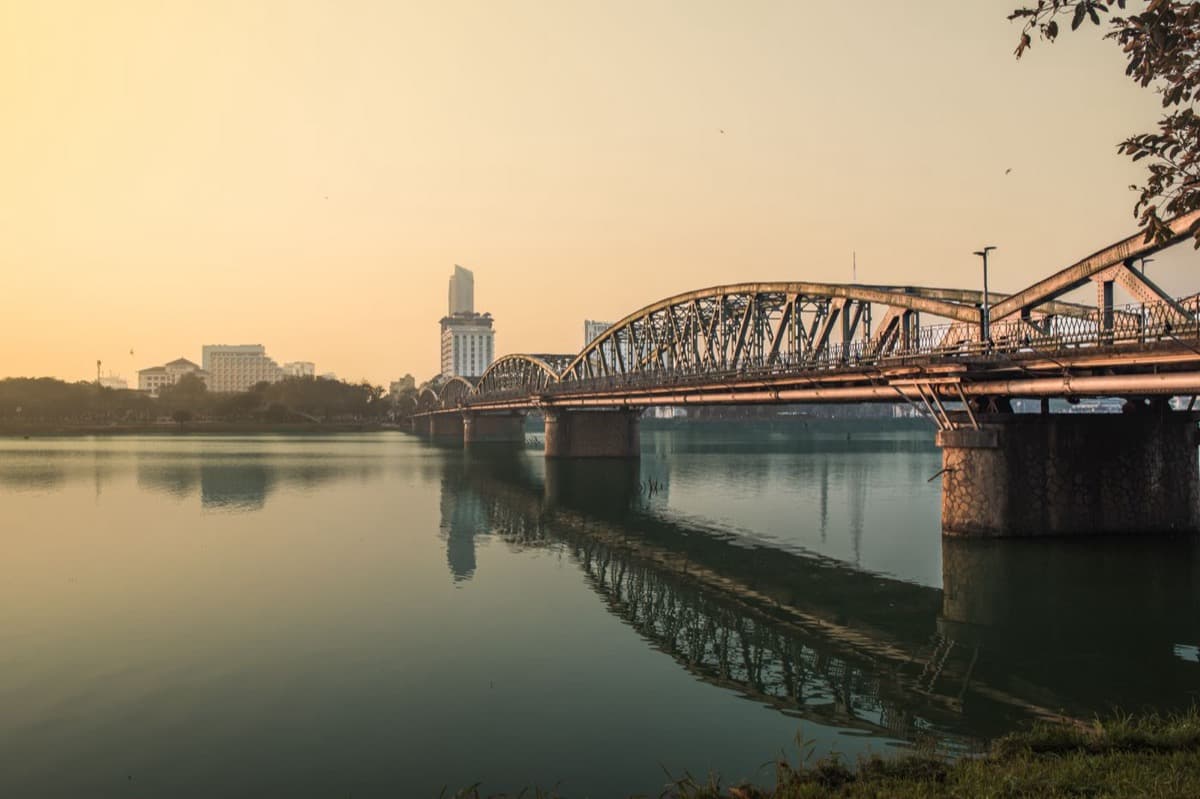
The south bank, for an evening. Across the Perfume River, the streets around the colonial quarter hold a dense run of restaurants and cafes. Walk the The Second Hue tour at dusk and it doubles as your route to dinner, tracing the bridge, the boulevard, and the schools France built along the way.
An imperial dinner. For the full palace experience, several restaurants stage a multi-dish royal court banquet in period costume and setting. It is the deepest expression of the refinement that runs through all Hue food.
Eat as you walk
The best way to work through this list is on foot, one quarter at a time. Pair a morning in the Imperial Citadel with a bowl of bun bo Hue, an afternoon browsing Dong Ba Market with a set of banh beo and a cup of che, and an evening on the south bank with banh khoai. Route your day with the one day in Hue itinerary, plan the practical side with the Hue travel guide, and browse all Hue tours. Every tour is free to start: the introduction and first stop play in full, and every later stop plays a short preview before an optional purchase.
Frequently asked questions
- What food is Hue known for?
- Hue is known as Vietnam's imperial cuisine capital, the home of the Nguyen dynasty's royal court cooking. The single most famous dish is bun bo Hue, a spicy lemongrass beef noodle soup that was born here. Beyond it, Hue is celebrated for a family of delicate royal small dishes, banh beo (tiny steamed rice cakes), banh nam (flat steamed rice dumplings), and banh loc (chewy tapioca dumplings), plus banh khoai (a crisp stuffed pancake), com hen (clam rice), and che (sweet dessert soups). The court cuisine turned every meal into many small, beautifully composed plates.
- What is bun bo Hue?
- Bun bo Hue is Hue's signature dish and, for many, the finest noodle soup in Vietnam. It is a beef and pork broth built on lemongrass, with a chili-and-shrimp-paste heat, served over thick round rice noodles with slices of beef shank, cubes of congealed pork blood, and a pile of fresh herbs. Anthony Bourdain famously called it his favorite soup in the world. It is spicier and more aromatic than the better-known pho, and Hue is its birthplace.
- Why is Hue famous for imperial cuisine?
- Hue was the capital of the Nguyen dynasty, Vietnam's last, and the emperors summoned the finest cooks in the country to their palace kitchens. Royal court cuisine prized variety, balance, and presentation: a single meal could run to dozens of small, meticulously arranged dishes, often shaped and colored to please the eye as much as the palate. That palace sensibility filtered down into the wider city, which is why even Hue street food comes in many refined small portions.
- Where should you eat in Hue?
- For variety and street food, Dong Ba Market on the riverside is the city's oldest and best-known market, packed with stalls selling the royal small dishes and Hue's famous chili condiments. The lanes of the old merchant quarter of Gia Hoi, just east of the citadel, hide long-standing family kitchens. The south bank of the Perfume River has a dense cluster of restaurants and cafes. For a splurge, several restaurants stage a multi-dish imperial court dinner in a period setting.
Ready to experience it?
Perfume River: The Second Hue
110 min · 4 km · moderate
More from Hue
Explore more at your own pace.
How to See Hue: One City, Written Twice and Partly Erased
Hue Travel Guide: How Many Days, Getting Around, When to Go (2026)
One Day in Hue: The Imperial City in a Single Day (2026)
Behind the Palace: The Working City That Kept Hue's Emperors Alive
The Cosmos in Stone: How to Read the Imperial City of Hue