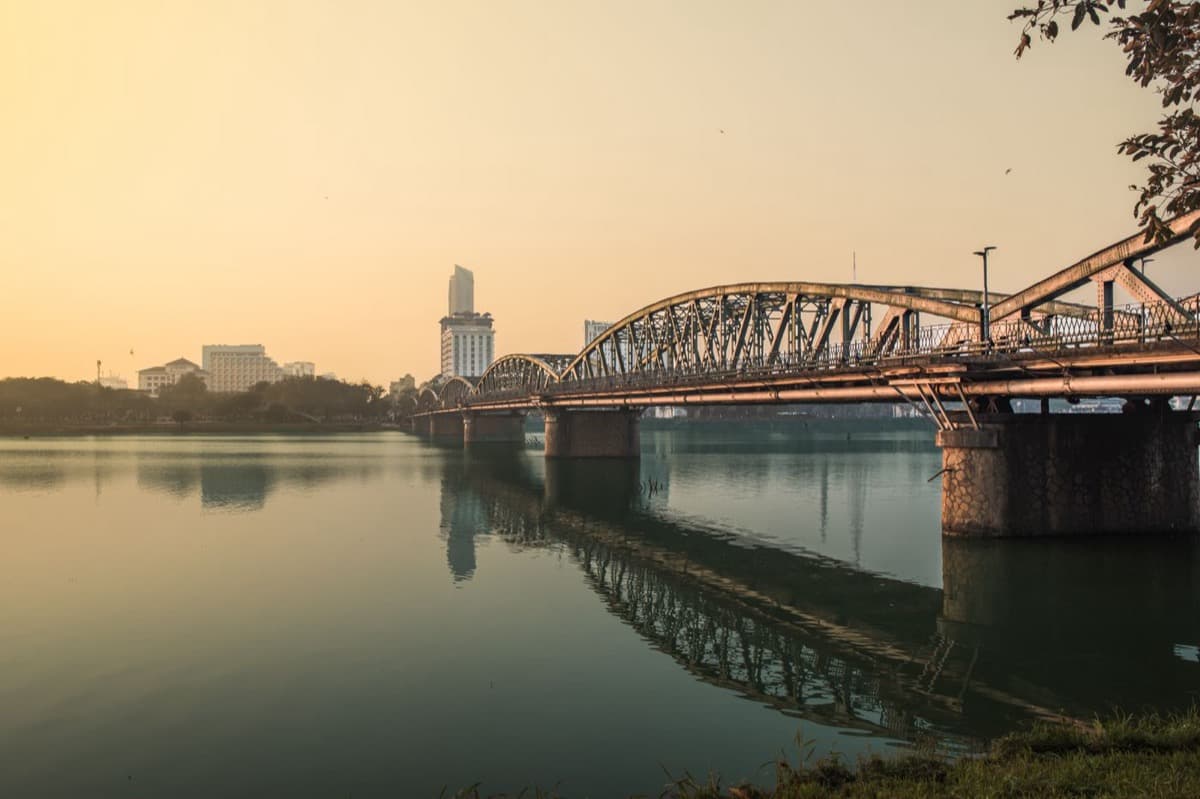
The Second Hue
France built a second Hue on the south bank of the Perfume River to civilize and to rule: a bridge, a boulevard, a cathedral, and above all schools. This walk follows the paradox of a colonizer whose proudest institutions raised the very generation that would end both the dynasty and the empire.
4.45|110 minutes|4 km|6 Stops
Start
Truong Tien Bridge: The Threshold
1
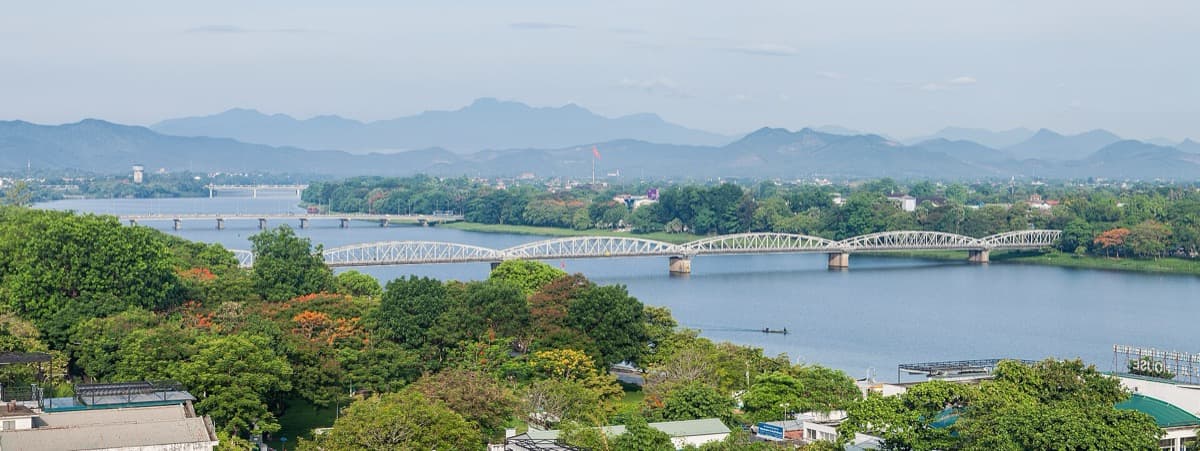
Truong Tien Bridge: The Threshold
The iron bridge across the Perfume River that links the old walled Hue of the north bank to the French second Hue this walk explores.
2
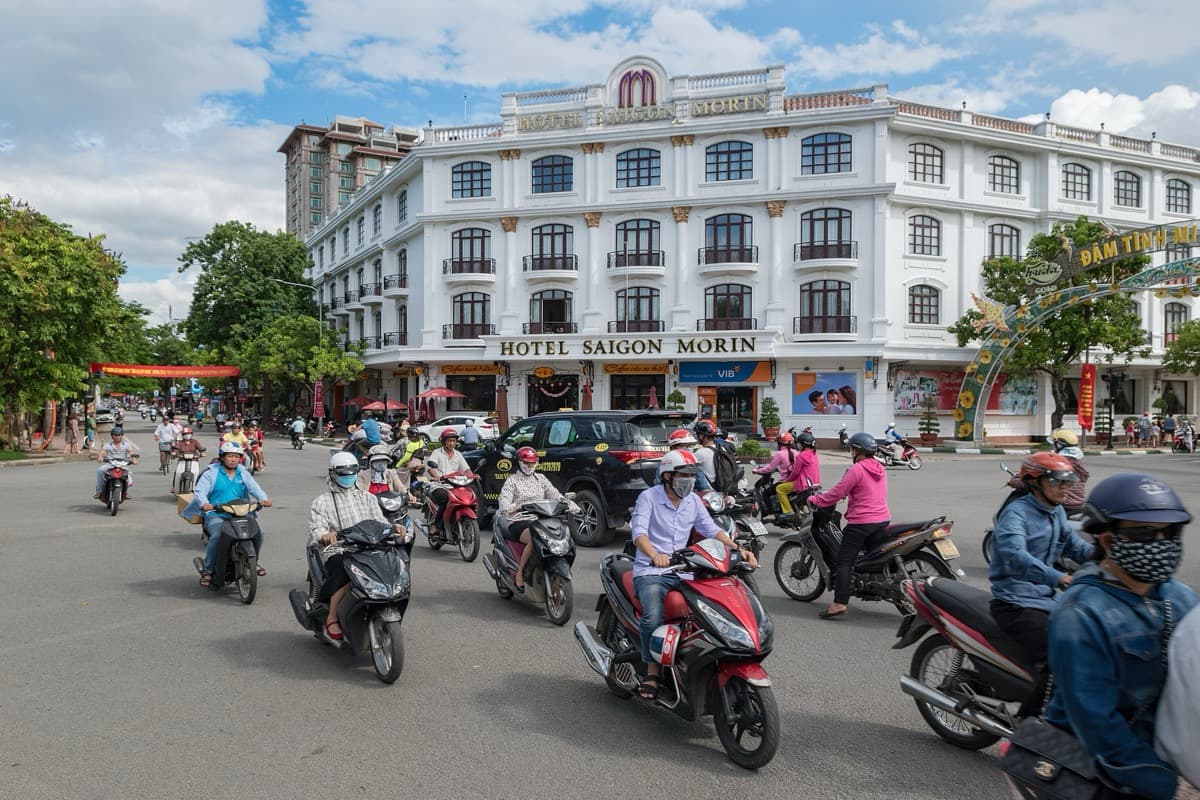
Le Loi Riverside Boulevard: The Face of Empire
The tree-lined colonial boulevard along the south bank, anchored by the grand Hotel Saigon Morin at the foot of the bridge.
3
Ho Chi Minh Museum: The Famous Student
A riverfront museum on Le Loi street dedicated to the Hue childhood of the city's most famous student.
4
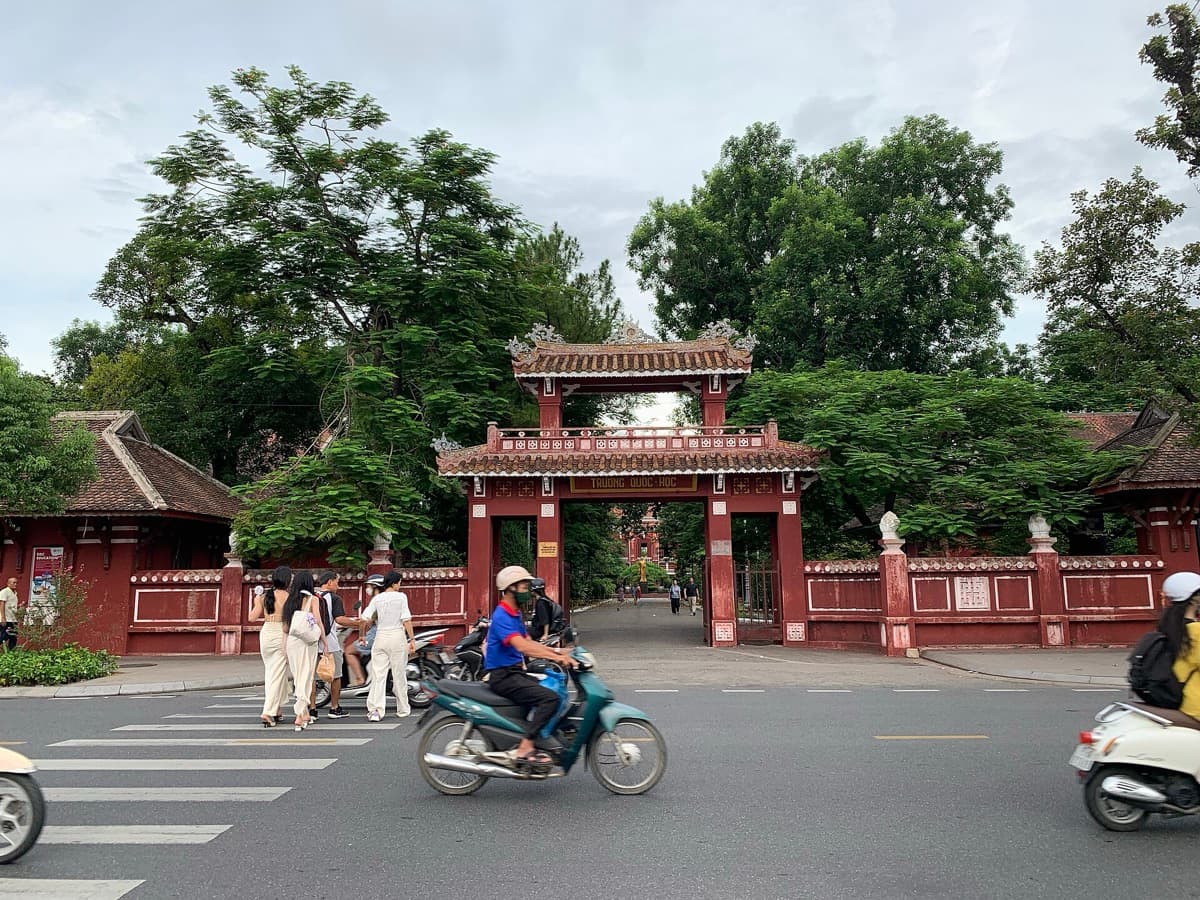
Quoc Hoc National Academy: The Paradox's Heart
The colonial French lycee whose alumni roster reads like the guest list at the empire's own funeral.
5
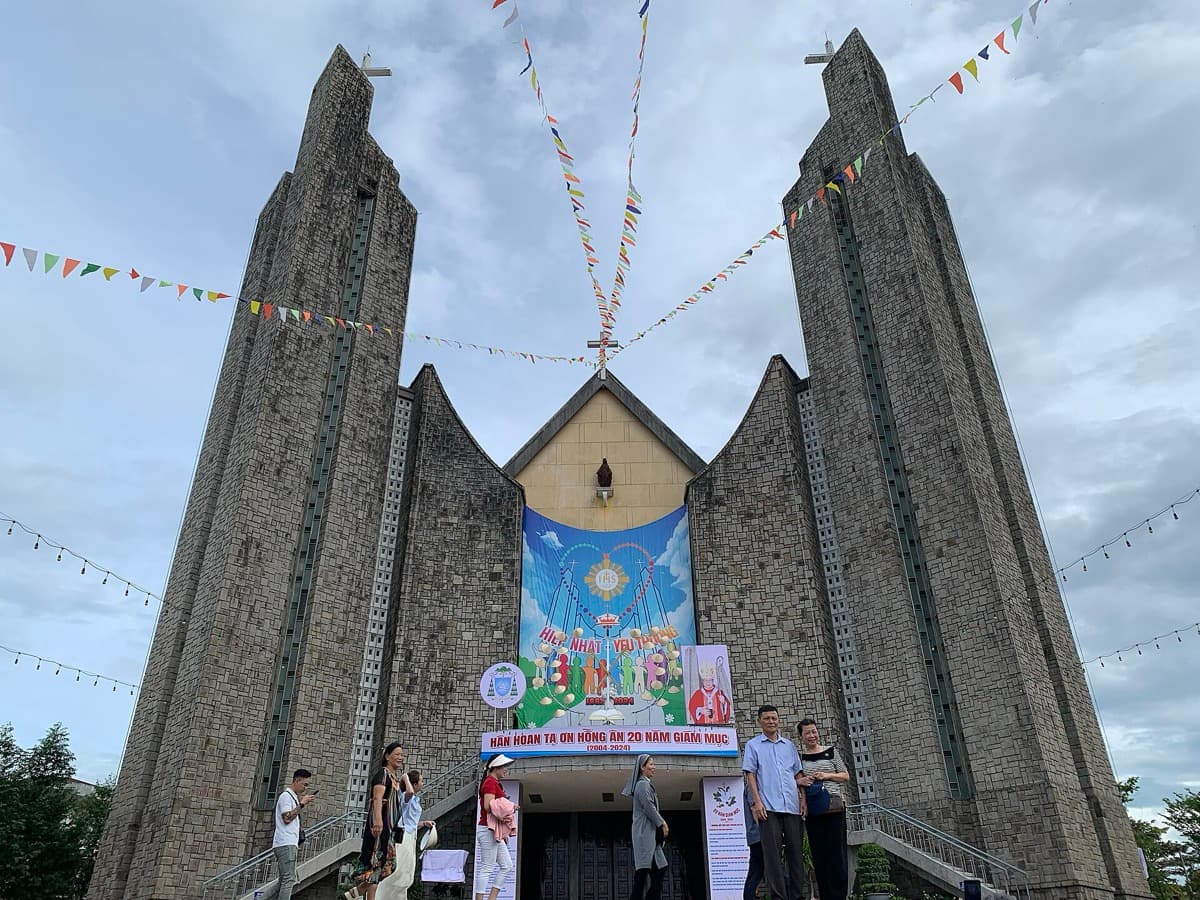
Phu Cam Cathedral: The Colonial Faith
The seat of the Archdiocese of Hue on Phuoc Qua Hill, where a colonial-era faith wears a boldly modern shape.
6
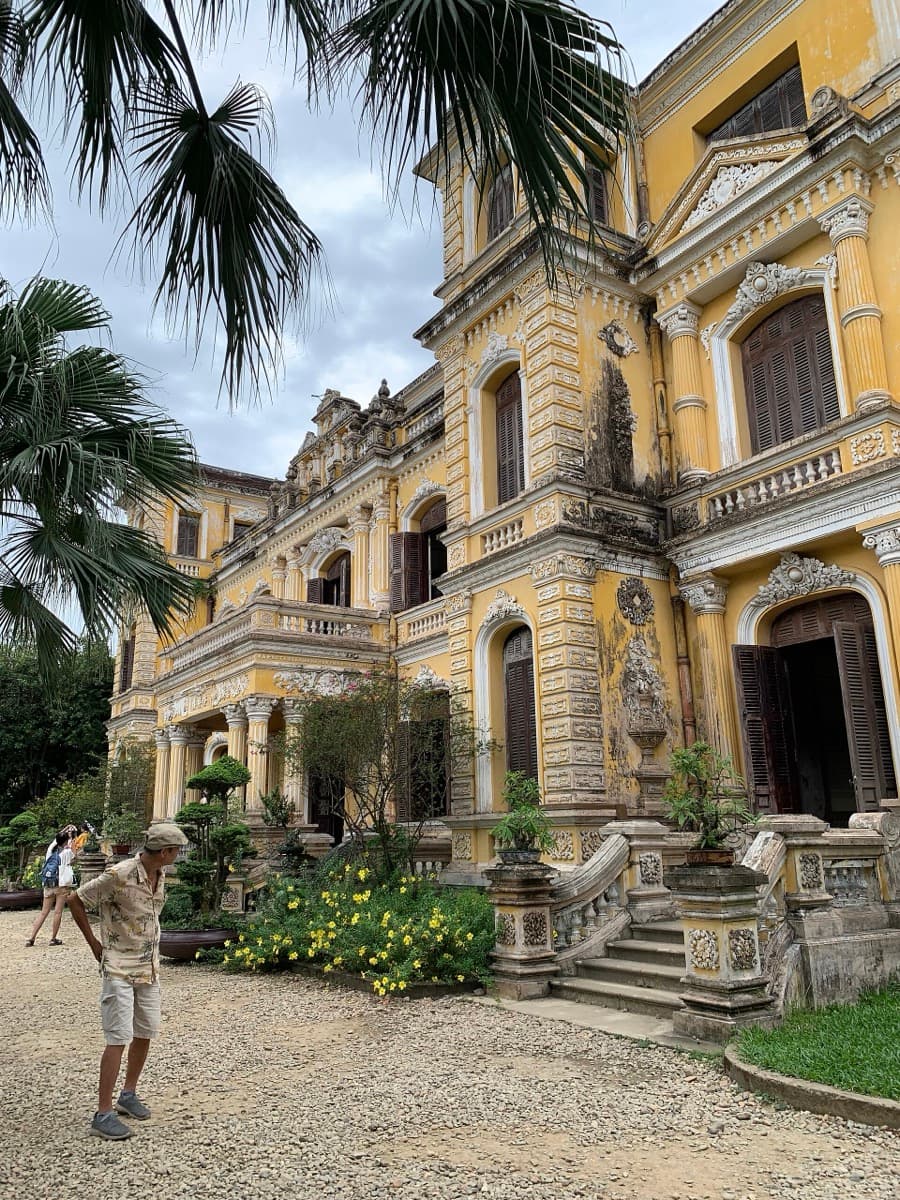
An Dinh Palace: The Dynasty's Last Act
The gilded Euro-Vietnamese palace on the An Cuu canal where the hollowed-out Nguyen dynasty lived out its final chapter.
Best Time to Visit
The cooler, drier months from roughly February to April offer the most comfortable walking, with milder temperatures and lower humidity. Start in the morning to beat the midday heat, and note that Hue's heaviest rains fall between about September and December, when the Perfume River can flood the low riverfront streets. Late afternoon light on the bridge and the river is especially lovely if you can time the finish for then.
Pro Tips
- •Wear light, breathable clothing and carry water; central Vietnam is hot and humid for much of the year, and long stretches of this walk sit in open sun along the river.
- •Bring modest cover for your shoulders and knees if you plan to step inside Phu Cam Cathedral; it is an active place of worship, so keep quiet and avoid visiting during Mass unless you intend to attend respectfully.
- •An Dinh Palace charges a small entrance ticket, roughly fifty thousand dong, around two US dollars; carry a little cash, as smaller sites do not always take cards.
- •Quoc Hoc and the Ho Chi Minh Museum are best appreciated from the street and grounds; the school is a working institution, so admire the historic gate and facade rather than expecting a full interior visit.
- •Cross Truong Tien Bridge on foot at least once for the view up and down the Perfume River, but stay on the pedestrian lane, as the bridge carries steady motorbike traffic.
- •Consider renting a bicycle or hiring a cyclo for the slightly longer stretch inland to the cathedral and palace if the heat is heavy; the riverfront section is very walkable, but the last stops sit farther apart.
Safety & Precautions
- Hue is genuinely hot and the sun is strong; open courtyards at the palace and long boulevard stretches offer little shade, so use sunscreen, a hat, and water to avoid heat exhaustion.
- The rainy season, roughly September to December, brings heavy downpours and periodic flooding along the low south-bank riverfront; check the forecast, as streets near the Perfume River can become impassable quickly.
- Traffic in Hue moves in a constant flow of motorbikes; cross streets and the bridge deliberately and predictably, and keep children close near the boulevard and bridgeheads.
- Treat religious and royal sites with respect: lower your voice, dress modestly, avoid photographing worshippers at the cathedral, and follow posted rules and ticketing at An Dinh Palace and other monuments.
Gallery
Related Reading
Go deeper on what you'll see, hear, and walk through.
Overview
Best Self-Guided Walking Tours in Hue (2026)
3 min
Overview
How to See Hue: One City, Written Twice and Partly Erased
6 min
Overview
Hue Travel Guide: How Many Days, Getting Around, When to Go (2026)
5 min
Overview
One Day in Hue: The Imperial City in a Single Day (2026)
6 min
Thematic
What to Eat in Hue: A Food Guide (2026)
5 min
Companion
The City France Built: How Hue's Colonial Schools Raised the Empire's Undoing
7 min