Old City: The Moated Square
95 min · 3.5 km · moderate
If you have one day in Chiang Mai and want to walk it, spend the morning inside the moated old city, cross the Ping River to Wat Gate in the early afternoon, and end the day south of the wall in Wualai, timing your evening to whichever night market is running. The old city is roughly one square mile, flat, and easy on foot, so a single well-planned day covers the founding temples, the trading quarter, and the silver road without ever needing a car. The three self-guided Chiang Mai walking tours map almost exactly onto that arc, and you can start any of them the moment you reach the first stop.
Here is how the day divides, hour by hour, with entry costs and hours confirmed against current sources.
Morning: the old city, from Tha Phae Gate to Wat Phra Singh
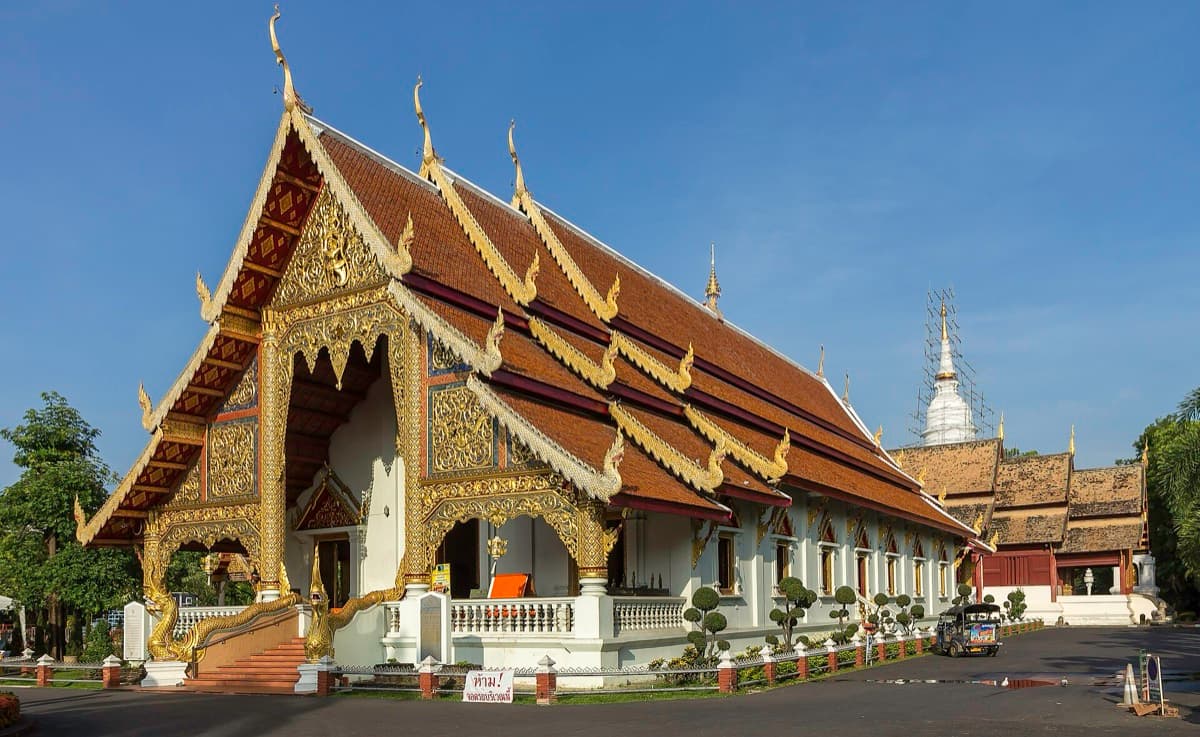
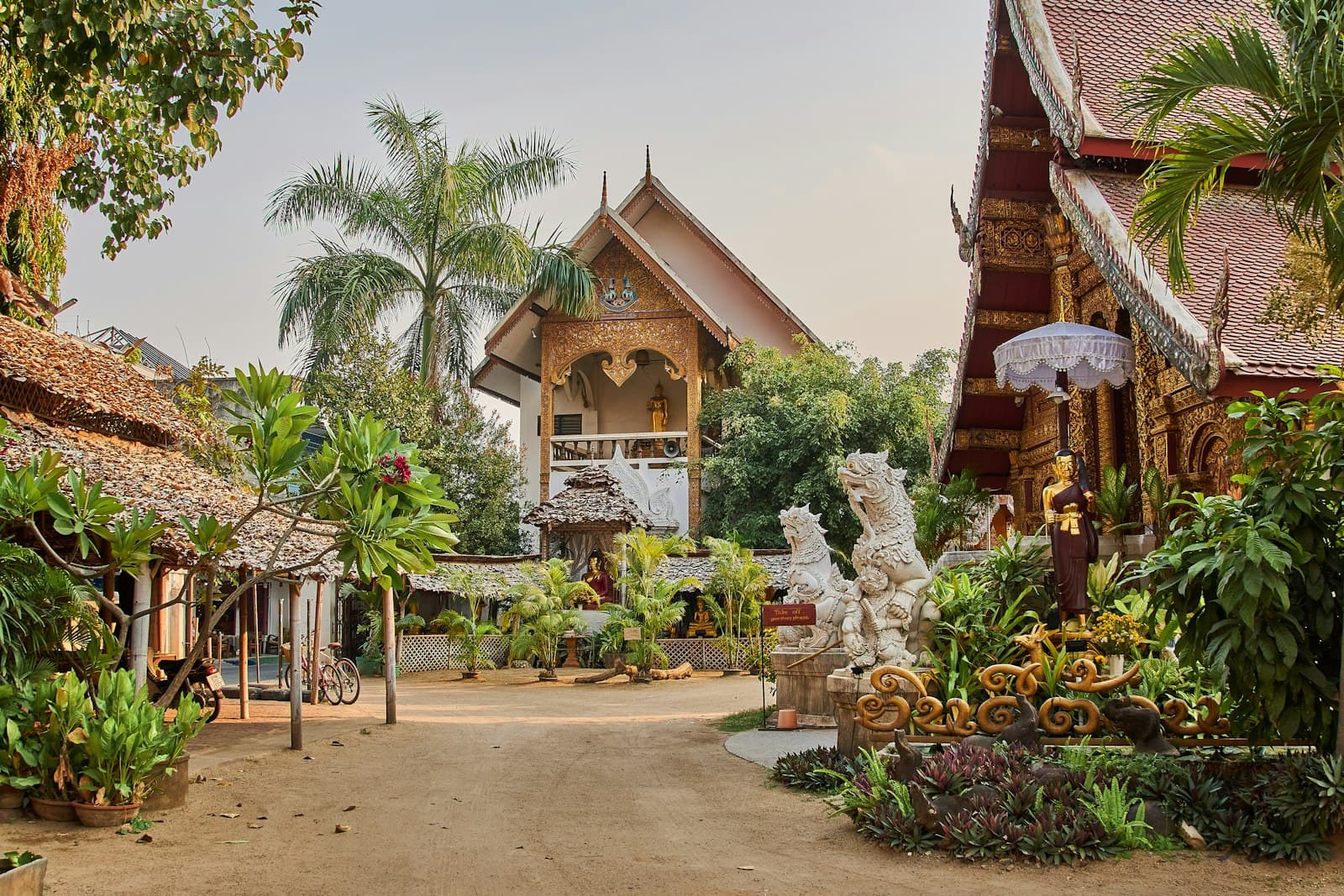
Start at Tha Phae Gate, the restored brick gate on the east side of the moat. It is free, open air, and the natural front door to the old city. From here the Old City tour runs a loop of about 3.5 kilometers past the founding sites of Lanna: Wat Chiang Man (the city's first temple, free), the Three Kings Monument (free, in the open plaza), Wat Chedi Luang, the city pillar, and Wat Phra Singh.
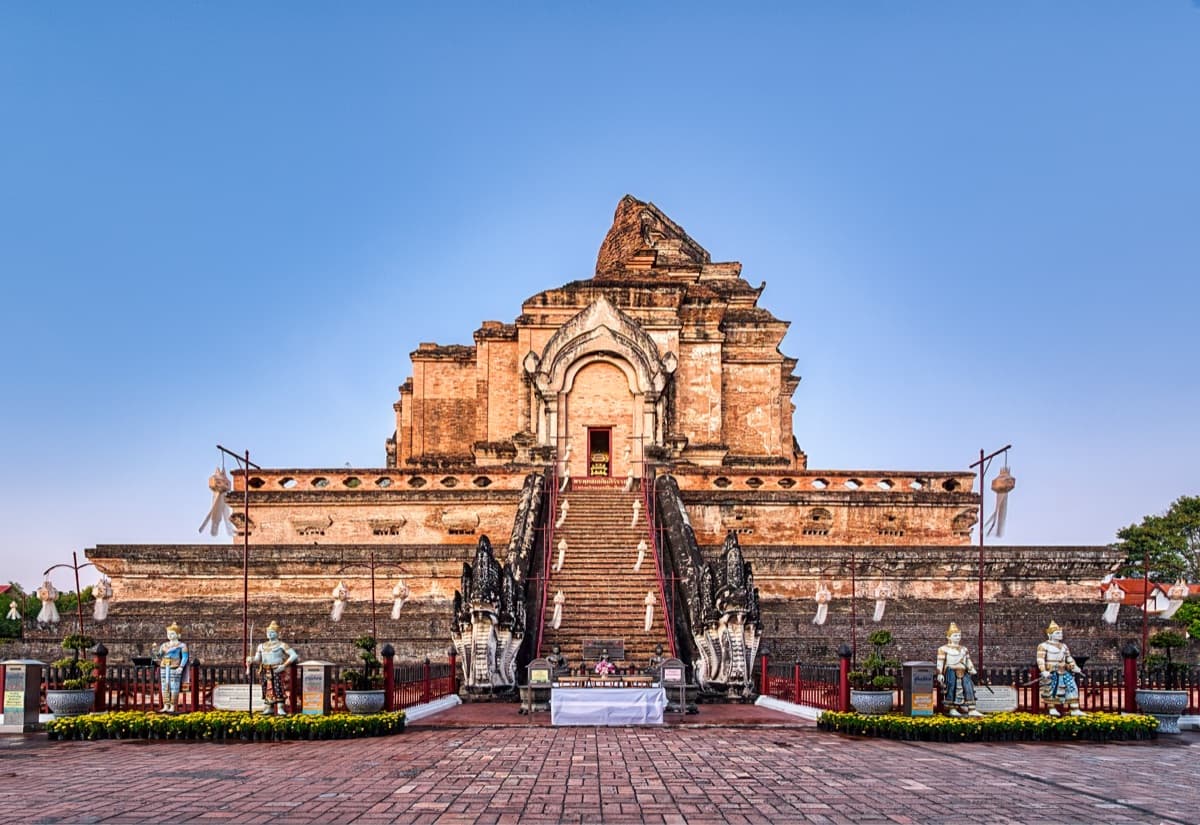
Two of these charge a small fee for foreign visitors. Wat Chedi Luang, built around the giant ruined brick chedi, asks about 40 baht and is open daily from roughly 6:00 in the morning to 6:00 in the evening. Wat Phra Singh keeps its grounds free but charges about 40 baht to enter the main assembly hall. Both expect modest dress: shoulders and knees covered, shoes off inside the halls. Go early. Temples are coolest and quietest before mid-morning, and the light on the chedi is best then.
Walking the full loop takes most people around 90 minutes to two hours with stops, longer if you sit inside the halls. That fits neatly into a morning. The /thailand/chiang-mai city page lets you open the audio at Tha Phae Gate and let it trigger stop by stop as you move.
Midday: cross the Ping to the Wat Gate quarter
Hear a stop from this walk
Three Kings Monument: the founding legend in bronze
By late morning you are near the east moat again, a short walk from the river. Cross the Nawarat Bridge and you leave the tourist square for the neighborhood outsiders built. This is where the Wat Gate self-guided route runs, about 4.5 kilometers along and across the Ping.
Anchor lunch at Warorot Market (locals call it Kad Luang), the big covered market by the river. The indoor market runs daily through the day and typically winds down by early evening, so midday is ideal for its food stalls, dried fruit, curry pastes, and northern snacks. It is free to wander. From there the route passes Ban Ho Mosque (free, dress modestly and remove shoes), Wat Ket Karam with its small volunteer-run community museum on the old trading community (donation entry), and the First Church of Chiang Mai. This stretch is quieter and greener than the old city, and the river breeze makes early afternoon walkable even in warm months.
Budget about two hours here including lunch. Then decide your evening based on the day of the week.
Late afternoon and evening: Wualai and the silver road
South of the moat, one short road carries a single trade: hand-hammered silver. The Wualai route is the easiest of the three, only about 1.5 kilometers, so it works well when your legs are tired. Enter at Chiang Mai Gate (free), walk down Wualai Road past working silversmith workshops, and reach Wat Sri Suphan, the silver temple. Entry is about 50 baht. Note one honest caveat: women are welcome on the temple grounds but are not permitted inside the silver ordination hall itself, a long-standing Lanna rule. The exterior panels and the surrounding buildings are open to everyone and are the main visual draw anyway.
Time your evening to the markets. If it is Saturday, the Wua Lai Walking Street takes over this exact road: traffic closes from around 4:00 in the afternoon and the market runs into the late evening, roughly to 11:00 or midnight, full of silver, crafts, and food. If it is Sunday, walk back to the old city instead, where the Sunday Walking Street fills Ratchadamnoen Road for about a kilometer from Tha Phae Gate to Wat Phra Singh, running from about 4:00 in the afternoon to midnight. Either way you end the day on foot, eating, exactly where you started walking that morning.
Practical notes for the day
You will not need a car. The old city is about one square mile and flat, though some sidewalks are uneven, so comfortable shoes matter more than transport. When you do need a ride between quarters, a shared red songthaew (the open-backed trucks) runs a flat fare of around 30 baht per person in town: flag one, tell the driver where you are going, hop in the back. Grab and Bolt also work reliably with upfront pricing. Chiang Mai is generally a safe, easy city for walking; ordinary care with your belongings in crowded markets is enough. Carry small baht notes for temple fees and market food, dress modestly for temples, and drink more water than you think you need.
If you only pick one segment, make it the morning old-city loop: it is free apart from two 40-baht temples, it is the densest history, and it sets up everything else the day builds on.
Sources
- Wat Chedi Luang entrance fee and hours, Chiang Mai Travel Hub
- Wat Phra Singh hours, dress code and entrance fee, Chiang Mai Travel Hub
- Wat Sri Suphan (Silver Temple) fee and ordination-hall restriction, Bon Voyage Thailand
- Wua Lai Saturday Walking Street timing, Chiang Mai City Life
- Warorot Market opening hours, Chiang Mai Travel Hub
- Getting around Chiang Mai (songthaew, Grab, walking), Lonely Planet
Frequently asked questions
- Can you see Chiang Mai in one day on foot?
- Yes. The old city is about one square mile and flat, so a single day covers the main temple loop, the Wat Gate river quarter, and the Wualai silver road entirely on foot. Short shared-truck (songthaew) rides at around 30 baht cover the gaps between quarters if you tire. Comfortable shoes matter because some sidewalks are uneven.
- How much are Chiang Mai temple entry fees?
- Most temples are free. Wat Chiang Man, the Three Kings Monument, and Tha Phae Gate cost nothing. Wat Chedi Luang charges about 40 baht for foreign visitors, Wat Phra Singh charges about 40 baht for its main assembly hall (grounds free), and Wat Sri Suphan (the Silver Temple) charges about 50 baht. Carry small baht notes and dress modestly with shoulders and knees covered.
- What time do Chiang Mai's walking street markets start?
- The Wua Lai Saturday Walking Street runs on Wualai Road on Saturdays, with the road closing to traffic from around 4:00 in the afternoon and stalls open into the late evening. The Sunday Walking Street fills Ratchadamnoen Road in the old city on Sundays from about 4:00 in the afternoon to midnight, stretching roughly a kilometer from Tha Phae Gate to Wat Phra Singh. Arrive around 5:00 to beat the biggest crowds.
- Can women visit the Silver Temple (Wat Sri Suphan)?
- Women are welcome on the grounds of Wat Sri Suphan and can see the silver exterior panels, which are the main attraction. However, women are not permitted inside the silver ordination hall itself, a long-standing Lanna tradition. Entry to the temple is about 50 baht for everyone.
- What is the best order to walk Chiang Mai in a day?
- Start in the old city in the morning while temples are cool and quiet, walking the loop from Tha Phae Gate past Wat Chedi Luang to Wat Phra Singh. Cross the Ping River to the Wat Gate quarter for lunch at Warorot Market around midday. Finish south of the moat in Wualai in the late afternoon, timing the evening to the Saturday Wua Lai market or the Sunday old-city market.
- Is Chiang Mai safe to walk around?
- Chiang Mai is generally regarded as a safe, easy city for walking, including for solo travelers. Ordinary care with your belongings in crowded markets is enough. The old city's compact grid and flat streets make it straightforward to navigate on foot, and ride-hailing apps like Grab and Bolt offer upfront pricing when you want a ride.
Ready to experience it?
Old City: The Moated Square
95 min · 3.5 km · moderate
More from Chiang Mai
Explore more at your own pace.
Chiang Mai Travel Guide: Days, Getting Around, Best Time, Safety, and Budget
Chiang Mai: Reading the Lanna Capital in Three Layers
Wat Chedi Luang: The Broken Giant at the Center of Chiang Mai's Moated Square
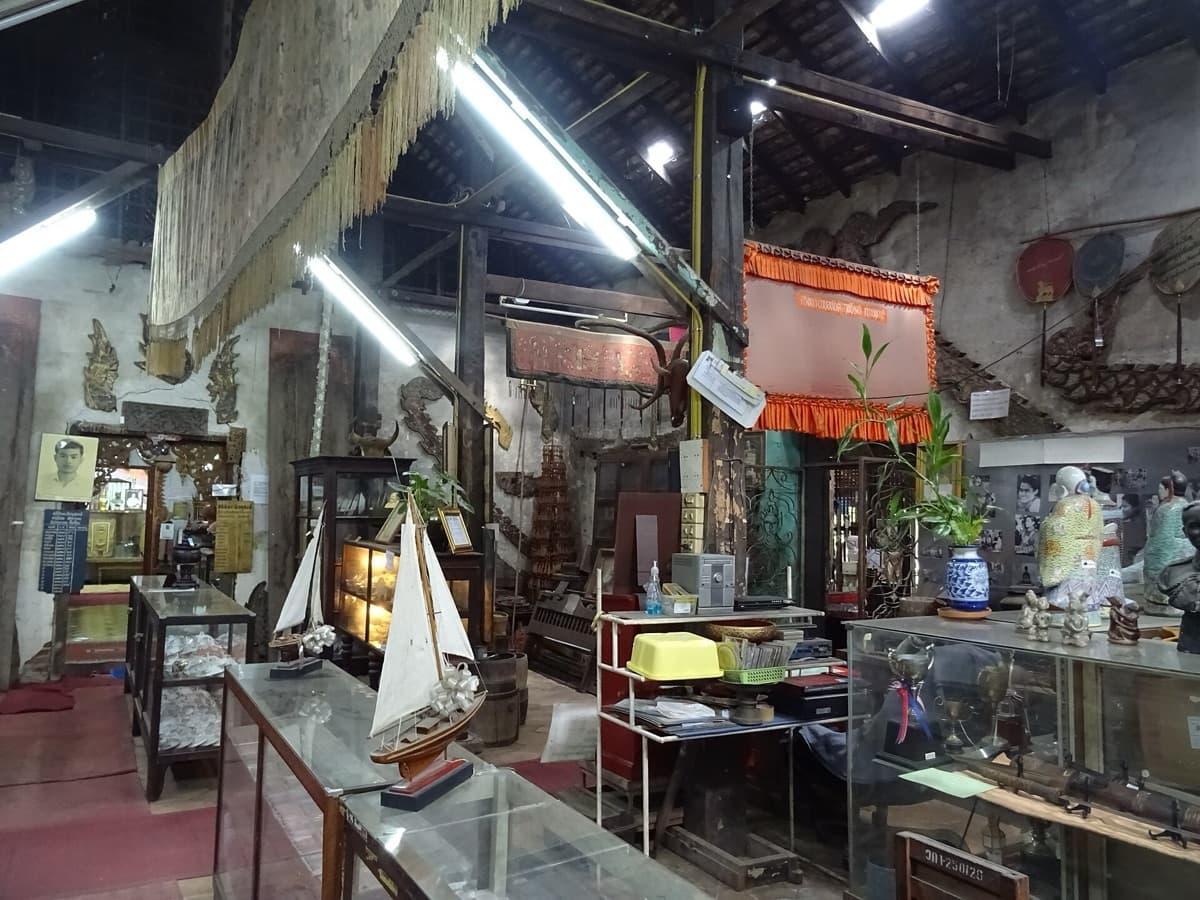
Wat Ket Karam and the Chiang Mai the Teak Boom Built Across the River
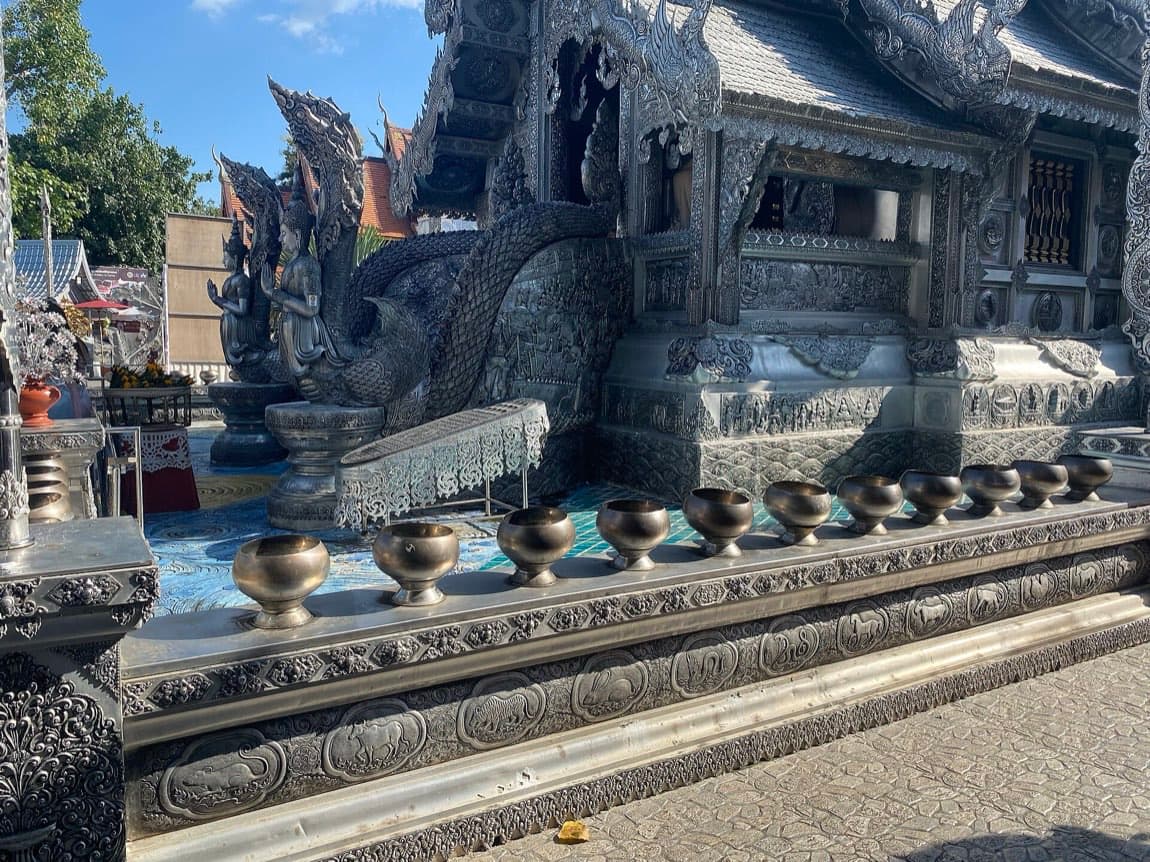
Wat Sri Suphan and the Silver Road of Wualai